
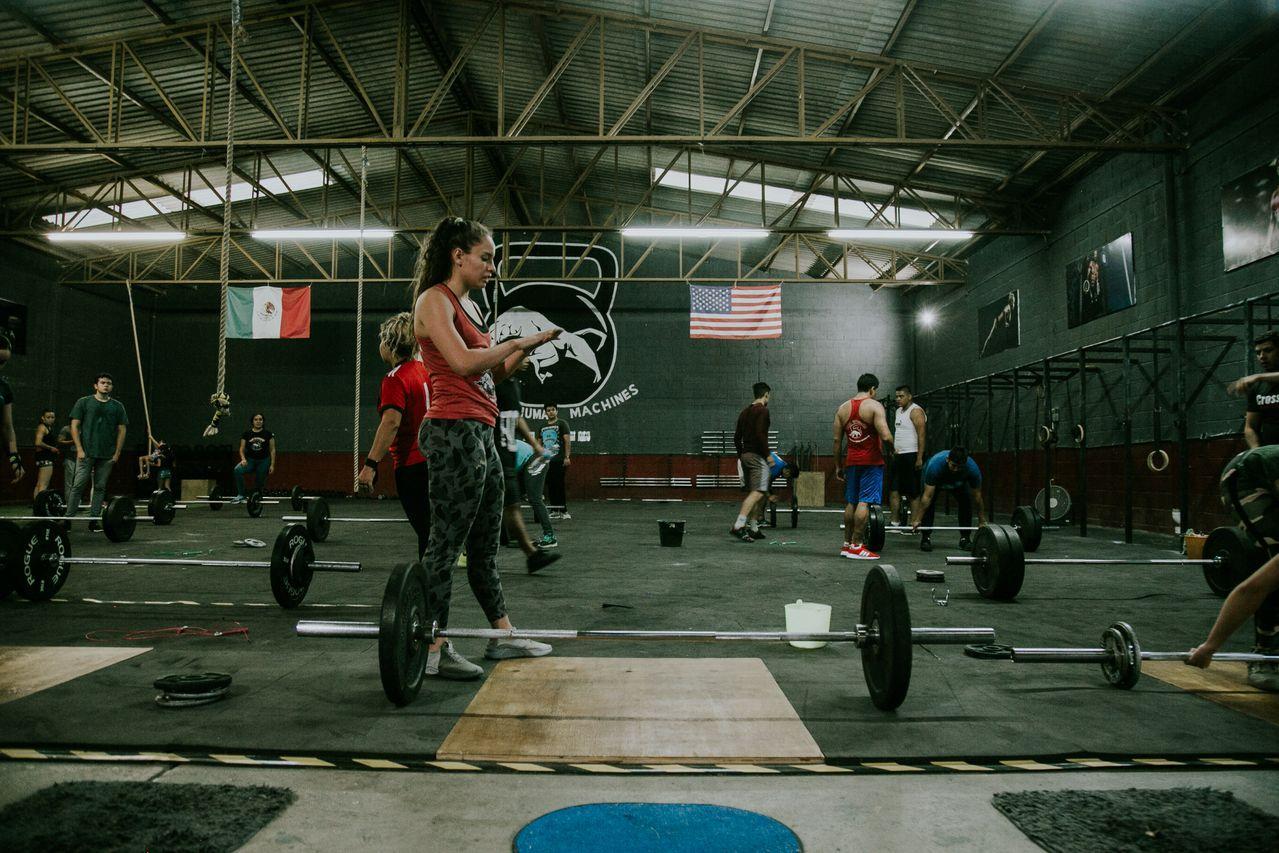
A decade ago, working with a coach meant standing beside one in a gym while they counted your reps. Today a trainer might check your squat depth through a phone screen from another time zone. That shift sits at the heart of the evolution of personal training in the digital age. It is driven by smarter apps, faster connections, and people who want expert guidance without rearranging their whole week. For anyone weighing a fitness app against a live coach, the choice now shapes how and why they train.
How Did Personal Training Move From the Gym Floor to the Screen?
Personal training moved online because technology finally caught up with what coaches already did in person. Video calls, wearables, and shared workout logs let a trainer watch form, adjust a program, and send feedback within minutes. The gym floor used to be the only place this happened. Now a session can run from a living room, a hotel, or a small apartment with barely enough space for a mat.
Home equipment grew alongside the software, and the two now work together. Compact machines and connected tools let people follow structured plans without a commercial gym. Exploring the benefits of mini steppers for better workouts shows how even simple gear pairs with training apps to track sessions and keep progress visible. The result is a setup where the coaching, the equipment, and the data all live in one place.
What Does the Evolution of Personal Training in the Digital Age Look Like Today?
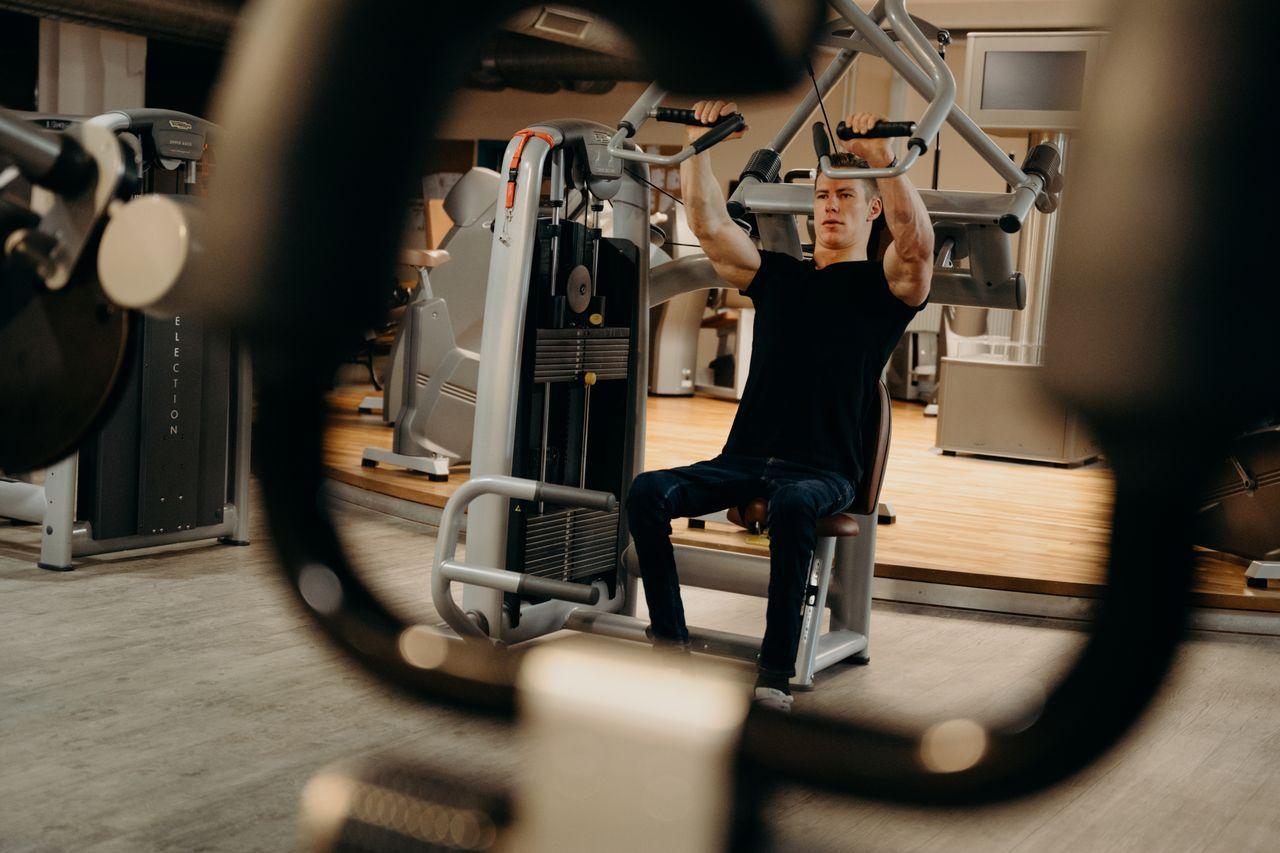
Today it looks like a hybrid: live human coaching delivered through digital tools. A trainer builds a plan, the client logs workouts in an app, and the two adjust together between sessions. This model suits busy schedules and climates where outdoor or gym-based exercise is not always practical.
Nowhere is that clearer than in Dubai, where heat and long working hours push many residents toward remote coaching they can do at home. FitForce UAE offers online personal training built around small apartment spaces and packed calendars. Pairing a real coach with flexible scheduling helps clients stay consistent. The everyday convenience is the selling point, but the live guidance is what keeps it from being just another fitness app.
Can a Screen Really Replace a Trainer in the Room?
A screen can replace most of what a trainer does, but not all of it. Remote coaching handles programming, accountability, and form checks through video very well. What it loses is the hands-on cue, the spotter on a heavy lift, and the instant tactile correction that some movements demand.
The gap matters more for certain goals than others. Someone chasing maximal strength under a loaded barbell benefits from a coach physically present. Diving into differences between powerlifting and strength training helps you see why, since competitive lifting carries risks that general fitness work does not. For fat loss, mobility, or building a consistent habit, a screen covers the job with little lost. The honest answer is that the right setup depends on what the client is training for.
How Do You Get Results From Digital Coaching?
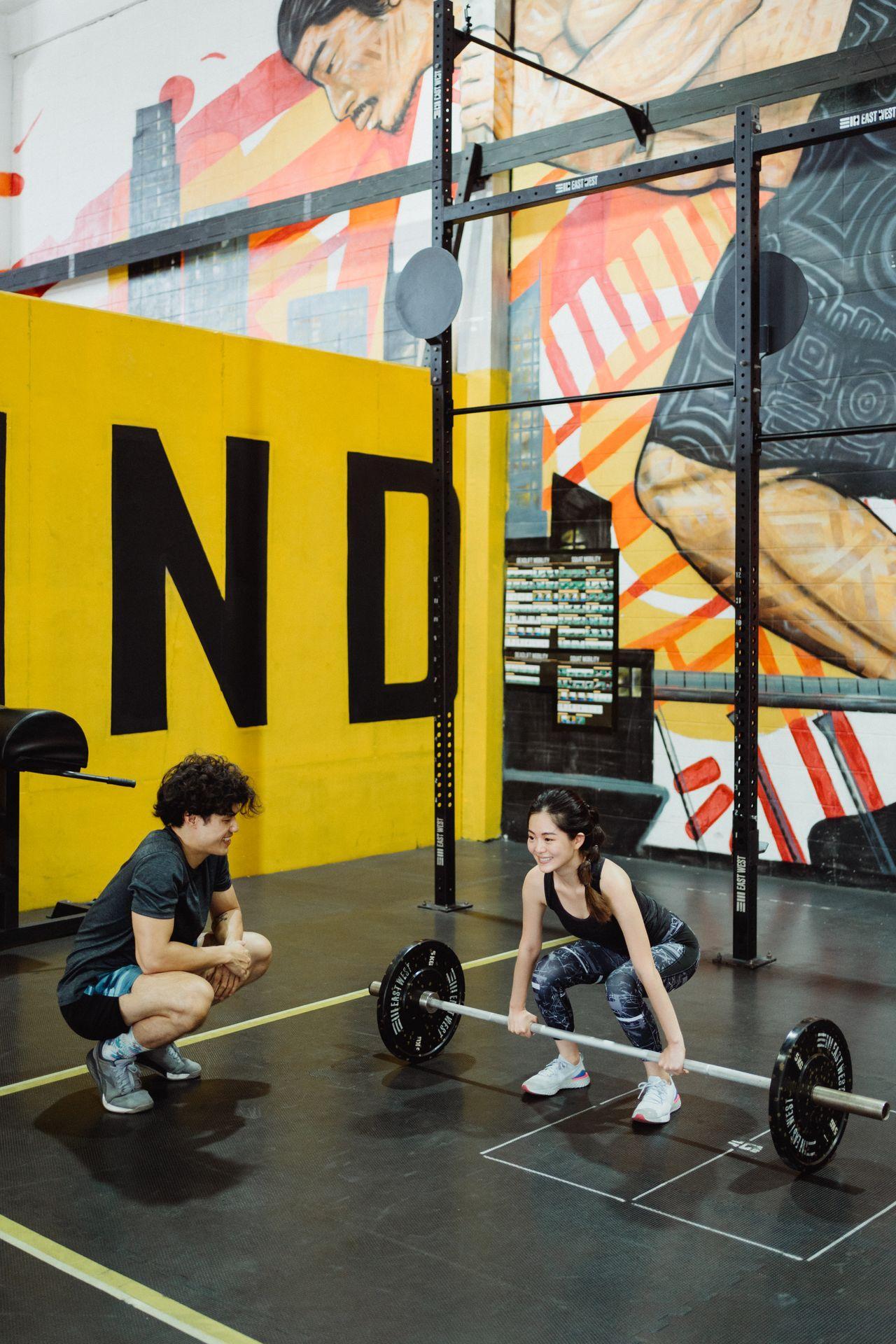
Results from digital coaching come from the same fundamentals as in-person training: clear targets, steady effort, and recovery. The format changes the delivery, not the biology. A well-built remote plan still needs enough volume, progressive overload, and rest to drive adaptation.
Hitting recognized activity targets is a useful baseline before chasing anything fancier. The CDC physical activity guidelines for adults recommend at least 150 minutes of moderate aerobic activity each week, plus muscle-strengthening work on two or more days. A good online coach builds a program that meets those minimums before layering on specific goals. Tracking those numbers in an app makes it easy to see whether a week actually hit the mark.
Consistency beats intensity over time, and digital tools are built to protect it. Reminders, logged sessions, and visible streaks keep momentum going on days when motivation dips. A coach reviewing that data can step in early when adherence slips, rather than discovering a missed month at the next check-in.
How Do You Choose Between an App and a Live Coach?
Choose based on how much guidance and accountability you need. A standalone app suits self-directed people who know the basics and want structure on a budget. A live coach, even a remote one, suits anyone who needs form correction, a plan tailored to a specific goal, or someone holding them accountable week to week.
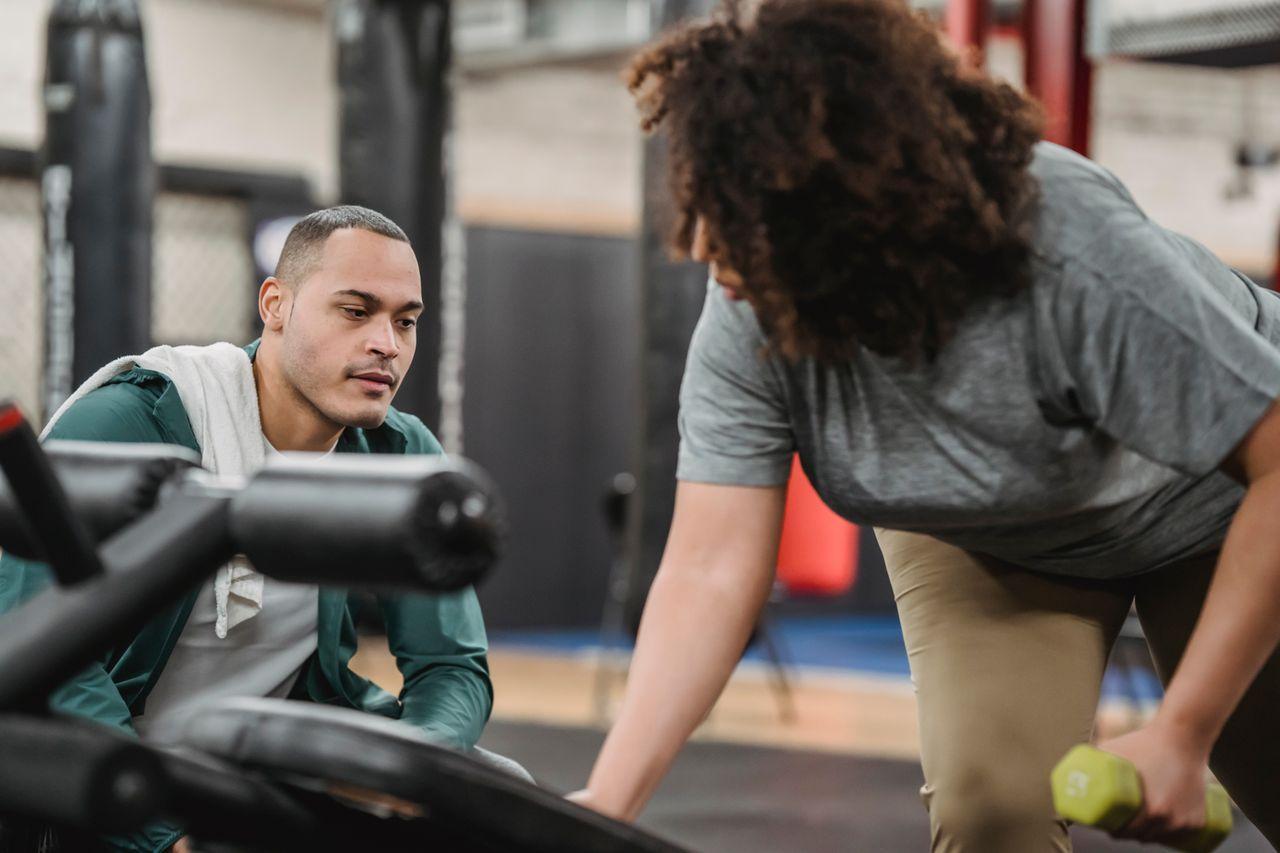
It also helps to know how much training detail you can manage on your own. Weekly volume trips up many self-coached lifters. If you’re wondering how many sets per workout you should do, know that it’s easy to get it wrong without feedback. This is why a coach is worth the cost. If it feels obvious, an app may be sufficient.
A few questions make the decision clearer:
- Your experience level, since beginners gain the most from expert oversight
- Your goal, whether general health, fat loss, or a specific performance target
- Your budget, balancing app subscriptions against coaching fees
- Your need for accountability, which a live coach supplies and an app only nudges
Where Digital Fitness Goes From Here
The line between an app and a trainer keeps blurring, and that is good news for anyone trying to stay active around a full life. The evolution of personal training in the digital age has made expert guidance more flexible, more affordable, and far easier to fit into a real schedule. That holds whether you train at home, in a gym, or somewhere in between. The smart move is to be honest about what you need, then match the tool to it. Take a look at your own goals this week, and pick the level of support that will keep you showing up.