

I've been there. Standing in the gym, second-guessing every single set.
Too many? Too few? Nobody gives you a straight answer.
Here's the thing, most people waste months doing the wrong amount of work. They either overtrain and burn out, or undertrain and wonder why nothing changes.
This blog breaks it all down clearly. I'll show you how many sets per workout actually work based on your goal and experience level. No guesswork. No complicated formulas.
You'll get real numbers, honest insights from the fitness community, and a simple framework you can use right away.
Let's get into it.
Why Workout Volume Matters for Progress

Sets are the backbone of any workout. Every rep you complete adds up to your total training volume, and that volume is what drives results.
Too few sets and your muscles don't get enough stimulus to grow. Too many and you risk burnout, injury, or slow recovery.
The sweet spot sits somewhere in the middle. Quality beats quantity every single time. One focused set done right is worth more than three sloppy ones.
Your body needs enough stress to adapt, but it also needs time to recover. That balance is what separates real progress from spinning your wheels.
How Many Sets Per Workout Do Most People Commonly Perform?

Most gym-goers do anywhere from 10 to 25 total working sets per session, depending on their experience, goals, and how many days they train per week.
Average Sets Per Workout Shared by Gym-Goers
Beginners should start with 10 to 15 sets per session. Your body needs time to adapt. Starting too high leads to soreness that keeps you out of the gym.
Most coaches recommend 2 to 3 sets per exercise for new lifters. That's enough to see progress without hurting recovery.
Intermediate and advanced lifters train with 15 to 25 sets per session. Your muscles need more stimulus to keep growing. Going beyond 25 sets often leads to diminishing returns. More work, less reward.
Insights From Fitness Forums and Reddit Discussions
Reddit's fitness communities talk about volume constantly. Many users report doing 15 to 20 sets per session and seeing solid results.
The term "junk volume" comes up often, this refers to sets done when you're already too tired to benefit from them.
Lifters training 3 to 6 days per week tend to spread volume across sessions rather than cramming it all into one. The general consensus? More is not always better.
Insights From Social Media Fitness Coaches
Instagram and YouTube coaches are all over the place. Some push low-volume, high-intensity programs, 10 to 15 sets max.
Others promote high-volume bodybuilding splits with 20 to 30 sets per session. The truth is that both can work. What matters is consistency and effort. Trainer recommendations vary because clients vary.
A busy parent needs a different plan than a competitive bodybuilder. Don't blindly follow influencer programs without knowing your own starting point.
Recommended Sets Per Workout Based on Experience Level
Your experience level is the single biggest factor in deciding how many sets per workout you should do.
Beginner Workout Set Recommendations
Beginners should aim for 10 to 15 total working sets per session. That's it. Focus on learning the movements, showing up consistently, and letting your body recover.
Adding more sets too soon leads to overtraining and burnout. Two to three sets per exercise is plenty at this stage.
Consistency beats volume every time when you're just starting out.
Intermediate Workout Set Recommendations
At the intermediate level, 15 to 25 working sets per session is a solid target. You've built a foundation.
Now it's time to push a bit harder. You can add sets gradually, one extra set every week or two. Balance matters here.
Higher volume works only if your sleep, food, and recovery are also on point. Don't increase volume without increasing recovery too.
Advanced Workout Set Recommendations
Advanced lifters can handle 20 to 30 sets per session, depending on the training goal. Bodybuilders often go higher on lagging muscle groups.
Powerlifters may use fewer total sets but at much heavier loads. Recovery demands go up with volume.
At this level, tracking sets and managing fatigue becomes critical. Most advanced athletes follow periodized programs, not just random high-volume days.
How Many Sets Per Exercise Do Most Lifters Perform?
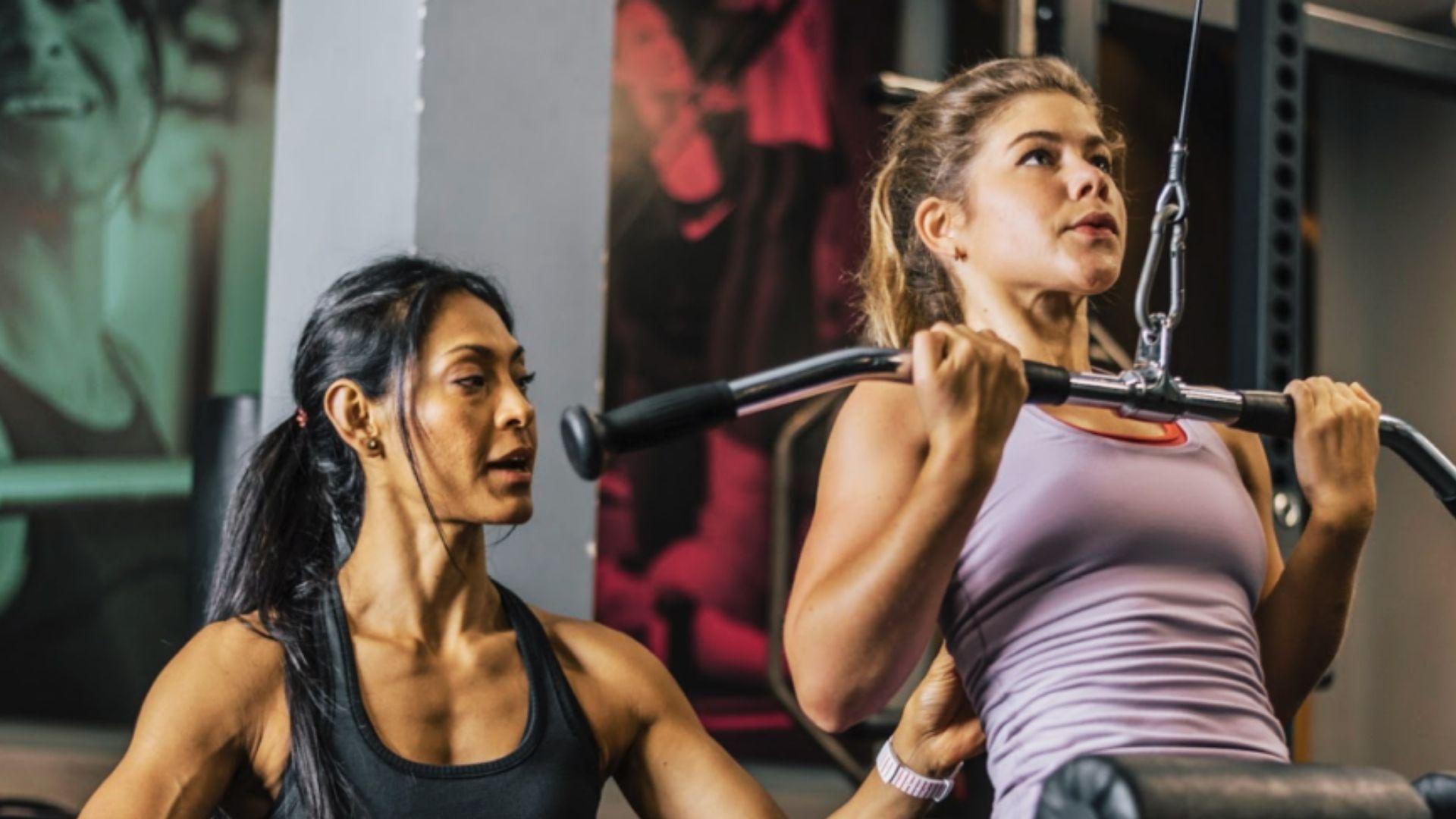
For big compound lifts, bench press, squat, deadlift, and rows, most lifters use 3 to 5 sets per exercise.
Strength-focused athletes often stick to 5 sets of 5 reps, the classic 5×5 method. Hypertrophy-focused lifters tend to use 3 to 4 sets of 8 to 12 reps.
For smaller isolation moves like biceps curls, triceps pushdowns, and lateral raises, 2 to 3 sets is often enough. These muscles get indirect work from compound lifts.
The 3×10 format remains one of the most popular across all experience levels. Drop sets and pyramid sets are also widely used to add intensity without stacking more sets.
How Training Goals Affect the Number of Sets

Your goal changes everything. For muscle growth, moderate-to-high volume works best, think 15 to 25 sets spread across multiple muscle groups.
Bodybuilders often use 4 sets of 8 to 12 reps per exercise. For strength training, the focus shifts to heavy weight and lower reps.
Powerlifters may do fewer total sets but with much heavier loads, quality over quantity. For fat loss and endurance, circuit training and supersets are popular.
Higher reps with moderate sets keep your heart rate up while burning calories. The number of sets matters less than staying consistent with your chosen format.
Comparison Chart: Common Workout Set Ranges Shared Online
Here's a quick breakdown of how set ranges typically align with different training goals.
| Training Goal | Average Sets Per Workout | Common Online Recommendation |
| Muscle Growth | 15 to 25 Sets | 3 to 5 sets per exercise |
| Strength | 12 to 20 Sets | Heavy compound lifts |
| Fat Loss | 12 to 18 Sets | Circuits and supersets |
| Endurance | 15 to 25 Sets | Higher reps, shorter rests |
Use this as a starting point, not a strict rule. Adjust based on how your body responds.
Real Community Experiences With Workout Volume

Real lifters have a lot to say about volume, and it's not always what the textbooks suggest. On Reddit, high-volume training gets mixed reviews.
Some users love the pump and progress. Others report joint pain, exhaustion, and stalled gains. Low-volume programs have a loyal following too.
Shorter workouts, less fatigue, and more focus on each set.
Experienced lifters often share one lesson above everything else:recovery matters more than copying someone else's routine.
Gradually increasing volume over months, not days, leads to sustainable progress. Find what works for your body and stick with it.
Common Mistakes People Make With Workout Sets
A lot of people make the same avoidable errors when it comes to workout volume.
Here's what to watch out for:
- Copying advanced influencer programs too early: A 30-set program built for a competitive bodybuilder will destroy a beginner's recovery and motivation.
- Chasing more sets instead of better effort: Adding sets without adding focus is just wasted time. Push harder on fewer sets first.
- Ignoring recovery and nutrition: Volume only works if your sleep and food support it. No recovery means no results.
- Doing excessive isolation volume: Spending 10 sets on bicep curls while skipping compound lifts is a classic mistake that slows overall progress.
- Never tracking your sets: If you're not tracking, you're guessing. You can't improve what you don't measure.
train smarter, not just harder.
Conclusion
I'll be honest, I spent way too long adding more sets thinking that was the answer. It wasn't. What actually moved the needle was doing fewer sets with real focus</u>.
You don't need a 30-set workout to see results. You need the right number of sets for where you are right now, and the discipline to recover properly.
Start simple. Build up over time. And pay attention to how your body responds.
Got questions about how many sets per workout fit your goals? Drop them in the comments, I read every one.
Frequently Asked Questions
How many sets per workout is best for beginners?
Beginners do best with 10 to 15 total sets per session, enough to build strength without overloading recovery.
Is 20 sets per workout too many?
Not necessarily, for intermediate to advanced lifters, 20 sets can be appropriate if recovery, sleep, and nutrition are solid.
How many sets per exercise should I do for muscle growth?
Most lifters targeting hypertrophy use 3 to 5 sets per exercise, with reps in the 8 to 12 range.
Can I build muscle with fewer sets?
Yes, quality beats quantity. Two to three hard, focused sets per exercise can drive solid muscle growth, especially for beginners.
How do I know if I'm doing too many sets?
Signs include persistent soreness, poor sleep, stalled progress, and low motivation, these often point to too much volume and not enough recovery.