

Trying to figure out body recomposition female can feel confusing. Should you eat less, lift heavier, or spend more time doing cardio? I've seen that many women struggle because they find mixed advice online.
This guide will help you lose fat while building or keeping muscle with a practical approach that is easier to follow.
I'll cover strength training, protein, calories, cardio, recovery, common mistakes, and simple ways to track your progress.
Every recommendation is based on well-established fitness principles and current sports nutrition guidance, not quick fixes or trends.
By the end, you'll know exactly how to start body recomposition and build habits that support steady, long-term results.
What Is Body Recomposition?
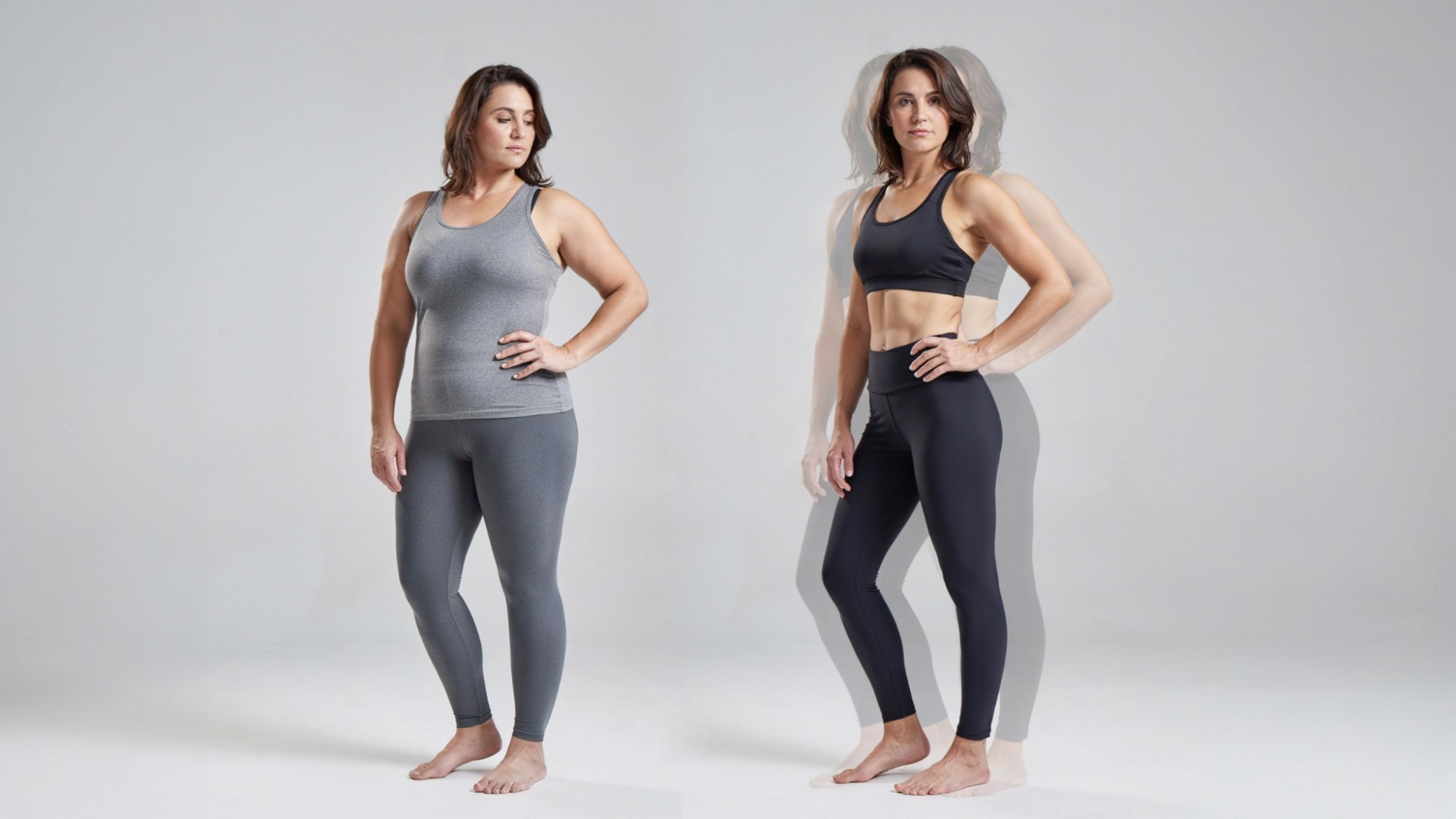
Body recomposition is the process of losing body fat while building or maintaining muscle at the same time.
Unlike a traditional diet that focuses only on lowering the number on the scale, body recomposition aims to improve your overall body composition.
This means reducing fat mass while increasing lean muscle. For women, this approach can lead to a stronger body, better muscle definition, and improved fitness without chasing weight loss. Strength training also supports bone density, which matters more as women get older.
Success comes from combining strength training, enough protein, proper calorie intake, and regular recovery.
While progress may take time, it often leads to results that are easier to maintain than short-term dieting. The goal is not simply to weigh less but to become healthier, stronger, and more confident.
Who Should Try Body Recomposition?
Body recomposition is a good choice for women who want to lose fat without sacrificing muscle. It works well for those who care more about becoming stronger, leaner, and healthier than simply reaching a lower number on the scale.
Instead of following strict diets that can reduce muscle mass, this approach supports gradual and lasting progress. It also helps improve strength, daily energy, and physical performance while creating habits that are easier to maintain over time.
Although everyone responds differently, many women can benefit from body recomposition by following a consistent workout routine, eating enough protein, and giving their body time to recover. The key is staying patient and focusing on steady progress rather than quick results.
How to Start Body Recomposition as a Female

Getting started with body recomposition is easier when you focus on a few key habits and stay consistent with them.
Set Realistic Goals
Start with goals that focus on fat loss, strength, and overall health, not just the number on the scale. For example, aim to increase your strength, reduce your waist measurement, or complete more workouts each week.
Body recomposition is a gradual process, so avoid expecting major changes within a few weeks.
Setting small, achievable goals keeps you motivated and helps you build habits that last instead of chasing quick results.
Measure More Than Body Weight
The scale cannot show how much fat you've lost or how much muscle you've gained.
Take progress photos every few weeks, measure your waist, hips, and thighs, and track your strength during workouts. You may notice your clothes fit better even if your weight stays the same.
Looking at different measurements, including body fat percentage, gives a clearer picture of your progress and prevents unnecessary frustration when the scale changes slowly.
Create a Consistent Workout Schedule
Plan a workout routine that you can follow every week. Aim for 3 to 5 strength training sessions and include a few days of light or moderate cardio if needed.
Rest days are just as important because your muscles recover and grow during this time.
A simple, consistent schedule is much more effective than intense workouts that are difficult to maintain for the long term.
Be Patient With Progress
Body recomposition takes time because your body is building muscle while reducing fat. Some weeks you may notice strength gains before physical changes, while other weeks your measurements may improve first.
Avoid comparing your progress with others, as everyone responds differently. Stay consistent with your workouts, nutrition, and sleep.
Small improvements made over several months usually lead to stronger, leaner, and longer-lasting results.
Best Workout Plan for Body Recomposition Female

A balanced workout plan helps you build muscle, reduce body fat, and improve strength over time.
Prioritize Strength Training
Strength training should be the foundation of any body recomposition plan. Aim to train 3 to 5 days per week, focusing on all major muscle groups.
Exercises such as squats, deadlifts, bench presses, rows, and shoulder presses help build lean muscle while increasing calorie burn. Train with proper form and allow enough recovery.
As your muscles become stronger, your body uses more energy throughout the day, since muscle raises your resting metabolic rate, the number of calories you burn even while sitting.
This makes it easier to reduce body fat while maintaining muscle. Consistency is more important than spending long hours in the gym.
Use Progressive Overload
Your muscles need a reason to grow. Progressive overload means gradually increasing the challenge during your workouts.
You can do this by lifting slightly heavier weights, performing more repetitions, adding extra sets, or improving your exercise technique.
Small increases over time encourage muscle growth without placing too much stress on your body. Avoid increasing everything at once.
Keep a workout log to track your progress and make steady improvements. This approach helps prevent training plateaus and supports long-term body recomposition.
Include Compound Exercises
Compound exercises work multiple muscles and joints in a single movement, making them highly effective for body recomposition.
Squats, lunges, deadlifts, push-ups, pull-ups, rows, and bench presses are excellent choices.
These exercises build strength, improve coordination, and burn more calories than isolation movements because they involve larger muscle groups.
You can still include exercises like bicep curls or leg extensions, but they should support your main lifts rather than replace them. Building your workouts around compound exercises helps maximize results in less time.
Add Cardio Without Overdoing It
Cardio supports heart health, improves endurance, and increases calorie expenditure, but too much can interfere with muscle recovery.
Aim for 2 to 3 sessions per week of moderate-intensity cardio such as brisk walking, cycling, swimming, or jogging.
Short high-intensity interval training (HIIT) sessions can also be effective if they fit your recovery ability. Avoid relying on cardio alone for fat loss.
Strength training should remain your priority, with cardio serving as an additional tool to improve fitness and support your overall calorie balance.
Sample Weekly Workout Plan
A simple weekly routine keeps training balanced and allows enough recovery.
For example, train your lower body on Monday, upper body on Tuesday, rest or walk on Wednesday, full-body strength training on Thursday, lower body on Friday, upper body with light cardio on Saturday, and rest on Sunday.
Beginners can start with three strength sessions each week and gradually increase if needed. Adjust the schedule to match your fitness level, recovery, and daily routine so you can stay consistent.
Best Nutrition Plan for Body Recomposition

The right nutrition plan provides your body with the energy and nutrients needed to build muscle while supporting fat loss.
Eat Enough Protein
Protein is one of the most important nutrients for body recomposition because it supports muscle protein synthesis, the process your body uses to repair and rebuild muscle after workouts.
Most active women benefit from consuming around 1.6 to 2.2 grams of protein per kilogram of body weight each day, depending on their activity level and goals.
Spread your protein intake across meals instead of eating it all at once. Good sources include chicken, fish, eggs, Greek yogurt, cottage cheese, tofu, beans, and lentils.
Balance Carbohydrates and Healthy Fats
Carbohydrates provide energy for strength training, while healthy fats support hormone production and overall health.
Choose complex carbohydrates like oats, brown rice, whole grains, sweet potatoes, fruits, and vegetables to fuel your workouts. Include healthy fats from nuts, seeds, avocados, olive oil, and fatty fish.
Instead of cutting out carbs or fats completely, aim for balanced meals that include protein, carbohydrates, and healthy fats.
This combination supports performance, recovery, and long-term body recomposition.
Calories for Body Recomposition
Your calorie intake should match your goal while still supporting muscle growth.
Many women achieve body recomposition by eating around maintenance calories or maintaining a small calorie deficit, often around 200 to 400 calories below maintenance, if fat loss is the main priority.
Extremely low-calorie diets can make it harder to build muscle and recover from workouts. Health agencies generally recommend losing no more than 1 to 2 pounds a week for a safe, steady pace.
Track your food intake for a few weeks if needed and adjust based on your progress. Pairing the right calorie intake with regular strength training produces better results than focusing on calorie restriction alone.
Hydration and Meal Timing
Staying hydrated supports exercise performance, muscle recovery, and overall health. Drink water consistently throughout the day instead of waiting until you feel thirsty.
Eating a meal containing protein and carbohydrates one to three hours before training can provide energy for your workout.
After exercise, include another protein-rich meal to support muscle repair. While meal timing can be helpful, your total daily intake of calories and protein has a much greater impact on body recomposition than perfect timing.
Foods to Eat During Body Recomposition
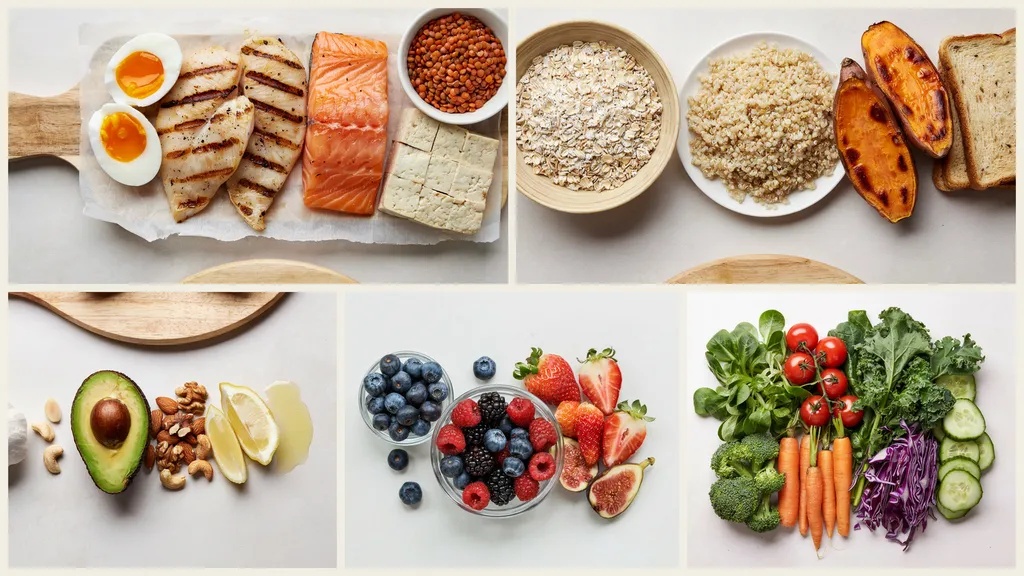
Choosing nutrient-rich foods makes it easier to meet your protein, energy, and recovery needs while supporting healthy body composition.
Lean Protein Sources
Lean protein helps repair muscles after workouts while keeping calorie intake under control. Good choices include skinless chicken breast, turkey, fish, eggs, egg whites, Greek yogurt, cottage cheese, tofu, tempeh, beans, lentils, and low-fat dairy products.
Try to include a source of protein with every meal and snack to support muscle growth throughout the day.
Preparing protein-rich meals in advance can also make it easier to stay consistent with your nutrition plan during busy weeks.
Complex Carbohydrates
Complex carbohydrates provide steady energy for workouts and daily activities. Foods such as brown rice, oats, quinoa, whole-grain bread, whole-wheat pasta, sweet potatoes, beans, and fruits digest more slowly than refined carbohydrates, helping maintain energy levels for longer.
They also contain fiber, vitamins, and minerals that support overall health. Including carbohydrates around your workouts can improve training performance and recovery without preventing fat loss when your total calorie intake remains appropriate.
Healthy Fat Sources
Healthy fats play an important role in hormone production, brain function, and nutrient absorption.
Include foods such as avocados, almonds, walnuts, chia seeds, flaxseeds, olive oil, peanut butter, and fatty fish like salmon or sardines.
These foods are rich in beneficial fats that support overall health while helping you feel satisfied after meals. Since fats are calorie-dense, enjoy them in moderate portions as part of a balanced diet rather than eliminating them completely.
Fruits and Vegetables
Fruits and vegetables provide vitamins, minerals, antioxidants, and fiber that support recovery, digestion, and overall health.
Aim to include a variety of colorful produce throughout the day, like berries, oranges, apples, spinach, broccoli, carrots, bell peppers, tomatoes, and greens.
They add volume to meals without many calories, helping you stay full while meeting your nutrition goals. Eating different fruits and vegetables also ensures your body receives a wide range of important nutrients.
Supplements That May Help
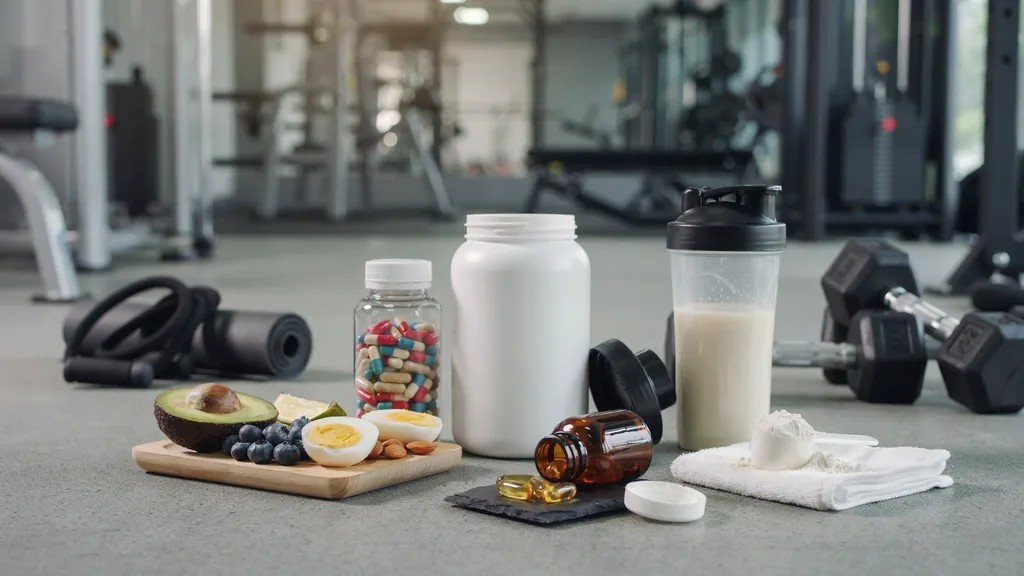
Supplements can support your nutrition plan, but they work best alongside consistent training and a balanced diet.
Protein Powder
Protein powder is a convenient option when it is difficult to meet your daily protein needs through food alone.
Whey protein, casein protein, and plant-based protein powders can all help increase protein intake.
Use them as a supplement rather than a replacement for whole foods. A protein shake after training or as part of a balanced meal can help support muscle recovery and growth. Always choose a product that fits your dietary needs and contains minimal added sugar.
Creatine Monohydrate
Creatine monohydrate is one of the most researched sports supplements for improving strength and exercise performance.
It helps your muscles produce energy during high-intensity training, allowing you to perform more repetitions or lift heavier weights over time.
Regular use may support muscle growth when combined with strength training. A common daily dose is 3 to 5 grams, and it is generally considered safe for healthy adults. Drinking enough water while taking creatine is also recommended.
Omega-3 Fatty Acids
Omega-3 fatty acids support heart health and may help reduce exercise-related inflammation.
They are naturally found in fatty fish such as salmon, sardines, and mackerel, while fish oil supplements offer another option for those who eat little seafood.
Although omega-3s do not directly build muscle, they contribute to overall health and recovery. Including enough omega-3-rich foods as part of your regular diet can support long-term fitness and wellness goals.
Vitamin D (If Needed)
Vitamin D supports bone health, immune function, and muscle performance. Some women may have low vitamin D levels, especially if they spend little time in sunlight or have limited dietary intake.
If a blood test confirms a deficiency, your healthcare provider may recommend a supplement. Avoid taking high doses without medical advice, as excessive vitamin D can be harmful.
For most people, regular sunlight exposure, vitamin D-rich foods, and supplements when necessary are enough to maintain healthy levels.
How Long Does Body Recomposition Take?
Everyone progresses at a different pace, but consistent training, proper nutrition, and recovery lead to noticeable changes over time.
| Timeframe | What to Expect |
| First Month | During the first few weeks, most women notice improvements in strength, workout performance, and energy levels rather than major physical changes. Your body is adapting to resistance training, and you may start building healthy habits. Some people also notice reduced bloating, slightly better muscle definition, or clothes fitting more comfortably, even if the scale stays the same. |
| Three to Six Months of Consistent Training | With regular strength training, enough protein, and a balanced calorie intake, visible body composition changes often become more noticeable. Many women experience increased muscle definition, reduced body fat, improved posture, better endurance, and higher strength levels. Progress photos and body measurements usually show clearer improvements than body weight alone during this stage. |
| Factors That Affect Progress | Results depend on several factors, including your starting body fat percentage, training experience, workout consistency, protein intake, calorie balance, sleep quality, stress levels, age, and genetics. Women who are new to strength training or returning after a long break may see faster initial progress. Staying consistent with your routine over several months has the biggest impact on long-term body recomposition success. |
How to Track Body Recomposition Progress
Tracking multiple signs of progress gives a more accurate picture of your results than relying on the scale alone.
- Progress Photos: Take photos every 2 to 4 weeks in the same lighting and clothing to compare physical changes.
- Body Measurements:Measure your waist, hips, thighs, arms, and chest regularly to track fat loss and muscle gain.
- Strength Improvements:Record your weights, sets, and repetitions to see if you're getting stronger over time.
- Clothing Fit: Notice how your clothes fit, as improved body composition often changes your size before your weight.
- Body Fat Percentage: Use body fat measurements occasionally to monitor changes in fat and lean muscle mass. A DEXA scan is the most accurate option if you want a precise reading, though body fat scales and calipers work fine for regular tracking.
Conclusion
Starting body recomposition female may seem challenging at first, but small, consistent steps really do add up.
From what I've seen, the women who make the best progress aren't the ones chasing fast results. They're the ones who stick with the basics.
A NASM-certified trainer or registered dietitian can also help if you want personalized guidance along the way. Imagine where you could be a few months from now by staying consistent with your workouts and nutrition.
Give yourself time and celebrate every win along the way. If this guide helped you, leave a comment, share it with someone who needs it, or try our other fitness articles.
Frequently Asked Questions
Can beginners do body recomposition?
Yes. Beginners often see the fastest progress because their bodies respond well to strength training and proper nutrition. Staying consistent is the key.
Do I need to count calories for body recomposition?
Not always. Tracking calories can help you understand your eating habits, but focusing on enough protein, balanced meals, and portion sizes also works for many women.
Will I gain bulky muscles with body recomposition?
No. Building large amounts of muscle takes years of focused training and nutrition. Most women develop a leaner, stronger, and more toned appearance.