Starting with a vibration plate can feel confusing at first, since you step on, it shakes, and you are not sure what to do next.
This guide makes it simple by walking you through easy vibration plate exercises made just for beginners, along with tips on form, benefits, and how to pick the right machine.
It also covers warm ups, common mistakes, and simple ways to get the best results.
I have spent months testing different plates and routines, so you are getting real advice, not guesswork.
By the end, you will know exactly how to start your sessions safely and see results faster, without confusion or wasted time.
What Are Vibration Plate Exercises?
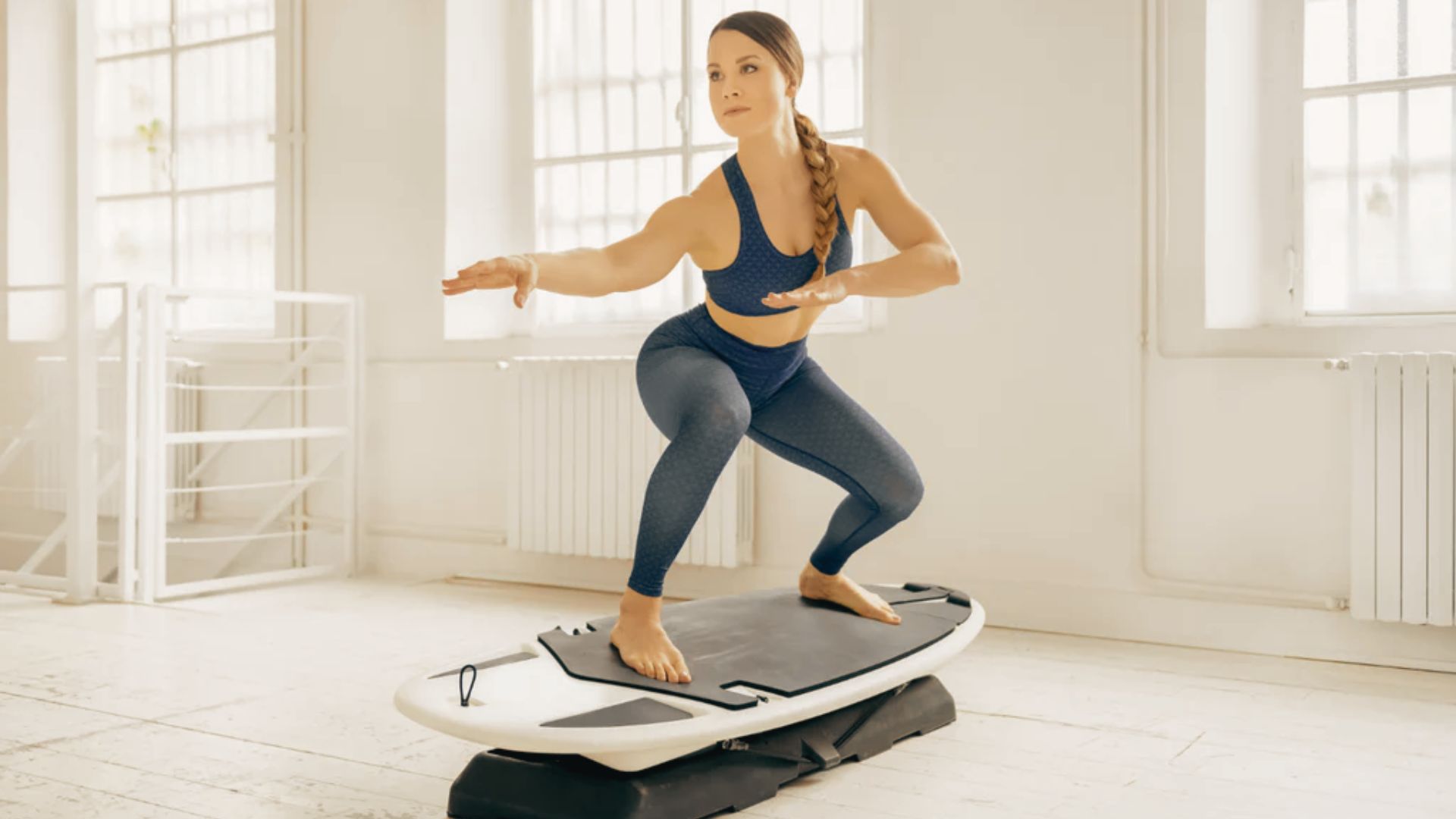
A vibration plate is a machine that shakes at a steady rhythm while you stand, sit, or move on it.
When your body reacts to these vibrations, your muscles contract and relax many times every second, which makes simple moves like squats or lunges feel more intense without adding extra weight.
This kind of workout is popular among beginners because it requires little equipment and takes less time than a regular gym routine.
People often use it to build strength, support flexibility, or simply add movement to a busy day. It works well for anyone wanting a low-impact way to stay active.
Step-by-Step Guide to Performing Vibration Plate Exercises
Follow these four simple steps to use your vibration plate safely and correctly.
Step 1: Warm Up Before Getting on the Plate
Spend a few minutes stretching or walking before you start. This gets blood flowing to your muscles and lowers the risk of strain once the plate starts vibrating.
Step 2: Choose Beginner-Friendly Exercises
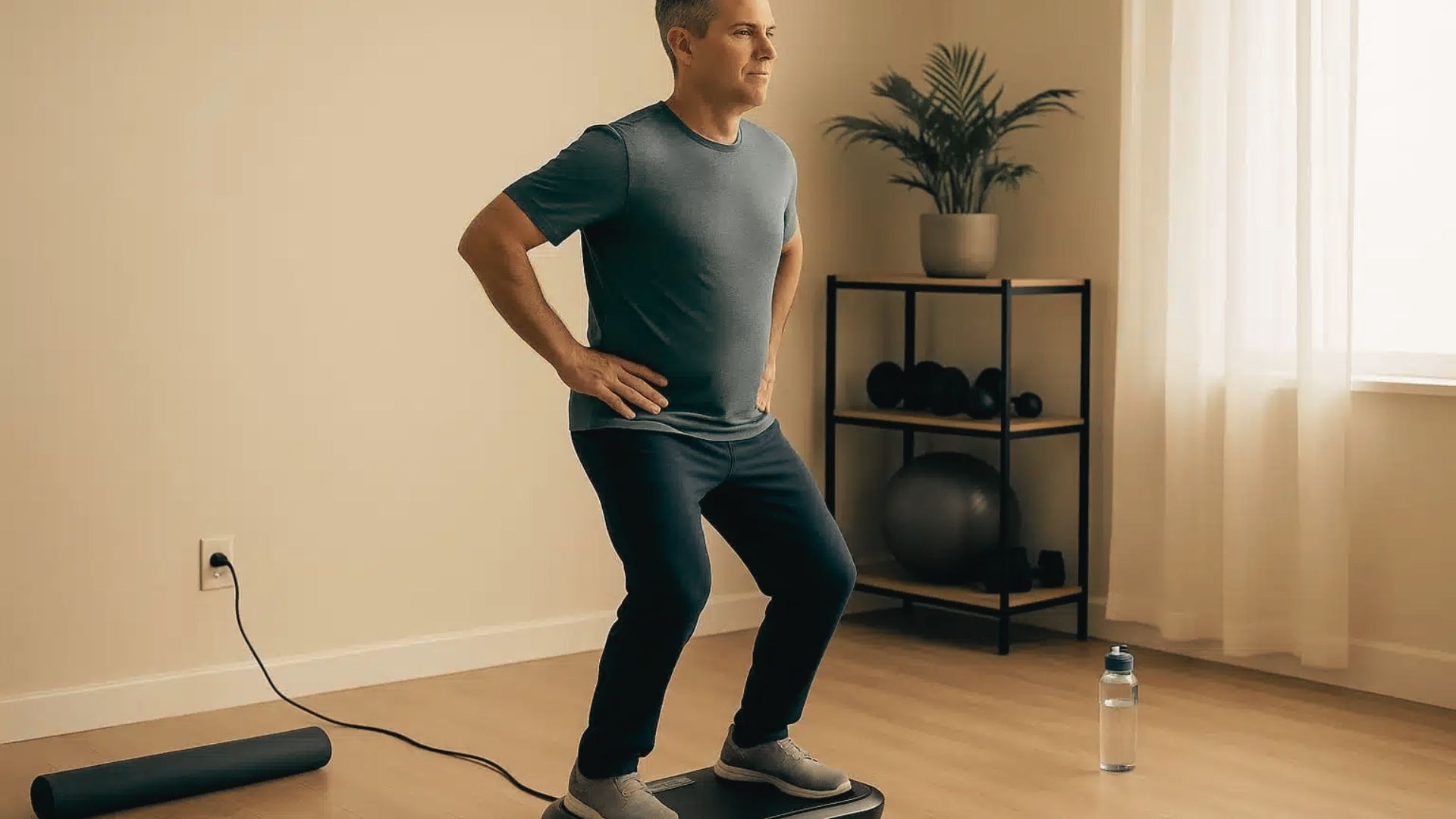
Stick to basic moves like standing poses or shallow squats when you are new. Save harder positions for later, once your body gets used to the vibrations.
Step 3: Maintain Proper Posture and Breathing
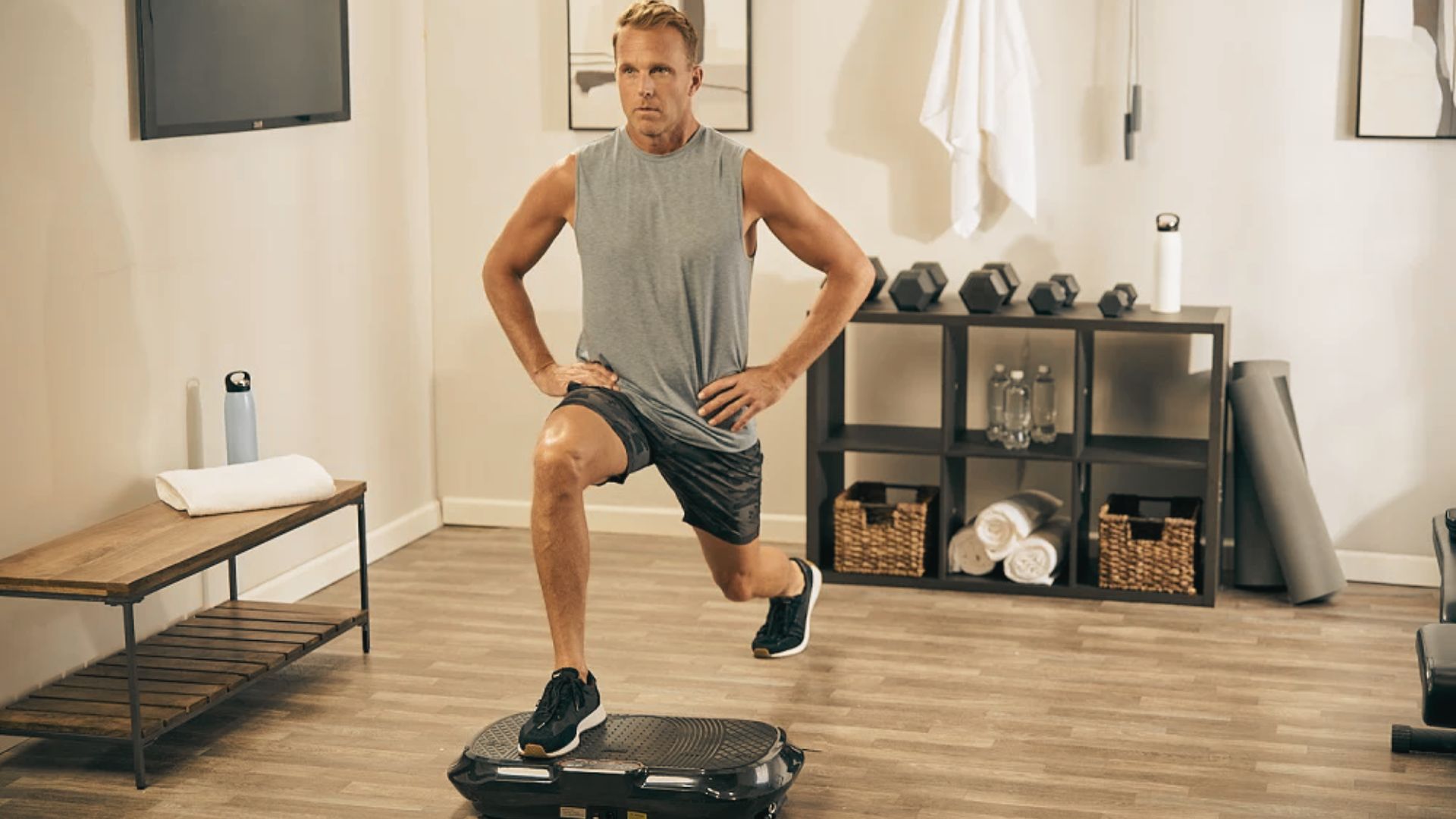
Keep your knees slightly bent and your core tight. Breathe normally throughout each move instead of holding your breath, which helps you stay balanced.
Step 4: Increase Duration and Intensity Gradually
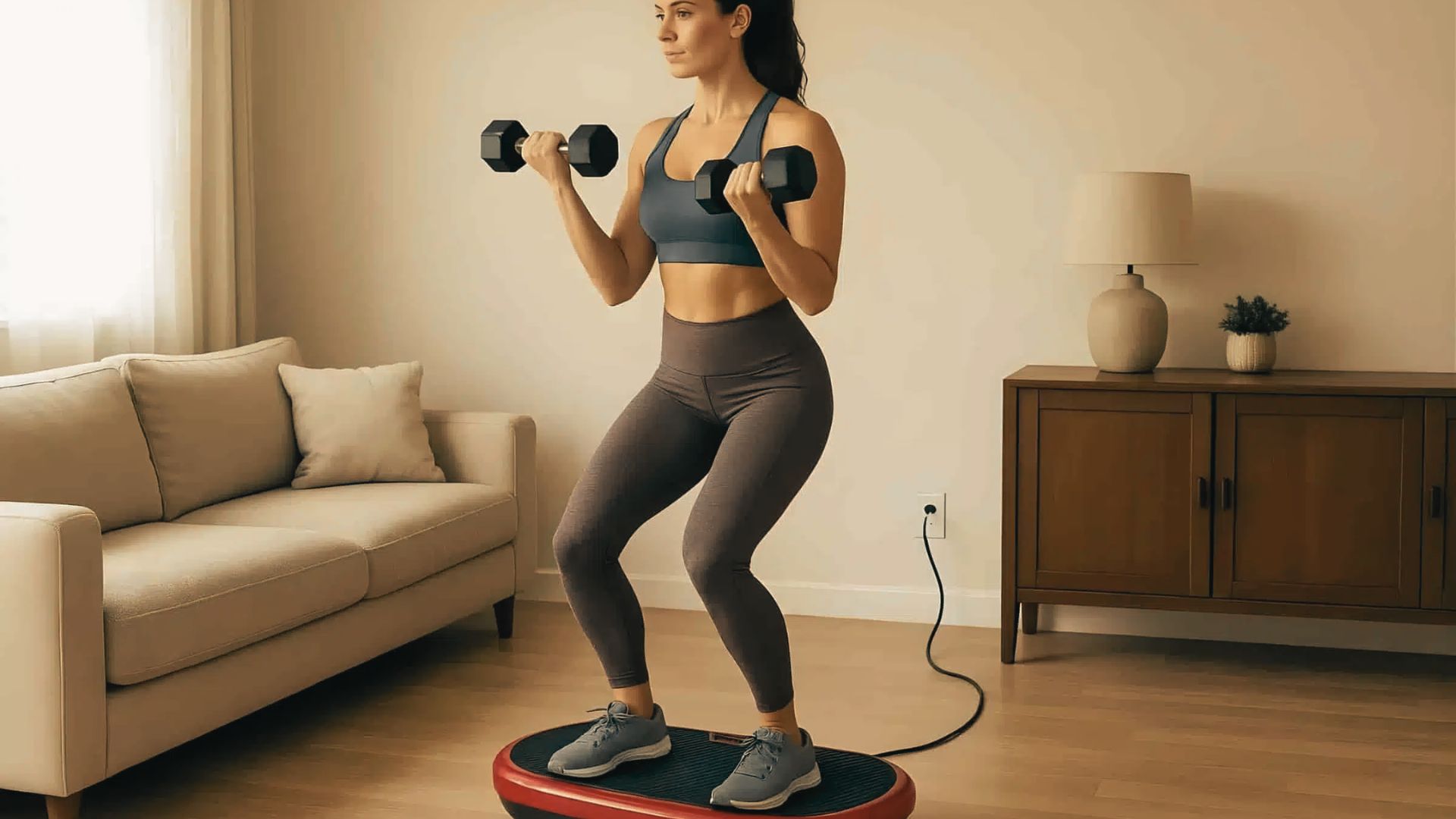
Start with short sessions of five to ten minutes. As your body adjusts, slowly add more time or raise the vibration setting.
13 Vibration Plate Exercises for Beginners
Here are 13 simple moves to help you build strength, balance, and flexibility.
1. Basic Standing Pose
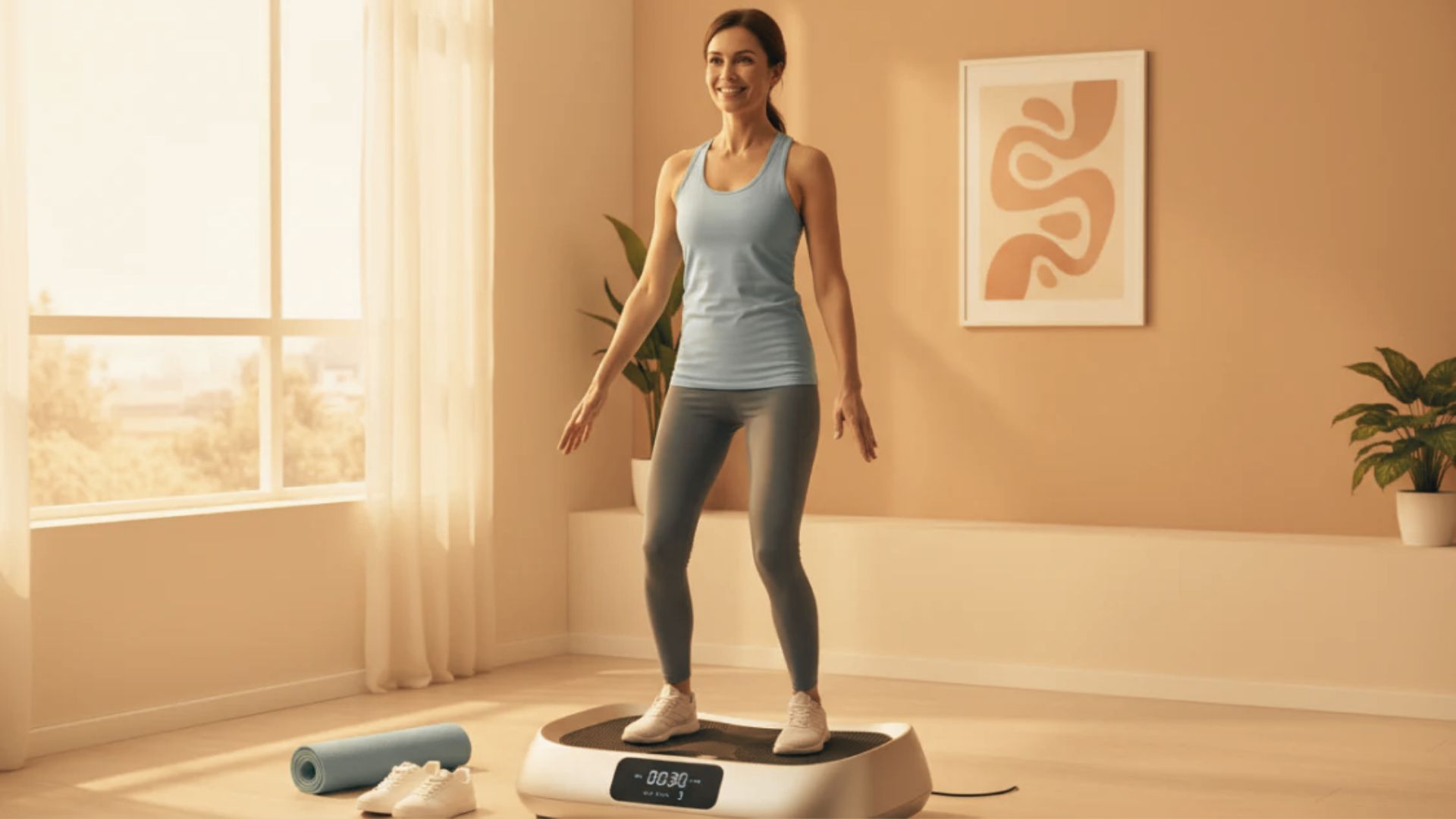
Stand with feet shoulder width apart and knees soft. Let the plate vibrate under you for thirty to sixty seconds. This helps your body get used to the sensation.
2. Shallow Squat
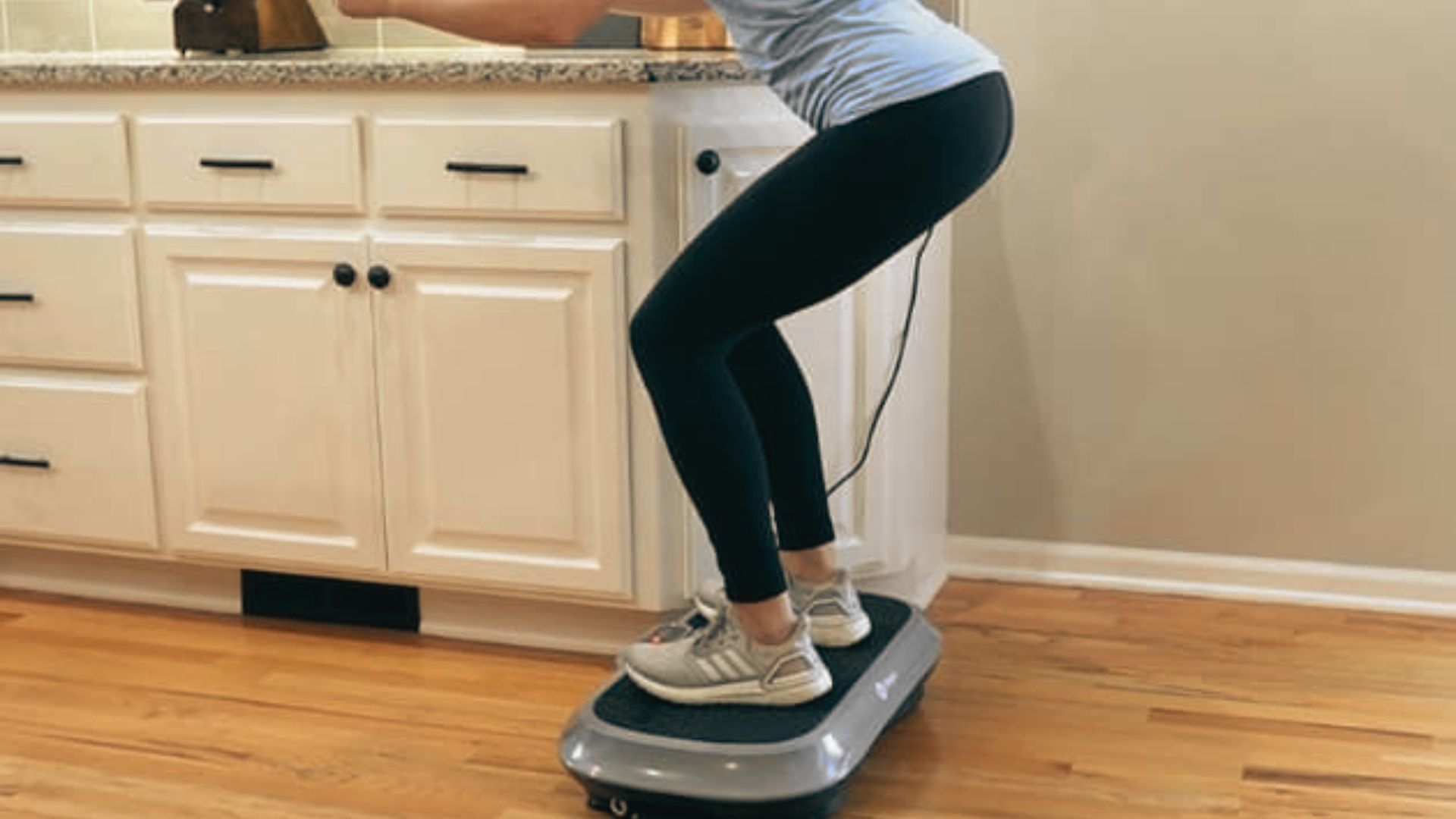
Bend your knees slightly, like you are about to sit in a chair. Hold this low squat for short bursts to activate your legs and glutes.
3. Wall-Assisted Squat Hold
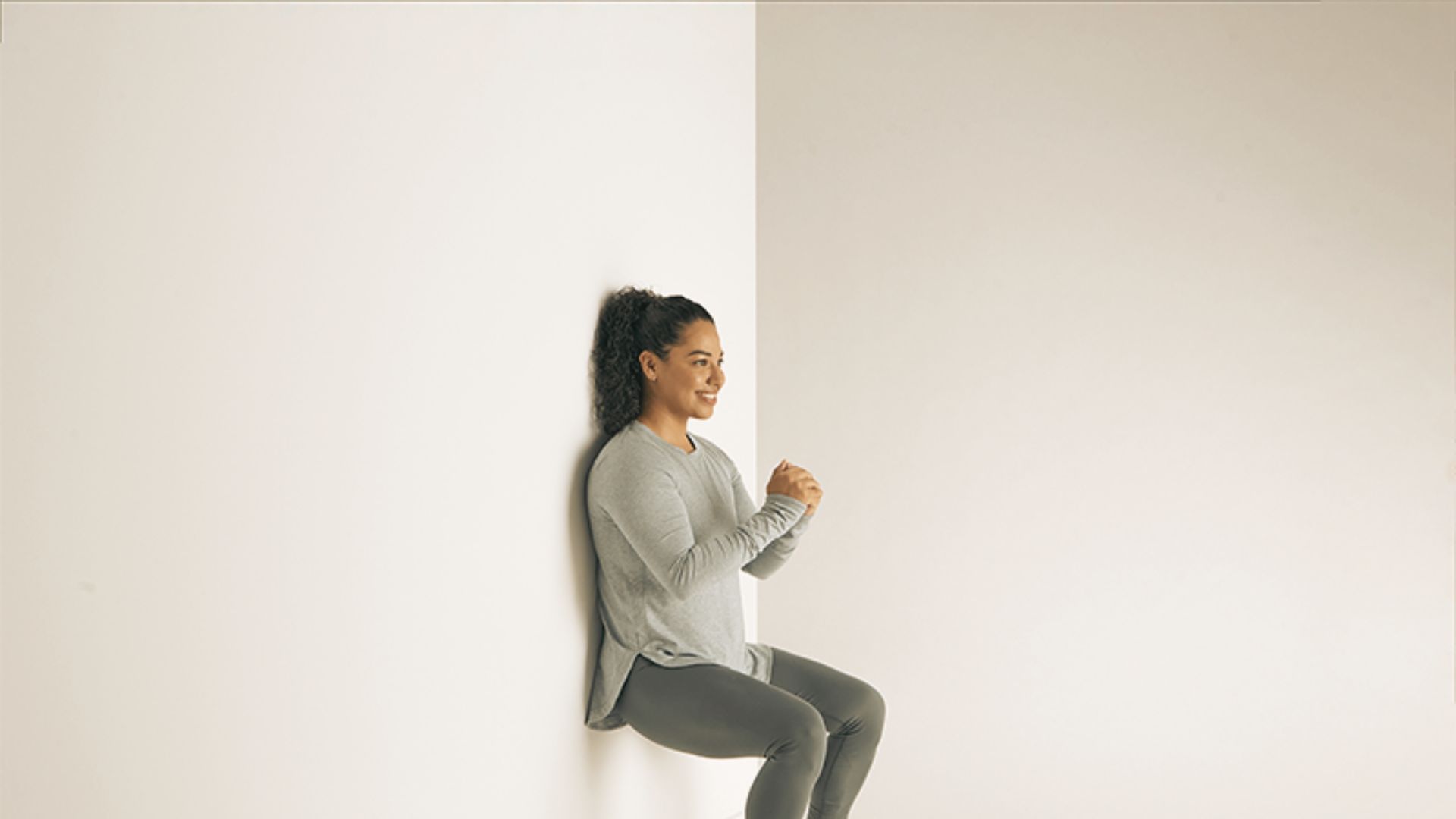
Stand with your back against a wall for support, then lower into a squat. This gives beginners extra balance while still working the lower body.
4. Forward Lunge
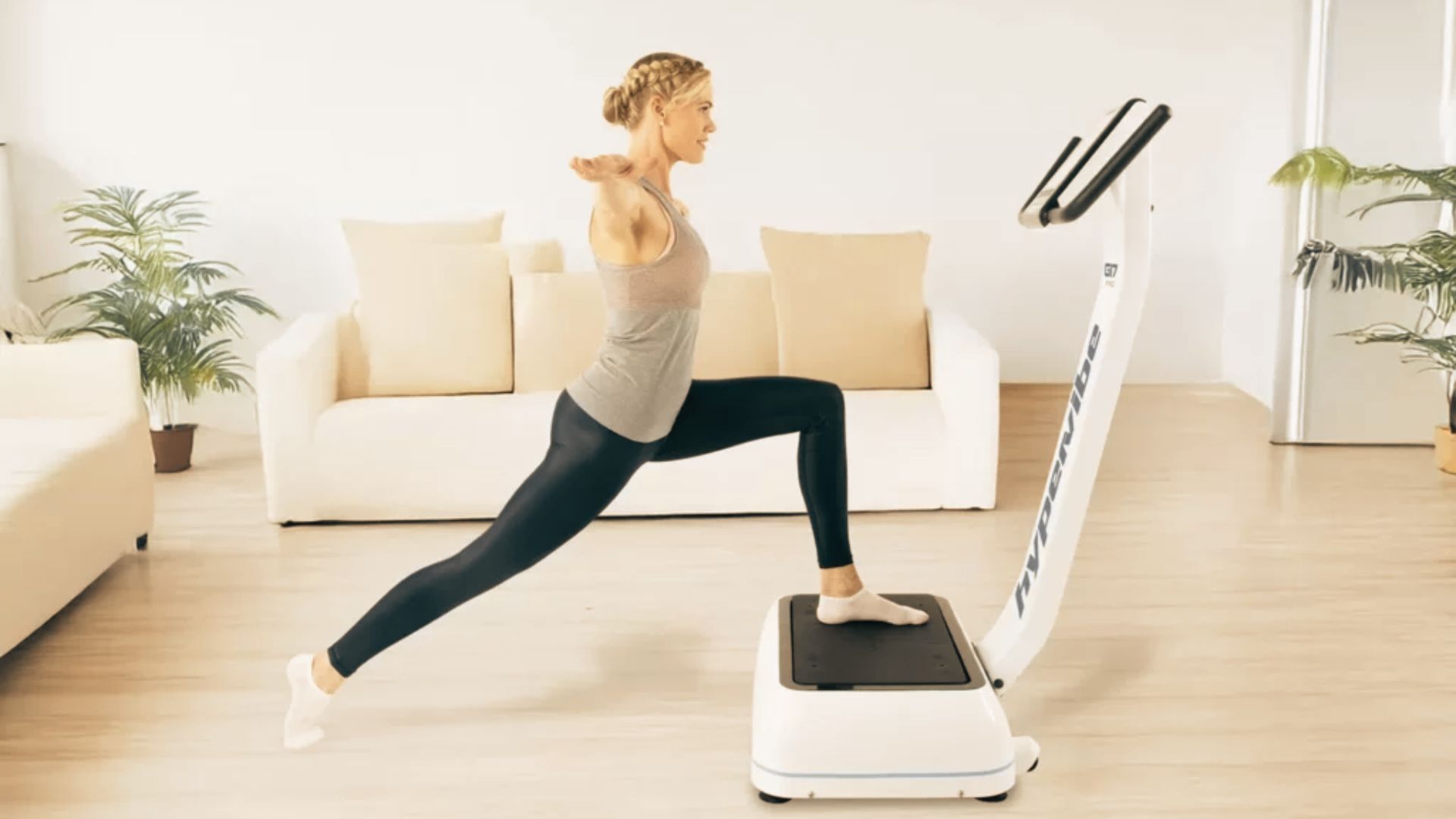
Step one foot forward and bend both knees into a lunge. Hold briefly, then switch sides. The vibration adds extra challenge to your stability.
5. Calf Raises
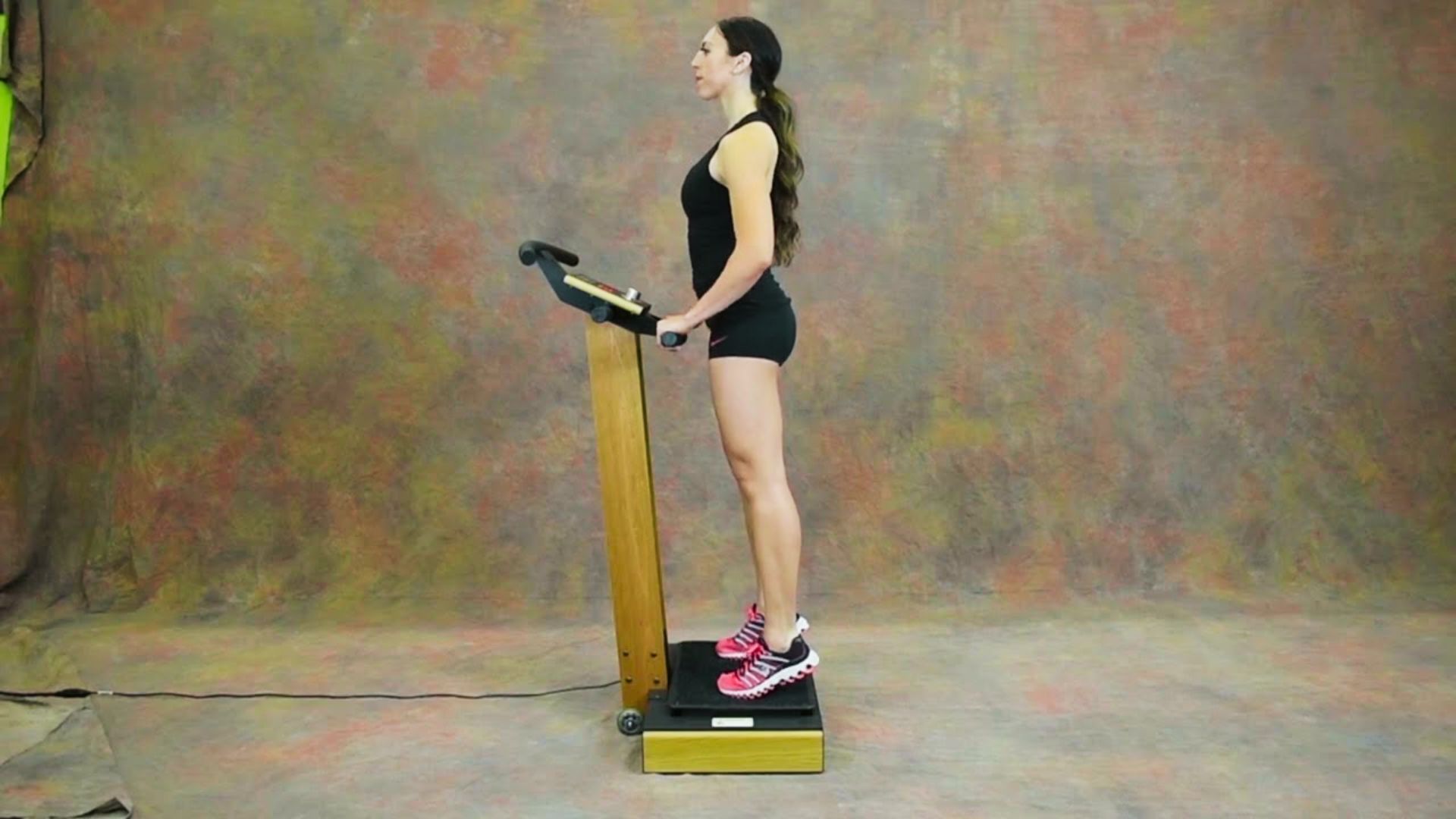
Lift your heels off the plate so you are standing on your toes, then lower back down. This targets your calves and improves ankle strength.
6. Tiptoe Hold
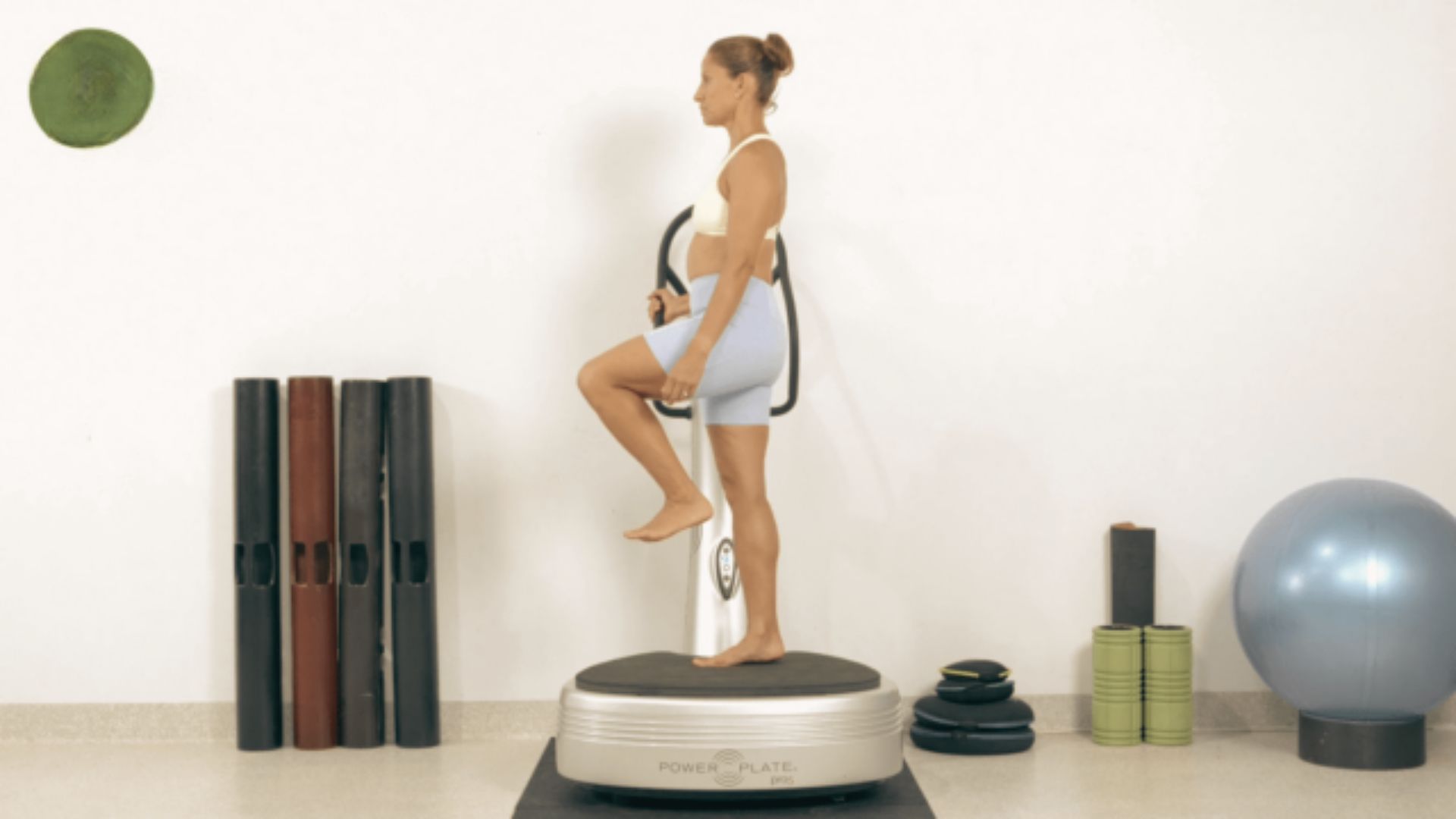
Rise onto your toes and hold the position for several seconds. The vibration makes your calf muscles work harder than usual.
7. Glute Bridge
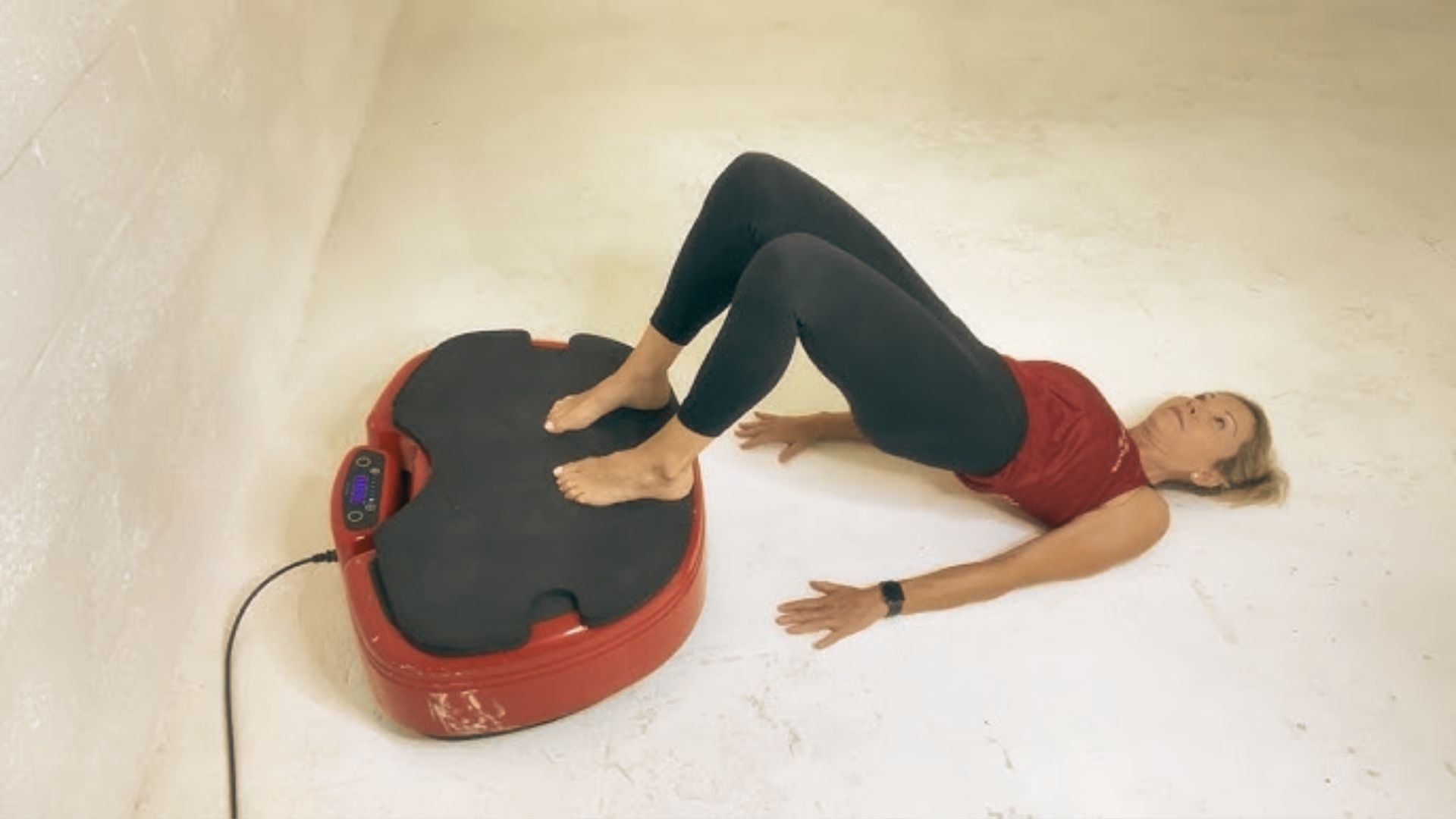
Sit or lie near the plate with feet resting on it, then lift your hips up. This move focuses on your glutes and lower back.
8. Deadlift Position Hold
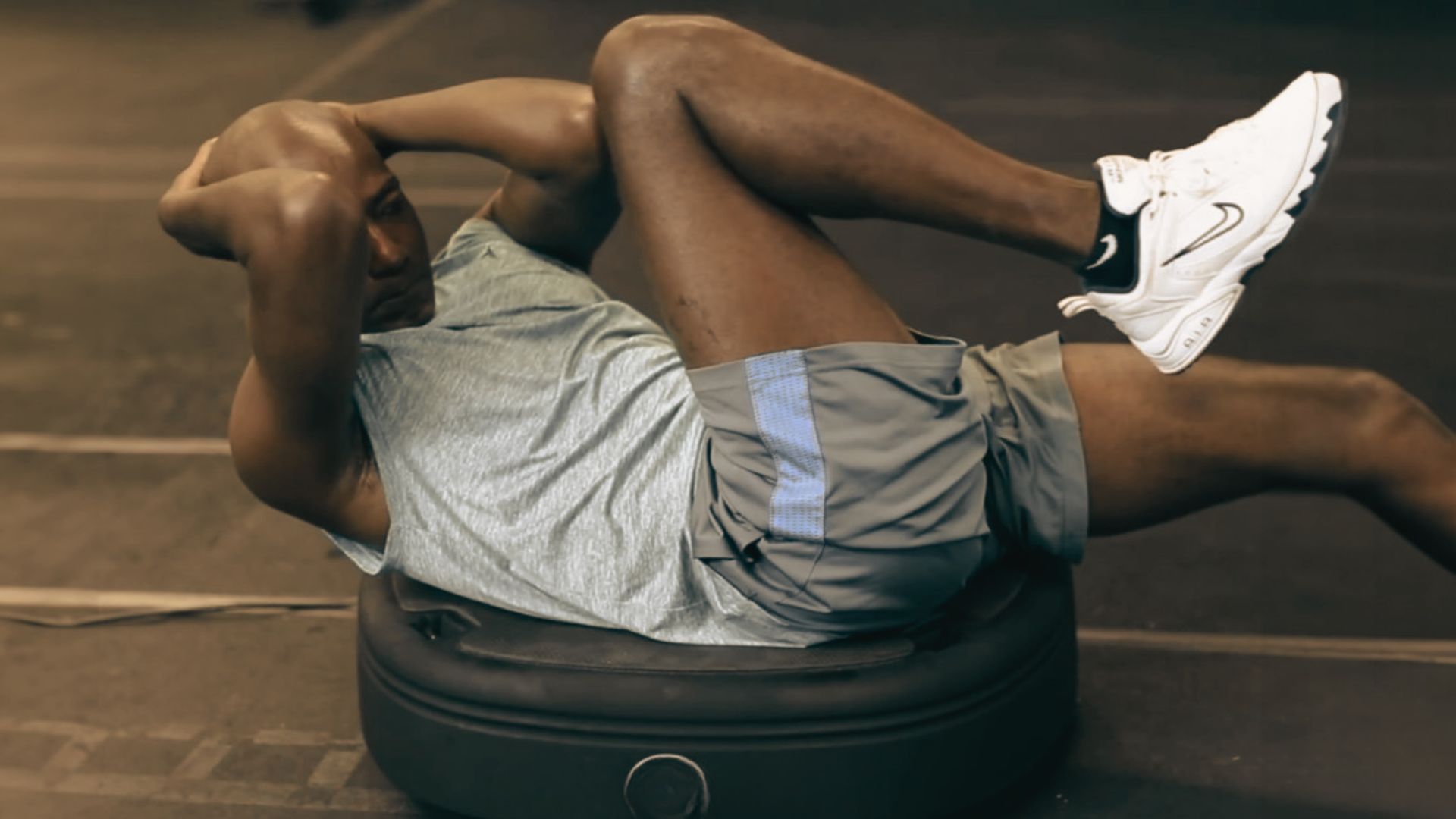
Hinge forward at the hips with a slight knee bend, keeping your back straight. Hold this position to build strength in your hamstrings and back.
9. Hip Flexor Stretch
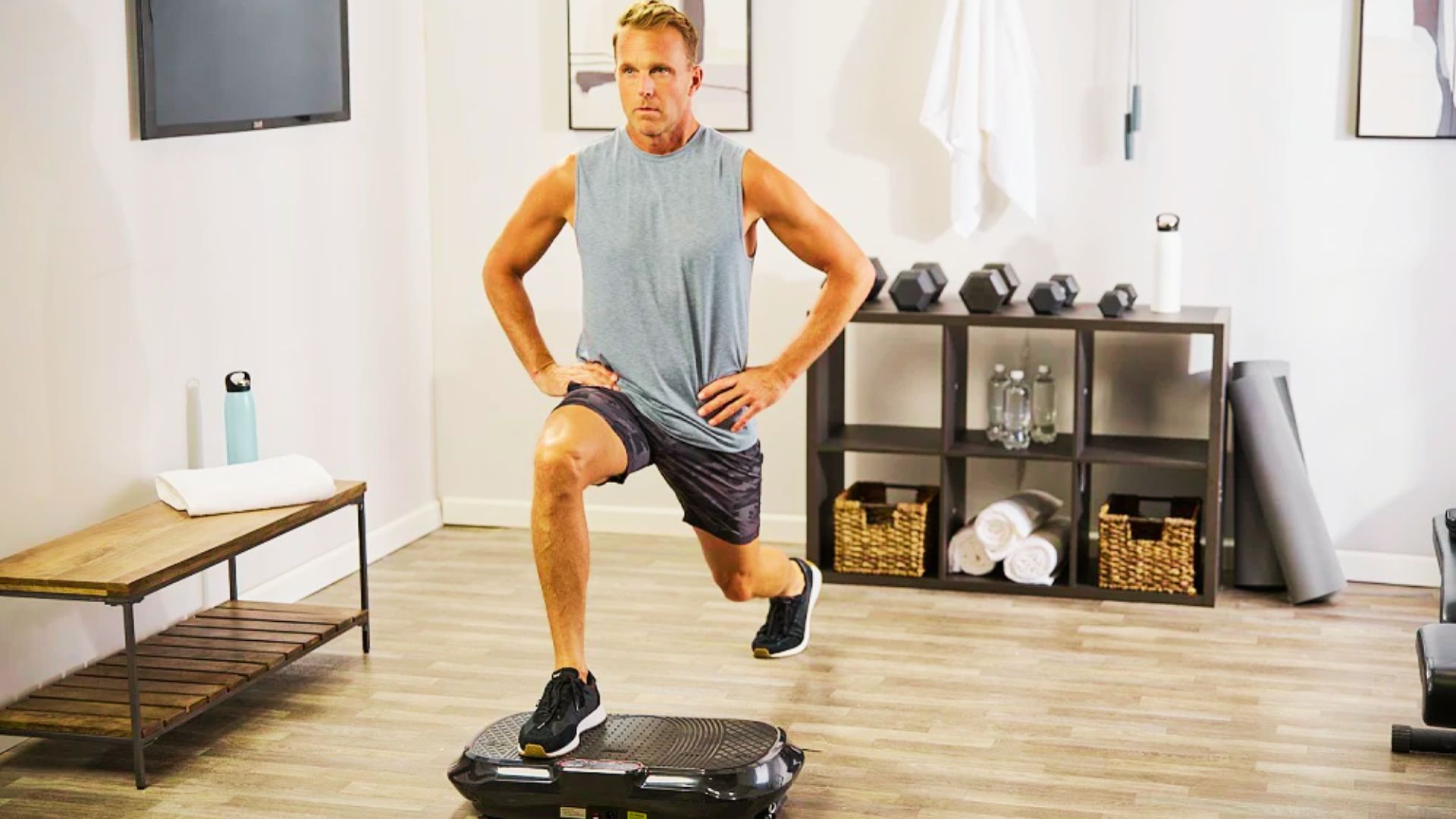
Place one foot on the plate and gently lean forward to stretch the front of your hip. This helps loosen tight muscles from sitting too long.
10. Hamstring Stretch
Place one heel on the plate with your leg straight, then lean slightly forward. This stretches the back of your thigh.
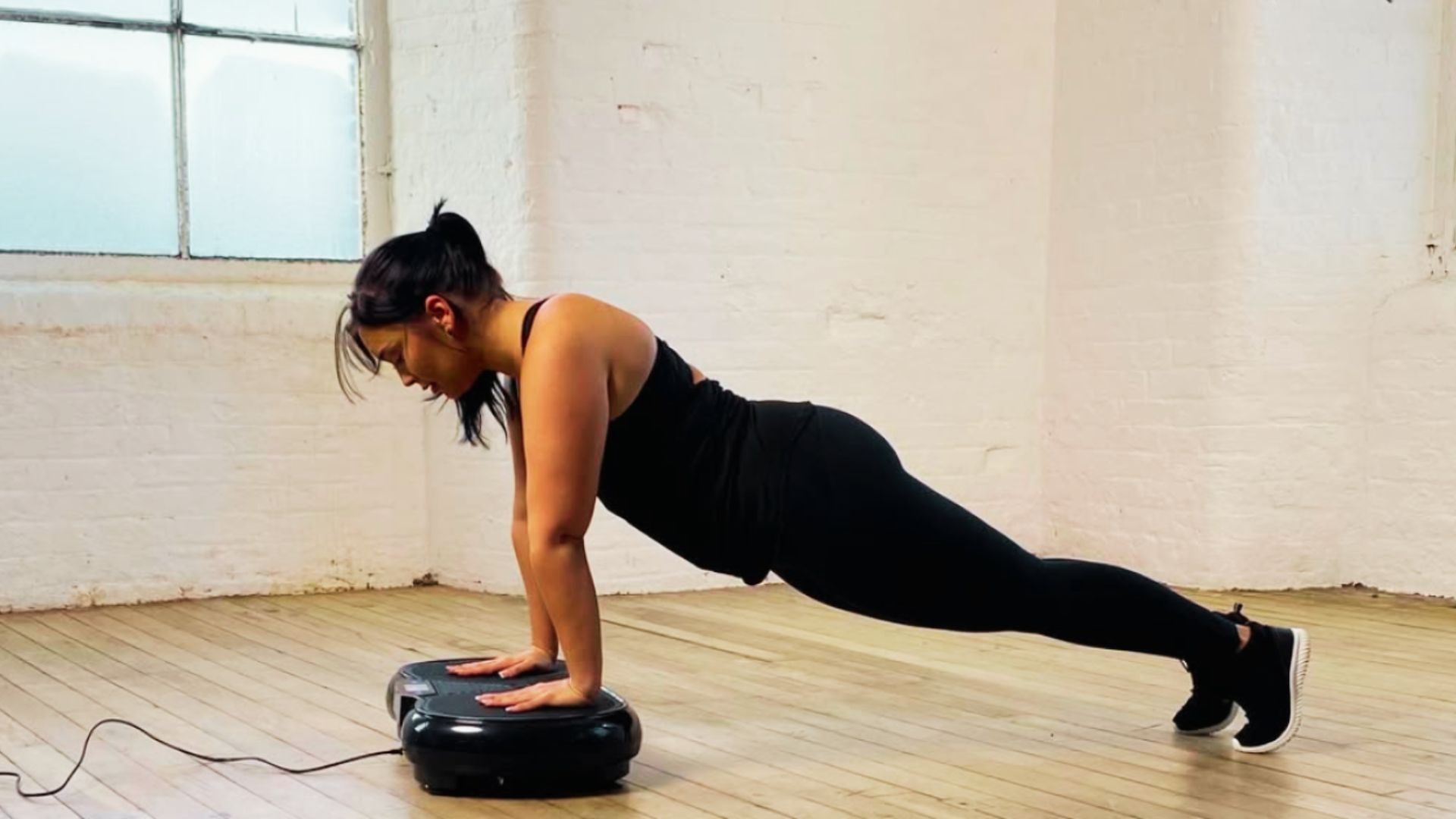
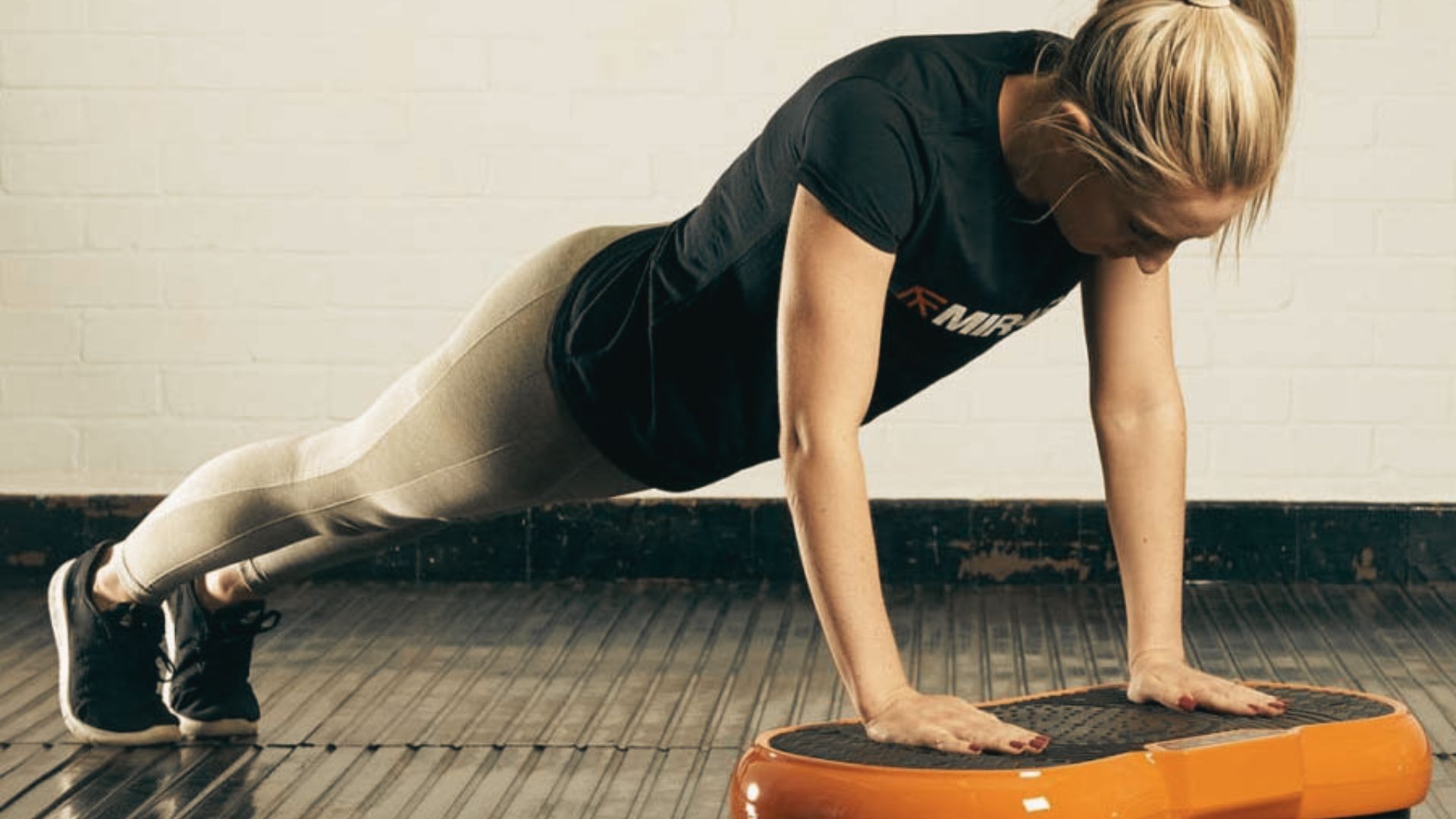
11. Incline Push-Up
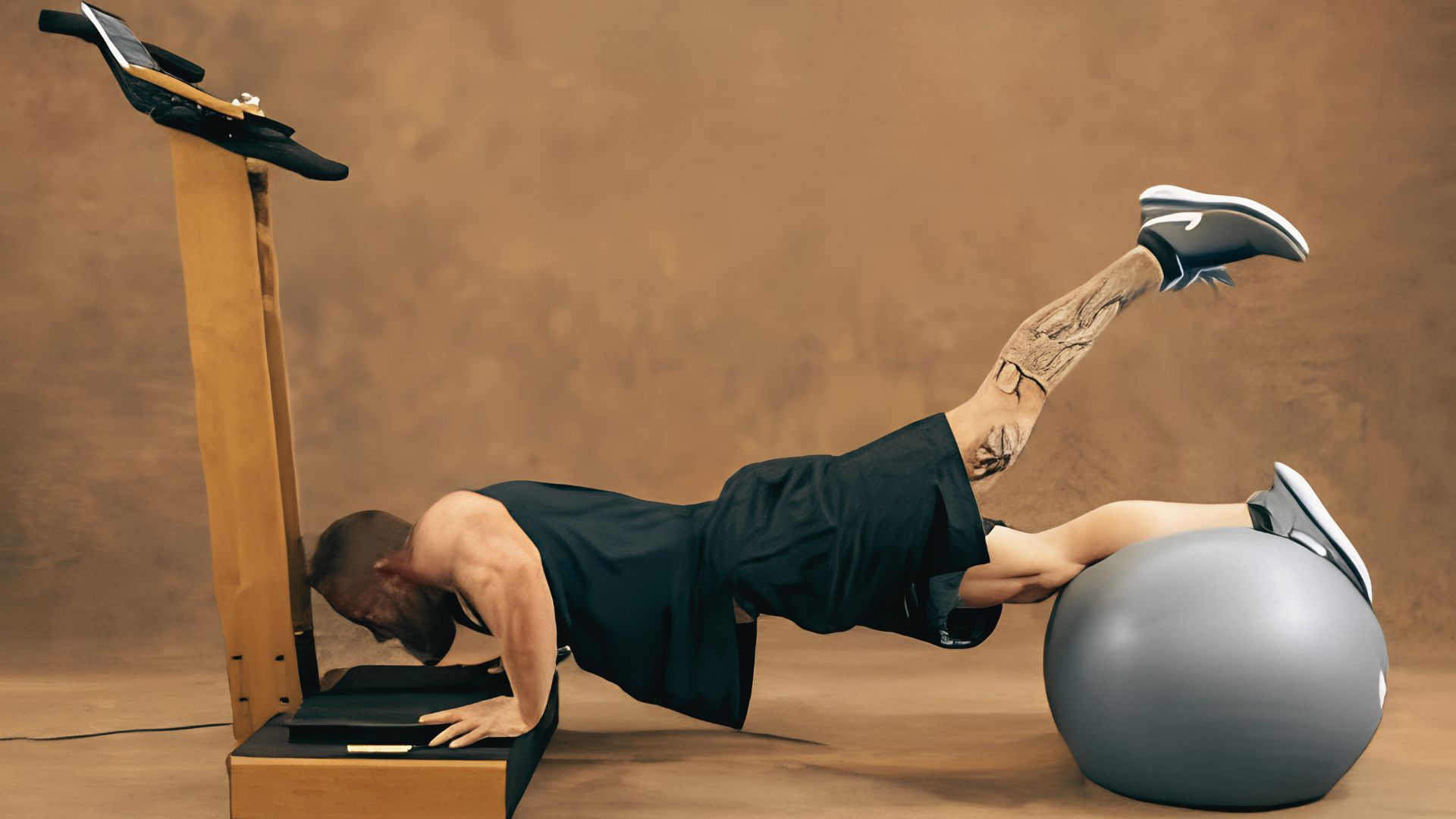
Place your hands on the plate and walk your feet back into a push-up position. This works your chest and arms with added resistance.
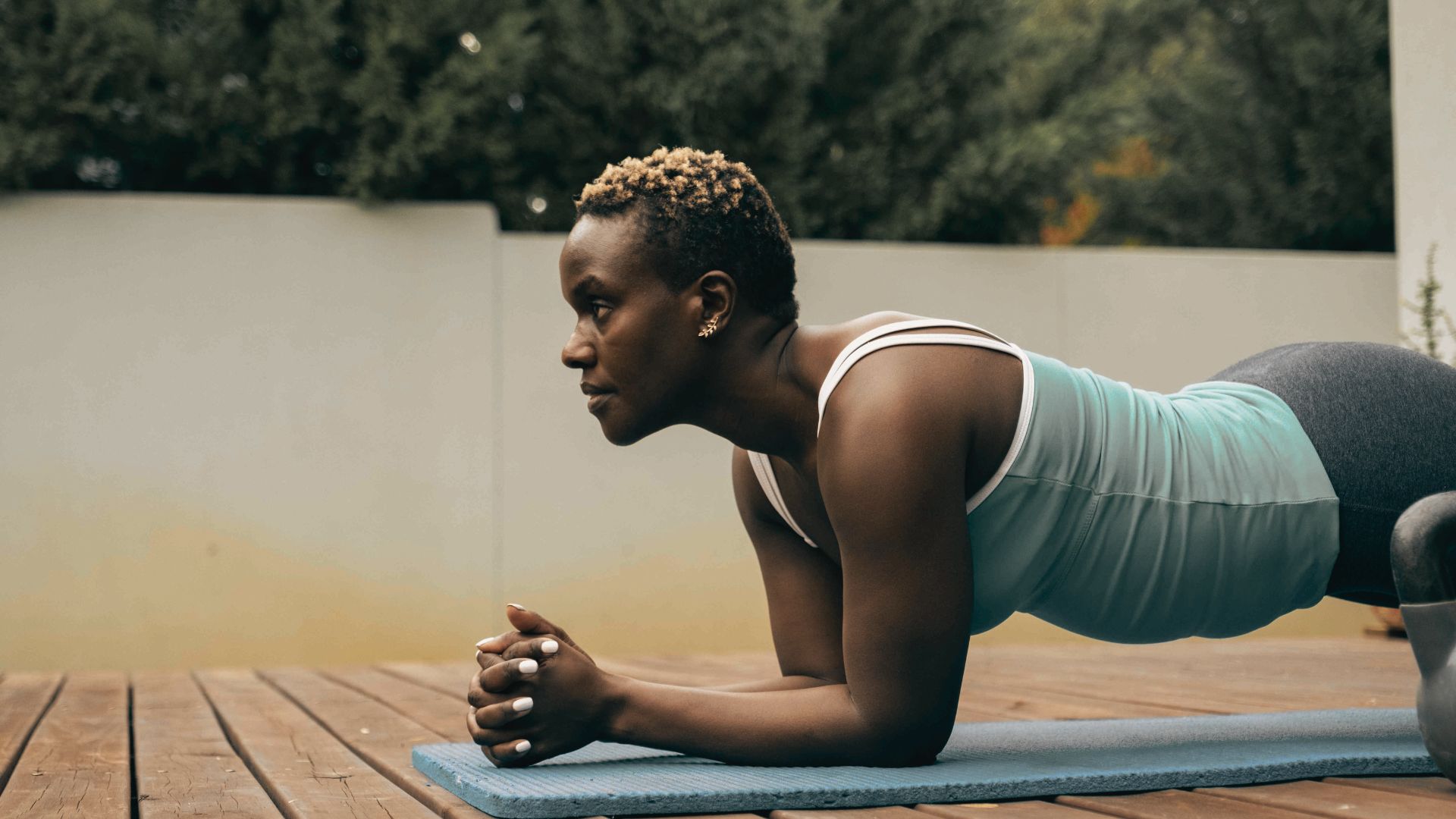
12. Forearm Plank
Rest your forearms on the plate and hold a plank position. The vibration challenges your core more than a regular plank.
13. Seated V-Sit Hold
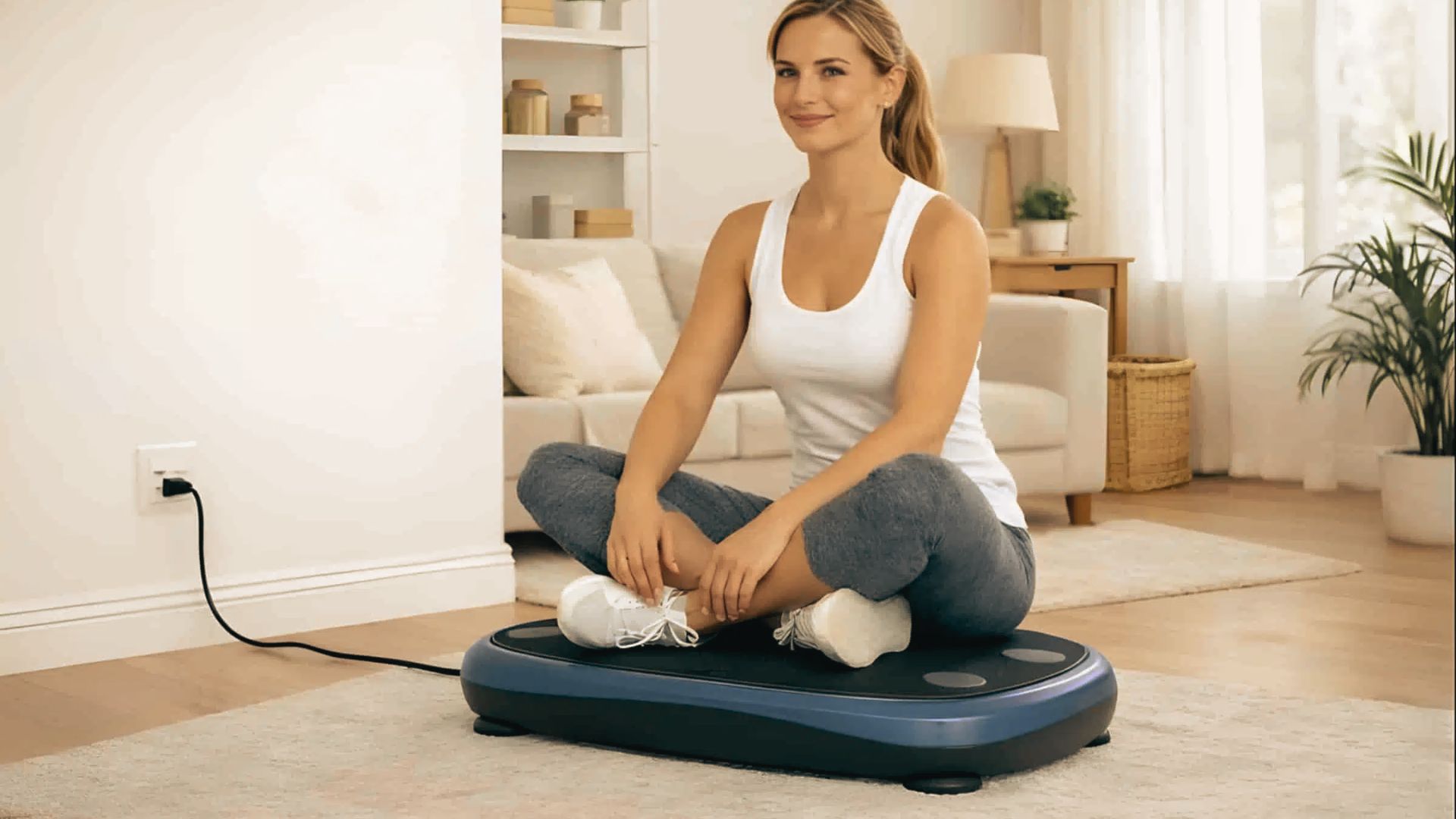
Sit near the edge of the plate, lean back slightly, and lift your legs into a V shape. This works your abs and improves balance.
Benefits of Vibration Plate Exercises
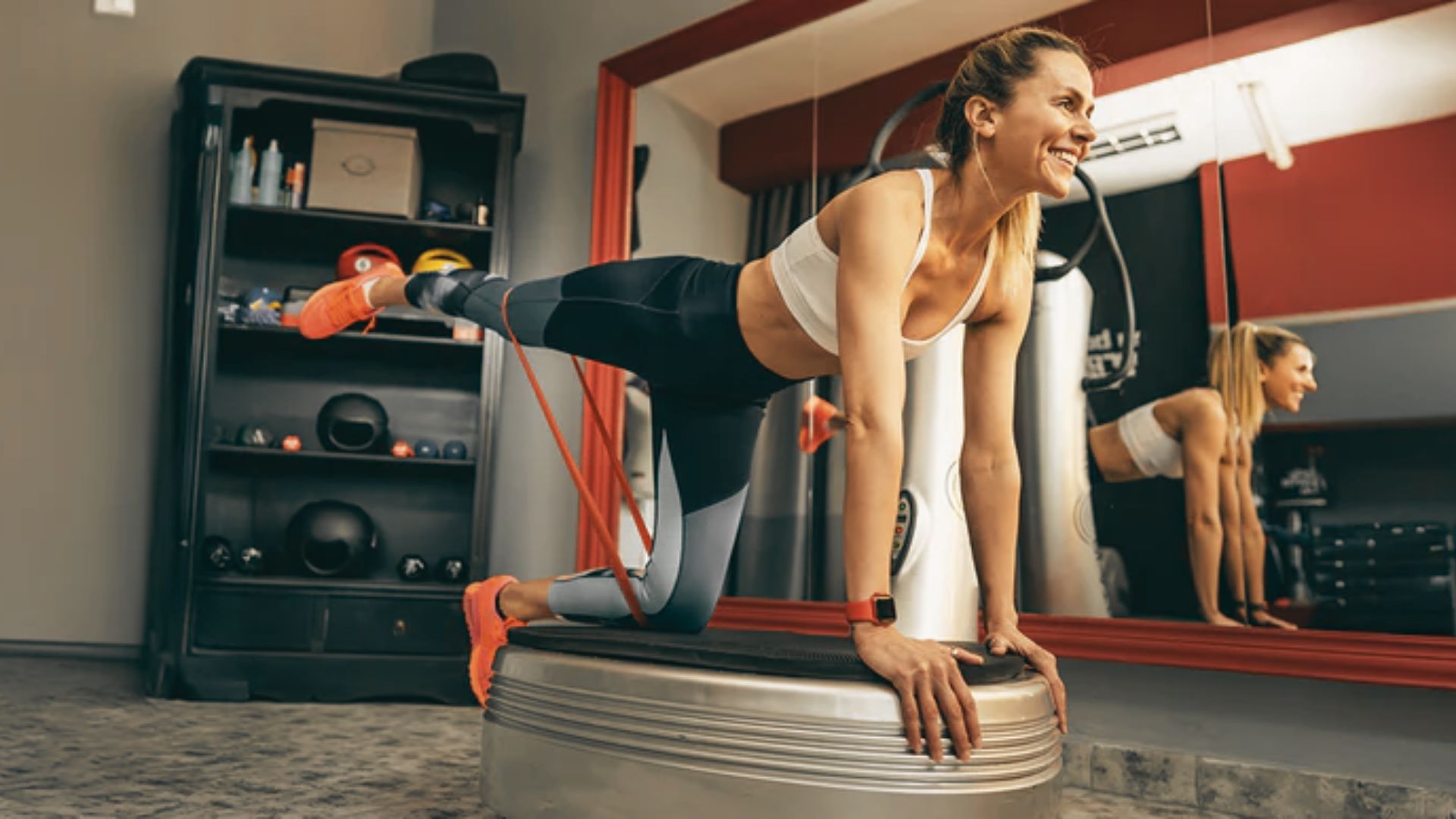
These exercises offer several physical advantages beyond a typical bodyweight workout.
Increased Muscle Activation
The constant shaking forces your muscles to contract more often. This can make simple exercises feel more effective in less time.
Improved Balance and Stability
Standing on a moving surface trains your body to adjust quickly. Over time, this can improve your balance during daily activities.
Better Blood Circulation
The vibrations encourage blood flow throughout the body. Many people feel less stiff after regular sessions.
Improved Flexibility and Mobility
Gentle stretching on the plate can loosen tight muscles faster. This may help with everyday movement and reduce soreness.
Low-Impact Exercise for Joint Health
Since there is little stress on the joints, this workout suits people recovering from injury or those with joint pain.
How to Choose the Right Vibration Plate
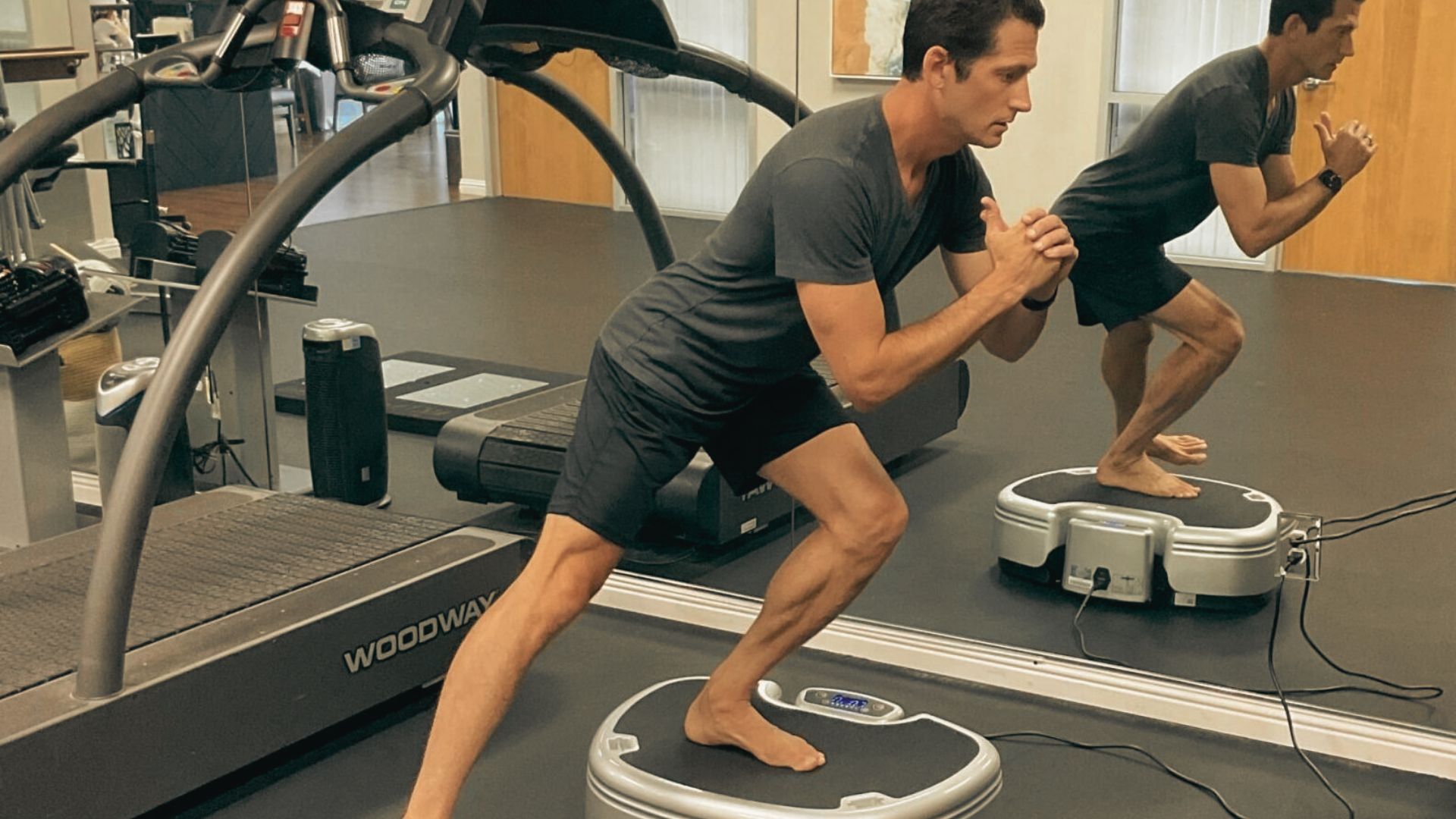
Picking the right machine depends on your goals, budget, and experience level.
Oscillating vs. Linear Vibration Plates
Oscillating plates move side to side like a seesaw, which works well for balance and toning. Linear plates move straight up and down, offering a more intense full body shake.
Features Beginners Should Look For
Look for adjustable speed settings, a sturdy platform, and handlebars for extra support. A clear display also helps you track your session time easily.
Choosing the Right Frequency and Intensity
Beginners should start with lower frequency settings to avoid overworking the muscles. You can slowly raise the intensity as your body adapts.
Tips for Getting the Best Results From Vibration Plate Exercises
A few small habits can help you see better results without putting in extra effort.
- Start with short sessions and add time slowly.
- Keep your posture steady and your core engaged.
- Use a lower intensity until your body adjusts.
- Pair sessions with regular strength training.
- Stay consistent and eat well to support recovery.
Conclusion
Starting something new is never easy, and I get that. When I first tried vibration plate exercises, I felt awkward too, but after a few weeks, my balance and strength improved more than I expected.
Small changes like this add up over time. You can get there too, one short session at a time. Try one move from this list today and see how your body responds.
If this helps you, share it with a friend who needs it, or leave a comment below with your own experience using vibration plate exercises.
Frequently Asked Questions
Are Vibration Plate Exercises Effective for Weight Loss?
Yes, when paired with a balanced diet and regular movement, they can support steady weight loss over time.
How Long Should Beginners Use a Vibration Plate?
Beginners should start with five to ten minute sessions and slowly increase the time as their body adjusts.
Can You Use a Vibration Plate Every Day?
You can, but most experts recommend three to four sessions a week to give your muscles time to recover.
Which Vibration Plate Exercise Is Best for Beginners?
The basic standing pose is the easiest option since it helps your body get used to the vibrations first.
Are Vibration Plate Exercises Safe for Older Adults?
They are generally safe at a low intensity, though checking with a doctor first is always a smart move.