

Walk into any gym and you’ll see people lifting barbells. But not everyone is training the same way. Some people train for general strength and health. Others train to compete in powerlifting meets.
I’ve spent years coaching both approaches, and I know the confusion firsthand.
This guide will clear up the difference between powerlifting vs strength training. You’ll learn what makes each one distinct. You’ll see how they overlap. And you’ll figure out which path fits your goals.
We’ll cover what strength training really means, what powerlifting competition involves, and how the two compare in practice.
Powerlifting vs Strength Training: An Overview

People mix these up because both use barbells, both make you stronger, and both happen in the same gym space.
But your goals change everything.
Strength training builds your body. It focuses on getting stronger in a balanced way across many movements. The goal is health, muscle, and long-term fitness.
Powerlifting tests your body. It’s a sport with rules, judges, and competition. The goal is lifting the most weight possible in three specific lifts.
Think of it this way: strength training is like learning to play piano for enjoyment. Powerlifting is like preparing for a recital with judges scoring your performance.
The barbell is just a tool. What you do with it depends on what you want from your training.
What Is Strength Training?

Strength training is a systematic approach to building muscle strength and physical capability through resistance exercises.
Purpose of Strength Training
Strength training makes your muscles stronger so daily life gets easier.
You’re not training for a trophy. You’re training so you can carry groceries, play with your kids, or stay healthy as you age. It’s about building a capable body that lasts.
Many people use strength training to look better too. But the foundation is always functional strength that serves your life outside the gym.
Core Principles of Strength Training
Good strength training follows three basic rules.
First: Use as many muscles as possible. Compound movements like squats and rows work multiple joints and muscle groups at once. This builds strength that transfers to real-world activities.
Second: Train through a full range of motion. Moving a joint from fully stretched to fully contracted builds strength at every angle. This prevents weakness and reduces injury risk.
Third: Progressive overload matters. You need to gradually add weight, reps, or difficulty over time. Your muscles adapt to stress by getting stronger. No added challenge means no added strength.
Benefits of Strength Training
Strength training builds your whole body evenly.
- Balanced muscle development. You develop muscle in your legs, back, chest, shoulders, and arms, preventing imbalances that cause pain and injury.
- Long-term sustainability. You can strength train for decades without burning out as proper movement patterns keep your joints healthy.
- Injury prevention. Full range of motion training builds resilient muscles and joints, keeping most people injury-free for years.
- Improved daily function. Carrying groceries, climbing stairs, and lifting objects become easier as your overall strength increases.
- Better bone density. Regular strength training increases bone mass and reduces the risk of osteoporosis as you age.
What Is Powerlifting?
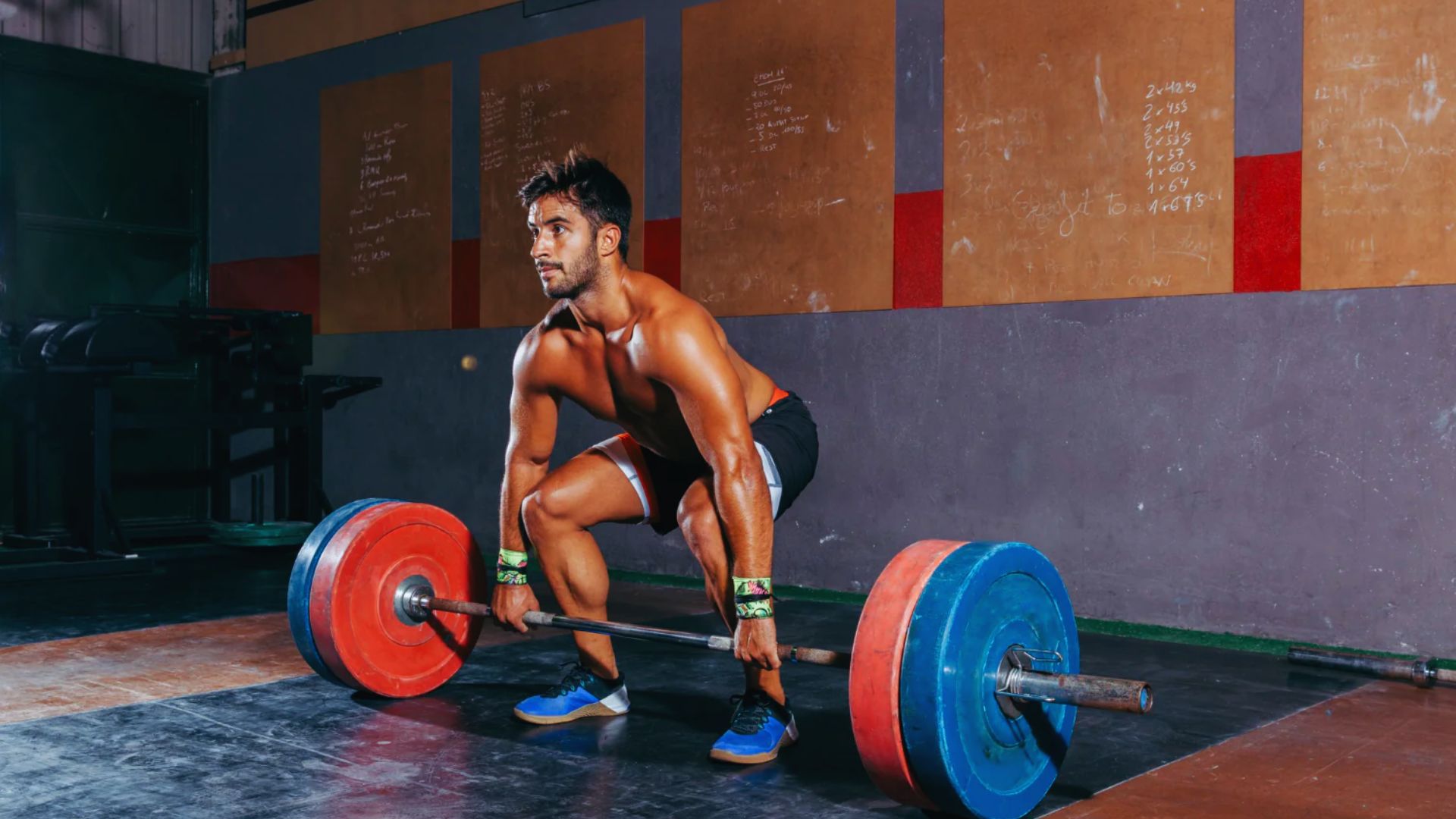
Powerlifting is a competitive strength sport focused on lifting maximum weight in three specific barbell exercises.
Powerlifting as a Competitive Sport
Powerlifting happens on a platform in front of judges.
Athletes compete in weight classes. You get three attempts at each lift. Judges use strict rules to decide if your lift counts. The lifter with the highest total weight across all three lifts wins their class.
Meets have referees watching your form. Your foot can’t slide. Your elbows must lock. Your depth must hit the required standard.
It’s precise and measured. That’s what makes it a sport instead of just training.
The Three Powerlifting Lifts
Powerlifting uses three lifts only.
The squat: You unrack a loaded barbell on your back, descend until your hip crease drops below your knee, then stand back up.
The bench press: You lie on a bench, lower the bar to your chest, pause, then press it back up until your elbows lock.
The deadlift: You pull a barbell from the floor to a standing position with locked hips and knees.
Your total is the sum of your best successful attempt in each lift. Bigger total wins.
Benefits of Powerlifting
The focus on just three movements lets you master those patterns completely. You practice them often. You get very strong at them.
- Clear feedback through numbers. If your total goes up, you’re getting stronger. If it doesn’t, you need to change something.
- Concrete training targets. Competition gives you a goal to work toward. Many people thrive on having measurable progress and specific benchmarks.
- Rapid strength gains. Mastering three movements lets you progress faster than spreading your focus across many exercises.
- Simple programming approach. You don’t need complicated workout plans when focusing on three main lifts with clear progression schemes.
- Strong community support. Powerlifting gyms and competitions create connections with people who share your training goals and understand your progress.
Powerlifting vs Strength Training: Key Differences
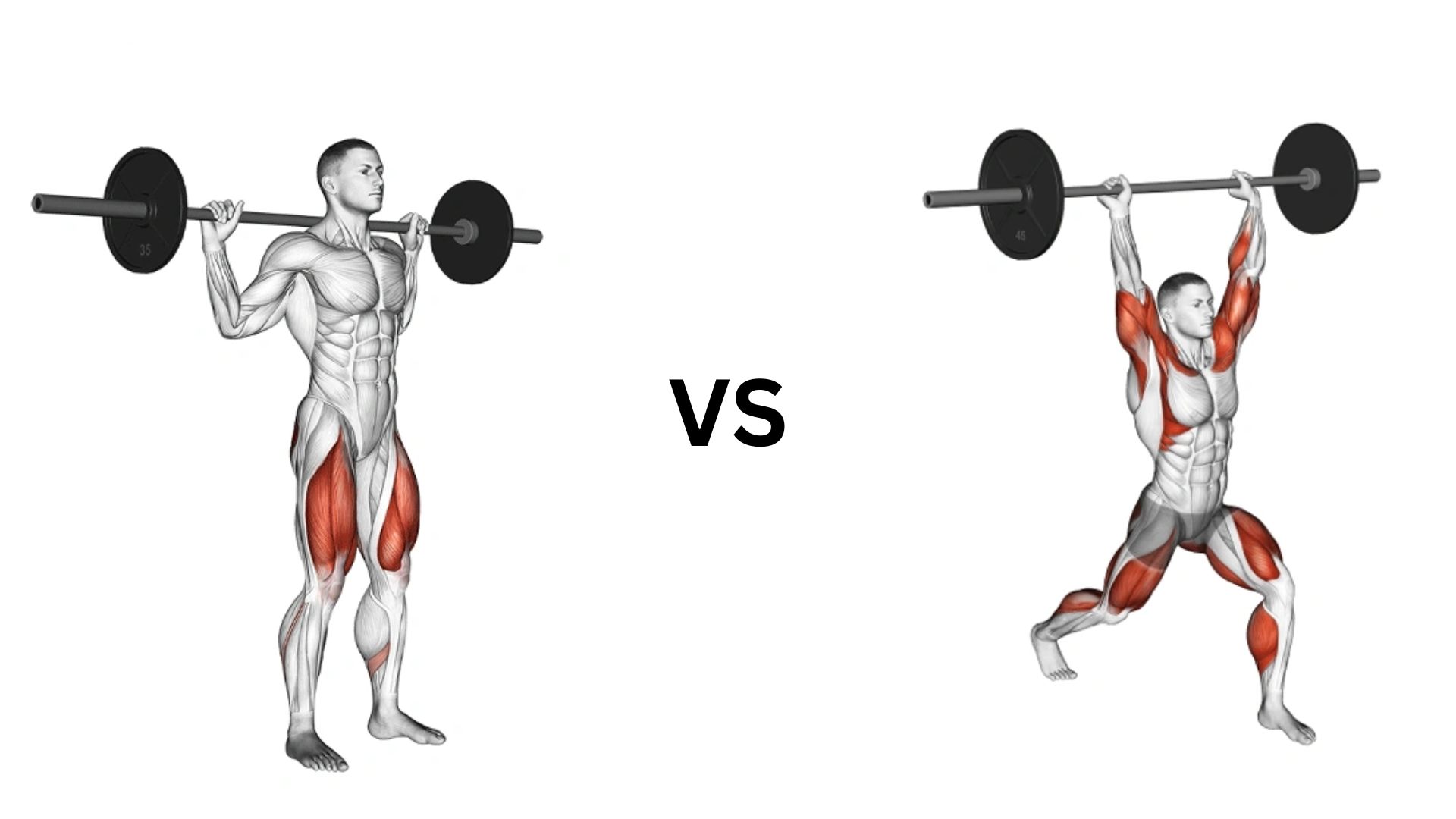
Understanding how these two approaches differ helps you choose the right path for your goals.
|
Aspect |
Strength Training |
Powerlifting |
|
Primary Goal |
General capability and health |
Maximum weight in three lifts |
|
Success Measured By |
Daily performance and varied exercises |
Meet results and personal records |
|
Range of Motion |
Full range for muscle work |
Shortest legal range for max load |
|
Exercise Variety |
8-12 exercises per week |
3-6 exercises per week |
|
Exercise Focus |
Varied movements from different angles |
Competition lifts plus support work |
|
Technique Goal |
Maximize muscle work |
Maximize weight within rules |
Both approaches are valid. Your choice depends on what you want from your training.
Can You Combine Powerlifting and Strength Training?
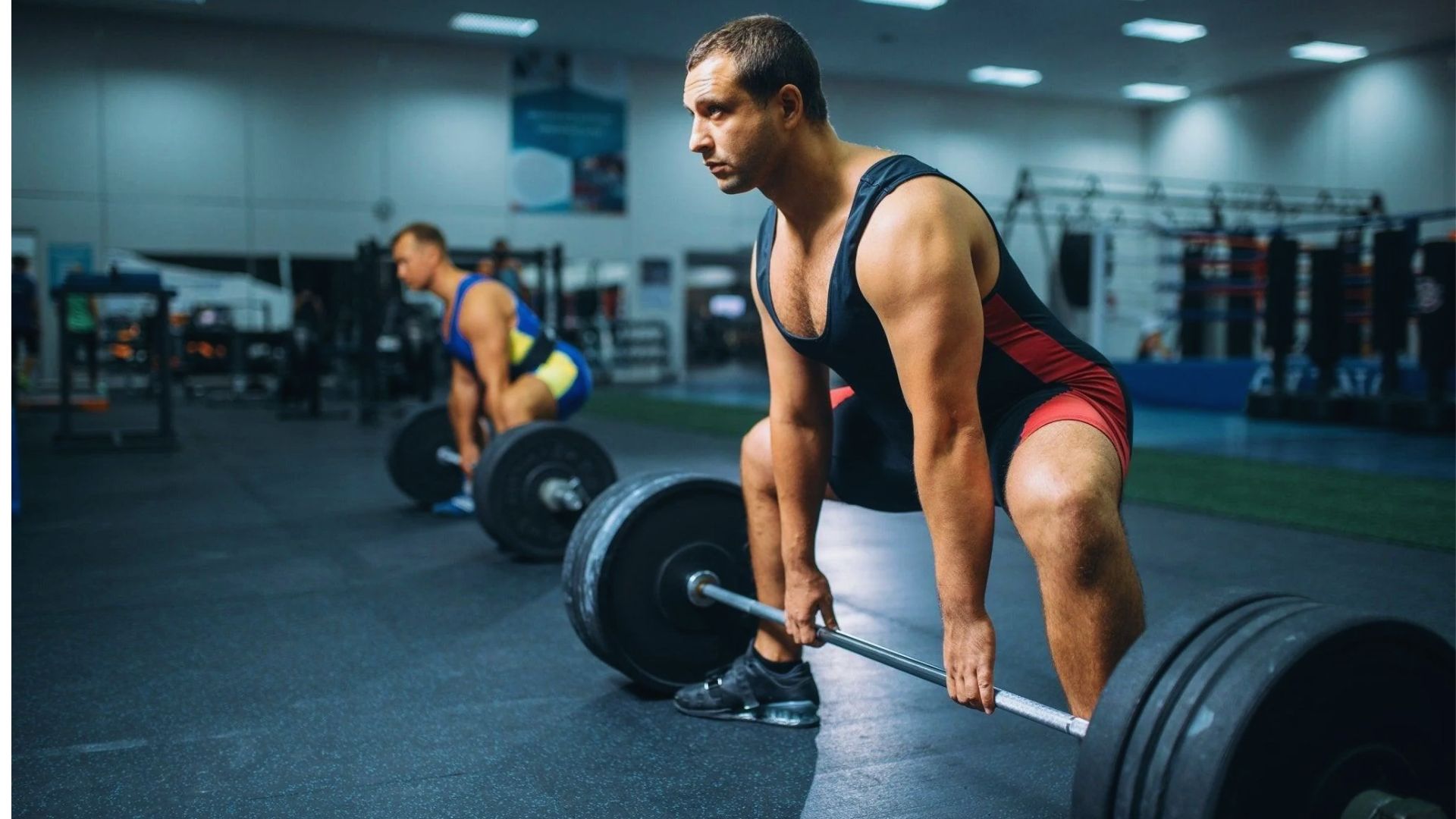
Yes, these two approaches work well together and many athletes use both strategically.
Both approaches use barbells and progressive overload. Both make you stronger. Both require consistency and smart programming. You can strength train using powerlifting movements like squats, bench presses, and deadlifts with good form and full range of motion.
Smart powerlifters use strength training principles in their off-season. Building muscle through varied exercises gives you more potential strength. Strengthening weak points with accessory work prevents injuries and improves your main lifts.
A bigger, stronger athlete lifts more weight. General strength work builds that foundation. During competition preparation, you shift focus to the three lifts. But the strength you built through varied training carries over and supports your performance.
Which Is Right for You?
Your personal goals determine which approach fits your training style best.
Go with strength training when your goal is lifelong health and capability. You want to build muscle, lose fat, and feel strong in daily activities. You value being well-rounded and injury-resistant. Strength training gives you freedom to choose exercises you enjoy and builds strength that makes everything easier.
Go with powerlifting when you want to compete and test yourself. You like concrete goals and want to see exactly how much weight you can move. Powerlifting gives you a target. Meets provide deadlines and motivation. The community around powerlifting creates strong bonds through shared goals.
You can also do both. Train for general strength most of the year, then prepare for a meet when you want to test yourself.
Conclusion
Now you know the real difference between powerlifting vs strength training. One builds general capability for life. The other builds maximum performance in three lifts.
I’ve trained both ways. General strength work keeps me healthy and balanced. Powerlifting meet prep taught me what I’m truly capable of lifting.
Your goals shape your training. Pick the approach that excites you and matches what you want from the gym.
Drop a comment below and tell me which path speaks to you. Are you training for life or training to compete?
Frequently Asked Questions
Can beginners start with powerlifting?
Yes, but most beginners benefit from general strength training first. Build foundational strength and proper movement patterns for 6-12 months. Then consider adding competition-focused powerlifting training if you want to compete.
Do I need a coach for strength training?
Not necessarily, but coaching helps you learn proper form and programming. Many people successfully strength train using online resources and form checks. A coach accelerates your progress and reduces injury risk.
How often should I train for powerlifting?
Most powerlifters train 3-5 days per week. Beginners often start with 3 days. Advanced lifters may train 5-6 days with careful programming. Recovery matters as much as training frequency.
Is powerlifting bad for your joints?
Not when done correctly. Powerlifting with proper form, appropriate load progression, and adequate recovery maintains joint health. Poor technique and excessive volume cause problems, not the sport itself.
Can I build muscle with powerlifting training?
Yes, powerlifting builds significant muscle, especially for beginners. However, strength training with more exercise variety and higher volume typically builds more total muscle mass over time.