I used to think power cleans and cleans were the same lift. They’re not. Once I learned the difference, my training improved fast.
In this article, I’ll cover what each lift actually is, how the mechanics differ, and which one makes sense for your goals.
You’ll get a clear breakdown of both moves, backed by real training knowledge.
No filler. Just practical information that helps you lift smarter and choose the right move for your program.
Let’s get into it.
What Is a Power Clean?
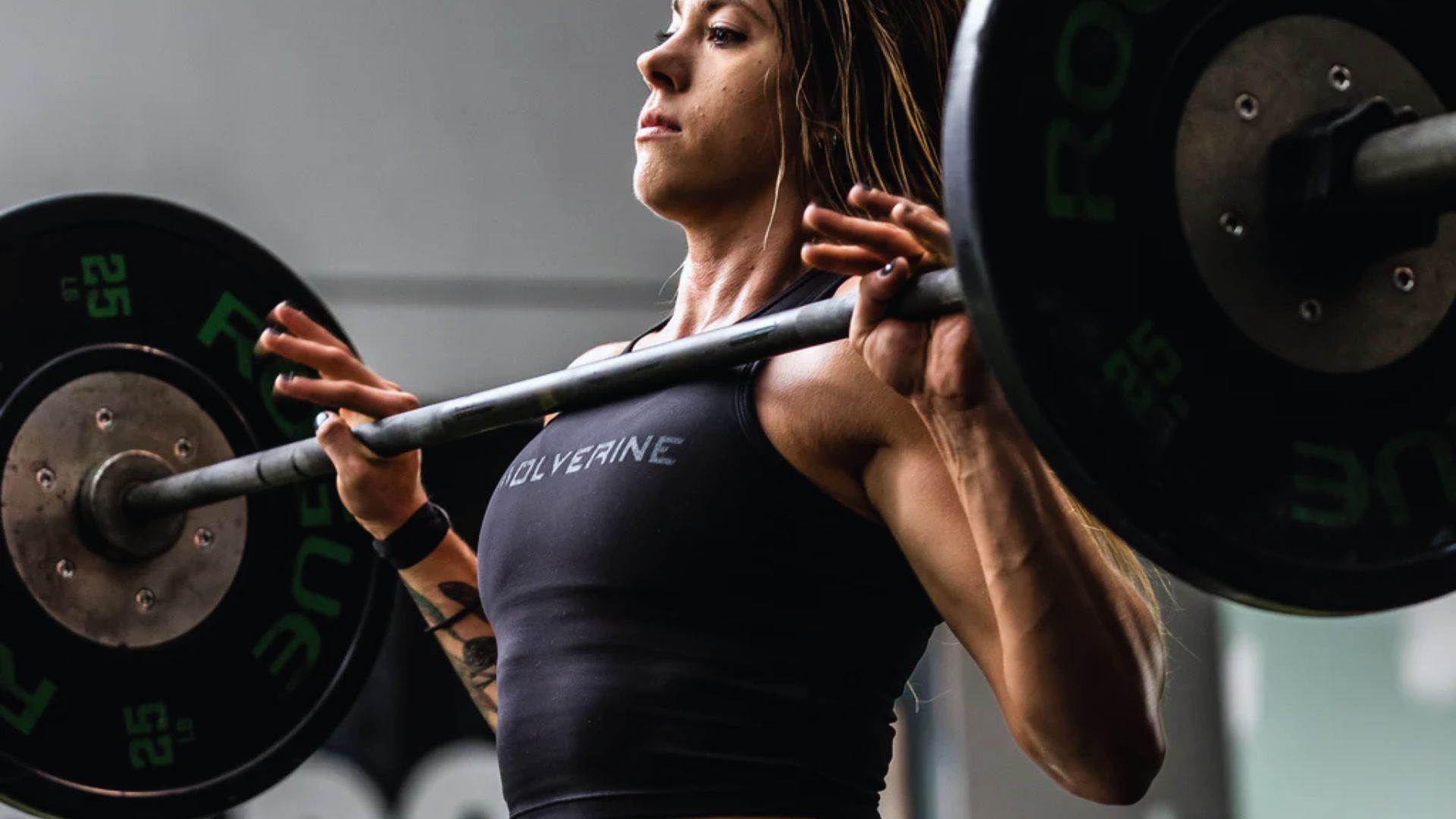
The power clean is a barbell lift that starts from the floor. You pull the bar up explosively and catch it on your shoulders in a partial squat. It builds speed, strength, and full-body power.
Athletes love it because you don’t need deep squat mobility to do it well. That makes it more accessible than the full clean.
It’s also a go-to move for sports performance training. If you want to get faster and more powerful, this lift delivers.
Mechanics of the Power Clean
The movement starts with the bar on the floor. Hips low, back flat, chest up. You drive through your legs and hips to pull the bar upward.
As the bar rises, shrug your shoulders and pull your elbows through fast.
The bar ends at shoulder height. Every part of the body works together to make this lift happen.
Catch Depth in the Power Clean
In a power clean, you catch the bar above parallel. That means your hips don’t drop below your knees. This is what makes it a “power” clean.
The partial squat requires less mobility. That’s why beginners often find it easier to pick up.
The catch is fast and high, which demands more bar speed during the pull.
Execution and Movement Pattern
Start with feet hip-width apart. Grip the bar just outside your legs. Push the floor away as you lift.
Once the bar passes your knees, drive your hips forward hard. Pull your elbows high and fast.
Catch the bar in a front rack position with a slight squat. Stand tall to finish the rep. That’s one solid power clean.
What Is Clean?
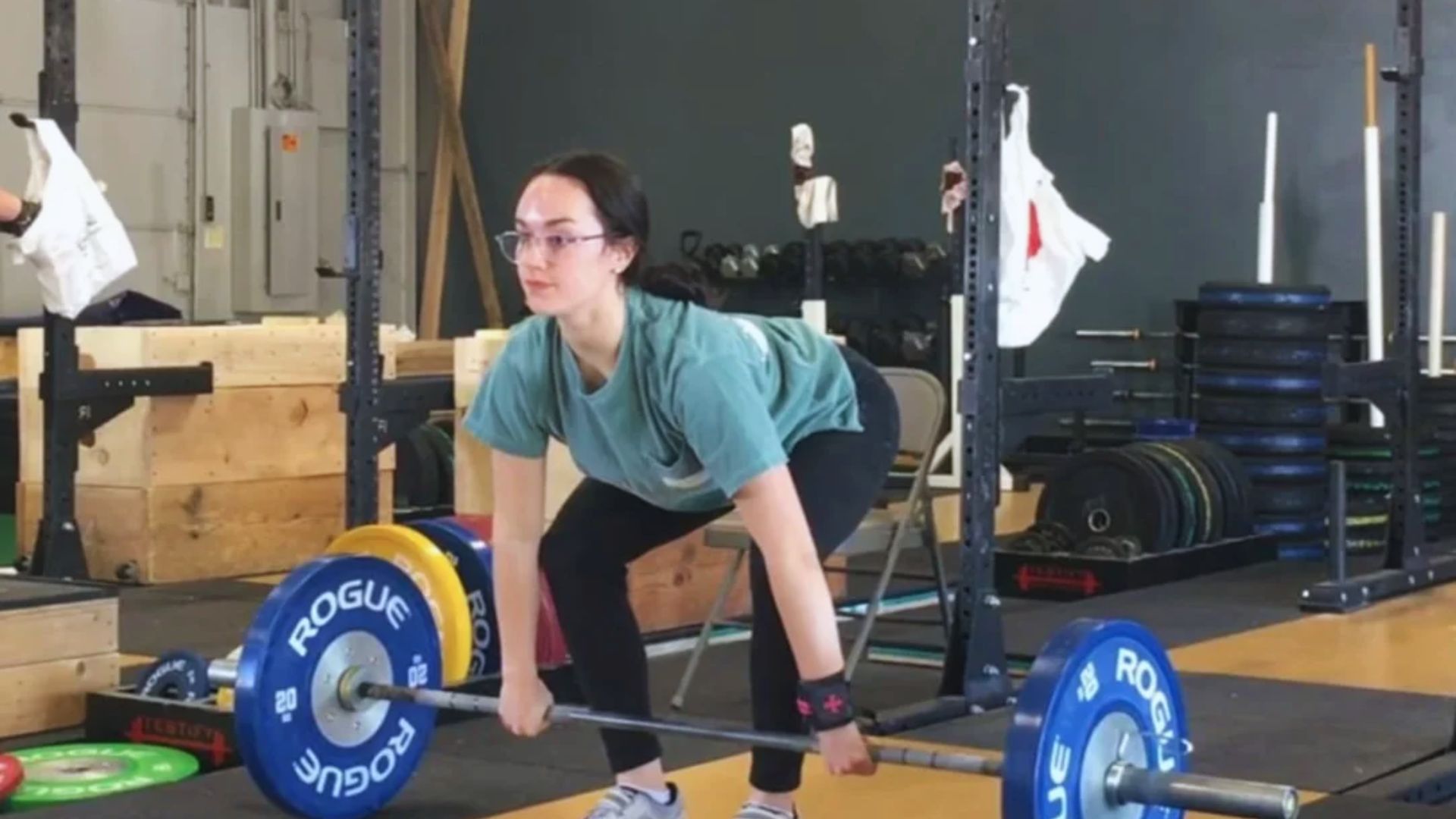
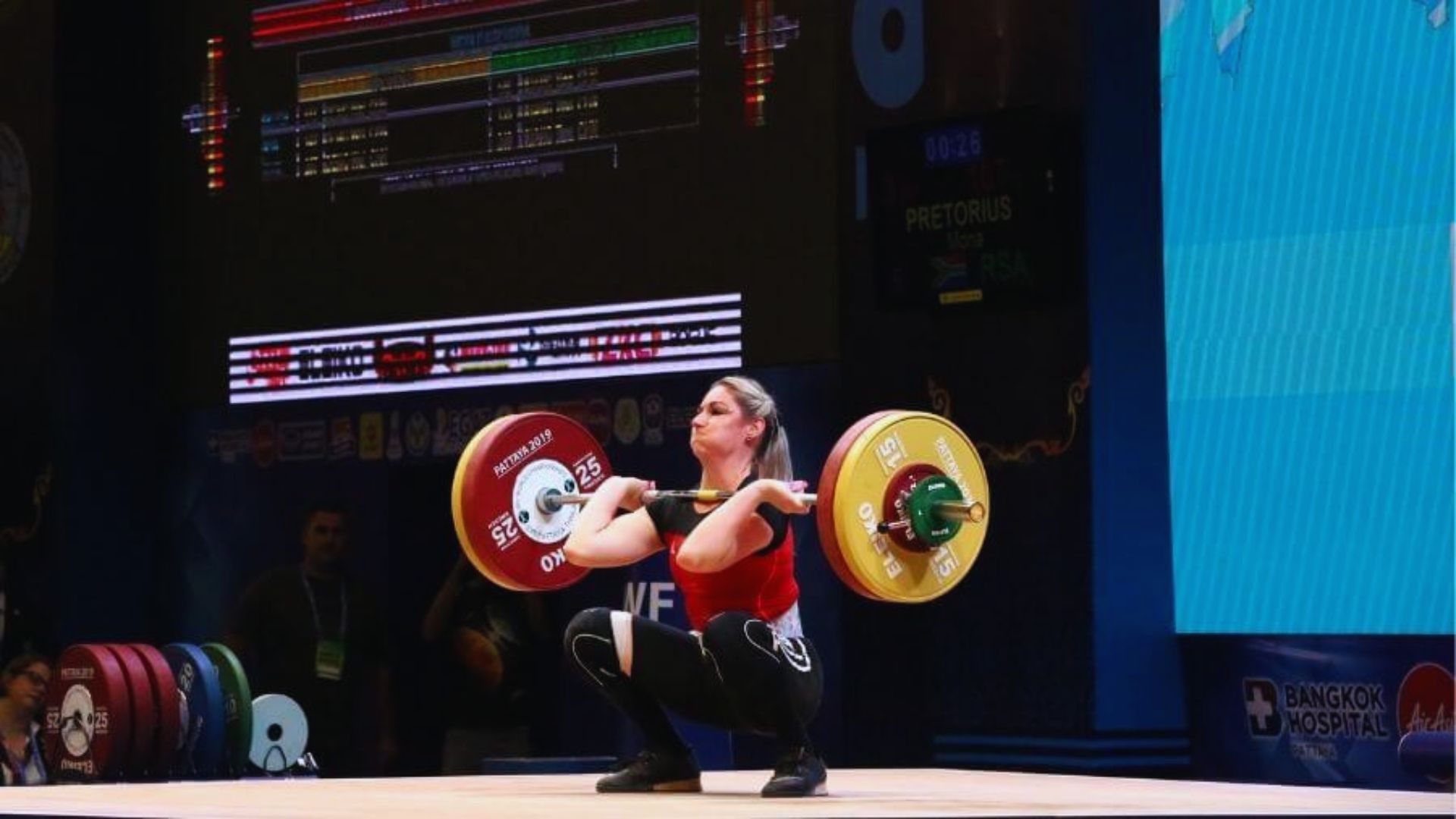
The clean is the full version of the power clean. You pull the bar from the floor and drop into a deep front squat to receive it.
That lower catch position lets you lift heavier loads than a power clean.It’s a core move in Olympic weightlifting and takes more skill and mobility to perform well.
Your hips, ankles, and wrists all need to be ready for it. It’s harder to learn, but once you get it right, it’s a seriously strong lift.
Mechanics of the Clean
Like the power clean, you start with the bar on the floor. Hips low, back straight, core tight. You pull the bar through the same path.
But after the hip drive, you drop under the bar fast. You catch it in a deep front squat.
The pull doesn’t need to go as high because you’re meeting the bar in a lower position.
Catch Depth in the Clean
The clean requires a deep front squat catch. Your hips go below parallel. This is the biggest difference from a power clean.
To get there, you need solid hip, ankle, and wrist mobility. The lower catch means you don’t have to pull the bar as high.
But you do need the strength to squat out of that low catch position.
Execution and Movement Pattern
Set up the same way as a power clean. Drive through your legs and hips. As the bar passes your hips, pull your elbows through fast and drop under the bar.
Catch it in a deep front squat with elbows pointing forward. Hold that position, then stand up.
The drop under the bar has to be quick and controlled by every single rep.
Power Clean vs Clean: Key Technical Differences
Both lifts share the same starting point, but the way you catch the bar sets them apart completely.
Mechanics Comparison
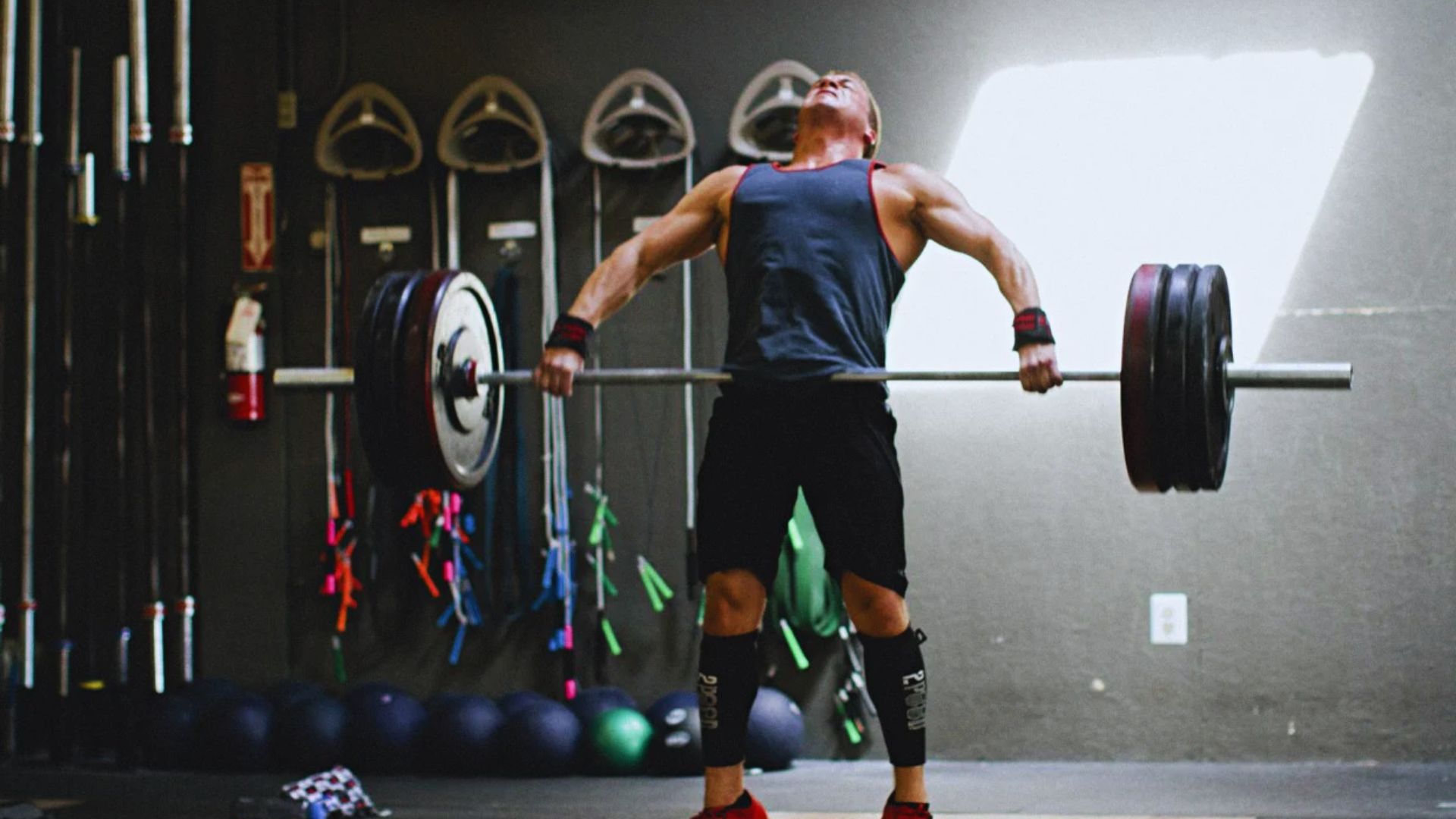
Both lifts use the same pull from the floor. The hip drive and bar path are nearly identical at first.
The difference starts after the bar reaches hip height. In a power clean, you pull high and catch above parallel.
In a clean, you drop fast under the bar and catch deep. Same start. Very different finish.
Depth Comparison
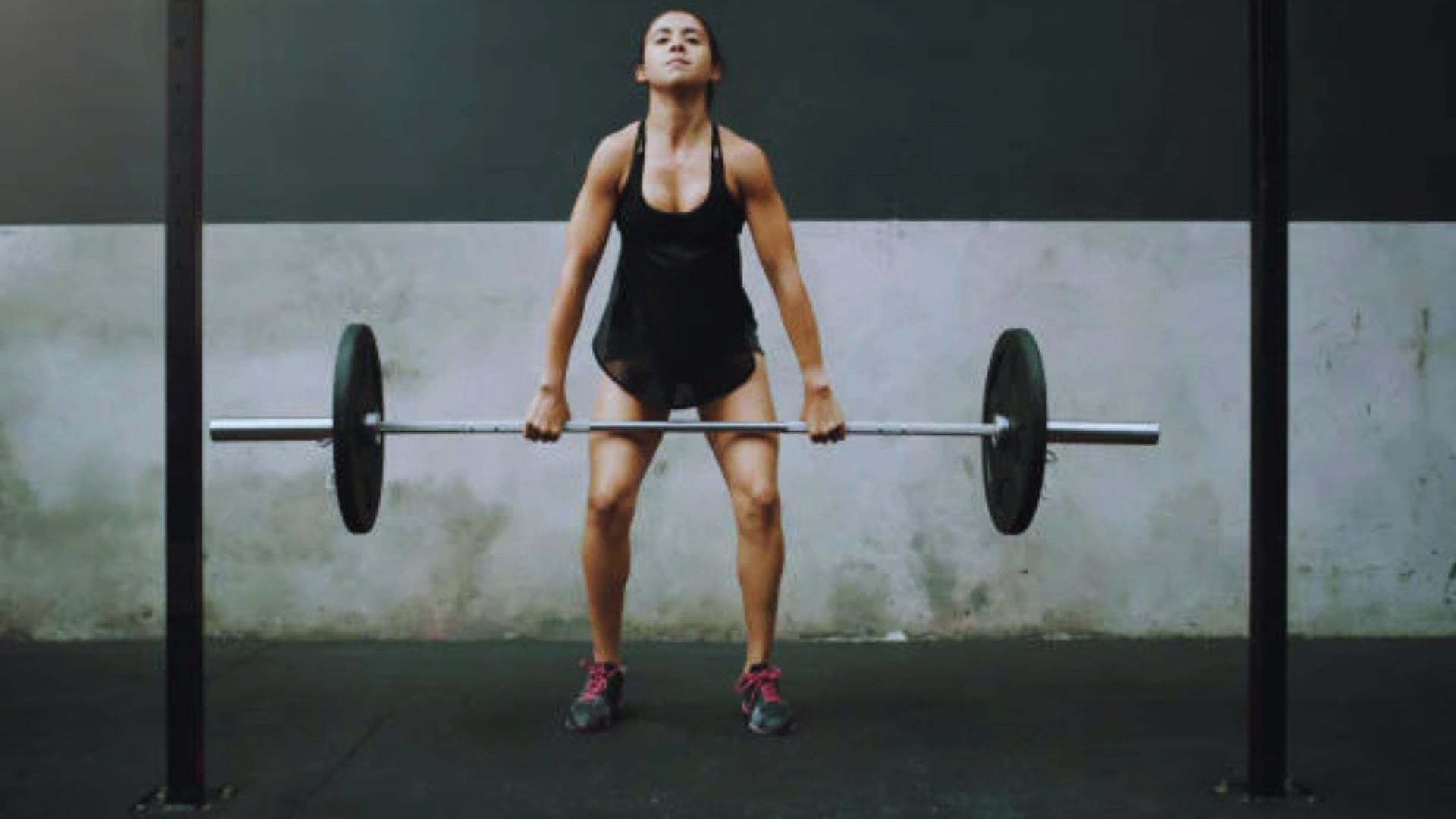
Catch depth is what separates these two lifts most clearly. A power clean catches the bar with hips above parallel.
A clean catches it with hips well below parallel. The clean puts you in a full front squat. That requires more flexibility and control.
The power clean is more forgiving on mobility and easier to learn in the early stages of training.
Execution Comparison
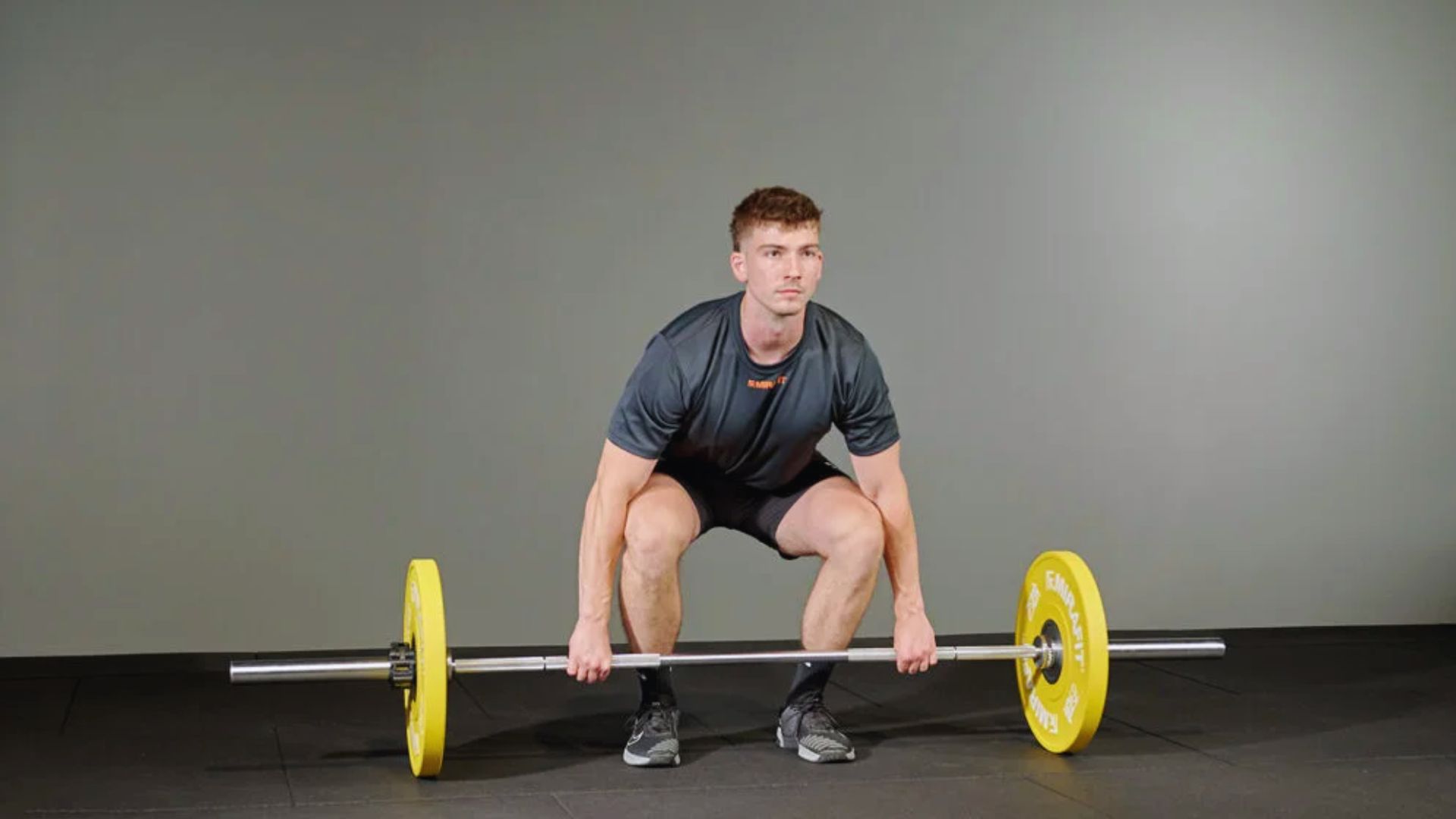
The pull and setup look the same from the outside. But the finish is completely different.
A power clean is faster to learn and needs less mobility. A clean takes more time to master. You have to be comfortable in a deep squat with strong wrists and ankles.
Both are worth learning, but the clean has a steeper learning curve overall.
Power Clean vs Clean: Quick Comparison
Here’s a side-by-side look at how these two lifts compare on every key factor.
|
Feature |
Power Clean |
Clean |
|
Mechanics |
Pull high, partial squat |
Pull then deep squat |
|
Catch Depth |
Above parallel |
Deep front squat |
|
Bar Height |
Higher pull required |
Lower pull required |
|
Speed |
More explosive |
Less explosive |
|
Weight |
Lighter |
Heavier |
|
Mobility |
Less required |
More required |
|
Difficulty |
Easier |
More technical |
Use this table as a quick reference before your next training session.
Power Clean vs Clean: Which One Should You Choose?
It depends on your goals. If you’re new to lifting or focused on speed and power, start with the power clean.
It’s easier to learn and puts less strain on your mobility. If you’re into Olympic lifting or want to move heavier weight, work toward the clean.
It takes longer to get right, but it pays off over time. I started with power cleans and moved to full cleans after about six months of consistent training.
Both made me stronger and more athletic. Pick the one that matches where you are right now. You can always progress to the other one later.
Conclusion
I struggled with these two lifts early on. Once I understood the catch depth, it all clicked. The power clean built my speed.
The clean built my strength. Both are worth learning.Start with the power clean. Get comfortable.
Then work toward the full clean when you’re ready.
Found this helpful? Drop a comment below and tell me which lift you’re training right now. Share this post with someone who needs it.
Frequently Asked Questions
Is a power clean easier than a clean?
Yes. It needs less mobility and has a shallower catch, so it’s simpler to learn.
Can beginners do a clean?
Yes, but start with the power clean first. The full clean takes more technique to get right.
Which lift builds more power?
Both do. The power clean builds speed. The clean lets you move heavier weight.
Do power cleans and cleans use the same bar path?
Yes. The bar path is the same. Only the catch position is different.
Which lift is more common in Olympic weightlifting?
Clean. It’s paired with a jerk to make up the clean and jerk.