You've probably seen someone at the gym bench pressing without their thumb wrapped around the bar. It looks risky. And honestly, it is, if done wrong.
This article covers everything about the suicide grip bench press, including how it works, why lifters use it, its real benefits, and its serious risks.
I've spent years lifting and studying grip mechanics, so I'll give you the honest picture here.
You'll know by the end if this grip is right for you or something to skip completely. No fluff. Just clear, practical information.
What Is the Suicide Grip Bench Press?
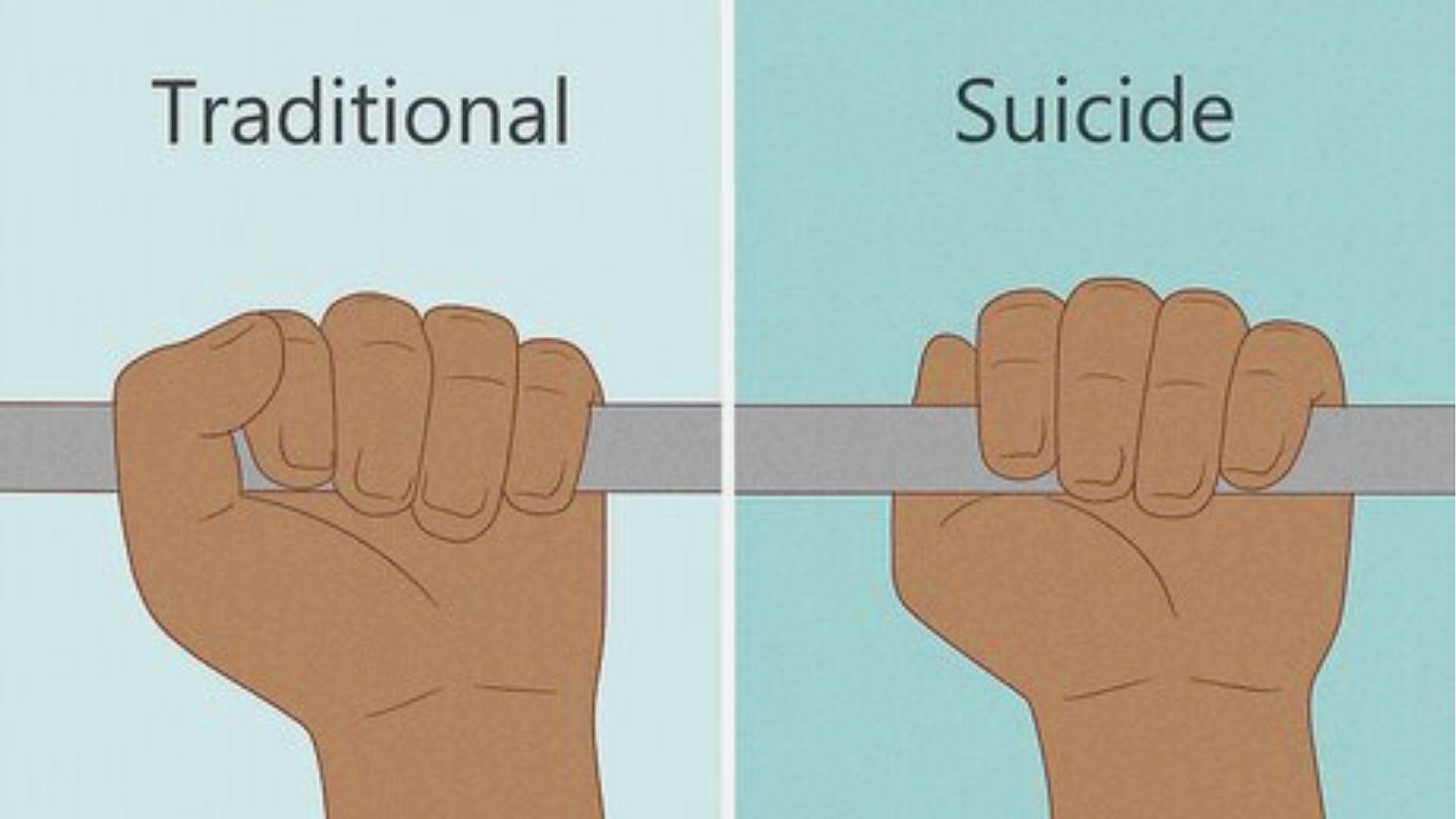
The suicide grip bench press is a pressing technique where your thumb does not wrap around the bar. All four fingers and the thumb rest on the same side. The bar sits across your palm, held by hand pressure alone, with no thumb lock for security.
With a traditional grip, the thumb wraps under the bar and keeps it locked in place. The suicide grip removes that entirely. However, the bar often aligns more directly with your forearm, which can reduce wrist bending during the press.
The name "false grip" comes from the fact that the hand looks secure but isn't fully locked. There's nothing stopping the bar from rolling forward if control is lost. The term "suicide grip" caught on in gym culture because of how quickly a slip can turn dangerous.
Why Lifters Use the Suicide Grip Bench Press

Some lifters choose this grip for real mechanical reasons, not just preference.
Improved Wrist Position
A standard grip can force the wrist to bend backward under load. The suicide grip keeps the wrist more neutral, which reduces joint stress and pressing discomfort.
More Natural Bar Path
A neutral wrist changes how the elbows track during the press. This can create a bar path that feels easier on the shoulders, especially during lighter sets.
Increased Triceps Involvement
With the bar sitting deeper in the palm, the forearm angle shifts slightly. This puts more demand on the triceps during lockout, which some lifters actively want.
Better Pressing Comfort for Some Lifters
Not everyone has the same anatomy. Lifters with longer forearms or wrist mobility issues may simply find this grip more comfortable during pressing work.
Benefits of the Suicide Grip Bench Press
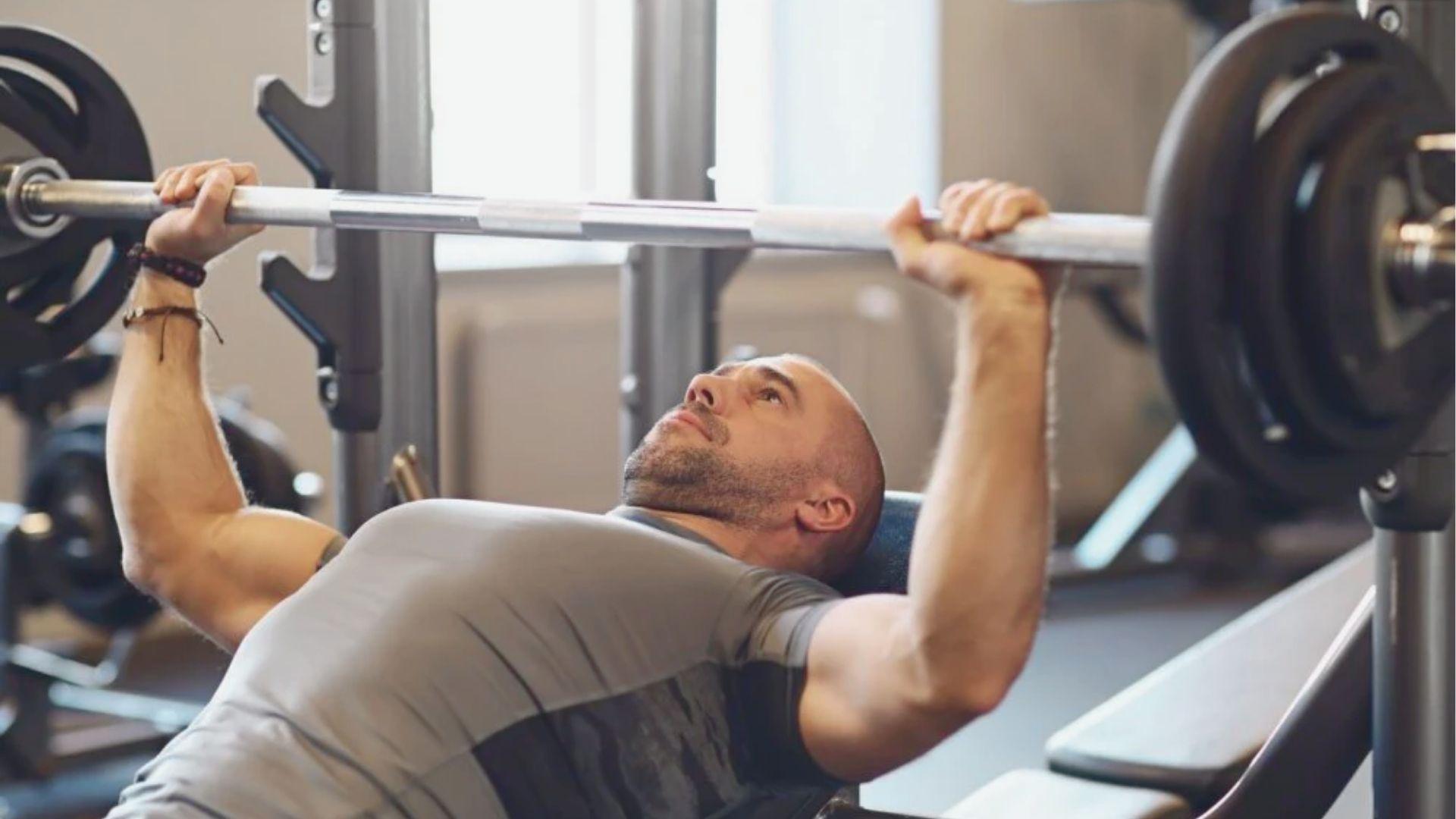
These are real benefits some lifters report. Results vary based on anatomy and experience.
Can Improve Bench Press Efficiency
A neutral wrist means the bar aligns better with the forearm. Force transfers more directly, making the press feel smoother with less wasted effort.
Helps Keep Wrists Neutral Under Load
This is the most reported benefit. The bar sits lower in the palm, keeping the wrist stacked over the forearm instead of bending back under heavy weight.
May Improve Lockout Strength
More triceps involvement can help lifters push through the final portion of the press. This matters most for powerlifters or anyone who stalls at lockout.
Can Reduce Shoulder Discomfort
The grip changes wrist and elbow angles slightly. Some lifters notice less shoulder irritation as a result. It won't fix a shoulder problem, but it may reduce discomfort.
Potential for Better Chest and Triceps Activation
Some advanced athletes report a stronger mind-muscle connection with this grip. Research is limited, but anecdotal evidence from experienced lifters supports this as a possible benefit.
Suicide Grip Bench Press vs Normal Grip
Both grips have trade-offs. Here's how they compare directly.
| Category | Suicide Grip | Normal Grip |
| Grip Security | No thumb lock. Bar can roll off the palm if hand tension drops | Thumb wraps around the bar. Secure lock even if tension drops slightly |
| Muscle Activation | May increase triceps activation slightly. Chest difference is less clear | Effective chest and triceps activation with good technique |
| Strength and Performance | Feels unfamiliar at first. Some lifters perform slightly worse initially. Wrist comfort may improve output over time | Most lifters perform at their best. No adjustment period needed |
| Best Use Case | Lighter sets, accessory work, or when wrist comfort is a concern | Heavy lifting, max-effort sets, and general bench press training |
| Risk Level | Higher. Bar slippage risk increases with heavier weight | Lower. Standard and safer for most lifters |
| Wrist Position | More neutral. Bar aligns better with the forearm | Can cause backward wrist bend under heavy load for some lifters |
| Recommended For | Experienced lifters with proper safety support | All lifters, especially beginners and those going heavy |
Risks of the Suicide Grip Bench Press
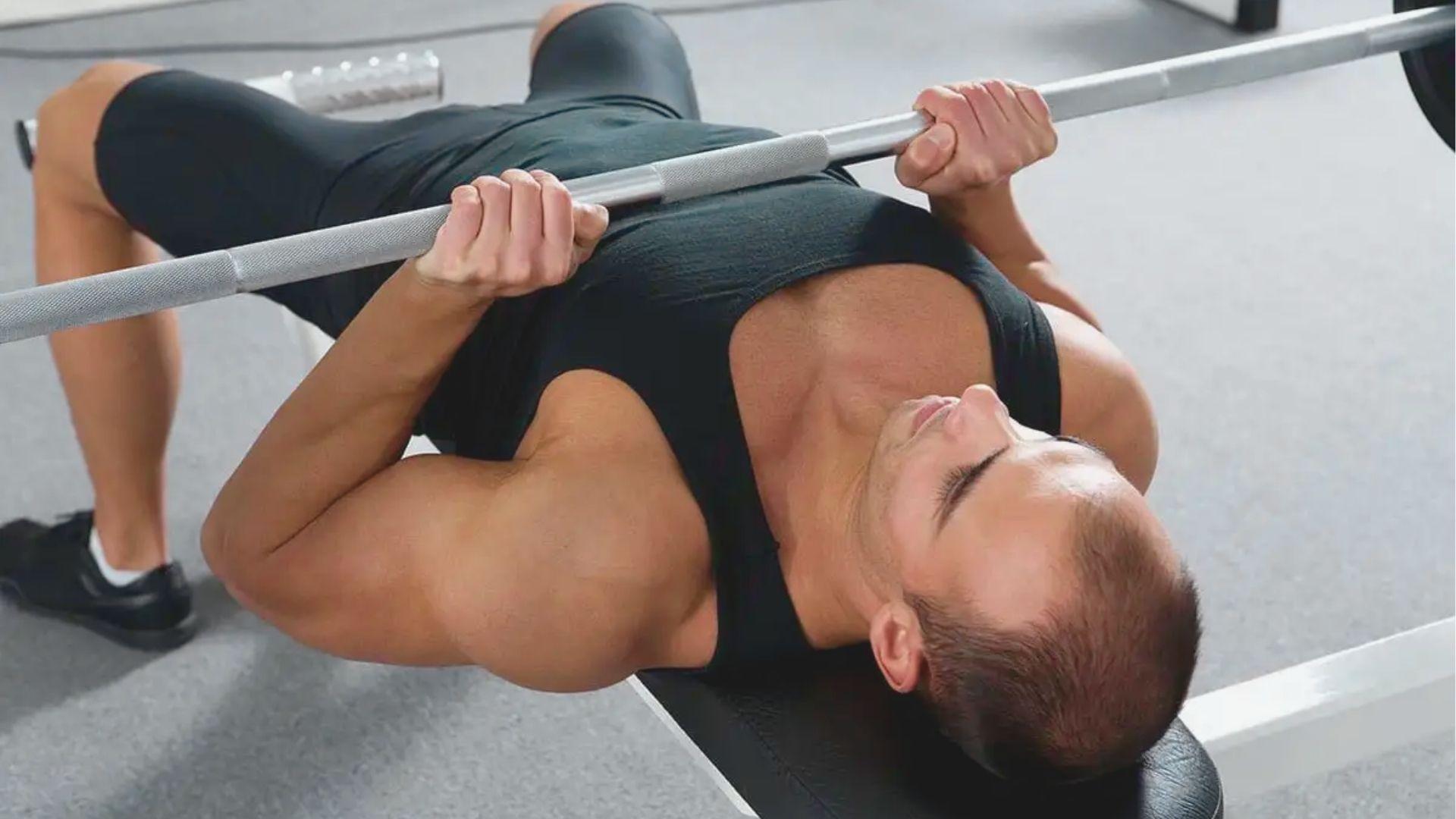
Read this section carefully. These risks are serious.
Why the Grip Can Be Dangerous
Without a thumb lock, the bar can slip off the palm and fall onto your chest, neck, or face. This has caused real injuries and deaths. Risk goes up with heavier loads and fatigue.
Common Causes of Bar Slippage
Slippage happens when hand pressure drops, sweat reduces friction, or control is lost mid-rep. Fatigue late in a set is the biggest risk point. Chalk helps but does not remove the danger.
Who Should Avoid Using It
Beginners, solo lifters, and anyone with grip weakness should avoid this grip. It's also not suitable for max-effort sets or low-rep heavy work. When in doubt, use the standard grip.
Tips to Perform the Suicide Grip Bench Press Safely
If you choose to try this grip, doing it correctly matters a great deal.
- Place the bar on the heel of your palm, not your fingers. The bar should sit low and close to your wrist, feeling like a flat shelf, not a pinch or a cup.
- Press the bar firmly into your palm before each set. Make sure it isn't shifting or rolling, and confirm it feels stable before you lift it off the rack.
- Apply even pressure through both hands during every rep. Keep consistent tension throughout the set so the bar doesn't shift mid-lift.
- Always have a spotter or set up safety arms before pressing. The safety arms should be high enough to catch the bar but low enough not to block your rep range.
- Start with a weight well below your normal bench press load. Work up slowly over multiple sessions and never attempt near-maximum weights until your grip feels fully stable.
Getting the setup right from the start is what separates a useful tool from a dangerous mistake.
Common Suicide Grip Bench Press Mistakes

Even experienced lifters make these mistakes with this grip. Knowing them ahead of time can save you from a bad outcome.
Holding the Bar Too High in the Fingers
Placing the bar in the fingers rather than the palm is one of the most common errors. The fingers have far less surface area and strength than the palm.
A bar held in the fingers with the suicide grip is extremely unstable. Always keep the bar low in the palm, close to the wrist.
Using Excessive Weight
Trying to lift your normal max or near-max with the suicide grip right away is a mistake. The grip changes your mechanics, and your stabilizing muscles need time to adapt.
Going too heavy too soon increases the risk of bar slippage significantly. Build up slowly over time.
Poor Wrist Alignment
Even with the suicide grip, some lifters allow the wrist to bend backward during the press. This removes one of the main benefits of this grip and adds wrist stress.
Focus on keeping the wrist stacked directly over the forearm throughout every rep.
Benching Without Safety Support
Pressing with the suicide grip without a spotter or safety arms is not a smart choice. Accidents happen even to experienced lifters.
Fatigue, distraction, or a slight shift in bar position can cause the bar to slip. Always have a safety backup in place.
Who Can Benefit Most From the Suicide Grip?
Not everyone will benefit from this grip. It works best for experienced lifters and powerlifters who already understand their mechanics and can manage the added risk. Beginners should avoid it.
Lifters dealing with wrist discomfort during standard pressing may also find relief, as the grip promotes a more neutral wrist position. That said, always check with a coach or physio before changing your grip to manage pain.
Advanced athletes sometimes use it for triceps work or accessory pressing, but always with light weight and proper safety support in place.
Alternatives to the Suicide Grip Bench Press
Before trying the suicide grip, consider these alternatives. They may give you similar benefits with less risk.
Adjusting Grip Width
A narrower grip on the barbell can change the wrist and elbow angle during pressing, reducing wrist strain for some lifters.
This adjustment is much safer than removing the thumb from the bar. Try moving your grip in by one finger width on each side and see how your wrists feel.
Using Wrist Wraps
Wrist wraps stabilize the wrist joint during heavy pressing. They keep the wrist neutral without requiring a grip change. Many powerlifters use wrist wraps for this exact reason.
They're affordable, easy to use, and reduce wrist stress without adding any safety risk.
Improving Bench Press Technique
Many wrist and shoulder issues during bench pressing come from poor technique, not grip style.
Working with a coach to review your setup, bar path, and elbow position can solve discomfort without any need to change your grip.
Technique improvements are often the most effective and safest solution.
Conclusion
The suicide grip bench press is not for everyone. But for the right lifter, used the right way, it can offer real benefits.
I've tried it myself during accessory work. The wrist position did feel more natural. But I kept the weight light and always used safety arms.
That's the honest truth about this grip: the benefits are real, but so is the risk.
If you're experienced and curious, give it a careful try with a spotter and light weight. If you're new to lifting, stick with the standard grip for now.
Found this helpful? Share it with a lifting partner or drop a comment below. I'd love to hear your experience.
Frequently Asked Questions
Is the suicide grip bench press safe for beginners?
No, it is not recommended for beginners. The grip requires good body awareness, bar control, and strength that beginners haven't developed yet.
Can the suicide grip increase bench press strength?
It may improve comfort and efficiency for some lifters, but it does not directly increase strength. Any strength gains come from better mechanics, not the grip itself.
What is the difference between the suicide grip and the false grip?
They refer to the same grip style. Both names describe pressing with the thumb on the same side as the fingers, without wrapping around the bar.
Should I use the suicide grip for max-effort lifts?
No. The risk of bar slippage is too high during maximum effort attempts. Keep this grip for lighter training sets with proper safety support in place.
What can I do instead of using the suicide grip for wrist pain?
Wrist wraps, adjusting grip width, or improving your bench press technique are safer options that can reduce wrist pain without the added risk of this grip style.