A strong core does more than make your stomach look toned. It helps you sit taller, lift heavy bags without strain, and keep your balance during daily tasks.
Pilates is one of the best ways to build this strength because it works the deep muscles around your spine and pelvis, not just the muscles you can see.
In this guide, you will find 21 Pilates core exercises that range from simple beginner moves to harder advanced challenges.
Each exercise comes with clear steps so you know how to do it safely. If you are just starting out, you will find moves that fit your level and help build real core strength.
What Are Pilates Core Exercises?
Pilates core exercises are movements designed to strengthen the deep muscles that support your spine, pelvis, and hips.
These include the transverse abdominis, obliques, and pelvic floor, muscles you cannot always see but use in almost every movement.
Unlike regular crunches that focus only on surface abs, Pilates pairs slow, controlled motion with steady breathing to engage your whole core.
This approach builds strength from the inside out, which improves posture, balance, and stability during daily activities.
Over time, these exercises also help protect your lower back and make everyday movements, like bending or lifting, feel easier and safer.
How to Activate Your Core Before Pilates
Proper activation sets the tone for every Pilates session and helps you avoid strain.
Breathing Techniques for Better Core Engagement
Inhale through your nose to expand your ribs, then exhale through your mouth while pulling your belly to your spine. Match your exhale with the hardest part of each move.
Maintaining a Neutral Spine
Keep your back's natural curve, not flat or arched, with a small gap under your lower back. This protects your spine during core work.
21 Pilates Core Exercises for a Stronger Core
Here are 21 moves that build deep core strength, from beginner basics to advanced challenges.
1. Pelvic Curl
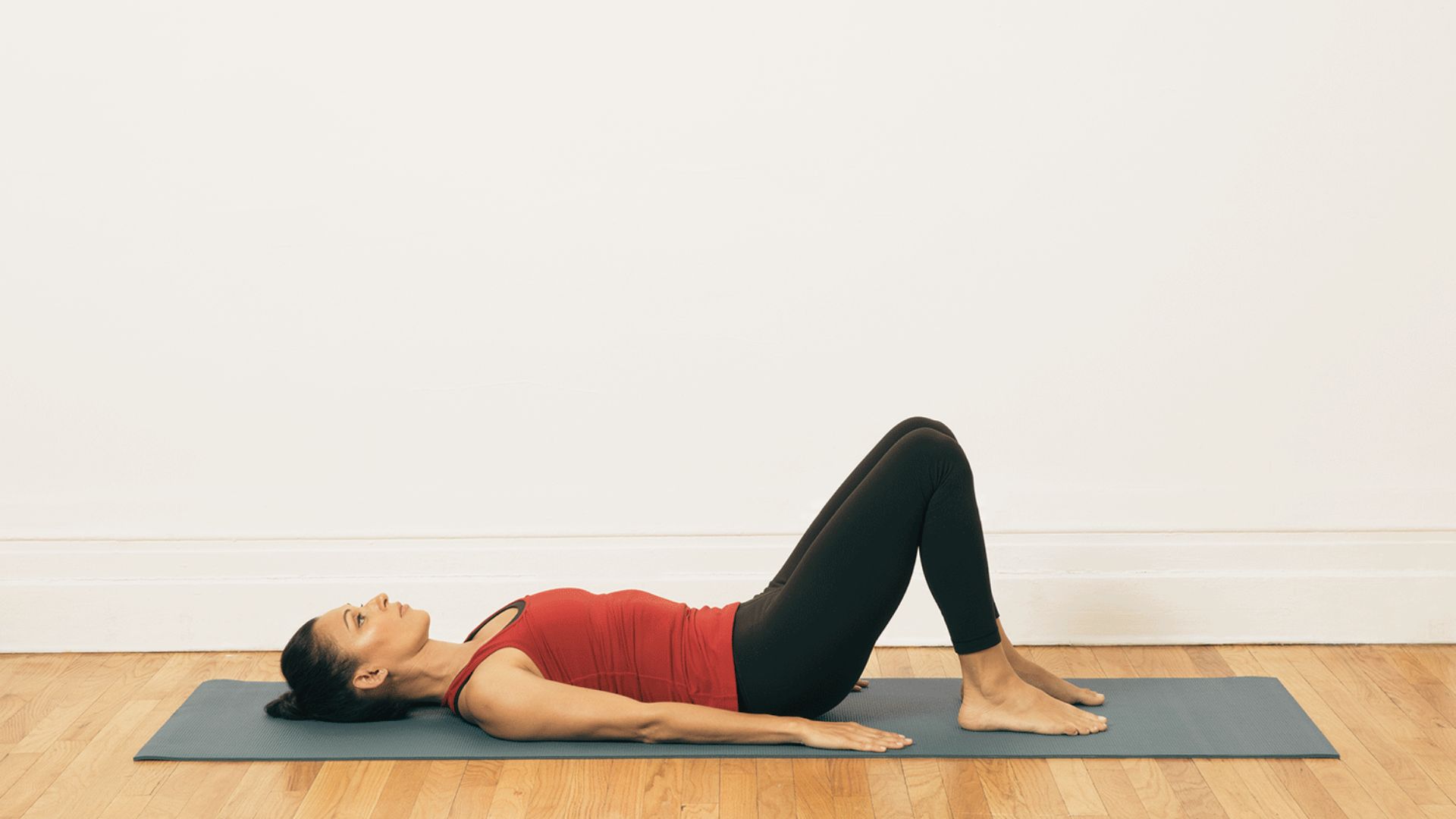
Lie on your back with knees bent and feet flat. Tilt your pelvis up, then slowly peel your spine off the mat one bone at a time.
Roll back down with the same control. This warms up your spine and activates your lower abs.
2. The Hundred
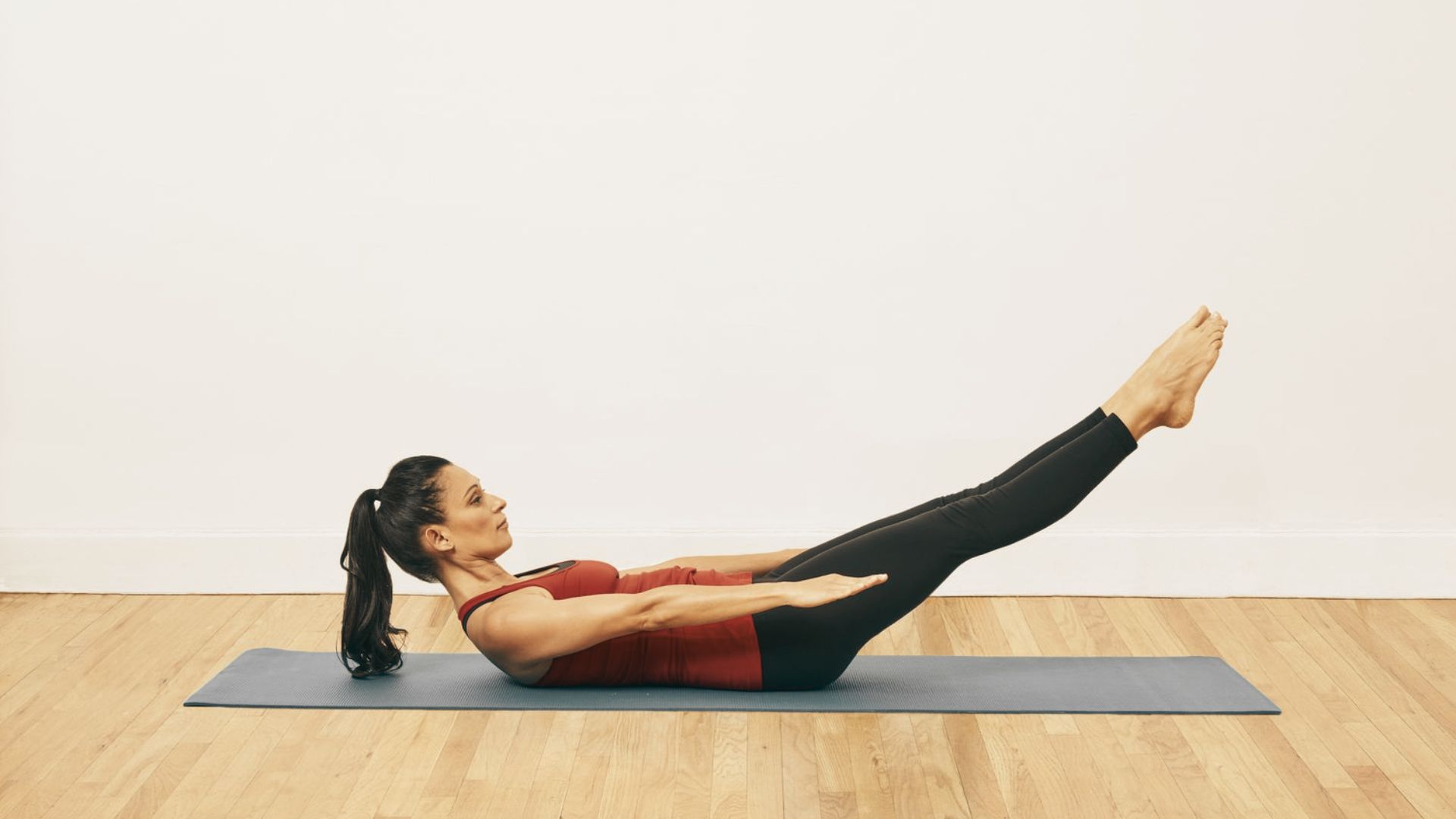
Lie on your back, lift your head and legs, and pump your arms up and down while breathing in for five counts and out for five.
This classic move heats up your core and improves breathing control.
3. Single Leg Stretch
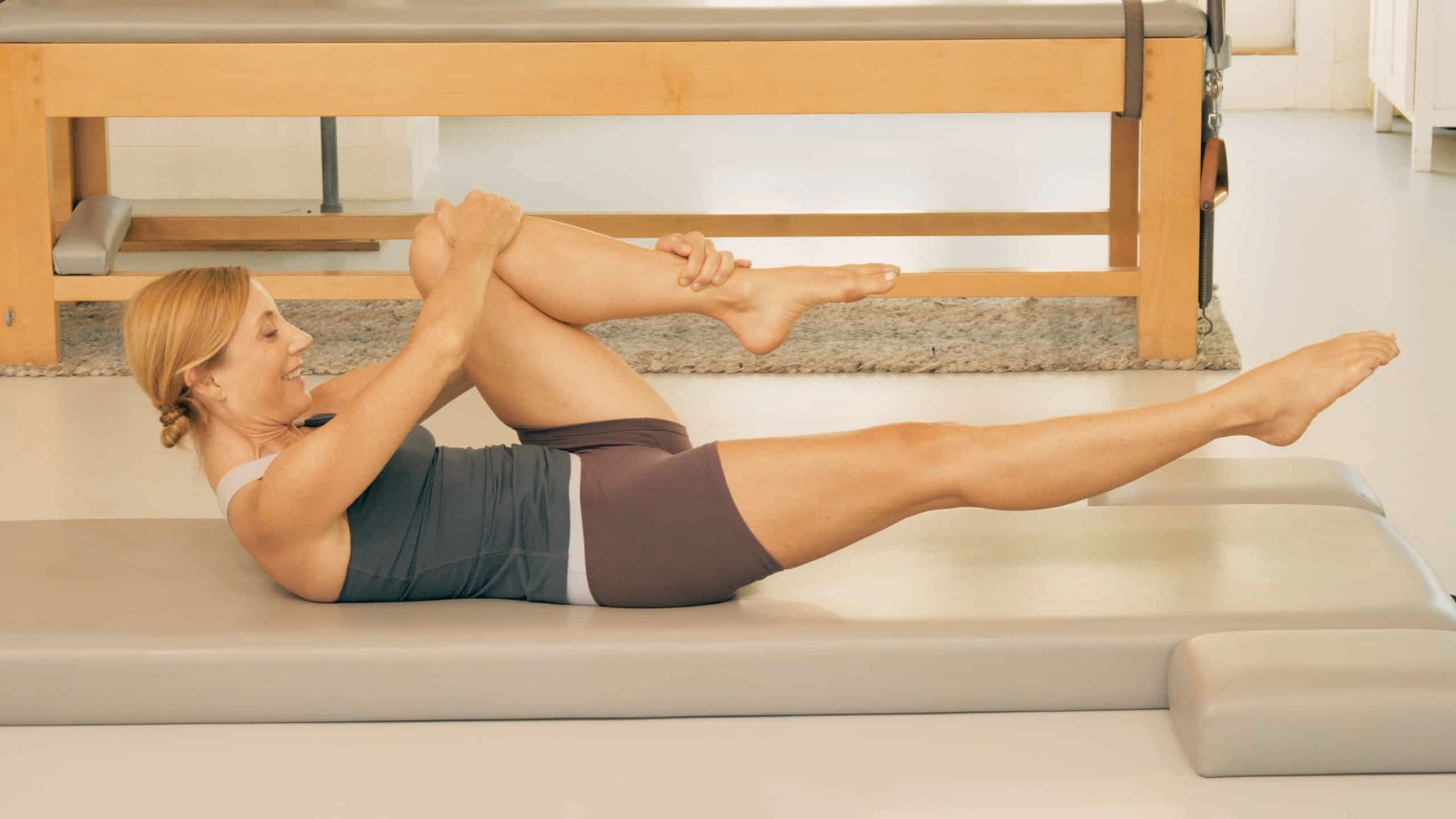
Hold one knee toward your chest while the other leg extends out, switching sides in a steady rhythm.
Keep your upper body lifted and your lower back pressed into the mat.
4. Double Leg Stretch
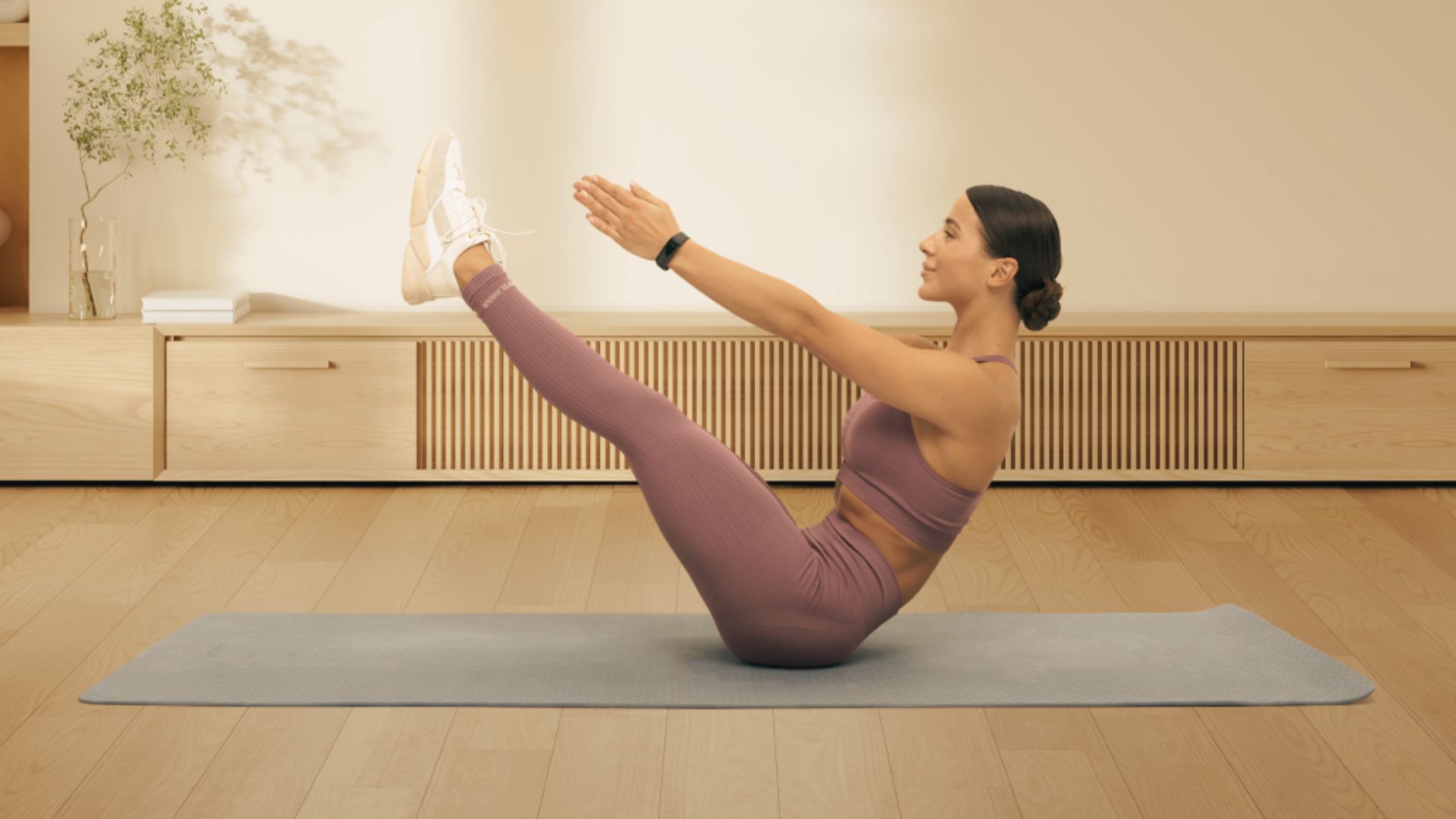
Pull both knees in, then stretch your arms and legs out at the same time before pulling back in. This move challenges your whole core to stay still while your limbs move.
5. Single Straight Leg Stretch
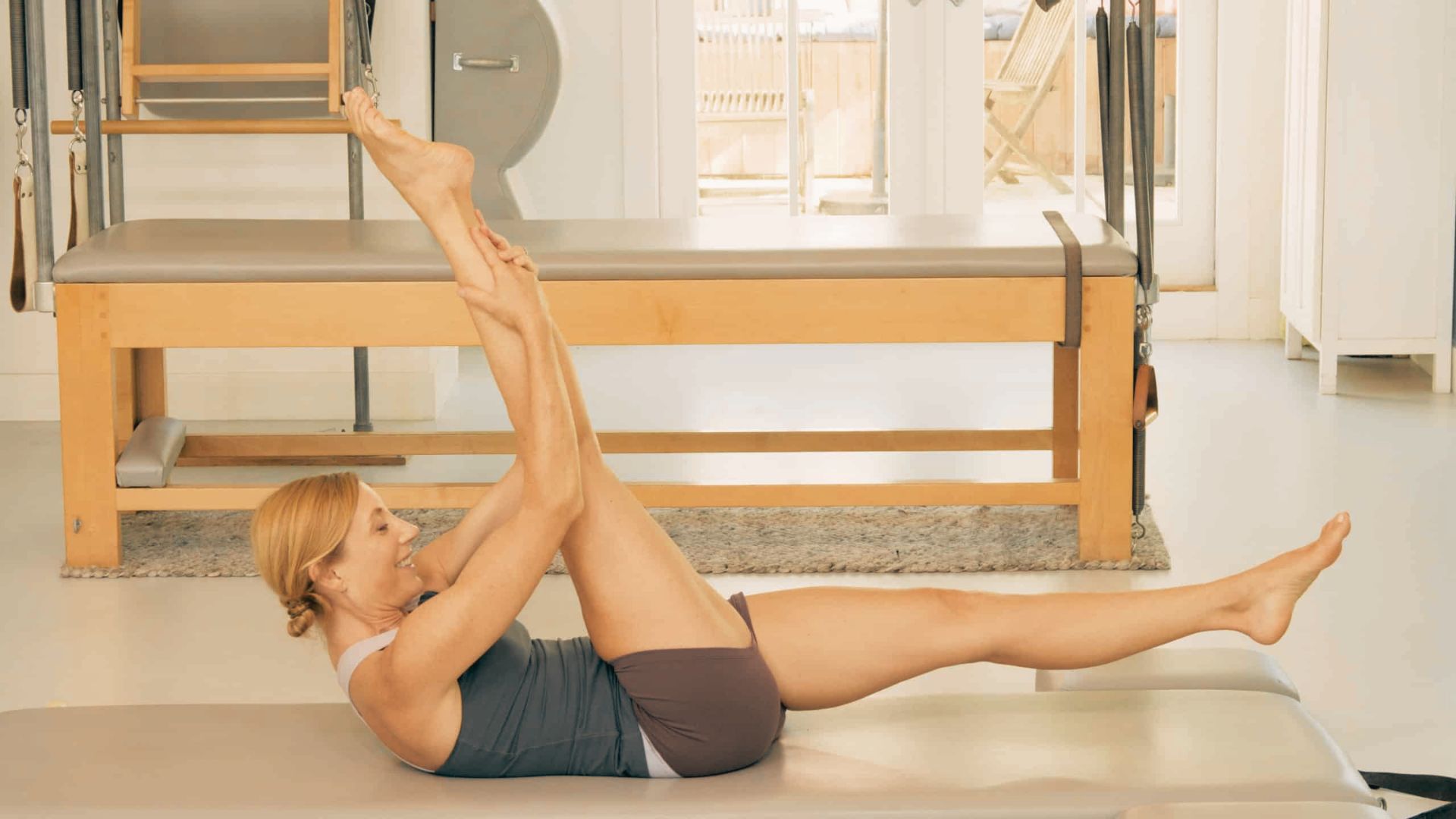
Lift one leg straight up while the other hovers low, switching sides like scissors. This targets your lower abs and hip flexors while keeping your spine steady.
6. Toe Tap
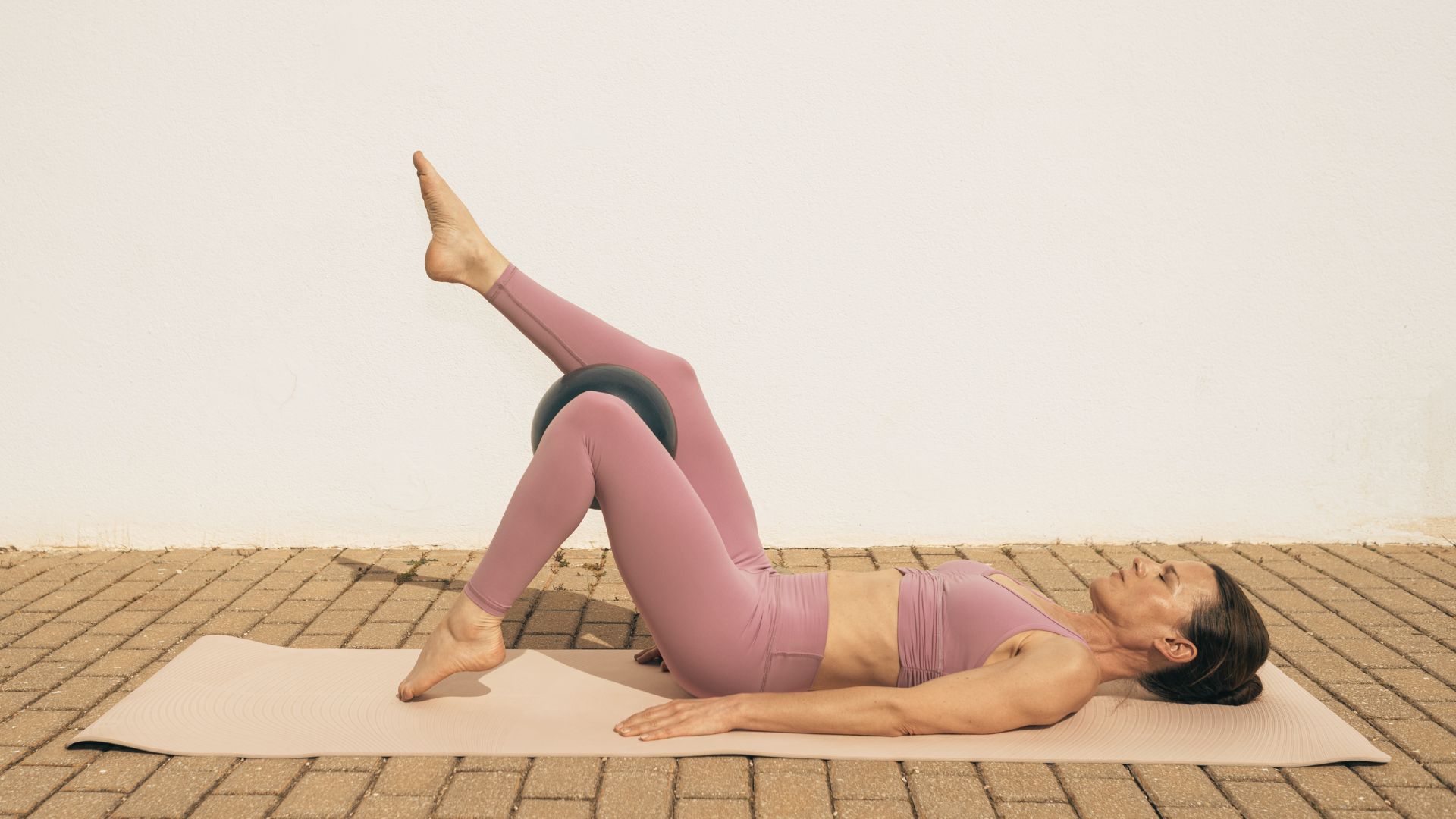
With knees bent at a right angle, lower one foot to tap the floor, then return it and switch sides. This gentle move is great for building core control without strain.
7. Double Toe Taps
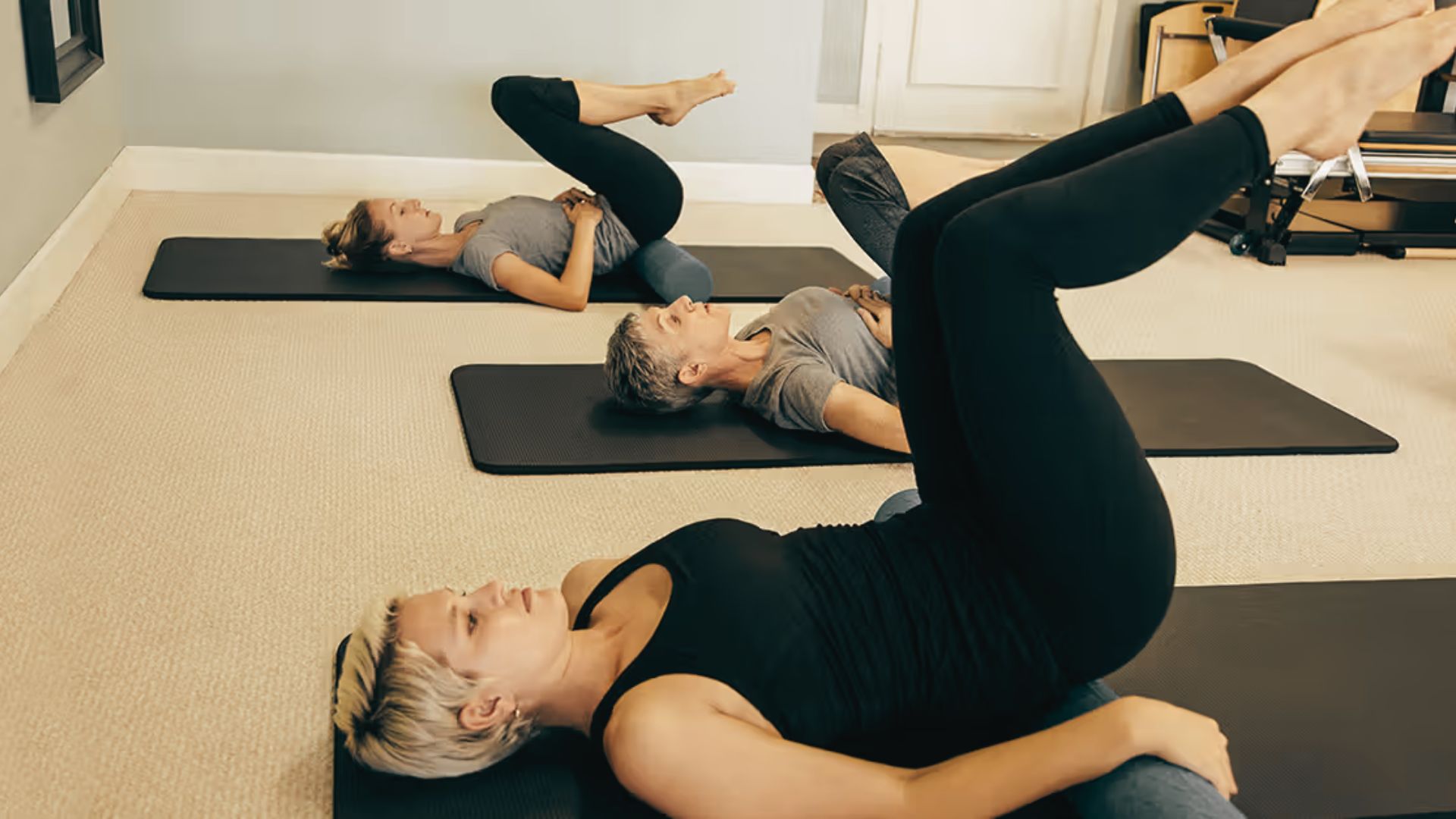
Lower both feet toward the floor together, then lift them back up. This adds more load to your lower abs than single toe taps, so go slow and keep your back flat.
8. Leg Circles
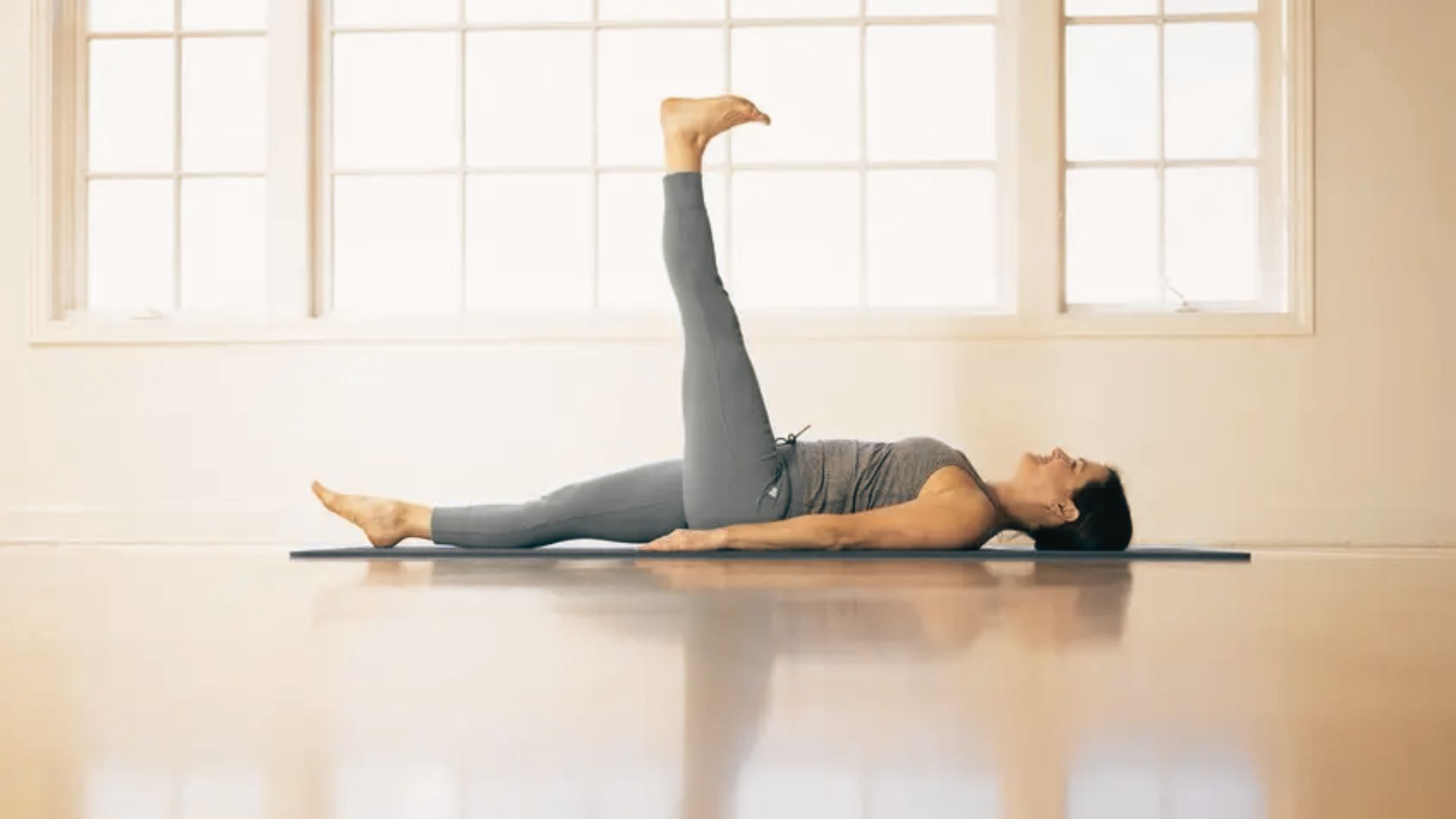
Lift one leg toward the ceiling and trace small circles in the air, keeping your hips still. This works your hip stability along with your deep core muscles.
9. Scissor Kicks
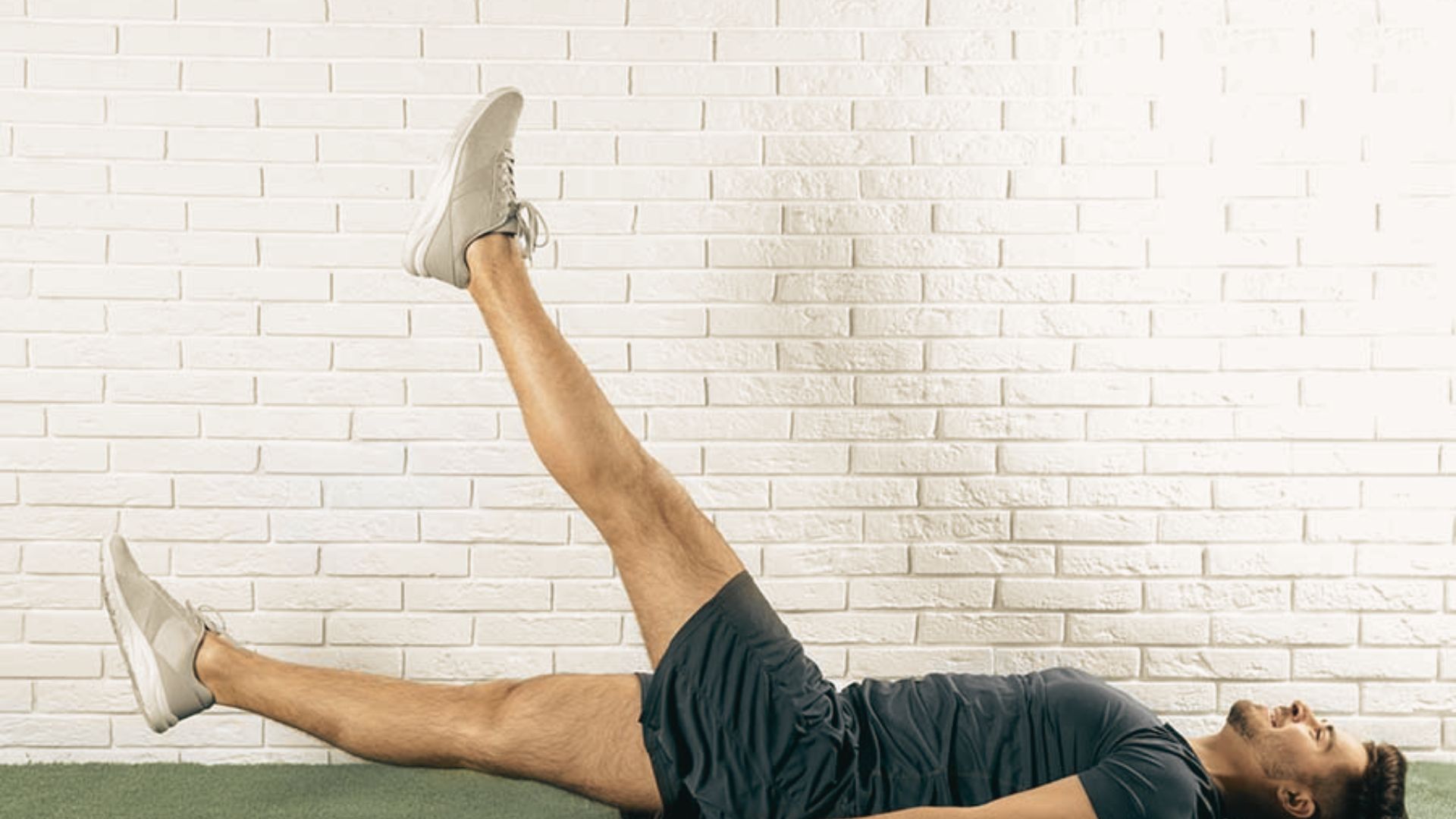
Lift both legs and pulse them up and down in a scissor motion, keeping your lower back pressed down. This builds strength in your lower abs and hip flexors.
10. Rolling Like a Ball
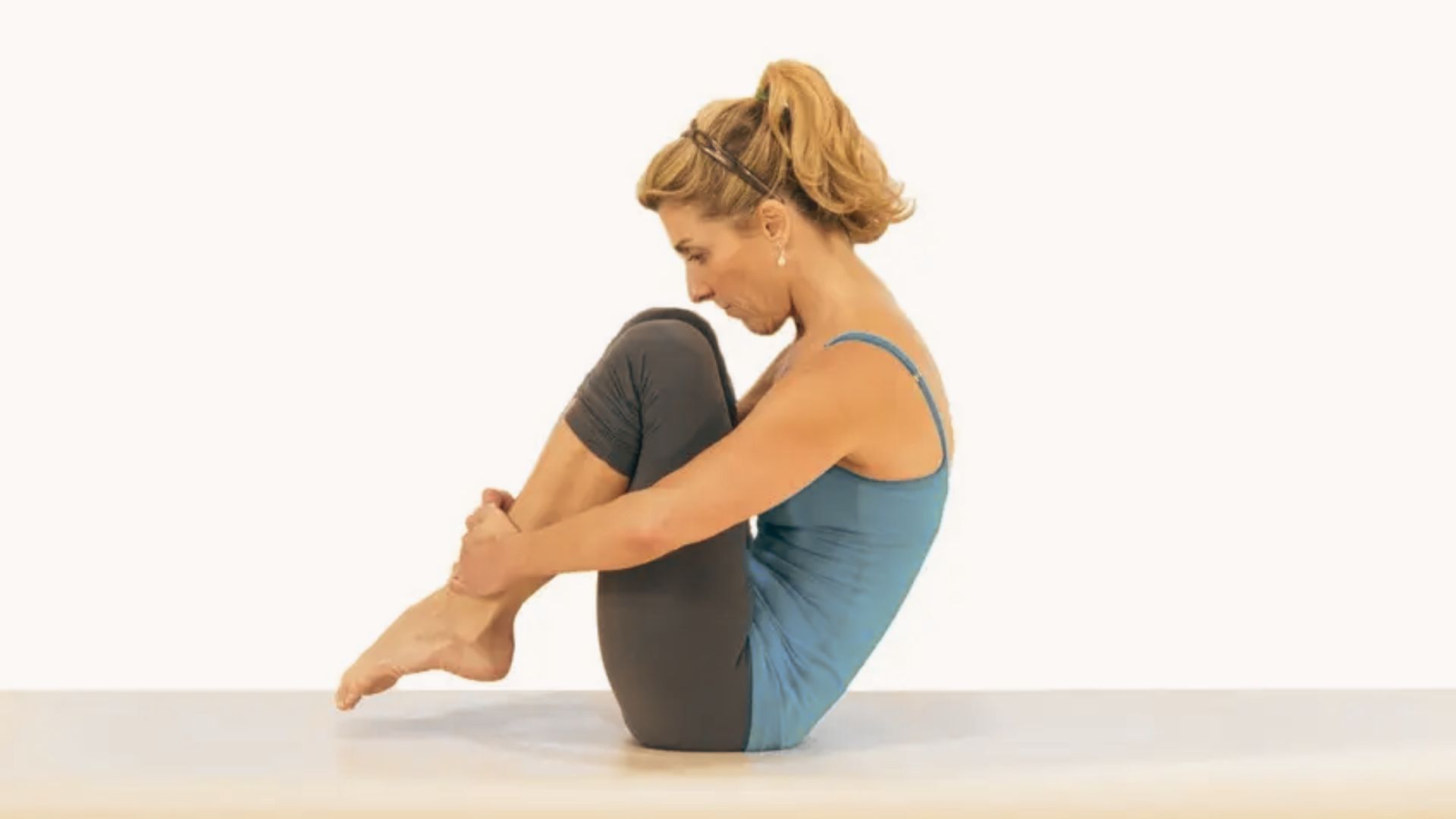
Sit with knees pulled in and feet off the floor, then rock back and forward using your abs to control the motion. This builds spinal flexibility and core control.
11. Open Leg Rocker
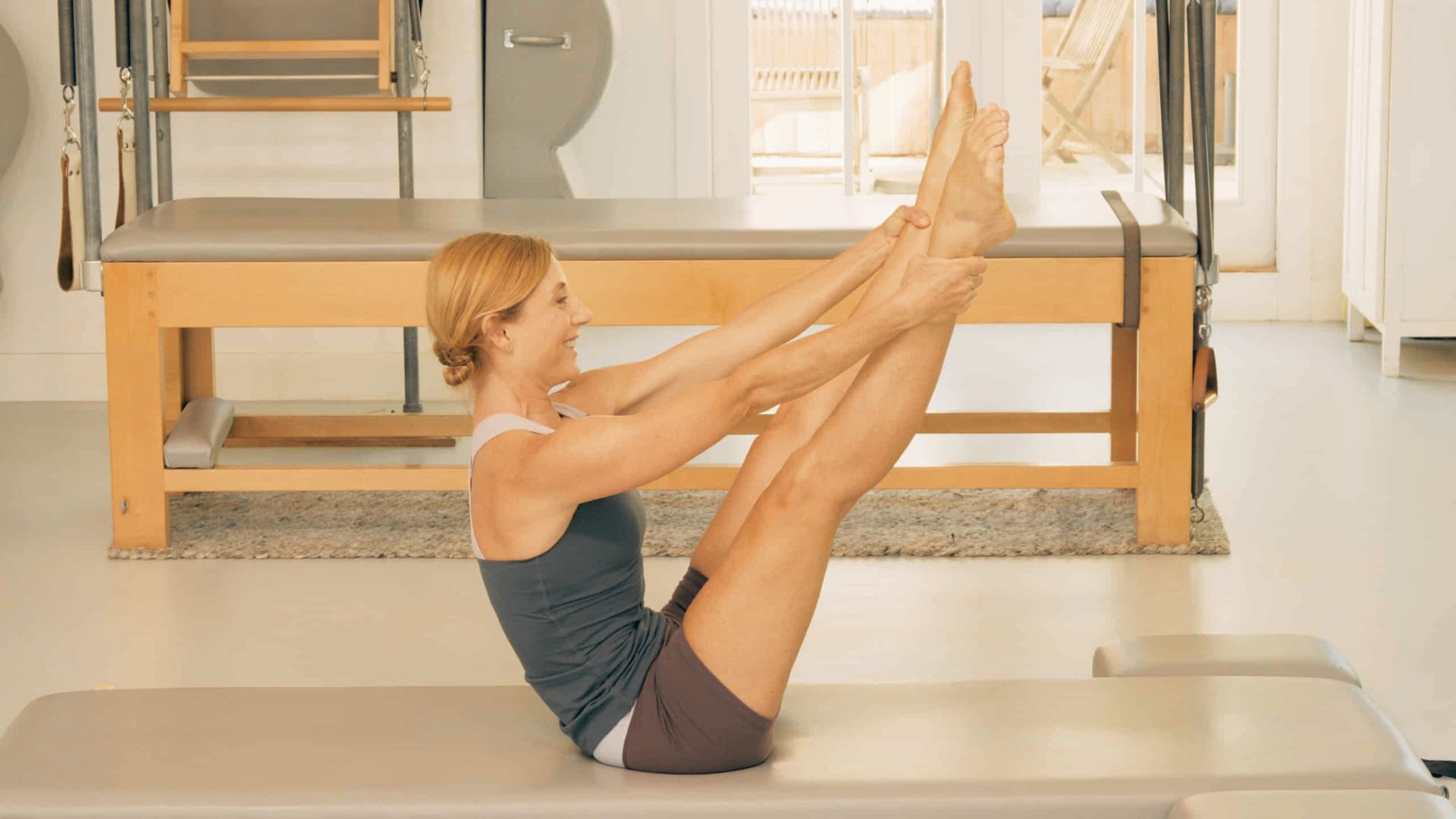
Hold your ankles with legs extended in a V shape, then roll back and forward smoothly. This advances the rolling motion with added balance and leg strength needed.
12. Criss-Cross
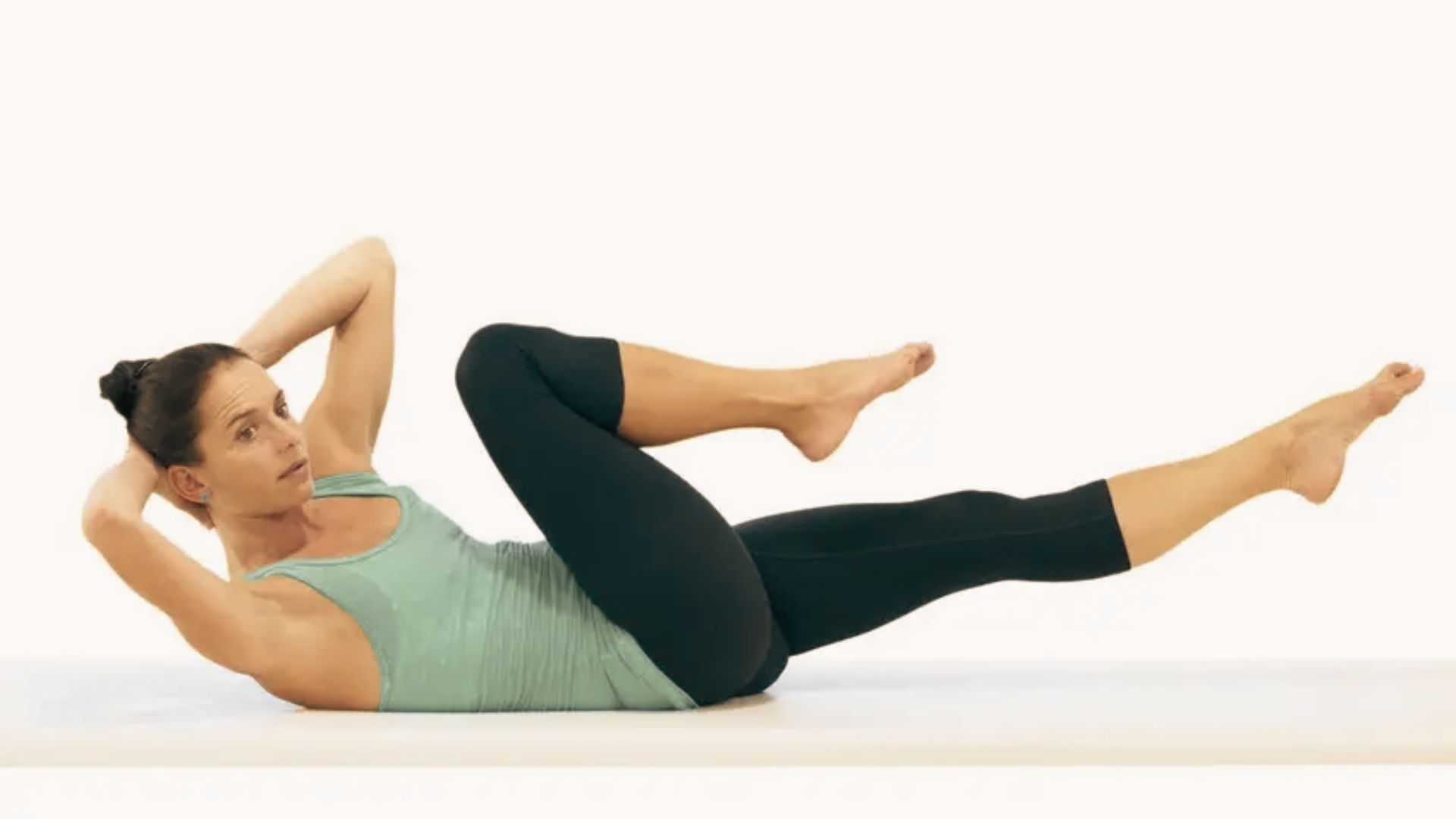
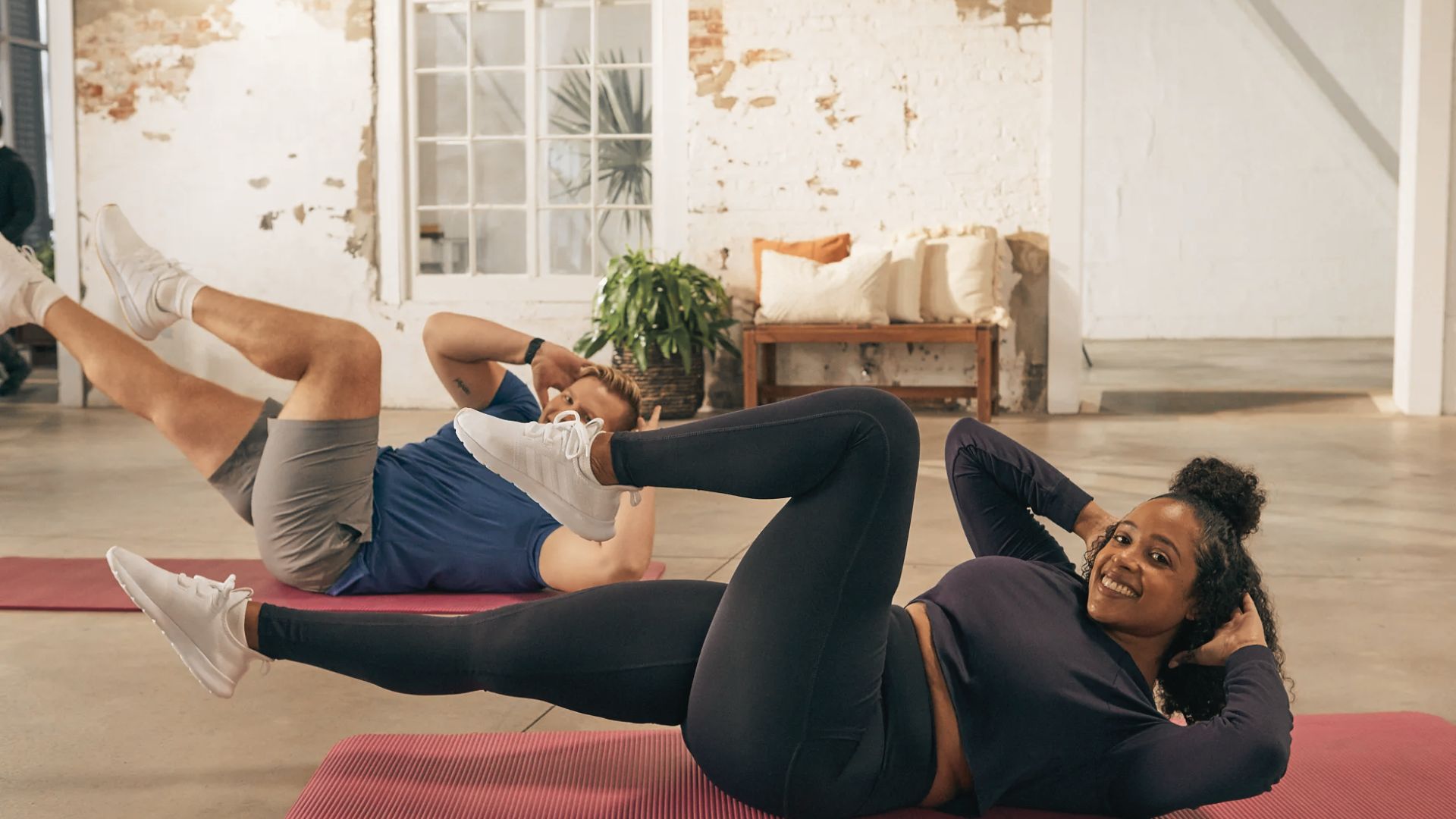
Lift your head and shoulders, then twist your upper body to bring one elbow toward the opposite knee, alternating sides. This works your obliques along with your front abs.
13. Pilates Plank
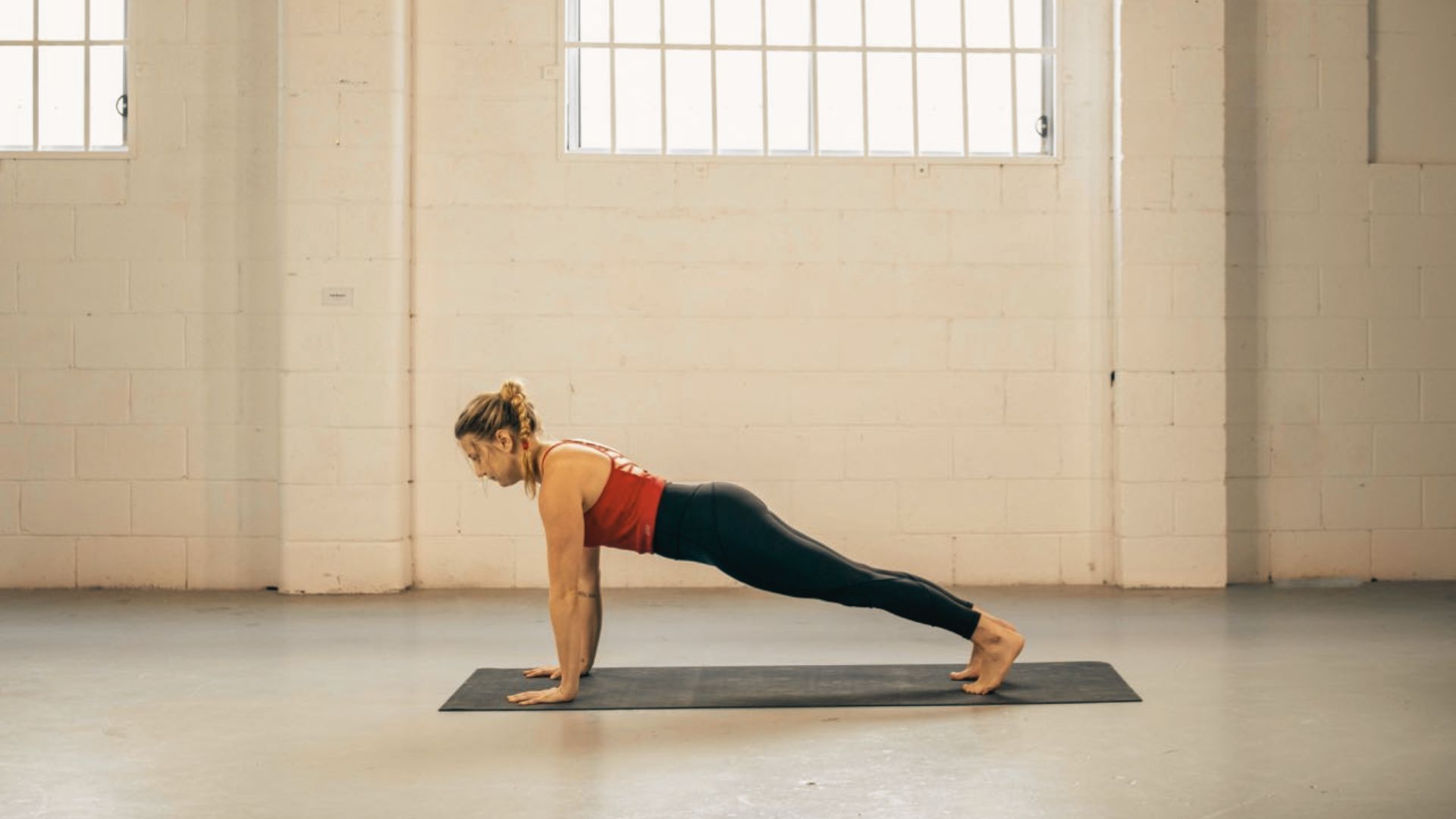
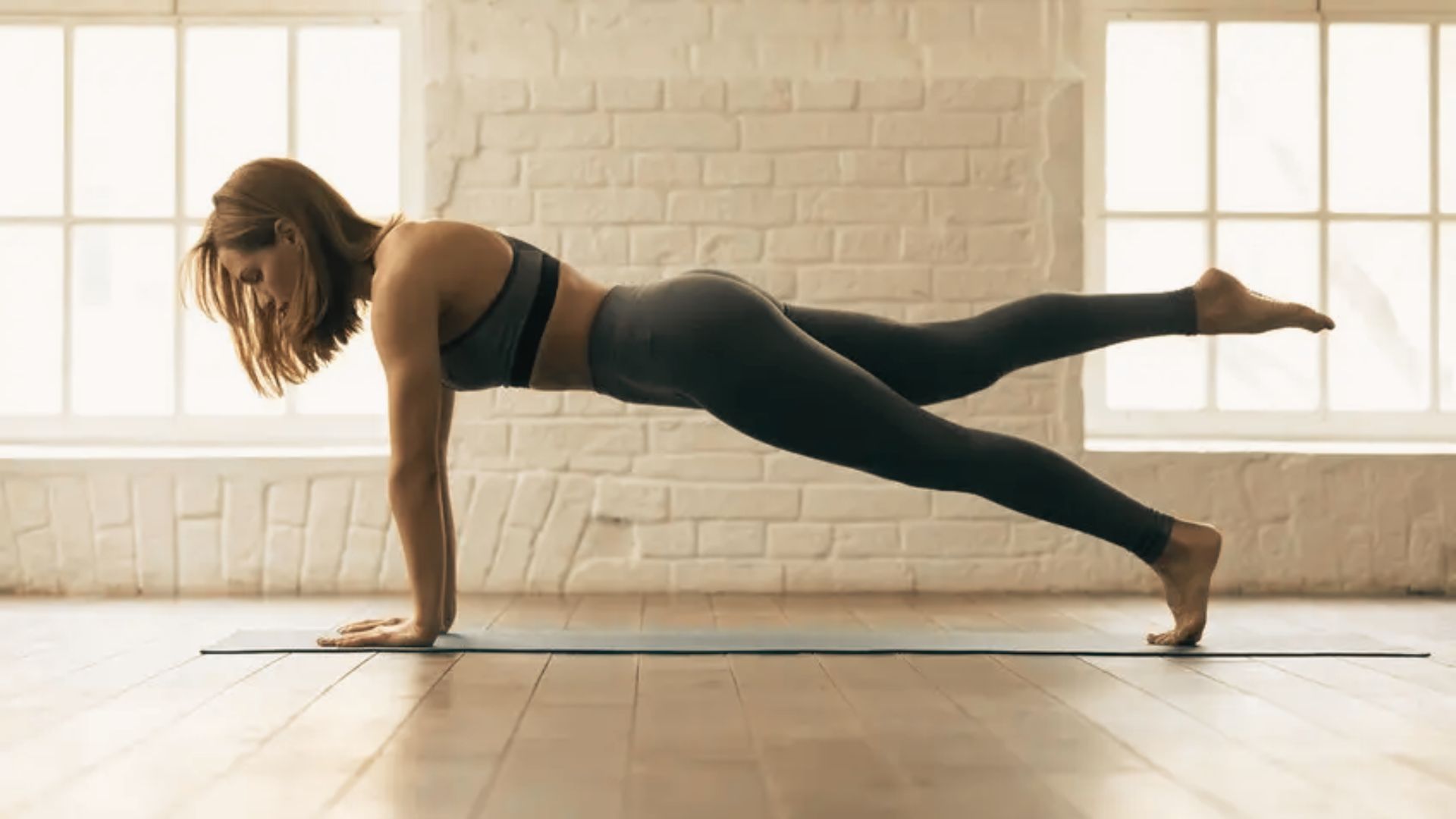
Hold a straight line from head to heels, resting on your forearms or hands. Keep your hips level and your abs pulled in. This builds overall core stability and strength.
14. Side Plank
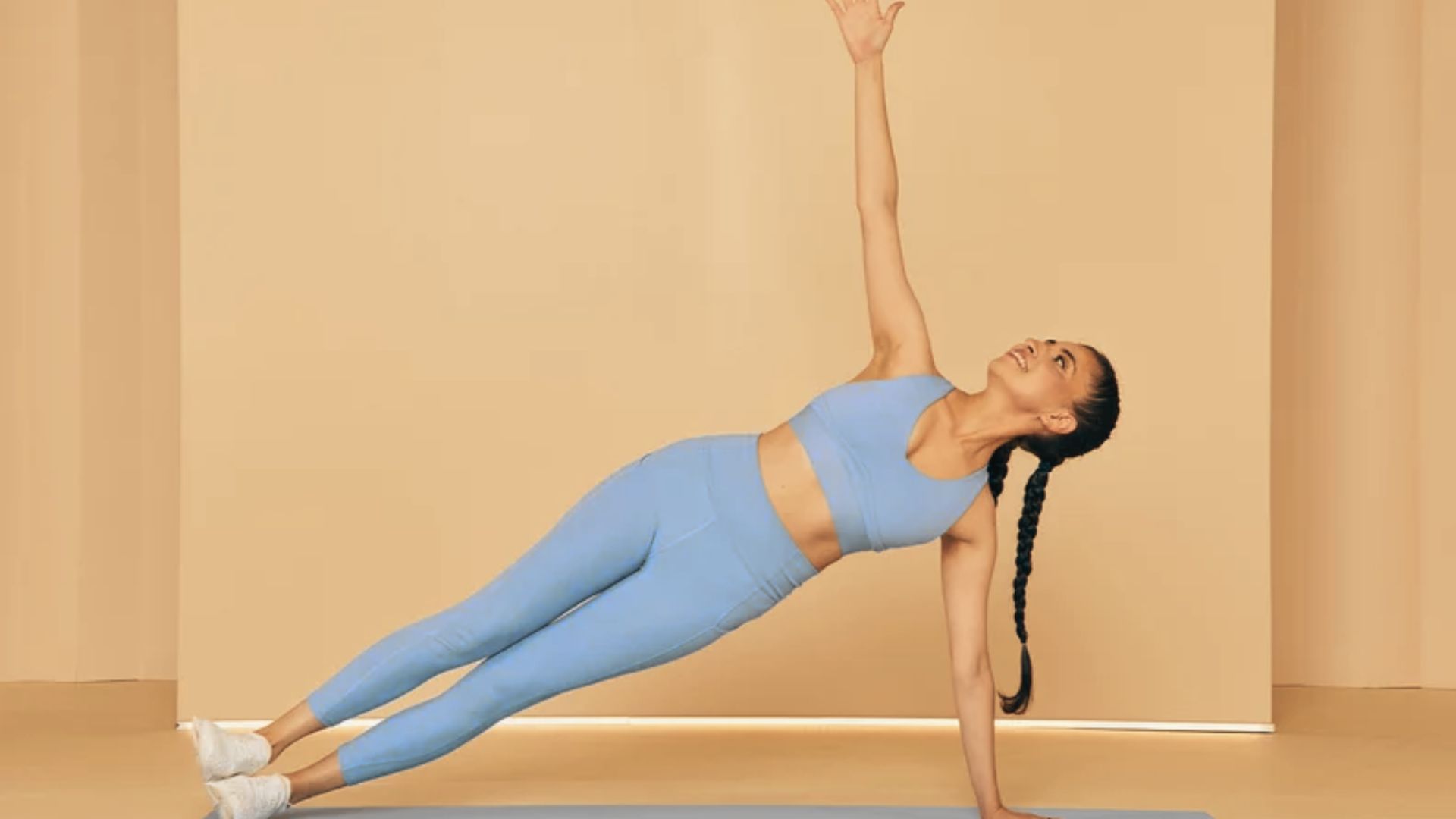
Balance on one forearm with your body in a straight line, hips stacked. This targets your obliques and improves balance on each side of your body.
15. Forearm Plank Dips
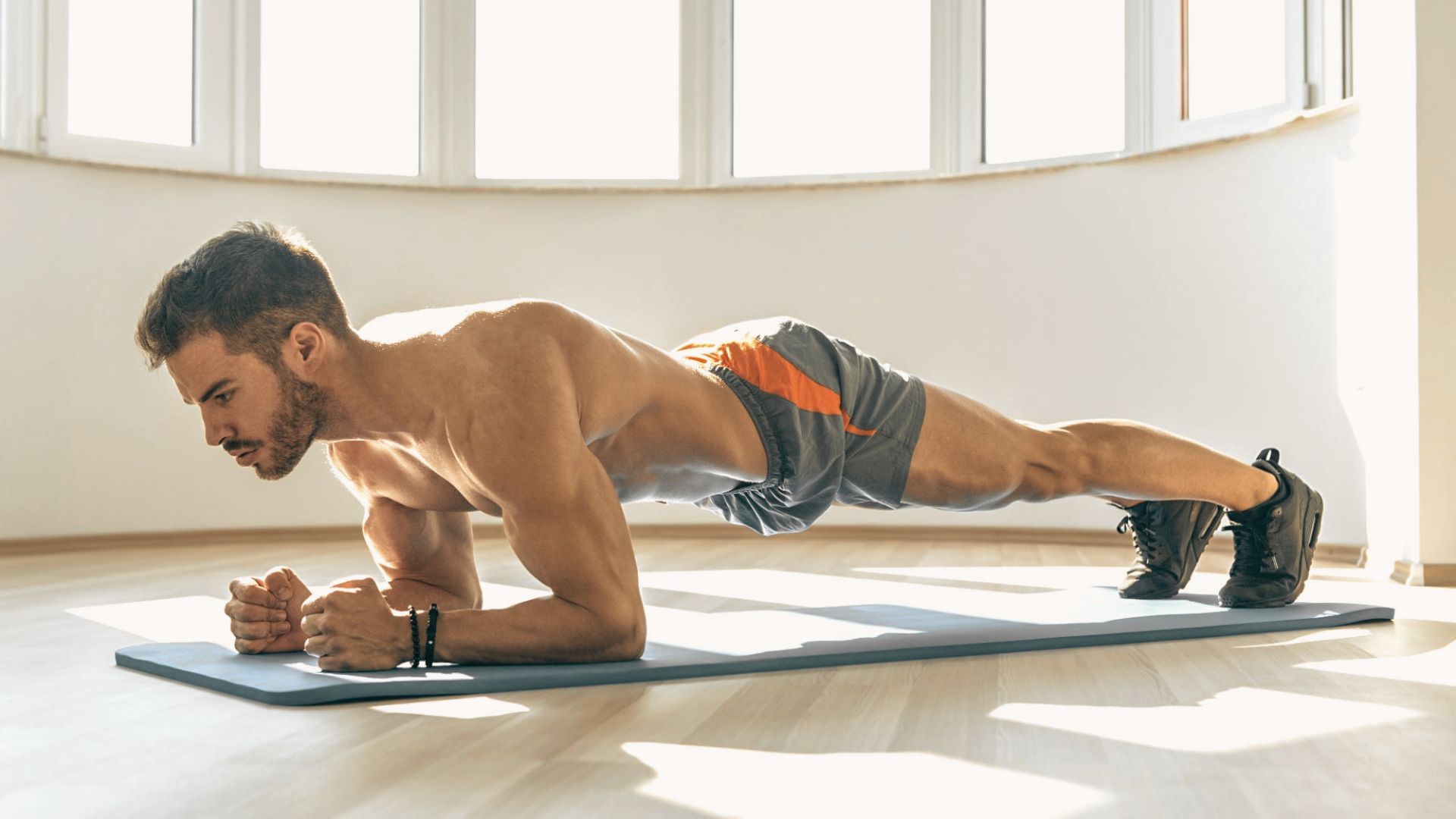
From a forearm plank, lower your hips slightly toward the floor, then lift back up without letting your back sag. This adds a small but effective challenge to a basic plank.
16. Bear Hold
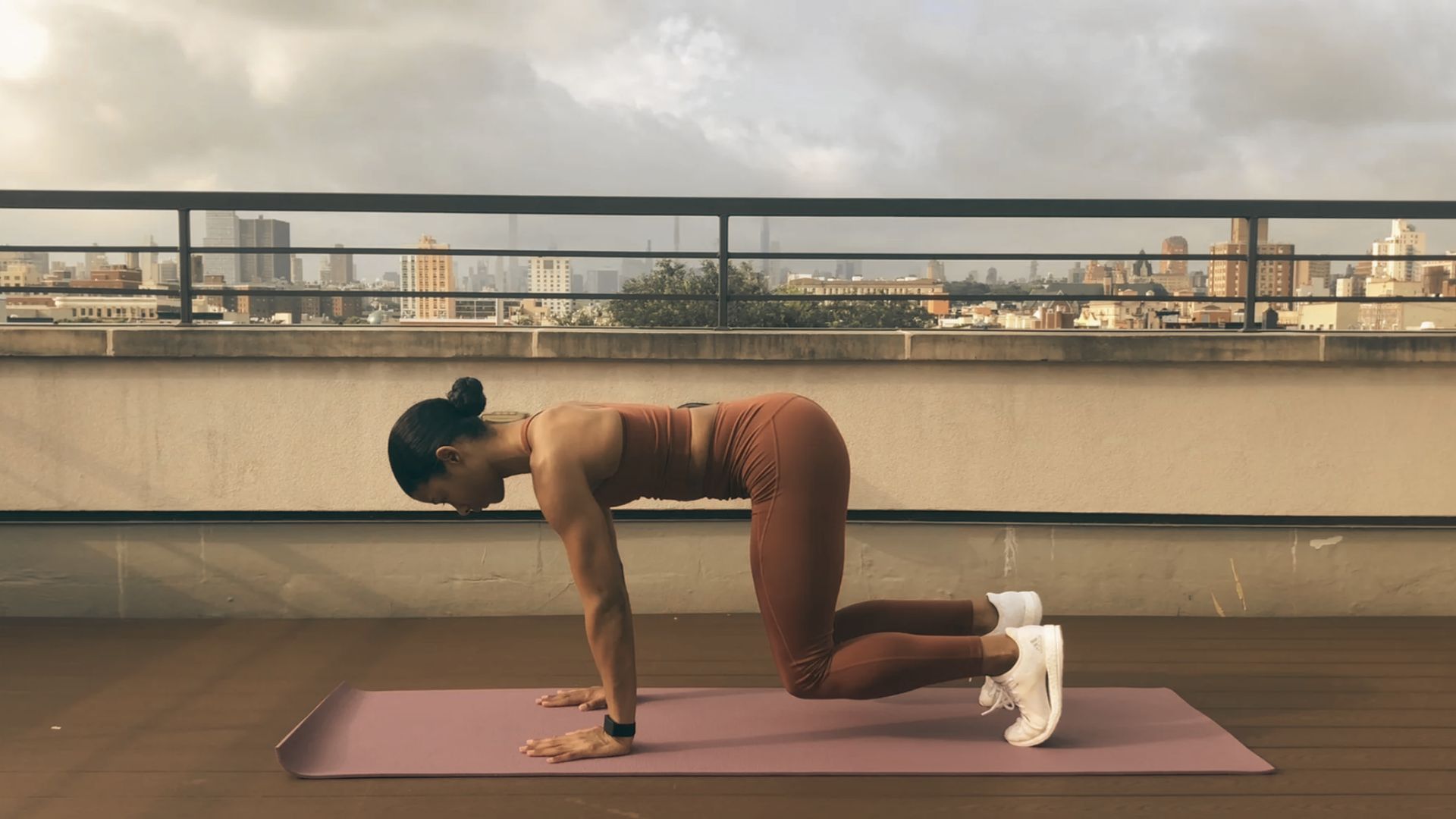
Get on hands and knees, lift your knees a few inches off the floor, and hold steady. This works your core, shoulders, and legs at the same time.
17. Half Roll Down
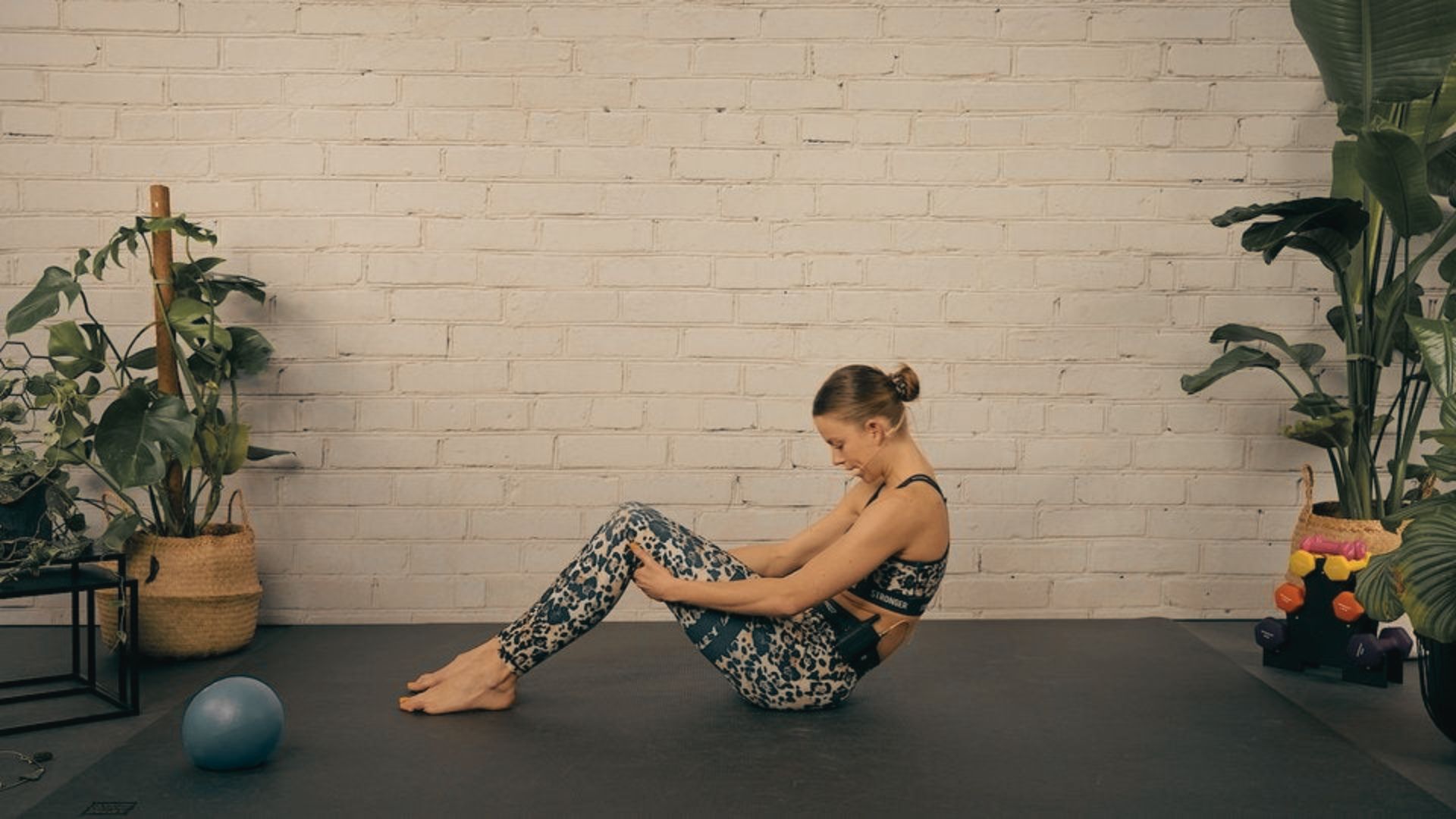
Sit tall with knees bent, then slowly lean back halfway while keeping your spine curved, then return to sitting. This builds abdominal control without the full strain of a sit-up.
18. Teaser Prep
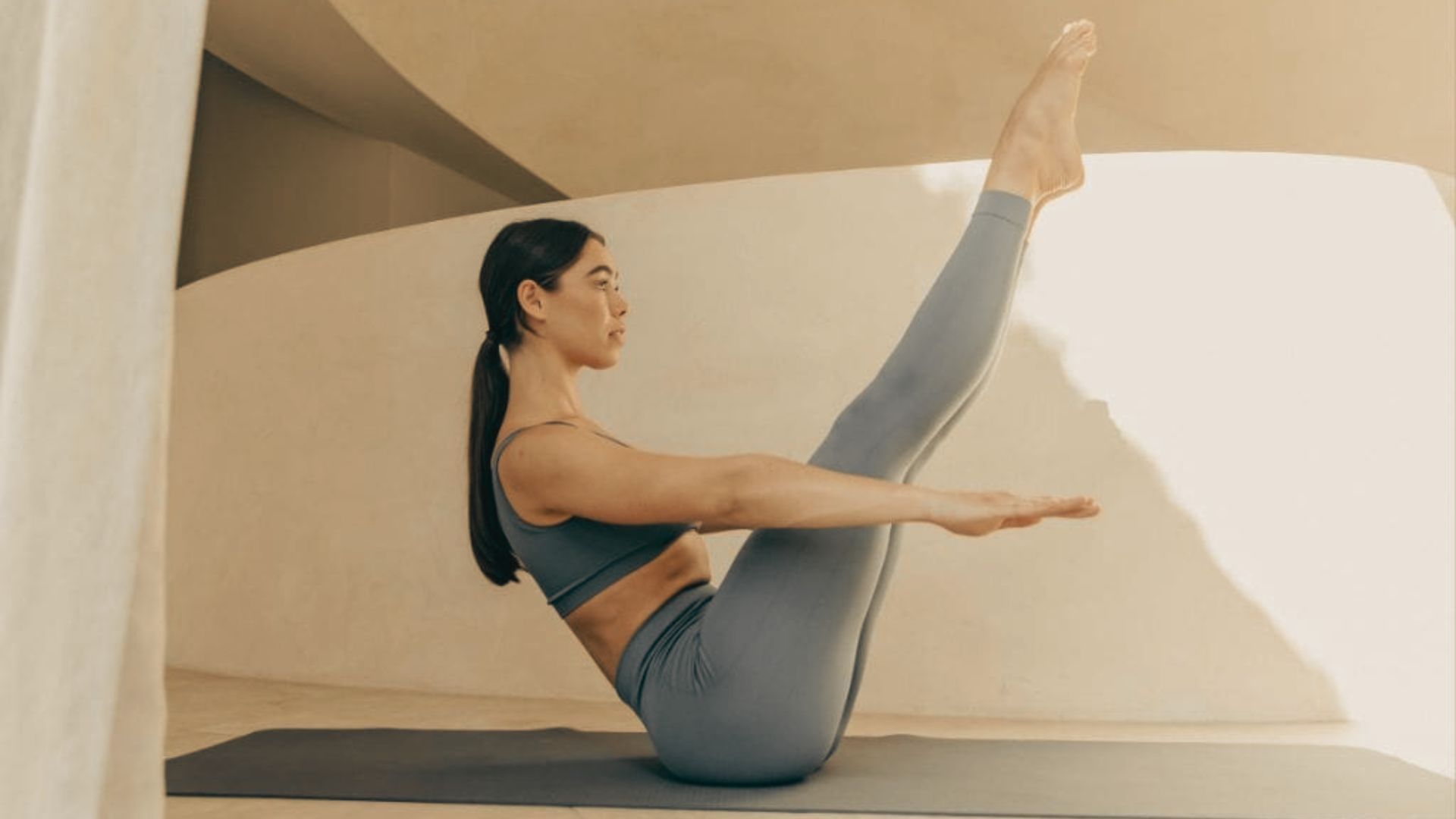
Lie back with knees bent, then lift your head, shoulders, and arms while keeping your lower back grounded. This is a gentler step toward the full Teaser move.
19. Full Teaser
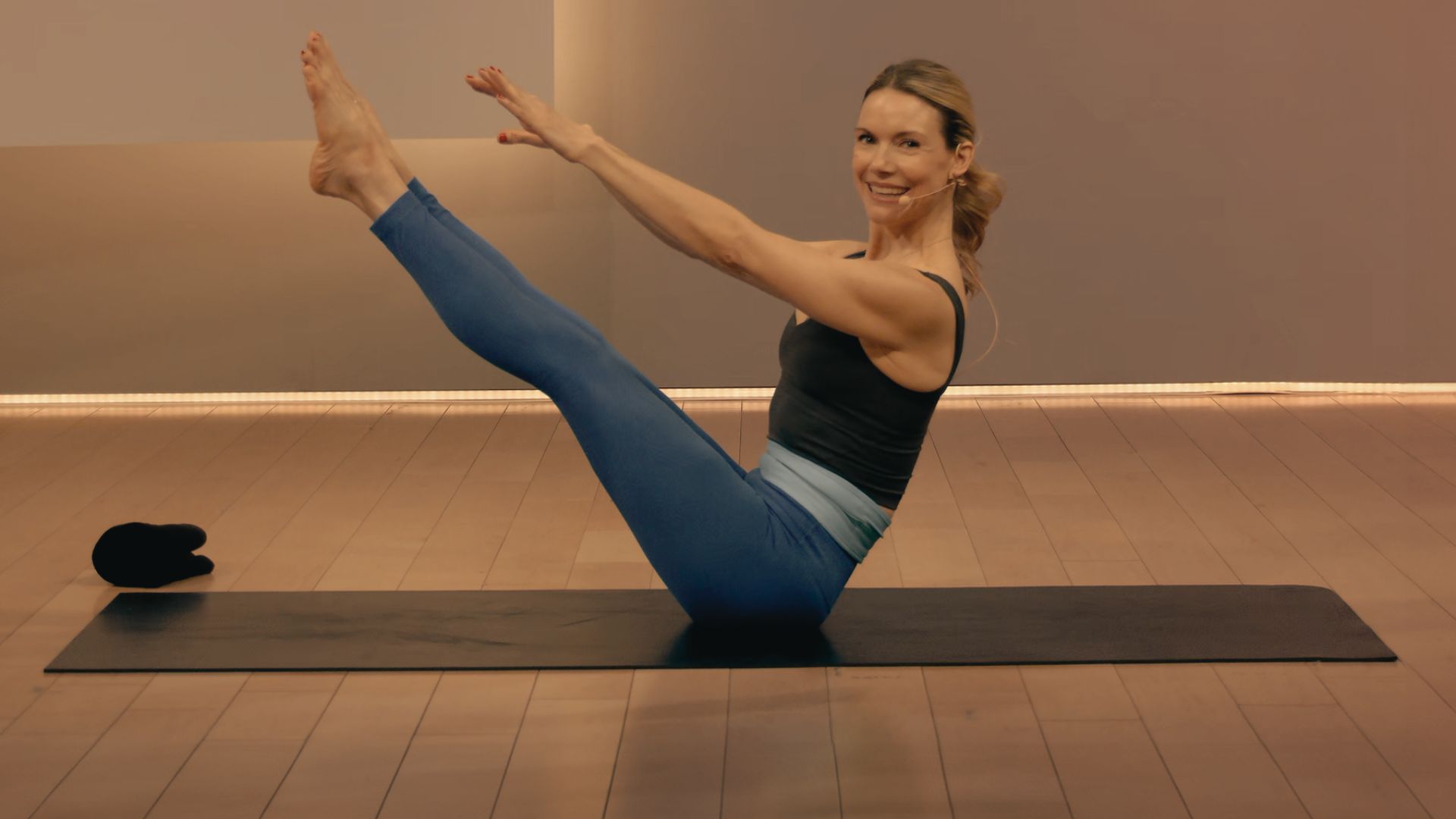
Balance on your sit bones with legs extended in a V shape and arms reaching forward. This advanced move needs strong, balanced core control from top to bottom.
20. Swan Prep
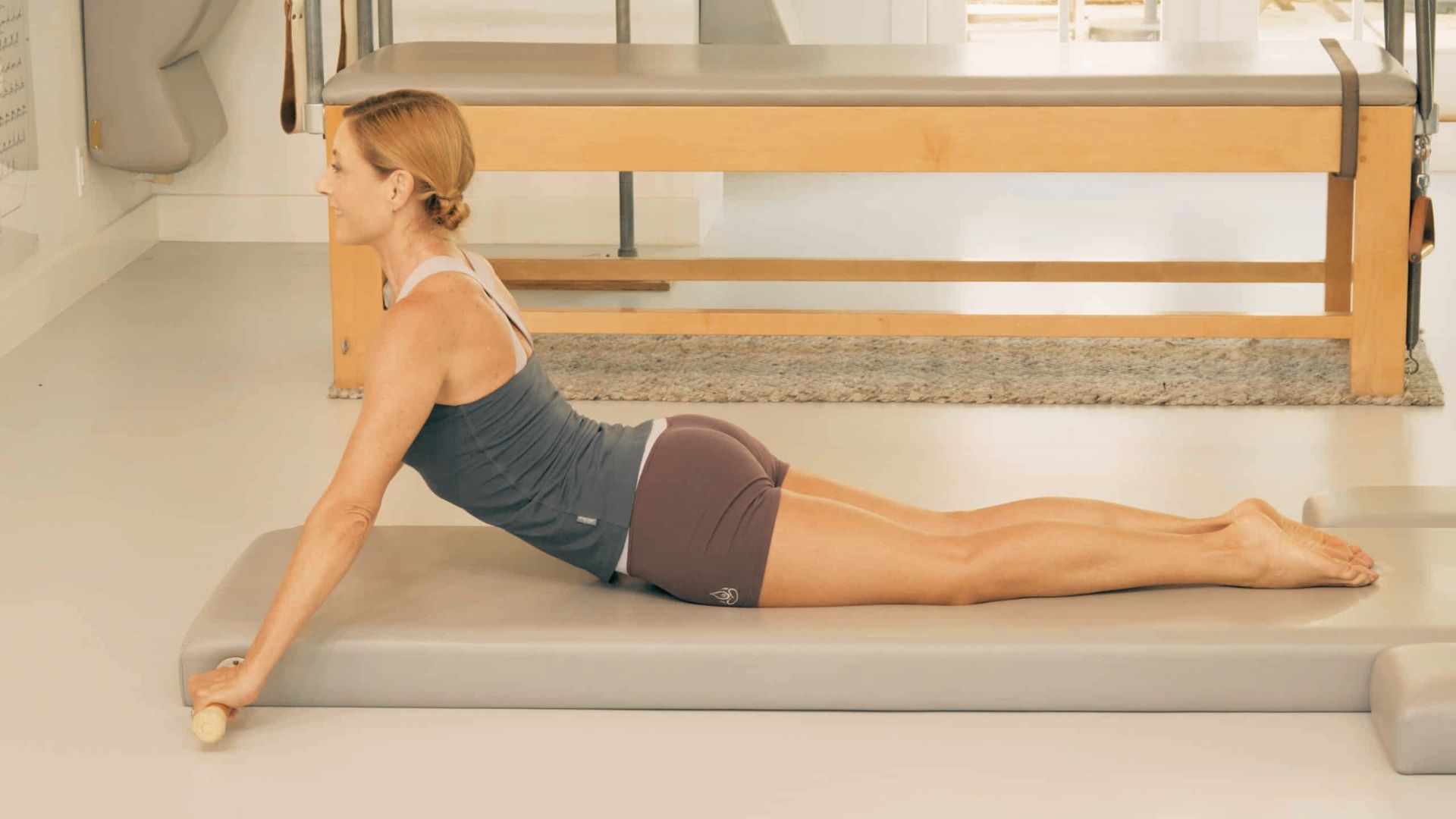
Lie face down and lift your chest off the mat using your back muscles, keeping your core engaged. This balances your core work by strengthening the back side of your body too.
21. Swimmers
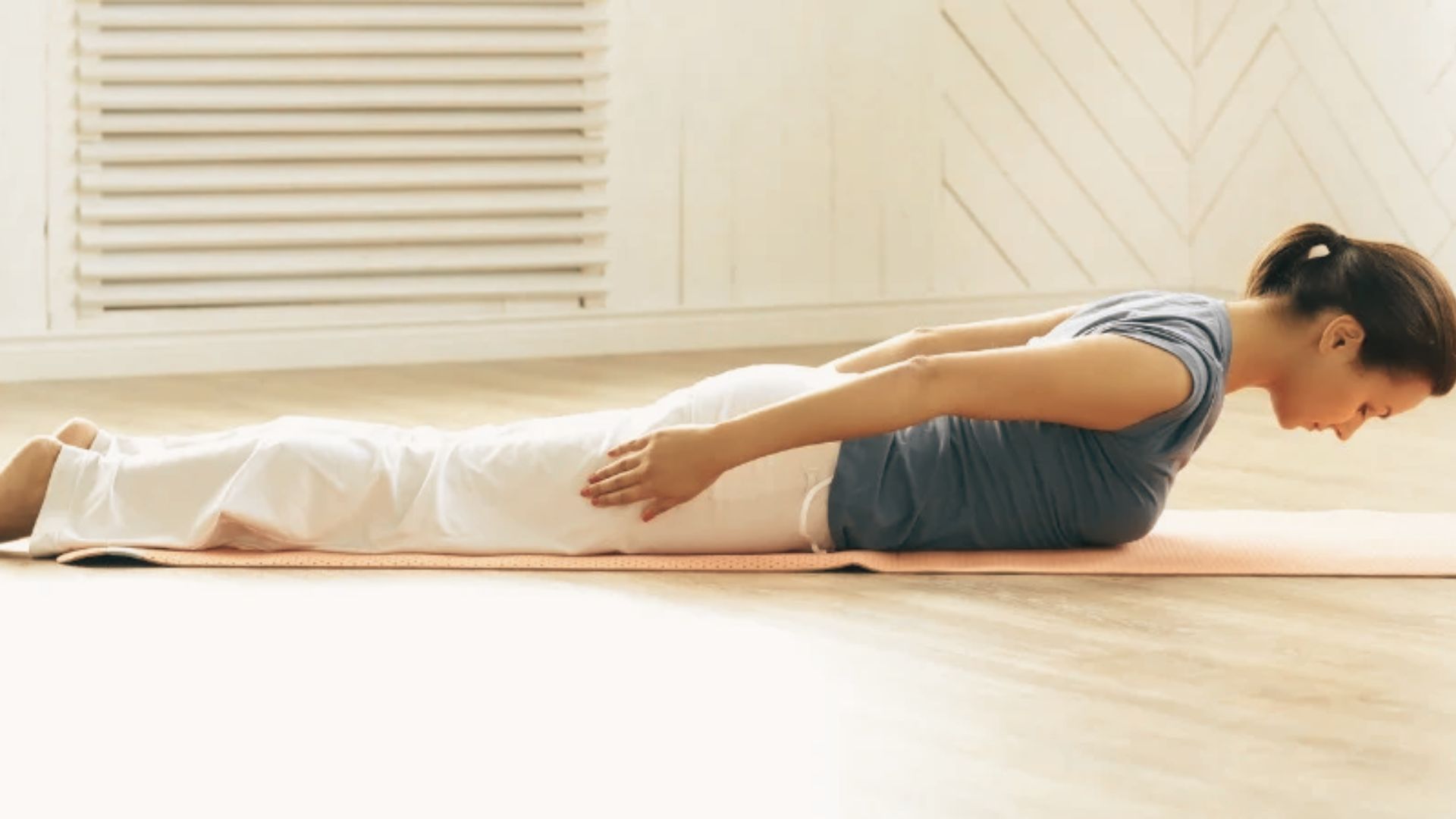
Lie face down and lift the opposite arm and leg at the same time, switching sides in a steady flow. This works your lower back and core together while improving coordination.
Beginner Pilates Core Workout Routine
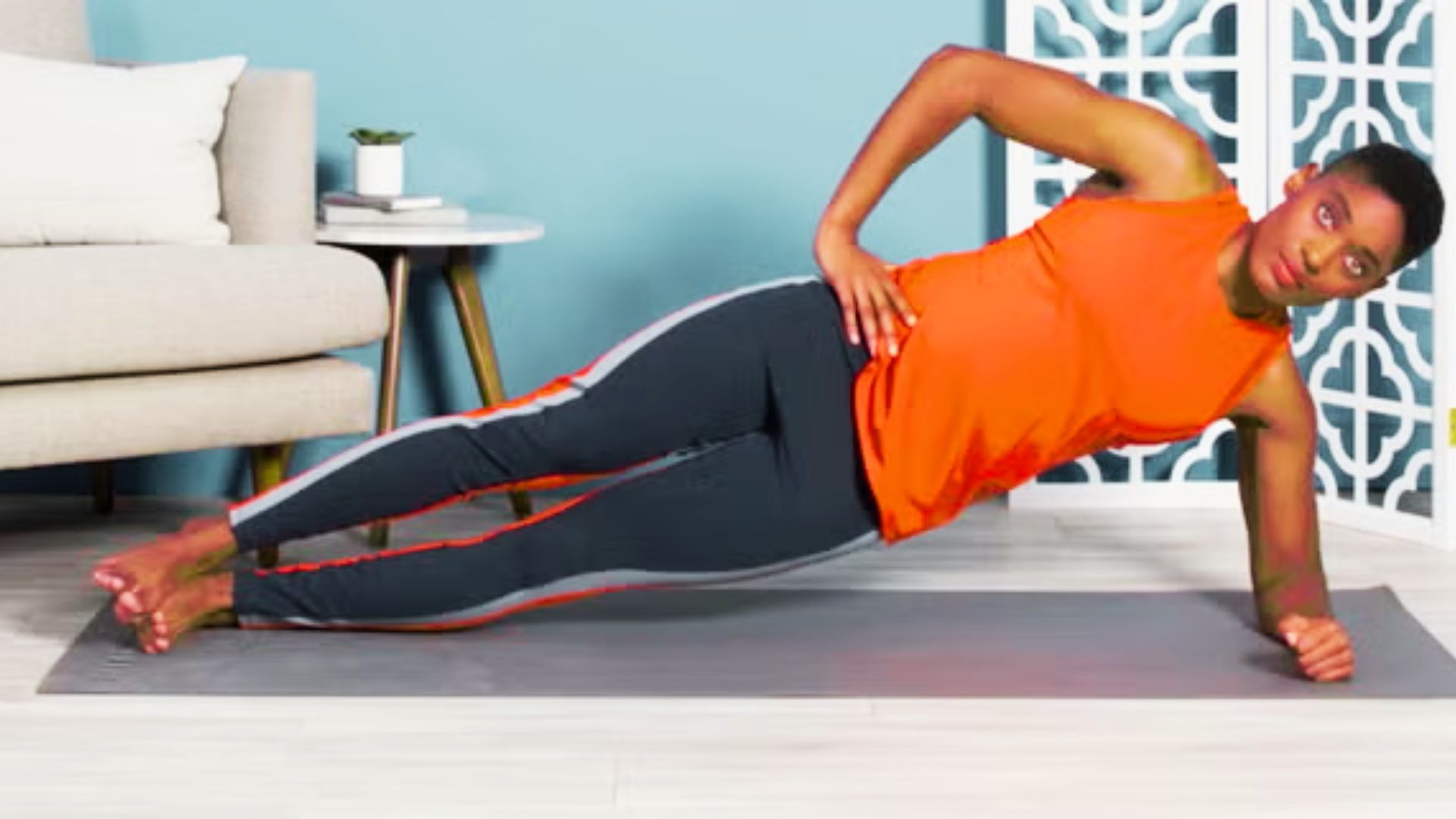
A simple routine to help new movers build core strength without feeling overwhelmed.
5 Beginner-Friendly Pilates Core Exercises
Start with Pelvic Curl, The Hundred, Single Leg Stretch, Toe Taps, and Half Roll Down. These moves teach proper breathing and spine control before adding harder challenges.
Suggested Reps and Sets for Beginners
Aim for 2 sets of 8 to 10 reps per exercise. Rest for 30 seconds between sets and focus on slow, controlled movement rather than speed.
Weekly Pilates Core Workout Schedule
Practice 3 days a week, such as Monday, Wednesday, and Friday. This gives your muscles time to rest and recover between sessions, which helps you build strength safely.
Intermediate and Advanced Pilates Core Workout Ideas
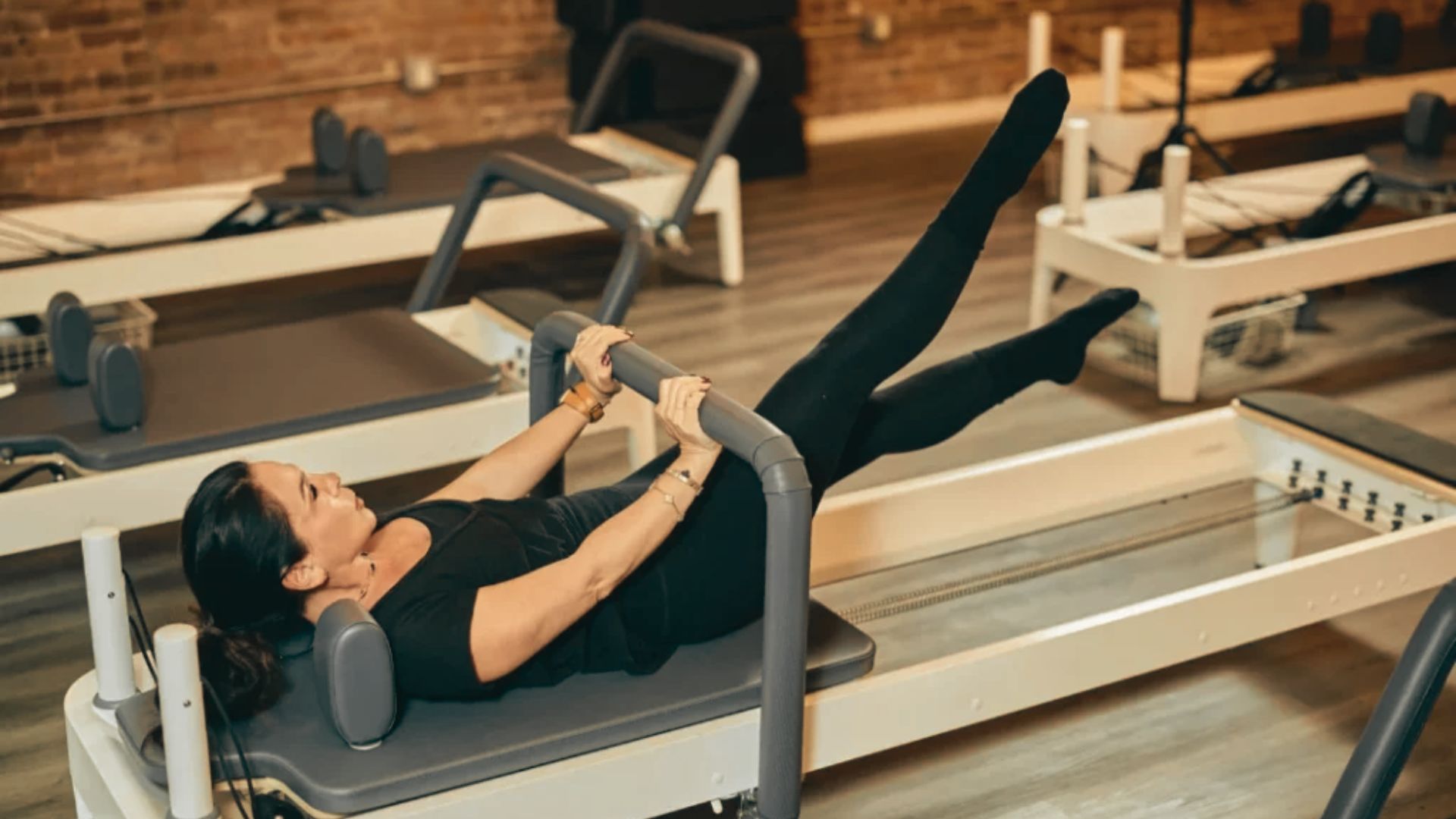
Ready for more? These routines add intensity once the basics feel comfortable.
Intermediate Pilates Core Circuit
Combine Double Leg Stretch, Criss-Cross, Scissor Kicks, Side Plank, and Rolling Like a Ball into one circuit. Do each move for 45 seconds with short breaks between.
Advanced Pilates Core Challenge
Try Full Teaser, Open Leg Rocker, Bear Hold, Forearm Plank Dips, and Swimmers back to back with minimal rest. This tests endurance along with strength and control.
How to Progress Safely as You Get Stronger
Add one new advanced move at a time instead of changing your whole routine at once. Increase reps slowly and stop if your form starts to break down.
Strength should build over weeks, not days.
Tips to Get the Most Out of Pilates Core Exercises
A few small habits can make a big difference in your results over time.
- Move slowly and pause at the hardest point of each rep.
- Exhale during the hardest part of the movement.
- Keep breathing steady instead of holding it in.
- Stop early if your form starts to slip.
- Stay consistent with a fixed weekly schedule.
Conclusion
Building a stronger core takes time, and that's okay. I started with just a few minutes a day, and small changes added up faster than I expected.
You don't need fancy equipment, just consistency and patience with yourself. Try picking three Pilates core exercises from this list and add them to your routine this week.
Notice how your posture and balance shift over time. If this guide helped you, drop a comment below sharing your favorite Pilates core exercises, or share this post with a friend who needs a stronger core too.
Frequently Asked Questions
Are Pilates Core Exercises Good for Beginners?
Yes, many Pilates core exercises are gentle and beginner friendly. Starting with basic moves like Pelvic Curl helps build a safe foundation.
Can Pilates Help Tone and Strengthen Abs?
Pilates strengthens deep core muscles, which can improve muscle tone over time. Results depend on consistency, diet, and overall activity level.
How Often Should I Do Pilates Core Exercises?
Most people see good results with 3 to 4 sessions per week. Rest days help muscles recover and prevent overuse strain.
Do Pilates Core Exercises Help With Back Pain?
Yes, a strong core supports the spine and can reduce lower back pain. Always check with a doctor first if pain is severe or ongoing.
Can I Do Pilates Core Exercises at Home Without Equipment?
Absolutely, most of these moves only need a mat and your body weight. A few advanced moves may use light props, but they are not required.