

Want a stronger, wider back without loading up a heavy barbell? Cables can get you there.
This article covers the best back exercises with cables, proper form, sample workouts, and tips to build muscle and strength.
I have trained with cables for years, and I know exactly how they help your back grow when done the right way.
You will learn how to set up the machine, fix your posture, and avoid common mistakes that slow your progress.
By the end, you will have a clear, simple plan to build a strong back safely. No guesswork here, just exercises that truly work for real people with real goals.
Why Choose Back Exercises With Cables?
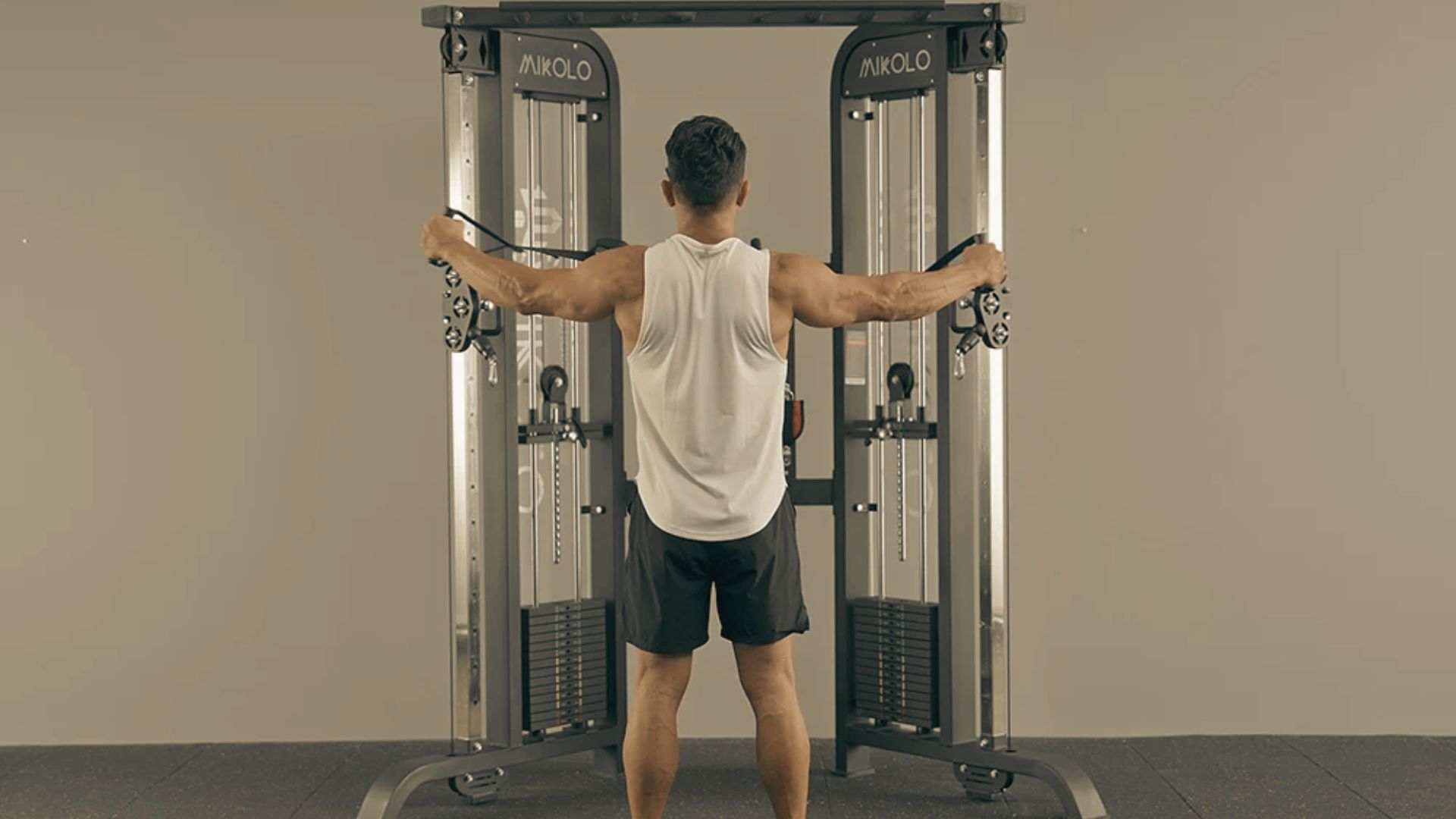
Cables give steady tension, smooth control, and joint-friendly angles that free weights often miss.
Cable machines keep tension on your back muscles through the full rep, not just at the top or bottom like with dumbbells.
This steady pull keeps your muscles working harder for longer. Cables also let you train from different angles, which helps target your lats, mid back, and rear delts more directly.
They are gentler on your shoulders and lower back compared to heavy barbell rows.
This makes cables a smart choice for beginners, older lifters, or anyone coming back from an injury. You can also fix muscle imbalances easily since most cable moves can be done one arm at a time.
Best Back Exercises With Cables for Muscle Growth and Strength
These five cable moves target your lats, mid back, and rear delts for balanced growth.
Lat Pulldown
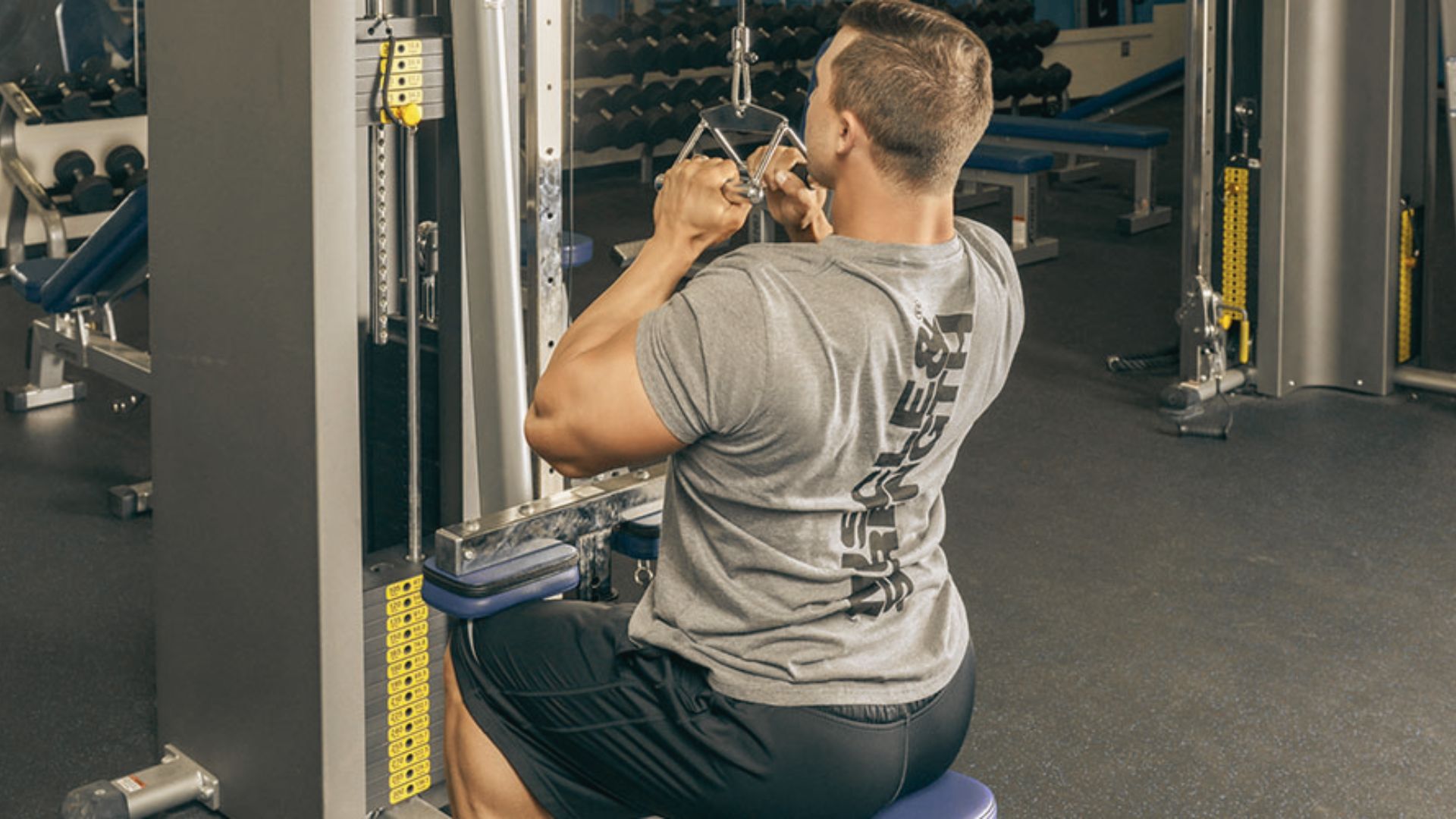
This is one of the most basic and effective cable back exercises. Grab the bar with a slightly wider than shoulder grip, pull it down toward your chest, and squeeze your shoulder blades together.
It mainly works your lats and helps build width in your back.
Cable Row
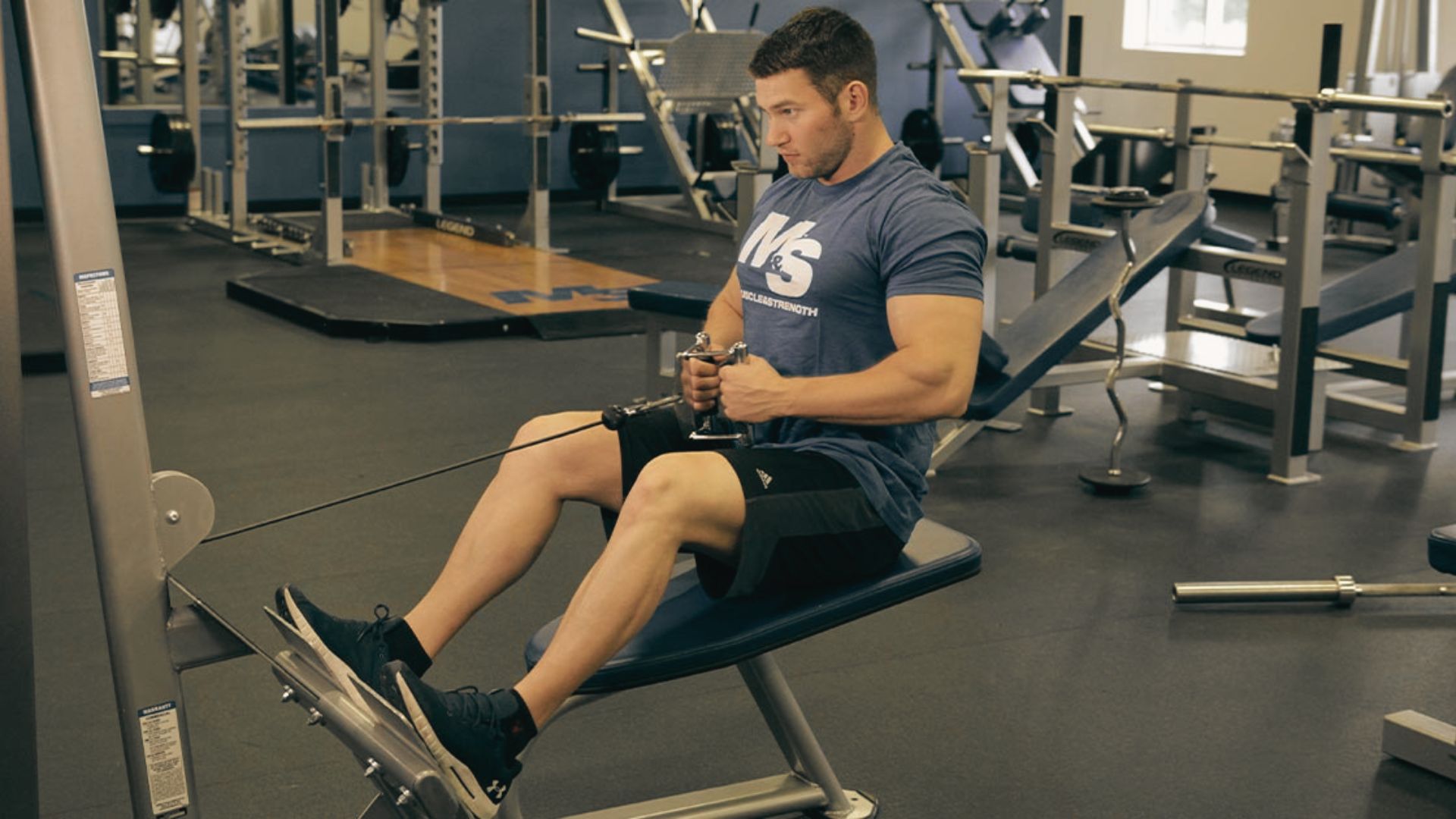
The cable row targets your mid back, especially your rhomboids and traps. Sit with a slight bend in your knees, pull the handle toward your stomach, and keep your chest up.
This move adds thickness to your back.
Wide-Grip Lat Pulldown

Using a wider grip on the lat pulldown shifts more focus onto the outer lats. This helps create that broad, V-shaped look many lifters want.
Keep your elbows pointing down and out as you pull.
Single-Arm Cable Row
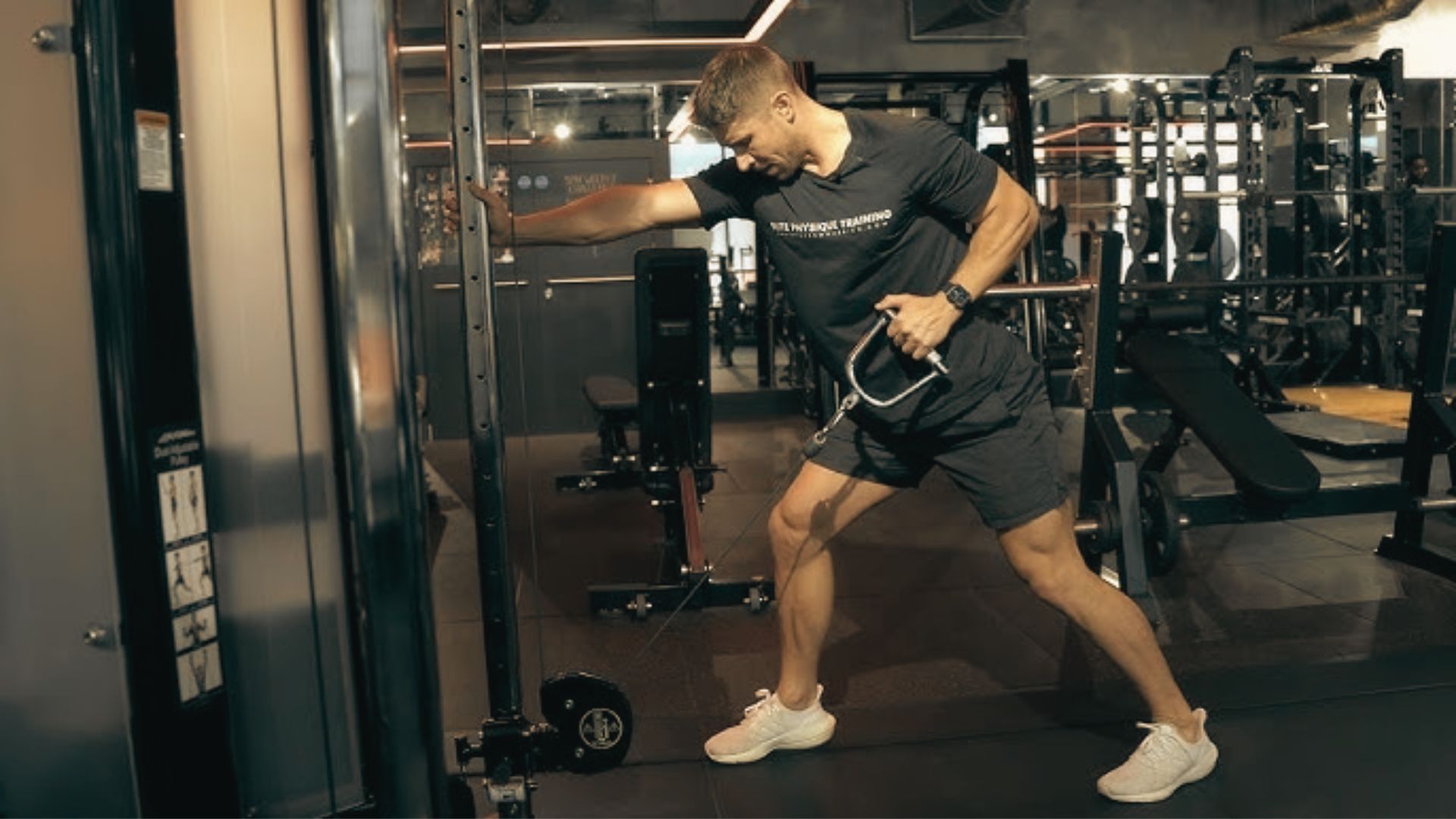
This version works one side at a time, which is great for fixing strength differences between your left and right back.
It also forces your core to work harder to keep you stable. Pull with control and avoid twisting your torso.
Straight-Arm Pulldown
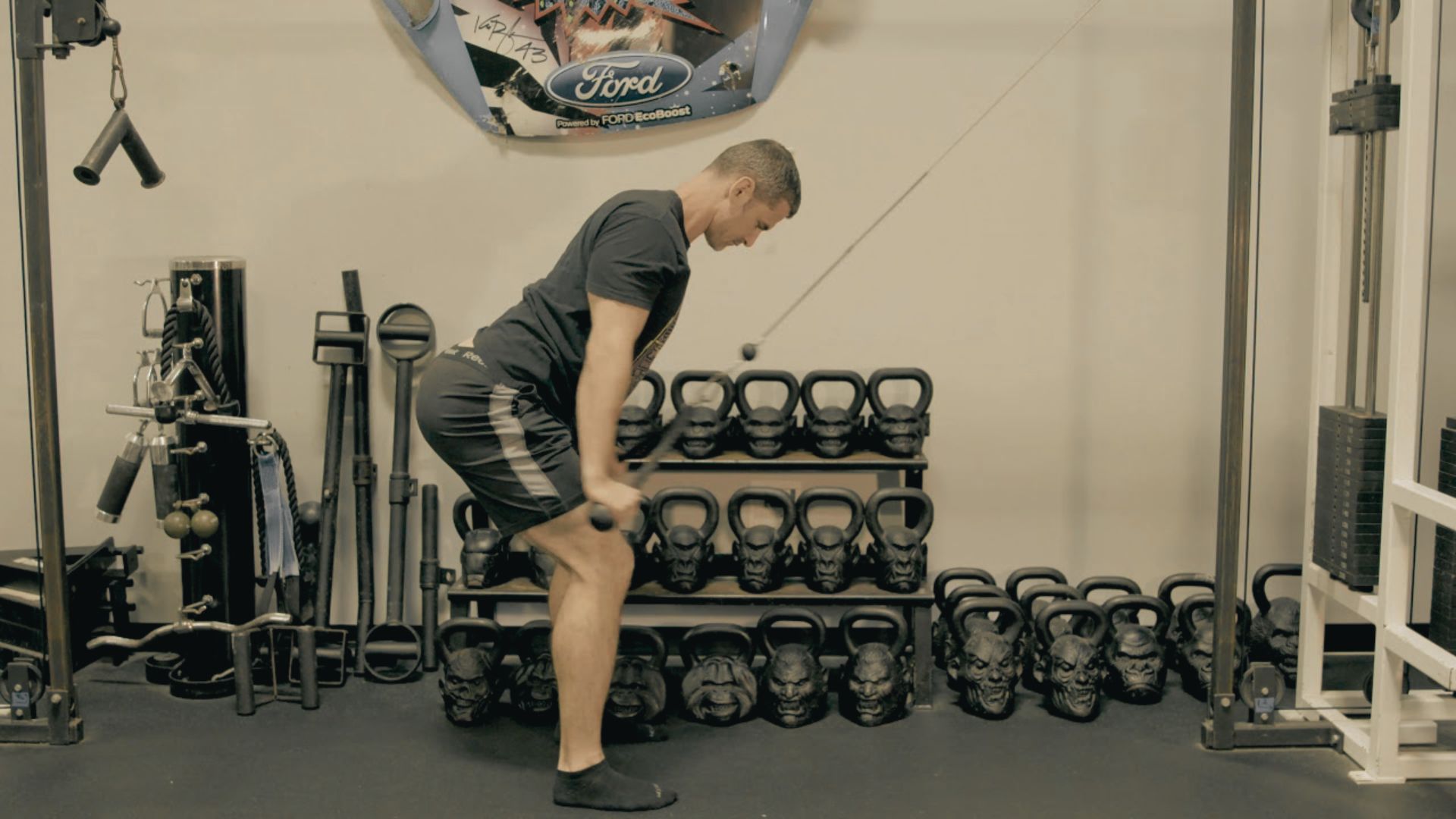
This move isolates the lats without much help from your arms. Keep your arms straight, push the bar down using your back muscles, and squeeze at the bottom.
It is a great finisher after heavier back work.
How to Perform Back Exercises With Cables Correctly
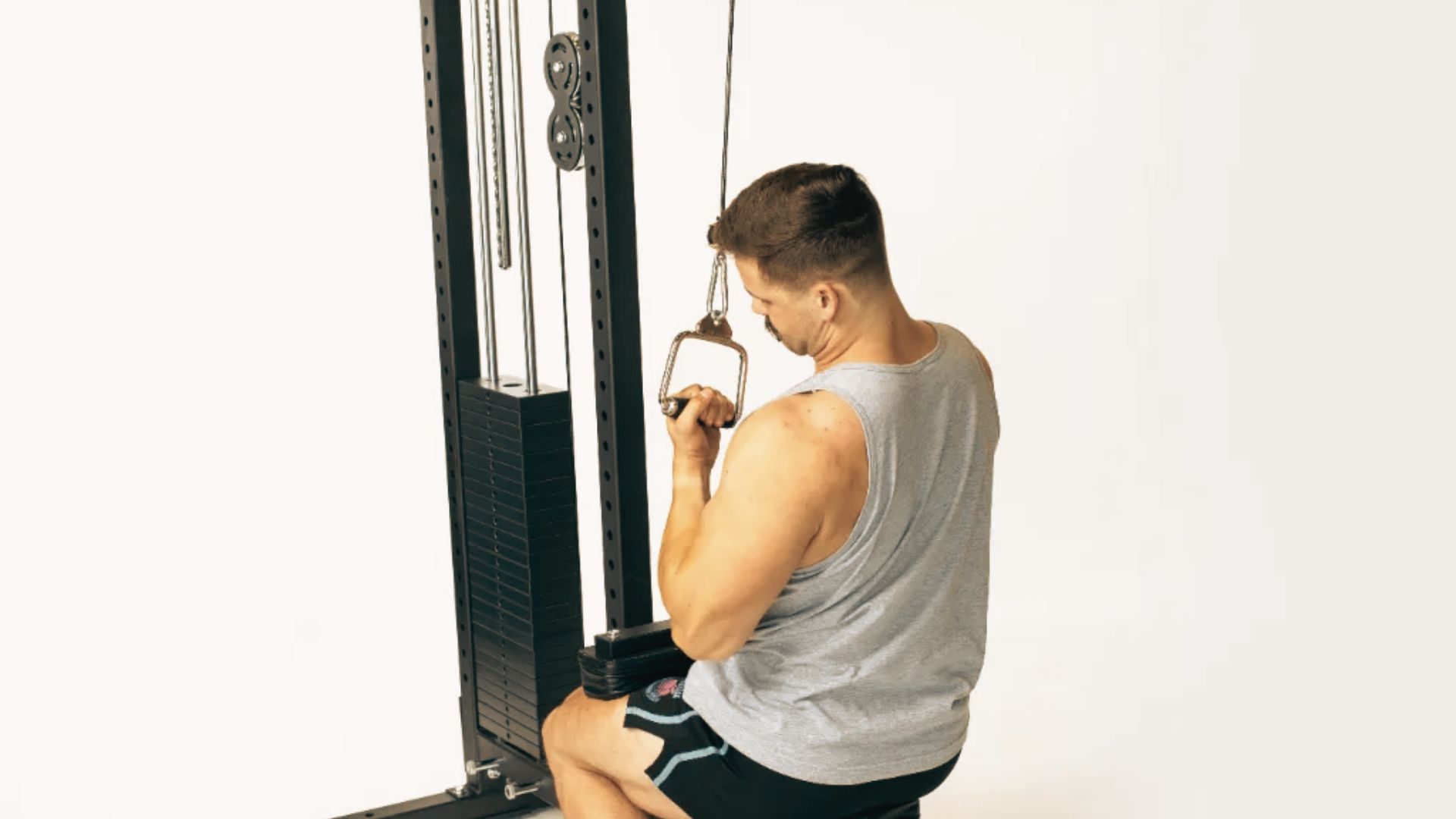
Good form turns cable exercises into real muscle builders instead of wasted reps.
Set Up the Cable Machine Properly
Adjust the pulley height to match the exercise you are doing. A wrong setup changes the angle of pull and can take tension off your back muscles.
Maintain Proper Posture Throughout the Movement
Keep your chest up, shoulders back, and spine in a neutral position. Bad posture during cable rows or pulldowns shifts the work onto your lower back instead of your target muscles.
Focus on Full Range of Motion
Pull through the entire range of the movement and let the weight stretch your muscles fully on the way back. Half reps limit muscle growth and reduce strength gains over time.
Control the Weight During Every Rep
Avoid jerking the cable or letting the weight snap back. Slow, controlled reps build more strength and protect your joints from unnecessary strain.
Sample Cable Back Workout for Muscle Growth

This workout uses higher reps and shorter rest to pump blood into your back muscles.
Exercise Selection
Pick four exercises that hit different parts of your back. A good mix is lat pulldown, cable row, single-arm cable row, and straight-arm pulldown.
Recommended Sets and Reps
Aim for three to four sets of ten to fifteen reps per exercise. Higher reps with moderate weight work best for muscle growth.
Rest Period Guidelines
Rest for forty five to sixty seconds between sets. Shorter rest keeps your muscles under tension and supports muscle growth.
Sample Cable Back Workout for Strength

This plan uses heavier loads and longer rest to build raw pulling strength.
Exercise Selection
Choose three main lifts such as lat pulldown, cable row, and wide-grip lat pulldown. Fewer exercises with heavier weight work better for strength.
Recommended Sets and Reps
Stick to four to five sets of five to eight reps. Lower reps with heavier weight build more raw strength over time.
Progressive Overload Tips
Add a small amount of weight or one extra rep each week. Track your numbers so you can see steady progress month after month.
Tips to Get Better Results From Back Exercises With Cables
Small changes in grip, pairing, and recovery can make a big difference in results.
- Switch grips often, wide, narrow, and neutral, to hit your back from new angles.
- Mix horizontal rows with vertical pulldowns for balanced growth.
- Train back muscles at least twice a week.
- Sleep well and eat enough protein, since muscles grow during rest.
- Warm up with light cable pulls before going heavy to protect your joints.
Conclusion
Back exercises with cables have changed the way I train, and they can do the same for you.
I remember switching from only barbell rows to cables and finally feeling my lats work the way they should.
Give these moves a real try for a few weeks and watch your back get stronger and fuller.
Have a favorite cable exercise, or a question about your form? Drop it in the comments, share this post with your gym buddy, and check out our other strength training guides for more ways to grow.
Frequently Asked Questions
Are Back Exercises With Cables Effective for Building Muscle?
Yes, cables keep tension on your muscles through the whole rep. This steady pull helps trigger muscle growth over time.
Can You Build a Bigger Back Using Only Cables?
Yes, cables alone can build a thick, strong back if you train hard and progress your weight. Many lifters use cables as their main back tool.
How Often Should You Train Back With Cables?
Training your back two to three times a week works well for most people. Make sure you rest enough between sessions to recover fully.
Which Cable Exercise Is Best for Lats?
The lat pulldown is one of the best cable moves for lat growth. The straight-arm pulldown also isolates the lats very well.
Are Cable Rows Better Than Free-Weight Rows?
Neither is better overall, they each have their own benefits. Cable rows offer steady tension, while free-weight rows build more raw strength.