

Not everyone has time for a gym, and that's okay. Life gets busy, and driving across town for a workout can feel like too much effort.
The good news is you don't need a gym membership to stay fit. Your home already has everything you need, a bit of space, your own body, and a little willpower.
This blog will show you how to stay fit at home in simple, doable ways. You will learn easy workouts, smart eating habits, and tips to stay active all day long. We will also cover how to stay consistent and avoid common mistakes people make when training without a trainer.
By the end, you will have a clear plan you can start today, no equipment or excuses needed. Let's get started.
Why Are Home Workouts a Smart Choice?
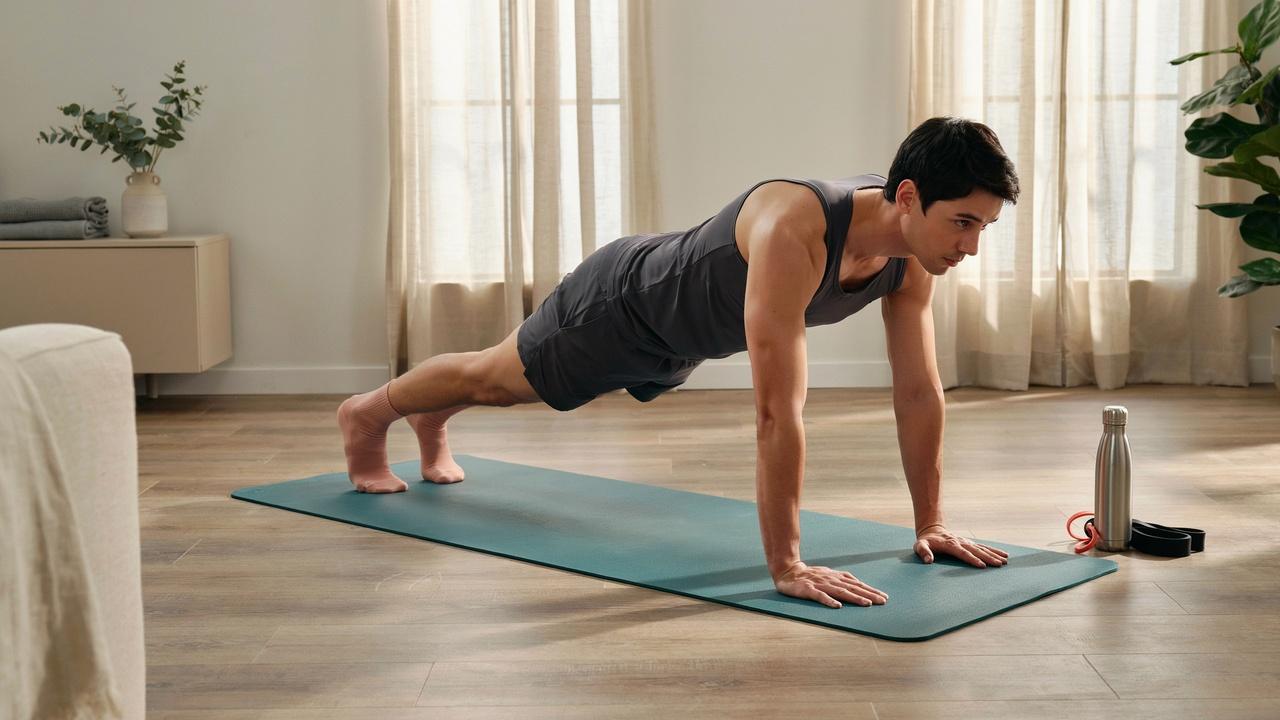
Home workouts save you time, money, and the stress of a daily commute to the gym. You don't need a membership or fancy machines to build real strength.
All you need is a bit of floor space and a plan that fits your day. Regular movement does more than shape your body. It also supports your immune system, since moderate activity helps your body fight off illness more easily.
This matters even more when you spend most of your day indoors with less fresh air and sunlight. Exercise also lowers stress and helps you sleep better, which both play a big role in how fit and healthy you feel overall.
More people are choosing to train at home because it works around their schedule, not the other way around. You skip the drive, the wait for machines, and the pressure to keep up with a class.
How Much Exercise Do You Actually Need?
Before you start, it helps to know what a healthy amount of exercise looks like. Health experts have clear weekly targets you can aim for. The sections below break this down into cardio and strength so you know exactly where to begin.
Weekly Activity Guidelines for Adults
Health bodies like the CDC recommend adults get at least 150 minutes of moderate exercise each week. Moderate simply means you can still talk while you move, but you're breathing a bit faster than normal.
This can be brisk walking, cycling, or light jogging. Spreading this across five days makes it easier to manage. Even short 20 to 30 minute sessions count toward your goal.
The key is staying consistent rather than doing one long workout and stopping.
Balancing Cardio and Strength Training
Cardio keeps your heart strong and burns calories, while strength training builds muscle and protects your joints. Aim for at least two strength sessions each week alongside your cardio days.
This mix helps you stay fit in a well rounded way. Skipping one type of training for too long can slow down your overall progress and results.
Building Fitness at Home Without a Gym Membership
You don't need any machines or heavy weights to get in real shape. Your own body weight, a few things around the house, and a small patch of space are enough. The next parts show you exactly what to do and how to set it up.
Bodyweight Exercises That Build Real Strength
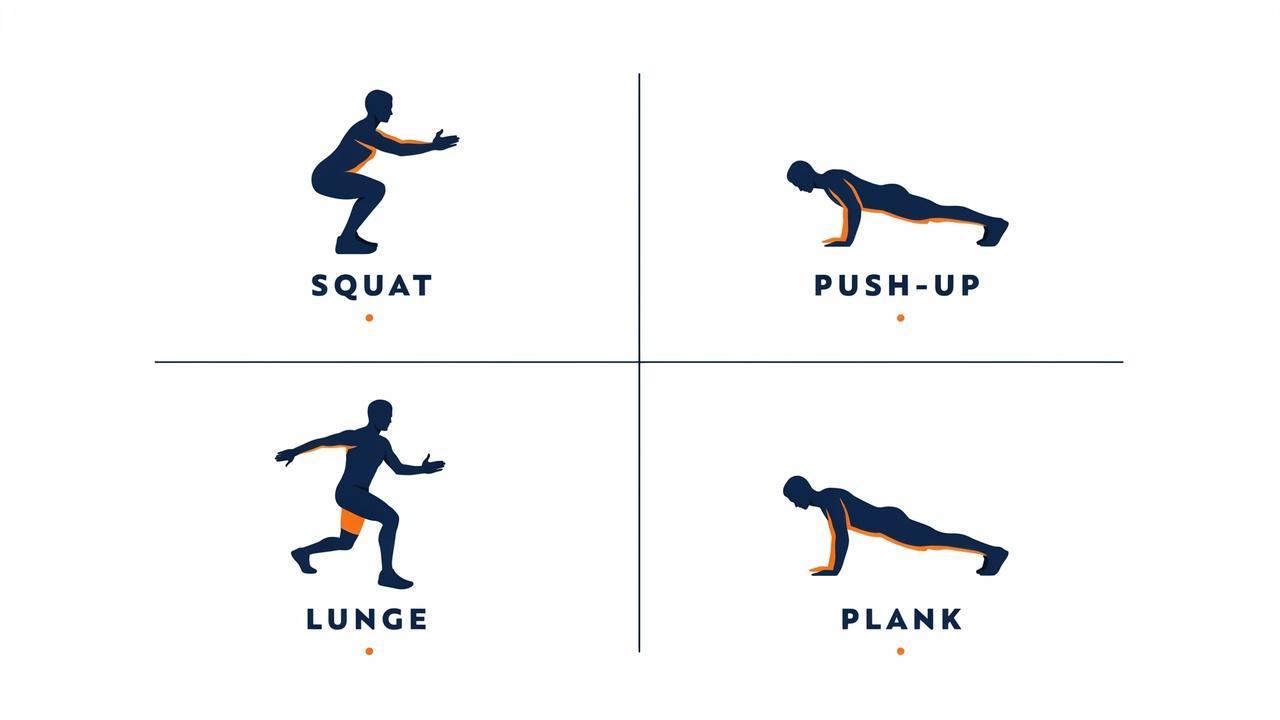
Squats, push ups, lunges, and planks work your whole body without any equipment. This style of training is often called calisthenics, and it builds real strength without any machines.
These moves build muscle, improve balance, and boost your heart rate at the same time. Start with a few sets of 10 to 15 reps and add more as you get stronger.
Good form matters more than speed, so move slowly and stay in control.
Using Household Items as Workout Tools
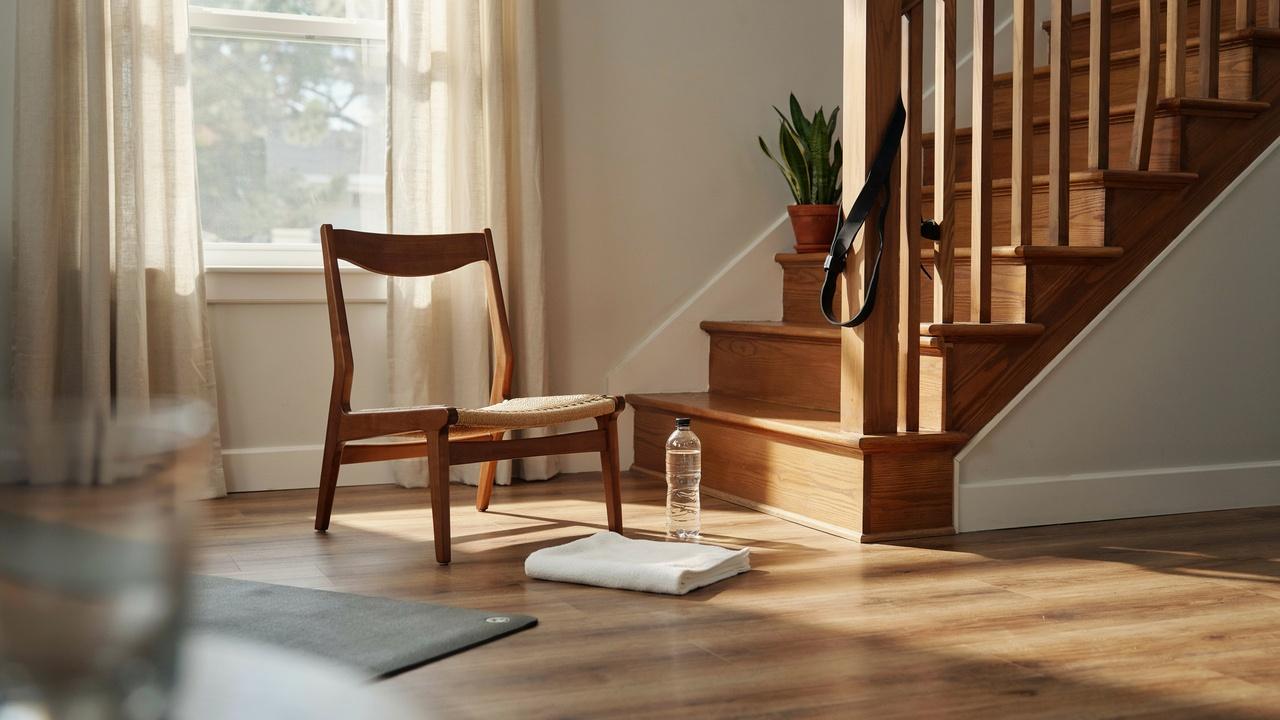
Water bottles can act as light dumbbells, and a sturdy chair works well for tricep dips or step ups. A towel on the floor adds resistance for sliding leg exercises.
A cheap resistance band is another good buy, since it adds extra tension to squats, presses, and leg lifts. Stairs at home are great for quick cardio bursts.
These simple swaps mean you never have to skip a workout just because you lack proper gym gear.
Setting Up a Small Home Workout Space
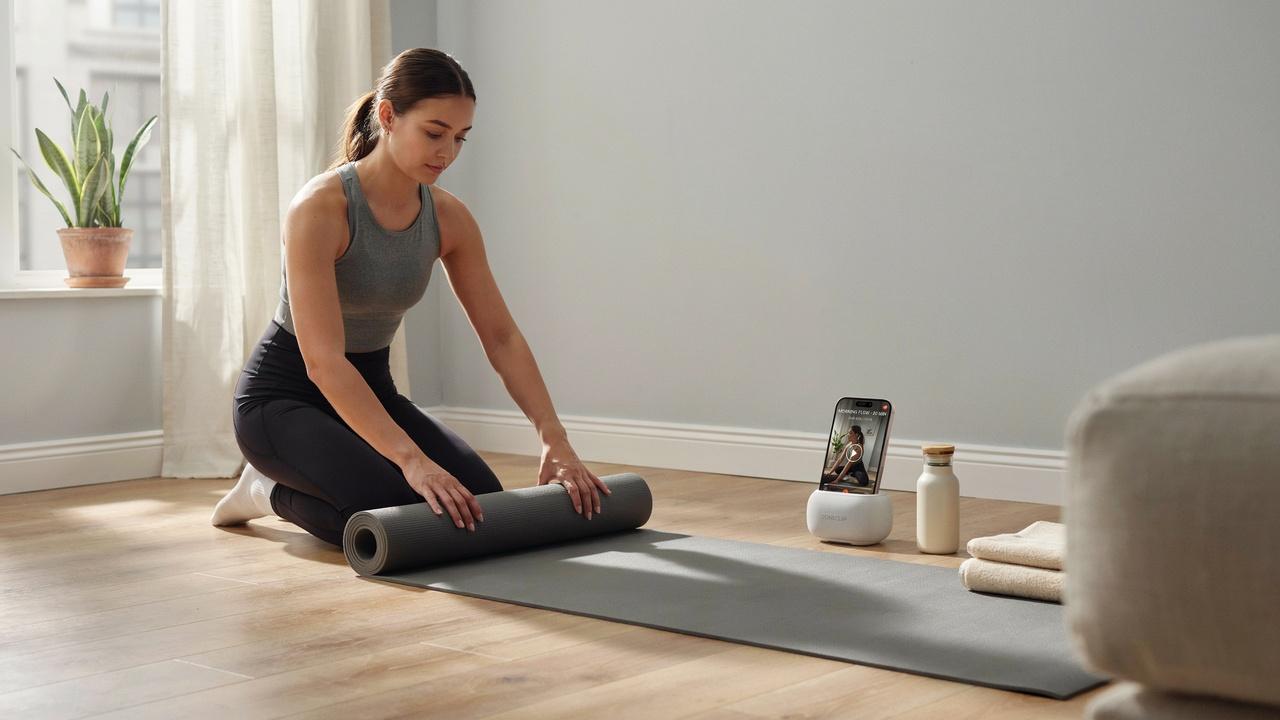
You only need a small clear area to move freely, like a corner of your living room.
Lay down a mat or towel to protect your knees and back. Keep your phone or a small speaker nearby to play music or follow a workout video.
A tidy, well lit space can also help you feel more motivated to train.
Simple Home Workout Routines to Follow
Having a set routine makes it easier to stay on track each day. Below are three simple plans based on time and fitness level. Pick one that matches your energy and schedule.
A Quick 15 Minute Beginner Routine
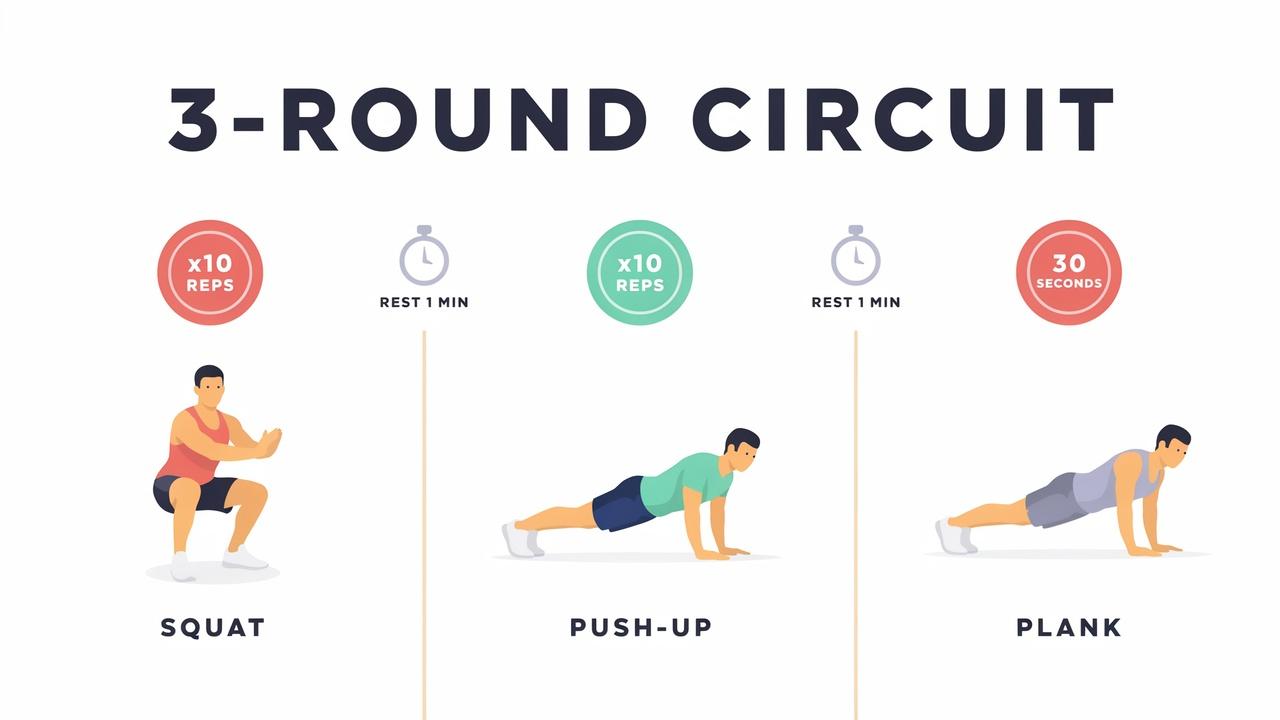
This short routine is perfect for busy mornings or tired evenings. Do three rounds of 10 squats, 10 push ups, and a 30 second plank hold. Rest for one minute between rounds.
It works your legs, arms, and core in a short burst. Even on your busiest day, this routine keeps you moving without eating up your whole schedule.
A Solid 30 Minute Full Body Plan
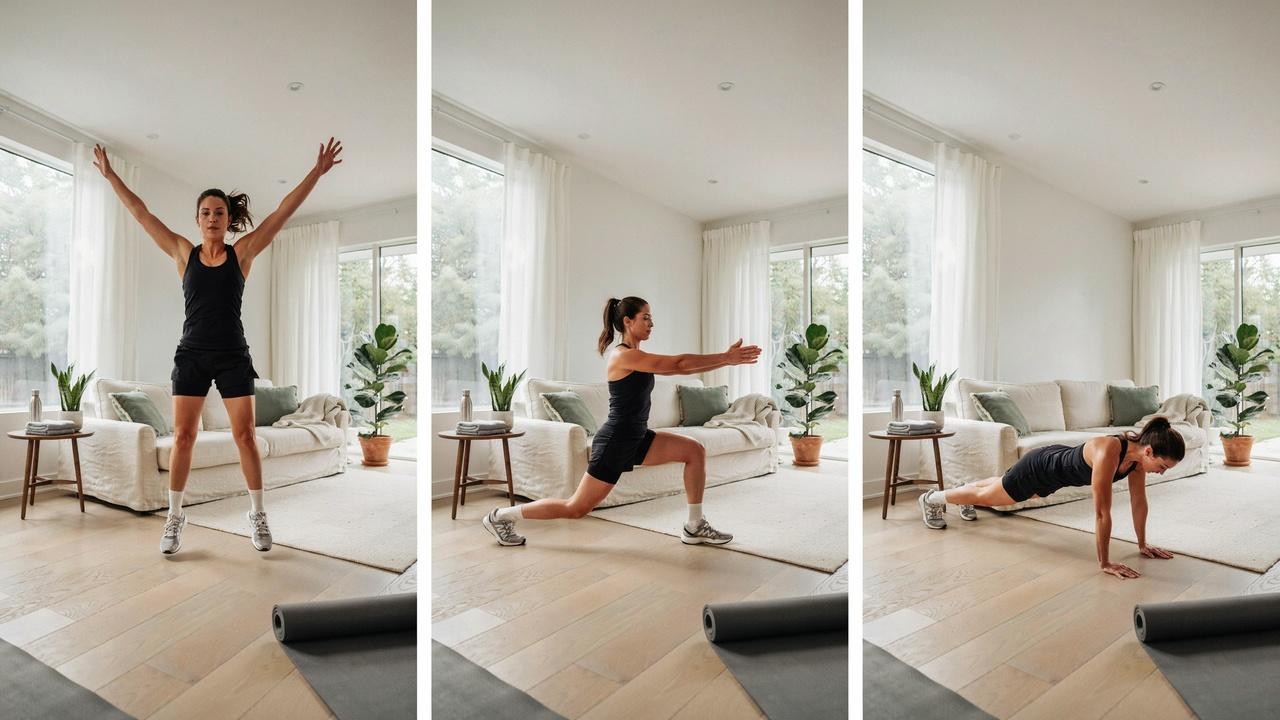
For a deeper workout, combine cardio and strength in one session. This short burst and rest pattern is known as HIIT, or high intensity interval training, and it's one of the fastest ways to burn calories at home.
Start with five minutes of jumping jacks or marching in place. Follow with three sets of lunges, push ups, and mountain climbers. Finish with a two minute cool down walk.
This plan works every major muscle group and leaves you feeling both tired and accomplished.
Stretching and Mobility Moves That Loosen You Up
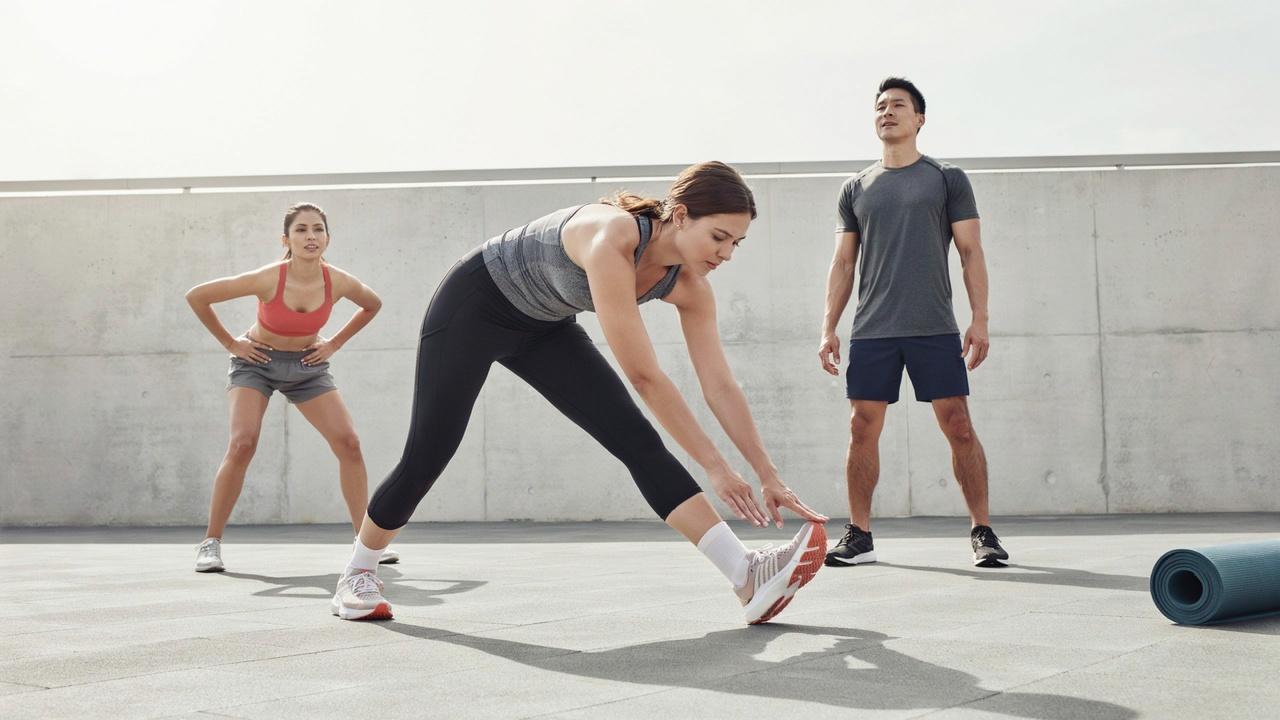
Stretching keeps your muscles flexible and lowers the risk of injury.
Spend five to ten minutes after each workout on moves like toe touches, shoulder rolls, and hip circles. Yoga poses work well here too, since they combine stretching with calm breathing and better balance. Hold each stretch for 20 to 30 seconds without bouncing.
This simple habit helps your body recover faster and keeps you moving comfortably the next day.
Staying Active Beyond Structured Workouts
Fitness doesn't only happen during a planned workout. Small bursts of movement through your day add up fast. The ideas below help you stay active even when you can't step outside.
Turning Daily Chores Into Extra Movement
Cleaning, gardening, and organizing your home all burn calories and keep your body moving. Try adding a bit more energy to these tasks, like squatting to pick things up or taking stairs twice.
These small changes turn boring chores into mini workouts. Over time, this extra movement supports your fitness goals without needing a formal session.
Dancing, Walking, and Other Fun Ways to Move
You don't always need a strict workout to stay fit. Put on music and dance around your living room for ten minutes. A short walk around your block also gets your heart rate up.
These fun activities feel less like exercise and more like a break, making it easier to stick with them daily.
Short Activity Breaks During Work Hours
Sitting all day can slow down your energy and posture. Set a timer to stand up and stretch every hour. Try short activity breaks like ten squats or a quick walk to the kitchen and back.
These small breaks improve blood flow and help you focus better during long work hours at home.
Eating Habits That Support a Fit Lifestyle at Home
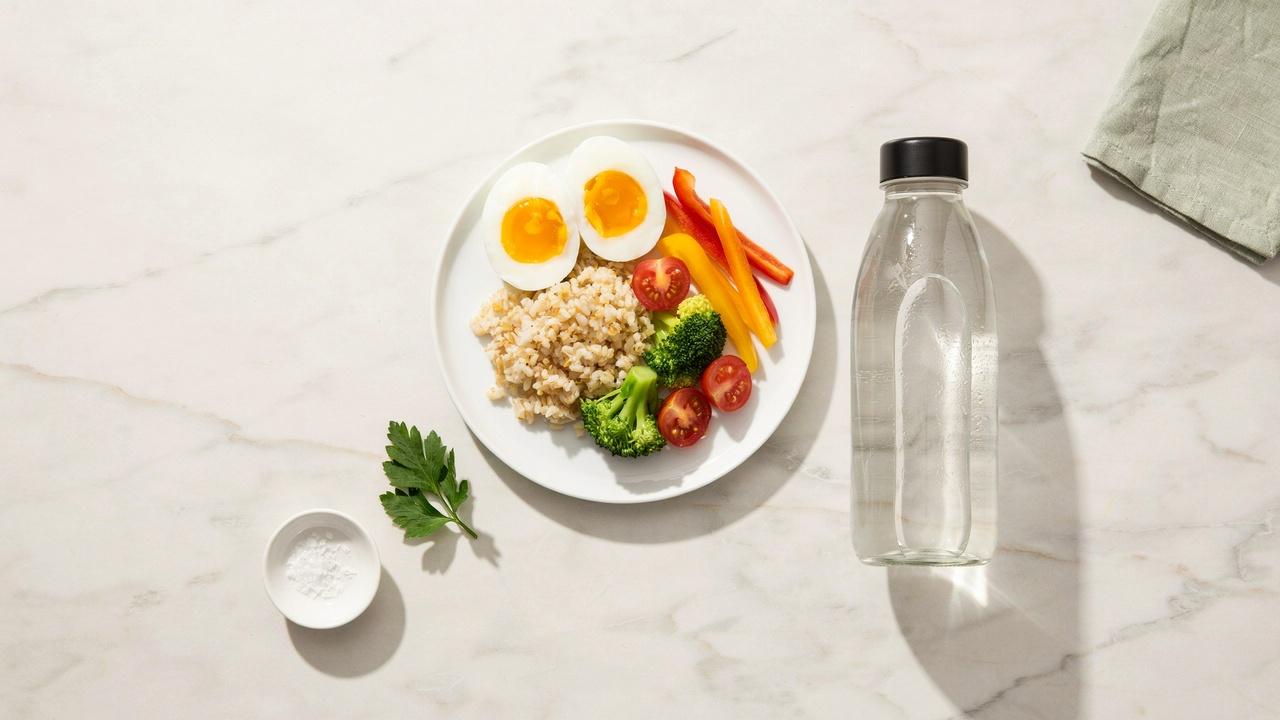
What you eat plays a big role in how fit you feel. Good food choices support your workouts and keep your energy steady. The tips below help you build better habits in the kitchen.
Simple Meal Planning Tips That Save Time
Plan your meals a few days ahead to avoid last minute unhealthy choices. Keep your kitchen stocked with basics like eggs, vegetables, and whole grains. Cooking in batches saves time during busy weeks.
A little planning goes a long way in keeping your meals balanced and your fitness goals on track.
Staying Hydrated Throughout the Day
Water supports digestion, energy, and muscle recovery. Aim to drink water regularly through the day rather than only during workouts. Keep a bottle nearby as a simple reminder.
Mild dehydration can cause tiredness and headaches, so staying on top of your water intake helps you feel and perform better daily.
Avoiding Common Diet Mistakes While Working From Home
Working from home can lead to mindless snacking near the kitchen. Try to stick to set meal times instead of grazing all day. Keep unhealthy snacks out of easy reach and swap them for fruit or nuts.
Small changes like these prevent extra calories from creeping into your daily diet without you noticing.
Staying Consistent With Your Home Fitness Routine
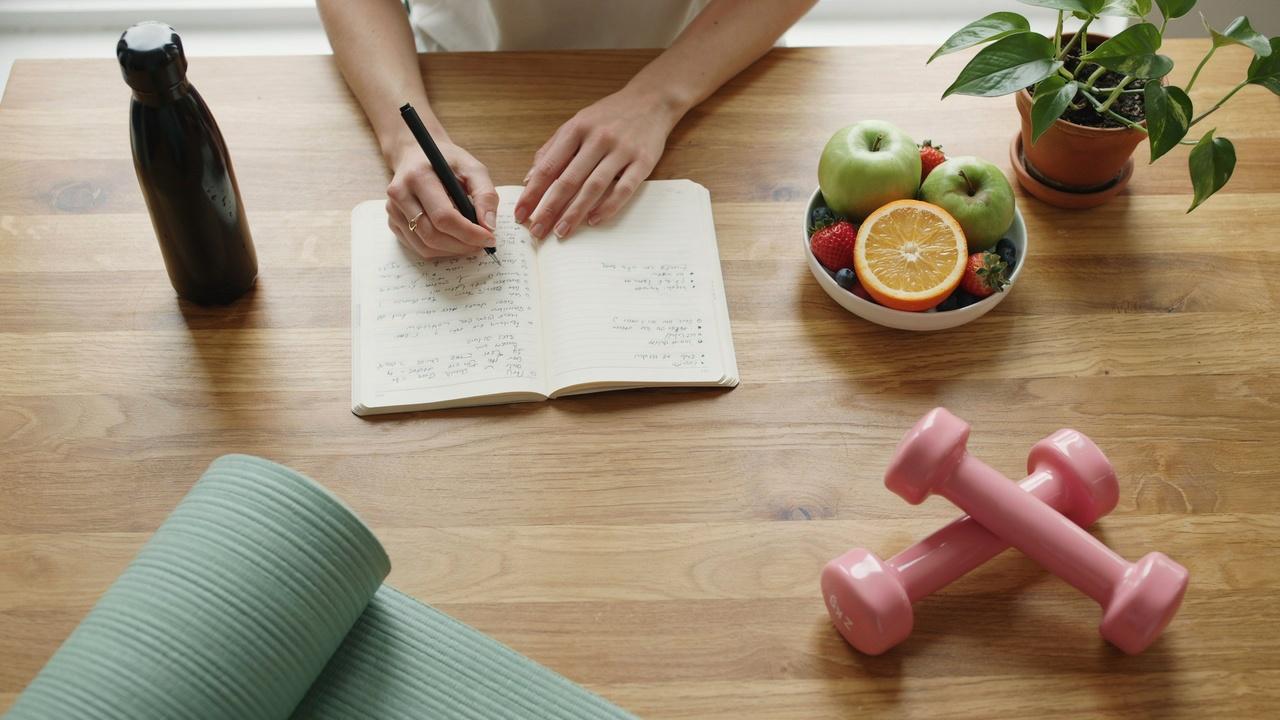
Consistency matters more than intensity when building fitness at home. Setting small goals and tracking progress keeps you moving forward. The points below help you stay on track even on tough days.
Setting Goals You Can Actually Reach
Start with small, clear goals like working out three times a week. Avoid setting targets that feel too big too soon, as this often leads to giving up early.
Write your goals down where you can see them daily. Reaching small wins regularly builds the confidence you need to keep going.
Tracking Progress Without a Personal Trainer
You can track your fitness without any fancy tools. Use a notebook or a free app to log your workouts and how you feel. Free apps like Nike Training Club or Seven can also guide you through workouts and track your streaks automatically.
Take note of small wins, like doing one more push up than last week. This record helps you see real progress and keeps you motivated over time.
Staying Motivated Even on Low Energy Days
Everyone has days when motivation feels low. On these days, aim for a shorter, lighter workout instead of skipping completely. Doing something small keeps your routine alive.
Telling a friend or family member about your goal also helps, since knowing someone will ask about it keeps you accountable. Remind yourself why you started, and remember that showing up matters more than doing a perfect session every single time.
Common Mistakes to Avoid When Working Out at Home
- Skipping warm ups before starting a workout
- Using poor form with no trainer around to correct it
- Overtraining without enough rest days
- Training the same muscle group every single day instead of rotating between legs, arms, and core
- Skipping meals or ignoring hydration
- Ignoring pain and pushing through it instead of stopping right away
Avoid these common mistakes by warming up first, focusing on form, resting properly, and eating well. Small corrections like these keep your home fitness journey safe, steady, and effective in the long run.
Conclusion
Staying fit at home is easier than you think. You don't need a gym or fancy gear to build strength and feel good.
Small daily habits, done regularly, matter more than perfect workouts. Start today with one simple step and build from there.
If this guide helped you, share it with someone who needs a push. Drop a comment below and tell us how your home fitness journey is going. We'd love to hear from you.
Frequently Asked Questions
How long does it take to see results from home workouts?
Most people notice small changes in energy and strength within two to three weeks. Visible body changes often take four to eight weeks with steady effort.
Can you build muscle at home without weights?
Yes, bodyweight exercises like push ups and squats can build real muscle over time. Adding more reps or slower movements increases the challenge as you progress.
3. Does sleep affect how fit you stay at home?
Yes, poor sleep lowers energy and slows muscle recovery after workouts. Aim for seven to eight hours of good sleep each night for better results.
What is the best time of day to workout at home?
The best time is whenever it fits your schedule and energy levels the most. Morning workouts often boost focus, while evening sessions help release daily stress.
Can you lose weight by only working out at home?
Yes, home workouts combined with a balanced diet can lead to steady weight loss. Consistency matters more than workout location when it comes to losing weight.