I know how frustrating a rotator cuff injury feels. Simple things like reaching for a cup or putting on a shirt become painful tasks.
In this guide, I'll walk you through safe exercises with rotator cuff injury that can help you rebuild strength without making things worse.
I've spent time researching and compiling what actually works, based on trusted rehab principles.
We'll cover what causes rotator cuff pain, 7 safe exercises to do, movements to avoid, a simple recovery plan, and tips to heal faster.
With the right approach and a little consistency, recovery is very much possible.
Understanding Rotator Cuff Pain and Movement Limits

Rotator cuff injuries come in a few forms. A tear means the muscle or tendon has ripped partly or fully. Tendinitis is inflammation from overuse.
Impingement happens when shoulder bones pinch the tendons. Sports, heavy lifting, and repetitive desk work can all trigger these.
You might feel a dull ache, weakness overhead, or sharp pain at night. These signs mean your shoulder needs rest and careful rehab.
The injury also affects daily life, making things like brushing your hair or carrying groceries harder than expected.
Early, gentle movement is important because staying still too long stiffens the joint and slows healing.
7 Safe Exercises with Rotator Cuff Injury
These seven moves are gentle, effective, and designed to support healing without adding stress to the shoulder.
1. Pendulum Exercise for Gentle Mobility

Lean forward and let your injured arm hang down naturally. Gently swing it in small circles using gravity, not muscle force. Do 10 circles in each direction.
This keeps the joint loose without adding strain during early recovery.
It is one of the first moves most physios recommend because it requires almost no effort from the shoulder muscles themselves.
2. Doorway Stretch for Flexibility
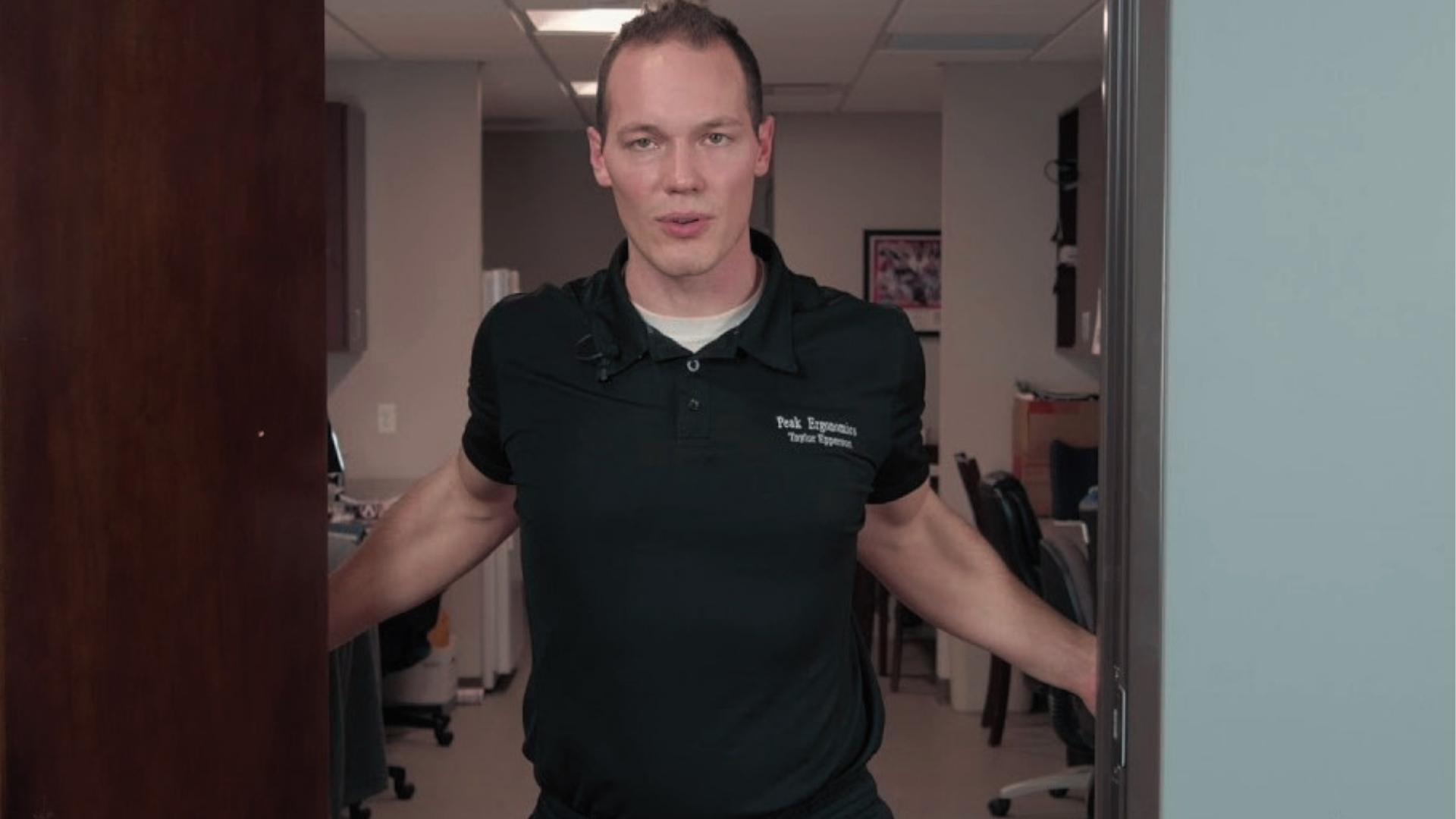
Stand in a doorway and place your forearm on the frame at a 90-degree angle. Lean forward slightly until you feel a mild stretch across your chest and shoulder.
Hold for 20 to 30 seconds and repeat 3 times. This opens the shoulder gently without forcing movement.
It also helps loosen the chest muscles that often tighten up when the shoulder is injured and you start guarding your posture.
3. External Rotation with Resistance Band

Attach a light resistance band to a door at elbow height. Keep your elbow bent at 90 degrees and close to your body, then rotate your forearm slowly away from the door.
Return to start and do 3 sets of 10 to 15 reps. This targets the stabilizing muscles around the shoulder joint.
Slow and controlled movement matters more than the amount of resistance you use here.
4. Internal Rotation for Balanced Strength
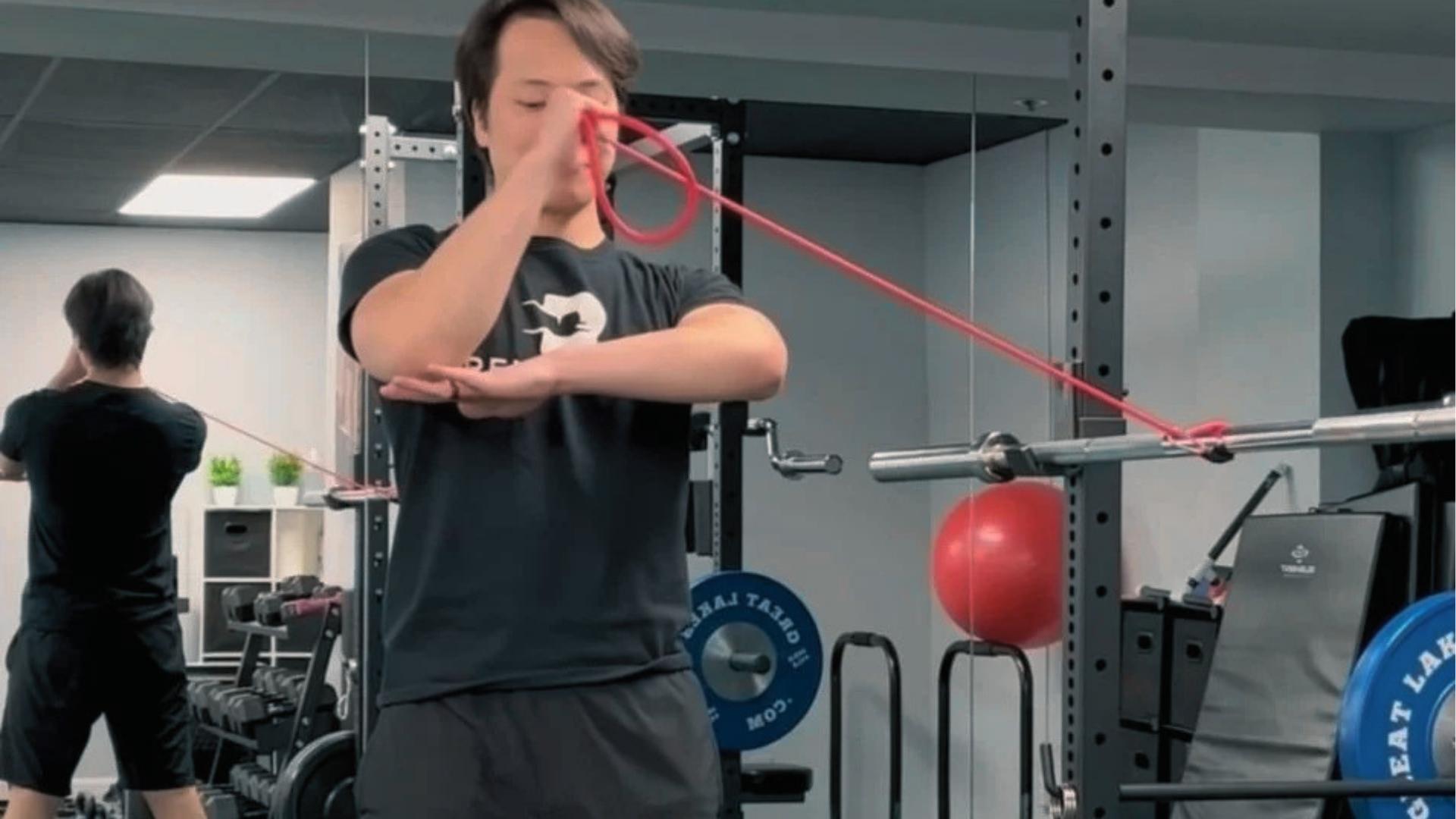
Use the same band setup but rotate your forearm toward the door instead. Keep your elbow tucked in throughout the movement.
This balances strength across the rotator cuff muscles, which is important for full and safe recovery. Skipping this move often leads to muscle imbalances that can cause problems later on.
5. Shoulder Blade Squeeze for Stability
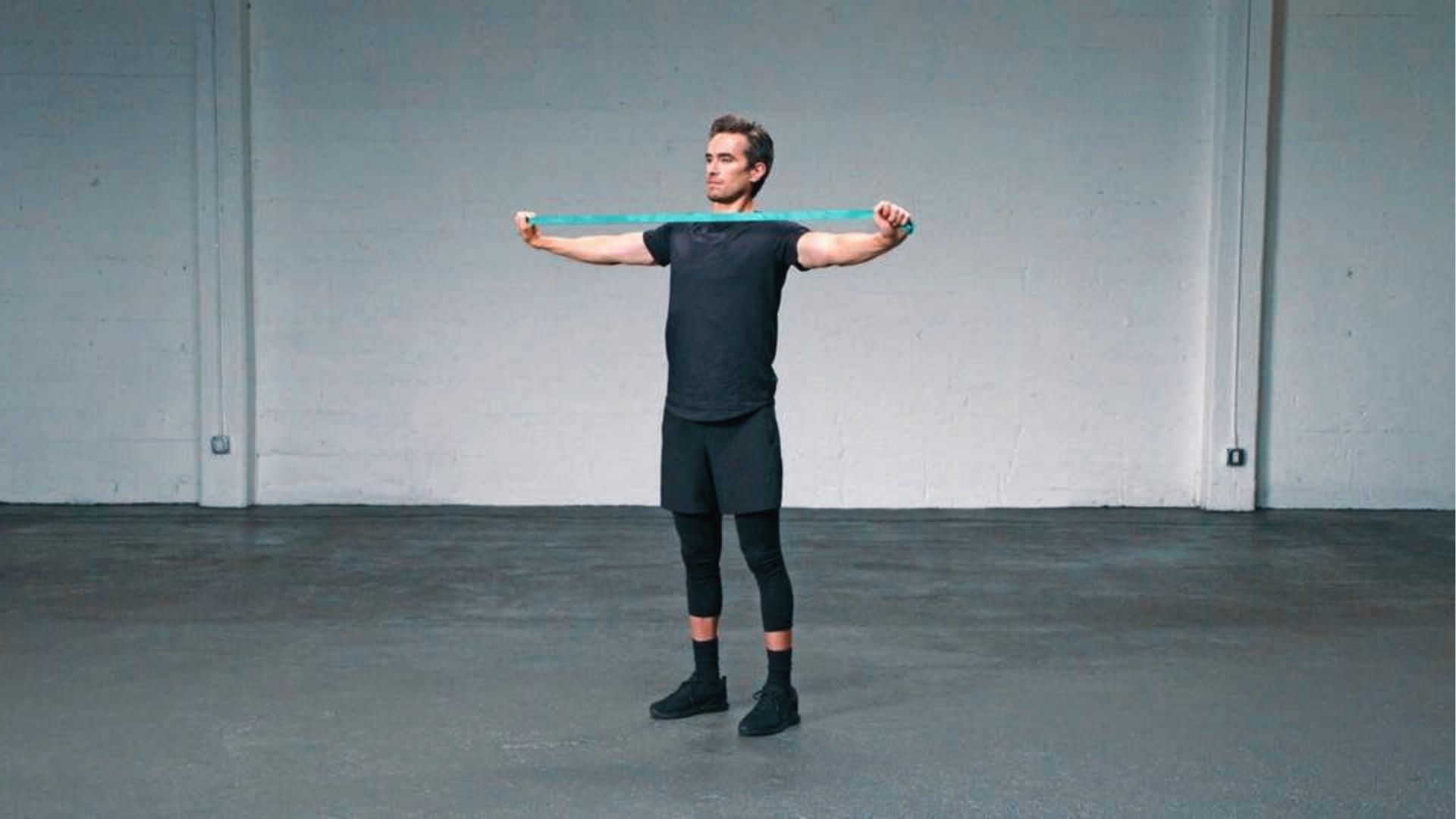
Sit or stand tall and squeeze your shoulder blades together gently. Hold for 5 seconds, then release. Repeat 10 to 15 times.
This strengthens the muscles surrounding the shoulder blade that directly support the rotator cuff during movement.
Strong shoulder blade muscles take a lot of pressure off the injured area during daily tasks.
6. Arm Reach for Control and Mobility
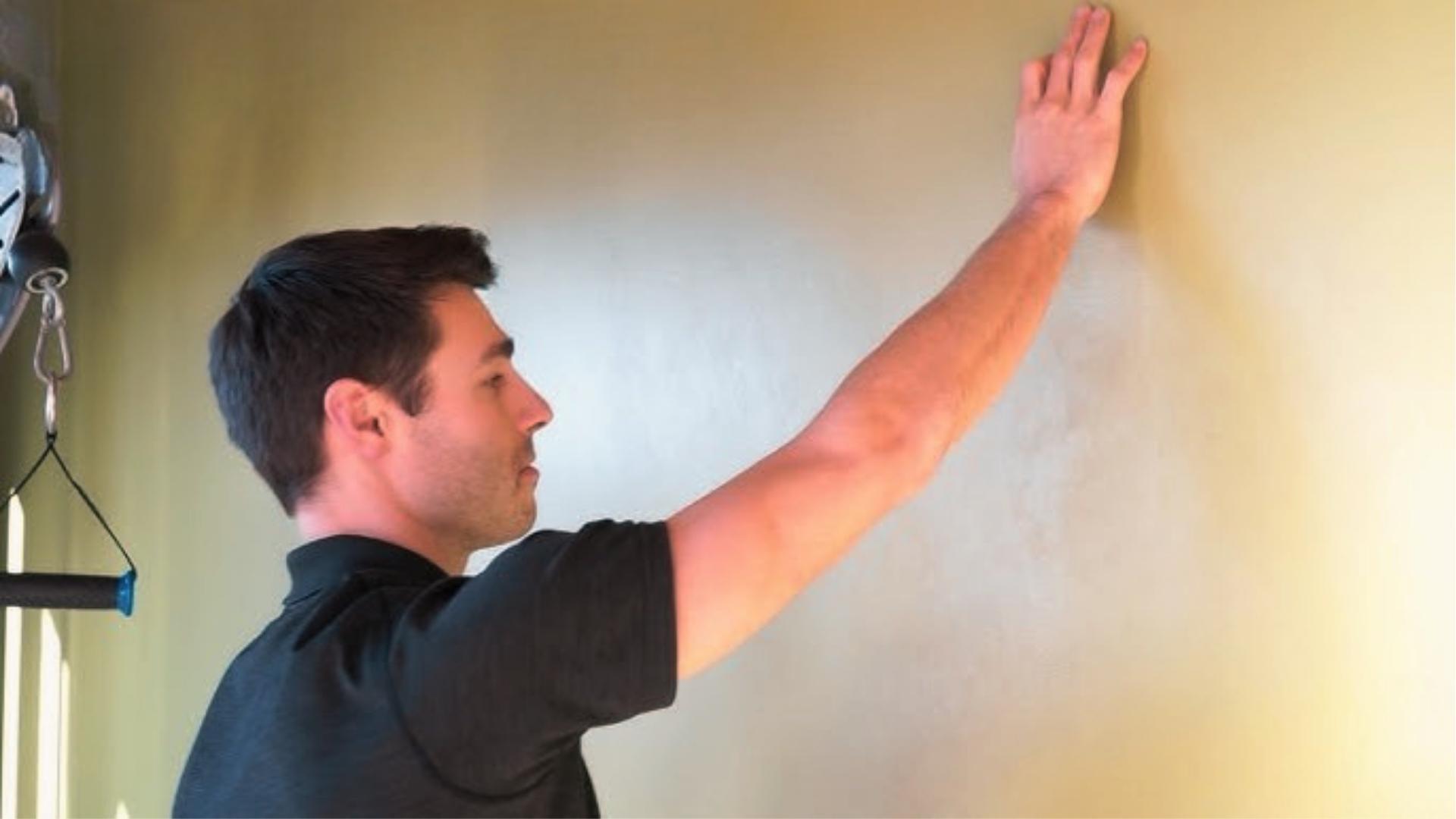
Stand facing a wall and use your fingers to slowly walk your hand up as high as you can without pain. Hold for a few seconds at the top, then walk back down. Do this 10 times.
It builds range of motion gradually without forcing the shoulder. This move also gives you a simple way to track your progress week by week as your reach improves.
7. Side-Lying External Rotation for Strengthening

Lie on your uninjured side and hold a light dumbbell with your elbow bent at 90 degrees. Rotate your forearm upward slowly, then lower it back down. Do 3 sets of 10 reps.
This is one of the most effective moves for rebuilding rotator cuff strength safely.
The side-lying position removes gravity from the equation and lets you focus fully on controlled muscle activation.
Exercises to Avoid With Rotator Cuff Injury

Some movements can make your injury worse, even if they feel fine at first.
Overhead Presses and Heavy Lifting
Any move where you push weight above your head puts serious strain on the rotator cuff. Avoid shoulder presses, military presses, and heavy lat pulldowns until fully healed.
Push-Ups and Bench Press During Pain
These moves load the shoulder in ways that can aggravate a tear or inflamed tendon. Even modified push-ups can cause setbacks if done too early.
High-Intensity Throwing or Jerking Movements
Fast, forceful arm movements like throwing a ball or swinging a racket can re-injure healing tissue. These should be the last movements you return to after recovery.
Excessive or Aggressive Stretching
Stretching through sharp pain is never helpful. Over-stretching a damaged tendon can slow healing. Mild tension is okay. Pain is not.
Safe Rehab Routine and Progression Plan

A structured plan keeps your recovery moving forward without setting you back.
How to Structure Daily and Weekly Exercises
Start with mobility exercises like the pendulum and arm reach in the first one to two weeks. Add stretches like the doorway stretch next. Save strengthening moves like band rotations for weeks three and four.
Aim for five days a week, with rest on two days.
Repetition, Sets, and Resistance Guidelines
Begin with 2 sets of 10 reps for each exercise. Use very light resistance. As pain decreases, move to 3 sets of 15. Only add more resistance when the current level feels easy and pain-free.
Progressing from Mobility to Strengthening Safely
Never rush this part. Mobility comes first. Strength follows. Trying to lift heavy before the joint is ready often causes re-injury. Listen to your body and progress slowly.
Tips for Faster Rotator Cuff Recovery
Small daily habits can speed up healing and keep you from going backward.
- Warm up before rehab with gentle arm circles. Cool down for five minutes after every session.
- Use ice for swelling in the first 72 hours, then switch to heat before exercise.
- Sit tall throughout the day and keep your shoulders back. Good posture supports healing without any extra effort.
- Return to workouts slowly. Build up strength around the shoulder before adding any real load or resistance.
- Stop immediately if pain returns during any activity. Pain is a signal, not something to push through.
- Stay consistent with rehab even when the shoulder feels fine. Skipping sessions often leads to re-injury later.
Conclusion
Recovery takes time, and I know some days feel slower than others. But staying consistent with these safe exercises with rotator cuff injury truly makes a difference. Start small, be patient, and trust the process.
I've seen people go from barely lifting a cup to returning to full workouts by simply sticking to gentle, steady rehab. You can do this too.
If this guide helped you, leave a comment below or share it with someone who needs it. More recovery tips are waiting for you in our related posts.
Frequently Asked Questions
Can I exercise with a rotator cuff injury without making it worse?
Yes, but only with the right moves. Gentle exercises like the pendulum and shoulder blade squeeze are safe for most people. Always stop if you feel sharp pain.
How long does rotator cuff recovery take?
It varies. Minor injuries may heal in 4 to 6 weeks. Larger tears or surgery recovery can take 4 to 6 months. Consistent rehab speeds things up.
Is it okay to lift weights with a rotator cuff injury?
Heavy lifting should be avoided early on. Once pain decreases and mobility returns, light weights under a physio's guidance can be reintroduced carefully.
Should I use heat or ice for rotator cuff pain?
Use ice for fresh pain or swelling. Use heat to loosen stiff muscles before exercise. Both have a place depending on where you are in recovery.
When should I see a doctor about my rotator cuff?
See a doctor if pain is severe, doesn't improve in two to three weeks, or if you felt or heard a pop at the time of injury. A scan may be needed to check for a full tear.