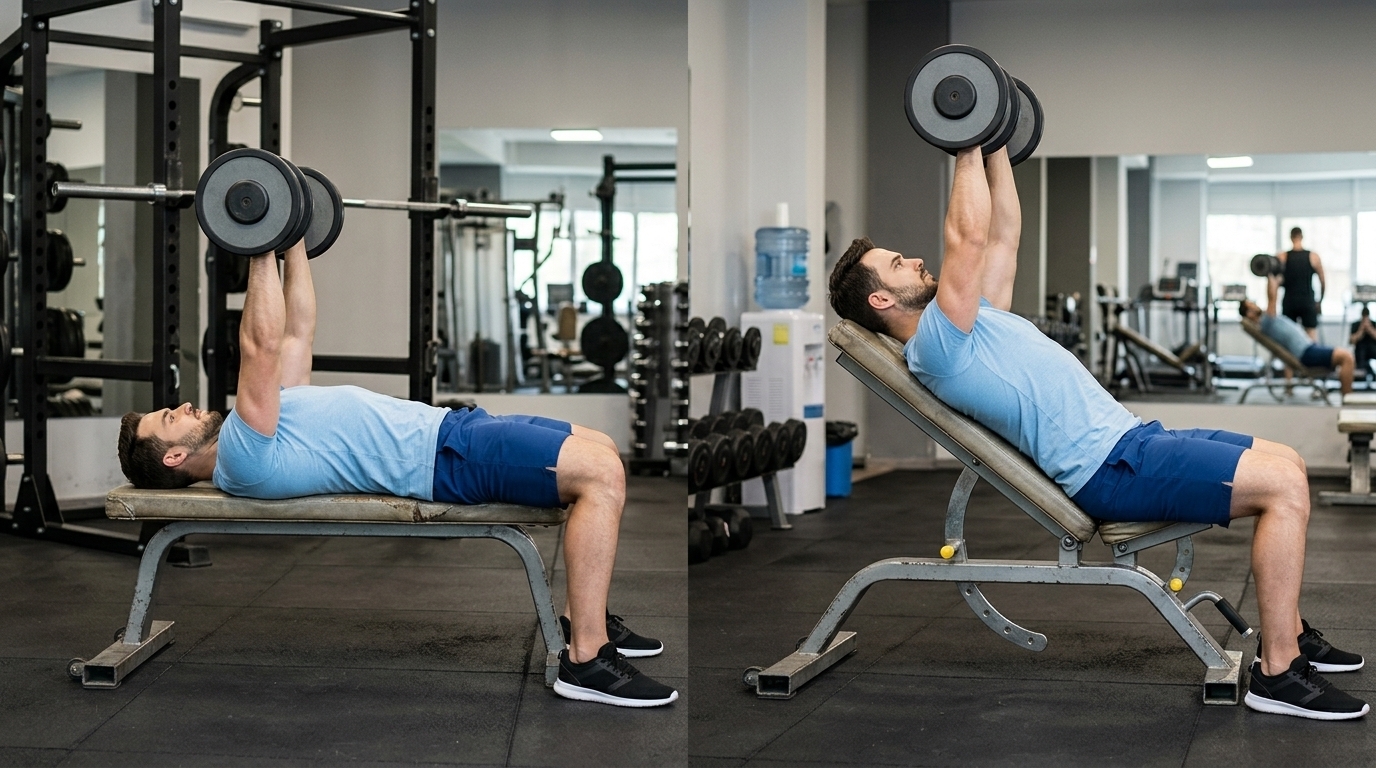
Recovery doesn’t get nearly enough credit. Most athletes and gym-goers obsess over training — the sets, the reps, the miles — but the real gains happen when your body repairs itself afterward. Skip quality recovery and you’re not just sore; you’re slower to progress, more prone to injury, and more likely to burn out before your goals catch up to your effort.
Muscle soreness, joint stiffness, and fatigue between sessions aren’t just uncomfortable — they chip away at training consistency, which is the one variable that matters most over time. Miss enough sessions because you’re still wrecked from the last one and the program stops working.
That’s why red light therapy has quietly become a fixture in serious recovery routines. It’s non-invasive, requires zero effort during the session, and the research backing its use for muscle recovery has grown substantially over the past few years.
The growing number of device formats can make it difficult to know which option best fits your needs. Comparing independent red light therapy device reviews can help users understand the differences between panels, wearable devices, mats, and other recovery-focused systems before investing in a device. This guide breaks down the best ones worth your attention.
How Red Light Therapy May Support Muscle Recovery
The science comes down to what happens at the cellular level. Red and near-infrared wavelengths penetrate muscle tissue and get absorbed by mitochondria, stimulating ATP production — the energy currency your cells use to repair damage after training. More ATP availability post-workout means faster fiber repair and less time stuck in the soreness window.
Tackling DOMS is where most athletes notice it first. Delayed onset muscle soreness peaks 24–48 hours after intense training and is driven by microscopic fiber tears triggering inflammation.
Red light therapy is thought to modulate — not suppress — that inflammatory response, supporting repair without blunting the adaptation signal your muscles need to grow stronger.
Joint mobility and tissue repair matter just as much, especially for athletes carrying chronic tightness or coming back from injury. Connective tissue — tendons, fascia, ligaments — also responds to red light exposure. Regular use tends to reduce post-session stiffness and support the kind of tissue repair that keeps you training consistently over the long haul.
What to Look for When Choosing a Device
The treatment area is the first call. Are you targeting a specific problem spot, or do you want full-body coverage after every session? That single question narrows down the format fast.
Panels and pods cover large areas efficiently. Mats are great for lying down on recovery days. Athletes focused on specific spots — lower back, hips, knees — often do better with wearable solutions since they allow treatment without staying stationary. That’s driven a lot of interest inred light therapy belts built for targeted recovery. Match the device to your actual lifestyle, not the most impressive spec sheet.
Best Red Light Therapy Devices for Muscle Recovery and Athletic Performance
Here’s a breakdown of the top options across different recovery needs and budgets.
NOVAA PULSE R — Best for Targeted Muscle Relief
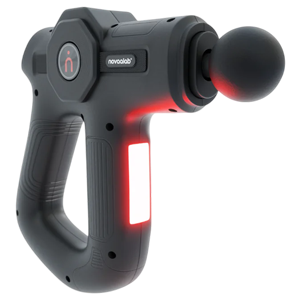
Portable, precise, and built for spot treatment. Delivers red and near-infrared wavelengths directly to wherever you need it — shoulders, knees, lower back, or any area carrying post-workout tension. No full setup required; just place it and go.
Hooga Full Body Pod — Best for Whole-Body Recovery

For athletes training multiple times per week who want full coverage every session without repositioning. The pod format handles everything at once, which makes it easy to keep recovery consistent. Best fit for strength and endurance athletes who need a reliable daily reset.
Bestqool Red Light Therapy Mat — Best for Relaxing Sore Muscles

A natural fit for rest days and wind-down recovery. The mat covers a broad area while you lie down and do nothing — which is often exactly what recovery calls for. Low effort, comfortable, and easy to build into an evening routine.
RLT Home Total Spectrum ELITE — Best for Serious Athletes
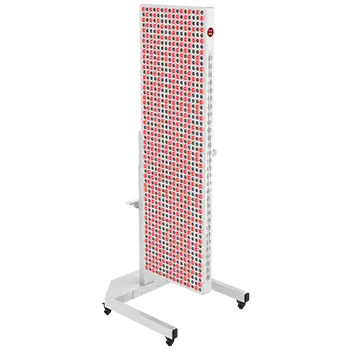
More wavelength range than most consumer devices, large coverage area, and versatile enough to grow with your needs. A solid centerpiece for a recovery-focused home setup if you’re committed to performance and want something that won’t become a bottleneck.
FlexBeam by Recharge Health — Best Wearable
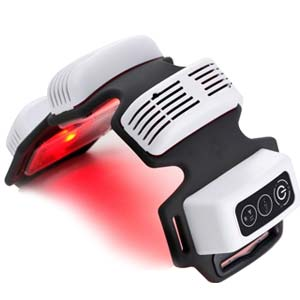
Wraps around the target area, stays hands-free, and travels well. The best option for people who can’t sit still for a dedicated recovery session — stack it with other tasks, wear it during a call, bring it on the road. Practical in a way most recovery tools aren’t.
Red Light Man Infrared Body Light — Best Budget Pick
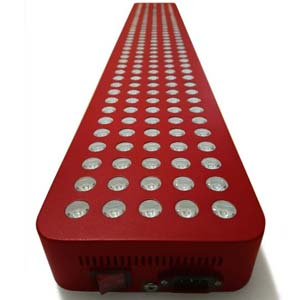
Strong output, simple design, accessible price. An entry point for beginners and home users who want to experience red light therapy without committing to a premium setup first.
Which Device Fits Your Goals?
For targeted recovery, the NOVAA PULSE R and FlexBeam are the two strongest options depending on whether you prefer stationary or wearable use.
For full-body recovery, the Hooga Pod, Bestqool Mat, and RLT Home ELITE all deliver — pick based on your space and how you like to recover.
On a tighter budget, the Red Light Man Infrared Body Light is a legitimate starting point that doesn’t require a big financial commitment upfront.
The best device is the one that actually fits your routine. Consistent use of a mid-range device beats occasional use of the best one on the market.
Final Thoughts
Recovery is half the training equation — the half most people underinvest in. Red light therapy isn’t a shortcut or a replacement for sleep, nutrition, and smart programming, but it can be a meaningful addition to a recovery routine that’s already doing the basics right.
Whether you go with a wearable, a mat, a full-body pod, or a simple handheld device, what matters most is matching the format to your actual lifestyle. A device that fits your routine gets used. A device that doesn’t, doesn’t. Evaluate coverage area, convenience, and your specific recovery goals before buying — and start there.