

You've probably finished a sweaty workout and thought, "I must have burned a lot of calories." I used to think the same thing.
But does sweating burn calories, or are we just losing water? It's one of the most common fitness mix-ups out there.
In this article, I'll break down what sweating actually does to your body, why the scale drops after a sweaty session, and what truly burns calories.
I've spent time researching fitness science so you don't have to dig through confusing information. The answer might surprise you but it will help you make smarter choices in and out of the gym.
What Sweating Actually Does to Your Body
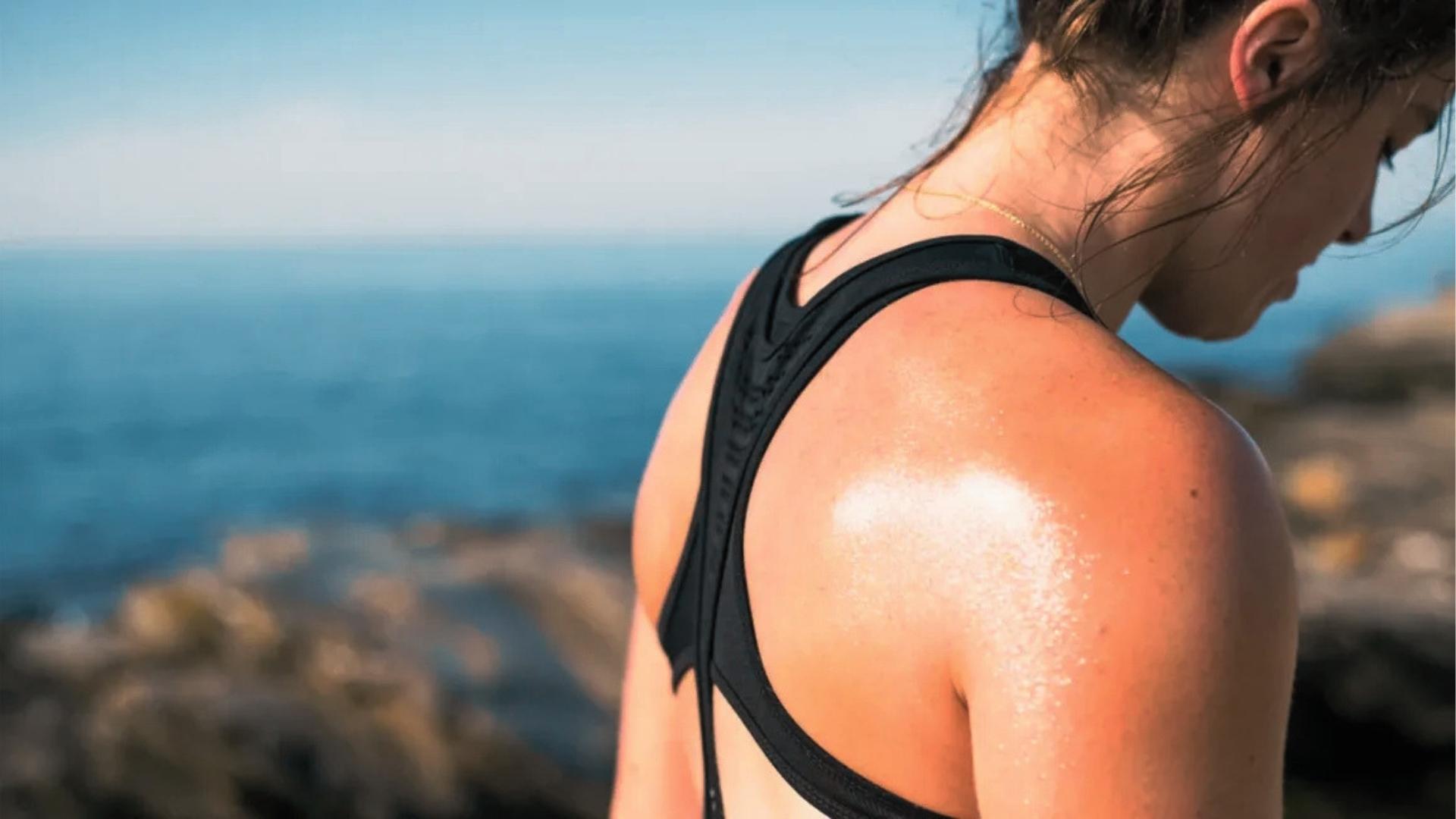
Sweating is your body's built-in cooling system, not a fat-burning tool. Your body has millions of sweat glands.
When your temperature rises from heat or exercise, your nervous system signals these glands to release fluid onto your skin.
That fluid evaporates and cools you down. That's it. Sweat exists to keep you from overheating, not to burn fat or get rid of calories.
Heat or movement raises your core temperature, your brain sends a signal, sweat comes out, and your body cools down. It's a smart system. But it's a cooling system, not a calorie-burning one.
Does Sweating Burn Calories or Not?
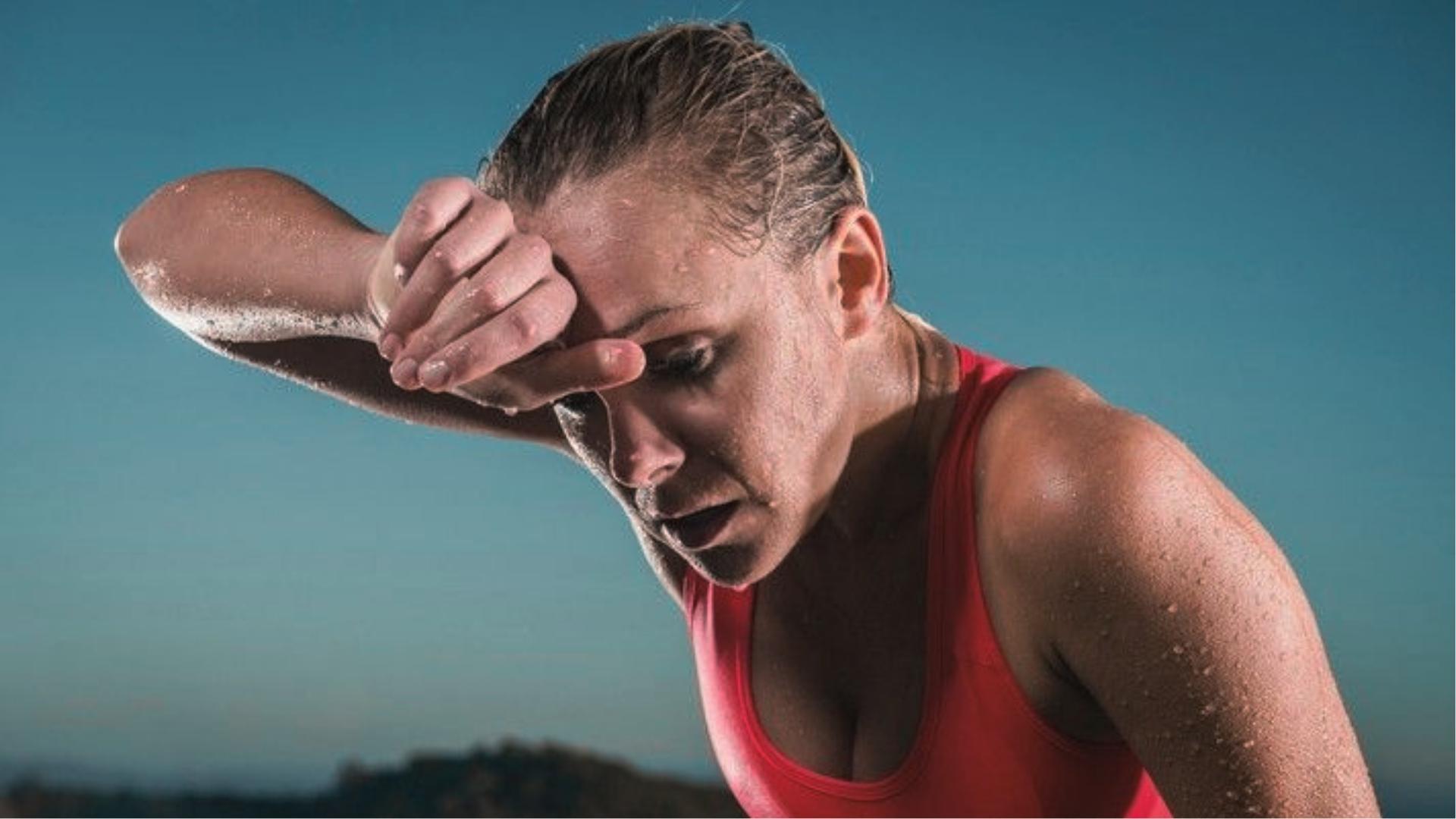
The short answer is no, at least not in any meaningful way.
Calories are burned through metabolic activity things like moving your muscles, breathing, and keeping your organs running.
When you exercise, your muscles work hard and burn energy. That's where real calorie burn happens.
Sweating itself uses very little energy. Your body spends almost no extra calories just to produce sweat. The sweat is a side effect of your effort, not the cause of your calorie burn.
What Actually Burns Calories
Sweat has nothing to do with it, here's what it actually does.
- Muscle movement during exercise
- Increased heart rate from cardio
- Strength training that builds metabolic tissue
So if you're sweating during a run, the run is burning calories not the sweat. The two happen at the same time, which is why people connect them. But they are not the same thing.
Why You Lose Weight After Sweating (But Not Fat)

That drop on the scale after a sweaty session? It's mostly water, not fat.
Why the Scale Drops After Sweating
That drop on the scale after a sweaty session? It's mostly water, not fat. After a hard workout or a sauna session, you might notice the scale is lower.
This feels great. But this weight loss is temporary. It comes back as soon as you drink water and rehydrate. Your body loses fluid through sweat.
That fluid has weight. So the scale drops. But fat hasn't gone anywhere.
Common Examples
Sauna: People sit in high heat and sweat heavily. Some lose a pound or two. But once they drink water, the weight returns within hours.
Hot yoga: The warm room makes you sweat more than usual. You feel like you worked harder. But the extra sweat doesn't mean extra fat loss.
This is one of the most common fitness myths. Weight loss and fat loss are not the same thing. Real fat loss happens over time through consistent habits, not through sweating more.
Does More Sweat Mean a Better Workout?
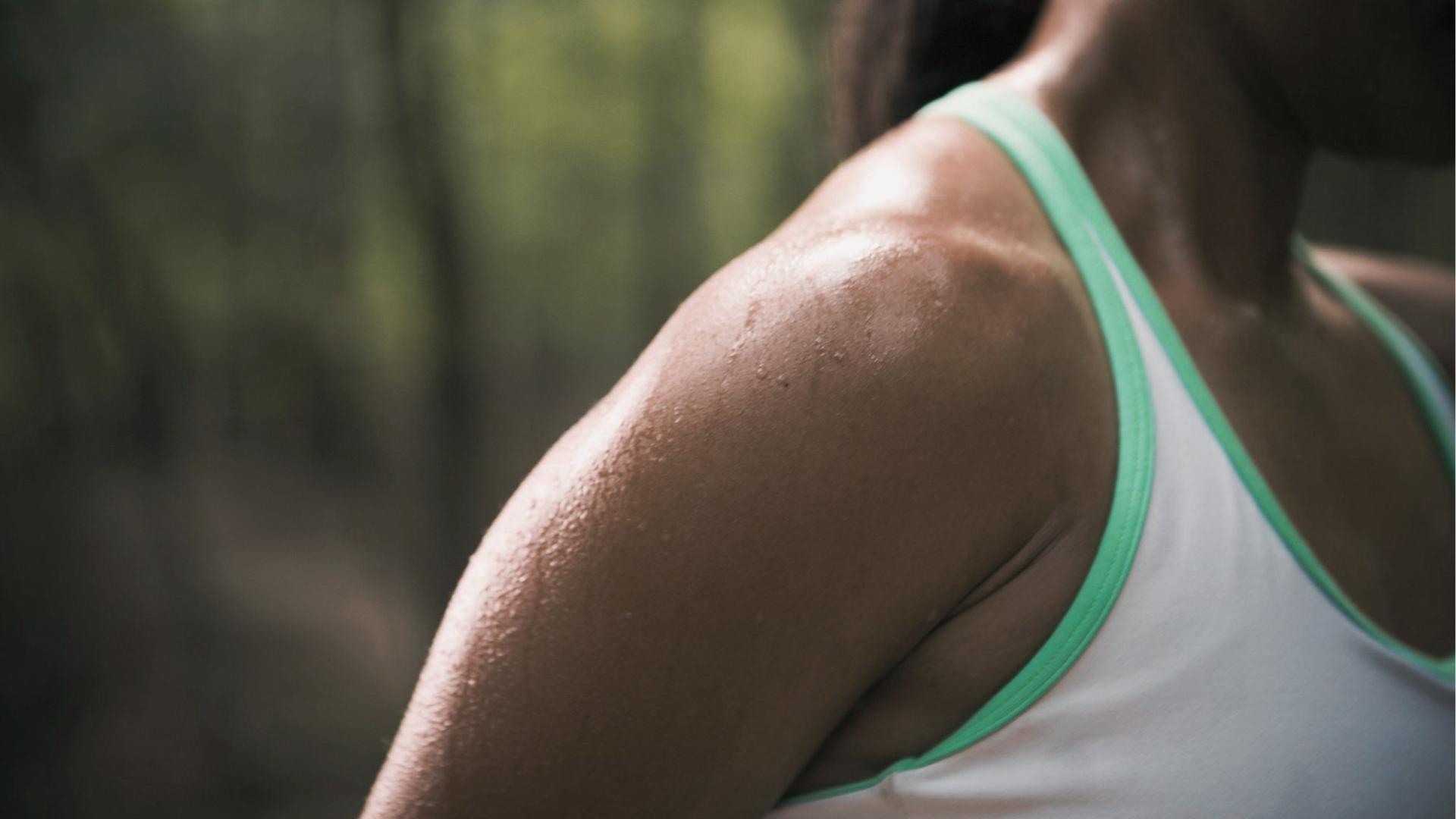
Not always sweat levels vary by person, fitness level, and environment.
Some people drip sweat during light activity. Others barely sweat during intense sessions. Both can be completely normal.
Why Sweat Levels Differ
- Genetics: some people have more active sweat glands
- Fitness level:trained athletes often start sweating earlier because their cooling system is more efficient
- Temperature: you sweat more in a hot room than in a cold gym
- Humidity: sweat evaporates slower in humid air, making you feel wetter
A cold-weather run burns serious calories. So does swimming. Neither one makes you sweat much. But both are highly effective workouts.
Low sweat does not mean low effort. Focus on intensity and consistency, not how wet your shirt gets.
What Actually Influences How Many Calories You Burn
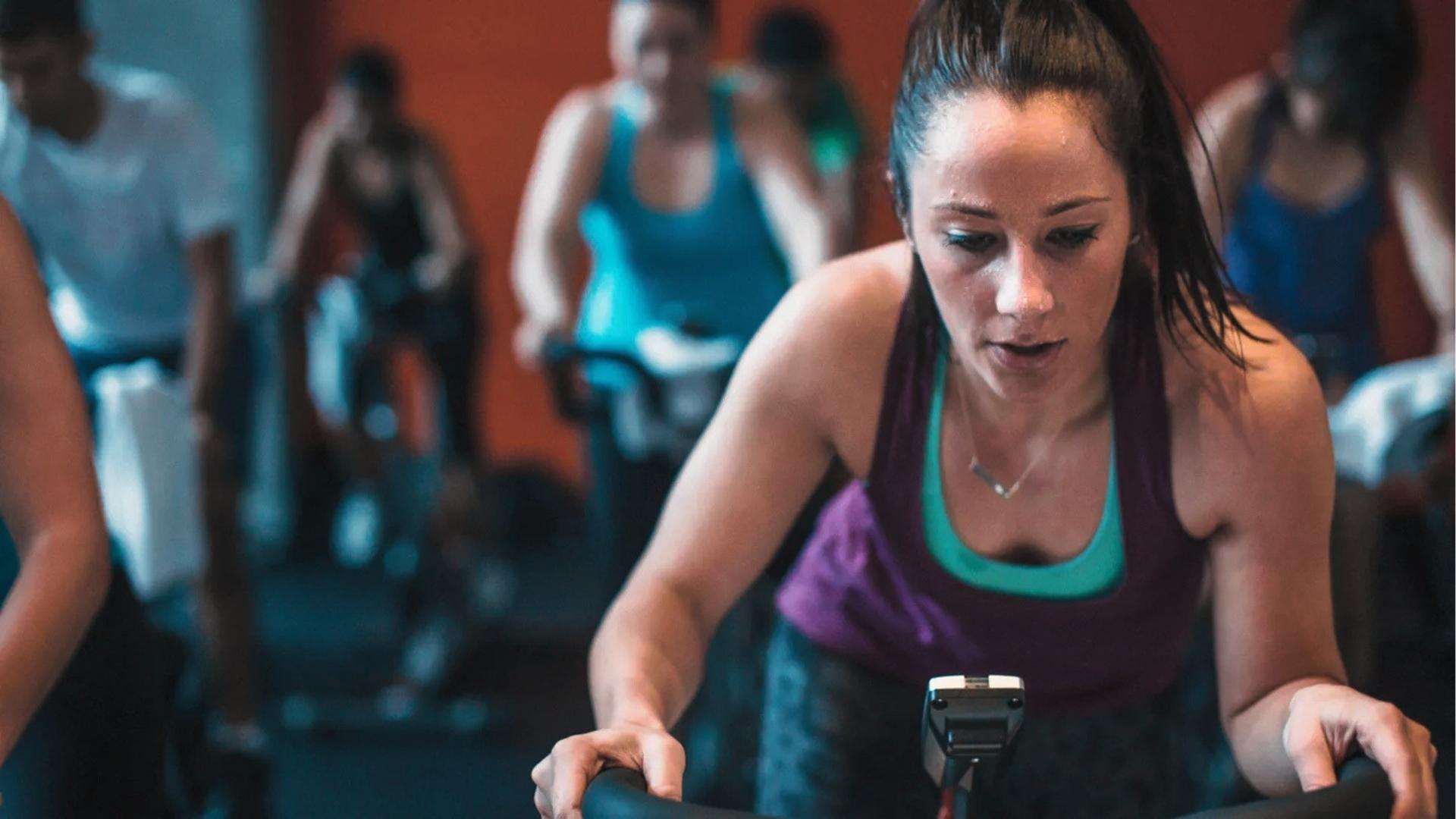
Your workout type, body size, and effort level matter far more than sweat. Here's what science actually links to calorie burn
Exercise Type: Cardio like running or cycling burns calories during the session. Strength training builds muscle, which burns more calories even at rest. HIIT (high-intensity interval training) combines both benefits.
Body Weight: Larger bodies use more energy to move. So two people doing the same workout may burn very different amounts of calories.
Fitness Level: As your body gets used to exercise, it becomes more efficient. A beginner might burn more calories doing the same activity as a trained athlete, because the trained body has learned to do it with less effort.
None of these factors involve sweat. They involve real physical effort and body science.
Health Risks of Using Sweat as a Weight Loss Tool
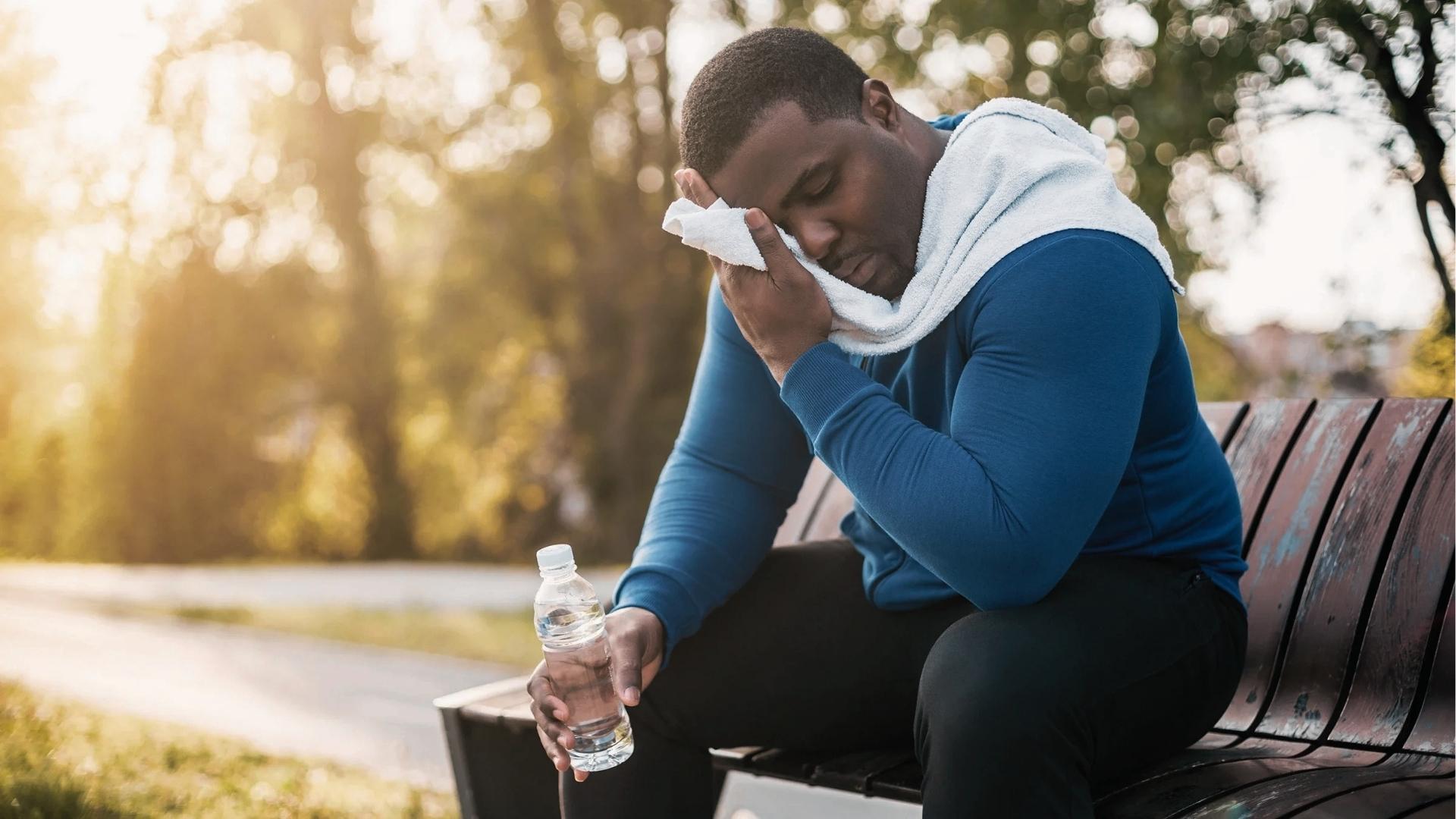
Some people wear extra layers, sit in saunas for too long, or avoid drinking water to "keep the weight off." This is dangerous.
Signs of Dehydration to Watch For
Know these early signs before they slow you down.
- Dizziness or lightheadedness
- Dark yellow urine
- Dry mouth
- Muscle cramps
- Fatigue that feels unusual
Dehydration affects your performance, your focus, and your heart. Losing fluid without replacing it puts real stress on your body.
Athletes in weight-class sports sometimes cut water weight before weigh-ins. This is a known risk and not something to copy in everyday fitness.
The weight you lose through sweat comes back. The damage from dehydration can take longer to fix.
Tips to Stay Hydrated During Workouts
Simple habits that keep your body working well during exercise.
- Drink water before you start exercising your body needs it ready, not playing catch-up mid-workout.
- Sip water throughout your workout, especially in warm conditions, to keep your performance and focus steady.
- Rehydrate after heavy sweating right away, don't wait until you feel thirsty because that's already too late.
- Learn the early signs of dehydration so you can act fast before it affects your workout.
- For sessions longer than an hour, add electrolytes to your drink to replace what sweat takes out.
Conclusion
So, does sweating burn calories? Not in any meaningful way. Sweat cools your body and it doesn't melt fat. I know it feels like a sign of hard work, and it can be.
But the real progress comes from consistent movement and smart eating habits. Don't judge your workout by how wet your shirt is.
Judge it by how hard you pushed. If this helped clear things up, drop a comment below or share it with someone who needs to hear it.
Frequently Asked Questions
Can a Sauna Help With Weight Loss?
A sauna only causes temporary fluid loss that shows up on the scale, but it is not real fat loss. Once you drink water, the weight comes right back.
Why Do I Sweat So Much Compared to Others?
Sweat levels depend on genetics, fitness level, and your environment. Fit people often sweat earlier because their cooling system works better. It does not reflect your effort level.
Is It Bad to Not Sweat During a Workout?
Not at all. Cold environments, swimming, or certain body types naturally produce less sweat. Less sweat does not mean less effort or fewer calories burned during exercise.
How Much Water Should I Drink During Exercise?
A general guide is about half a liter of water per hour of moderate exercise. In heat or intense sessions, drink more and always rehydrate after.
Does Sweating Burn Calories During a Workout?
Sweating itself burns very few calories. The real calorie burn comes from the exercise and muscle movement behind the sweat, not the sweat itself.


