
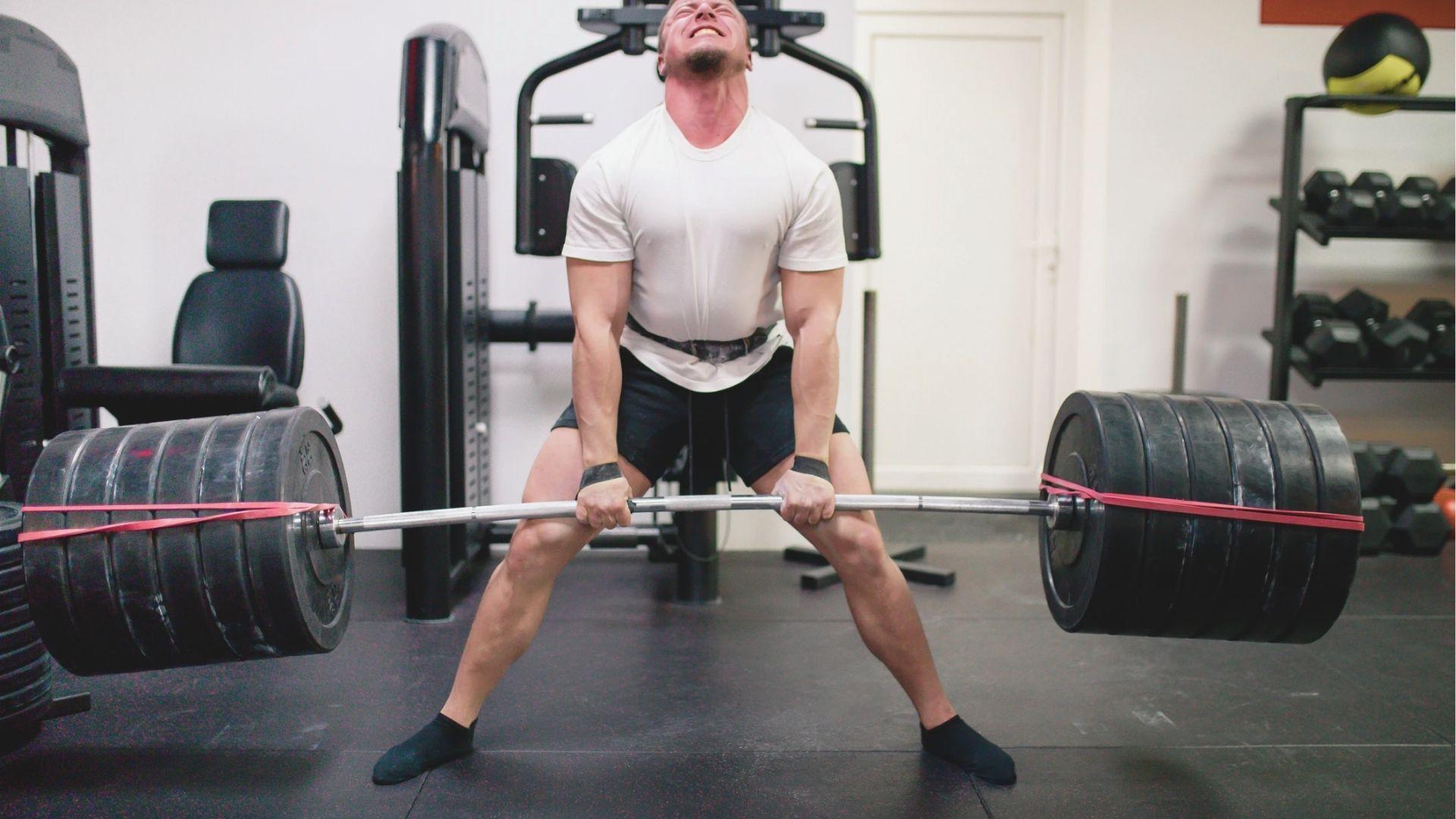
You've probably seen it at the gym. Someone loads the bar with too much weight, struggles through shaky reps, and risks getting hurt. That's ego lifting.
This article breaks down what ego lifting is, why it holds you back, and the 7 clear signs you need to watch for. You'll also get simple tips to fix it.
I've been lifting for years and made these same mistakes early on. Trust me, training smarter always beats training heavier.
By the end, you'll know exactly how to lift with control and get real results.
What Is Ego Lifting?

Ego lifting means loading more weight than you can safely control. It's about looking strong, not actually getting strong.
People do it because of gym comparisons, social media pressure, and thinking heavier always means better. These habits lead to bad decisions under load.
There's a clear difference between lifting heavy with control and lifting recklessly. Smart lifting means your form holds. Ego lifting means the weight controls you. Form breaks. Progress slows. Injuries follow.
Why Ego Lifting Is a Problem

Ego lifting does more damage than most people realize. Here's why it's a serious issue worth addressing.
Increased Risk of Injury
When you lift beyond your ability, your body pays the price.
Common injuries from ego lifting include:
- Joint strain in knees, elbows, and wrists
- Muscle pulls from overloading without preparation
- Lower back and shoulder issues from poor mechanics under heavy loads
These injuries can keep you out of the gym for weeks or even months.
Poor Muscle Activation
When you use too much weight, other muscles step in to help. This is called compensation.
Your target muscle does less work. Your weaker muscles do more. Over time, this creates muscle imbalances and reduces the effectiveness of every exercise you do.
You're putting in the effort but not getting the results.
Slower Progress Over Time
This is the part most people don't expect.
Lifting too heavy with bad form means less tension on the target muscle. Less tension means less growth. Add in poor recovery from overloading your joints, and progress slows down fast.
You end up working harder for less return.
Mental Burnout and Frustration
Chasing numbers is exhausting.
When your focus is on what's on the bar instead of how you feel and perform, burnout follows. Constant comparison with others adds pressure that leads to frustration, not motivation.
Training stops being fun. That's a problem.
7 Signs You're Ego Lifting
These signs are easy to miss at the moment. But once you know what to look for, they're hard to ignore.
1. Your Form Breaks Down During Lifts

This is the clearest sign.
Watch for:
- Rounded back during deadlifts or rows
- Poor posture on pressing movements
- Unstable movement patterns throughout the lift
If your body is compensating just to move the weight, the weight is too heavy. Good form should hold from the first rep to the last.
2. You Use Momentum Instead of Muscle Control

Momentum is not strength.
Signs include:
- Swinging weights during curls or lateral raises
- Jerking through reps to get past the hard part
- Bouncing the barbell off your chest during bench press
If momentum is doing the work, your muscles aren't. Drop the weight and feel the difference.
3. You Cannot Complete Full Range of Motion

Partial reps with heavy weight are not impressive. They're a warning sign.
Look for:
- Half reps that stop before the muscle fully shortens
- Incomplete lockouts at the top of presses
- Shallow squats that don't reach proper depth
Full range of motion builds more muscle and keeps joints healthy. Cutting it short defeats the purpose.
4. You Lift Through Joint or Sharp Pain

There's a difference between muscle fatigue and actual pain.
Fatigue is the burn you feel when a muscle is working hard. That's normal.
Sharp pain in a joint or sudden pain during a movement is a warning. That's your body telling you to stop. Pushing through it is how injuries happen.
Stop the set. Lower the weight. See a professional if the pain continues.
5. You Focus Only on Increasing Weight

Progress is not just about adding weight to the bar.
If you ignore:
- Technique improvements
- Recovery quality
- How a movement actually feels
And only care about the number on the bar, you're ego lifting.
Real progress means getting better at the movement, not just heavier.
6. You Need Constant Help from a Spotter

A spotter is for safety, not for lifting the weight for you.
If your spotter is pulling most of the weight on every rep, you're not lifting it. They are.
You've lost independent control of the load. That's a sign the weight needs to come down.
7. You Skip Warm-Ups and Recovery Work

Rushing straight into heavy sets without warming up is a red flag.
Skipping:
- Dynamic warm-ups
- Mobility work
- Activation sets
Sets your body up to fail under heavy loads. It also leads to tighter muscles, worse performance, and a higher chance of injury.
Preparation is part of the lift.
How to Avoid Ego Lifting
Small changes in how you train make a big difference. These steps will help you train smarter and get better results.
Prioritize Proper Form First
Before you add weight, master the movement.
Focus on:
- Controlled reps through a full range of motion
- Body position and alignment on every set
- Feeling the right muscles working
Once the movement feels solid and consistent, then you can increase the load.
Use Progressive Overload Correctly
Progressive overload works best when done gradually.
That means:
- Adding small amounts of weight over time
- Tracking your workouts to measure real improvement
- Giving your body time to adapt before pushing harder
It's not about jumping up in weight every session.
Choose the Right Weight for Your Goal
Different goals need different approaches.
- Strength training usually means heavier weights with lower reps (3 to 6)
- Muscle building works best with moderate weights and higher reps (8 to 15)
If you can't complete the reps with good form, the weight is too heavy for that goal. Adjust it.
Slow Down Your Tempo
Slowing down your reps is one of the best tools you have.
A controlled lowering phase (the eccentric) keeps tension on the muscle longer. It also improves stability and control under load.
Try a 3-second lower on your next set. You'll likely need to use less weight and feel more.
Stop Comparing Yourself to Others
The person next to you has different genetics, experience, and goals.
Focus on:
- Your own numbers from last week
- Your own form improvements
- Your own recovery and how you feel
Consistency over months beats comparison at any single moment.
Record Your Lifts or Get Feedback
You can't always see what you're doing wrong.
Recording yourself on video gives you an honest look at your form. Watch it back and be critical.
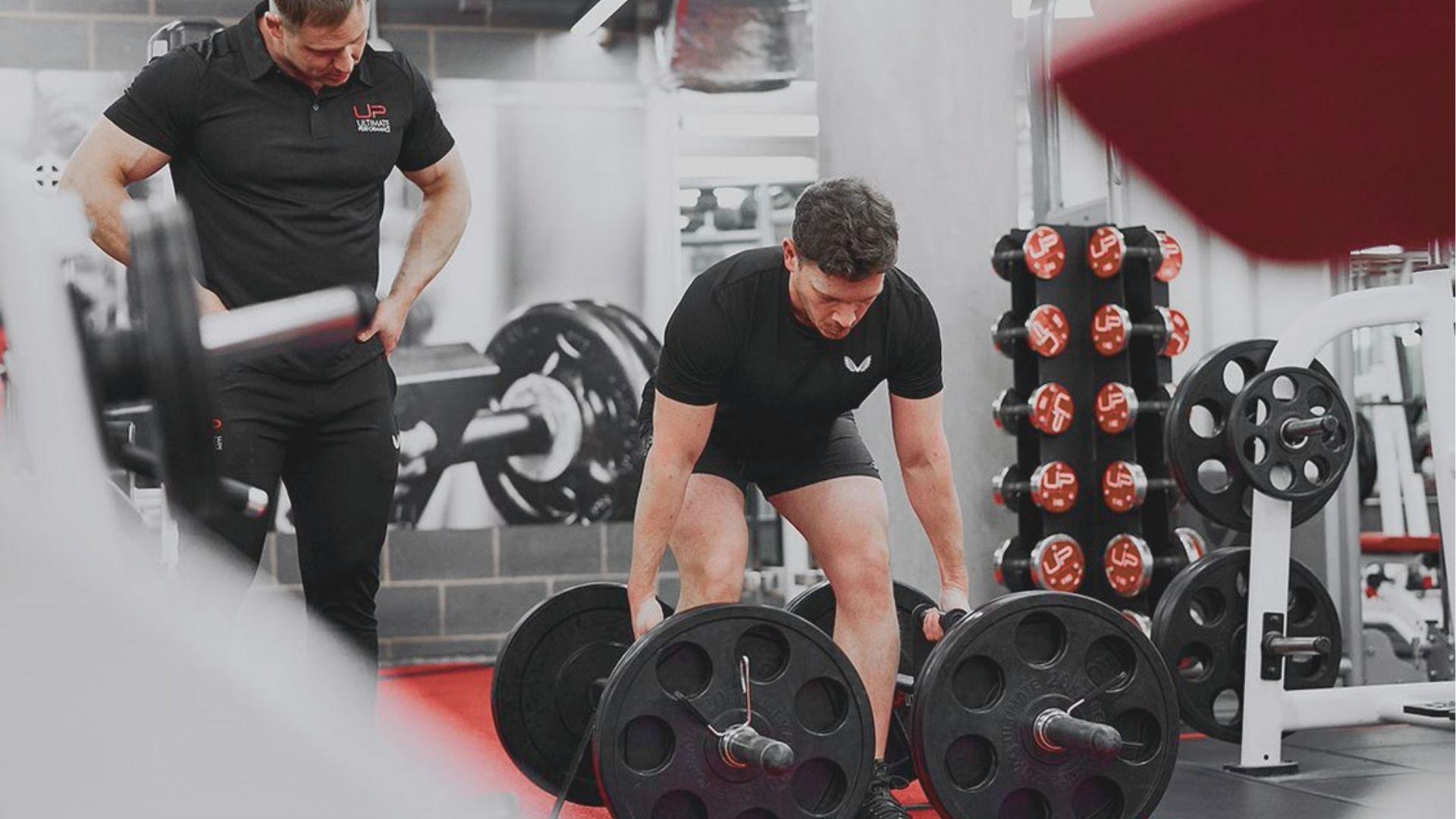
You can also work with a coach or training partner who can give real-time feedback. Outside eyes catch things you miss.
How to Lift Heavy Safely

Lifting heavy can absolutely be part of your training. You just need to do it the right way.
Warm Up Properly Before Heavy Sets
Never skip your warm-up before a big lift.
Start with light cardio or movement to get blood flowing. Then do several warm-up sets, building up to your working weight slowly. Your joints and muscles need time to prepare.
Brace Your Core and Maintain Stability
A tight core protects your spine during every heavy lift.
Before you pull, press, or squat, take a deep breath and brace your core like you're bracing for a punch. Hold that tension throughout the lift.
This protects your lower back and keeps your whole body stable.
Know When to End a Set
A set should end before form breaks down.
If you feel your back rounding, your knees caving, or your control slipping, stop the set. That rep is not worth completing at the cost of your technique.
Leave one or two reps in the tank on heavy sets. That's smart training.
Prioritize Recovery and Rest
Heavy training breaks down muscle. Rest is when it rebuilds.
Make sure you're getting:
- Enough sleep each night
- Rest days between heavy sessions
- Proper nutrition to support recovery
Lifting heavy without recovery leads to burnout and injury over time.
Conclusion
If you've ever caught yourself adding weight just to feel better in the gym, you're not alone. I've done it too. But the sets that built real strength were always the ones done with control, not chaos.
Start lighter than you think you need to. Focus on how the movement feels. Let the weight increase naturally over time.
Drop a comment below and tell me your biggest ego lifting moment. And if this helped, share it with someone who needs to hear it.
Frequently Asked Questions
What is the main cause of ego lifting?
The main cause is social pressure and comparison. People feel the need to match or beat others at the gym, which pushes them to lift more than they're ready for.
Can ego lifting cause long-term damage?
Yes, it can. Repeated strain on joints and muscles from poor form can lead to chronic pain, imbalances, and injuries that take months to recover from.
How do I know if I'm lifting the right weight?
You're using the right weight if you can complete all reps with good form, feel the target muscle working, and finish the set without losing control or stability.
Is it okay to lift heavy sometimes?
Yes, lifting heavy is a useful part of training when done correctly. The key is keeping proper form, warming up well, and increasing weight gradually over time.
How can beginners avoid ego lifting?
Beginners should focus on learning movement patterns first. Using lighter weights to build a foundation makes it easier to progress safely and avoid bad habits from the start.