

I started rucking with a 20-pound pack and had no plan. I got tired fast and quit after two weeks. That changed when I found structured rucking workout plans that matched my fitness level.
I have tested these plans and researched what actually works. This article covers 9 rucking workout plans for beginners, intermediates, and advanced fitness lovers.
You will learn how to start safely, how to build strength over time, and how to stay consistent. I bring real experience to this, not just theory.
Rucking is simple but effective when done right. If you want a clear, honest guide that gets results, keep reading.
Understanding the Basics of Rucking Training

Before picking a plan, know the ground rules of rucking to train smart and stay safe. Start light. Beginners should carry 10% of their body weight and peak at 35 to 50 pounds over time.
Going too heavy too soon leads to injury. A good starting pace is 15 to 20 minutes per mile, covering 2 to 3 miles per session, three times a week.
Rest days matter just as much as training days. Keep your back straight and shoulders back. Do not hunch under the weight. Stretch after every session.
Sleep and nutrition help your muscles recover faster than anything else.
9 Rucking Workout Plans for All Fitness Levels
Here are nine plans that cover every fitness level, from first-timers to seasoned ruckers.
Plan 1 – Basic Ruck Walk for Beginners

This plan is about showing up. You do not need to be fast or cover long distances. Pack weight should stay between 10 to 15 pounds. Walk on flat ground for 30 minutes and increase to 60 minutes after two weeks.
Keep a steady, relaxed pace throughout. If you have never rucked before, start here. This plan builds the base that every other plan depends on.
Objective: Build Endurance and Consistency
Plan 2 – Hill Rucking for Strength Building

Hills work your glutes, hamstrings, and calves harder than flat ground. Find a hill with a steady incline and walk up and down for 30 to 45 minutes.
No hills nearby? Set your treadmill to 8 to 12% incline. Your heart rate climbs faster, your legs work harder, and you burn more calories per mile. The added elevation makes every step count more than a flat route ever could.
Objective: Improve Leg Strength and Stamina
Plan 3 – Speed Interval Rucking

This plan pushes your heart and lungs without heavy impact on your joints. Walk fast for 2 minutes, then slow down for 1 minute. Repeat that cycle for 30 to 40 minutes and use a timer to stay on track.
Interval training teaches your body to handle speed changes over time. Your average pace improves steadily and your endurance grows with every session.
Objective: Boost Cardiovascular Fitness
Plan 4 – Ruck and Run Hybrid Workout

This plan is for people who want more out of a single session. Ruck for 5 minutes, then run for 2 minutes. Repeat that 6 to 8 times and keep the pack at 15 to 20 pounds so running stays manageable.
Switching between rucking and running trains your body to adapt quickly. This builds a different kind of stamina that transfers well to other sports and physical activities.
Objective: Combine Endurance and Agility
Plan 5 – Ruck with Bodyweight Exercises

This plan builds strength and endurance at the same time. Every half mile, stop and do 10 squats, 10 push-ups, and 10 lunges. Keep the pack on during squats and lunges and remove it for push-ups if needed.
Training with weight on your back teaches your muscles to work under pressure. Over time, this builds real-world functional strength that carries over into daily life.
Objective: Full-Body Functional Training
Plan 6 – Tabata-Style HIIT Rucking

This plan is short but tough. Ruck as fast as possible for 20 seconds, then rest for 10 seconds. Repeat for 8 rounds, which equals 4 minutes total.
Rest for 1 minute and then do another full round. Tabata training keeps your body burning calories even after you stop moving.
This makes it one of the most time-efficient plans on the entire list.
Objective: High-Intensity Fat-Burning Workout
Plan 7 – Intermediate Circuit Ruck Training

This plan is built for people past the beginner stage who want more challenges. Set up 4 to 5 stations along a route and at each stop, do a timed exercise for 45 seconds.
Good options include push-ups, step-ups, dips, or planks. Ruck between each station to keep your heart rate up. Circuit training improves coordination, strength, and stamina together instead of focusing on just one area.
Objective:Combine Endurance and Strength Circuits
Plan 8 – Advanced Ruck March Challenge

This is the hardest plan on the list and it is not for beginners. Carry 35 to 50 pounds over 10 to 12 miles and set a strict target time. No stops except for water breaks.
You need a solid training base before attempting this. Train consistently for at least 3 months first. This plan tests both your physical limits and your ability to stay mentally focused under real fatigue.
Objective: Test Endurance and Mental Toughness
Plan 9 – Group or Community Rucking Challenge
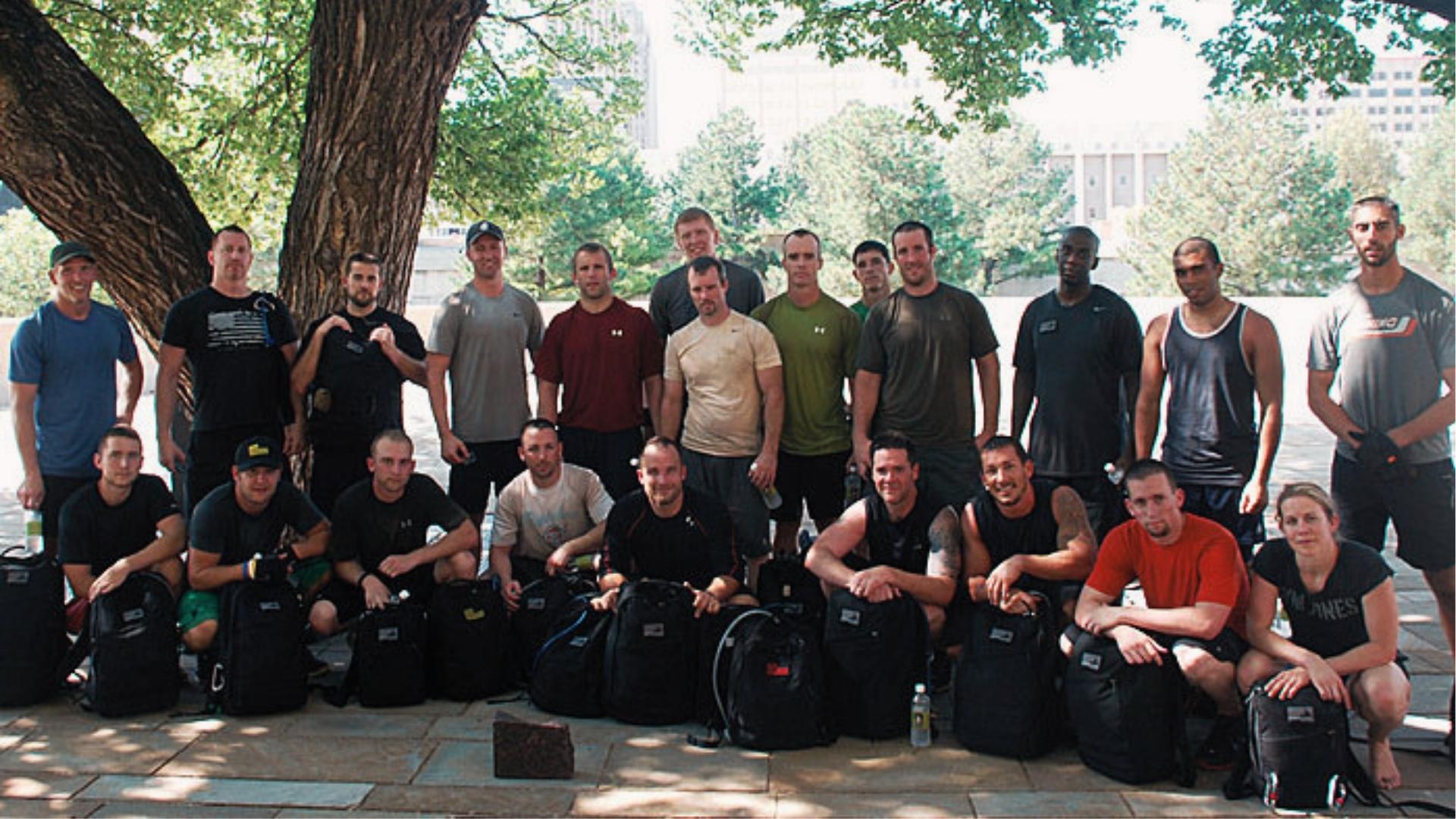
Sometimes you need people around you to keep going. Join a local rucking group or sign up for an organized ruck event.
Groups like GORUCK host regular community events that are welcoming for all fitness levels.
When others expect you to show up, you do. Group rucking builds habits faster than solo training and makes the hard days feel much more manageable.
Objective:Build Motivation Through Teamwork
Benefits of Joining the Rucking Community
Being part of a rucking group makes the training more consistent and more fun.
Group Training Keeps You Motivated
Hard days feel easier when you train alongside others. The group energy is real. You push harder without realizing it.
Learn from Experienced Ruckers
Community members share tips on gear, weight progression, and recovery. Learning from people with years of experience saves you time and mistakes.
Share Plans and Progress
Tracking progress with a group keeps you honest. Seeing others improve pushes you to stay consistent with your own goals.
Safety and Smart Progression Tips for Rucking
Smart training prevents injury and keeps you moving for the long run.
- Add no more than 5 pounds to your pack every 2 to 3 weeks. The same rule applies to distance. Small, steady jumps protect your joints and spine over time.
- Take at least two rest days per week. Overtraining leads to stress fractures, sore knees, and burnout. Your body needs time to repair and grow stronger.
- Listen to your body during every session. Pain is not progress. If something feels wrong, slow down or stop completely.
- Use a ruck-specific backpack with a solid frame. A regular school bag will shift under load and cause back strain on longer sessions.
- Wear supportive shoes made for walking or trail use. Bad footwear is one of the most common reasons ruckers develop knee and ankle problems early on.
- Keep your core tight and your head up during every ruck. Good posture under load protects your spine and makes long sessions feel much more manageable.
Conclusion
Honestly, rucking changed how I think about fitness. It is not fancy. It is just walking with weight and purpose. These 9 rucking workout plans give you a clear path, no matter where you are starting.
Pick the plan that fits your level right now. Start there. Be consistent. You do not need to be perfect from day one.
Drop a comment below and tell me which plan you are trying first. Share this post with someone who needs a simple, effective fitness reset. Let's ruck.
Frequently Asked Questions
How much weight should a beginner carry for rucking?
Start with 10% of your body weight. This keeps strain low and lets your body adjust. Increase slowly over several weeks.
How often should I follow a rucking workout plan?
Three times per week is ideal for most people. This gives you enough volume to improve while allowing proper recovery between sessions.
Can rucking help with weight loss?
Yes. Rucking burns more calories than regular walking because of the added load. Combined with a healthy diet, it supports steady fat loss over time.
Do I need special gear to start rucking?
A sturdy backpack and supportive shoes are enough to start. As you progress, investing in a proper ruck pack with a frame will make longer sessions more comfortable.
Is rucking safe for people with back pain?
Light rucking with proper posture can be safe for many people. However, if you have a history of back injuries, check with a doctor before adding weighted load to your walks.