
I’ve spent years figuring out which back exercises actually work, and the low row is one I kept coming back to.
In this article, I’ll break down the low row muscles worked, compare it to bent-over rows, cable rows, lat pulldowns, and pull-ups, and help you decide what fits your goals best.
I’ve trained with these movements myself and researched them closely, so you’re getting real, useful information.
You’ll also get practical tips to squeeze more muscle activation out of every single rep. Clear answers, no fluff, just real results.
Understanding Low Row Muscles Worked
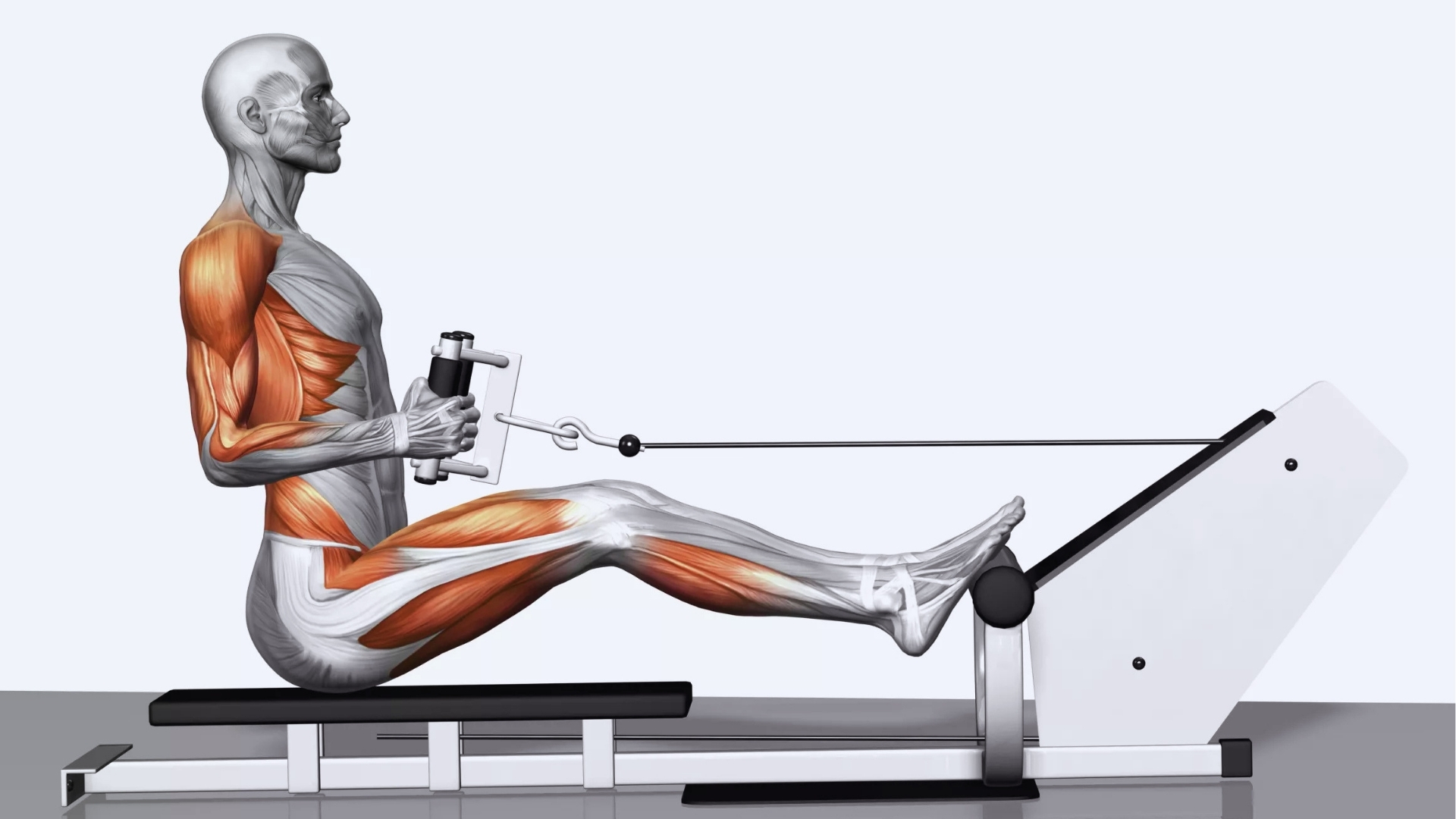
The low row trains multiple back muscles at once, making it one of the most effective pulling movements you can do.The lats take the most work during the pull, giving your back width and power.
The rhomboids squeeze the shoulder blades together at the end of each rep, while the mid and lower traps keep your shoulders stable and support better posture.
Rear deltoids assist naturally, even though most programs skip them. On the secondary side, your biceps help bend the elbow and your erector spinae keep your spine flat and stable throughout every rep.
Low Row vs Bent-Over Row Differences

Both are strong back builders, but they load your body in different ways and suit different goals.
Muscle Activation Comparison
The bent-over row activates more total muscle. Your core, glutes, and hamstrings all work to hold your position. The low row removes that demand and lets you focus purely on the back.
This makes it a better choice when you want targeted back work without draining other muscle groups.
Lower Back Involvement
The bent-over row puts real stress on the lower back, which is fine with good form. If your lower back is weak or injured, the low row is the safer option.
It supports your torso, reduces spinal load, and still delivers strong back activation without the added risk.
Which is Better for Strength vs Isolation
For raw strength, the bent-over row wins. You can load more weight and train multiple muscles at once.
For isolation and mind-muscle connection, the low row is better. It keeps constant tension on the back, making it ideal when muscle growth is the main goal.
Low Row vs Seated Cable Row Are They Different?
Many people use these terms together, but there are small differences worth knowing.
Movement Mechanics Explained
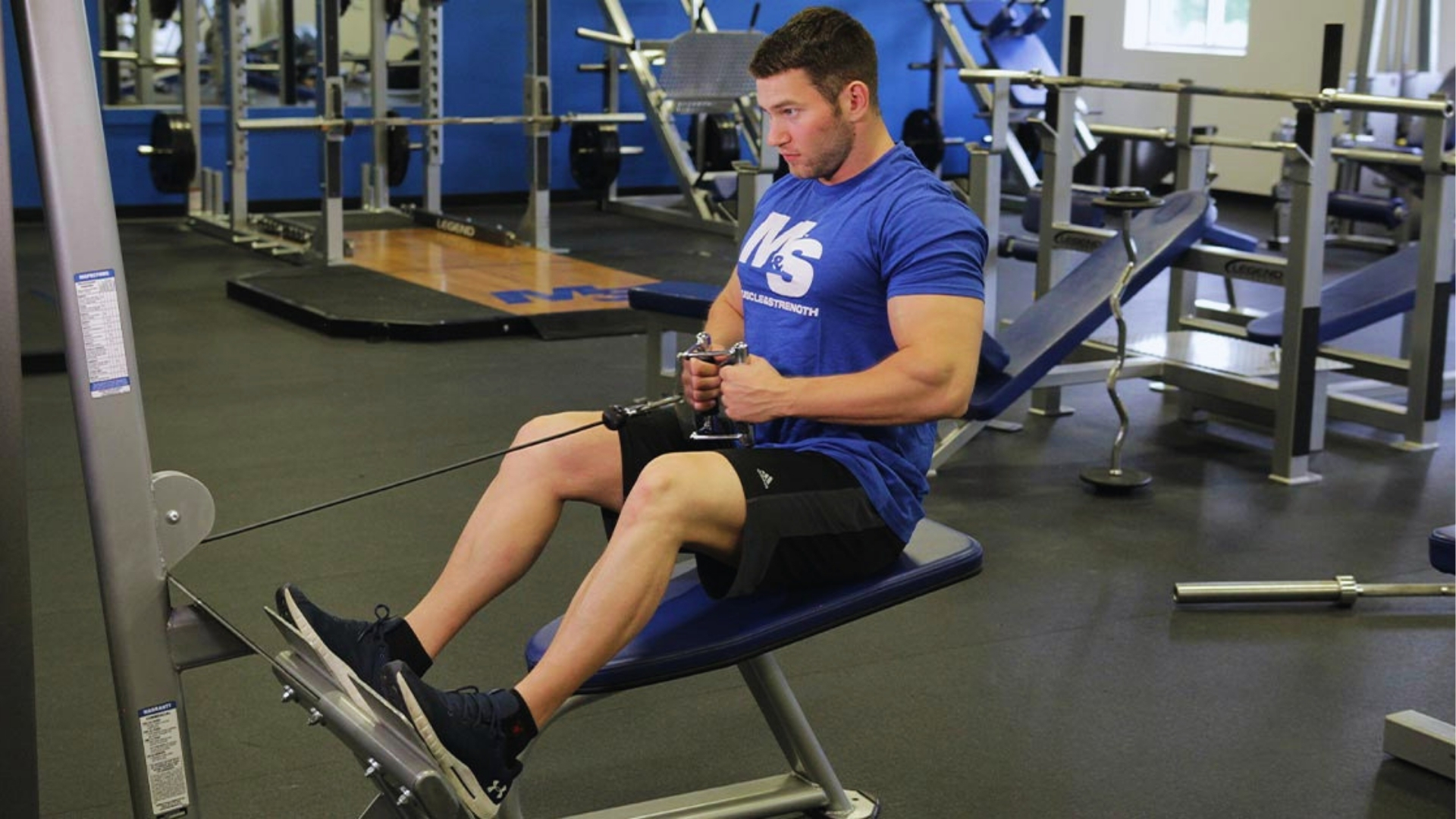
The seated cable row and the low row are very similar. Both use a cable and a seated position. The key difference is the angle of pull and attachment used.
A low row typically uses a wider or neutral grip bar pulled toward the lower abdomen, slightly changing how the muscles are loaded.
Muscle Focus and Range of Motion
The seated cable row hits the mid-back and lats equally. The low row, depending on elbow angle, shifts more focus toward the lats.
It also offers a longer range of motion when you allow a full stretch at the start, increasing time under tension and overall muscle activation.
Which One Should You Choose
Use the low row for lat focus and a fuller stretch. Use the seated cable row for general back thickness. They work well together, and rotating between the two helps prevent plateaus.
If you can only pick one, the low row offers slightly more range and lat engagement overall.
Low Row vs Lat Pulldown Back Width vs Thickness
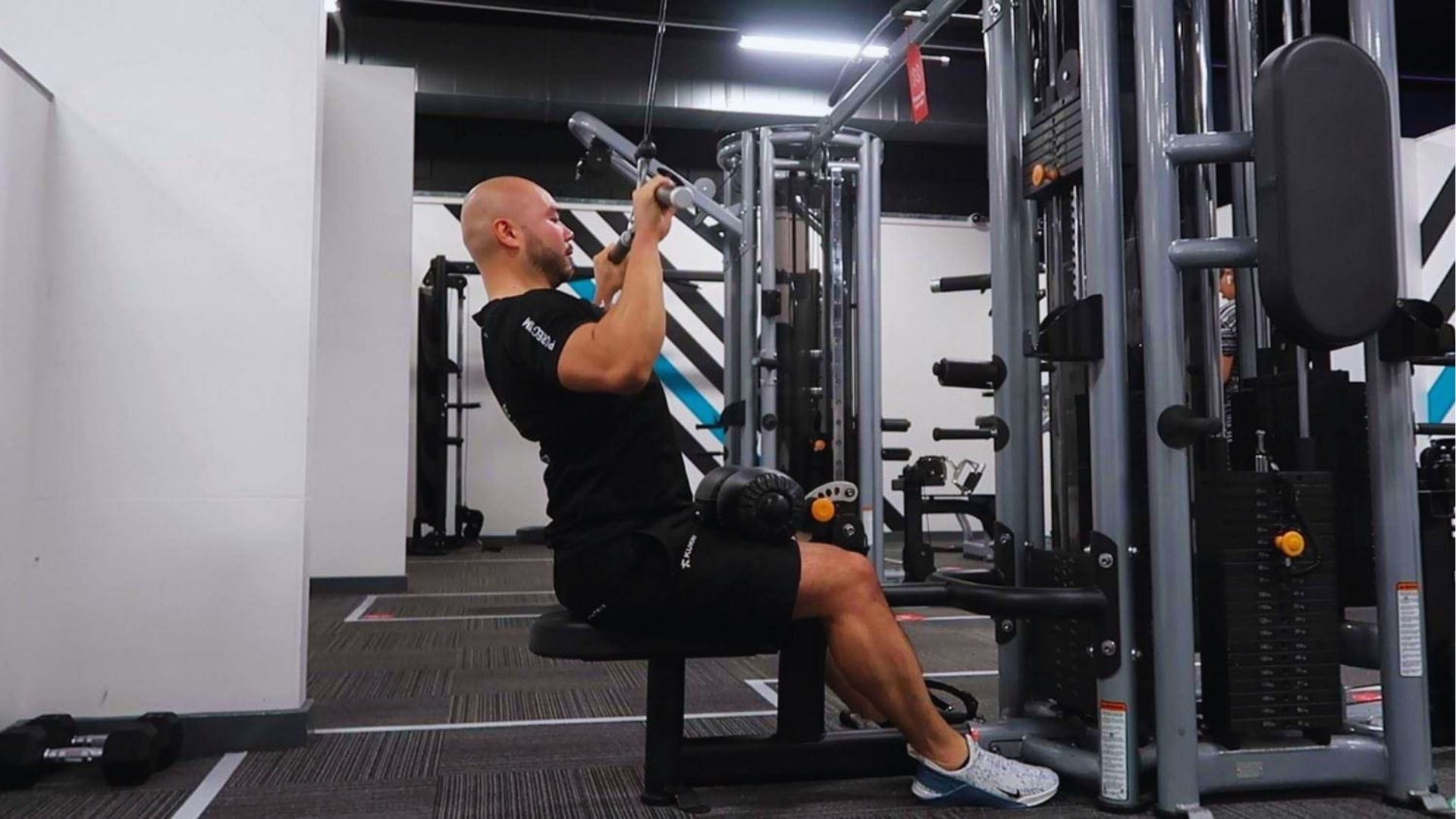
One pulls horizontally, the other vertically. Both are important but they train your back differently.
Muscles Worked in Each Exercise
The lat pulldown targets the upper lats and teres major. The low row targets the mid and lower lats, rhomboids, and rear delts.
Together they cover the full back. Most people who only do one of these end up with an imbalanced back, so including both leads to complete development.
Pulling Direction Differences
The pulldown works a vertical pull, bringing the bar down toward you. The low row works a horizontal pull, drawing the weight toward your torso.
Both patterns are necessary for a well-developed back. Focusing only on one direction can lead to muscle imbalances that affect posture over time.
Best Exercise for Your Goals
Want back width? Add lat pulldowns. Want back thickness? Add low rows. Most solid programs include at least one vertical and one horizontal pull each week.
If you are short on time, alternating between the two across sessions is a simple and effective approach.
Low Row vs Pull-Ups Which Builds More Muscle?

Pull-ups are a classic. But how do they stack up against the low row for muscle building?
Difficulty Level Comparison
Pull-ups are harder because you lift your full bodyweight, making them tough for beginners or heavier individuals. The low row lets you control the exact resistance and progress safely.
Starting with the low row helps you build the pulling strength needed before moving to more demanding bodyweight movements.
Muscle Engagement Differences
Pull-ups hit the upper lats and core more aggressively due to the vertical pull and bodyweight load. Low rows hit the mid-back, rhomboids, and rear delts more effectively.
The low row also allows a longer stretch at the start of each rep, increasing muscle activation in a way pull-ups cannot match.
Beginner vs Advanced Choice
Beginners should start with the low row to build a solid pulling foundation without the full bodyweight demand. Advanced lifters should do both for complete back development.
Pull-ups build functional strength while low rows add controlled size. Together they cover strength, hypertrophy, and movement quality.
Cable Low Row vs Free Weight Rows

Cable machines and free weights each bring something different to your training.
Benefits of Cable Machines
Cable machines keep constant tension on the muscle with no rest point at the top or bottom of the rep. This makes them highly effective for muscle growth and sustained activation.
They are also joint-friendly, easy to adjust, and allow you to train at different angles without needing extra equipment.
Advantages of Free Weights
Free weights force your core and stabilizing muscles to work much harder since your body controls the load in all directions.
Barbell and dumbbell rows also build more functional, real-world strength than machines. For anyone focused on total body strength and coordination, free weights are hard to replace.
Choosing Based on Fitness Goals
For hypertrophy and sustained tension, cables are the better tool. For strength and athleticism, free weights take the lead. A smart plan uses both.
Start your session with free weight rows when fresh, then finish with cable low rows to maximize muscle fatigue and get a solid pump.
Tips to Maximize Low Row Muscle Activation
Small adjustments in how you train the low row can make a big difference in results.
- Sit tall, keep your chest up, and maintain a neutral spine throughout every rep
- Pull your shoulders back before each rep begins to engage the right muscles
- Avoid swinging the weight and use a 2-second pull with a 3-second return
- The return phase builds just as much muscle as the pull, so never rush it
- A wide grip targets the outer lats while a close neutral grip hits the mid-back more
- Add weight, reps, or sets over time and track your numbers every session
Conclusion
If you’ve been skipping the low row, I hope this changes your mind. I personally added it to my own routine after struggling to build back thickness, and it made a real difference.
The low row muscles work to cover most of your back in one move. It’s effective, joint-friendly, and easy to progress on.
Try it this week and feel the difference in your back. Got questions or want to share your experience?
Drop a comment below. Sharing this with a training partner could help them too.
Frequently Asked Questions
What muscles does a low row primarily work?
The low row mainly targets the lats, rhomboids, traps, and rear delts. Secondary muscles like the biceps and erector spinae also assist during the movement.
Is the low row good for building a thick back?
Yes, the low row is one of the best exercises for back thickness. It targets the mid-back muscles that give your back that dense, full appearance from behind.
How often should I do low rows per week?
Two to three times per week works well for most people. Make sure to allow at least 48 hours of rest between back sessions for proper recovery.
Can beginners do the low row?
The low row is beginner-friendly. The machine or cable setup helps control the movement, making it easier to learn proper pulling mechanics without risking injury.
Should I use a close or wide grip on the low row?
A close neutral grip hits the mid-back more. A wider grip works the outer lats and rear delts. Try both to find which gives you a better muscle connection.