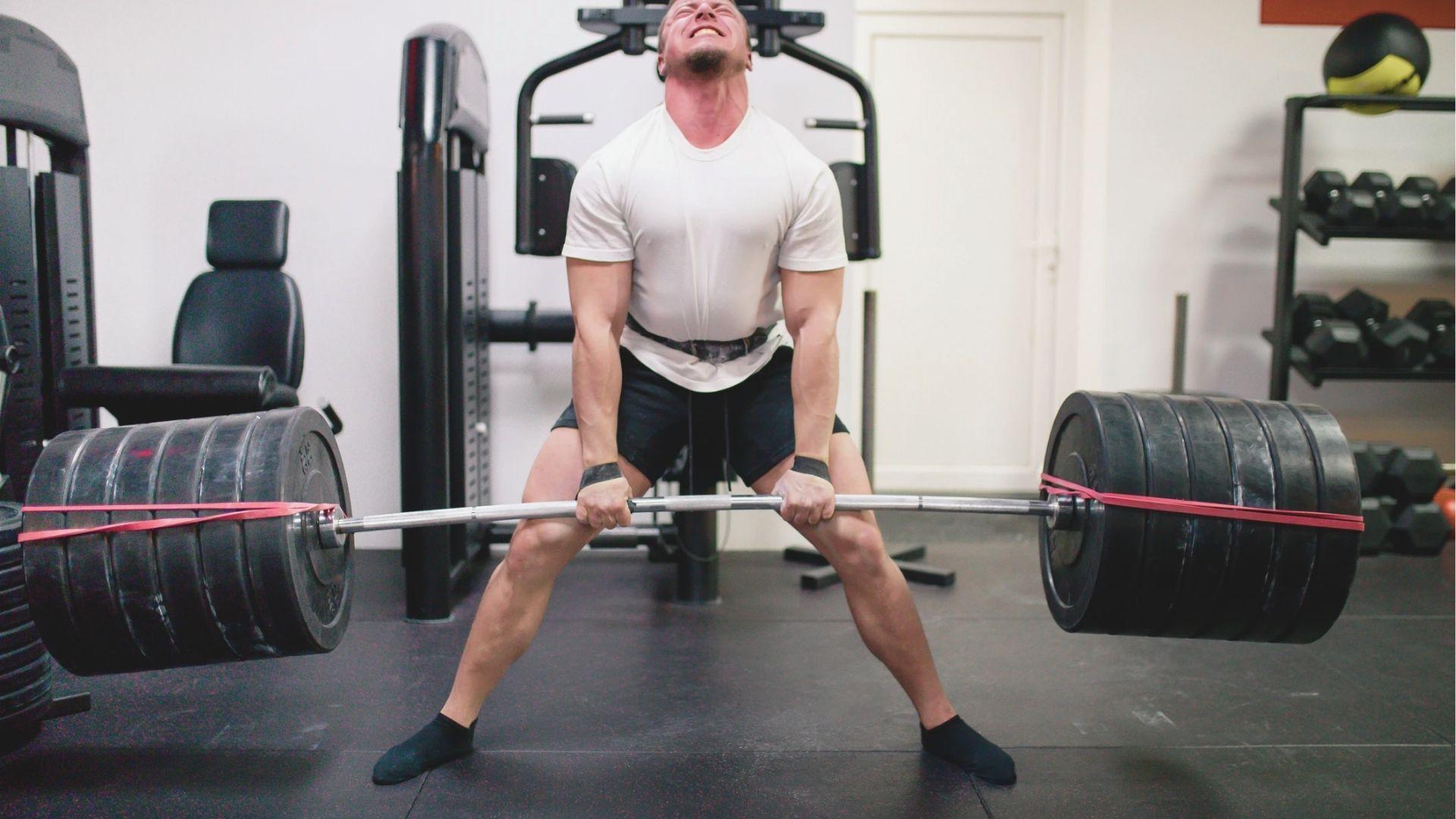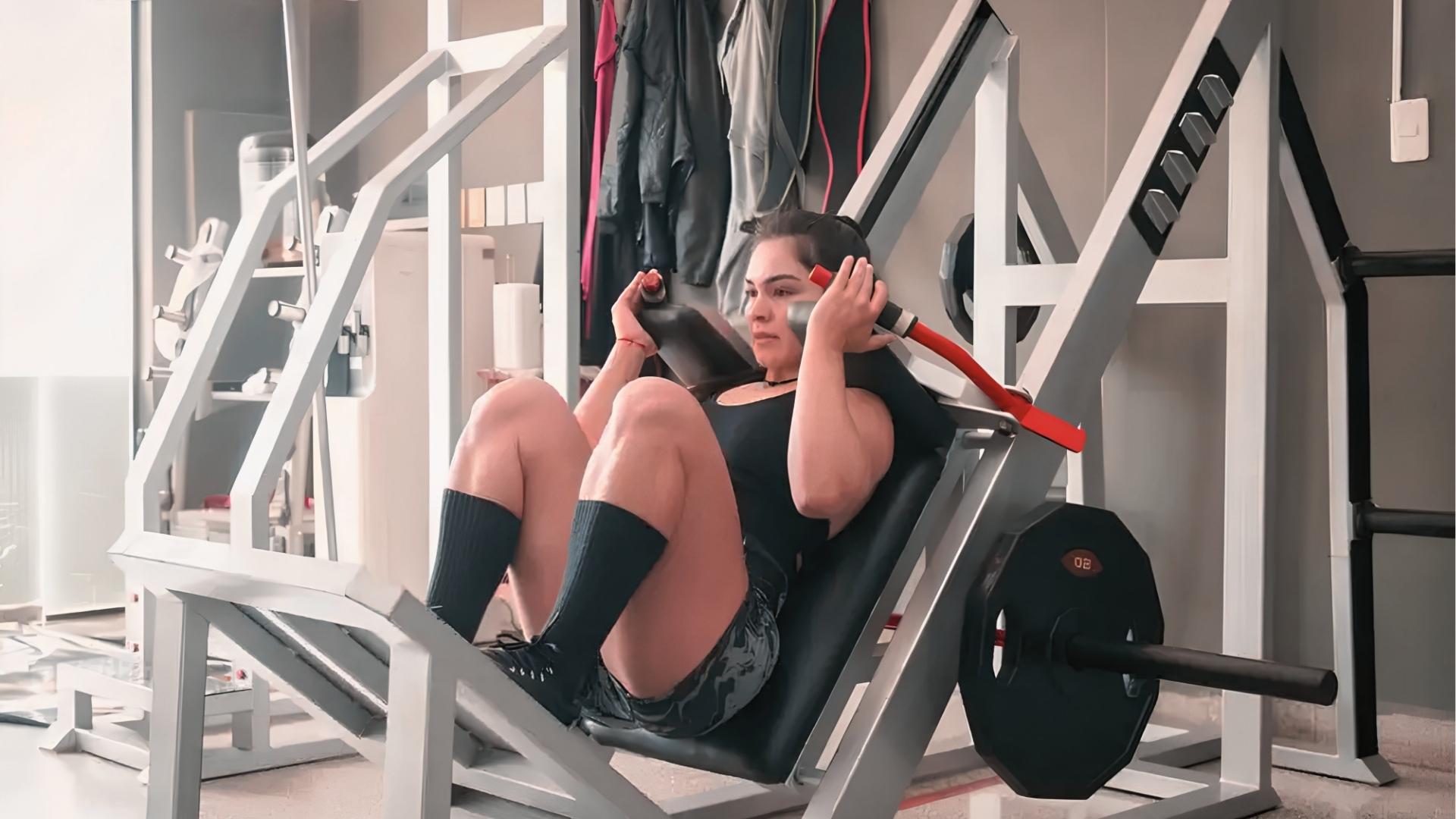

The long head of the biceps is a key part of your upper arm muscle. In this article, I’ll help you understand its anatomy and how it works. You’ll learn about common injuries, treatment options, and helpful exercises.
As a fitness and anatomy writer, I’ve studied this muscle for years and helped many people recover from bicep injuries. This guide covers everything from basic structure to recovery tips.
You’ll get clear, practical information you can use right away. Let’s break down what makes this muscle so important for your arm strength and movement.
Overview of the Biceps Muscle
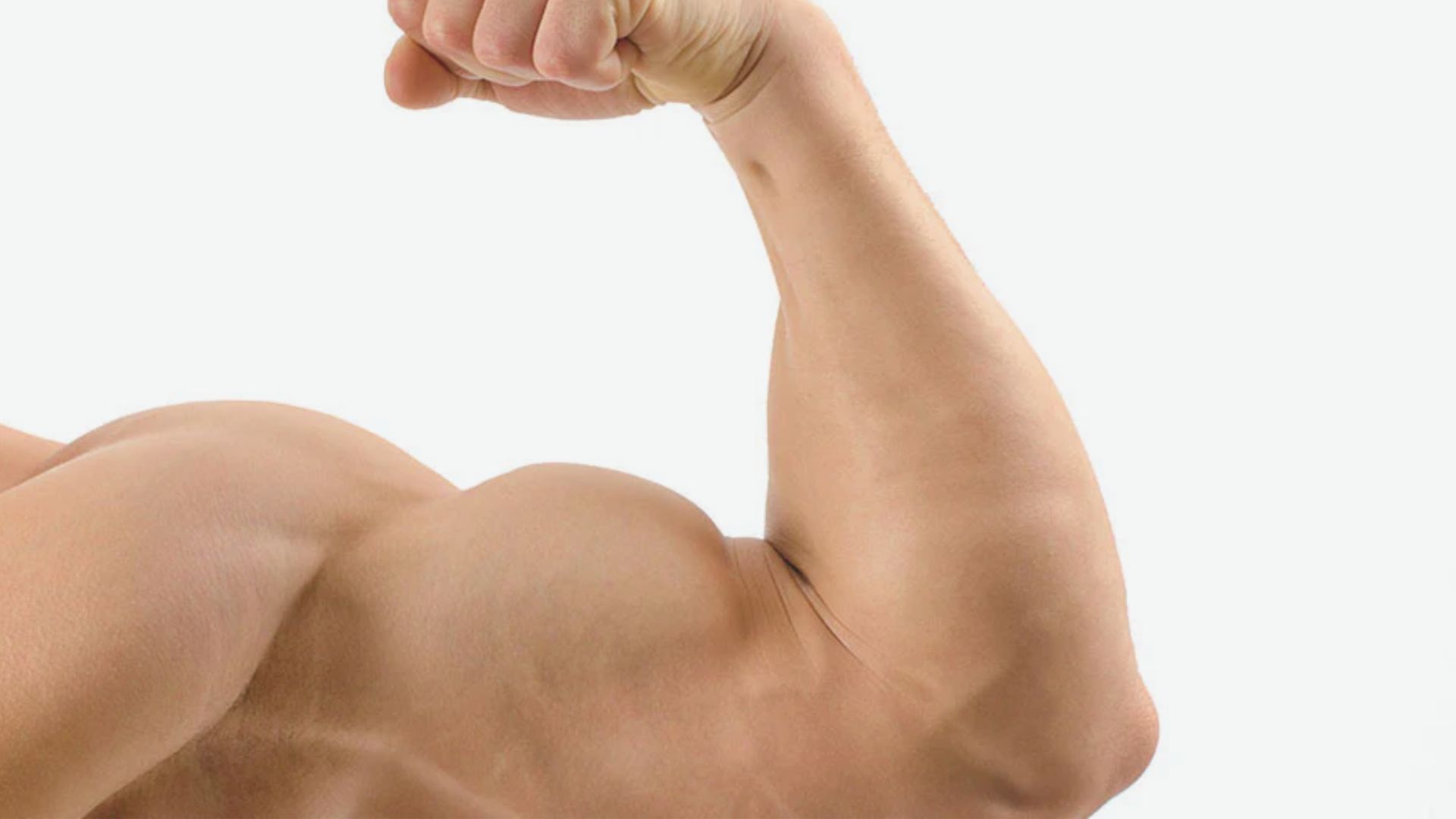
Your biceps muscle has two parts working together to move your arm and forearm.
The biceps brachii is the muscle on the front of your upper arm. It has two separate parts called heads. These are the long head and the short head. Both heads work together, but start from different spots on your shoulder.
Your biceps do three main jobs. First, it bends your elbow when you lift things. Second, it rotates your forearm so your palm faces up. Third, it helps move your shoulder in different directions.
Knowing about the long head helps doctors treat injuries. It also helps you train smarter at the gym. The long head runs along the outside of your arm. It plays a bigger role in shoulder movements than the short head does.
Anatomy of the Long Head of the Biceps

The long head starts at your shoulder blade and runs down through a groove in your arm bone.
Structure and Location
The long head sits on the outer side of your upper arm. The short head sits on the inner side, closer to your chest. Both heads join together about halfway down your arm to form one muscle belly.
The long head tendon runs through a narrow channel called the bicipital groove. This groove is part of your humerus, your upper arm bone. The tendon slides through this channel when you move your arm.
Origin and Insertion
The long head starts at the supraglenoid tubercle, a small bump at the top of your shoulder blade socket. The tendon attaches here and runs into your shoulder joint.
The tendon goes down through the bicipital groove until it meets the short head. Both heads attach to the radial tuberosity, a rough bump on your radius bone in your forearm.
Keeping the tendon healthy is important. If it tears or gets inflamed, you lose strength and feel pain.
Function of the Long Head of the Biceps
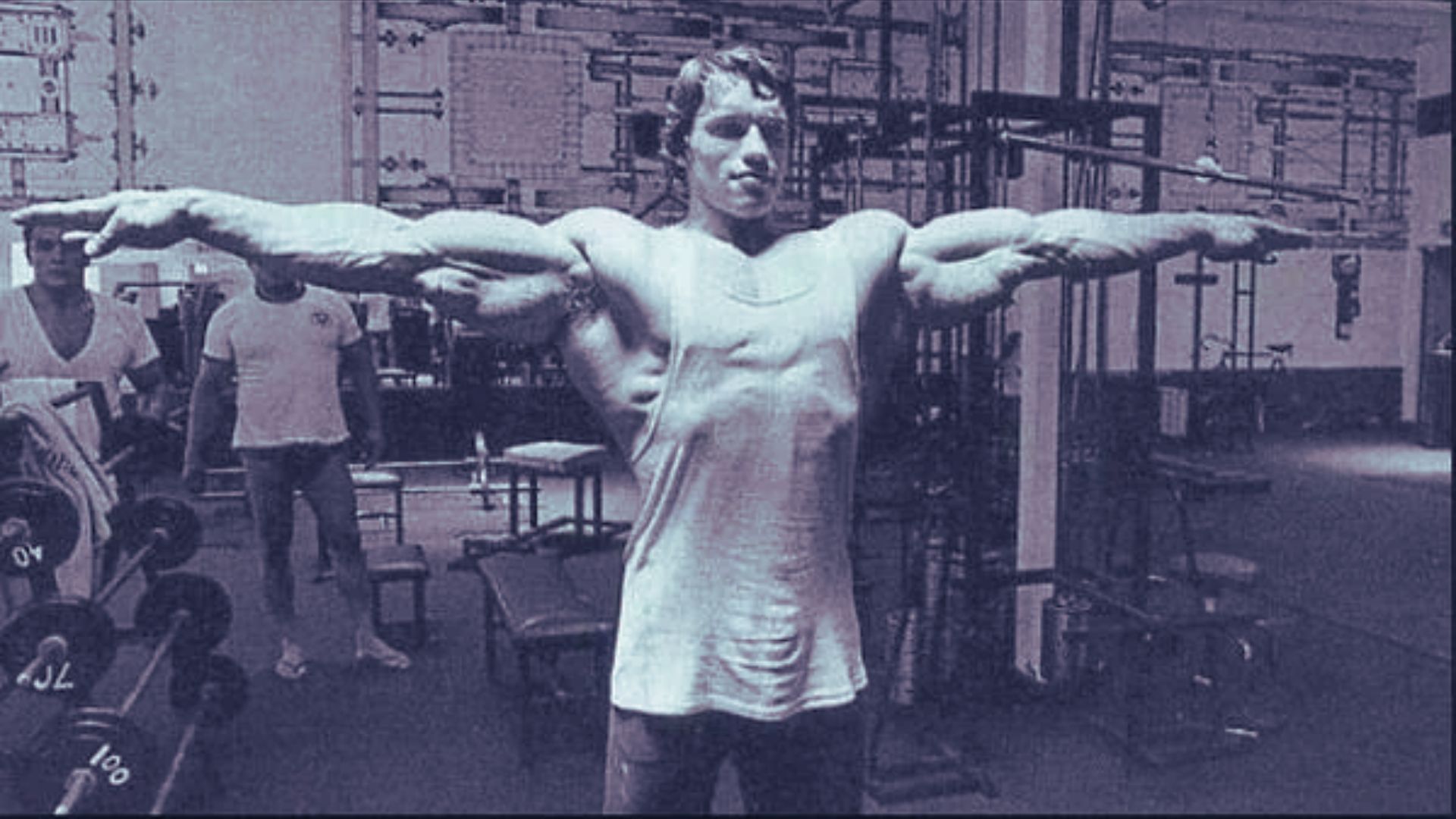
This muscle helps you bend your elbow, lift your arm, and keep your shoulder stable during movement.
Role in Elbow Flexion
When you bend your elbow, both heads of the biceps contract together. The long head pulls from the shoulder side, while the short head pulls from the chest side.
The brachialis and brachioradialis muscles also help with elbow bending. The long head works hardest when your arm is behind your body, like when pulling a rope or rowing.
Role in Shoulder Function
The long head helps control shoulder movements and stabilizes the joint. It lifts your arm forward and out to the side.
Overhead movements like throwing, swimming, or reaching above your head activate this muscle. The tendon helps keep your shoulder ball centered in the socket. People with long head injuries often feel shoulder weakness and struggle with overhead activities.
Common Conditions Affecting the Long Head of the Biceps Tendon

Injuries to this tendon cause pain, weakness, and changes in how your arm looks or moves.
Tendon Tear or Rupture
A long head of the biceps tendon tear happens when the tissue rips partially or completely. You might hear a pop, see bruising, and feel sudden pain.
Complete tears create a bulge called a Popeye deformity. Rupture of the long head of the biceps tendon can be acute from sudden injury or chronic from wear over time. Symptoms include sharp pain and weakness when bending your elbow.
Tendon Pain and Inflammation
Pain in the long head of the biceps tendon can happen from overuse or poor shoulder mechanics. You’ll feel a deep ache in the front of your shoulder that gets worse with overhead movements.
Tenosynovitis of the long head of the biceps tendon is inflammation of the tendon sheath. Symptoms include pain with movement, tenderness, and sometimes a grinding feeling.
ICD-10 Classification
Tear of the long head of the biceps tendon ICD 10 code is M66.222. This code helps doctors and insurance companies track the diagnosis.
Treatment Options for the Long Head of the Biceps Tendon
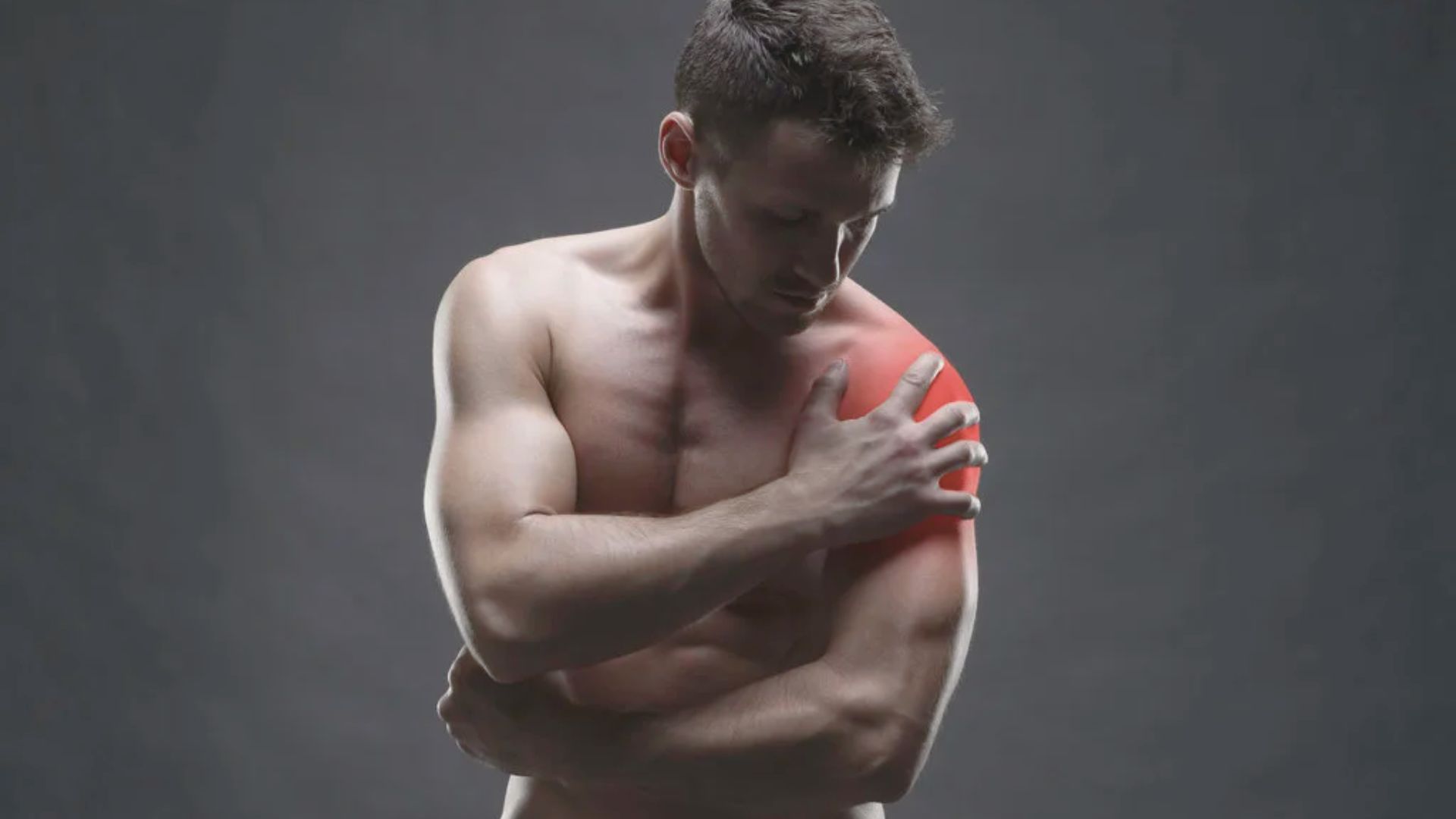
Treatment depends on how bad the injury is and what activities you need to do.
Non-Surgical Treatments
Most tendon problems get better without surgery. Doctors start with conservative care for partial tears and inflammation.
Rest is the first step. Avoid overhead lifting, heavy pulling, and repetitive movements. Use a sling for the first week or two to reduce pain. Apply ice for 15 to 20 minutes several times a day.
Anti-inflammatory medications like ibuprofen help with pain and swelling. Physical therapy is key to recovery. A therapist will teach you exercises to restore strength and motion. Therapy usually lasts six to twelve weeks.
Surgical Interventions
Surgery becomes necessary for complete tears in active people, athletes needing full strength, or when conservative treatment fails after three to six months.
Tendon repair sews the torn ends back together. Biceps tenodesis cuts the damaged part and attaches the healthy tendon to the upper arm bone. Biceps tenotomy simply cuts the tendon and lets it retract. This is often used for older adults.
Post-op care includes wearing a sling for two to four weeks and gentle exercises early on. Strengthening begins around six weeks. Recovery takes three to six months before returning to full activities. Athletes might need up to a year.
Tips for Rehabilitation
Proper training strengthens the long head while protecting the tendon from future injury.
- Seated incline curls work the long head best. Sit on a bench angled at 45 to 60 degrees and curl weights up with palms facing up.
- Drag curls and neutral grip exercises target the outer biceps. Pull weights straight up your torso or try hammer curls and neutral grip pull-ups.
- Start light and focus on form. Don’t swing weights or use momentum. Do two to three biceps sessions per week with 12 to 15 reps.
- Recovery takes three to six months in phases. Start with gentle movement, add light resistance after two weeks, then progress to regular exercises by week six.
- Listen to your body and work with a therapist. Sharp pain means you’re doing too much. A physical therapist helps adjust your program for the best results.
Conclusion
Now you know how the long head of the biceps works and what can go wrong with it. Understanding this muscle helps you train smarter and avoid injuries. Proper care makes a big difference in your arm strength.
I’ve dealt with a biceps strain myself, and recovery taught me that patience matters as much as exercise. Take care of this muscle through proper form and gradual progression. If you’re dealing with pain or injury, don’t ignore it. Get proper treatment and follow through with rehab.
Your arms will thank you later. Drop a comment below about your experience with biceps training or injuries. I’d love to hear your story and learn from what worked for you.
Frequently Asked Questions
What does the long head of the biceps do?
The long head bends your elbow, rotates your forearm, and helps stabilize your shoulder during lifting and overhead movements.
Can a torn long head biceps tendon heal on its own?
Partial tears may heal with rest and therapy. Complete tears usually need surgery for full strength, though some older adults manage well without it.
How do I know if I tore my biceps tendon?
You’ll hear a pop, see bruising, notice a bulge when flexing, and feel shoulder pain with elbow weakness.
What exercises make the long head of the biceps bigger?
Incline curls, drag curls, and hammer curls work best. Exercises with your arm behind your body target this area the most.
How long does recovery take after biceps tendon surgery?
Light activities resume in six to eight weeks. Full recovery takes three to six months, with athletes needing up to a year.