The global fitness industry has grown into a massive ecosystem, generating over $96 billion annually with more than 200,000 clubs worldwide . As competition increases and member expectations evolve, gyms are under pressure to deliver not just great workouts, but also a safe, seamless, and technology-driven experience.
At the same time, security concerns remain a real challenge. Studies show that over 38% of theft incidents in gyms are linked to inadequate security measures , while unauthorized access and membership sharing can cost facilities 3 to 8 percent of annual revenue .
To address these challenges, modern gyms are increasingly adopting advanced access control systems. These systems are no longer just about locking doors. They play a central role in enhancing safety, improving member experience, and streamlining operations.
What Is a Gym Access Control System?
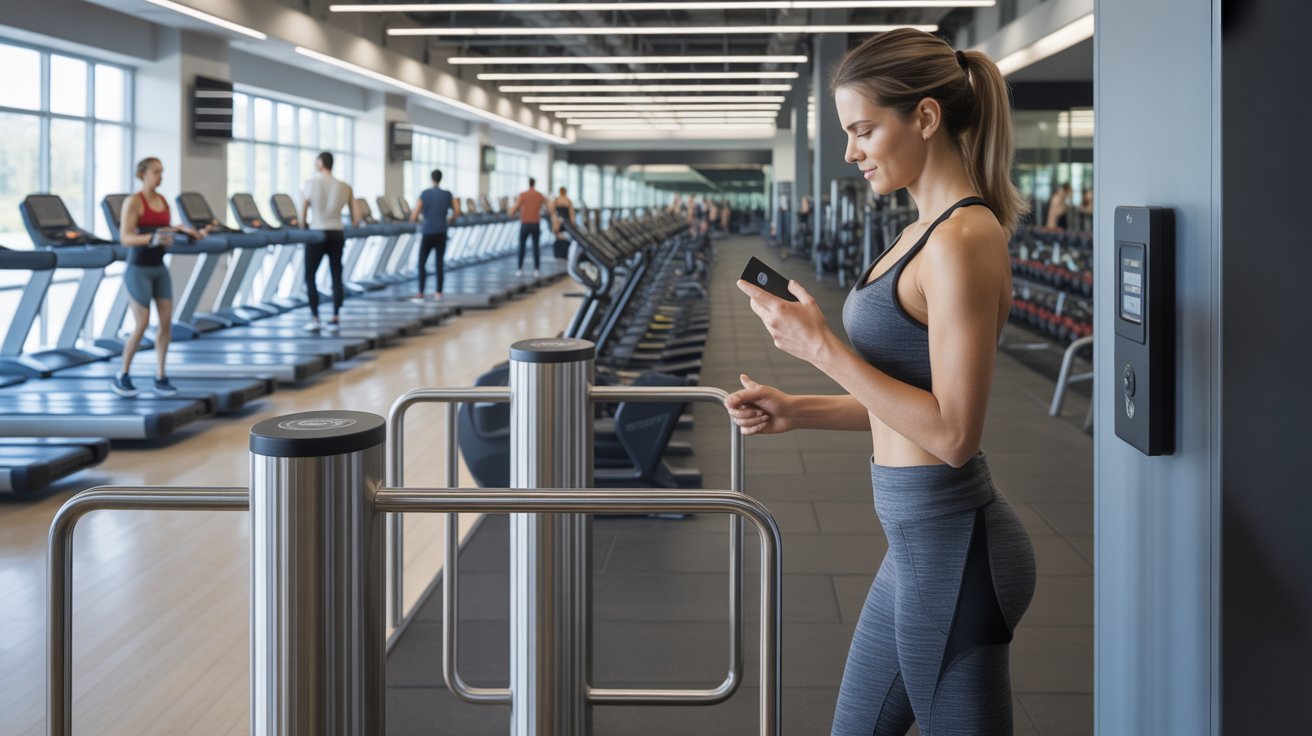
A gym access control system is a combination of hardware and software that determines who can enter a facility, when they can enter, and which areas they can access. These systems use technologies such as RFID cards, biometric authentication, mobile apps, and cloud-based platforms to manage entry in real time.
Unlike traditional keys or manual check-ins, modern systems automate the entire process. They verify memberships instantly, track entry logs, and integrate with billing and security systems to ensure only authorized users gain access .
Today, more than 65% of fitness facilities use automated access control, and adoption continues to grow rapidly .
Enhancing Member Safety Through Controlled Access
One of the primary reasons gyms invest in access control systems is to create a safer environment for members and staff.
Preventing Unauthorized Entry
Unauthorized access is one of the biggest risks in fitness facilities. Without proper controls, non-members can easily enter, increasing the chances of theft, harassment, or safety incidents.
Access control systems eliminate this risk by ensuring that only verified members can enter. Each entry attempt is authenticated, whether through a mobile app, keycard, or biometric scan. This significantly reduces the likelihood of intruders gaining access.
Reducing Theft and Security Incidents
Gyms often store valuable equipment and personal belongings in lockers. Poor security can lead to frequent thefts and disputes.
With access control systems, gyms can monitor who enters and exits the facility at all times. Detailed logs provide accountability, making it easier to investigate incidents and prevent future occurrences.
Improving Emergency Response
Modern systems integrate with surveillance and alert systems to improve response times during emergencies. For example, if an incident occurs, staff can quickly identify who is inside the facility and take appropriate action.
Some systems even allow remote lockdown or restricted access to certain areas, helping contain situations effectively.
Eliminating Revenue Loss from Membership Sharing
Membership sharing and tailgating are common issues in gyms. When one member allows another person to enter using their credentials, it directly impacts revenue.
Industry estimates suggest that such practices can result in millions of dollars in losses annually across the fitness sector .
Access control systems address this problem by:
- Verifying individual identities through biometrics or mobile credentials
- Detecting unusual entry patterns
- Sending alerts when suspicious behavior is identified
Advanced systems even use AI to detect when multiple people enter using a single credential, helping gyms enforce membership policies more effectively.
Enabling 24/7 Access Without Compromising Security
One of the biggest trends in the fitness industry is the demand for 24/7 gym access. Members want the flexibility to work out at any time, whether early morning or late at night.
Access control systems make this possible without requiring additional staff.
Remote Monitoring and Management
Modern gyms can operate around the clock because access control systems allow owners to monitor activity remotely. Managers can view entry logs, receive alerts, and control access from anywhere.
Secure After-Hours Access
Even when no staff is present, the system ensures that only authorized members can enter. This reduces the risks associated with unmanned facilities while still offering convenience to users .
Creating a Seamless Member Experience
Today’s gym members expect more than just access. They expect a smooth, digital-first experience.
Contactless and Frictionless Entry
More than 60% of modern gym access systems now include mobile or biometric authentication . This allows members to enter the facility without physical cards or manual check-ins.
They can simply:
- Use their smartphone
- Scan a QR code
- Authenticate using facial recognition
This reduces wait times and improves overall satisfaction.
Personalized Access and Convenience
Access control systems can be customized based on membership type. For example, premium members may have access to exclusive areas, while standard members are restricted to general zones.
This level of personalization enhances the user experience and helps gyms offer tiered services.
Streamlining Gym Operations and Reducing Costs
Beyond security and experience, access control systems play a key role in operational efficiency.
Automating Check-Ins
Manual check-ins require staff and can lead to errors. Automated systems eliminate this need by handling entry verification instantly.
This not only saves time but also reduces staffing costs.
Reducing Administrative Work
Access control systems integrate with membership databases and payment systems. If a member’s subscription expires, their access can be automatically restricted.
This removes the need for manual intervention and ensures consistent enforcement of policies.
Data-Driven Insights
Modern systems collect valuable data on member behavior, including peak hours, visit frequency, and facility usage.
Gyms can use this data to:
- Optimize staffing schedules
- Improve facility layout
- Design better membership plans
Strengthening Brand Trust and Member Retention
Safety and convenience directly impact how members perceive a gym.
A facility that prioritizes security creates a sense of trust among its members. When people feel safe, they are more likely to:
- Continue their memberships
- Recommend the gym to others
- Engage more actively with the facility
In a competitive market, this can be a significant advantage.
Supporting Multi-Location Gym Chains
For gym franchises and multi-location operators, managing access across different sites can be complex.
Access control systems simplify this by offering centralized management. Operators can control access across all locations from a single dashboard.
This ensures consistent security standards while making it easier to scale operations.
The Role of AI in Modern Gym Access Control
Artificial intelligence is transforming how gyms manage access and security, shifting systems from reactive tools to intelligent, proactive solutions.
Modern platforms now combine access control with real-time security monitoring to deliver a more comprehensive approach. For example, solutions like Coram’s gym access control system bring together secure member authentication, tailgating detection, centralized visibility, and privacy-conscious monitoring in sensitive areas such as locker rooms. This integrated model enables gyms to go beyond basic entry management and adopt a smarter, more responsive security strategy.
AI-powered access control systems offer capabilities that significantly enhance both safety and operational efficiency. They can detect unusual or suspicious behavior in real time, identify tailgating attempts, and analyze usage patterns to support better decision-making. In addition, they provide instant alerts that allow staff or operators to respond quickly to potential risks.
By combining automation with intelligent insights, these systems elevate access control from a simple entry mechanism into a comprehensive security solution that supports safer, more efficient gym environments.
Future Trends in Gym Access Control
The future of gym access control is driven by innovation and user expectations.
Key trends include:
- Biometric authentication becoming the norm
- Mobile-first access replacing physical cards
- Integration with wearable devices
- AI-driven predictive security
As technology continues to evolve, gyms that adopt these systems will be better positioned to meet member expectations and stay competitive.
FAQs
What is the main purpose of a gym access control system?
The primary purpose is to regulate who can enter the facility, ensuring that only authorized members have access. It also enhances security, improves operational efficiency, and provides valuable insights into member behavior.
Are access control systems expensive for gyms?
While there is an initial investment, these systems often reduce long-term costs by minimizing staffing needs, preventing revenue loss from unauthorized access, and improving operational efficiency.
Can access control systems work without staff?
Yes. Modern systems allow gyms to operate 24/7 without on-site staff by automating entry and providing remote monitoring capabilities.
Do access control systems improve member experience?
Absolutely. Features like contactless entry, mobile access, and faster check-ins create a smoother and more convenient experience for members.
Are biometric systems safe to use in gyms?
Yes, when implemented properly. Most systems use encrypted data and comply with privacy regulations to ensure member information is protected.
Conclusion
Modern gyms are no longer just fitness spaces. They are technology-driven environments where safety, convenience, and experience must work together seamlessly.
Access control systems have become a foundational part of this transformation. They help gyms prevent unauthorized access, reduce theft, enable 24/7 operations, and deliver a superior member experience.
As the fitness industry continues to grow and evolve, gyms that invest in smart access control will not only improve security but also build stronger relationships with their members. In a market where trust and convenience are key, this can make all the difference.