

I was mid-rep on a dumbbell press when I caught my reflection and stopped dead.
One side looked noticeably fuller. The other looked like it belonged to a different chest entirely. I had been training hard. Eating right. Showing up consistently.
So why is one pec bigger than the other?
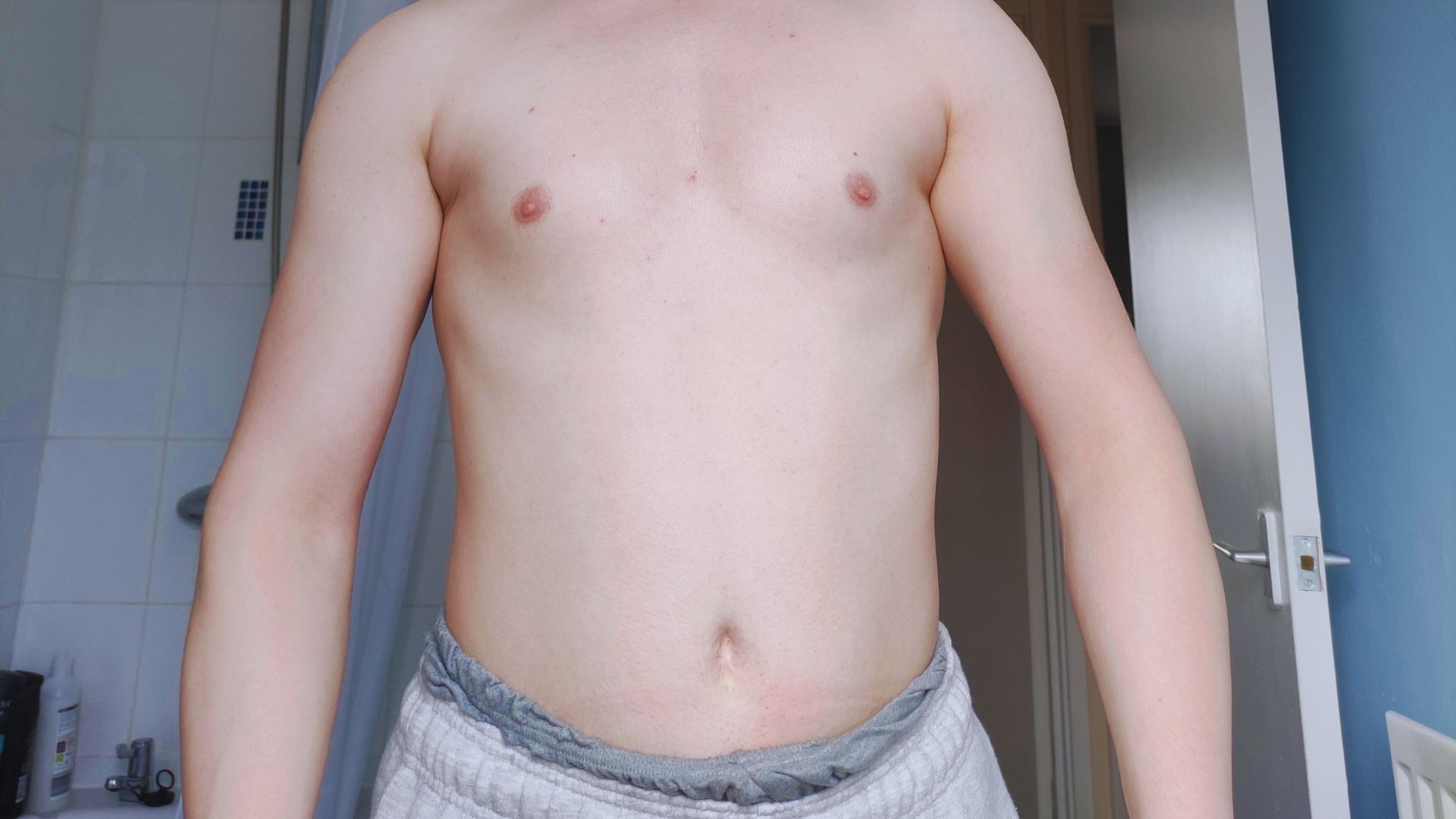
That question sent me down a rabbit hole I was not expecting. The answer was not what I thought.
If you are staring at an uneven chest and wondering what is actually going on, you are in the right place.
Let me walk you through it.
Is It Normal to Have One Pec Bigger Than the Other?
Yes, and more common than most people realise. The human body is not perfectly symmetrical. Never has been.
Even in well-trained lifters, small size differences between the left and right chest are completely expected. You will find asymmetry in arms, legs, and shoulders too.
Your dominant side, whether right or left, tends to be stronger and slightly more developed. That stronger neuromuscular connection means more muscle fibres fire on that side during most exercises.
So if you are noticing a slight difference, that alone is not a red flag. It becomes a problem worth addressing when the gap is visible and growing over time.
Main Reasons Why One Pec Is Bigger Than the Other
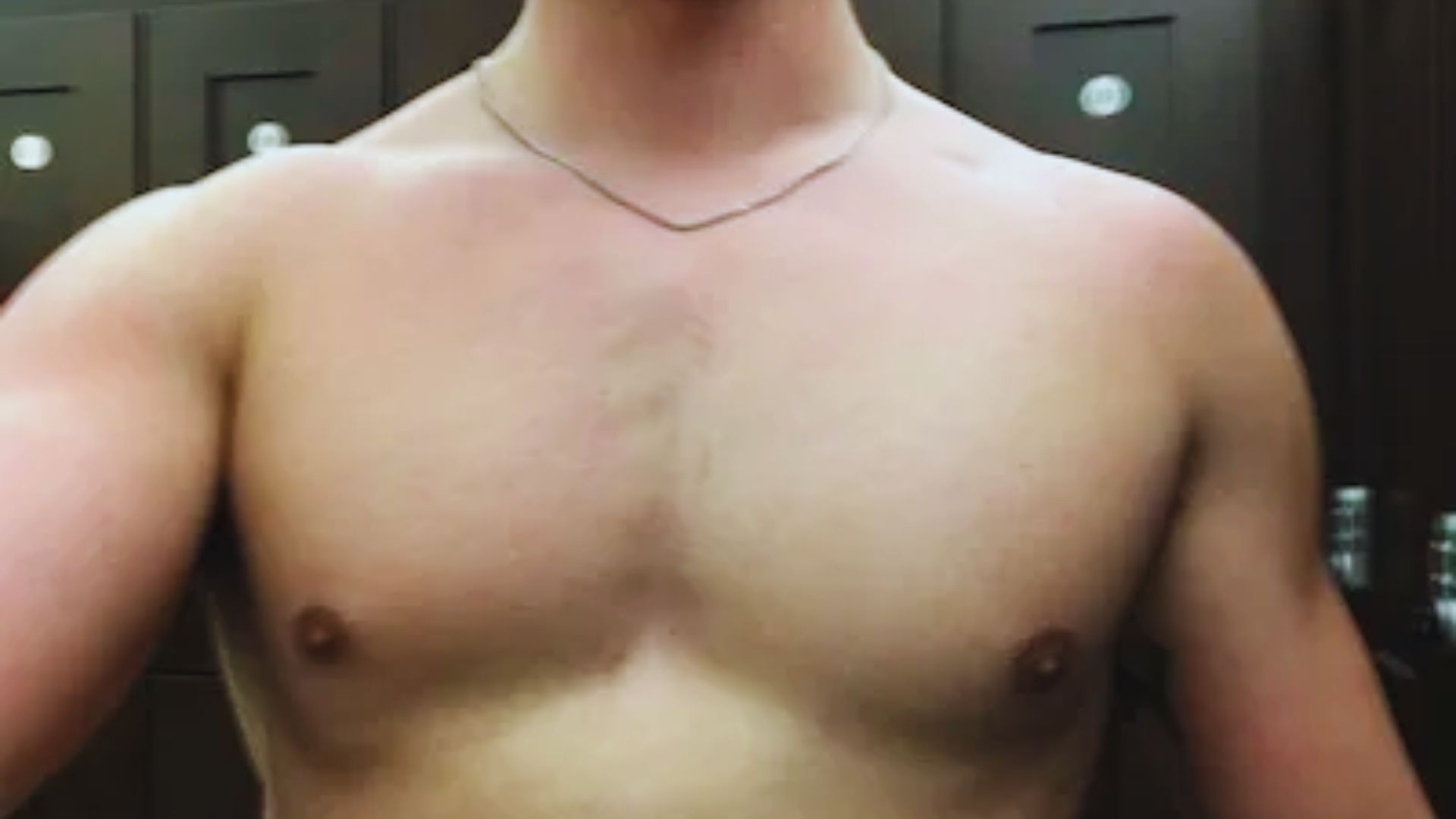
There is rarely just one cause. Most people have a combination of factors working against them. Here are the most common ones.
1. Dominant Side Overuse
If you are right-handed, your right side has a stronger connection to your nervous system. That means it recruits more muscle during pressing movements without you even realising it.
Everyday activities reinforce this too. Carrying bags, opening doors, and pushing things all favour the dominant side. That adds up over years.
Over time, that extra activation leads to more growth on one side. The gap starts small and gets wider if nothing is done to correct it.
2. Uneven Training Technique
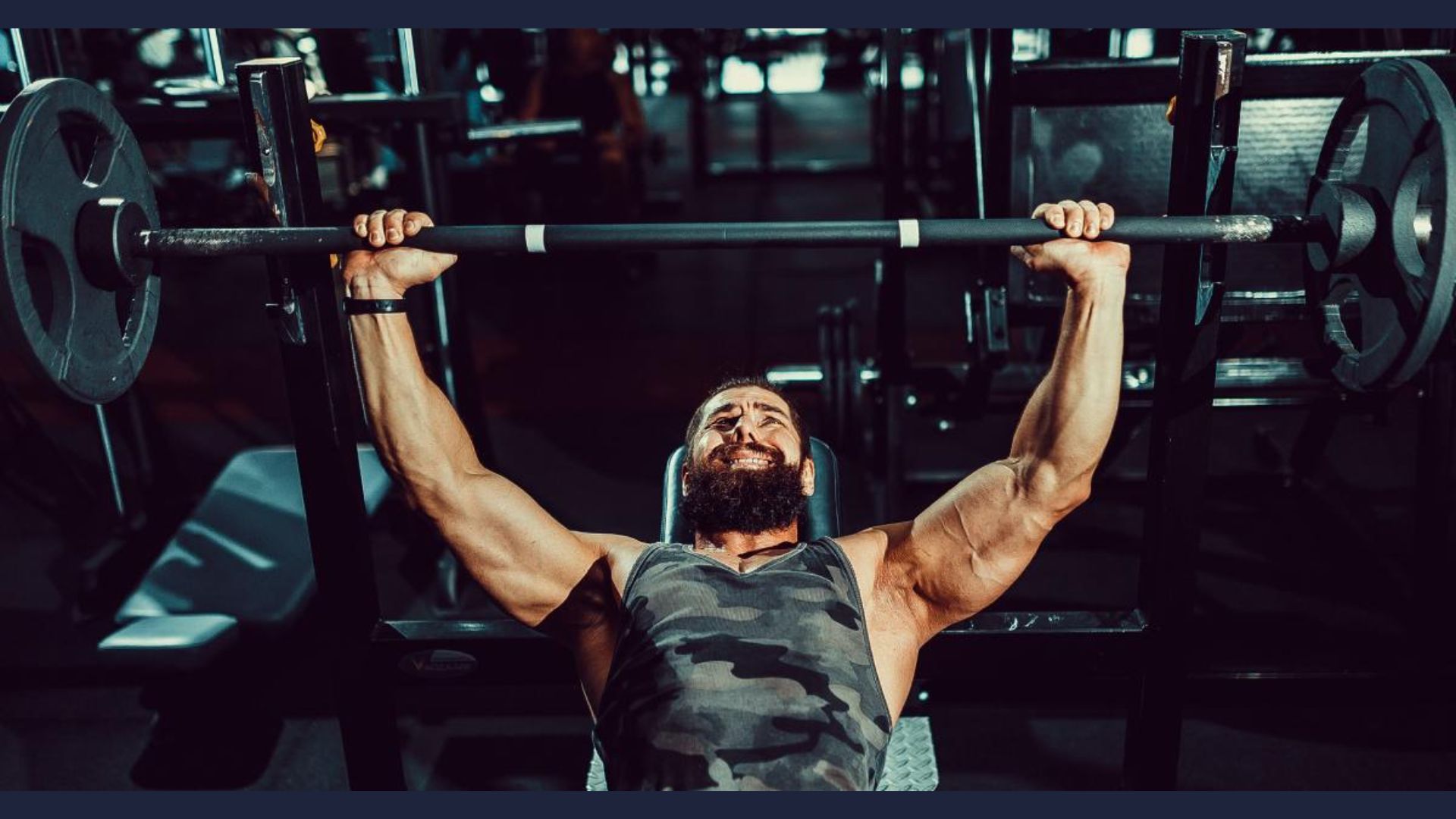
Barbell exercises like the bench press are one of the biggest hidden causes of chest imbalance. When you use a barbell, your stronger side can take over without you noticing.
One arm might push slightly more than the other. The bar drifts. And the weaker pec gets less stimulus with every single rep.
Poor form makes this worse. Flaring one elbow, rotating the torso slightly, or pressing unevenly through the wrists all shift the load in ways that build one side faster.
3. Mind-Muscle Connection Differences
Some people simply struggle to feel one side of their chest working. The muscle is there. It is just not being activated properly.
A weaker mind-muscle connection means fewer fibres firing on that side. Less activation leads to less work. Less work leads to less growth.
This is very common in beginners but it also shows up in intermediate lifters who have never focused on actually feeling the muscle contract during each rep.
4. Posture and Muscle Imbalances
Rounded shoulders, a forward head position, or uneven posture can pull one side of the chest into a tighter position than the other.
When one pec is chronically tight or shortened, it does not lengthen and contract through a full range of motion during training. That limits how much work it actually does.
Desk jobs, phone use, and sitting for long hours all contribute to postural issues that quietly make chest imbalance worse over time.
5. Injury or Previous Strain
A past chest, shoulder, or rotator cuff injury often leaves behind a subconscious pattern of avoidance. Your body protects the injured side without you telling it to.
That side loads less, activates less, and grows less. Even after the injury has healed, the compensation pattern can stick around for months or years.
If you have had any upper body injuries in the past, this is worth considering as a likely contributor to your imbalance.
6. Genetic Muscle Structure
Sometimes the answer is genetics. The pectoral muscles can attach at slightly different points on the ribcage and upper arm depending on the person.
These insertion points affect how the muscle sits, how it contracts, and how full it looks from the front. No amount of training will change that structure.
One pec may always look slightly different from the other. That does not mean your training is wrong. It just means perfect symmetry was never on the table.
Does It Mean Something Is Wrong?
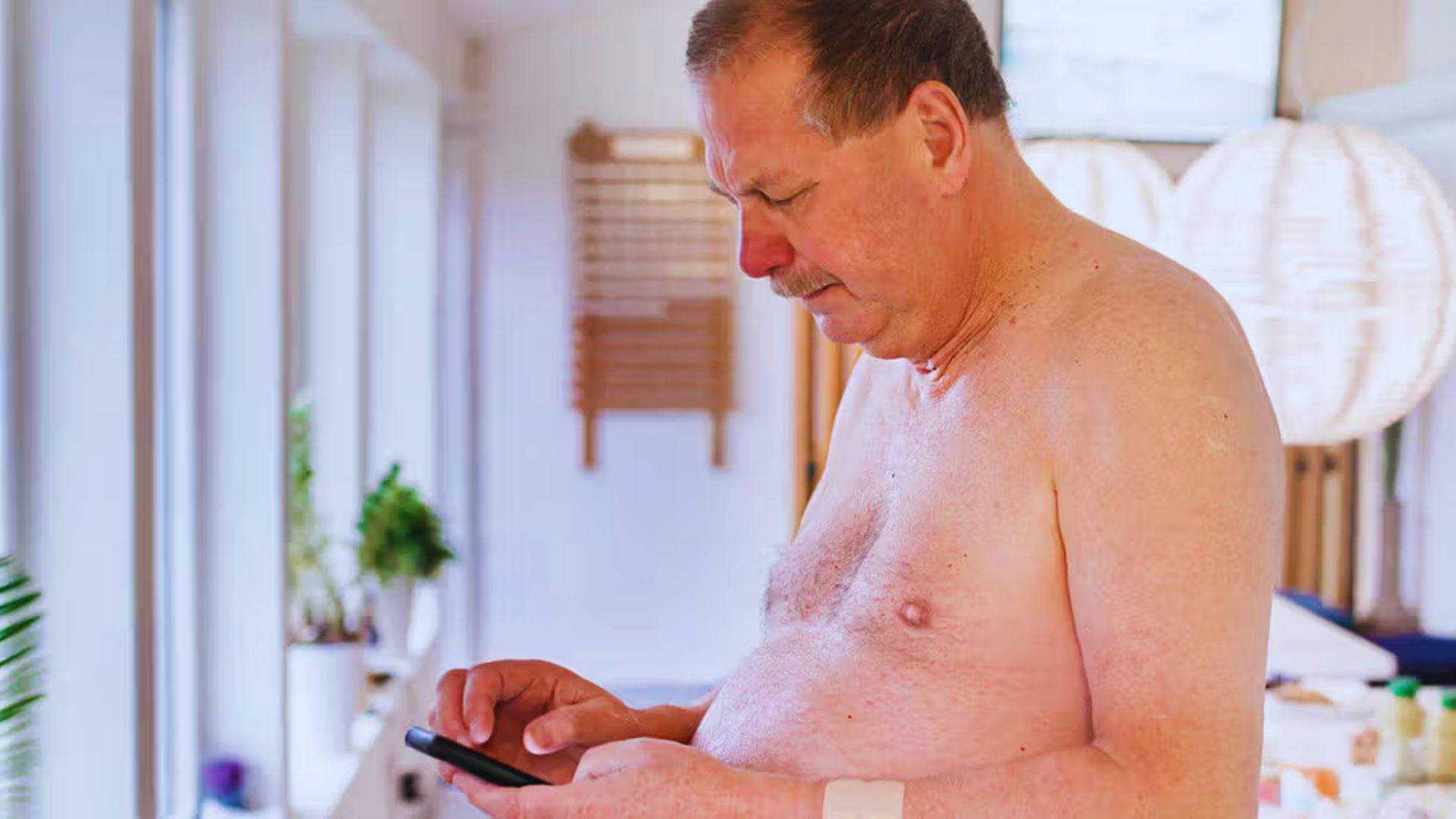
In the vast majority of cases, no. A size difference between the two pecs is almost always an aesthetic issue, not a medical one.
If the difference has always been there, developed gradually, and comes with no pain, it is almost certainly just a training or structural issue.
The situation changes if the difference appeared suddenly, is accompanied by pain, swelling, or a visible lump, or if one side feels noticeably weaker than it did before. Those signs deserve a proper check.
For most people reading this though, what you are dealing with is fixable with some attention to form, exercise selection, and consistency over time.
How to Fix Uneven Chest Muscles (Step-by-Step)
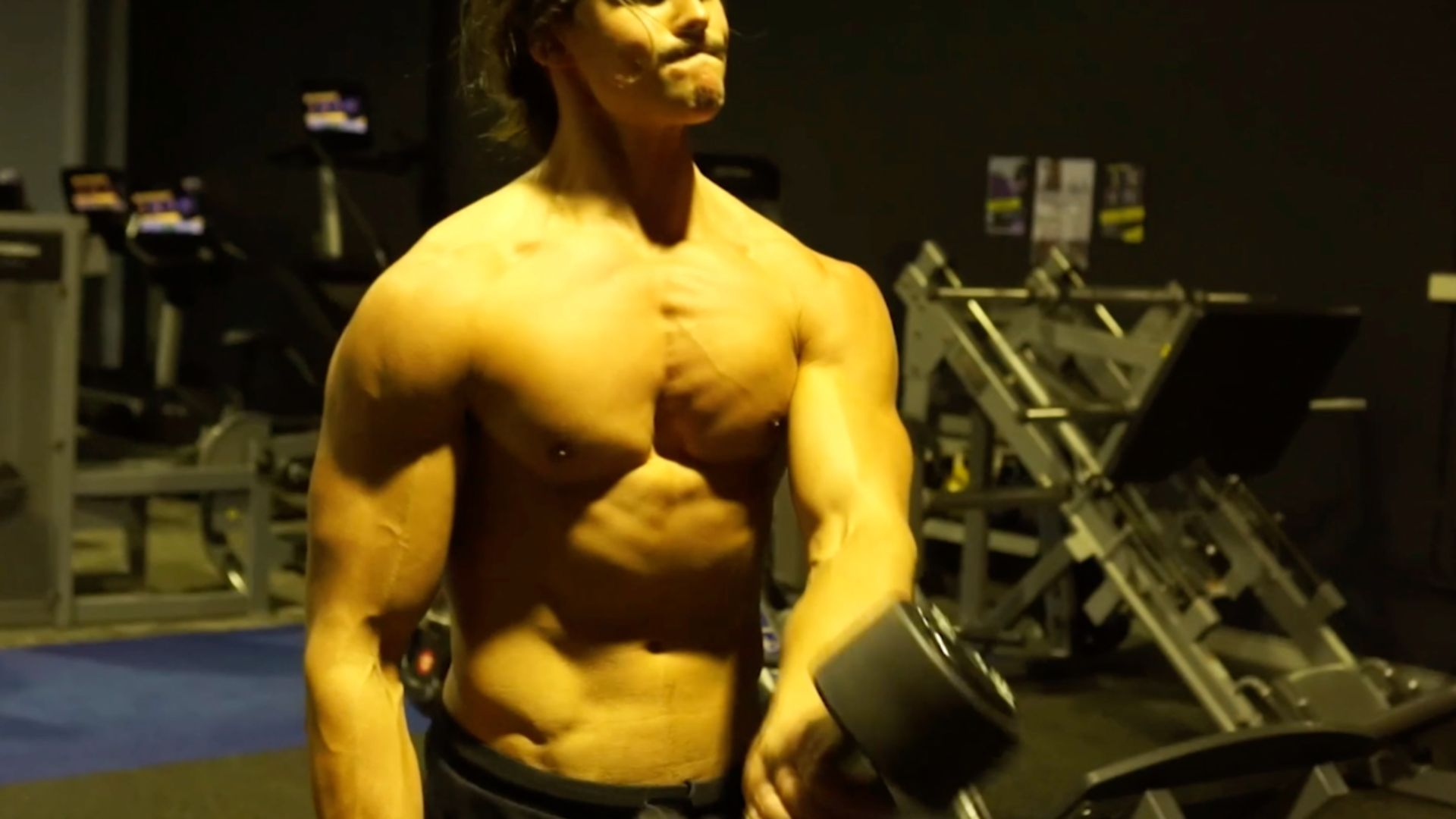
Fixing a chest imbalance does not require a completely new program. It requires smarter adjustments to what you are already doing. Here is how I approached it.
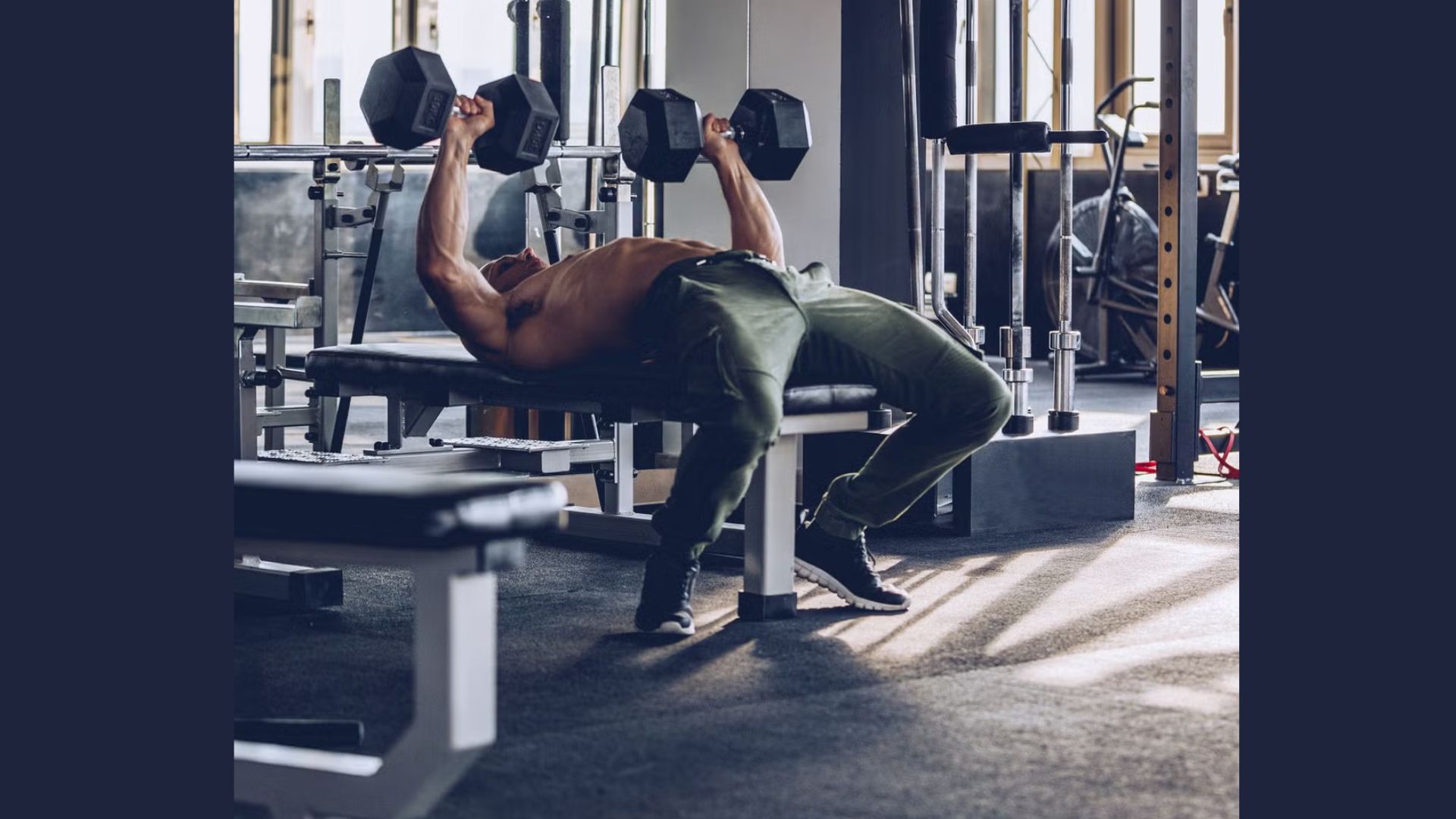
- Switch to dumbbell pressing movements as your main chest exercise. Each arm works independently, so the stronger side cannot carry the weaker one
- Start every pressing set with your weaker side. Match the reps exactly on your stronger side, even if it could do more
- Slow down the eccentric phase. Lowering the weight slowly forces both sides to stay engaged throughout the full rep
- Work on your mind-muscle connection before each set. Squeeze the weaker pec with your hand or do a light cable fly to activate it first
- Check your form on video. Even one session recorded from the front can reveal imbalances you would never notice in the moment
- Add one or two extra sets for the weaker side only at the end of each chest session
- Fix your posture. Stretch the tighter side and strengthen the muscles that pull your shoulders back
Stay patient with this process. The imbalance did not develop in a week and it will not disappear in one either.
Best Exercises to Fix Chest Imbalance

The right exercise selection makes a big difference when you are trying to fix one pec that is bigger than the other. Unilateral movements are your best tool here.
- Single arm dumbbell press: Forces the weaker side to work without help from the dominant arm
- Single arm cable fly: Great for isolating the chest and building that mind-muscle connection on the weaker side
- Dumbbell floor press: Limits range of motion slightly, which helps beginners feel both sides working evenly
- Push-ups with a pause at the bottom: The pause removes momentum and demands equal effort from both sides
- Single arm landmine press: The arc of the movement naturally encourages a full chest contraction
- Resistance band chest press: Constant tension helps activate the weaker pec more consistently throughout each rep
Use these as part of your uneven chest workout rather than replacing all your compound work. The goal is to give the weaker side more direct attention while still training both together.
How Long Does It Take to Fix Chest Asymmetry?
That depends on how big the gap is and how consistently you train.
A minor imbalance, something you can only really see up close, can start to even out in 4 to 8 weeks with focused unilateral training and better form.
A more noticeable gap takes longer. Most people see meaningful improvement in 2 to 4 months with consistent effort and smart programming.
Keep in mind that genetics may set a limit on how symmetrical you can get. Some structural differences in muscle shape and attachment simply cannot be trained away. The goal is balance and function, not perfection.
When Should You Be Concerned?
Most chest asymmetry is harmless. But there are a few situations where getting it checked is the right call.
See a doctor if the size difference appeared suddenly with no obvious training reason. That kind of rapid change can sometimes point to hormonal issues or other underlying causes worth ruling out.
Pain, swelling, or a lump on one side of the chest is never something to ignore. These symptoms are not related to training imbalance and need a professional opinion.
If one side feels dramatically weaker than it used to, especially after an injury, a physiotherapist can help identify whether there is nerve involvement or tissue damage affecting activation.
For everything else, what you are likely dealing with is a training issue. And that is something you can fix.
Tips to Prevent Future Muscle Imbalance
Once you start closing the gap, the goal is to keep it from coming back. These habits make a real difference over time.
- Use dumbbells more often than barbells for your main pressing work
- Check your posture daily, especially if you sit at a desk for long hours
- Train both sides with equal attention, not just equal weight
- Avoid lifting heavier than your form allows. Ego lifting always favours the stronger side
- Record your sessions occasionally and review your form from the front and side
- Warm up the weaker side specifically before heavy pressing
- Stretch the tighter side of your chest regularly, especially after training
Prevention is always easier than correction. These small habits cost nothing and save you from having to restart the fixing process later.
Conclusion
One uneven pec does not mean your training is broken. It means you have something specific to work on. That is actually a good thing.
Most people never figure out why is one pec bigger than the other. They just keep pressing and hoping it sorts itself out. Now you know better.
Pick one exercise from this guide. Apply it this week. Stay consistent with it for the next few months.
Noticed this issue yourself? Tell me which side lags and how long you have been dealing with it. Drop it in the comments below.
Frequently Asked Questions
Why Is One Pec Bigger Than the Other Even if I Train Both Sides Equally?
Hidden dominance and subtle form issues can still cause one side to work harder than the other even when the program looks balanced. Using dumbbells and checking your form on video will reveal what you cannot feel during the set.
Can Uneven Chest Muscles Be Fully Fixed?
The imbalance can be improved significantly with consistent unilateral training and better technique. Perfect symmetry is rare though, as genetics play a role in how each muscle sits and attaches.
Should I Stop Barbell Bench Press if One Pec Is Bigger?
You do not need to drop it completely, but adding more unilateral exercises alongside it will help. The barbell alone will not fix the imbalance because the stronger side will always compensate.
Is It Normal for Beginners to Have Uneven Pecs?
Yes, very common. Poor muscle activation and an underdeveloped mind-muscle connection mean one side often outpaces the other early on. It usually improves with time and focused training.
Do Push-Ups Help Fix Chest Imbalance?
Yes, when done with proper form and controlled movement they can help engage both sides more evenly. Adding a pause at the bottom of each rep makes them even more effective for addressing the imbalance.


