If you have ever stepped off a hack squat machine and felt your legs completely give out, you are not alone. I felt the exact same way the first time.
No other leg exercise hits quite like this one. It burns faster, it fatigues quicker, and it humbles even experienced gym-goers.
But there is a real reason behind that intensity. The machine is designed to load your quads like nothing else.
Once you understand why it feels so hard, you can actually use that to your advantage.
What Are Hack Squats? (Quick Overview)
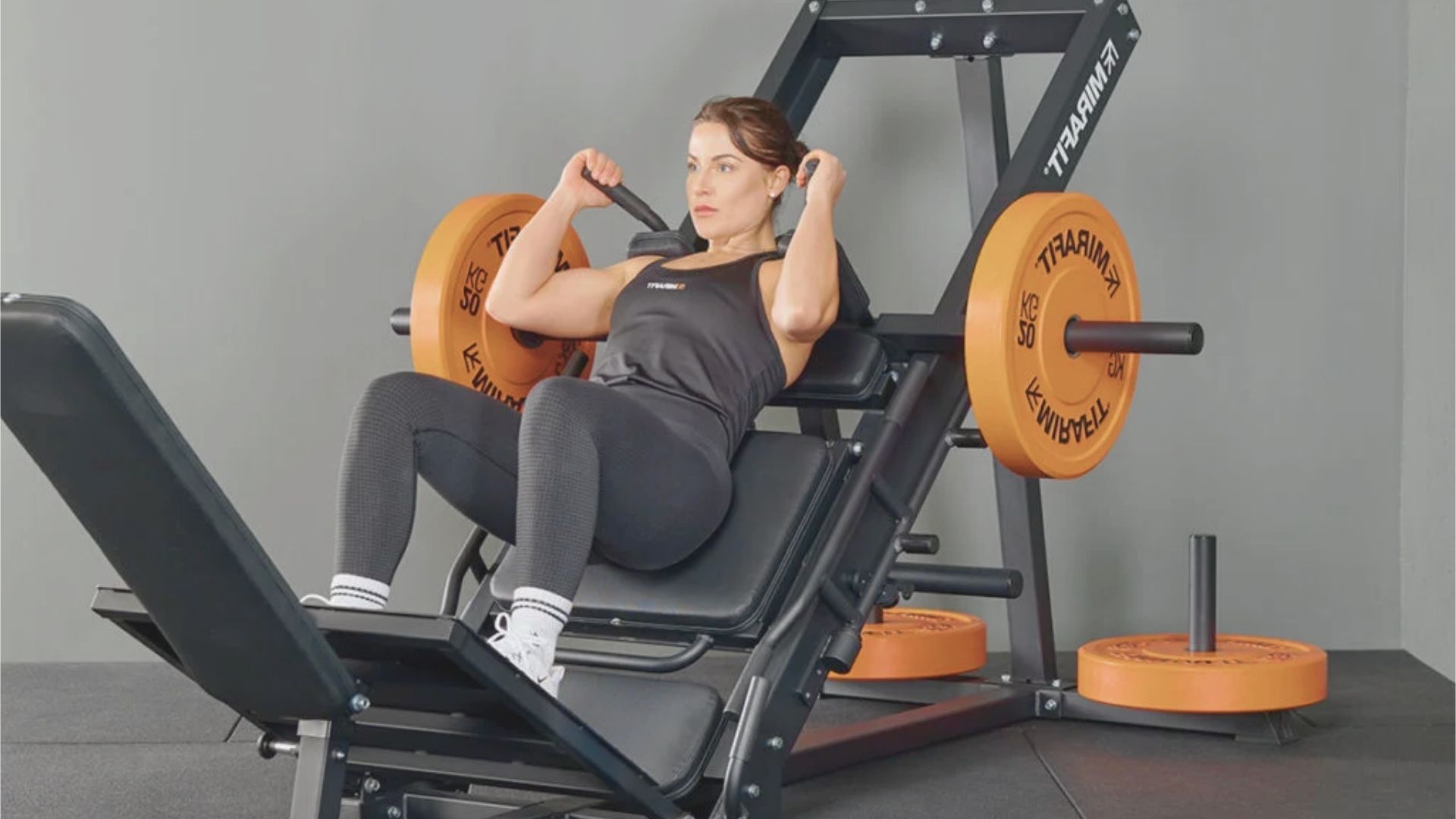
The hack squat machine keeps your back at a fixed angle while you push weight up a sled. Your feet sit on a platform in front of you. This setup forces your quads to do most of the work.
Regular squats let your body move freely. The hack squat does not. It locks you into one path.
That fixed position puts way more stress on your quads and knees, which is why it feels so much harder.
Why Are Hack Squats So Hard? (Core Reasons Explained)
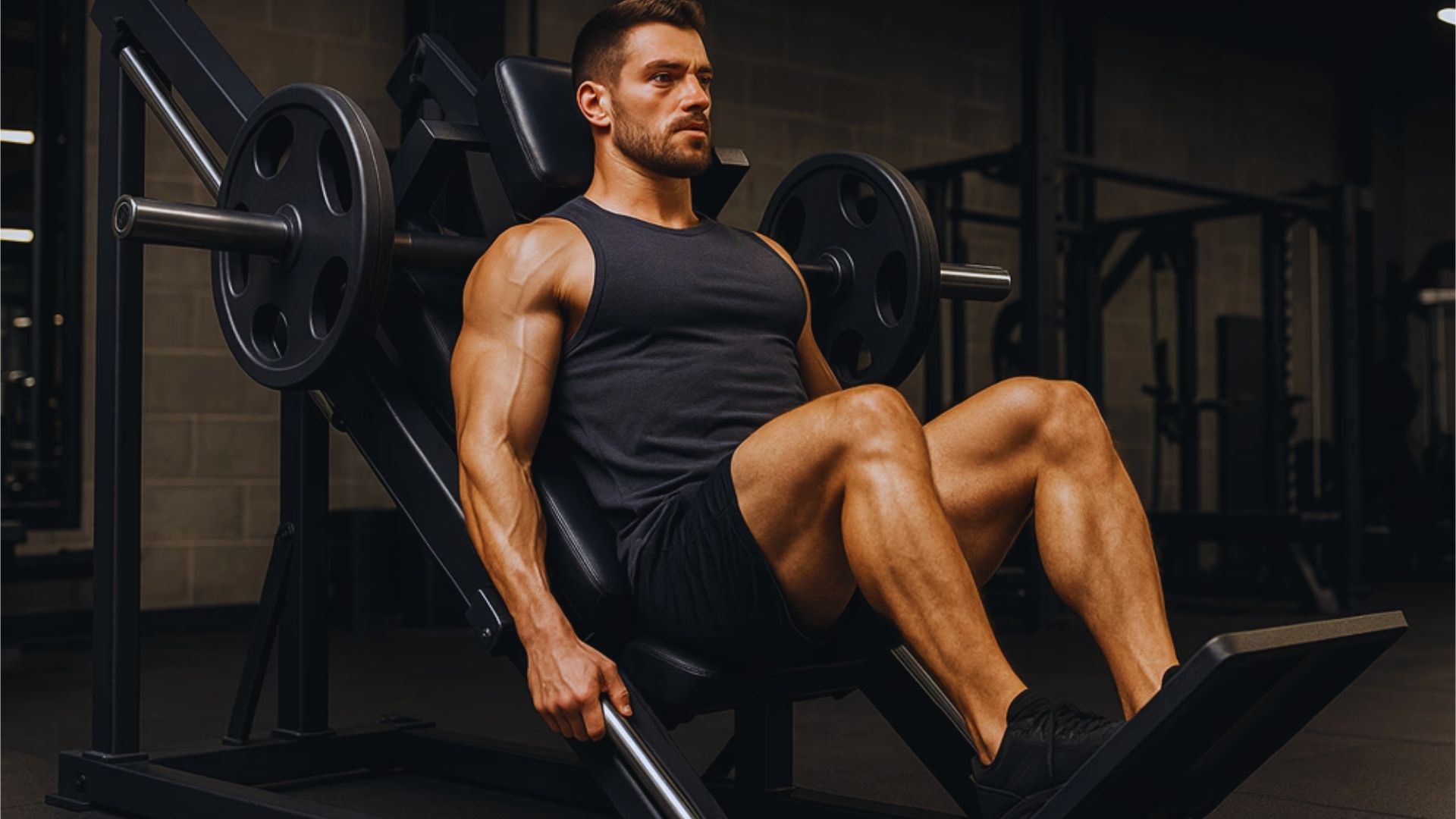
Hack squats are brutal for a reason. Here is exactly what makes them so hard on your legs.
1. Increased Range of Motion (ROM)
Hack squats push you into a deeper squat position than most exercises. That depth stretches your quads more at the bottom and contracts them harder at the top. More range means more work. Your muscles are under load for a longer part of the movement.
2. High Quadriceps Activation
Your knees travel far forward on the hack squat. That forward shift puts the bulk of the load on your quads. Your glutes barely get involved. So instead of splitting the work across multiple muscle groups, your quads carry almost all of it.
3. Fixed Machine Path Limits Momentum
With free squats, your body can shift slightly to make the lift easier. The hack squat machine takes that option away. You follow one fixed path, no adjustments. That strict movement pattern forces your muscles to work harder every single rep.
4. Constant Time Under Tension
There is no resting point during hack squats. Your muscles stay engaged from the first rep to the last. That continuous tension builds up fast. It is a big reason the burn kicks in so quickly.
5. Increased Load on Knees
The deep knee bend in a hack squat puts real pressure on your knee joints. You need both strength and mobility to handle it well. If either one is lacking, the exercise feels even harder and can cause discomfort.
6. Machine Angle and Resistance Curve
The angle of the sled changes how hard each rep feels. A steeper angle means more resistance throughout the movement. Some machines are also built heavier than others. So the difficulty can vary depending on the equipment you use.
7. Limited Spinal Assistance
In a regular squat, your core and spine help share the load. The hack squat machine handles your back support instead. That leaves your legs to do almost everything. Without spinal assistance, your quads and knees take on far more than usual.
The Biomechanics Behind Hack Squat Difficulty
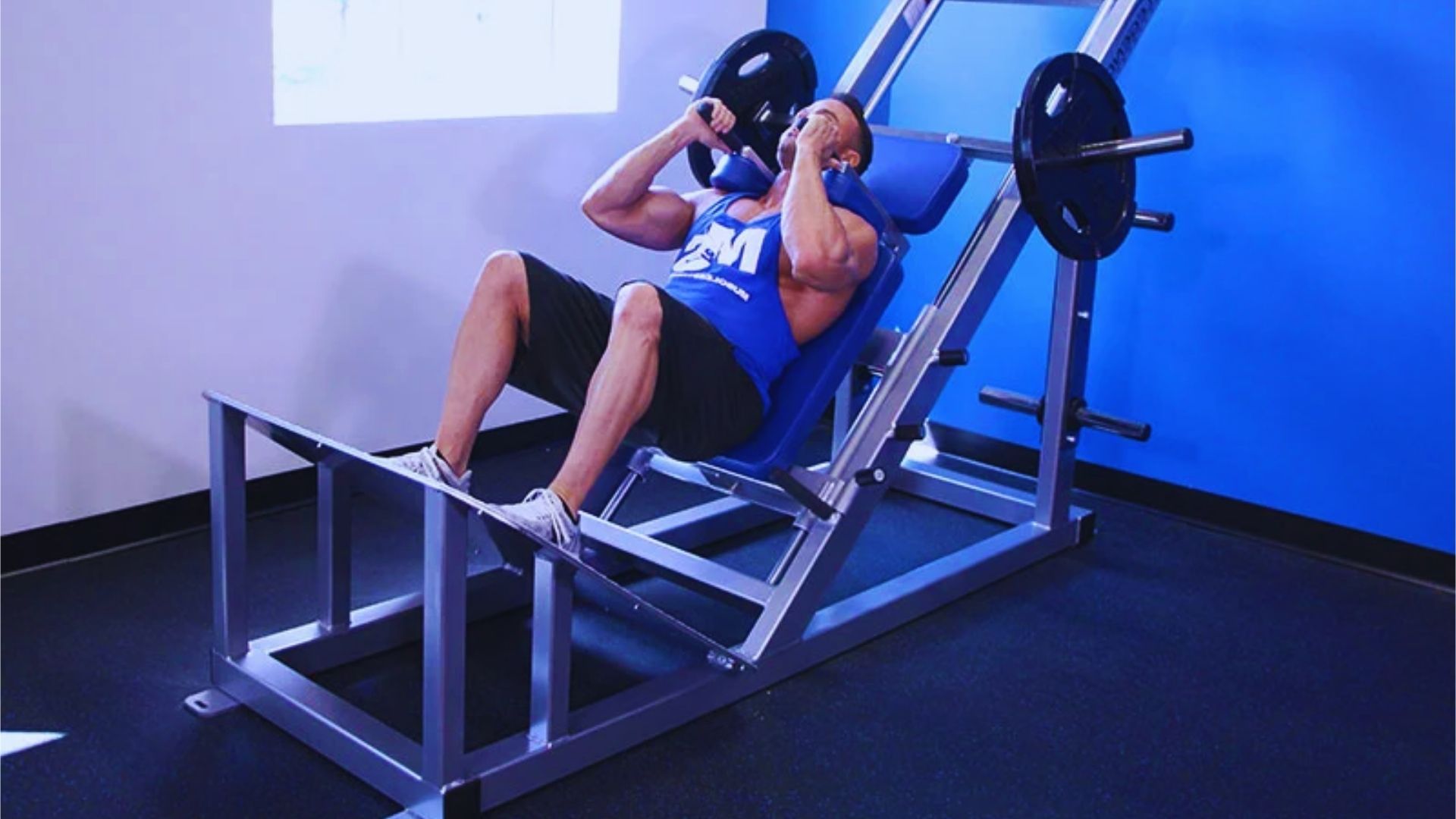
Hack squats are knee-dominant. Your knees lead the movement, not your hips. That shifts most of the load onto your quads and knee joints right away.
Regular squats use a lot of hip drive to move the weight. Hack squats cut that out almost completely. Without hip involvement, your legs work much harder.
Your muscles also stretch fully at the bottom while still holding load. That lengthening under tension is tough on the muscle fibers. It creates more fatigue and soreness compared to most other leg exercises.
Muscles Worked in Hack Squats
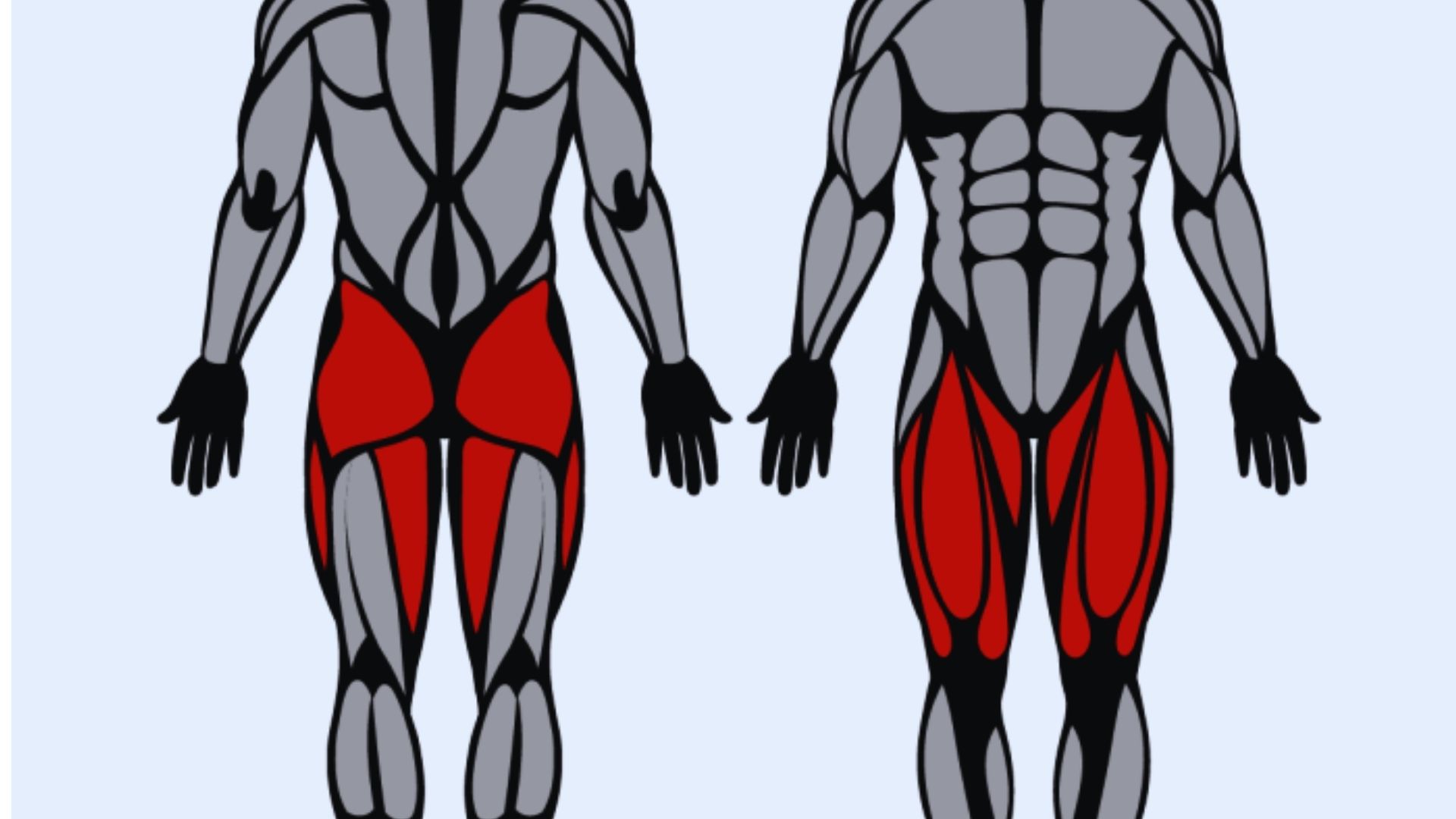
Hack squats mainly target your quads, but a few other muscles quietly chip in too.
Primary Muscle
Your quadriceps do most of the heavy lifting in hack squats. Every rep puts direct stress on them from start to finish.
Secondary Muscles
Your glutes activate slightly but don’t contribute much. Hamstrings help slow you down on the way down. Adductors keep your knees tracking properly. Calves work at the bottom to keep you stable on the platform.
Common Mistakes That Make Hack Squats Even Harder
- Loading too much weight too soon throws off your form and puts extra strain on your knees. Start lighter and build up gradually.
- Placing your feet too low or too narrow shifts the load away from your quads and onto your joints. Find a position that feels solid and controlled.
- Letting your heels lift off the platform reduces stability and increases knee stress. Keep them flat through every rep.
- Rushing through reps cuts your muscle engagement short and makes the movement sloppy. Slow down and control each rep properly.
- Locking your knees at the top gives your muscles a break mid-set. Keep a slight bend to maintain tension throughout.
How to Make Hack Squats Easier (Without Losing Effectiveness)
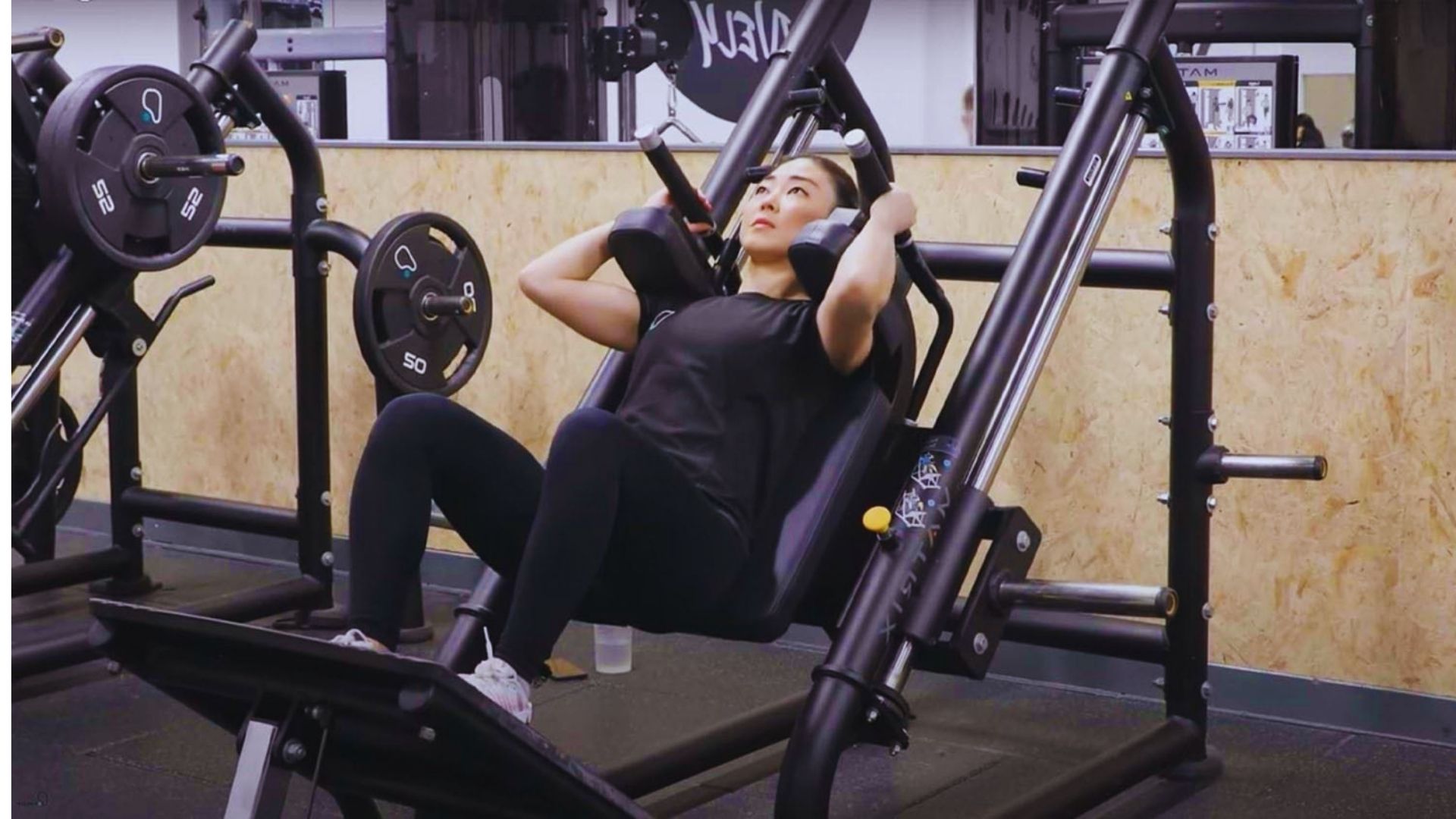
Move your feet higher on the platform to reduce knee stress. Wider stance takes pressure off your joints too. Slow your reps down.
A controlled tempo keeps the movement clean and reduces injury risk. Breathe in on the way down, out on the way up.
Never hold your breath. Start with light weight and add more only when your form is solid. Small adjustments make a big difference over time.
Conclusion
Hack squats are hard because they actually work. The difficulty is not a flaw. It is the point. More muscle activation means better results over time.
I have seen people avoid them because they feel brutal. But that burn is your quads being pushed in a way most exercises never reach.
Stick with them, be patient, and the strength gains will show up.
Try hack squats in your next leg day and feel the difference yourself. Drop a comment if you have questions.
Frequently Asked Questions
Are hack squats harder than regular squats?
Yes, for most people they are. The fixed path and deep range of motion put far more stress on your quads compared to a regular squat.
Why do my knees hurt during hack squats?
Deep knee flexion puts a lot of pressure on your joints. Poor foot placement or too much weight usually makes it worse.
How much weight should I start with on the hack squat machine?
Always start lighter than you think you need to. Get your form right first, then add weight slowly over time.
Can beginners do hack squats?
Yes, but with caution. Start with a comfortable weight, focus on form, and build strength before going heavier.
How often should I do hack squats?
Once or twice a week is enough. Your quads need time to recover since hack squats hit them very hard each session.