

I walked on a treadmill for three months straight and lost zero pounds. Not a single one.
Then I changed just two numbers: my speed and incline. The weight started dropping.
Here’s the problem: nobody tells you what speed to walk on the treadmill to lose weight. Everyone just says “walk more” like that’s helpful.
Spoiler: walking at 2 mph for an hour does almost nothing. But walking at the right speed with the right incline? That’s where fat loss happens.
I’m giving you the exact numbers I wish someone had told me on day one.
Understanding Treadmill Walking for Weight Loss
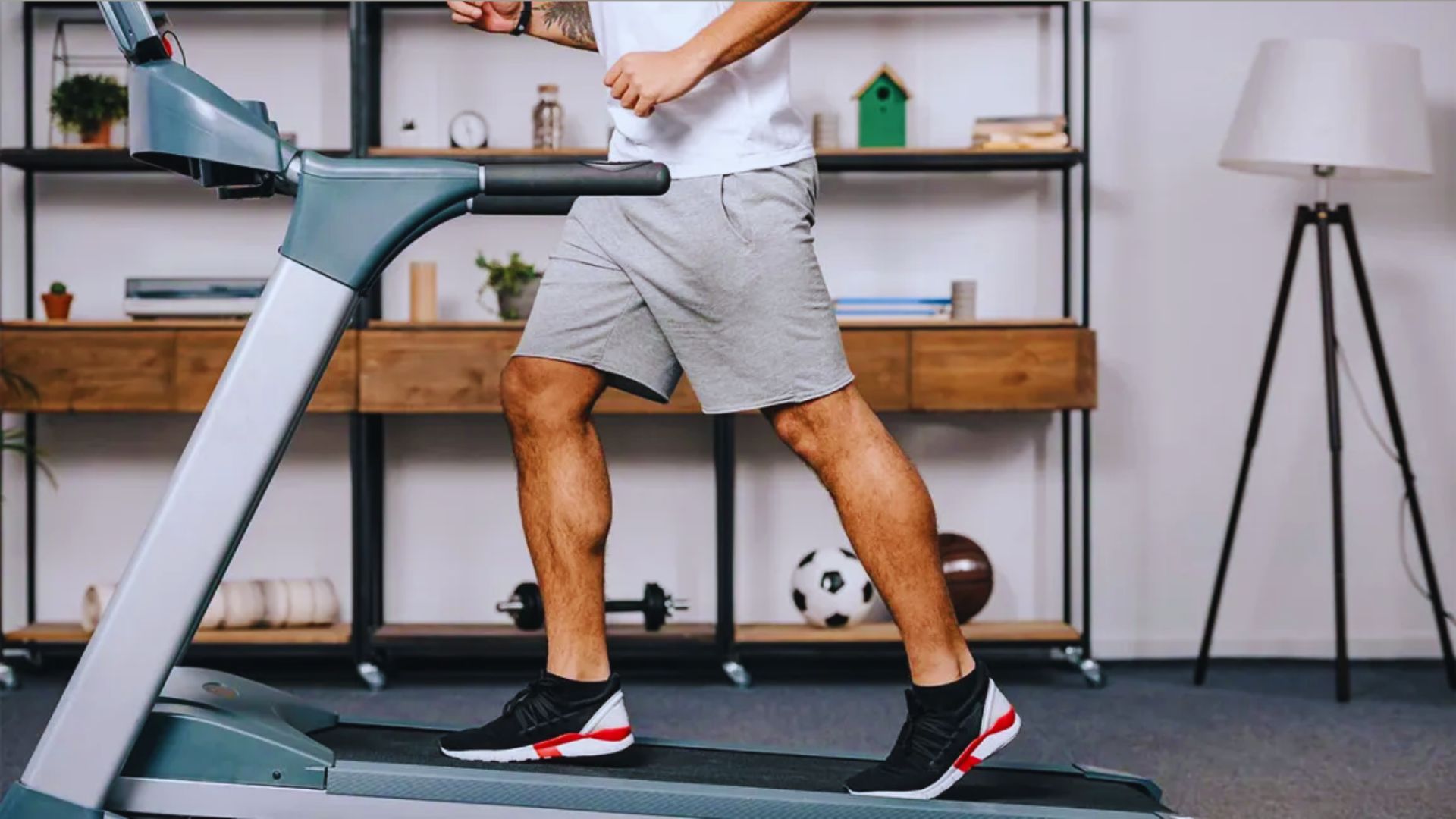
Walking beats running for most beginners. It’s lower impact, easier on joints, and you can sustain it longer.
The magic happens when you combine speed, incline, and duration. Each one affects calorie burn.
Faster speeds burn more. Higher inclines work more muscles. Longer sessions add up over time.
Treadmill walking gives you complete control over all three. You can dial in the perfect settings indoors.
What Speed to Walk on Treadmill to Lose Weight
Your ideal speed depends on your current fitness level. There’s no one-size-fits-all answer.
Ideal Speed Ranges for Weight Loss
Beginners start at 2.5 to 3.5 mph. This feels comfortable where you can hold a conversation. You’re building a foundation you can maintain for 30 minutes or more.
Intermediate walkers push to 3.5 to 4.5 mph. This is brisk walking where talking gets slightly harder. Your heart rate climbs into the fat-burning zone. You feel challenged but not exhausted.
Advanced walkers hit 4.5 to 5.0 mph. This borders on a slow jog, but you’re still walking. Your breathing gets heavy and sustained conversation becomes difficult.
Find a speed that feels challenging but sustainable for your target duration. If you can’t maintain it for 20 minutes, slow down.
How to Adjust Speed Based on Fitness Goals
Fat-burning requires moderate, sustainable pace. This happens at 60-70% of your maximum heart rate, typically 3.5 to 4.5 mph with incline.
For endurance, maintain steady speed for longer periods. Start with 30 minutes at 3.5 mph and gradually increase duration before speed.
Cardio improvement needs intervals. Alternate between comfortable pace and short bursts at higher speeds.
I do 30 to 40 minutes at a moderate pace (around 3.8 mph) for fat loss. The speed isn’t crazy, but I maintain it consistently.
The Role of Incline in Treadmill Weight Loss
Incline is your secret weapon for burning more calories without running. It changes everything.
Why Incline Boosts Calorie Burn
Adding incline increases heart rate without forcing you to speed up. You work harder while maintaining a comfortable walking pace.
It engages glutes, hamstrings, and core way more than flat walking. These are your largest muscle groups, meaning more calories burned.
A 5% incline can increase calorie burn by 50% compared to walking the same speed flat. That’s massive.
I noticed huge differences in leg strength and calorie burn when I started using incline regularly. My glutes got sore in a good way.
Recommended Incline Settings
Beginners start with 1 to 2% incline. This mimics outdoor walking and prevents the treadmill from feeling too easy.
Intermediate walkers use 3 to 5% incline. This is where you really feel the burn in legs and glutes.
Your heart rate jumps noticeably. Intensity increases without requiring faster speeds.
Advanced walkers handle 6 to 8% incline or higher. Some do interval incline workouts alternating between flat and steep grades.
I rarely go above 6% unless doing specific hill training. At that point, the workout becomes incredibly challenging even at moderate speeds.
Duration and Frequency for Maximum Results
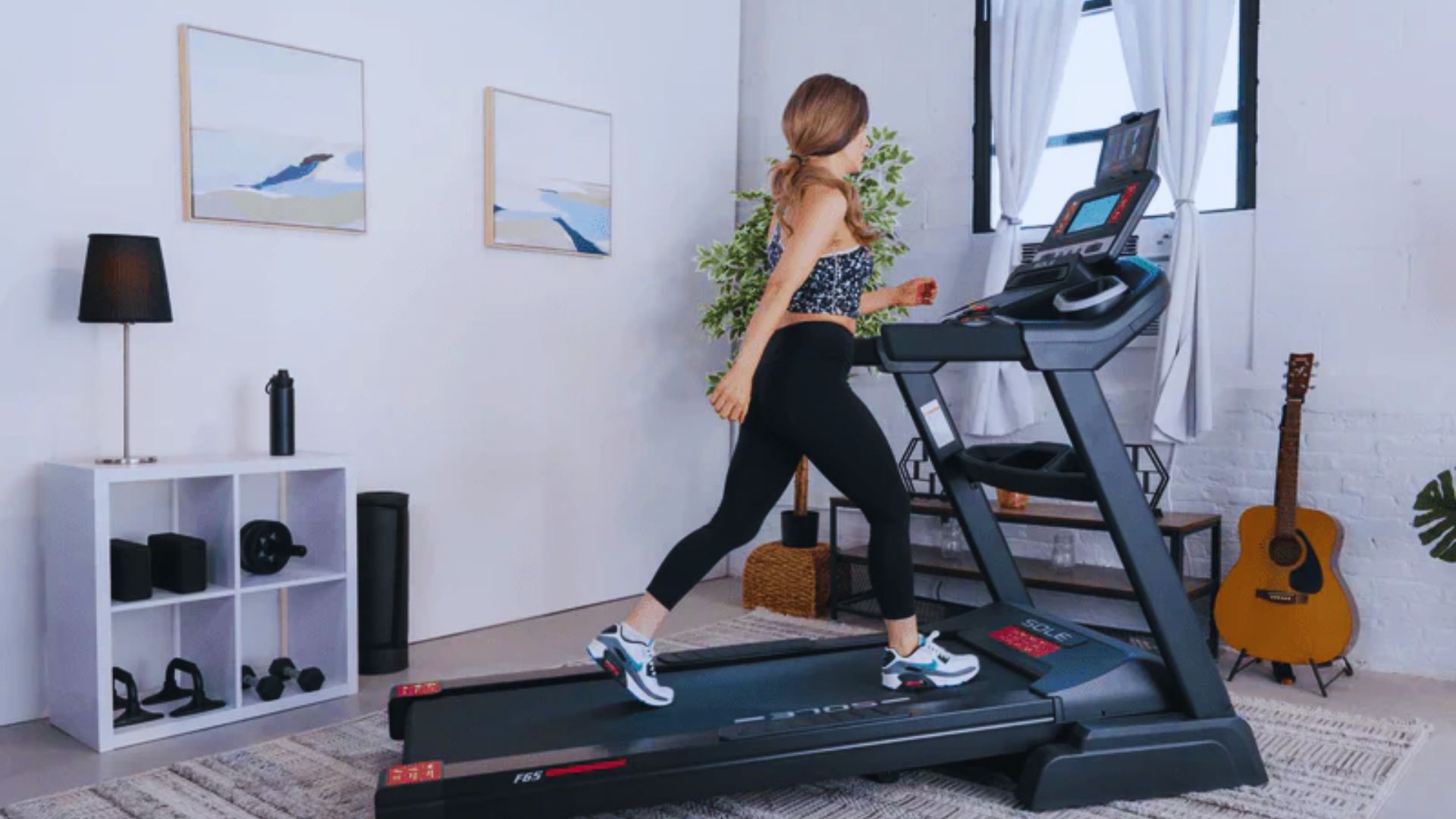
How long and how often you walk matters just as much as speed and incline.
How Long Should You Walk?
The minimum effective session is 30 minutes. Anything less doesn’t give your body enough time to tap into fat stores.
Fat burning kicks in harder after about 20 minutes of sustained activity.
The ideal duration for noticeable fat loss is 45 to 60 minutes per session. This is where you see real results.
I aim for 45 minutes most days. Longer sessions accelerate progress.
Weekly Workout Frequency
Aim for 4 to 6 sessions per week. Consistency beats intensity for weight loss.
Walking every other day works great for beginners. Your body needs recovery time.
Include at least one or two rest days weekly. Muscles repair and strengthen during rest, not during workouts.
I walk five days per week and take weekends off. This keeps me consistent without burning out.
Sample Treadmill Workout Plans for Weight Loss

Having a structured plan removes guesswork. Here’s exactly what to do based on your level.
Beginner Plan (20-30 minutes)
Warm up 5 minutes at 2.5 to 3 mph. Get your body moving before increasing intensity.
Main workout: 15 to 20 minutes at 3 to 3.5 mph with 1 to 2% incline. This builds base fitness without overwhelming you.
Cool down for 5 minutes at a slow walk. Let your heart rate come down gradually.
This plan is perfect if you’re new to exercise or returning after a break. Don’t rush to advance.
Intermediate Plan (30-45 minutes)
Warm up 5 minutes at 3 mph on a flat surface.
Main segment: 20 to 30 minutes at 3.5 to 4 mph with 2 to 4% incline. This is where real work happens.
Optional: Add 5-minute interval section with sprints at 4.5 mph if feeling strong. Walk at normal pace 2 minutes between sprints.
Cool down for 5 minutes at a slow pace. Your breathing should return to normal by the end.
Advanced Plan (45-60 minutes)
Warm up 5 minutes at 3.5 mph. Your body needs preparation even at advanced levels.
Main workout: 30 to 40 minutes at 4 to 4.5 mph with 3 to 6% incline. This challenges your cardiovascular system and muscles significantly.
Include interval bursts of 1 to 2 minutes at 5 mph scattered throughout. These spike heart rate and boost calorie burn.
Cool down 5 to 10 minutes at a slow pace.
I follow a version of this three times weekly, alternating with an intermediate plan on lighter days. Variety prevents boredom and overtraining.
Tips to Maximize Weight Loss on a Treadmill
Small adjustments make huge differences. Here’s what actually works.
Follow these strategies:
- Maintain proper posture: Core tight, shoulders relaxed, don’t lean on handrails
- Use interval training: Alternate speeds or inclines to burn more calories
- Track heart rate: Stay in 60-70% zone for optimal fat burning
- Combine with nutrition: No amount of walking outpaces a bad diet
- Wear proper shoes: Invest in good walking shoes to prevent injury
- Stay hydrated: Drink water before, during, and after walks
- Mix up routines: Change workouts every 2-3 weeks to prevent plateaus
Consistency with these tips accelerates progress. I’ve seen people transform their bodies just by fixing posture and adding intervals.
Common Mistakes to Avoid
These errors kill progress and waste time. I made most of them myself before learning better.
Watch out for:
- Walking too slowly: If you’re barely sweating, you’re not working hard enough
- Ignoring incline: Flat walking limits calorie burn significantly
- Skipping warm-up and cool-down: Increases injury risk and reduces workout quality
- Overtraining: Walking seven days a week with no rest leads to burnout
- Holding handrails: Reduces calorie burn by up to 20%
- Same routine forever: Your body adapts and stops changing
- Expecting instant results: Weight loss takes weeks, not days
The biggest mistake is inconsistency. Missing workouts randomly destroys momentum. Stick to your schedule even when motivation is low.
Conclusion
Stop reading and start walking. Right now, today, this week.
I challenge you to commit to one month. Pick your plan, schedule your sessions, and don’t skip a single workout. Track your weight on day 1 and day 30.
The results will shock you if you actually show up consistently.
Your treadmill doesn’t care about excuses. It’s waiting for you to press start and prove you’re serious about changing your body.
Which plan are you committing to? Drop it in the comments and hold yourself accountable.
Let’s see who’s still walking in 30 days. Your journey starts with one step.
Frequently Asked Questions
Can I lose weight walking slowly on a treadmill?
Yes, but adding incline and extending duration will burn significantly more calories. Slow walking alone takes much longer to see results.
How fast should I walk if I’m a beginner?
Start at 2.5 to 3.5 mph with 1 to 2% incline. This pace is sustainable for 30 minutes and builds your fitness foundation safely.
Is it better to walk fast or increase incline for weight loss?
Both help, but combining moderate speed with incline gives optimal results. A 4 mph walk at 5% incline beats 5 mph at 0% incline.
How often should I walk on the treadmill to lose weight?
Aim for 4 to 6 times per week, 30 to 60 minutes per session. Include rest days for recovery and better long-term progress.
Can treadmill walking replace running for fat loss?
Yes, especially when using incline and intervals to increase intensity. Walking is lower impact and more sustainable for most people long-term.