
Working out without a plan wastes time. Pairing the right muscle groups changes everything.
I’ve spent years figuring out what actually works in the gym. The order and combination of muscles you train matters more than most people think.
In this article, you’ll learn which muscles work best together, how to build a smart weekly plan, and the best exercises for each pairing.
This guide gives you a clear, simple roadmap. No confusion. No wasted effort. Just results.
Let’s get started.
Why Pairing Muscle Groups Matters
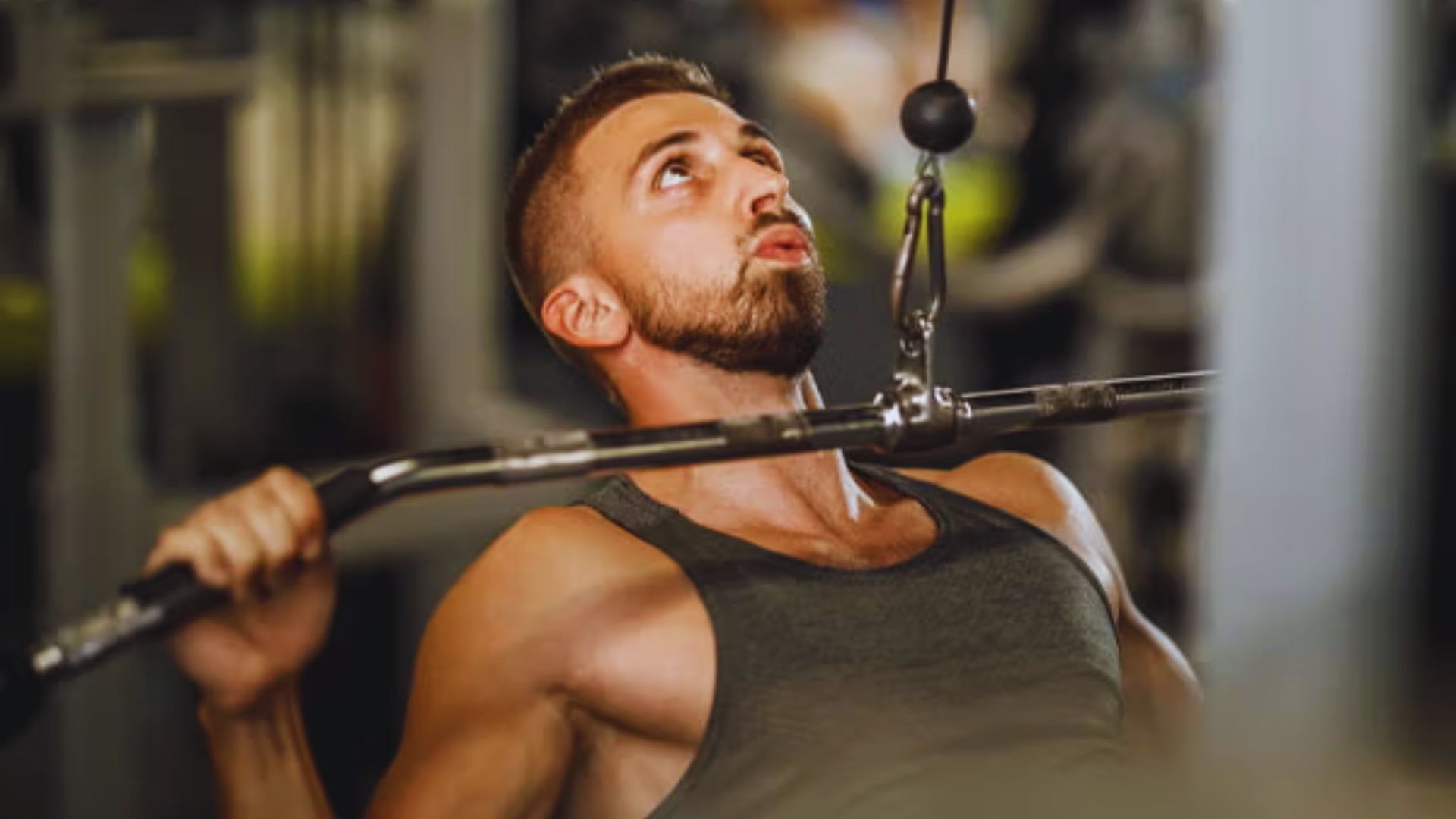
Pairing muscles the right way saves time, speeds up recovery, and helps you grow faster.
When you train muscles that work together, you get more done in less time. Your triceps already help during chest exercises, so training them on the same day just makes sense.
Muscles grow during rest, not during the workout. Smart pairing gives each group enough time to recover before you hit it again.
Overtraining is one of the most common gym mistakes. A good pairing plan keeps you training hard while the right muscles rest. That balance keeps you consistent week after week.
Best Muscle Group Pairings Explained
These are the most effective pairings backed by exercise science and real-world results.
Chest, Shoulders, and Triceps (Push Muscles)

These three muscle groups all push weight away from your body.
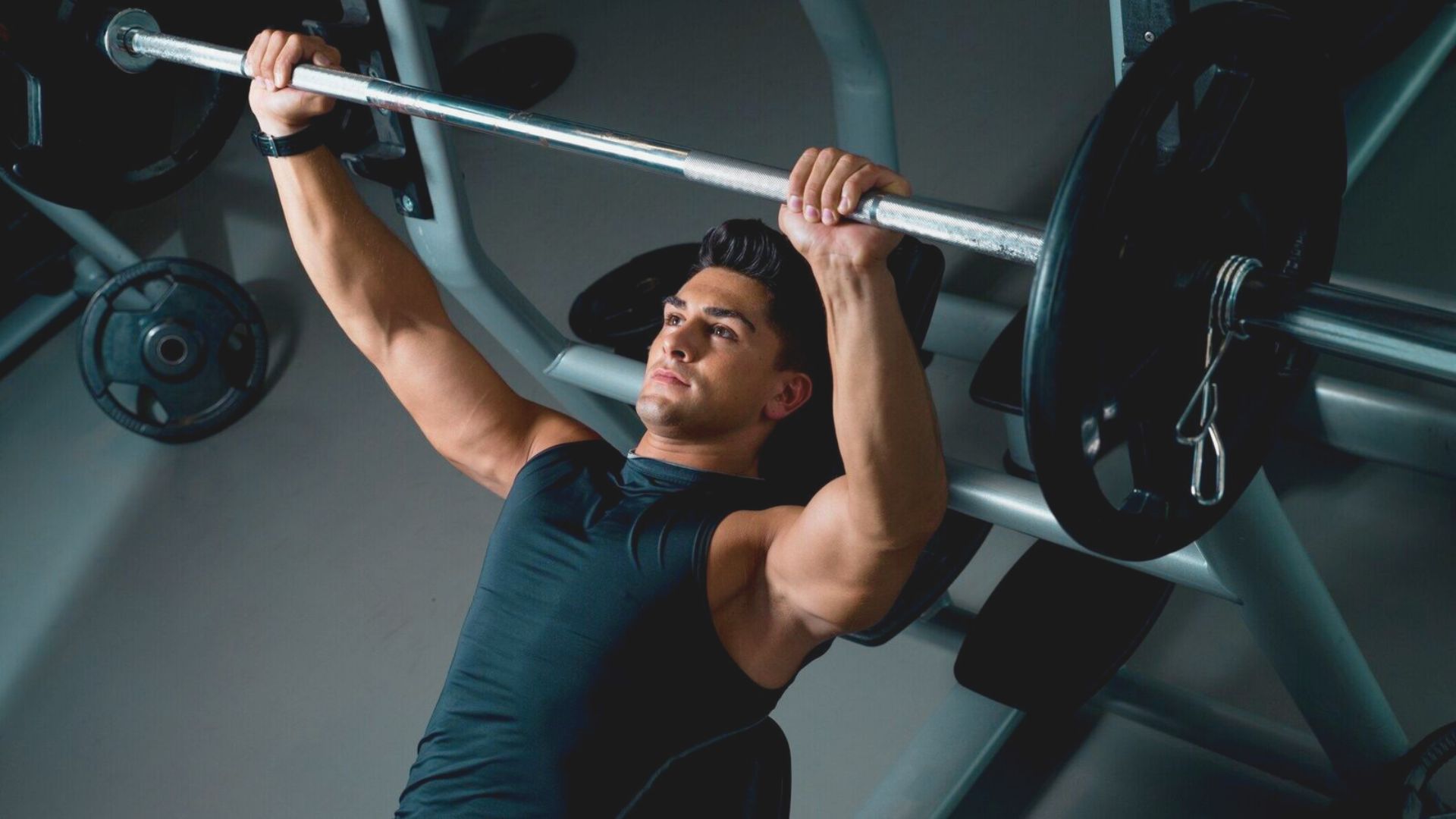
During a bench press, your chest does most of the work. But your shoulders and triceps assist throughout the movement. Training them together on one day is efficient and logical.
Common push day movements include:
- Bench press
- Overhead press
- Tricep pushdowns
- Lateral raises
Because these muscles are already warmed up from compound lifts, isolation work at the end of the session hits harder.
This is one of the most popular and effective pairings in fitness.
Back and Biceps (Pull Muscles)

Pull muscles do the opposite. They pull weight toward your body.
When you do a row or a pull-up, your back leads the movement. Your biceps help finish it. They naturally work together.
Training them on the same day makes sense because your biceps are already fatigued after back exercises. You finish them off with curls and you’re done.
This pairing also helps prevent muscular imbalances. If you only train to push muscles, your posture suffers. Pull day fixes that.
Legs, Glutes, and Calves (Lower Body)
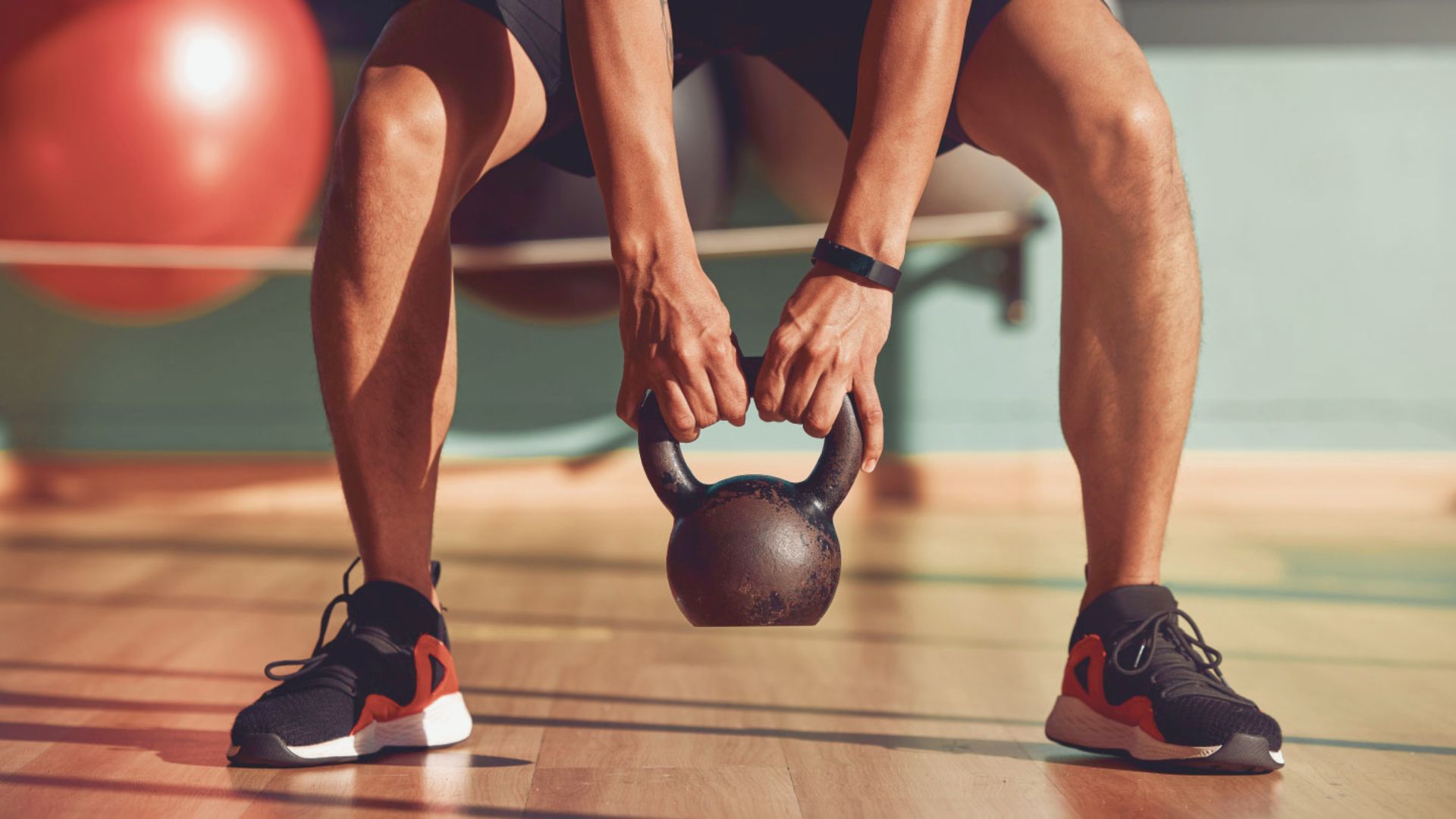
Leg day covers a lot of ground. Your quads, hamstrings, glutes, and calves all live in the lower body.
These muscles support everything you do. Walking, running, jumping, lifting. All of it.
Training legs together makes sense because they don’t interfere with your upper body recovery. You can train, push or pull the next day without issue.
Don’t skip calves. They’re often ignored but play a big role in ankle stability and overall leg development.
Core Muscles and How to Train Them

Your core is more than just abs.
It includes your obliques, lower back, and deep stabilizing muscles. These muscles support every lift you do.
You can train core at the end of most sessions. It doesn’t need its own dedicated day unless you want to prioritize it.
Simple movements like planks, dead bugs, and cable crunches work well. Keep core work short and focused. 10 to 15 minutes is enough.
Synergistic vs Opposing Muscle Pairing
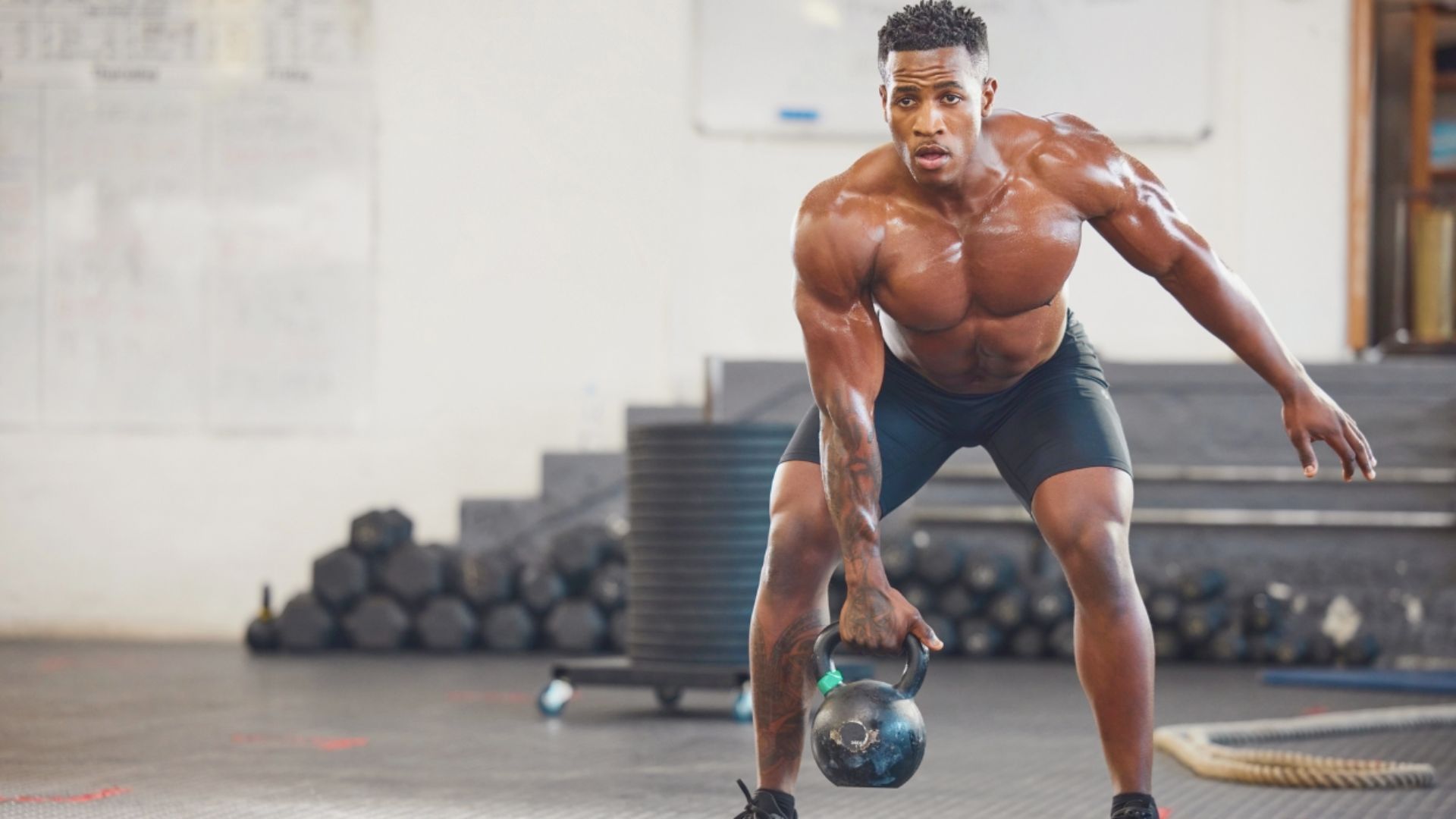
Two main approaches exist for pairing muscles. Both work. The right one depends on your goal.
|
Factors |
Synergistic Pairing |
Opposing Pairing |
|
How it works |
Muscles assist each other in the same movement |
Muscles work against each other |
|
Example |
Chest and triceps, back and biceps |
Biceps and triceps, chest and back |
|
Main benefit |
More muscle fatigue per session, great for size |
Faster workouts, shorter rest time |
|
Best for |
3 to 6 days per week, push/pull/legs split |
3 to 4 days per week, limited time |
|
Method |
Supporting muscle gets worked twice per session |
Superset opposing muscles back to back |
|
Popular split |
Push/pull/legs |
Upper/lower or full body |
Many experienced lifters mix both approaches depending on the phase of training they’re in.
Start with synergistic pairing if you want to build size. Go with opposing pairing if you want to save time without losing intensity.
Workout Splits Based on Muscle Groups
Your weekly schedule shapes how you organize your training. Pick the split that fits your life.
Full-Body Split (2 to 3 Days per Week)
A full-body split trains every major muscle group each session. It works well for beginners or anyone with a tight schedule. Train Monday, Wednesday, and Friday.
Keep sessions around 45 to 60 minutes and focus on compound movements. The downside is you can’t go as heavy on any one muscle group per session.
Upper/Lower Split (4 Days per Week)
This split divides training into upper and lower body days. Train upper body Monday and Thursday, lower body Tuesday and Friday.
You get more volume per muscle group than full body while still hitting everything twice per week. This is a solid choice for intermediate lifters chasing steady strength and size gains.
Push/Pull/Legs Split (5 to 6 Days per Week)
This is one of the most popular splits for building muscle. Push day covers chest, shoulders, and triceps. Pull day covers back and biceps. Leg day covers quads, hamstrings, glutes, and calves.
Run it twice per week and you hit every muscle group two times. The downside is that missed days throw off the whole schedule.
Best Exercises for Each Muscle Group Pairing
These are the most effective moves for each pairing. Master the basics before adding more.
Push Day Exercises (Chest, Shoulders, Triceps)

Start with compound lifts and finish with isolation work once the muscle is already warm.
Chest: Barbell bench press, incline dumbbell press, cable fly or pec deck
Shoulders: Overhead barbell or dumbbell press, lateral raises, front raises and rear delt fly
Triceps: Close-grip bench press, skull crushers, tricep pushdown and overhead extension
Pull Day Exercises (Back, Biceps)
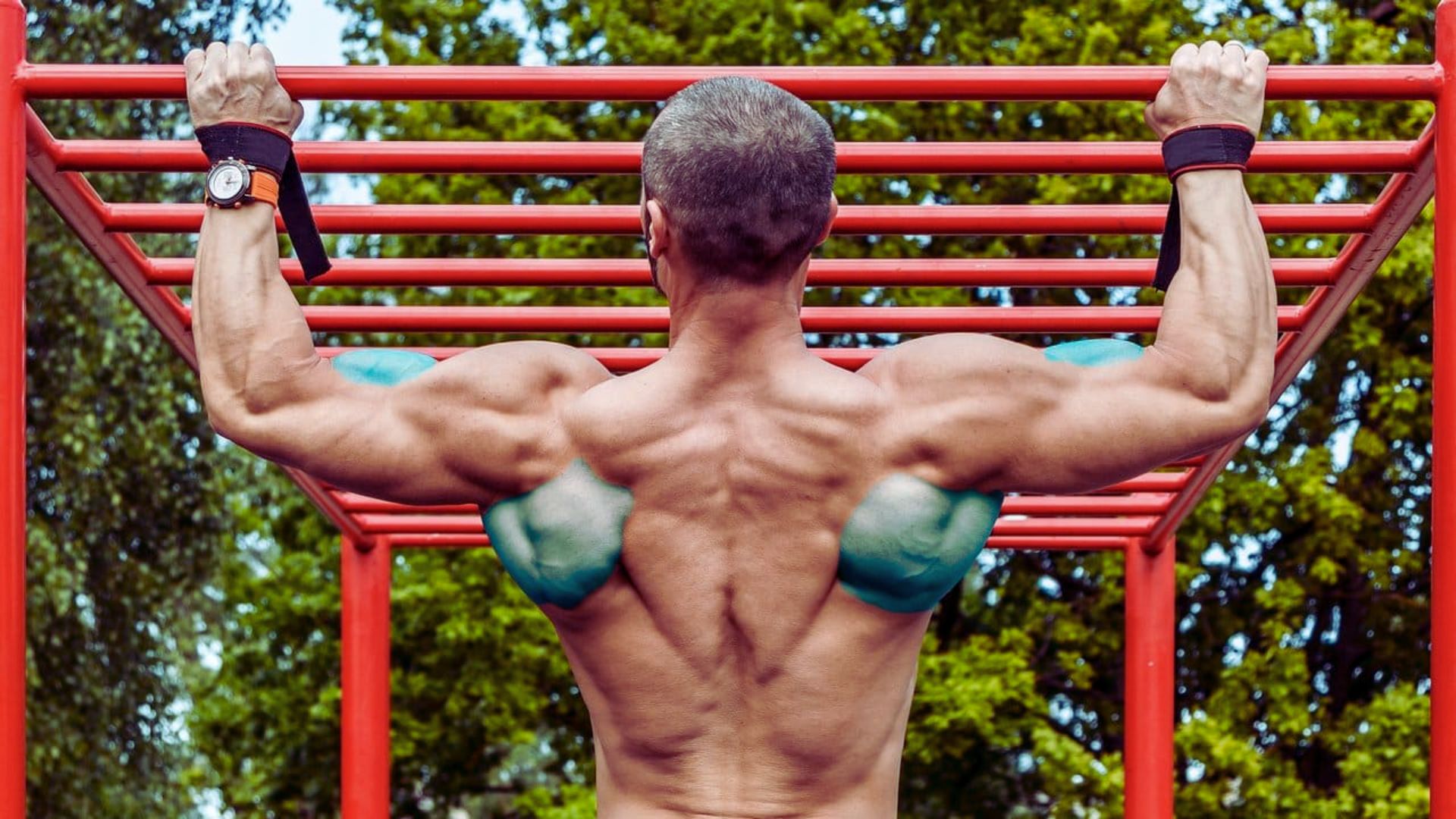
Your biceps will already be fatigued after back work, so light to moderate weight on curls is enough.
Back: Barbell row or dumbbell row, pull-up or lat pulldown, seated cable row and face pulls
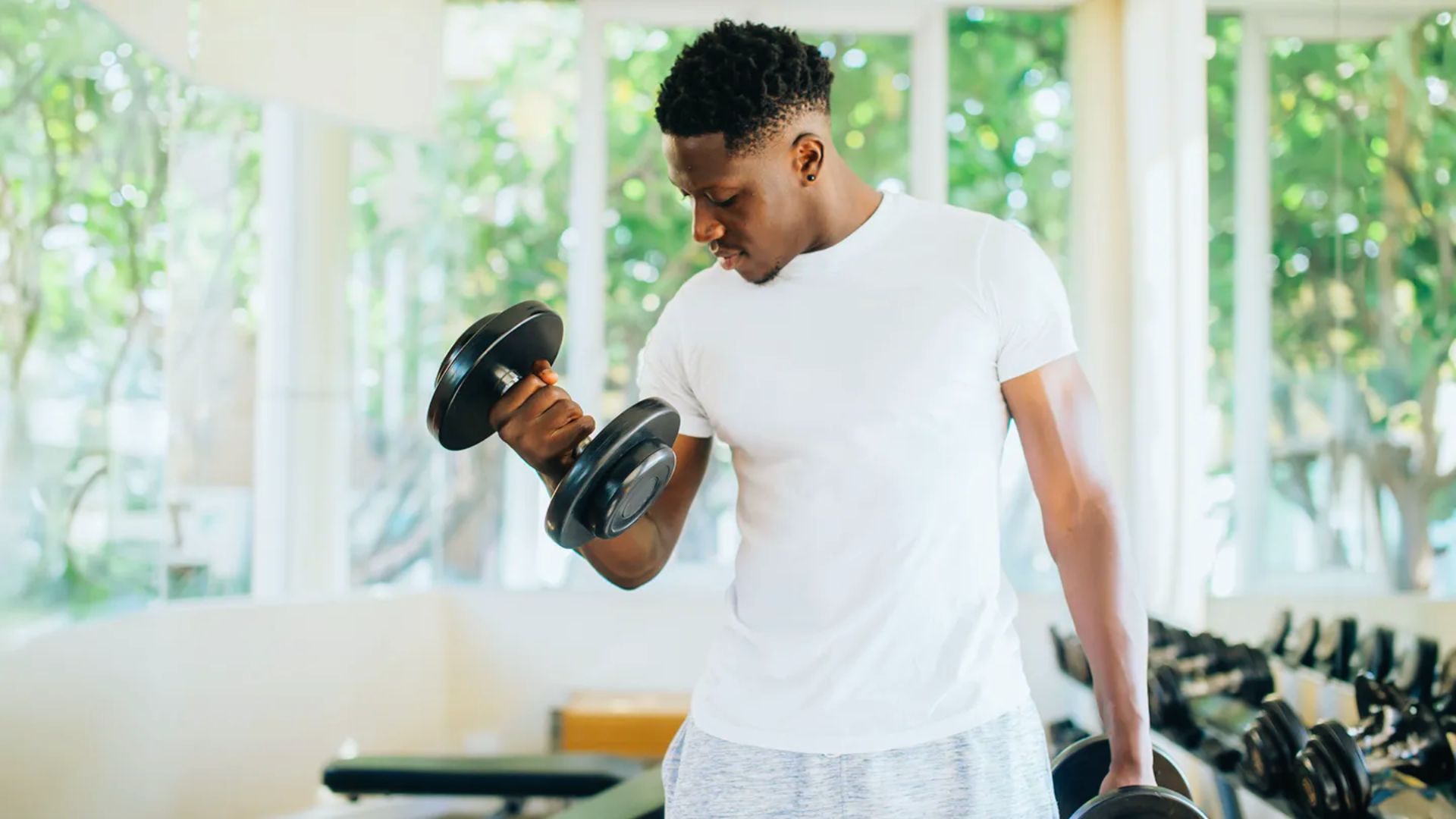
Biceps: Barbell curl, incline dumbbell curl, hammer curl and cable curl
Leg Day Exercises (Glutes, Quads, Hamstrings)
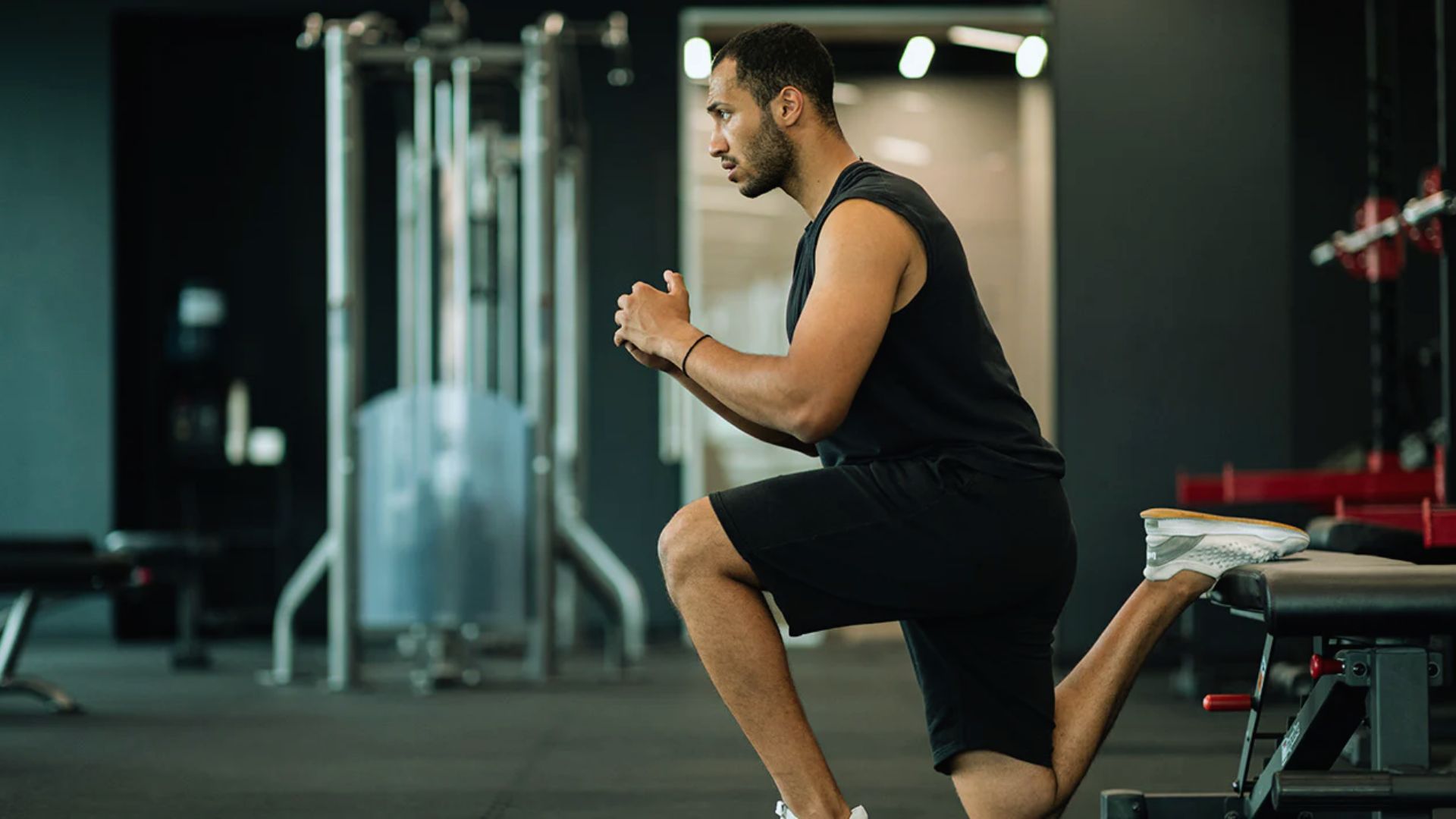
Always squat or deadlift first on leg day. These compound lifts need the most energy.
Quads: Barbell squat or goblet squat, leg press, leg extension
Hamstrings: Romanian deadlift, leg curl, good mornings
Glutes: Hip thrust or glute bridge, Bulgarian split squat, glute kickback
Calves: Standing calf raise, seated calf raise
Core Exercises

Three to four movements at the end of your session is enough. Focus on slow, controlled reps.
Plank and side plank, ab wheel rollout, cable crunch, dead bug, hanging leg raise
Tips to Maximize Workout Results
Small adjustments in how you train can make a big difference over time.
- Train large muscle groups first. Back, chest, and legs need the most energy. Always go to the compound before isolation.
- Focus on compound movements. Squats, deadlifts, bench press, overhead press, and rows work multiple muscles at once and give you the best return on time.
- Apply progressive overload. Add more weight, reps, or sets over time. Without it, your body adapts and stops growing.
- Track your lifts. Even small increases matter. Adding 2.5 pounds per week adds up significantly over months.
- Allow proper recovery time. Most muscles need 48 to 72 hours before training again. Aim for 7 to 9 hours of sleep per night.
Common Mistakes to Avoid
These mistakes slow progress. Knowing them puts you ahead of most people in the gym.
Training the chest every day won’t make it grow faster. It will make it sore and prone to injury. Give each muscle group at least 48 hours before hitting it again.
Rest days are when your gym work actually pays off. Skipping them slows progress and raises injury risk.
If you notice persistent soreness, dropping performance, or poor sleep, you need more recovery time.
Not all exercises are equal. Doing five bicep curl variations in one session adds little value.
Keep your selection simple and built around compound lifts. Avoid copying random social media exercises and never ignore muscle imbalances.
How to Choose the Right Muscle Group Split
The best split is the one that fits your life and helps you stay consistent.
Your goal shapes your plan. Build muscle with push/pull/legs or upper/lower. Lose fat with a full body or upper/lower. Gain strength with lower frequency and heavier lifts.
Match your split to your schedule. 2 to 3 days suits full body. 4 days work with upper/lower. 5 to 6 days fits push/pull/legs.
A simple plan done consistently beats a complex plan done twice a month. Give each split at least 8 to 12 weeks before switching.
Conclusion
Figuring out muscle pairings changed how I train completely. I stopped wasting sessions and started seeing real progress.
Once I matched the right muscles together and gave each group time to recover, everything clicked.
You now have the roadmap. Pick a split that fits your life. Start simple. Be consistent.
If this helped you, share it with someone who’s figuring out the gym.
Drop a comment below and tell me which split you’re going to try. I’d love to hear from you.
Frequently Asked Questions
What muscle groups should I pair together for the best results?
Chest with triceps, back with biceps, and legs with glutes work best together. These groups naturally assist each other during compound lifts.
How many muscle groups should I train per day?
Two to three muscle groups per session is ideal. Training more than that reduces the quality of your work.
Can I train the same muscle group two days in a row?
It’s not recommended. Most muscles need 48 to 72 hours to recover before you train them again.
How often should I change my workout split?
Stick with your split for at least 8 to 12 weeks. Only switch when progress has clearly stalled.
Is a push/pull/legs split good for beginners?
It can work, but it requires 5 to 6 days per week. A simple 3-day full-body plan is a better starting point.