

My wrists used to kill me after every arm workout. I’d ice them, rest them, and they’d hurt again the next session.
Then someone handed me that weird zigzag bar. Game changer.
What is an EZ bar? More importantly, why did it fix my problem when nothing else worked?
Here’s what I’ve learned after years of testing both. The bar you choose affects more than just your grip. It changes your results, your joint health, and how long you can actually keep training.
If you’ve wondered what an EZ bar is used for, I’m breaking down everything you need to know. No fluff, just real answers.
Let’s get started.
Understanding the Basics: What is an EZ Bar?
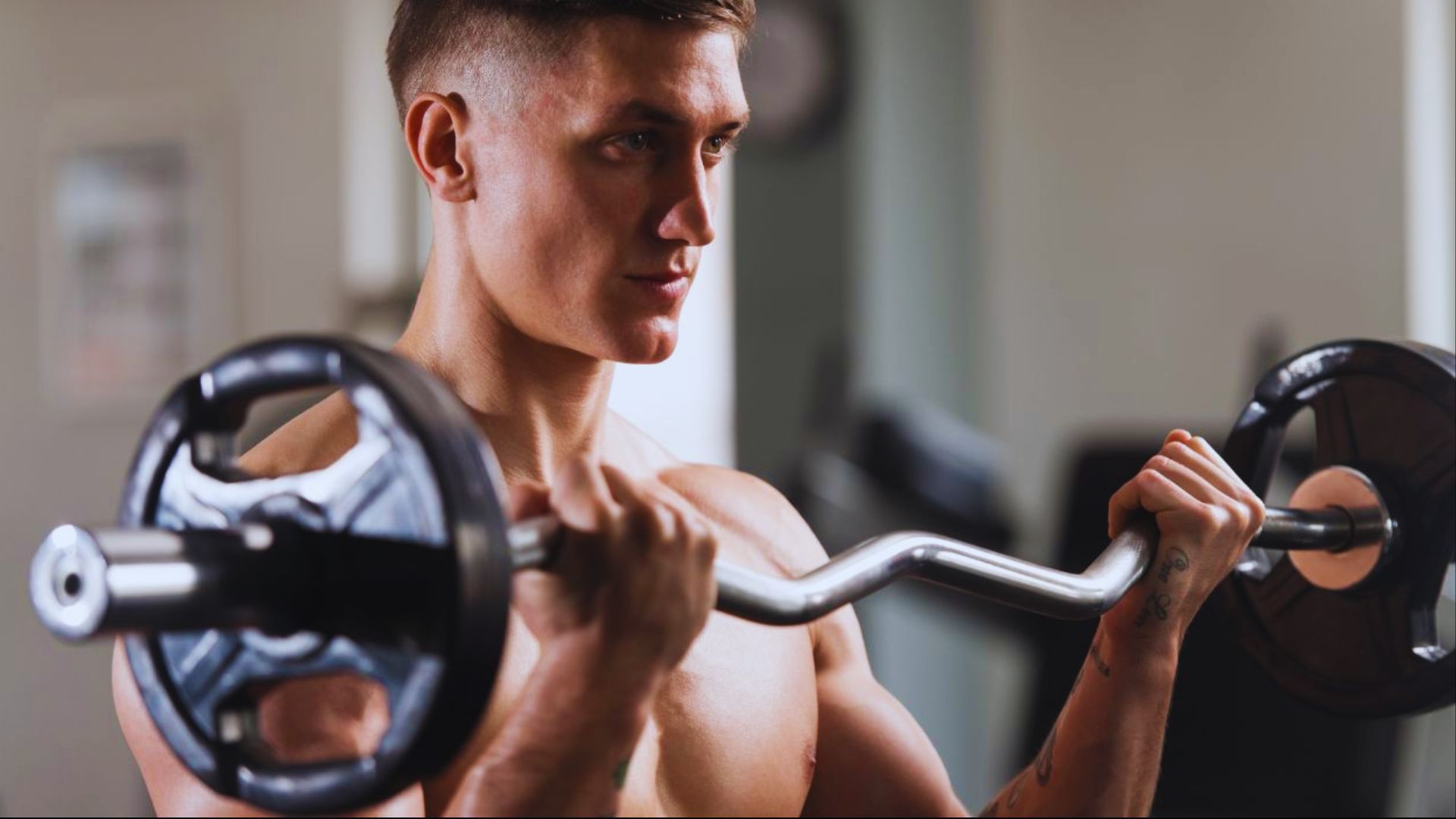
An EZ bar is a curved barbell with angled grips shaped like a W. The zigzag lets you hold it at different angles instead of one straight position.
Most weigh 15 to 25 pounds and measure about 4 feet long. They’re shorter and lighter than straight bars, making them perfect for arm work.
The curve changes how your muscles work and reduces joint stress.
When to Use an EZ Bar
Biceps curls are where this bar shines. The angled grip hits your biceps differently and keeps your forearms comfortable.
I use it for triceps extensions too. The grip keeps my elbows happy and lets me focus on the muscle.
What is an EZ bar used for? Isolation exercises where you target specific arm muscles without joint pain.
Preacher curls, skull crushers, close-grip presses. All better with an EZ bar.
Why Choose an EZ Bar
Your wrists naturally turn inward when you lift. The EZ bar lets them do that instead of forcing them straight.
Less strain on your forearms and wrists. I can do more reps before discomfort kicks in.
The angled grips give you options. Grab different points to hit your biceps or triceps from various angles.
A straight bar locks your wrists into one position. That creates more torque on your joints, especially during curls.
What is a Straight Bar?
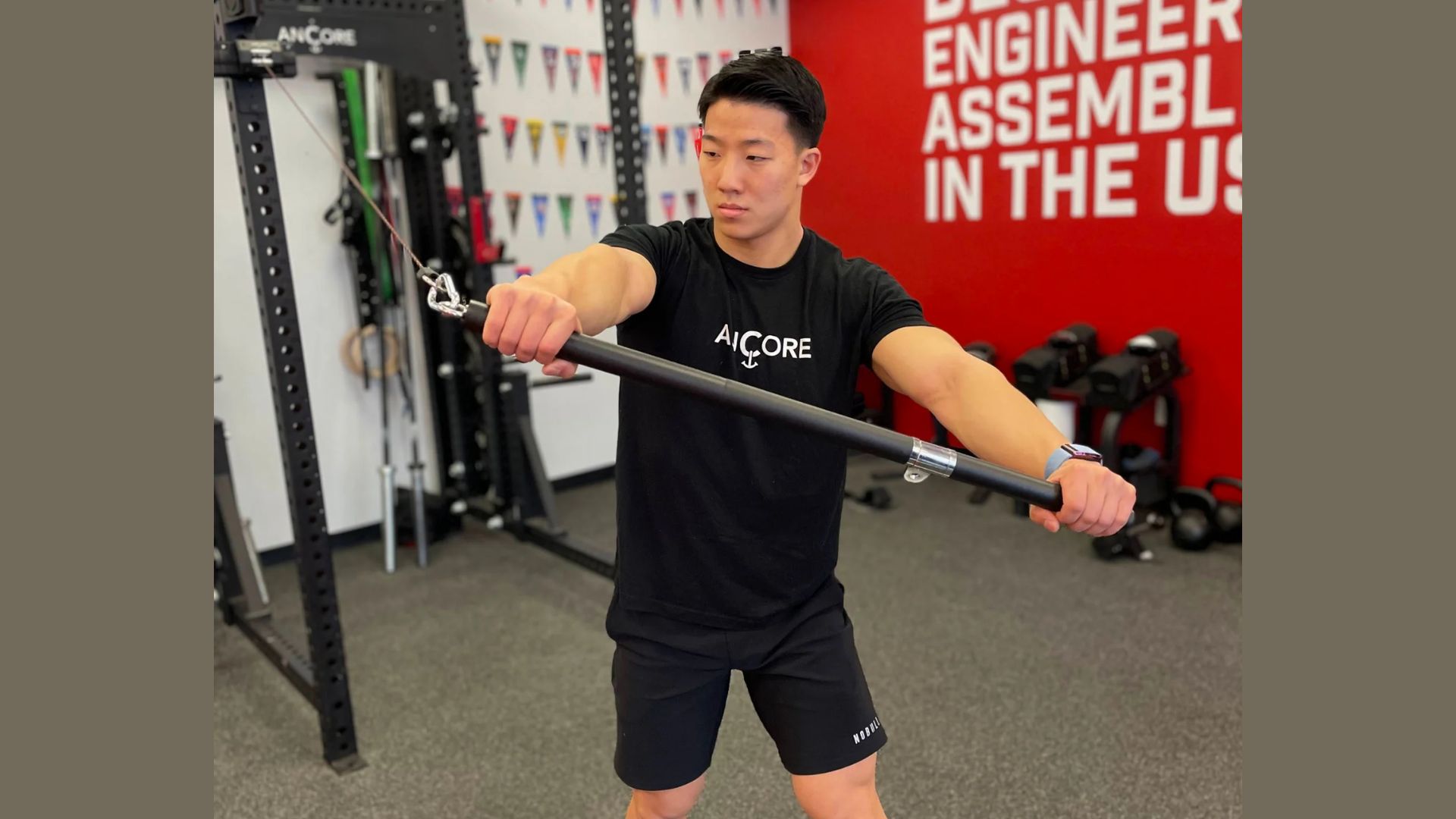
A straight bar is a long, straight barbell with no curves. Standard Olympic bars weigh 45 pounds and measure 7 feet.
You’ll see these for every major compound lift. Bench press, deadlifts, squats, rows. They’re built for heavy weight.
People use them for biceps curls too. While a straight bar works great for heavy lifts, many wonder about what an EZ bar is used for and if it’s better for arms.
The straight shape means palms face away with no angles.
When to Use a Straight Bar
Heavy compound movements need a straight bar. Bench press, rows, deadlifts, squats. These need a longer bar that holds more weight.
Straight bar curls build overall biceps mass. The neutral grip recruits more muscle fibers than the angled grip.
Olympic lifts require the 7-foot straight bar. Cleans, snatches, overhead presses.
For raw strength, straight bars handle heavier loads better.
Why Choose a Straight Bar
Load capacity matters for heavy lifting. An Olympic bar holds 500+ pounds if your rack can handle it.
The longer length gives wider grip options. This affects which muscles you target in exercises like bench press.
Experienced lifters prefer straight bars for full range of motion. No curve to work around.
Serious about powerlifting? You’ll spend most time with a straight bar.
EZ Bar vs Straight Bar: Key Differences
Both have their place. The choice depends on your goals and how your body responds.
EZ bars minimize joint stress. Straight bars let you load heavier weight. Neither is “better” overall.
| Feature | EZ Bar | Straight Bar |
|---|---|---|
|
Grip |
Angled |
Straight |
|
Wrist stress |
Low |
High |
|
Best for |
Isolation curls |
Heavy compound lifts |
|
Weight |
15-25 lbs |
45 lbs |
|
Length |
~4 feet |
~7 feet |
Benefits of Using an EZ Bar
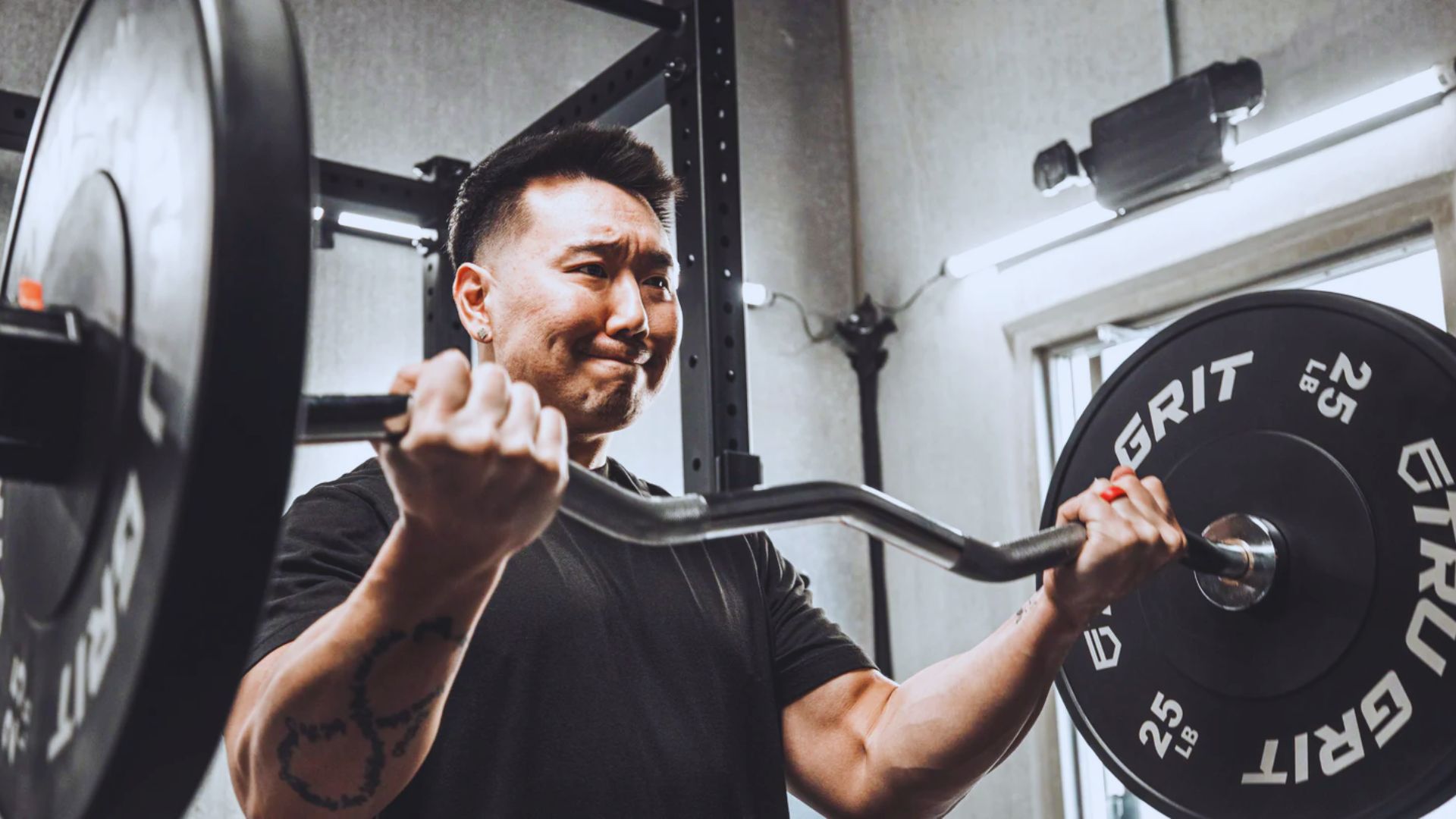
I’ve switched to EZ bars for arm work. My joints feel way better.
Here’s what makes it worth your time:
- Reduces wrist strain during curls and extensions
- Targets muscles precisely through varied grip angles
- Works for multiple exercises like curls, extensions, and presses
- Fits all experience levels from beginners to advanced
- Lighter weight makes it easier to control and perfect form
I use mine for biceps curls, triceps extensions, upright rows, and front raises. One tool, multiple jobs.
Dealing with wrist pain or want to isolate arm muscles? This bar solves both problems.
Common Mistakes to Avoid
I see people mess up EZ bar exercises constantly. These mistakes limit results and cause joint pain.
Watch out for these:
- Wrong grip width for your exercise
- Elbows flaring out during curls instead of staying tucked
- Too much weight too soon before mastering form
- Poor wrist alignment letting wrists bend backward
- Swinging the weight instead of controlled movements
The biggest mistake? Thinking more weight equals better results. I’ve gotten more growth from lighter weight with perfect form.
Start light, focus on the target muscle, and let the angled grip work. Your arms respond better without wrist pain.
Conclusion
So here’s my challenge for you. Pick up an EZ bar during your next workout and actually feel the difference.
Your arms don’t care about debates. They care about growth without pain.
Stop second-guessing which bar to grab. Test both, track how your body responds, and stick with what works for YOUR goals.
Got questions about form or technique? Drop them in the comments below. I read every single one. Now go hit those curls. Your biceps are waiting.
Which bar do you prefer and why? Let me know your experience!
Frequently Asked Questions
What is an EZ bar used for?
Biceps curls, triceps extensions, and exercises where you want reduced wrist strain. Perfect for arm isolation movements.
Can you use a straight bar instead of an EZ bar?
Yes, but it may cause more wrist discomfort. If your wrists feel fine, either works.
What is an EZ bar curl?
A bicep exercise using the angled EZ bar for better wrist position. The curve keeps wrists in a natural angle.
Is the EZ bar better than a straight bar?
Depends on your goal. EZ bar for arm isolation and comfort, straight bar for heavy compound lifts.
Can beginners use an EZ bar?
Absolutely. It’s easier on wrists and helps you learn proper form without joint pain.


