

I’ve spent years training in home gyms and commercial facilities, and one piece of equipment stands out above all others, the power rack. If you’re serious about strength training, you need to understand what makes this equipment so valuable.
In this guide, I’ll walk you through everything about power racks from the different types available to the exercises you can perform and the benefits you’ll gain.
I’ll help you choose the right rack for your space and budget. This isn’t just theory. I’ve used these racks myself and seen the results firsthand.
Let’s get into it.
What Is a Power Rack?
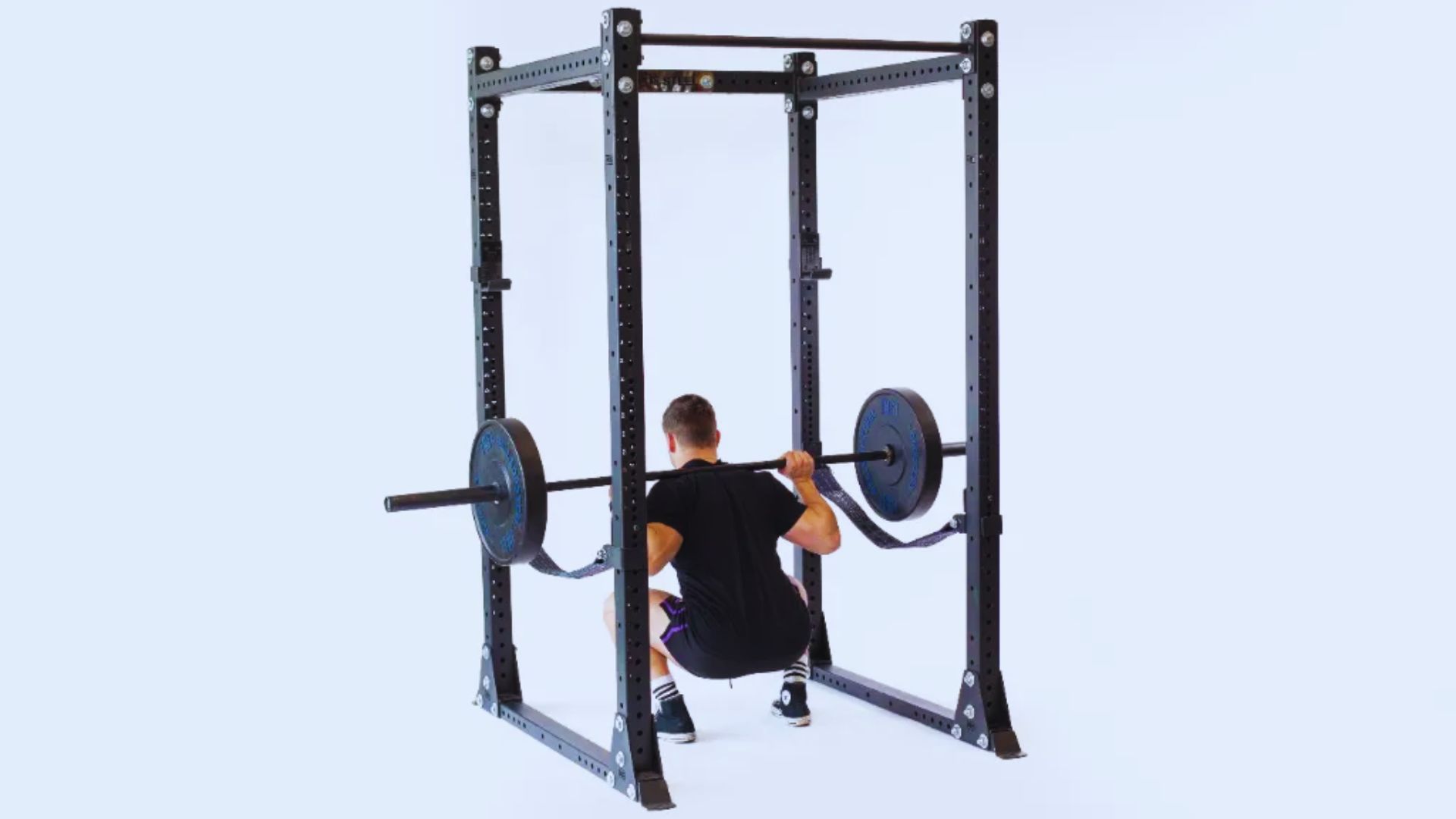
A power rack is the backbone of safe and effective strength training for solo lifters and gym enthusiasts alike.
A power rack has a four-post, cage-like structure with vertical posts connected by crossbars. It includes adjustable safety bars, J-hooks, and spotter arms. The steel frame handles heavy loads, with holes drilled along the posts that let you adjust heights for different exercises and body sizes.
The main job of a power rack is to keep you safe during heavy lifts. The safety bars catch the barbell if you fail a rep. You can do squats, bench presses, overhead presses, and deadlifts with confidence. The rack lets you train to failure without fear. This is how real strength gains happen.
Types of Power Racks
Power racks come in several styles to fit different spaces, budgets, and training needs for every type of lifter.
Basic / Standard Power Rack
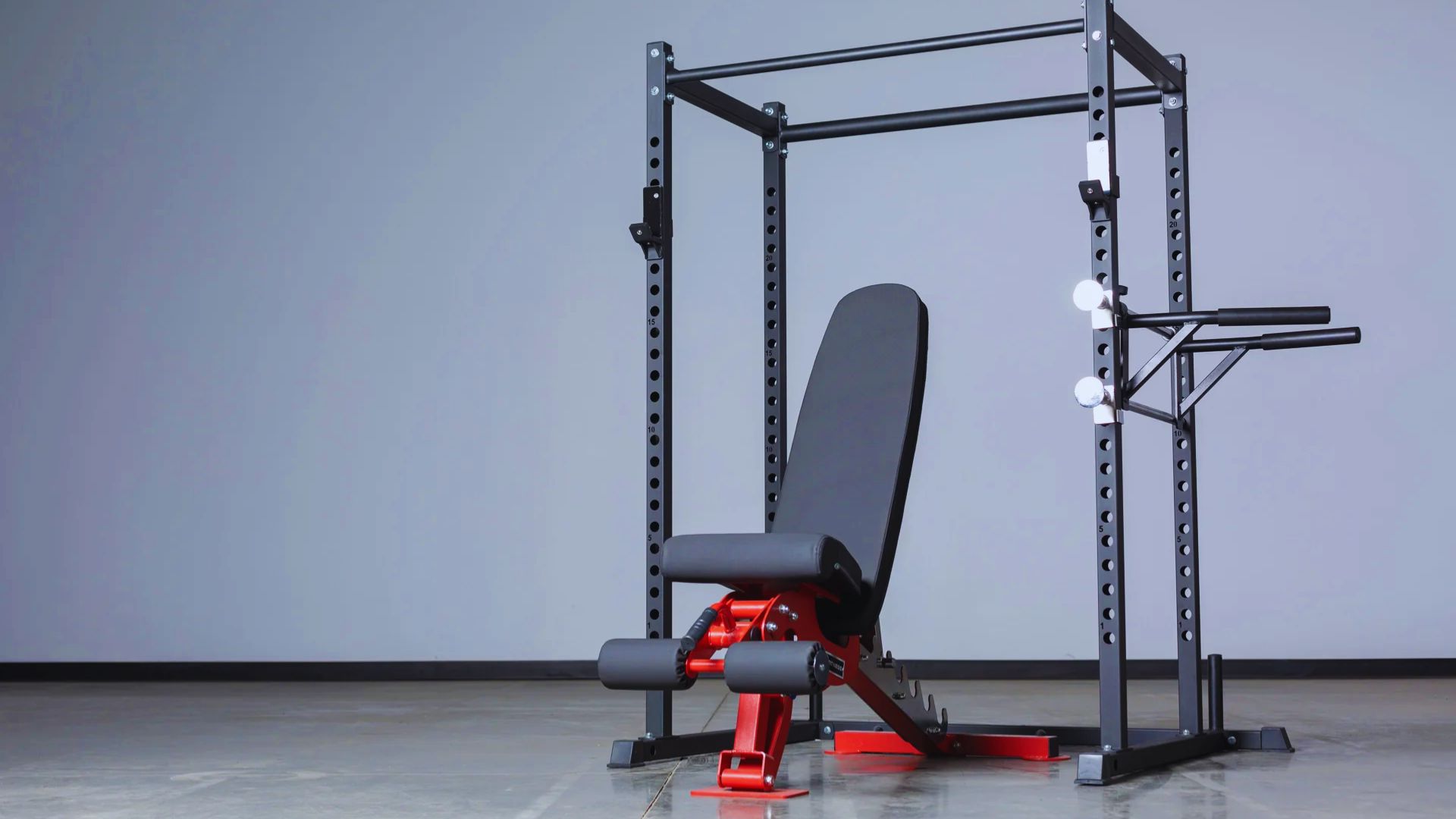
This is where most people start. A standard power rack is compact and won’t break the bank. It handles the core exercises well.
For beginners and home gym owners, this type works great. You get the safety features you need without paying for extras you might not use yet. The footprint is manageable for most garage or basement setups.
Foldable or Space-Saving Power Rack
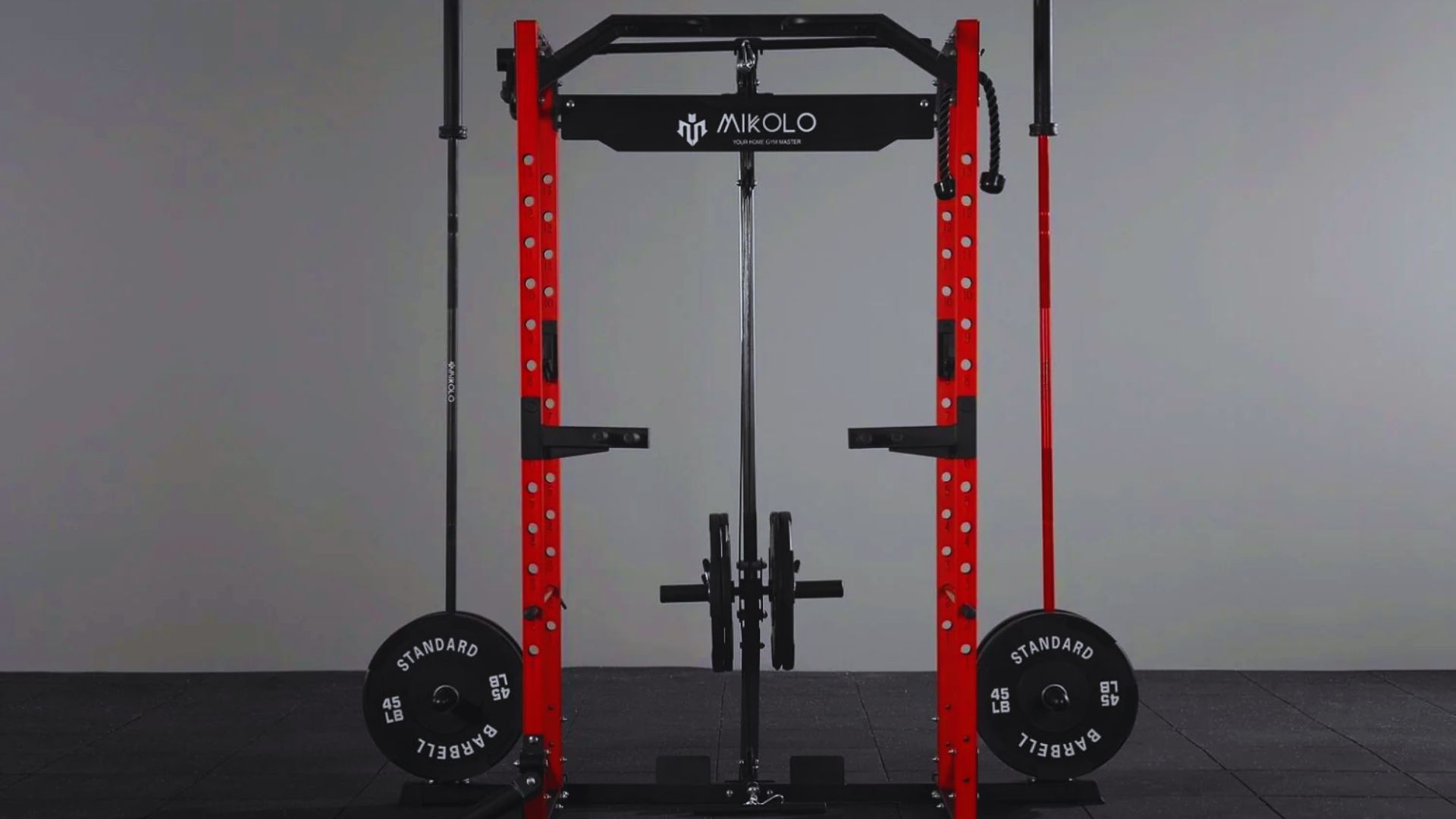
Small space? No problem. These racks fold against the wall when you’re done training. The fold-up design is brilliant for apartments or shared spaces.
You still get the safety and functionality of a full rack. When not in use, it takes up minimal room. I recommend this for anyone working with limited square footage.
Commercial-Grade Power Rack
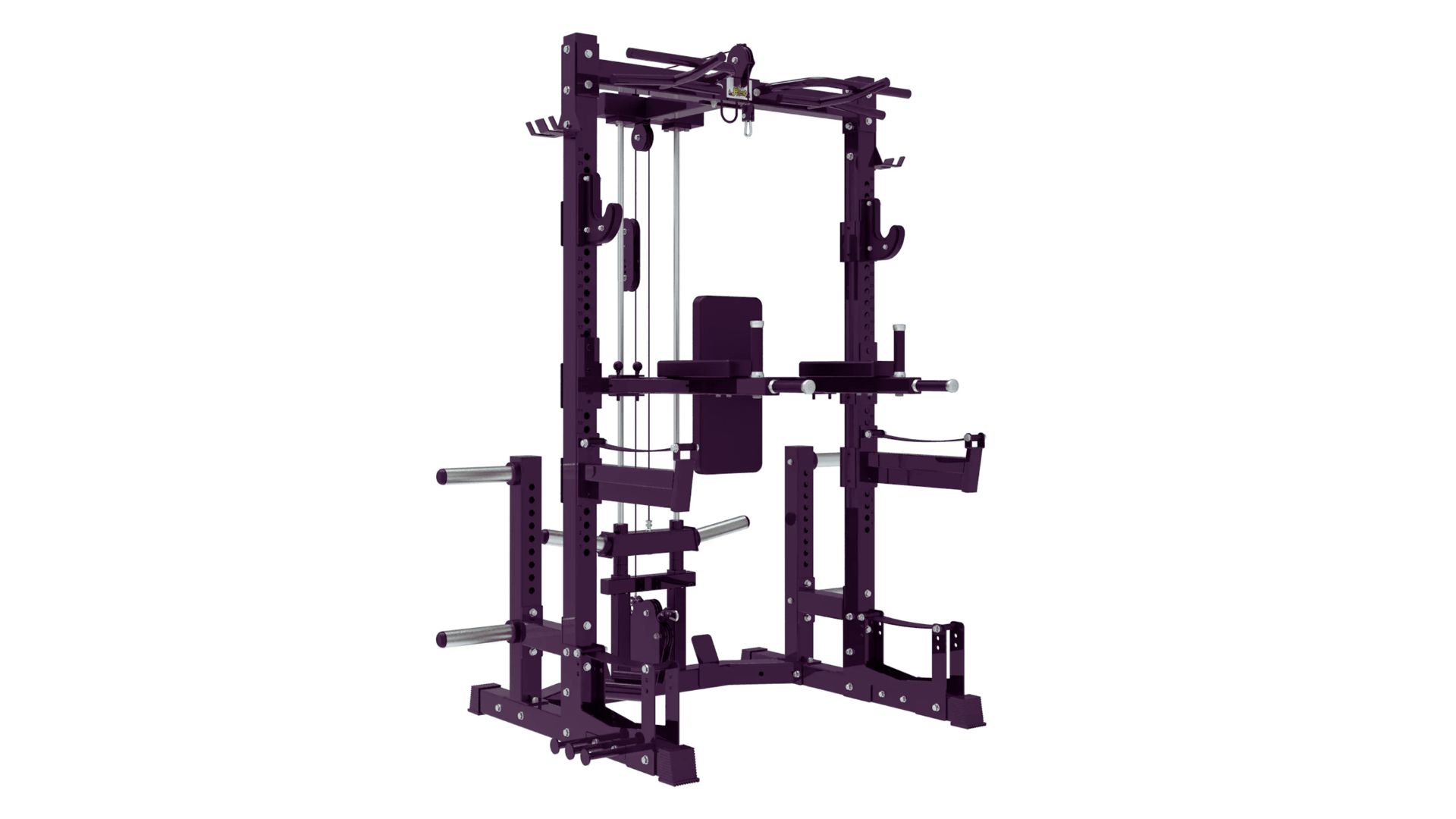
Built like a tank. Commercial-grade racks handle high weight capacities and intense daily use. You’ll find these in serious gyms and training facilities.
The construction is robust with thicker steel and reinforced welds. These racks cost more, but they last decades. If you’re setting up a business or train extremely heavy, this is the way to go.
Half Power Rack
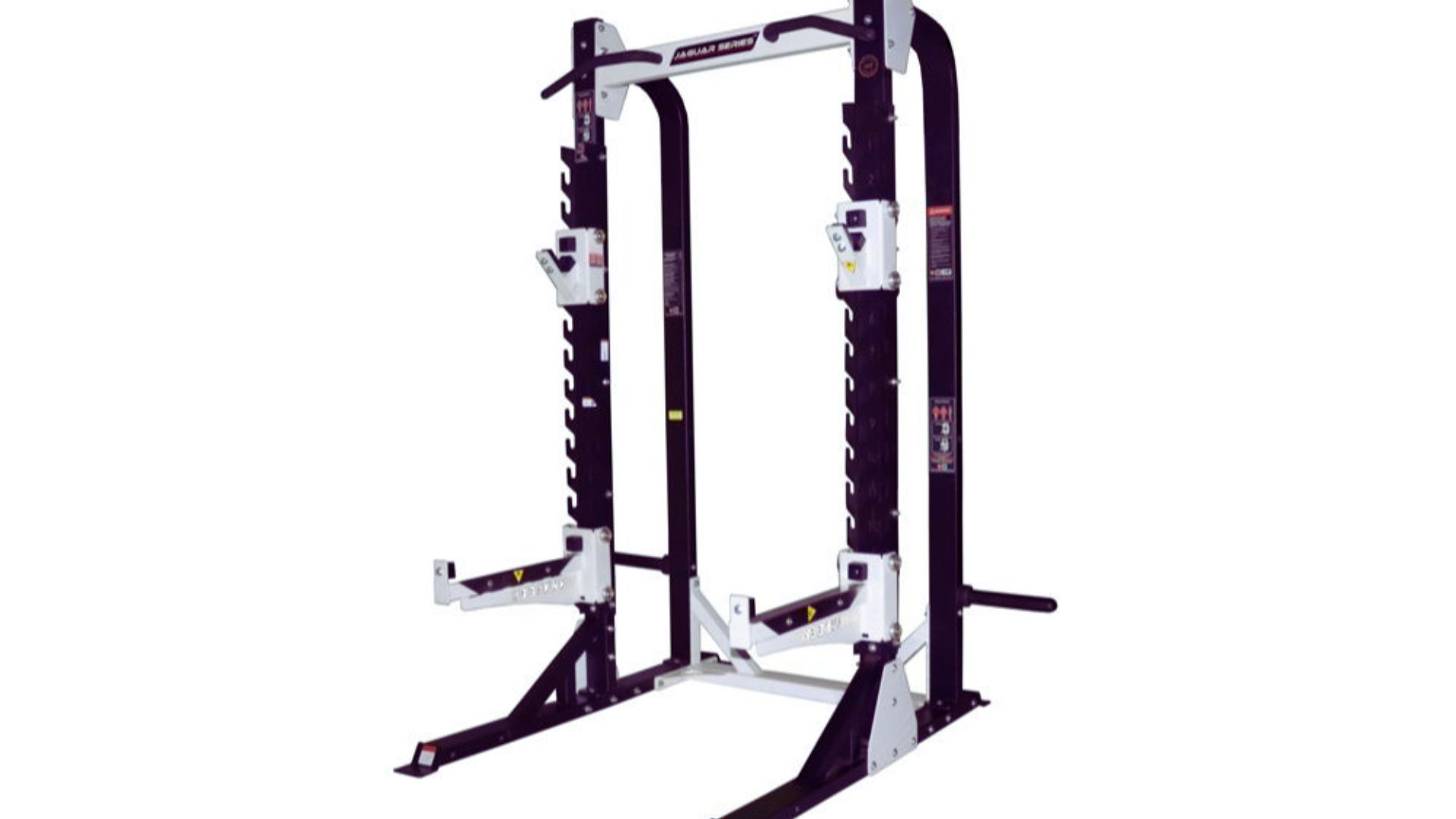
A half rack gives you safety and storage with a smaller footprint. It has two rear posts instead of four full posts. This saves floor space while still providing spotter arms and J-hooks.
The open design makes it easier to move around the rack. You sacrifice some stability compared to full cages, but for many home gyms, the space savings are worth it.
Smith Machine
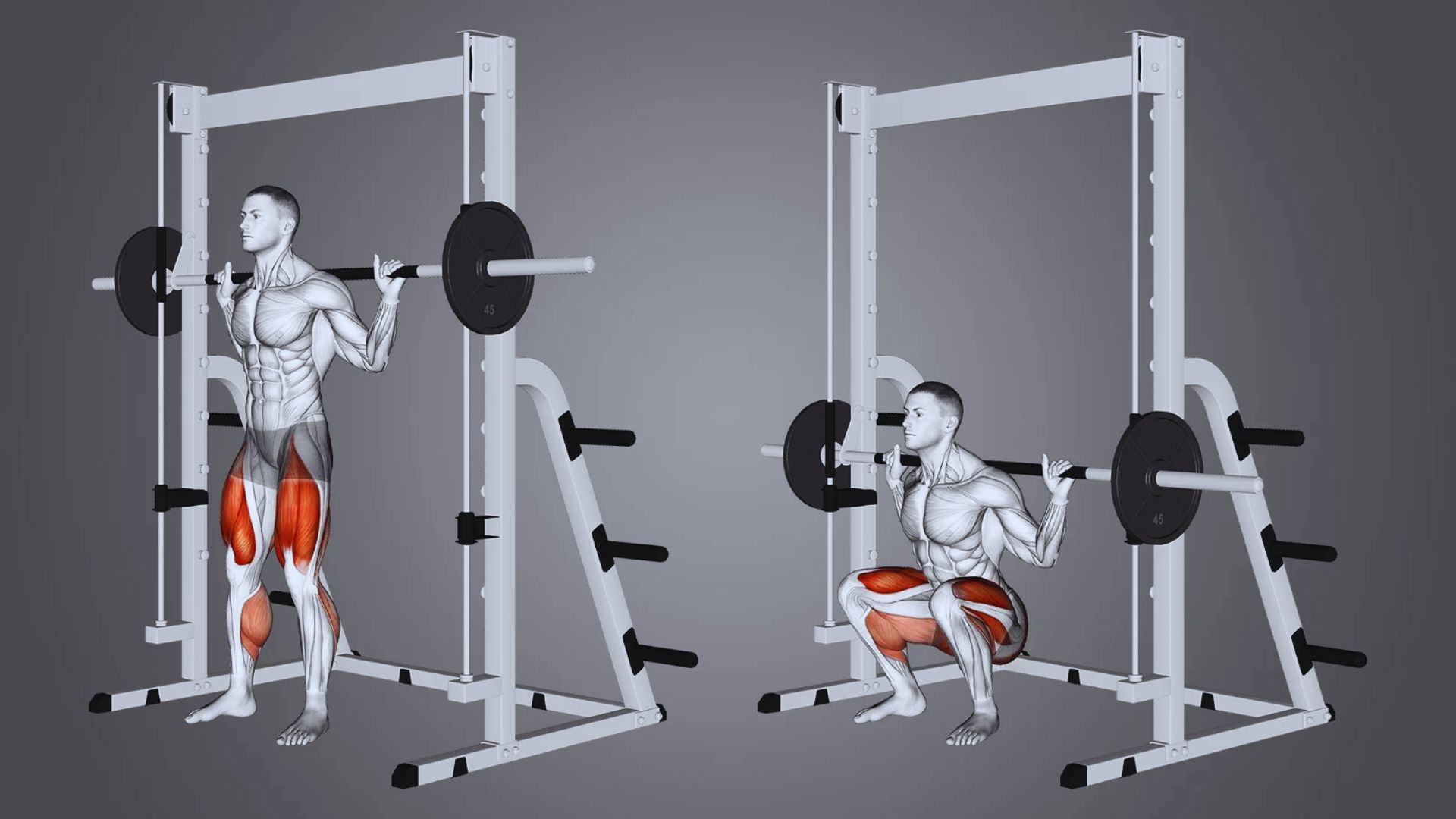
Technically different from a free-weight power rack, but worth mentioning. A Smith machine has a barbell attached to a guided vertical track. The bar only moves up and down in a fixed path.
This offers controlled movement and built-in safety. Some people love it for certain exercises. Others prefer free weights for natural movement patterns. Many gyms have both options.
Wall-Mounted / Fold-Back Racks
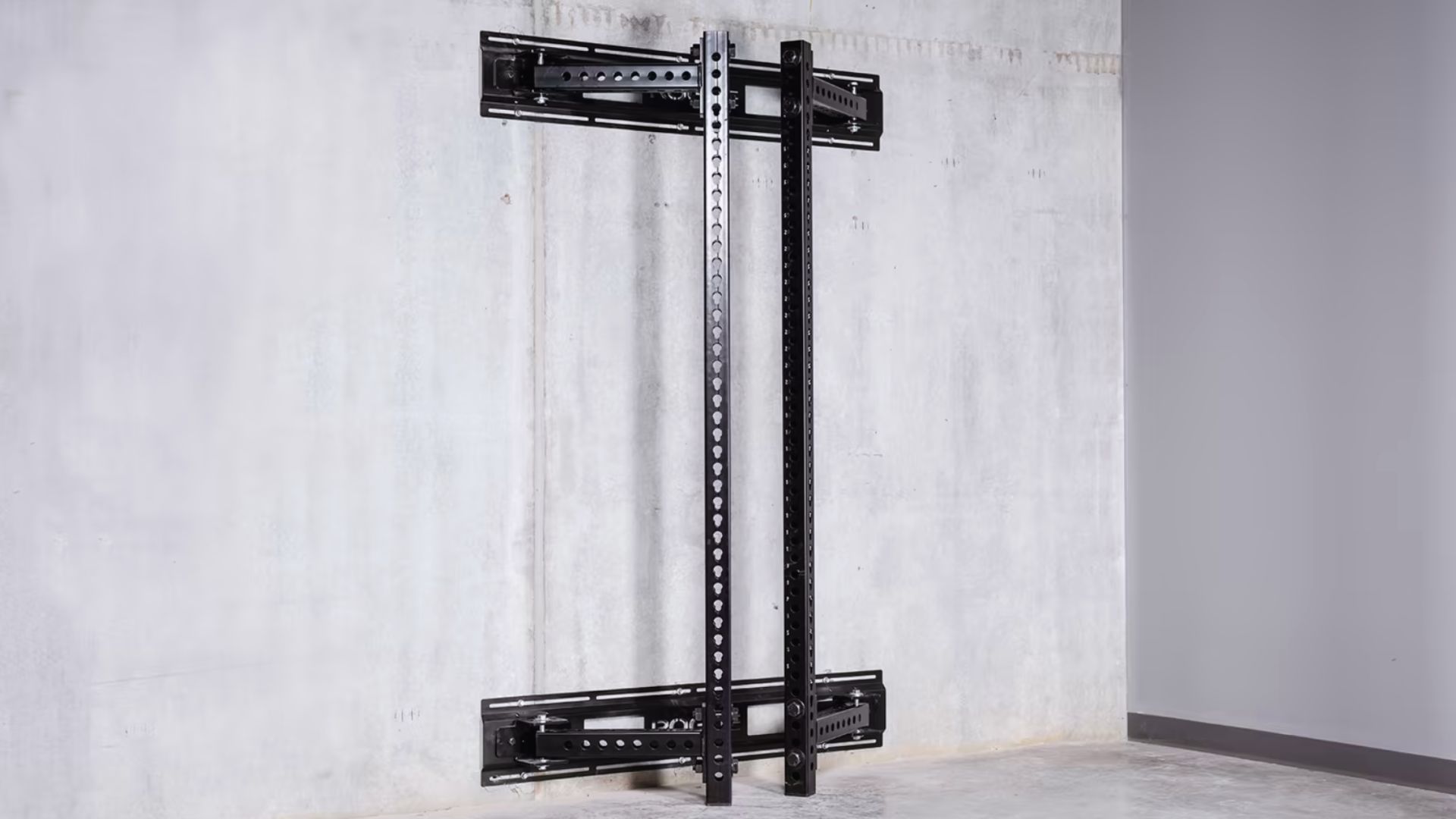
Similar to foldable racks but mounted directly to wall studs. These are rock solid when deployed and completely out of the way when folded back. You need strong walls to support them safely.
The installation requires more work upfront. Once installed, you have a clean, space-saving solution that works as well as a full rack.
Exercises You Can Do on a Power Rack
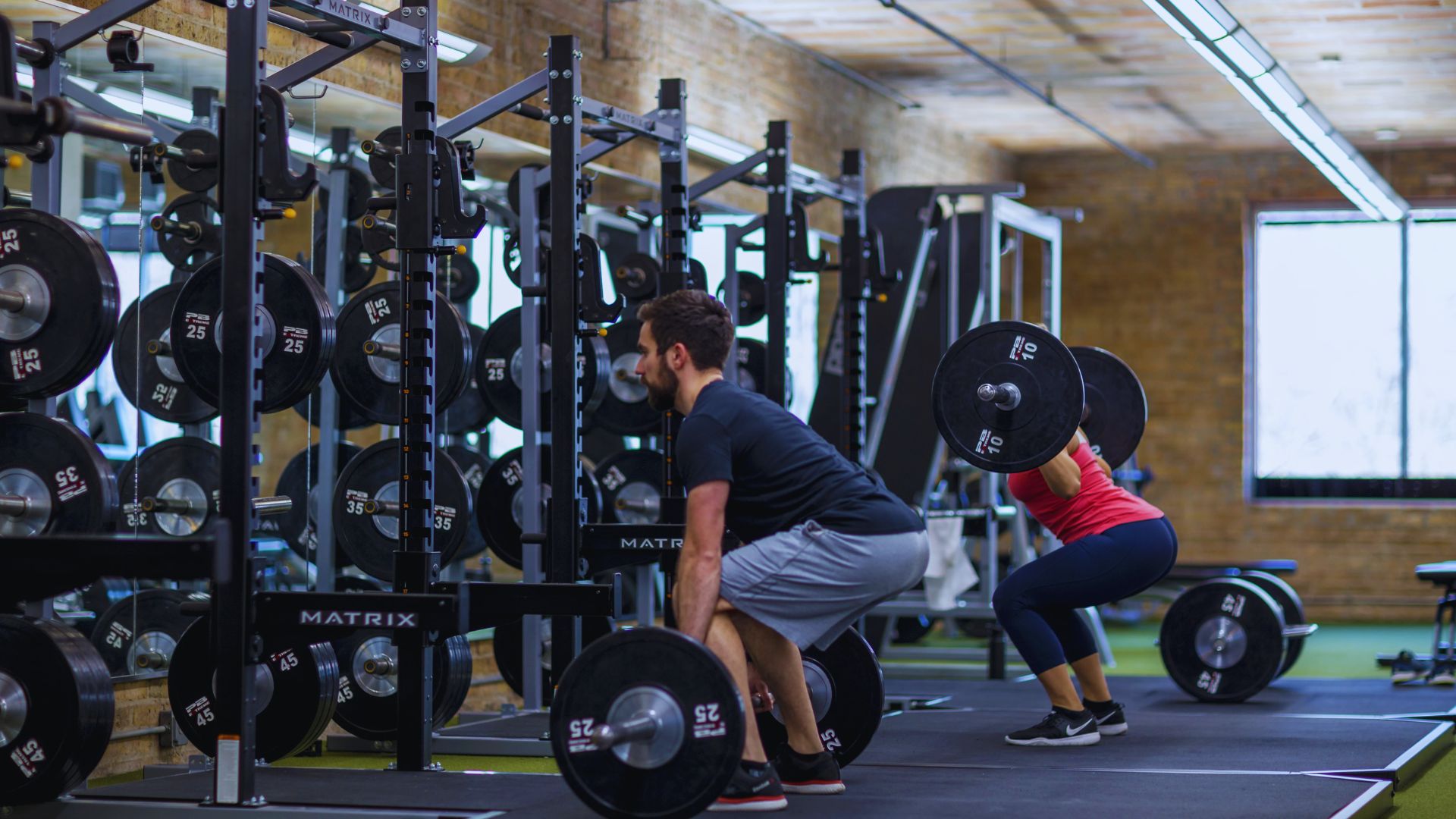
A power rack opens up a world of training possibilities for building strength and muscle across your entire body.
Lower Body
Squats are the king of leg exercises. You can do back squats, front squats, and Bulgarian split squats in a power rack. Set the safety bars at the right height, and you can squat heavy without worry.
Step-ups and box jumps work well too if you have the right attachments. The rack provides a stable anchor point for explosive movements.
Upper Body
The bench press becomes safer inside a rack. Set up a bench inside and adjust the safety bars below your chest level. Now you can press heavy without a spotter.
Incline bench press works the same way. Just angle the bench and adjust the safeties accordingly.
Overhead press is another staple. Stand inside the rack, set the J-hooks at shoulder height, and press. The safeties protect you if you fail a rep.
Most racks include a pull-up bar across the top. This adds pull-ups to your routine. Some have dip attachments too.
Accessory Exercises
With attachments, you can do landmine twists and T-bar rows. These hit your core and back from different angles.
Cable systems or resistance bands can be anchored to the rack. This gives you even more exercise options. Face pulls, tricep pushdowns, and cable curls all become possible.
Benefits of Using a Power Rack
Power racks deliver real advantages that make them worth the investment for serious lifters and home gym builders.
- Safety features like adjustable pins and spotter arms catch the weight if you fail a rep, giving you peace of mind to train alone and push harder
- One rack supports multiple exercises including squats, bench presses, overhead presses, pull-ups, and rows in the same spot
- Attachments expand your options with dip bars, landmine systems, and cable pulleys turning your rack into a complete training station
- Built-in plate storage and adjustable hooks make progressive overload easy by letting you add weight in small increments and track your progress
- Heavy-duty steel construction lasts for decades with quality welds and rust-resistant coating making this a long-term investment that pays off
Choosing the Right Power Rack
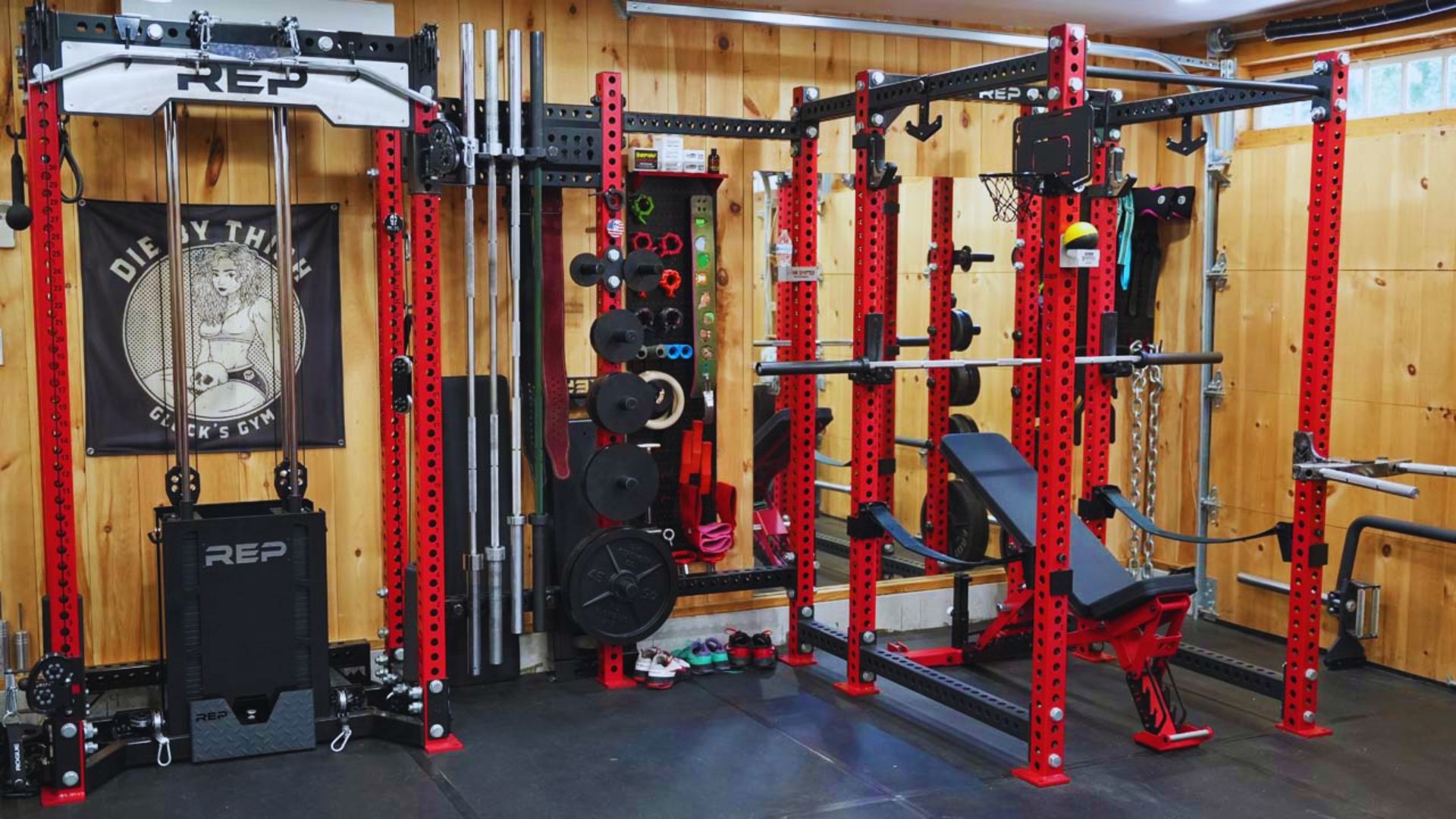
Selecting the right rack requires careful thought about your space, budget, goals, and the features that matter most to you.
Measure your training area before buying. Full racks need more room than half racks or foldable versions. Check your ceiling height for pull-up bars and overhead movements. Make sure you have enough floor space to walk around and fit a bench inside.
Entry-level racks start around a few hundred dollars, while commercial-grade options cost several thousand. Decide whether to buy the base model and add attachments later or get a bundle upfront.
Focus on your training needs. Prioritize weight capacity and stability for strength progression. Look for attachment compatibility if you want versatility. Check the quality of safety features and weld joints. Read reviews about stability under heavy loads. You want solid construction that doesn’t move during use.
Attachments and Accessories
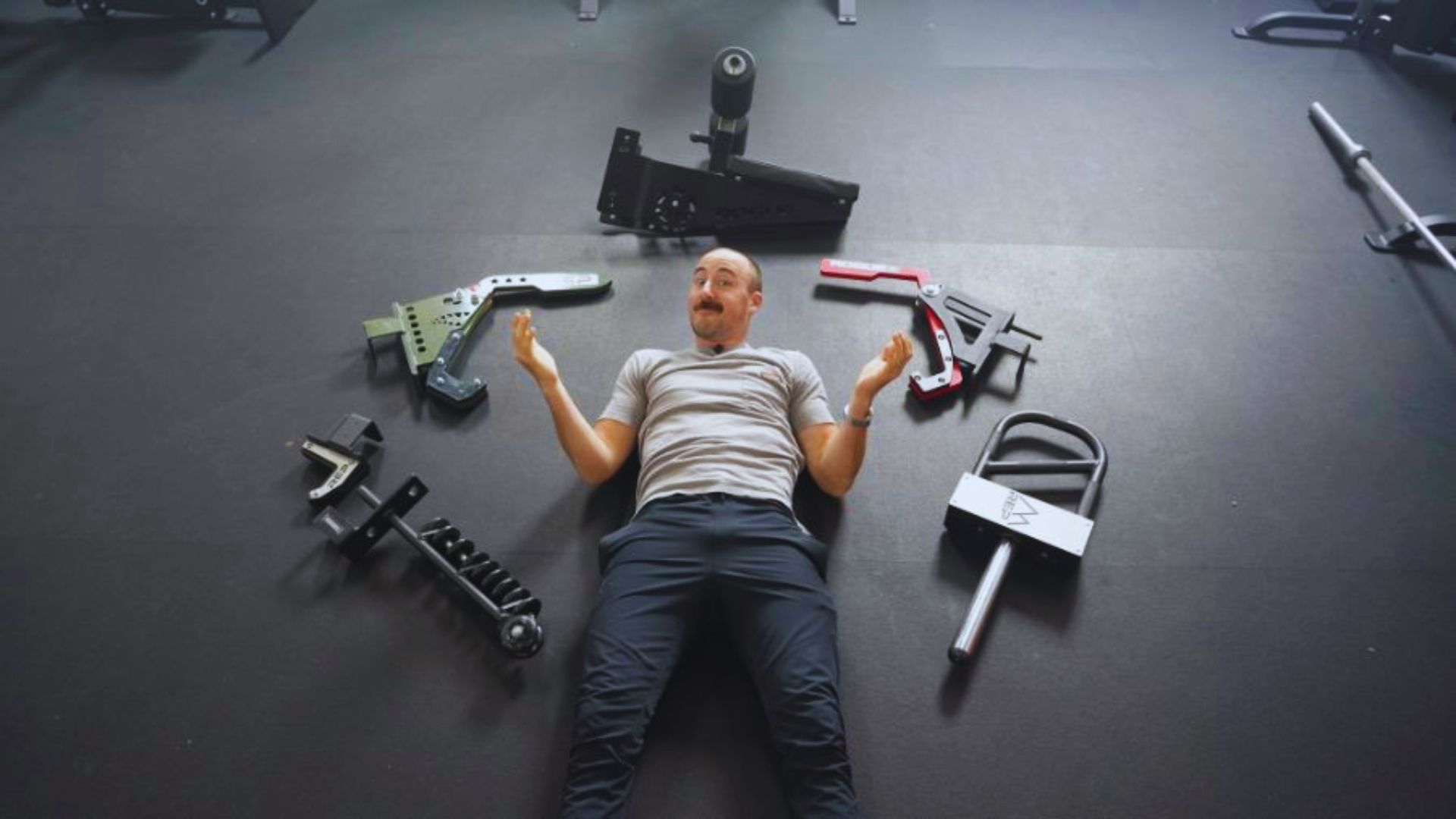
The right add-ons turn a good power rack into a complete training system for all your strength and conditioning needs.
Pull-up bars are often included, but check the grip options. Different grip widths hit your back differently. Dip stations attach to many racks for chest and tricep work.
Cable pulley systems add incredible versatility. You can do dozens of exercises with cables. Landmine attachments let you do rotational work and unconventional angles.
Plate storage pegs keep your weights organized and off the floor. Barbell holders prevent your bars from rolling around. These small touches make your gym more functional.
Conclusion
I got my first power rack five years ago, and it changed my training completely. A power rack is truly the cornerstone of any serious strength-training setup.
The safety features let me push harder than I ever could before. The versatility means I never get bored. I’ve built more strength and muscle with this one piece of equipment than with anything else.
If you’re thinking about building a home gym or upgrading your current setup, start here. A high-quality, durable rack is worth every penny.
What’s holding you back? Drop a comment below and let me know what type of rack you’re considering.
Frequently Asked Questions
How much space do I need for a power rack?
Most full power racks need about 4 feet by 4 feet of floor space. You also need at least 7 to 8 feet of ceiling height for comfortable use and overhead movements.
Can beginners use a power rack safely?
Absolutely. Power racks are actually safer for beginners than free weights alone. The adjustable safety bars protect you while you learn proper form and build strength.
What’s the weight capacity I should look for?
For home use, look for racks rated at least 600 to 800 pounds. If you plan to lift very heavy or want commercial quality, aim for 1000 pounds or higher.
Are foldable power racks as sturdy as full racks?
When properly installed and deployed, quality foldable racks are very sturdy. They use the wall for support, which can actually be more stable than some free-standing racks.
Do I need attachments right away?
No, start with the basic rack and master the core exercises. You can add attachments later as your training needs grow and your budget allows.


