
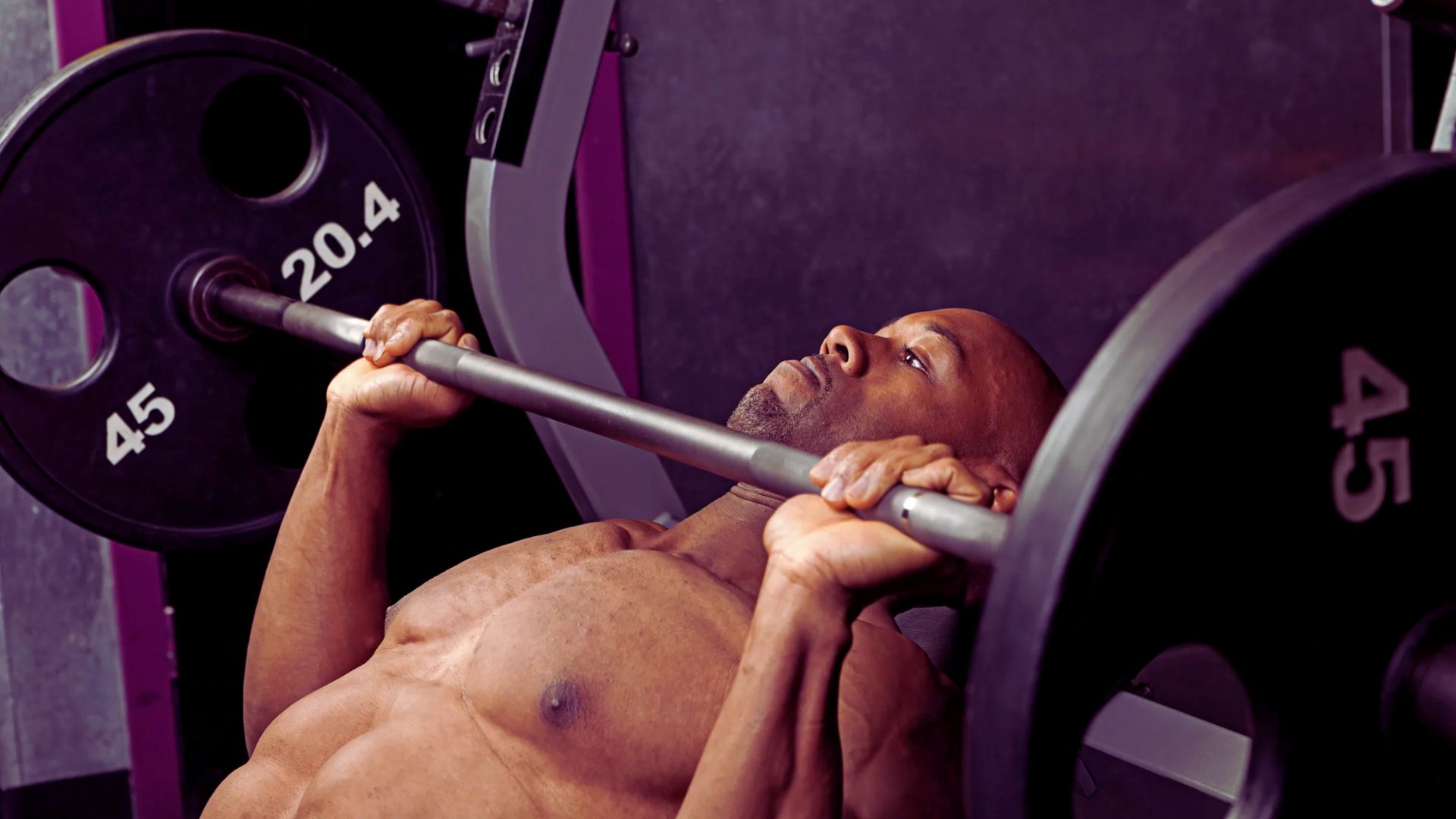
My lower chest was responding but the upper part stayed flat no matter what I tried. It took me way too long to figure out the one exercise that was missing from every single session.
The incline bench press.
Once I understood what does incline bench work and started applying it properly, the difference was visible within weeks. Not months. Weeks.
If your upper chest has felt stuck or your physique looks unbalanced from the front, this guide is going to answer a lot of questions for you.
Stick around because some of what you are about to read might surprise you.
Understanding the Incline Bench Press
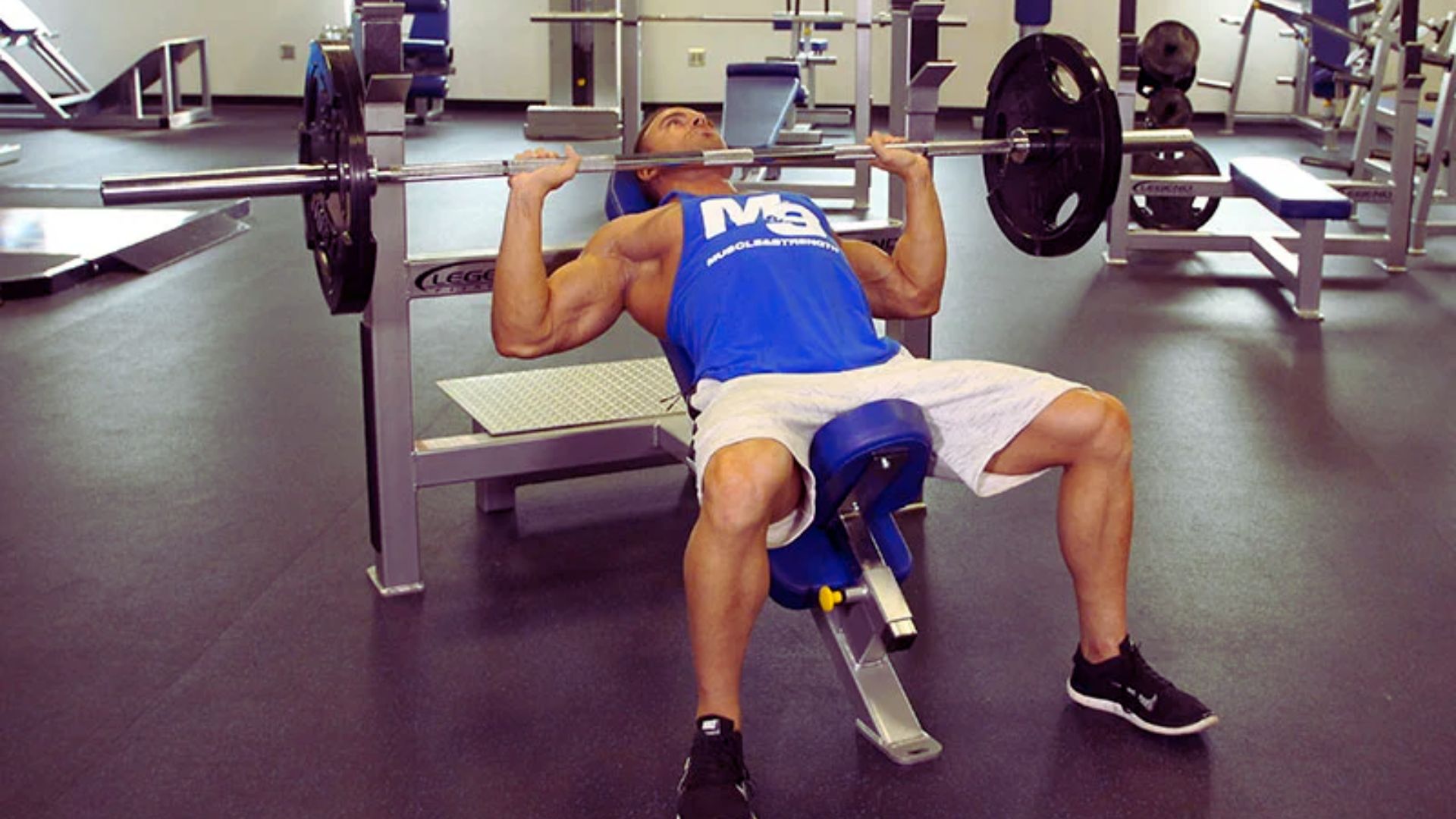
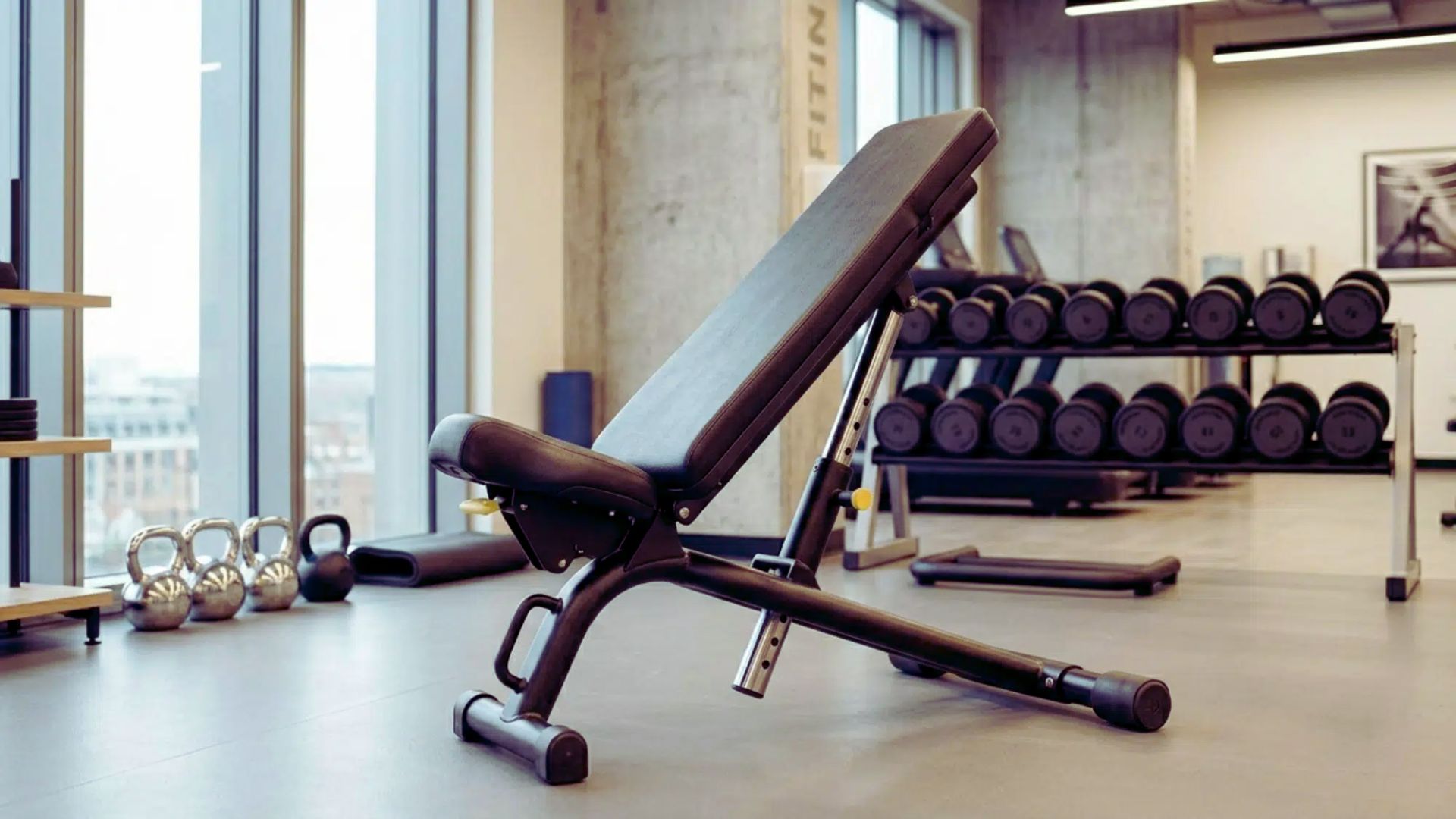
The incline bench press is performed on a bench set between 30 and 45 degrees. That angle shifts the movement pattern and changes which muscles take on the most work compared to a flat bench.
Because of that angle, the upper chest and front shoulders work much harder. The load goes exactly where most lifters need it most.
This exercise appears in bodybuilding, strength training, and general fitness programs for good reason. It fills a gap that flat pressing simply cannot cover on its own.
Stay within the 30 to 45 degree range. Go steeper and the shoulders start taking over, pulling focus away from the upper chest entirely.
Muscles Worked in the Incline Bench Press
The incline bench is a compound movement that hits several muscle groups in one go. That efficiency is a big part of what makes it so valuable.
The main target is the upper chest, specifically the clavicular head of the pectoralis major. This is the area most lifters underdevelop when they rely only on flat pressing.
The front deltoids also get heavily involved due to the upward pressing angle. Triceps assist throughout, especially at the top of the press.
Upper chest stabilizers engage the whole time to keep the movement controlled. This combination is why the incline bench is considered a must in any complete chest routine.
What Does Incline Bench Work and Why It Matters for Chest Development
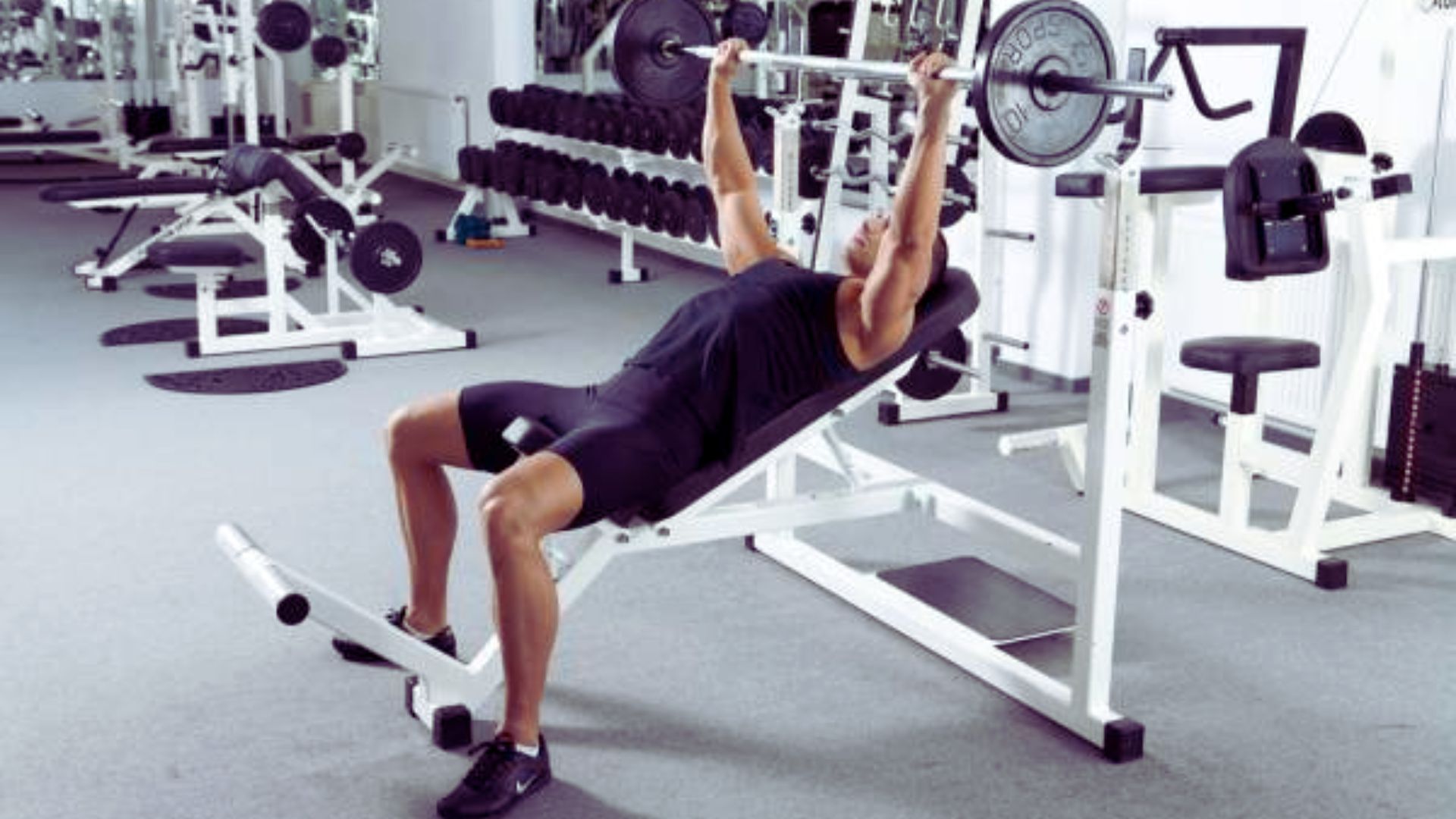
What does incline bench work when you break it down? The upper chest, more directly than almost any other pressing variation you can do.
Most lifters end up with a stronger lower and mid chest because flat pressing dominates their routine.
The upper chest gets left behind, creating a visual imbalance that is hard to fix without targeting it directly.
A well-developed upper chest contributes to a fuller, more balanced look. It shows in t-shirts, athletic wear, and posture.
Beyond looks, it also strengthens pushing movements used in sports and daily life.
Key Benefits of Incline Bench Press

The incline bench does more than build muscle. It improves how your entire upper body functions and looks over time. Here is what you get from adding it consistently.
- Builds upper chest definition and size. The upper chest responds well to direct work and the incline angle delivers exactly that.
- Improves shoulder pressing strength. Front deltoids work hard here, carrying over to overhead movements over time.
- Enhances overall chest symmetry. Pairing incline with flat pressing creates a balanced chest from top to bottom.
- Supports flat bench progression. A stronger upper chest connection often translates directly into better flat bench performance.
- Reduces muscle imbalance. If your lower chest outpaces your upper chest, the incline bench brings things back into proportion.
- Strengthens stabilizer muscles. The incline angle demands more shoulder and upper back stability across all pressing movements.
Whether you are just starting out or have been lifting for years, these benefits apply across the board.
Incline Bench vs Flat Bench vs Decline Bench
Understanding how these three variations differ helps you structure chest training more effectively. Each one has a specific role.
| Bench Variation | Primary Focus | Secondary Muscles | Best For |
| Incline Bench | Upper chest, front deltoids | Triceps, stabilizers | Upper chest development and symmetry |
| Flat Bench | Overall chest mass | Triceps, front deltoids | General chest size and strength |
| Decline Bench | Lower chest | Triceps, minimal shoulders | Lower chest definition |
Using all three gives you full chest development from top to bottom. Most beginners skip the incline entirely and pay for it later with an underdeveloped upper chest.
Proper Incline Bench Press Technique

Good technique separates an effective incline press from one that just loads your shoulders. Getting this right from the start saves a lot of time and frustration.
- Set the bench at 30 to 45 degrees. This keeps the upper chest in control throughout.
- Keep feet flat on the floor. A stable base improves control on every rep.
- Grip bar slightly wider than shoulder width. This allows full chest activation without stressing the shoulder joint.
- Lower the bar slowly to the upper chest. Control the descent every single rep.
- Press without aggressively locking elbows. Keep tension on the chest rather than shifting it to the joints.
- Maintain controlled movement throughout. Slow and deliberate beats fast and sloppy every time.
Follow these consistently and you will get better results with far fewer setbacks.
Common Mistakes to Avoid
Most errors on the incline bench come down to too much weight or misunderstanding how the angle affects the movement. Here is what to watch for.
- Too steep an incline. Anything beyond 45 degrees turns this into a shoulder press, not a chest press.
- Bouncing the bar off the chest. This kills muscle tension and stresses the joints unnecessarily.
- Lifting too heavy too soon. Compensation patterns reduce chest activation and raise injury risk fast.
- Flared elbows. Keep elbows at roughly 45 to 75 degrees from your torso to protect the shoulder joint.
- Poor scapular control. Shoulder blades should stay retracted and depressed throughout the entire press.
Fixing these mistakes will immediately improve how the exercise feels and performs.
How to Include Incline Bench in Your Workout Routine
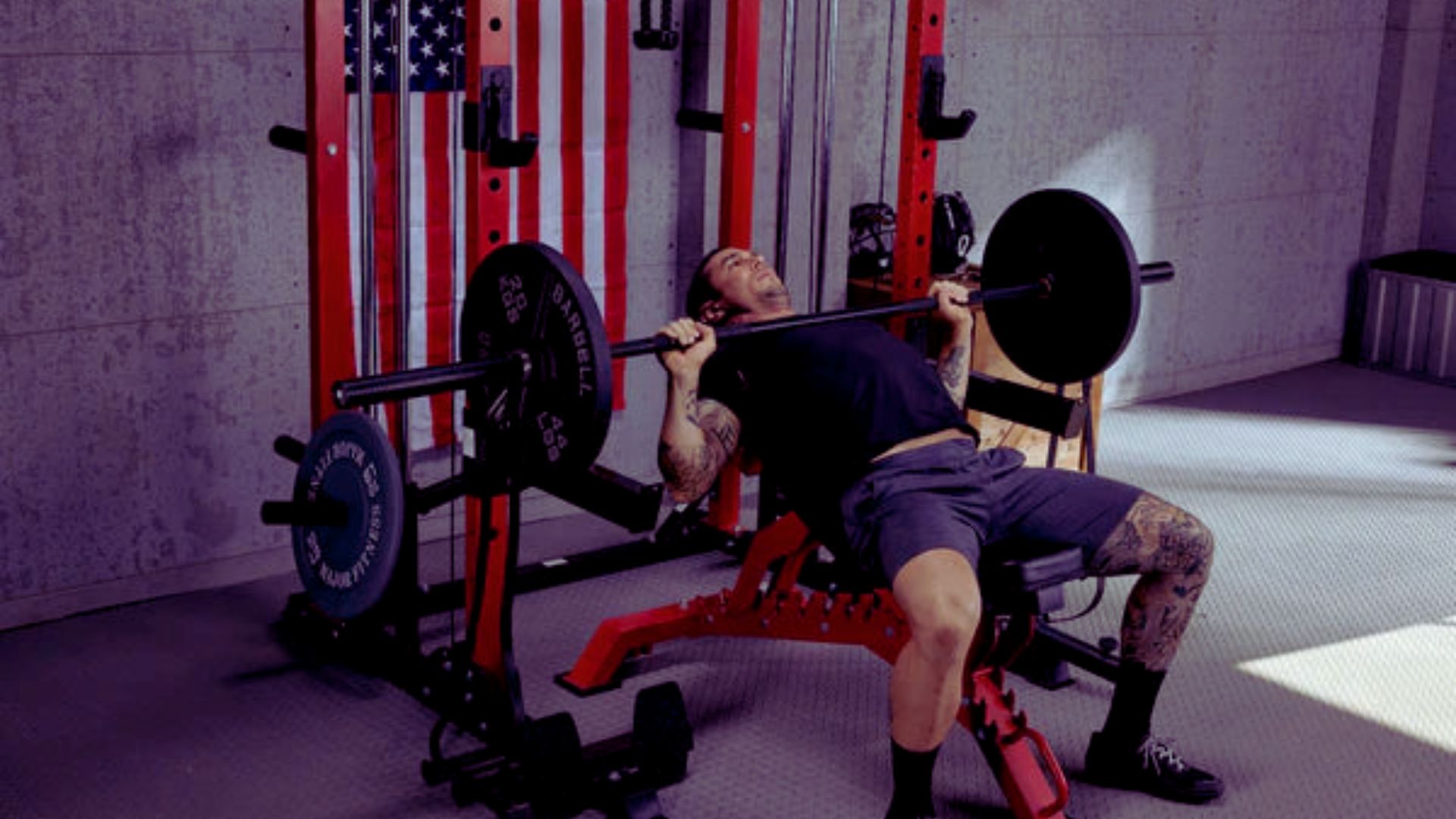
How you program the incline bench depends on your goal. It fits into almost any training plan with a few simple adjustments.
For muscle growth, aim for 3 to 4 sets of 8 to 12 reps. For strength, go heavier with 4 to 6 sets of 4 to 6 reps. For endurance or general fitness, 2 to 3 sets of 12 to 15 reps at moderate weight works well.
For placement, run it after a flat bench on a regular chest day or move it to the front of the session on an upper chest priority day. Pairing it with incline dumbbell variations covers multiple angles in one session.
Best Variations of Incline Bench Press

Rotating through different incline variations prevents adaptation and keeps progress moving.
The incline dumbbell press gives a greater range of motion and corrects strength imbalances between sides. The incline barbell press allows heavier loading and easy progress tracking.
The Smith machine incline press adds a fixed bar path, which works well for beginners or high-rep finisher sets. The neutral grip incline press reduces shoulder stress and is a smart swap if standard incline pressing causes discomfort.
Who Should Do Incline Bench Press?

Almost everyone training upper body should include it.
What does incline bench work for across different lifters comes down to the same thing: upper chest development and balanced pressing strength.
Beginners benefit early because it builds a complete chest foundation from the start. Bodybuilders use it for upper chest fullness and definition. Athletes who need pushing strength get real carryover from the incline angle.
Lifters who notice their lower chest is stronger than their upper chest will find the incline bench is the most direct fix available.
Safety Tips for Incline Bench Press
Lifting safely means staying consistent enough to keep making progress long term. Apply these every time you get under the bar.
- Always warm up shoulders and chest first. A few lighter sets prepare the joints and activate the right muscles before working weight.
- Use a spotter for heavy sets. When pushing close to your limit on an incline, a spotter is not optional.
- Start light to master form. The incline angle is less forgiving than flat pressing. Build the pattern before adding load.
- Avoid excessive arching. A slight natural arch is fine. Exaggerated arching shifts work away from the chest.
- Keep a controlled tempo. Slow on the way down, controlled on the way up. Momentum works against you here.
These habits cost nothing and protect everything.
Conclusion
Upper chest training is one of those things most people overlook until they realize what they have been missing. Now you know better.
You understand what does incline bench work and exactly how to use it.
So there is no reason to keep skipping it. Add it to your next chest session and see how it feels after just two or three weeks. The results will speak for themselves.
Which variation are you starting with? Leave a comment below and let me know. And if this guide helped, share it with someone who is still stuck on flat bench only.
Frequently Asked Questions
What Does Incline Bench Work Mainly Target?
It primarily targets the upper chest while also engaging the front shoulders and triceps. This combination makes it one oaf the most effective upper body pressing exercises available.
Is Incline Bench Better Than Flat Bench Press?
Neither is better overall. Incline focuses on the upper chest while flat bench builds general chest mass. Using both gives you the most complete development.
How Steep Should an Incline Bench Be?
A 30 to 45 degree angle is ideal for keeping the upper chest as the primary mover. Going steeper shifts too much work onto the shoulders.
Can Beginners Do Incline Bench Press?
Yes, it is suitable for beginners when performed with proper form and lighter weights. Learning it early builds good habits for long-term chest development.
How Often Should I Do Incline Bench Press?
One to two times per week is enough for most training splits and goals. Consistency over time matters far more than frequency in any single week.