

The decline bench press is often skipped. Most people stick to flat or incline and move on. But this angle targets muscles the other two tend to miss.
In this blog, you will learn what the decline bench works, how it fits your routine, and the real benefits it brings. I will also cover proper form so you can use it without wasting time or risking injury.
I have trained with all three bench angles for years. That experience helped me understand what decline bench actually does to the body.
By the end, you will know exactly how and when to add it to your training.
What Does Decline Bench Work On?
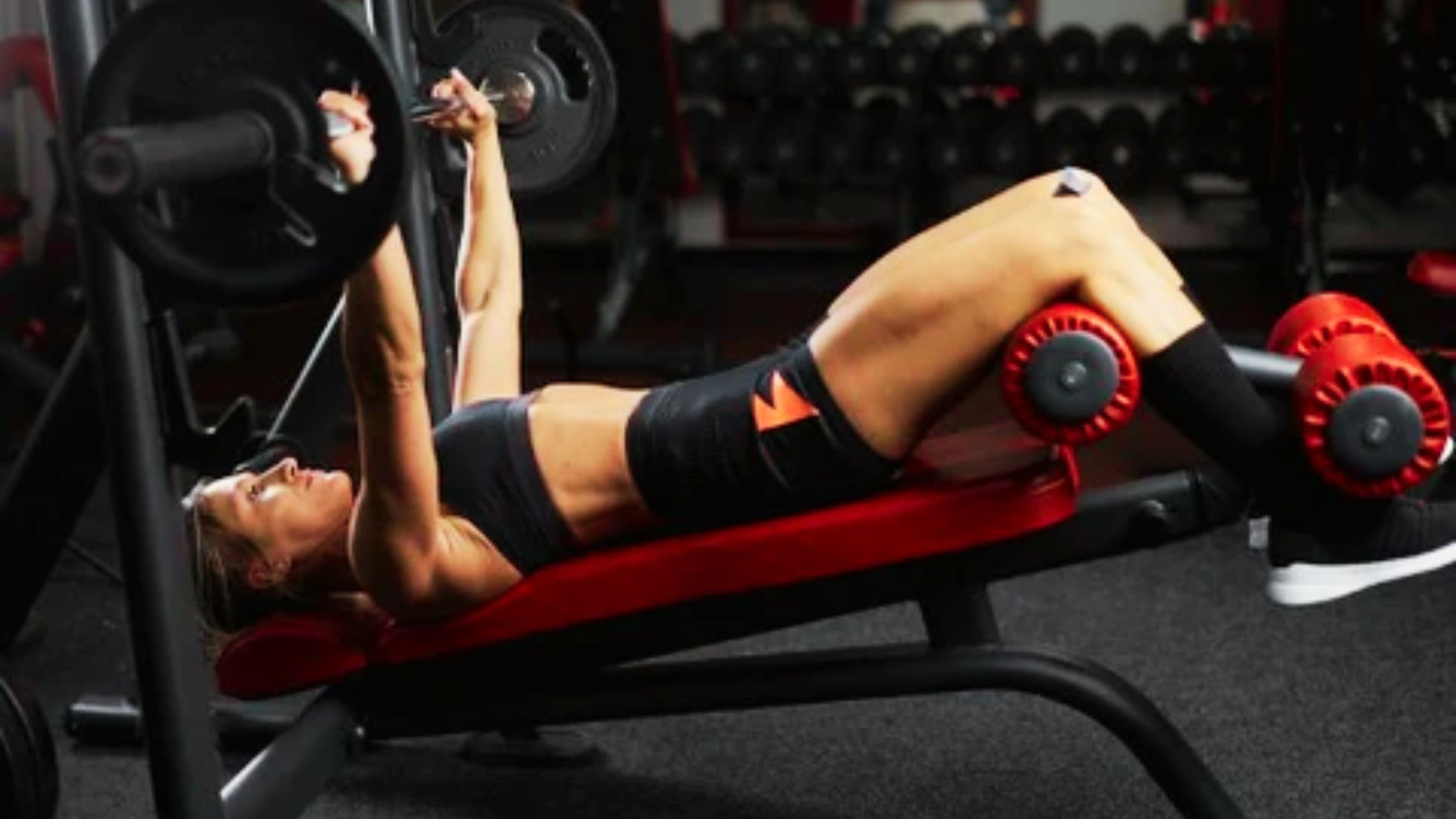
The decline bench press works the lower chest as the main target. The downward angle shifts focus to the lower fibers of the pectoralis major.
These fibers are often underworked during flat bench pressing and need direct attention to grow.
The triceps also engage throughout each rep, especially near the top of the press. They support the push and contribute to overall upper body pressing strength.
The front shoulders stabilize the movement without taking on too much load. For some lifters, this makes the decline bench a more comfortable pressing option compared to flat or incline press.
What Does Decline Bench Work Out in a Fitness Routine?
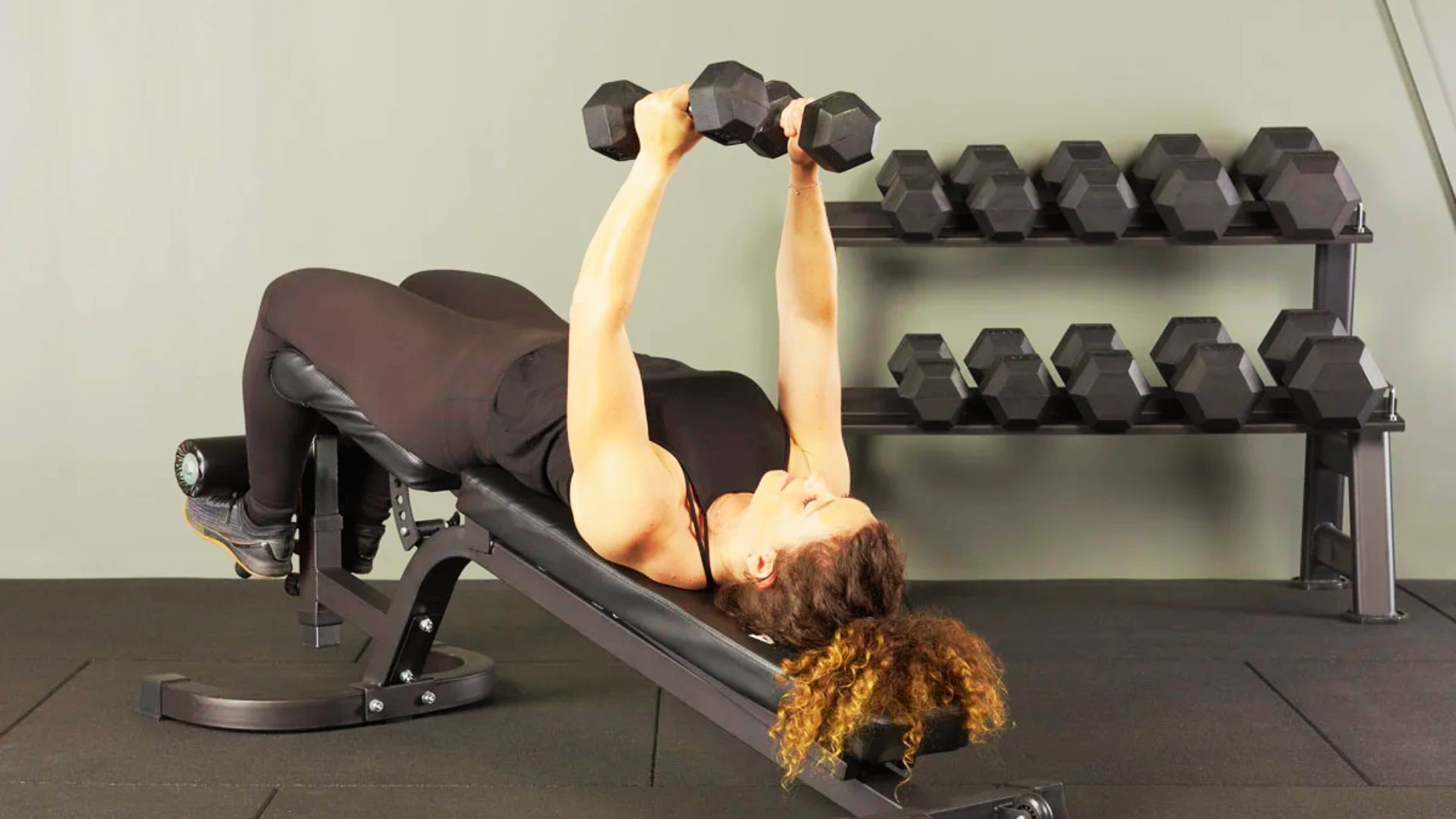
Knowing where the decline bench fits in your training helps you get more from every chest session.
Role in Strength Training and Muscle Building
Decline bench press is a compound movement that trains the chest, triceps, and shoulders together. It adds pressing volume without overloading the shoulder joint.
That makes it a smart fit in both strength and muscle-building programs.
How It Fits Into a Complete Chest Day Workout
Most lifters use flat bench as their main lift and decline as a secondary movement. It works well after a flat bench to finish off the lower chest.
It also pairs well with cable flies or chest dips.
Comparison With Flat and Incline Bench Press
The flat bench targets the full chest in a balanced way. Incline shifts focus to the upper chest and tends to be harder on the shoulder.
Decline focuses on the lower chest with less shoulder strain and often allows more weight to be pressed.
Benefits of Decline Bench Press for Muscle Growth
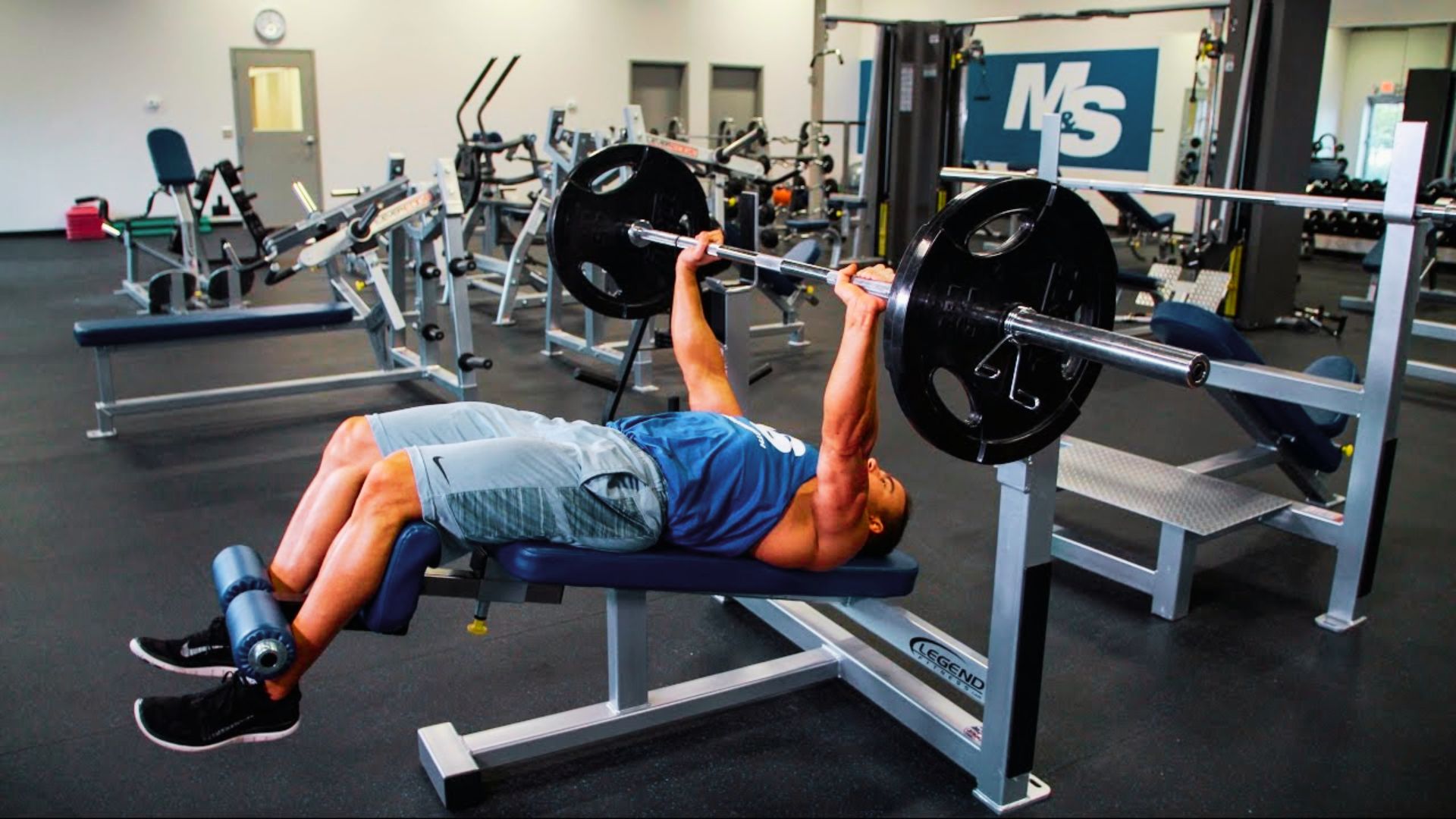
The decline bench press offers real muscle-building benefits that go well beyond just targeting the lower chest.
Improved Lower Chest Development and Shape
The lower chest is one of the harder areas to develop with a flat bench alone. Decline bench gives those lower fibers direct and focused stimulation.
Over time, the chest builds more thickness and fullness at the base.
Increased Pushing Strength and Performance
The decline angle puts the shoulder in a stronger pressing position. This allows more force output, which is why many lifters move more weight on decline.
That added strength can carry over to flat bench performance as well.
Reduced Shoulder Stress for Some Lifters
Flat and incline bench place more strain on the front shoulder over time. Decline keeps the shoulder lower and in a more stable pressing position.
This makes it a more comfortable option for lifters managing shoulder discomfort.
Better Chest Definition and Aesthetic Appearance
Without lower chest work, there is often a visible lack of fullness at the base of the chest. Decline bench targets that area directly and helps fill it in.
The result is a cleaner, more complete look across the full chest.
How Important Is the Decline Bench Press in Your Routine?

Decline bench press is a useful tool, but knowing when and how to use it makes all the difference.
Is It Important for Chest Muscle Growth?
A declining bench is not required to build a strong chest. Flat bench, incline, dips, and cables can cover the lower chest as well. It is a practical addition, but not a must-have for everyone.
Who Should Include Decline Bench Press Exercises?
Lifters with a lagging lower chest will benefit most from adding a decline bench. Those who feel front shoulder discomfort on flat or incline press may also find it more comfortable.
Beginners should get comfortable with a flat bench first before adding decline.
When It Becomes a Useful (Not Mandatory) Variation
Decline bench is most helpful when chest training starts to feel stagnant. It works well as a second or third pressing movement in hypertrophy-focused programs.
It adds chest volume without putting extra stress on the shoulder joint.
Proper Form for Decline Bench Press
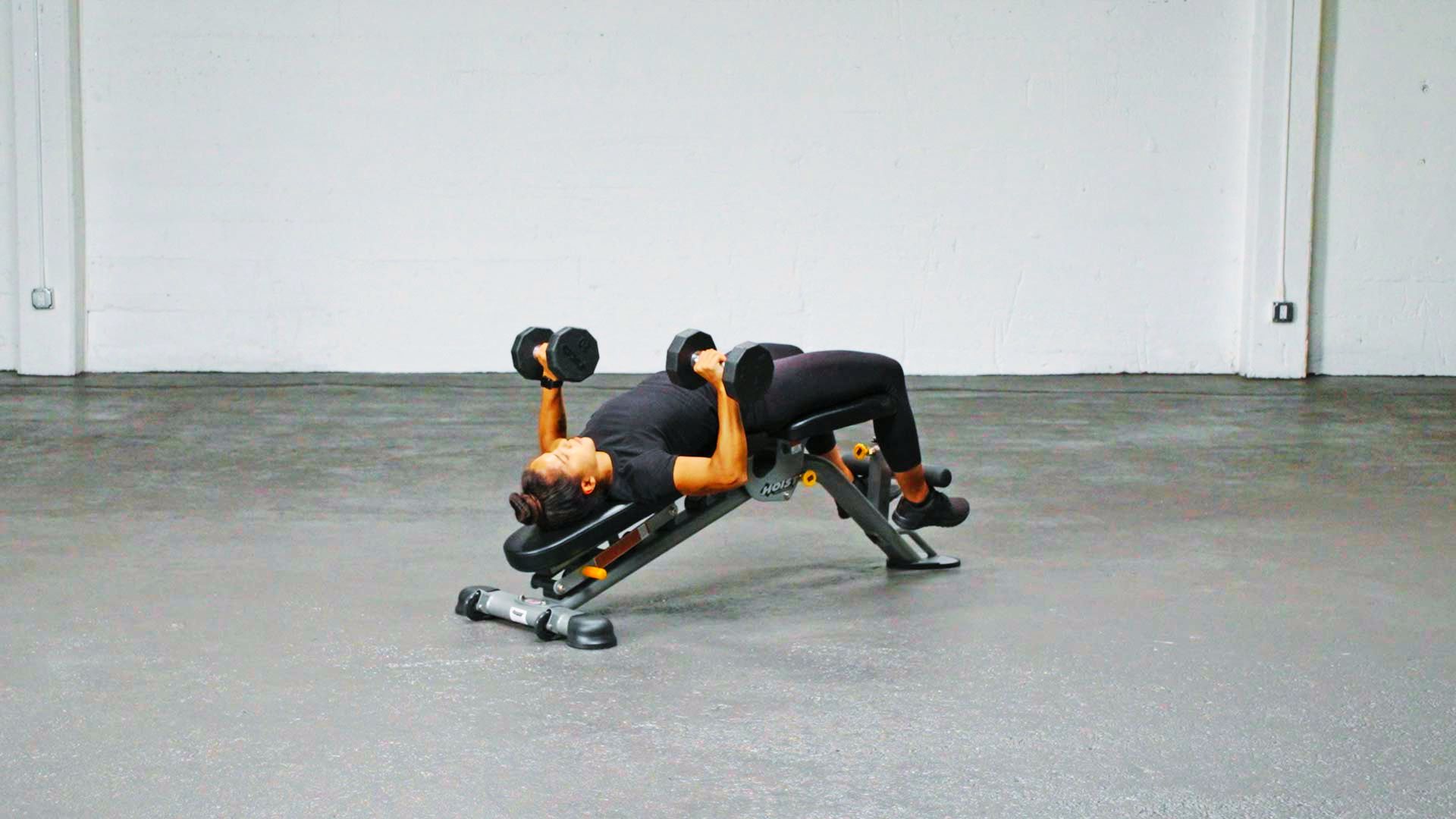
Good form on decline bench press keeps you safe and makes every rep count toward real progress.
Ideal Bench Angle (15–30 Degrees Setup)
Set the bench between 15 and 30 degrees below flat for the best lower chest activation. Going steeper than 30 degrees reduces chest engagement and increases neck pressure.
Always lock your feet under the leg pads before starting any set.
Correct Grip, Elbow Position, and Range of Motion
Use a grip slightly wider than shoulder width, similar to your flat bench setup. Keep elbows at 45 to 75 degrees from the torso as you lower the bar.
Lower the bar to the lower chest and press back up through a full range of motion.
Tips for Better Results With Decline Bench Press
Small adjustments in how you train a decline bench can lead to noticeably better results over time.
- Lower the bar slowly and press back up with full control on every rep.
- Start with moderate weight to feel the chest working before adding more load.
- Combine decline with flat and incline press for complete chest development.
- Add small amounts of weight or reps each week to keep making progress.
- Warm up the shoulder with light sets before moving to heavier pressing.
Conclusion
Decline bench press changed how my chest looked once I gave it real attention. The lower chest gap I ignored for years started filling in within a few months of consistent work.
It is not complicated. Good form, controlled reps, and steady progress over time get the job done.
If your lower chest feels underdeveloped, add a decline bench to your routine and stay consistent. The results will show up.
Drop a comment below and let me know how the decline bench is working for you. Share this post if it helps.
Frequently Asked Questions
What Does Decline Bench Work?
Decline bench press primarily works the lower chest along with the triceps and front shoulders. It targets the lower fibers of the pectoralis major more directly than flat bench does.
What Does Decline Bench Work On?
It works on the lower section of the pectoralis major, also called the sternal head. The downward angle shifts activation toward those lower chest fibers with each rep.
What Does Decline Bench Work Out?
The decline bench works out the lower chest as the main muscle along with the triceps. It also builds overall upper body pressing strength through consistent training over time.
Is Decline Bench Better Than Flat Bench Press?
Neither is better overall since both serve different purposes in a chest routine. Flat bench trains the full chest while decline focuses on the lower portion specifically.
How Often Should You Do Decline Bench Press?
Once or twice per week is enough for most lifters to see results from the decline bench. It works best as a secondary movement placed after your main flat or incline press sets.