

I dropped a 315-pound deadlift mid-set. My back could handle it. My grip couldn’t. A guy walked over and handed me these weird fabric strips. I had no idea what they were.
What do lifting straps do? I was about to find out. Three minutes later, I crushed that same weight for 8 clean reps. My hands didn’t fail once.
That moment changed how I train my entire back. But here’s the thing nobody tells you about straps. They’re not just about holding more weight. There’s way more to this story.
I’m breaking down what I learned after years of testing them.
Let’s get started.
The Basics of Lifting Straps: What They Are and How They Work
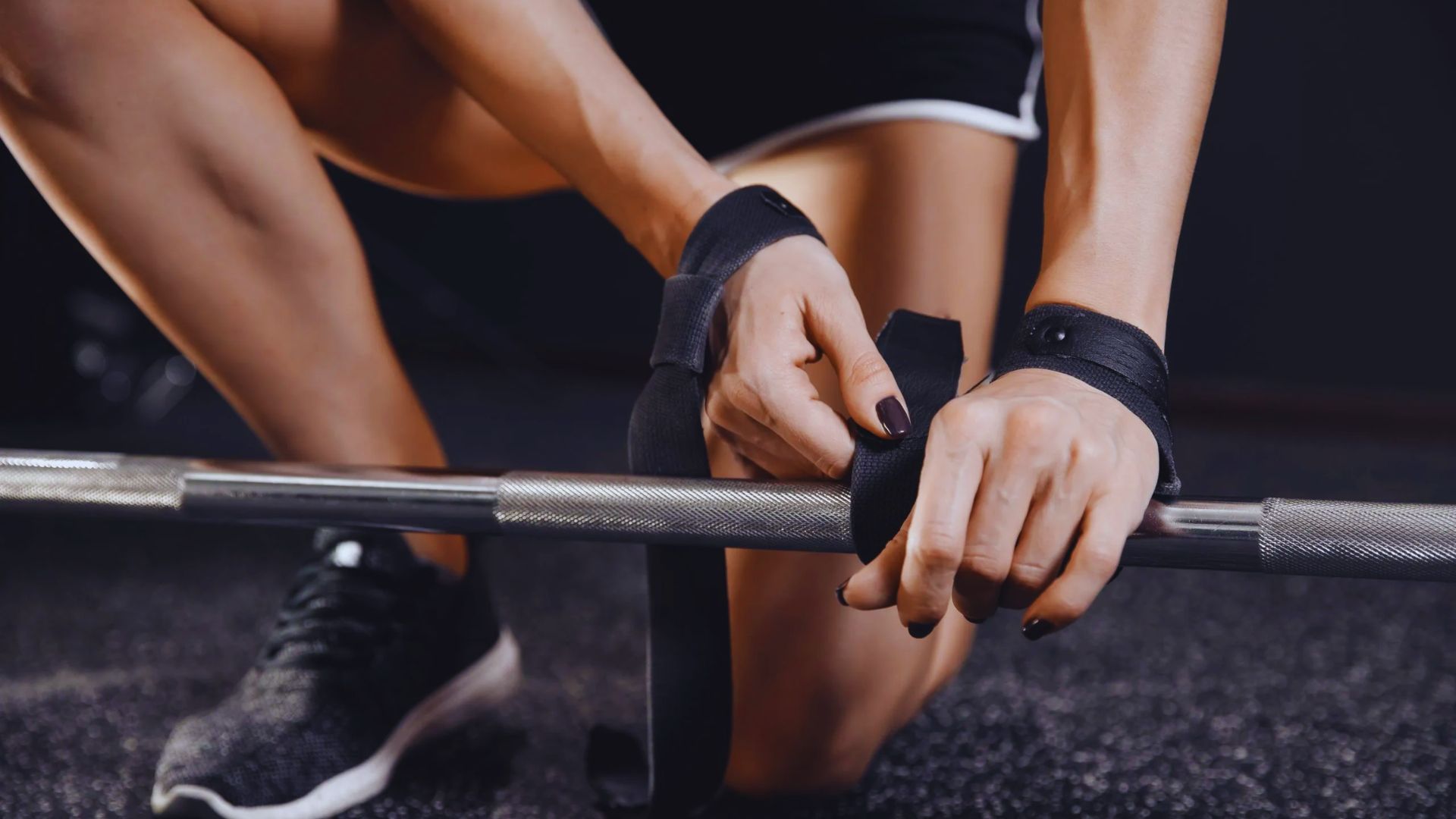
A woman grips a barbell, demonstrating strength and focus during a weightlifting exercise.
Lifting straps are fabric or leather strips that wrap around your wrists and the barbell. They create a stronger connection between your hands and whatever you’re lifting.
Most straps measure about 18 to 24 inches long and 1 to 2 inches wide. The material varies, but they all do the same basic job.
Think of them as an extension of your grip. When your hands get tired, the straps take over and keep the bar secure.
They’re not magic. They’re just tools that let your bigger muscles work harder without your grip holding you back.
Understanding Lifting Straps

A man squats with a barbell on his shoulders in a gym, focusing on his form and strength training.
Let’s break down exactly what these things are and why people use them.
What Are Lifting Straps?
Lifting straps are simple pieces of durable fabric or leather with a loop on one end. You slide your wrist through the loop, then wrap the long end around the bar.
Cotton straps are soft and flexible. They’re comfortable but wear out faster with heavy use.
Leather straps last longer and provide more support. They’re stiffer at first but break in over time.
Some straps come attached to wrist wraps for extra wrist support during heavy pulls. These combo options work well for people who want both benefits in one tool.
Purpose of Lifting Straps
Here’s the main point. Your grip fails way before your back, legs, or traps do during heavy pulling movements.
Lifting straps let you keep going when your hands want to quit. They reduce hand fatigue so you can focus on the target muscle.
This means more reps, heavier weight, and better muscle growth in your back and legs.
They’re not about cheating. They’re about removing a weak link so your stronger muscles can actually get trained properly.
How They Work
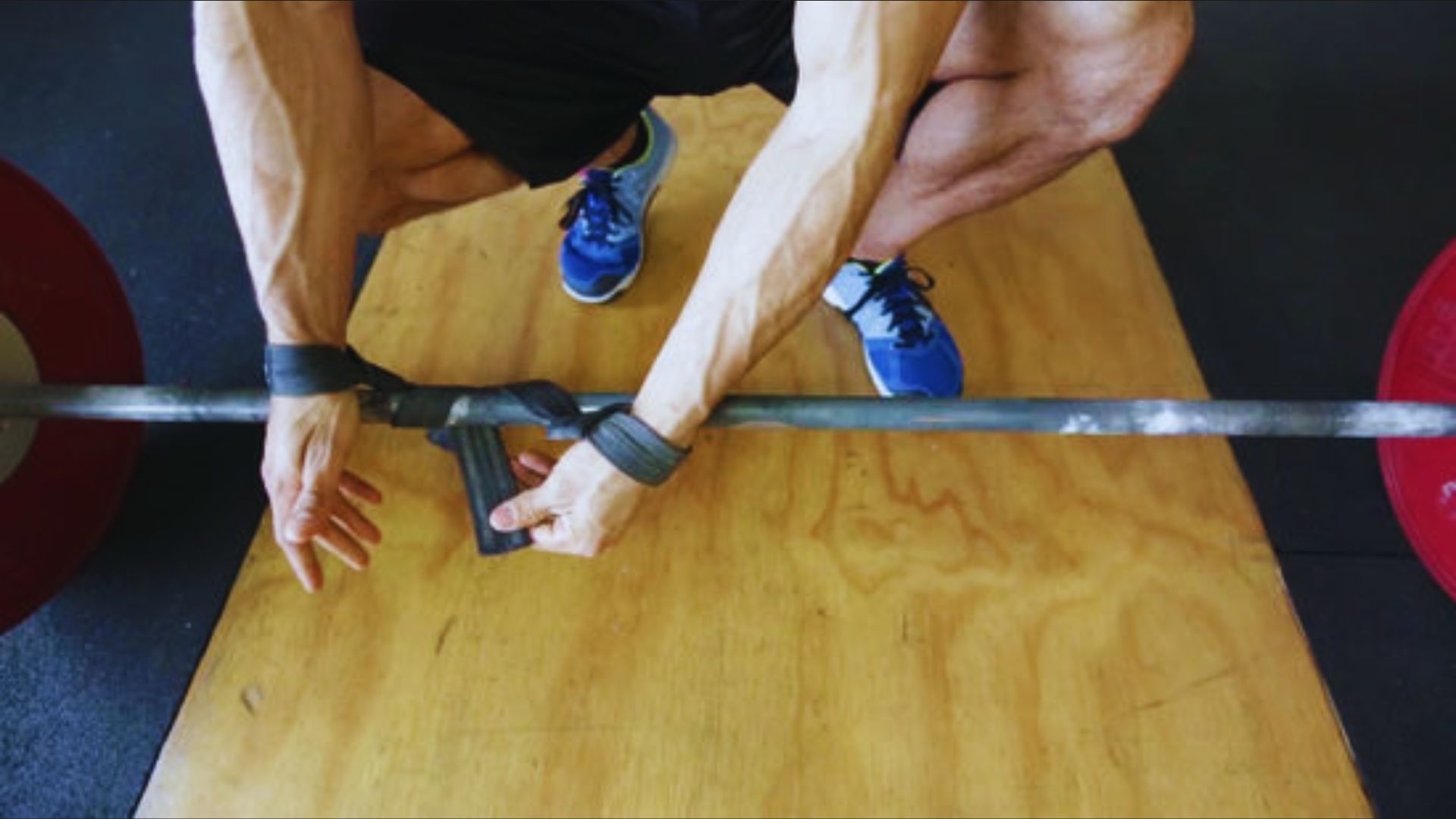
Loop the strap around your wrist with the tail hanging down your palm. Lay the tail over the bar, then wrap it under and around until you’ve got a few inches left.
Grip the bar with the strap tail in your palm. As you pull, the strap tightens around the bar and creates a secure hold.
The heavier the weight, the tighter the strap grips. It’s like a self-tightening knot that gets stronger under load.
This works perfectly for deadlifts, shrugs, and rows where your grip normally gives out first. The straps handle the grip work while your back muscles do the actual lifting.
What Do Lifting Straps Do? Insights from Fitness Communities
A man lifts a barbell overhead, showcasing strength and focus during a weightlifting exercise.
I’ve spent hours reading what real lifters say about straps on forums and Reddit. The opinions split pretty clearly.
Real Users’ Experiences
Most lifters report the same benefit. Their grip stops limiting their back training. They can finally do enough volume to actually grow their lats and traps.
One guy said he added 50 pounds to his deadlift working sets after starting to use straps. His back could handle it, his hands just couldn’t before.
The caution I see repeated everywhere? Don’t use straps for everything. Your grip strength still matters, and straps can make it weaker if you rely on them too much.
Some lifters use them only for their heaviest sets. Others save them for high-rep back work where grip fails first.
Popular Lifts Where Straps Shine
Deadlifts are the number one use case. When you’re pulling heavy for multiple reps, your grip quits way before your posterior chain does.
Heavy barbell rows and dumbbell rows benefit hugely too. I can actually feel my lats working now instead of just fighting to hold the weight.
Shrugs with straps let you go way heavier. Your traps can handle more weight than your fingers can grip for 15 reps.
Pull-ups and chin-ups work well with straps if you’re doing high-rep sets. Your lats keep working even when your forearms are fried.
When They Might Not Help
Light weight doesn’t need straps. If you can comfortably grip it for your entire set, skip the straps.
Grip-focused training obviously doesn’t work with straps. Farmer’s carries, dead hangs, and grip strengthening exercises defeat the purpose if you strap up.
Some people say never use straps for Olympic lifts like cleans and snatches. The bar needs to release from your hands during certain movements, and straps prevent that.
I also skip straps on max effort singles. What do lifting straps do on a one-rep max? Not much, because your grip can usually handle one heavy rep fine.
Benefits of Using Lifting Straps
I resisted straps for months because I thought they were a shortcut. Then I actually tried them and understood why experienced lifters love them.
Here’s what straps actually do for your training:
- Let your back muscles reach failure instead of your grip failing first
- Reduce forearm fatigue so you can do more total volume
- Allow heavier weights on pulling movements without grip limiting you
- Improve mind-muscle connection because you’re not thinking about holding the bar
- Save your hands from calluses and tears during high-volume sessions
- Enable more reps on the exercises that build your back and traps
The biggest benefit for me was finally feeling my lats work properly during rows. Before straps, I’d just feel my forearms burning and have to stop.
Now my back gets the training it needs while my grip gets trained on other exercises. That’s just smarter programming.
Drawbacks and Common Mistakes
Straps aren’t perfect, and using them wrong creates real problems. I’ve made most of these mistakes myself.
Watch out for these issues:
- Over-relying on straps for every single pulling exercise weakens your natural grip
- Wrapping them incorrectly can cause the bar to slip or twist in your hands
- Using straps too early in your lifting journey prevents grip strength development
- Forgetting to train grip separately when you use straps regularly
- Wrapping too loosely which defeats the entire purpose
- Limited wrist mobility can make straps uncomfortable or ineffective
Here’s my rule. Train your grip strength with heavy carries, dead hangs, and strapless warm-up sets. Then use straps for your heavy working sets where grip would limit your back training.
Don’t let straps become a crutch. Use them as a tool to train harder, not as a way to avoid building grip strength completely.
Lifting Straps vs Other Grip Tools
Straps aren’t your only option for grip help. Here’s how they compare to other tools.
|
Tool |
Pros |
Cons |
Best For |
|
Lifting Straps |
Maximum grip support, allows heaviest weight |
Can weaken grip over time |
Heavy deadlifts, rows, shrugs |
|
Chalk |
Improves natural grip, builds grip strength |
Doesn’t help with grip endurance |
All lifts, powerlifting |
|
Lifting Gloves |
Protects hands, slight grip improvement |
Minimal actual support, can slip |
Light to moderate weight |
|
Hook Grips |
Stronger than normal grip, no accessories needed |
Extremely painful on thumbs |
Olympic lifting, advanced lifters |
Straps give you the most actual grip assistance. Chalk just improves your existing grip without doing the work for you.
I use both. Chalk for everything, straps only when my grip actually limits my back training.
How to Choose the Right Lifting Straps

A man is performing a leg lift exercise while holding a barbell above his legs.
Not all straps work the same. Here’s what matters when you’re buying a pair.
Material makes a huge difference. Cotton straps feel softer and more comfortable right away. They’re great for beginners or anyone with sensitive skin.
Leather straps last way longer and provide firmer support. They take a few sessions to break in but won’t wear out as fast.
Length affects how many wraps you can do around the bar. Longer straps (21-24 inches) give you more wraps for a tighter grip. Shorter ones (18 inches) work fine for most people and feel less bulky.
Thickness matters too. Thicker straps distribute pressure better across your wrist. Thinner ones wrap easier but can dig in during really heavy sets.
Conclusion
Grab a pair of straps and test them on your next back day. That’s it.
Stop debating whether they’re worth it. Your hands will tell you everything you need to know after one heavy deadlift session.
Track your working weights for the next month. Compare strap days versus no-strap days. The numbers don’t lie.
What’s holding you back from trying them? Drop your grip struggles in the comments below.
I want to hear about your worst grip-fail moment. The one where you know you could’ve lifted more. Your back deserves to grow. Stop letting your hands decide when the set ends.
Frequently Asked Questions
Do lifting straps make you stronger?
No, they don’t increase your actual strength. They just let you lift more weight by improving your grip, which can lead to better muscle growth over time.
Can beginners use lifting straps?
Yes, but build basic grip strength first with a few months of regular training. Then add straps for heavy sets where grip limits your progress.
How often should I use lifting straps in my routine?
Use them only on heavy pulling exercises where grip fails before your target muscles do. Keep doing some work without straps to maintain grip strength.
Are lifting straps better than lifting gloves?
Yes, for actual grip support. Straps provide way more assistance than gloves, which mainly just protect your hands from calluses.
Can lifting straps replace grip strength training?
Absolutely not. You still need dedicated grip work like farmer’s carries and dead hangs to build strong hands and forearms.


