If you’ve ever felt a sharp twinge in your lower back after a heavy lift, you’re not alone. Lower back pain affects countless lifters. I’ve been there myself, grinding through sets only to regret it later.
In this guide, I’ll show you exactly which weight-lifting exercises to avoid with lower back pain and why they hurt.
You’ll learn safer alternatives, common mistakes that worsen pain, and when to seek help. We’ll cover deadlifts, squats, overhead presses, and practical prevention tips.
After years of training clients through back issues, I know what works. Let’s protect your back so you can lift pain-free.
How Weight Lifting Affects the Lower Back?
Your spine handles massive forces during weight training. Every lift creates pressure and stress on your lower back.
When you lift weights, compression pushes down on your vertebrae and discs. Shear forces slide vertebrae in opposite directions. Your discs act like shock absorbers but can bulge or herniate if overloaded. The lumbar spine only handles loads safely when positioned correctly.
Bad technique multiplies spinal stress. Common mistakes include rounding your back, excessive arching, twisting under load, and poor core bracing. When form breaks down, your spine takes the hit instead of your muscles.
Acute injuries happen suddenly from a single event. Chronic injuries develop over time from repeated stress. Acute pain is sharp and specific. Chronic pain feels dull and persistent.
Weight Lifting Exercises to Avoid With Lower Back Pain
Some exercises place excessive stress on an already painful back. Here’s what to skip until you heal.
Deadlifts and Heavy Hip Hinge Movements

Deadlifts load your spine heavily with the bar sitting far from your body. Romanian deadlifts and stiff-legged variations extend your spine under load, compressing discs and straining muscles. The lift demands perfect form that pain often prevents.
Back Squats and Barbell Squats
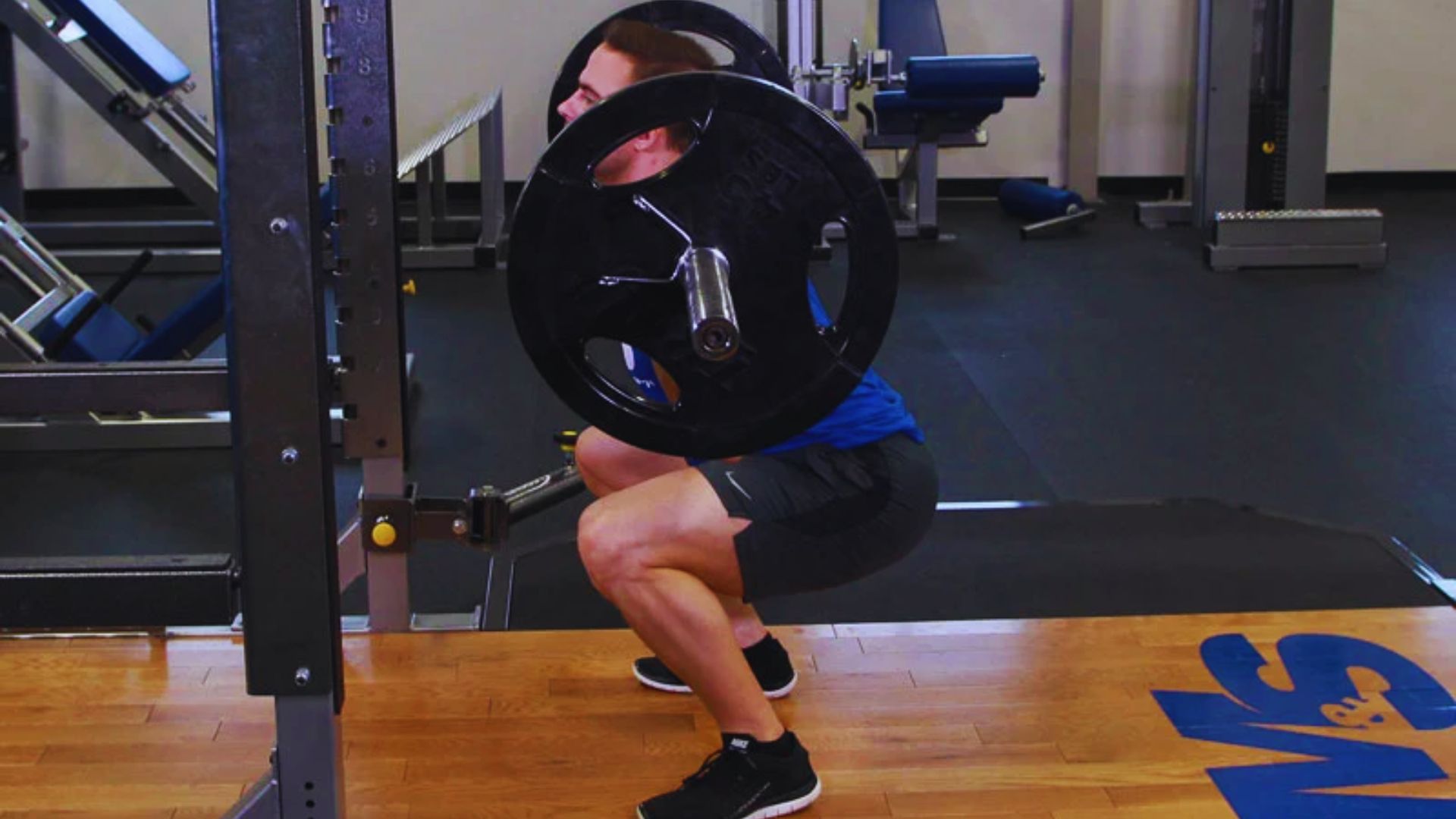
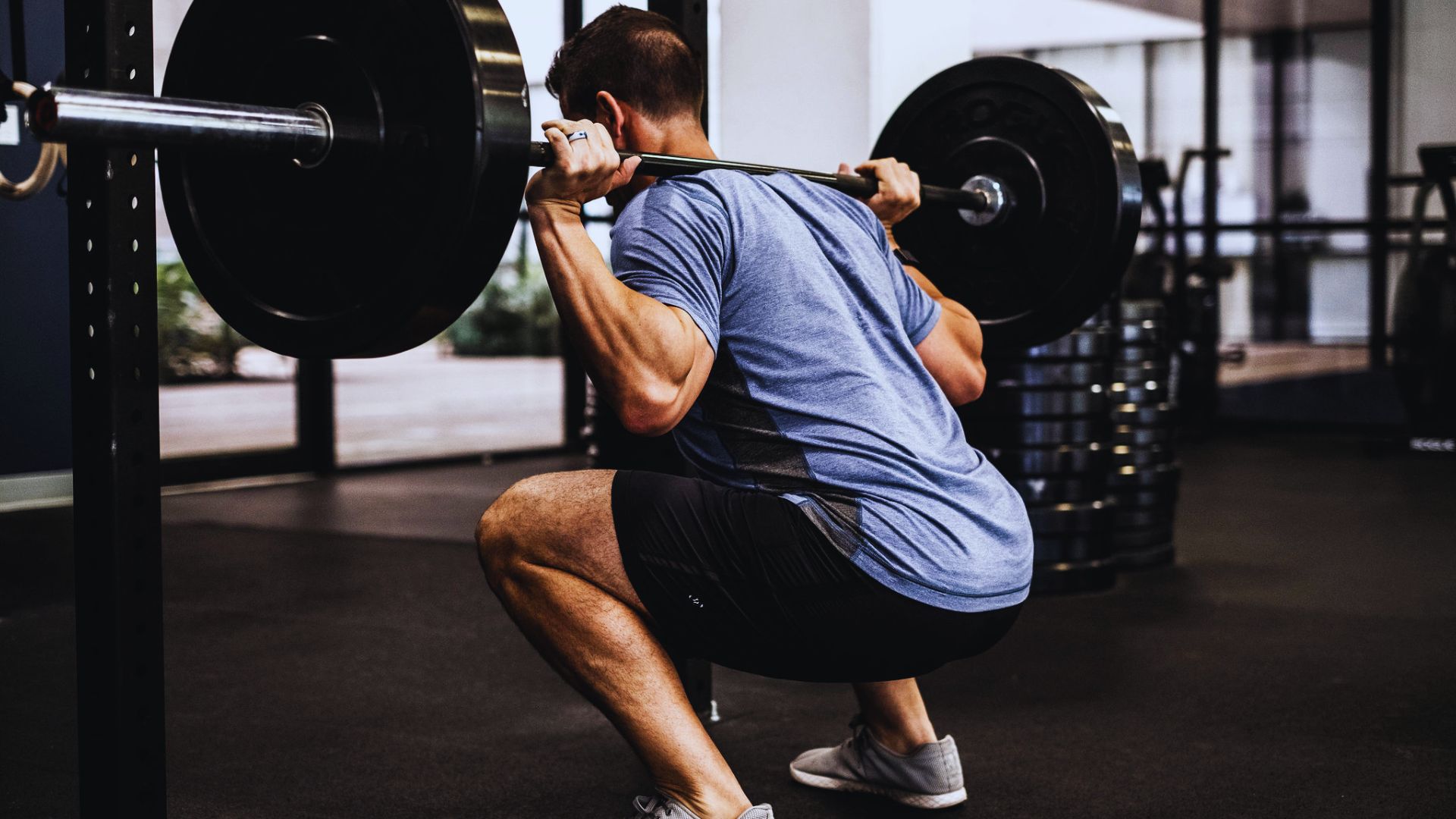
Back squats place a loaded barbell directly on your spine. Your torso leans forward, increasing shear forces across vertebrae.
Rounding your back makes everything worse. Both low-bar and high-bar versions stress a painful back significantly.
Clean and Jerk and Olympic Lifts

Olympic lifts combine speed with heavy loads and explosive movements. The catch position forces rapid spinal stabilization. These technical lifts require advanced body control that pain disrupts.
Bent Over Rows

Bent over rows hold your spine in a hinged position throughout the set. Fatigue causes your form to slip and your spine to round as muscles tire. The unsupported position leaves your back vulnerable.
Good Morning Exercises
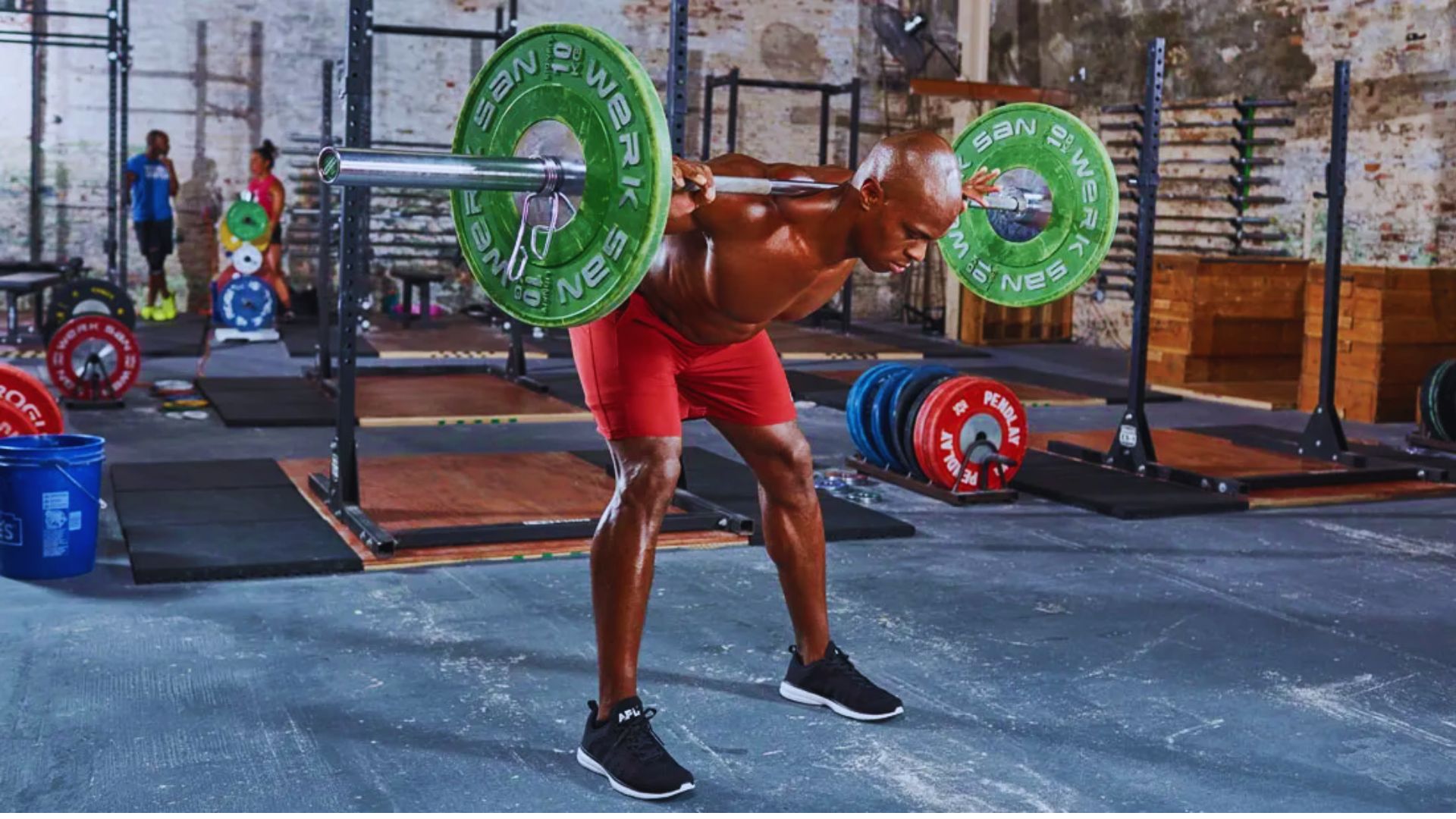
Good morning, intentionally load your spine in a forward bent position, directly stressing the area that hurts. Even light weights create significant torque. Your back works harder than in most other exercises.
Overhead Presses
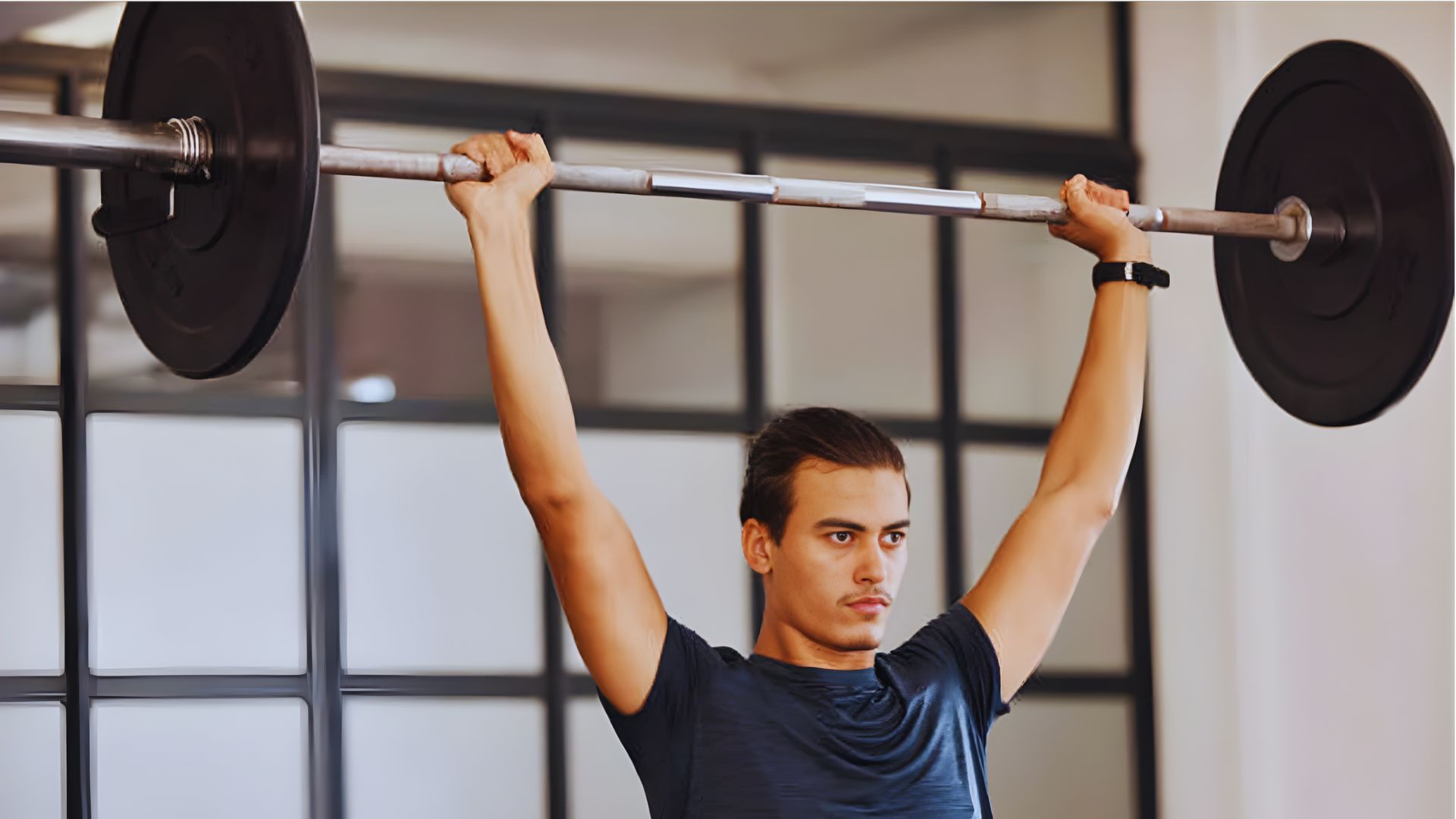
Pressing weight overhead compresses your entire spine. Your lower back arches to help drive the weight up. Standing presses force your core to stabilize against an overhead load that a weak or painful back can’t brace properly.
Leg Press With Excessive Load

Heavy leg presses tilt your pelvis backward and round your lower back against the pad. This flexed position stresses discs and ligaments. Your back stays locked in a compromised position throughout the set.
Heavy Weightlifting at Max or Near Max Effort

Maximal loads break down technique. Your body compensates in dangerous ways when muscles reach their limit. Form deteriorates first in your weakest areas, often the lower back.
Why These Weight Lifting Exercises Worsen Lower Back Pain?
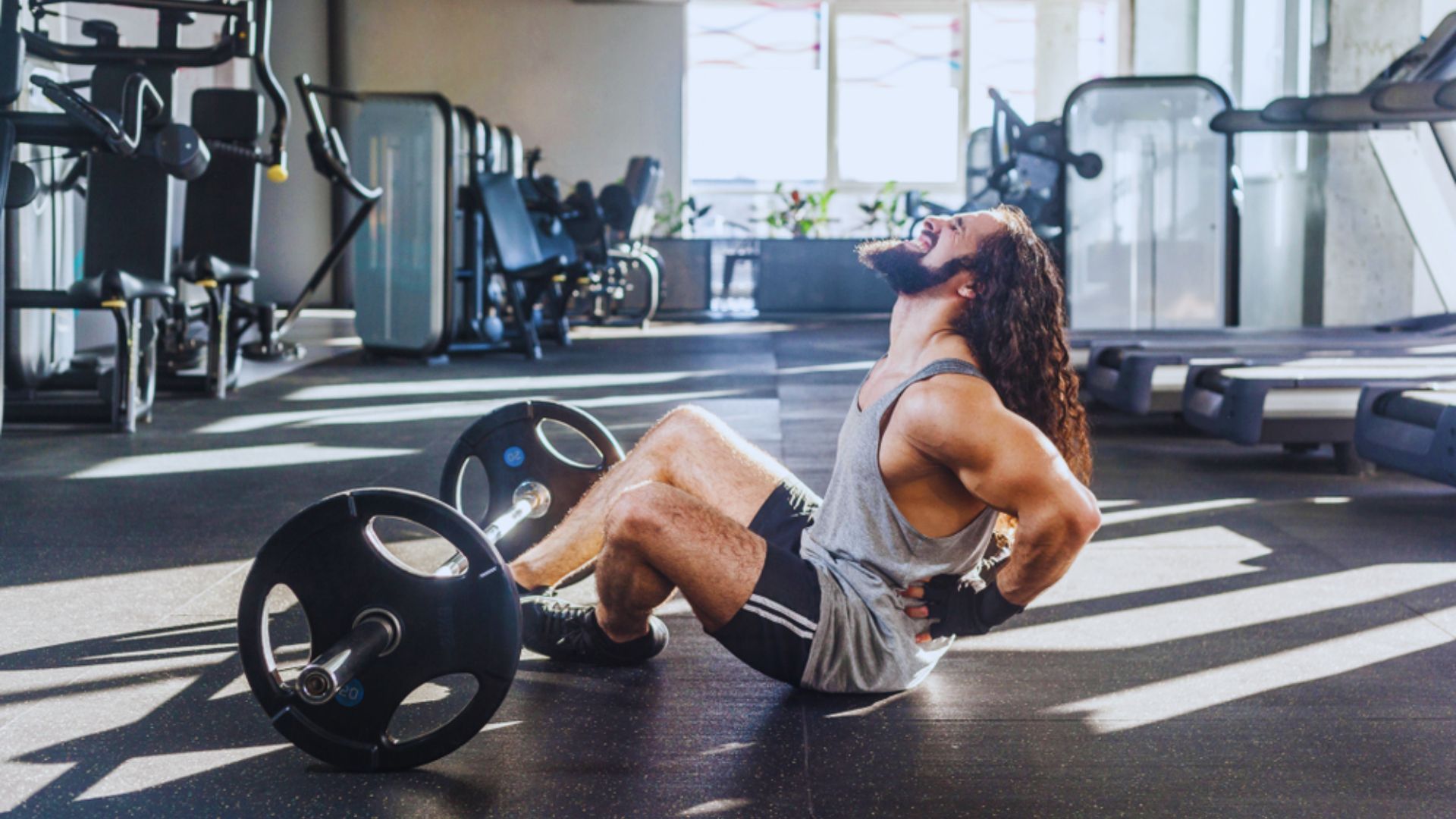
Understanding the mechanisms helps you make smarter choices. Here’s what happens inside your body.
Increased Disc Pressure and Muscle Strain
Discs between vertebrae contain gel-like fluid. Compression squeezes this fluid and stresses the outer rings.
Damaged discs leak fluid or bulge outward. This presses on nerves and causes radiating pain.
Muscles surrounding your spine guard against injury. When overloaded, they develop painful trigger points and spasms.
Risk of Muscle Tears and Tendon Injuries
Strained muscles have microscopic tears in their fibers. Continuing to lift prevents proper healing.
Tendons connecting muscles to bones can become inflamed or partially torn. These injuries take months to heal fully.
Scar tissue from old injuries creates weak points. Repeated stress targets these vulnerable areas.
Poor Core Stability and Fatigue Effects
Your core stabilizes your spine during lifts. Pain disrupts this protective mechanism.
Weak core muscles allow excessive spinal movement. Vertebrae shift more than they should under load.
Fatigue compounds the problem. Tired muscles can’t maintain proper bracing. Your form breaks down set after set.
Common Weight Lifting Mistakes That Aggravate Back Pain
Even simple errors can turn minor discomfort into serious injury. Watch for these problems.
- Lifting too heavy, too soon. Jumping weight too quickly overwhelms muscles and connective tissue. Start lighter and build up slowly over weeks and months.
- Ignoring pain signals. Sharp pain means stop immediately. Dull aches mean reduce weight or modify the exercise. Your body knows its limits better than any program.
- Training with improper technique. Bad form concentrates stress on vulnerable areas. Video your lifts and compare them to proper demonstrations, or hire a coach.
- Skipping warm-ups and mobility work. Cold muscles tear more easily. Spend 10 minutes warming up with dynamic stretches and light cardio before lifting.
- Pushing through fatigue. Tired muscles can’t maintain proper form. Take adequate rest between sessions and listen to your body’s recovery signals.
Safer Weight Training Alternatives for Lower Back Pain
You can still build strength while protecting your back. Try these modifications.
Isometric Core Exercises (Planks and Variations)

Planks strengthen your core without spinal movement. Hold a stable position instead of flexing or extending. Side planks target obliques that stabilize rotation.
Dead bugs teach core control while lying down. These exercises build the foundation for pain-free lifting. Master them before returning to heavy loads.
Chest Supported Rows

Lying on a bench removes stress from your lower back. The pad supports your torso completely. Your back muscles still work hard pulling the weight.
Your spine stays in a safe neutral position. Seal rows and incline bench rows both work well. Adjust angles to find what feels comfortable.
Bench Presses With Proper Back Support

Lying flat distributes the load across your entire back. Keep your feet planted and core tight. Avoid excessive arching.
A slight natural curve is fine, but don’t force your back into extreme positions. Dumbbells allow more natural movement than barbells. Start with them if barbell pressing hurts.
Leg Press With Controlled Range and Load
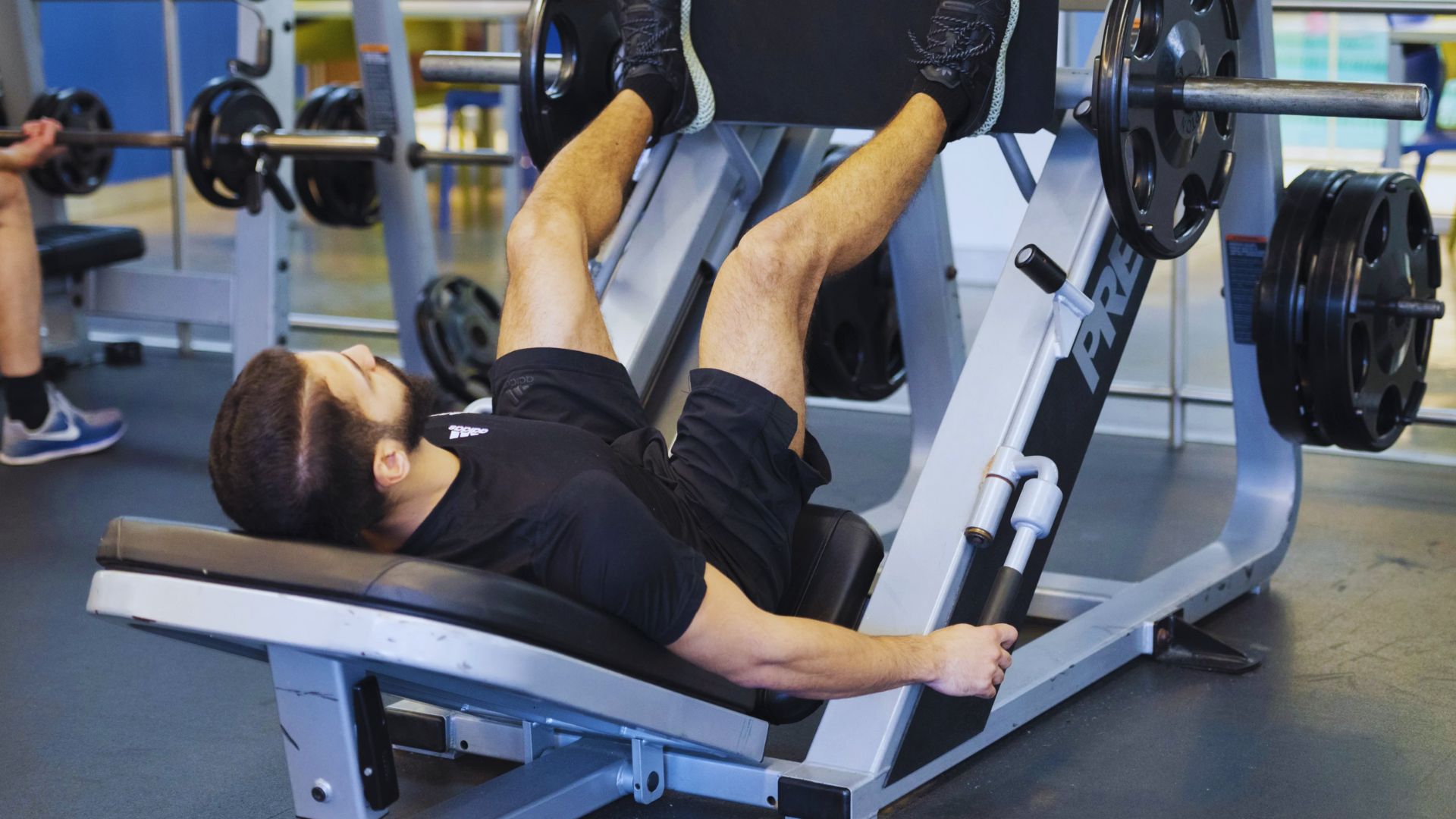
Keep your lower back flat against the pad. Don’t let your pelvis tilt or your back round. Use moderate weight and controlled tempo.
Stop if you feel your back lifting off the support. Partial reps are better than full range with poor form. Protect your spine first.
Bodyweight and Low-Impact Strength Exercises

Push-ups, pull-ups, and lunges build strength without heavy spinal loading. Your body weight provides resistance. These movements teach proper patterns before adding external load.
They also maintain fitness during recovery. Resistance bands offer variable tension without compressive forces. They’re perfect for rehabilitation work.
Tips for Preventing Lower Back Pain While Weight Lifting
Prevention beats treatment every time. Build these habits now.
- Progressive load management. Add small amounts of weight regularly. Increase by 2.5 to 5 pounds for the upper body, 5 to 10 pounds for the lower body. Take deload weeks every 4 to 6 weeks.
- Maintain neutral spine and core engagement. Keep your spine neutral under load. Brace your core before every rep. Breathe properly by inhaling before lifting and exhaling after the hardest part.
- Prioritize rest and recovery. Sleep 7 to 9 hours nightly. Take at least one full rest day weekly. Manage stress outside the gym.
- Get professional coaching. A good coach catches form breakdowns before they cause injury. Physical therapists assess movement quality and address limitations.
When to See a Medical Professional?

Some situations require expert evaluation. Don’t wait too long.
Red flags that require immediate attention. Sudden severe pain after hearing a pop, progressive leg weakness, pain with fever or chills, or unexplained weight loss all need urgent medical care.
Role of imaging and diagnosis. X-rays show bone problems but miss soft tissue issues. MRIs reveal disc herniations, muscle tears, and nerve compression. Your doctor orders imaging based on symptoms. Not every back pain needs scans.
Non-surgical treatment options. Most back pain improves without surgery. Physical therapy teaches proper movement and strengthens weak areas. Anti-inflammatory medications and injections provide pain relief. Chiropractors and massage therapists offer hands-on treatment.
Conclusion
I’ve dealt with lower back pain myself, and I know how frustrating it feels to avoid weight lifting exercises due to avoid with lower back pain. But protecting your spine now means lifting for years to come.
Start with the safer alternatives I mentioned. Focus on form over weight. Your back will thank you. Have you found exercises that work for your back pain?
Drop a comment below and share what’s helped you. And if this guide was useful, check out our related posts on core strengthening and proper lifting technique.
Frequently Asked Questions
Can I still build muscle with lower back pain?
Yes, you can build muscle while managing back pain. Focus on exercises that don’t load your spine directly, like machines with back support, chest-supported rows, and isometric core work.
How long should I rest before returning to heavy lifting?
Rest duration depends on injury severity. Minor strains may need 1 to 2 weeks, while more serious issues require 4 to 8 weeks or longer.
Are deadlifts always bad for lower back pain?
Deadlifts aren’t inherently bad, but they’re risky when your back already hurts. Wait until pain resolves completely, then reintroduce them with light weight and expert coaching.
What’s the difference between good pain and bad pain while lifting?
Muscle burn and fatigue are normal training sensations. Sharp, stabbing pain or pain that radiates down your legs signals a problem and requires immediate stopping.
Should I use a weight belt for lower back pain?
Weight belts can help during heavy lifts once you’ve healed by increasing intra-abdominal pressure. However, don’t use them to lift through pain or compensate for weak core muscles.