
I’ve spent years testing what actually works in the gym. A weight bench is one of the most versatile pieces of equipment you can use.
In this guide, I’ll walk you through the top 13 weight bench exercises that target your chest, back, arms, core, and legs.
No fluff, just moves that deliver. I’ll also cover safety tips so you train smarter.
Whether a beginner or coming back after a break, this list will help you build a routine that sticks.
Let’s get started.
Why Weight Bench Exercises Are Important
A weight bench opens up far more training options than floor work alone. It gives your body a stable surface to push, pull, and press from different angles.
This means you can hit muscles more fully and with better form. From chest press to core work, the bench lets you train multiple muscle groups in one session.
It’s a smart investment for anyone serious about building strength and seeing real progress over time.
Top 13 Weight Bench Exercises
Here are the best moves you can do on a weight bench, covering every major muscle group.
1. Dumbbell Bench Press
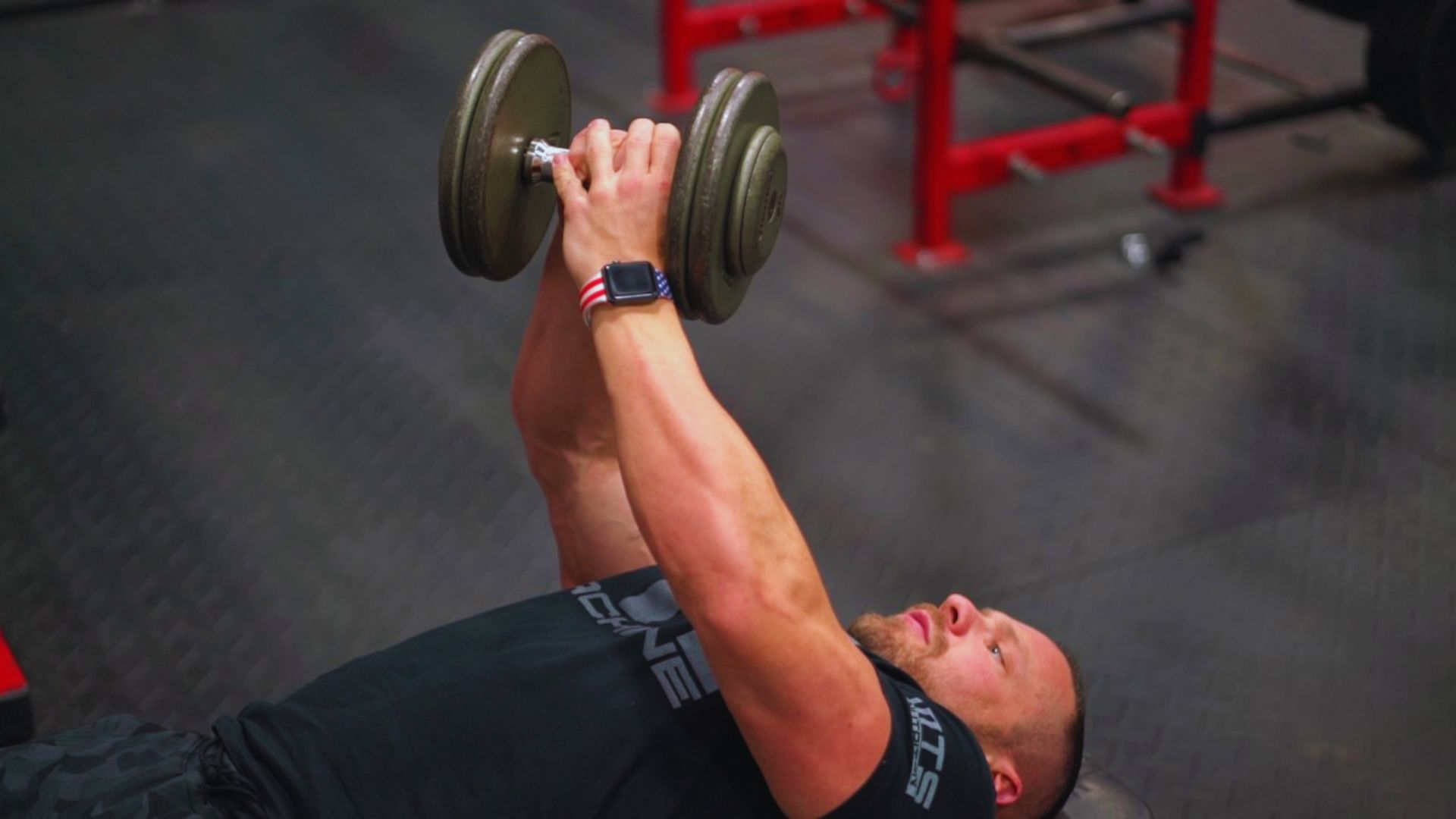
The dumbbell bench press is a go-to chest builder. Lie flat, hold a dumbbell in each hand, and press up from chest level.
It gives each arm independent movement, which helps fix muscle imbalances. Keep your feet flat on the floor and your back naturally arched.
This one move builds serious upper body pushing strength.
2. Flat Bench Flys
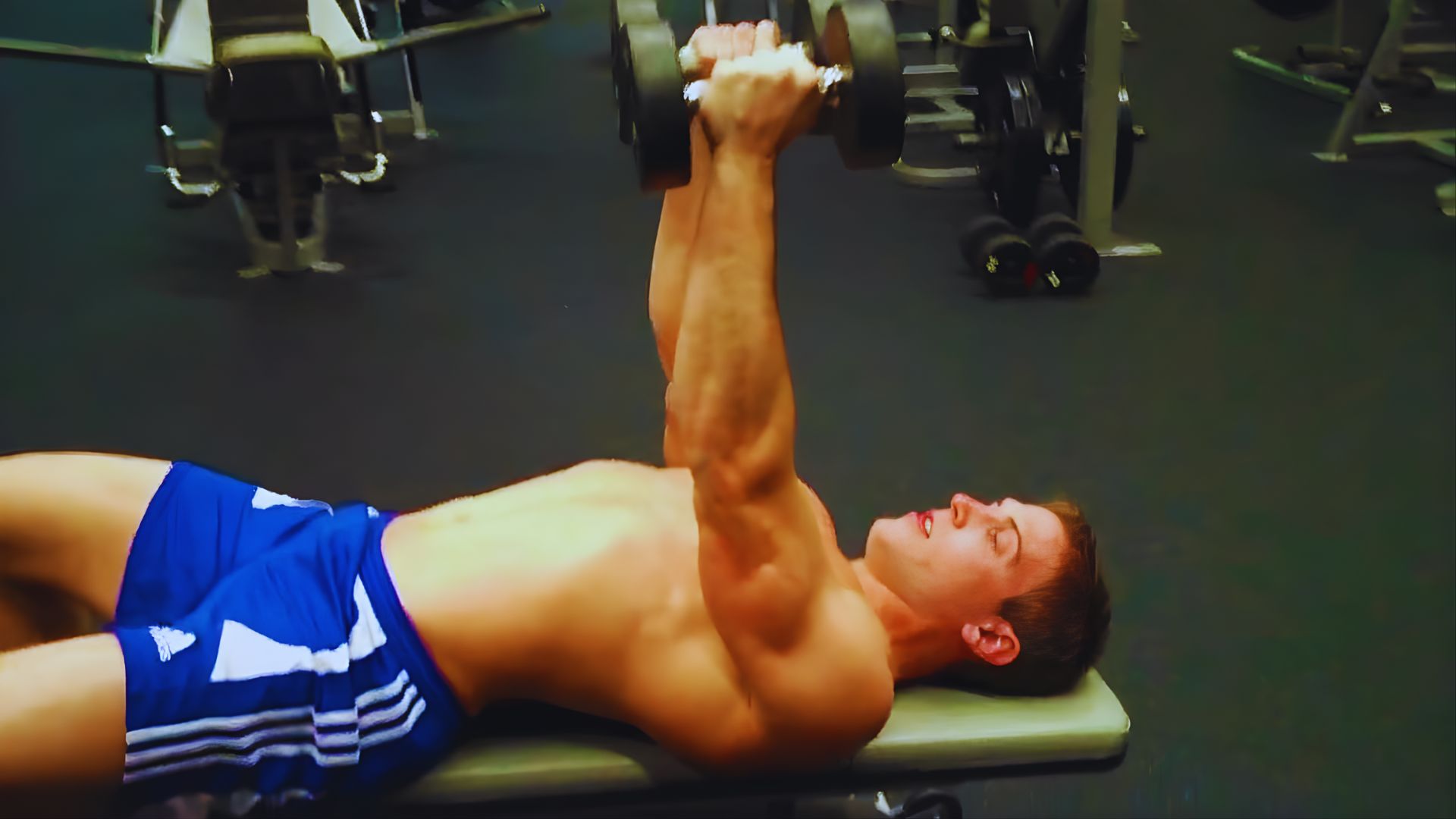
Flat bench flys stretch and squeeze the chest in a way that pressing moves can’t fully replicate. With a slight bend in your elbows, lower the dumbbells out to your sides in a wide arc, then bring them back together above your chest.
Focus on feeling the stretch at the bottom. Keep the weight moderate to protect your shoulder joints.
3. Overhead Press with Barbell
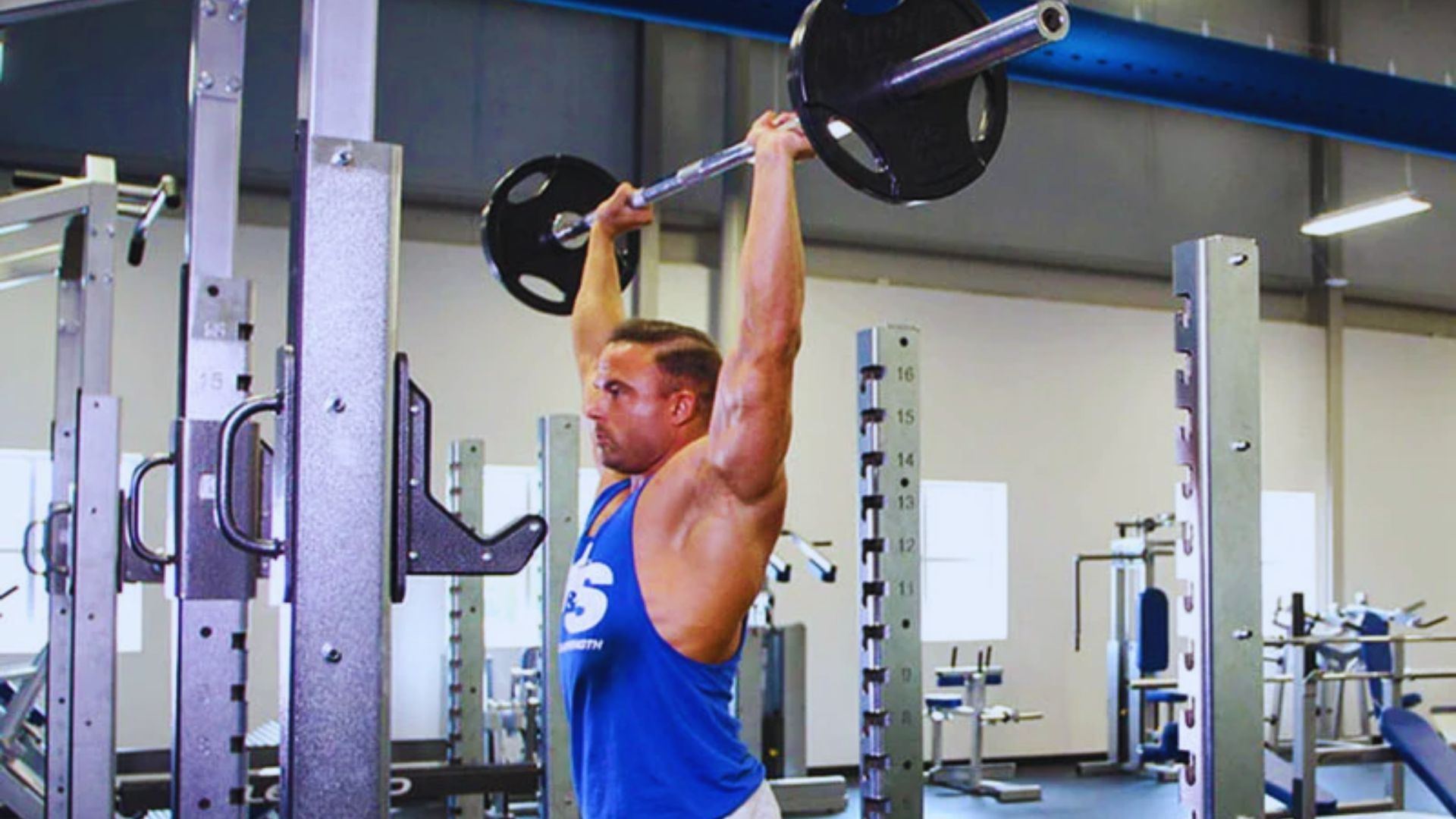
Sit upright at the end of the bench with a barbell at shoulder height. Press it straight overhead until your arms are fully extended, then lower it back with control.
This builds strong, rounded shoulders and improves overall upper body power. Keep your core tight throughout to protect your lower back during the lift.
4. Preacher Curls
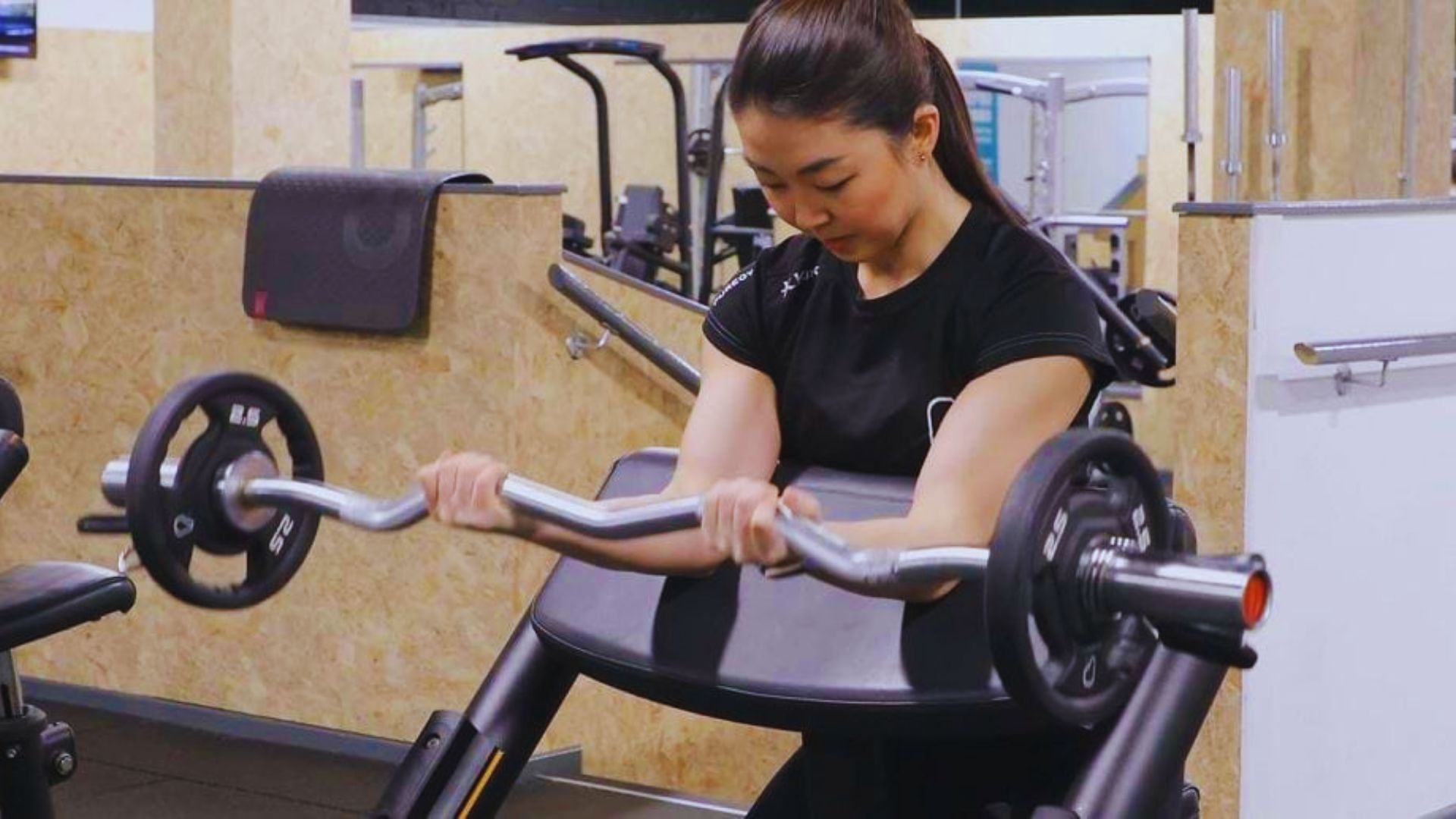
Use the bench as an arm support by leaning forward and resting your upper arms on the pad or bench surface. Curl the dumbbell or barbell up slowly, then lower it with full control.
This position removes any swinging and puts the bicep under constant tension. It’s one of the best ways to get a strong peak contraction in the bicep.
5. Dumbbell Pull-Overs
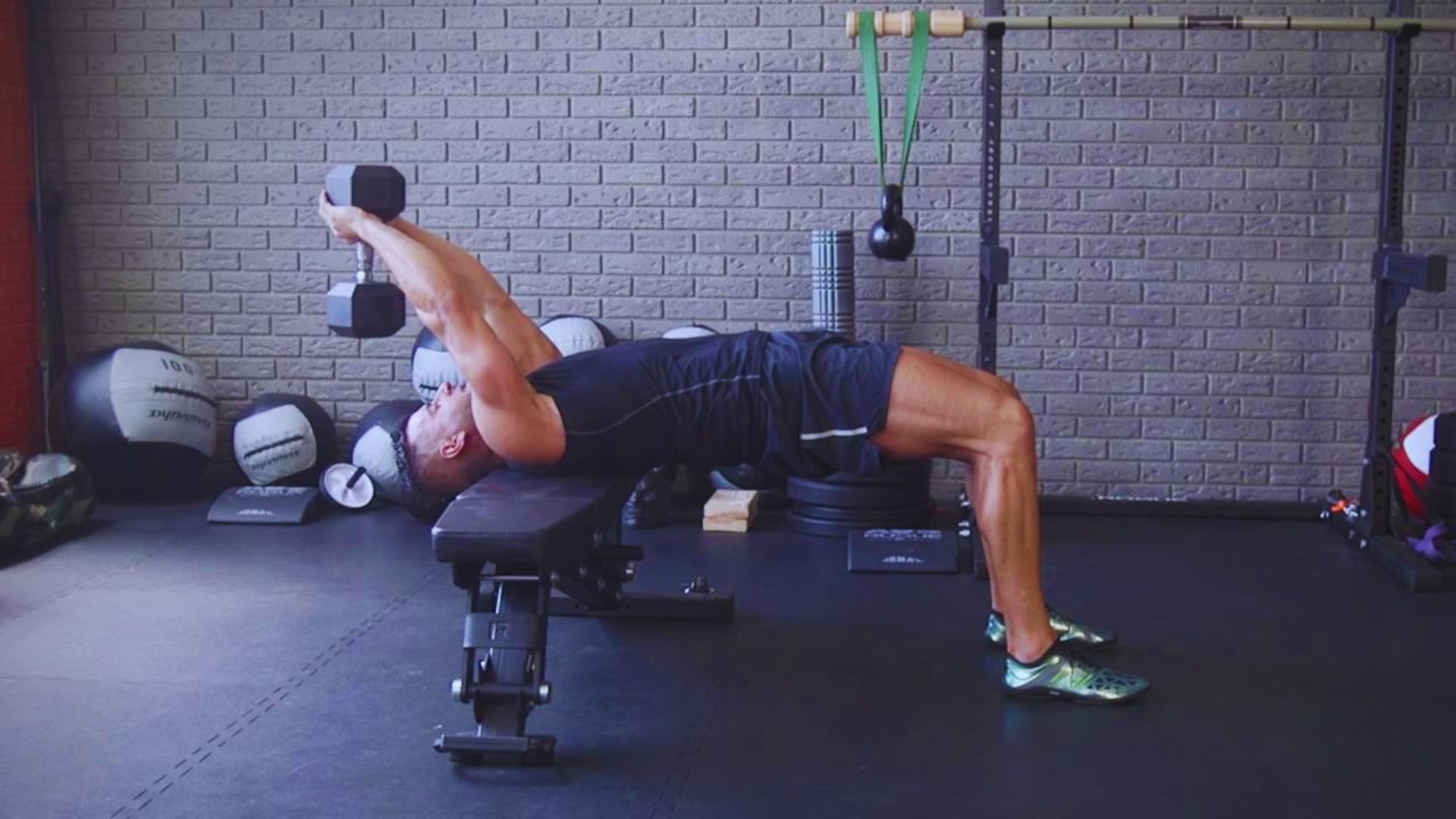
Lie across the bench with your upper back supported and your hips dropped. Hold one dumbbell with both hands above your chest, then lower it back behind your head in a slow arc.
Bring it back to the start position. This move works the chest and lats together, making it a rare compound movement that covers two major muscle groups at once.
6. Chest-Supported Rows
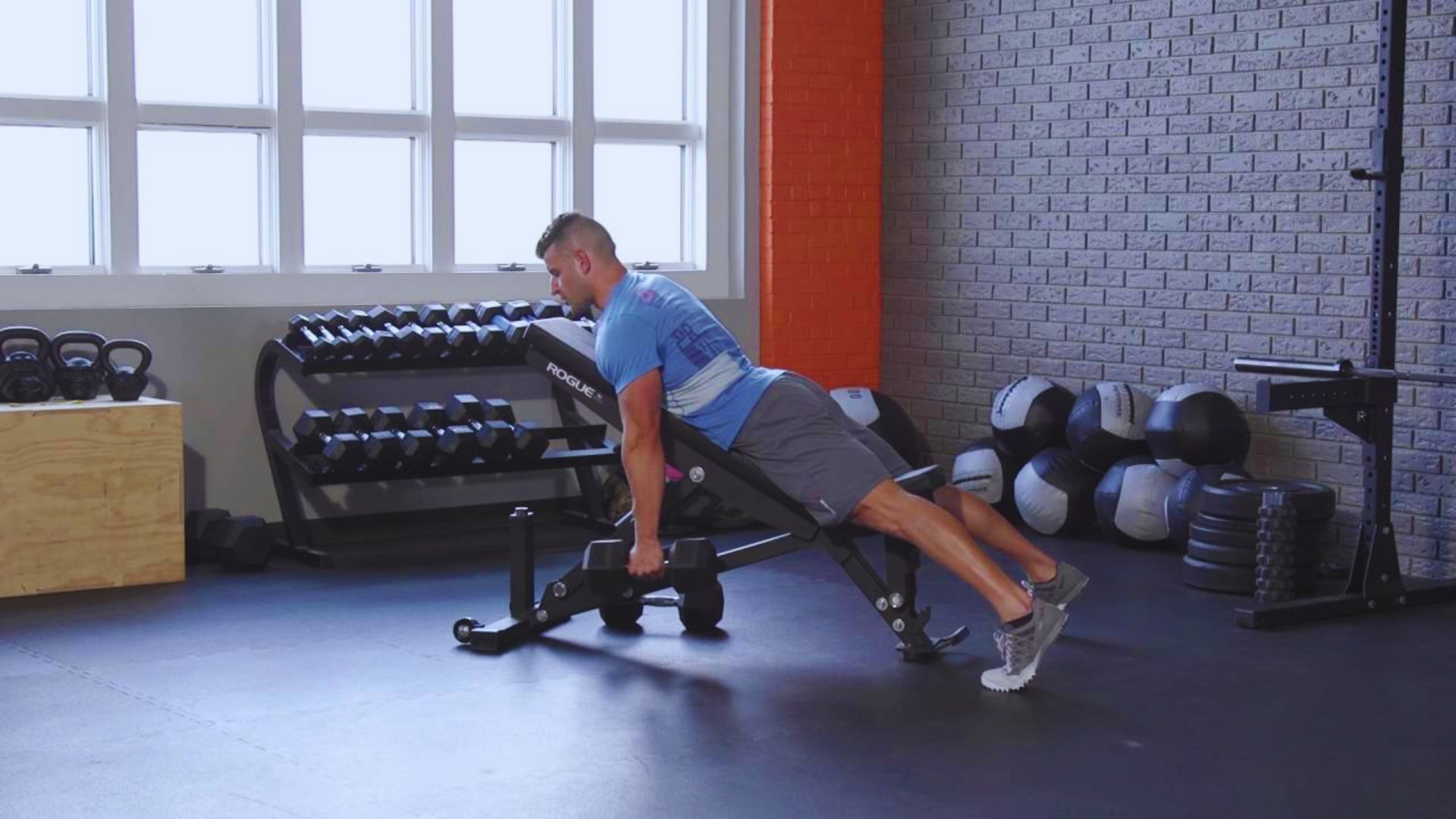
Set the bench to a low incline and lie face down on it. Let your arms hang down holding dumbbells, then row them up toward your hips, squeezing your shoulder blades together at the top.
The bench support removes lower back strain and keeps your form strict. This is ideal for building a thick, strong back without taxing the spine.
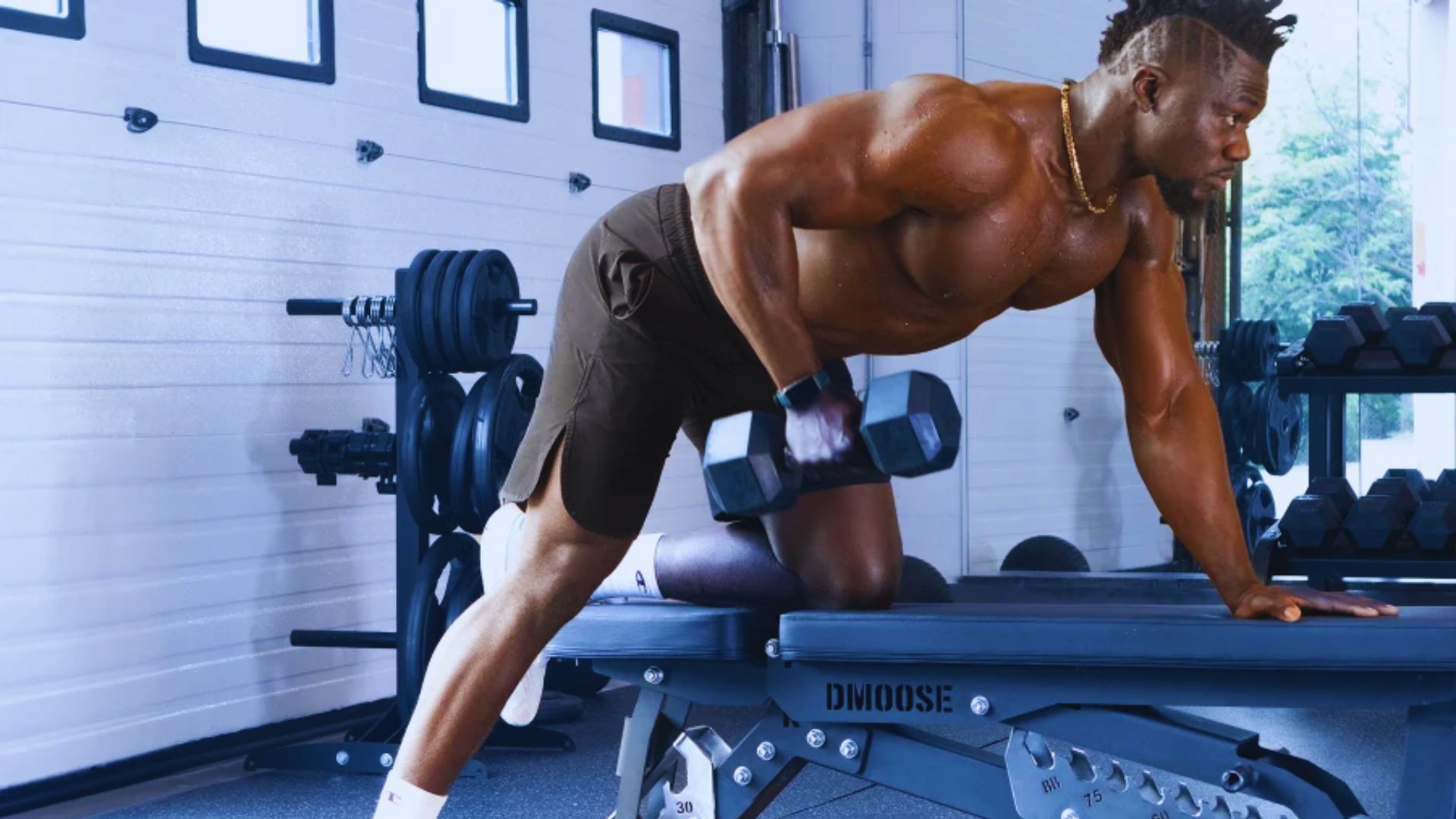
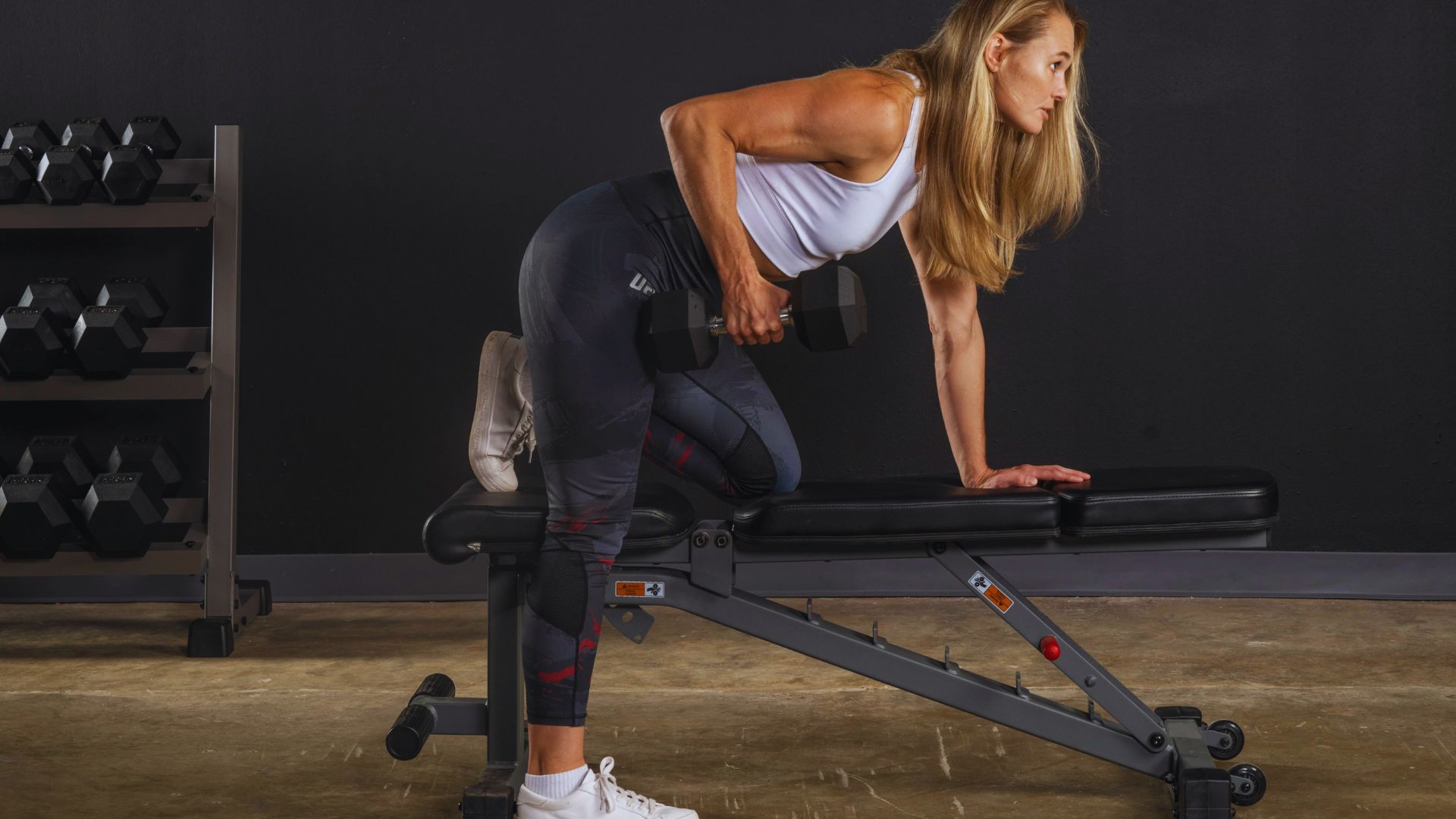
7. 3-Point Dumbbell Row
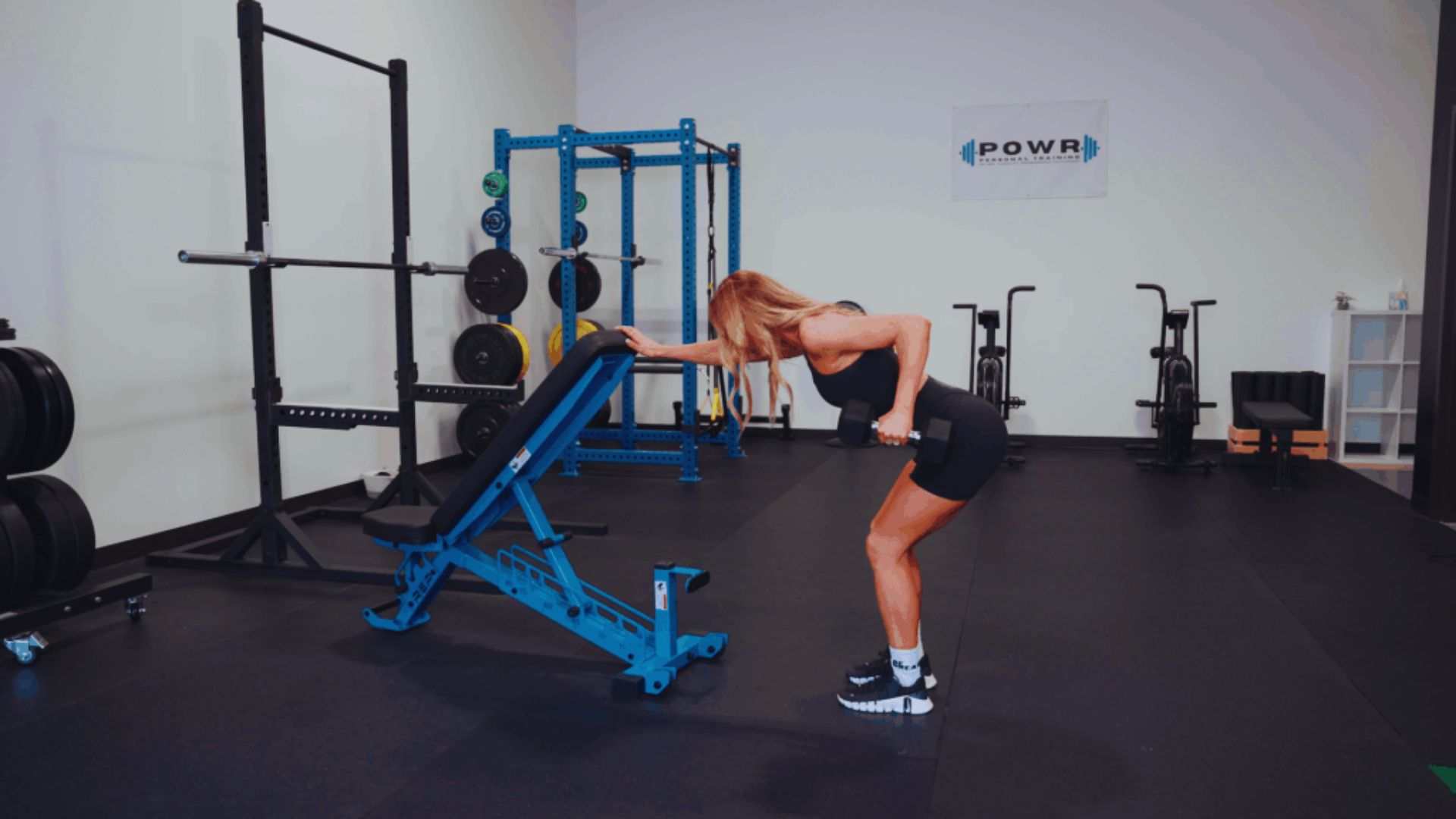
Place one hand and one knee on the bench for balance. Hold a dumbbell in your free hand and row it up toward your hip, keeping your elbow close to your body.
The 3-point position gives you a stable base so you can use heavier weight and get a full range of motion.
Switch sides and keep your reps even on both.
8. Back Hyperextensions
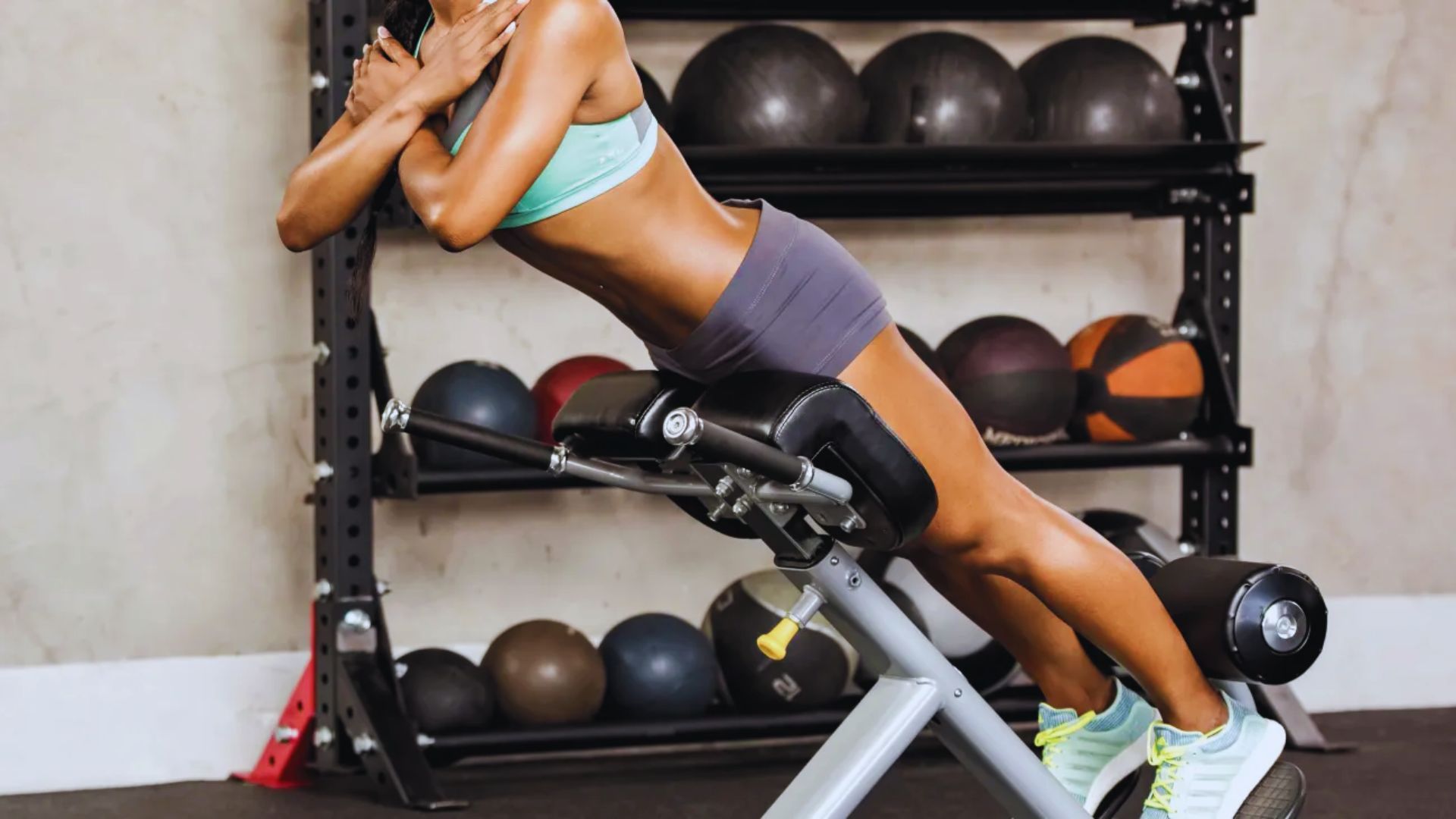
Lie face down on the bench with your hips at the edge and your feet anchored or held by a partner.
Lower your upper body toward the floor, then raise it back to parallel. This is one of the best movements for strengthening the lower back and glutes together.
Add a light plate to your chest once bodyweight becomes easy.
9. Sit-Ups on Weight Bench
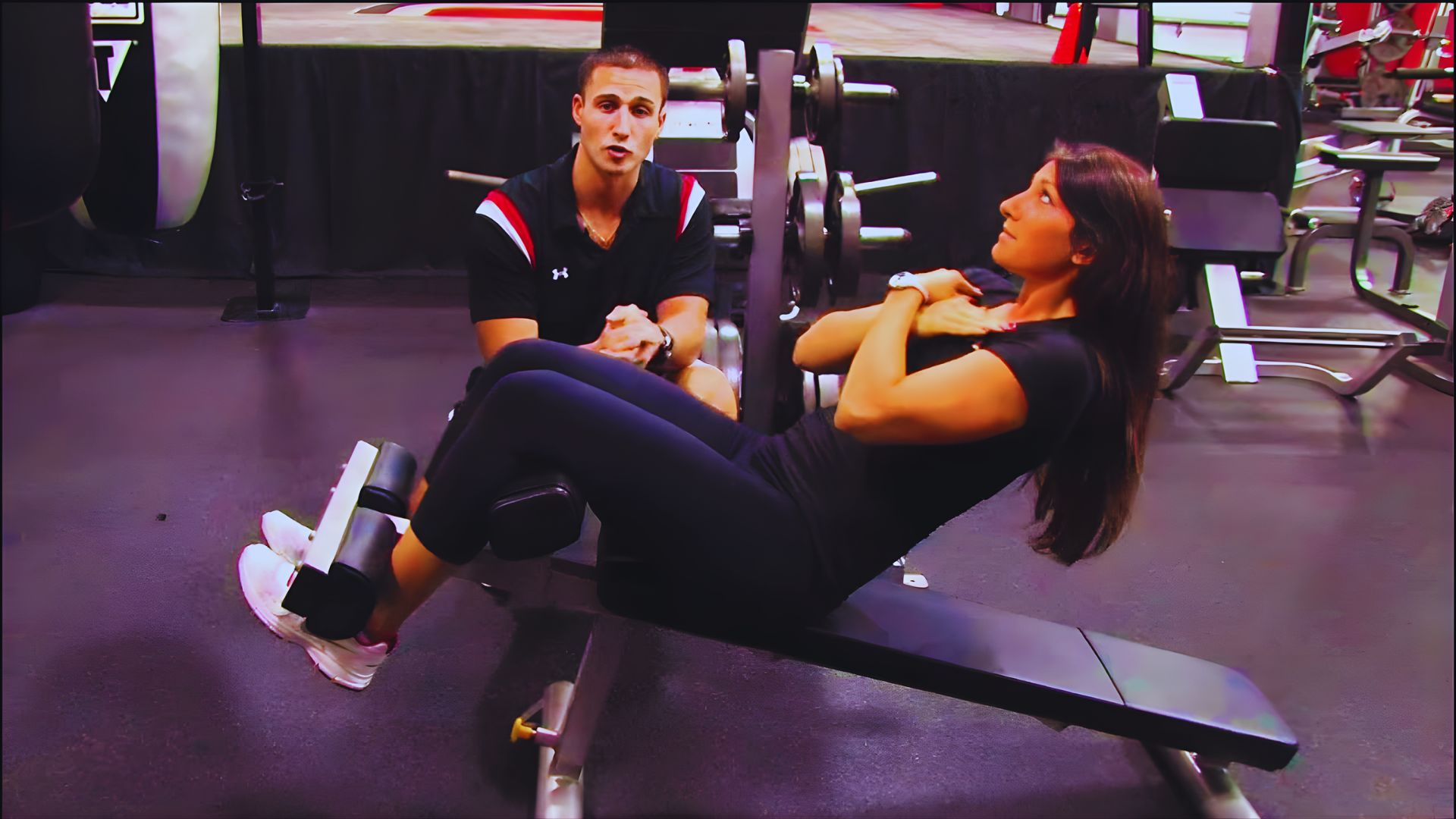
Hook your feet under the bench pad or a fixed support and sit up from a reclined position. The bench allows a greater range of motion than floor sit-ups, which means your abs work harder through the full movement.
Keep your hands behind your head and avoid pulling on your neck. Control the lowering phase for the best results.
10. Oblique Sit-Ups / Twists
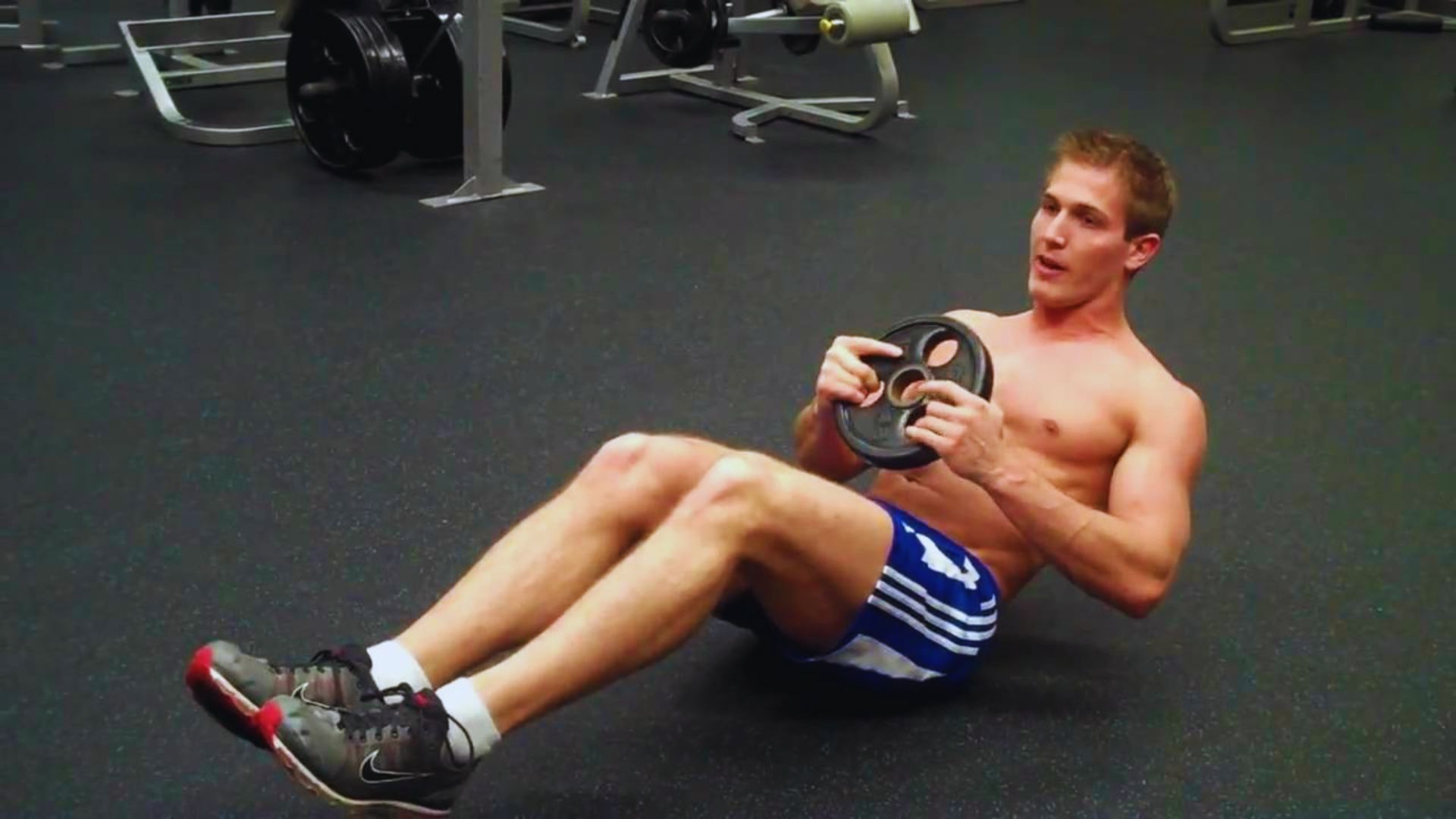
Start in the same sit-up position but rotate your torso to one side as you come up, bringing your elbow toward the opposite knee. Alternate sides of each rep.
This targets the obliques, which run along the sides of your core. Strong obliques improve posture, help with rotational power, and give the waist a more defined look over time.
11. Reverse Crunches
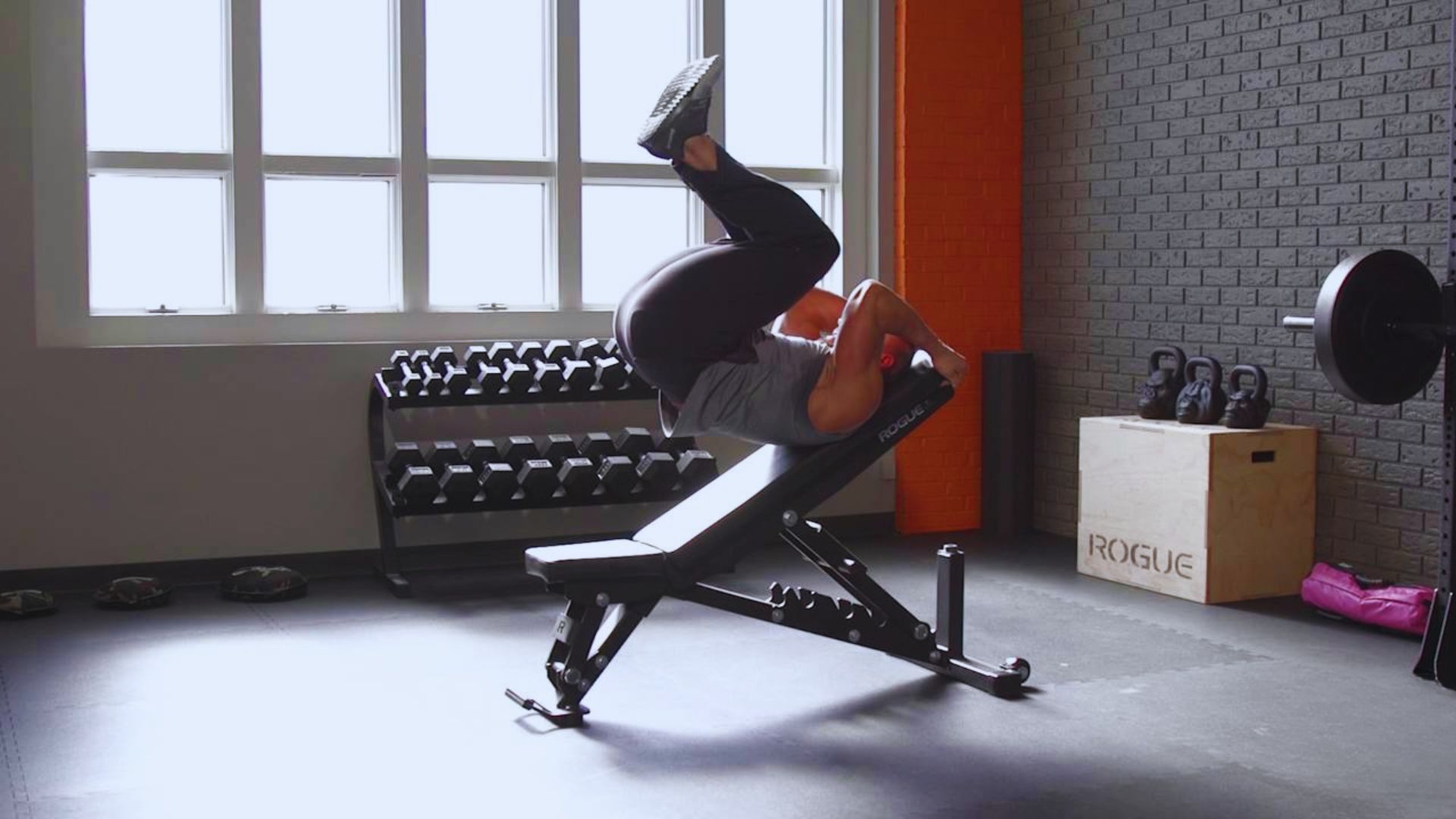
Lie on the bench and grip the sides near your head for support. Bring your knees toward your chest by lifting your hips off the bench, then lower them back slowly.
This is one of the few moves that truly isolates the lower abdominal muscles. Avoid using momentum and focus on a slow, controlled lift to get the most out of each rep.
12. Bulgarian Split Squats / Step-Ups
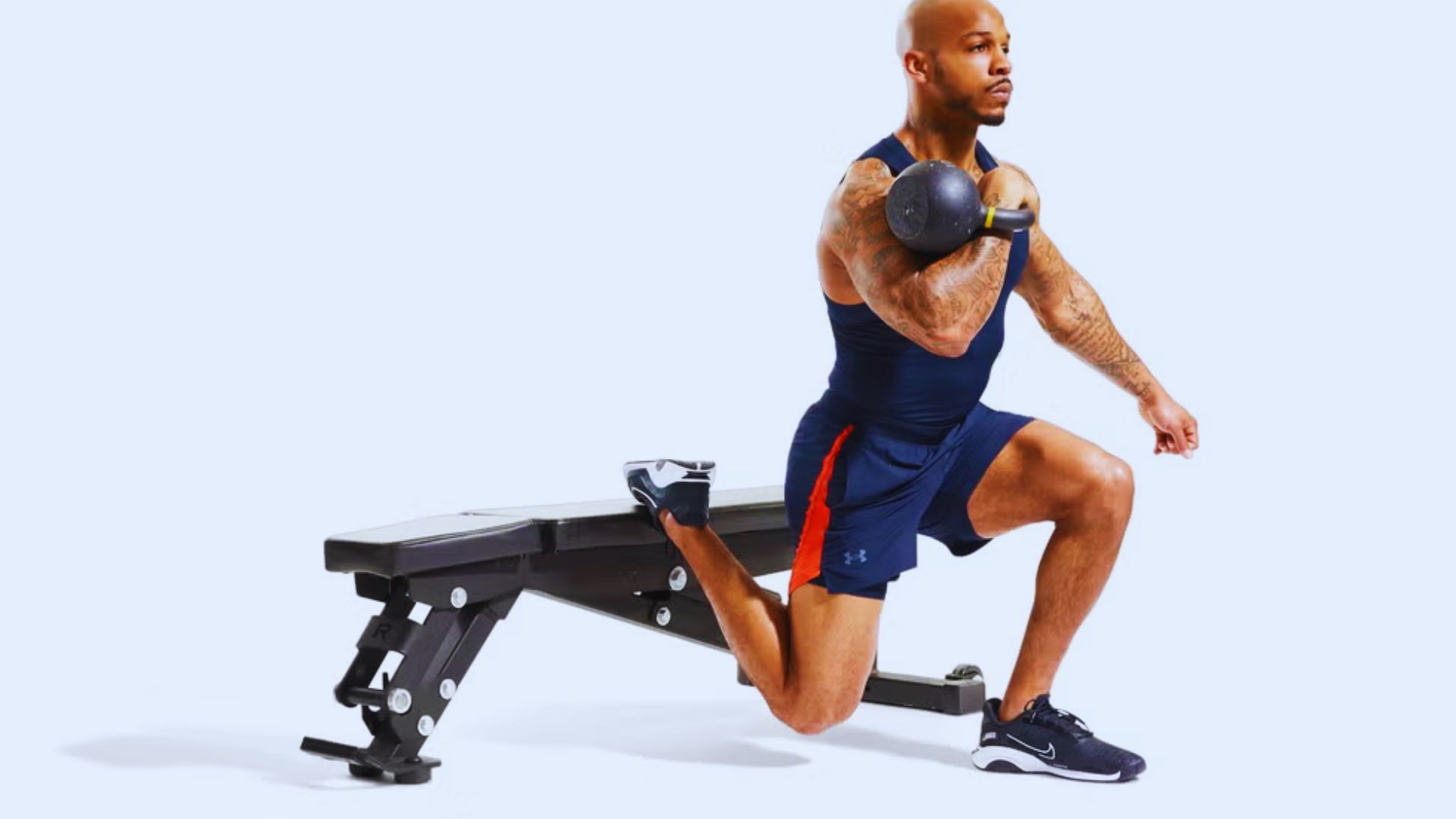
Stand facing away from the bench and rest one foot on it behind you. Lower your body into a lunge position, keeping your front knee over your foot.
This single-leg move builds leg strength, stability, and balance all at once. For step-ups, simply step one foot onto the bench and drive through your heel to stand fully.
Both moves are highly effective for lower body development.
13. Shoulder Flies / Incline Rear Deltoid Raises
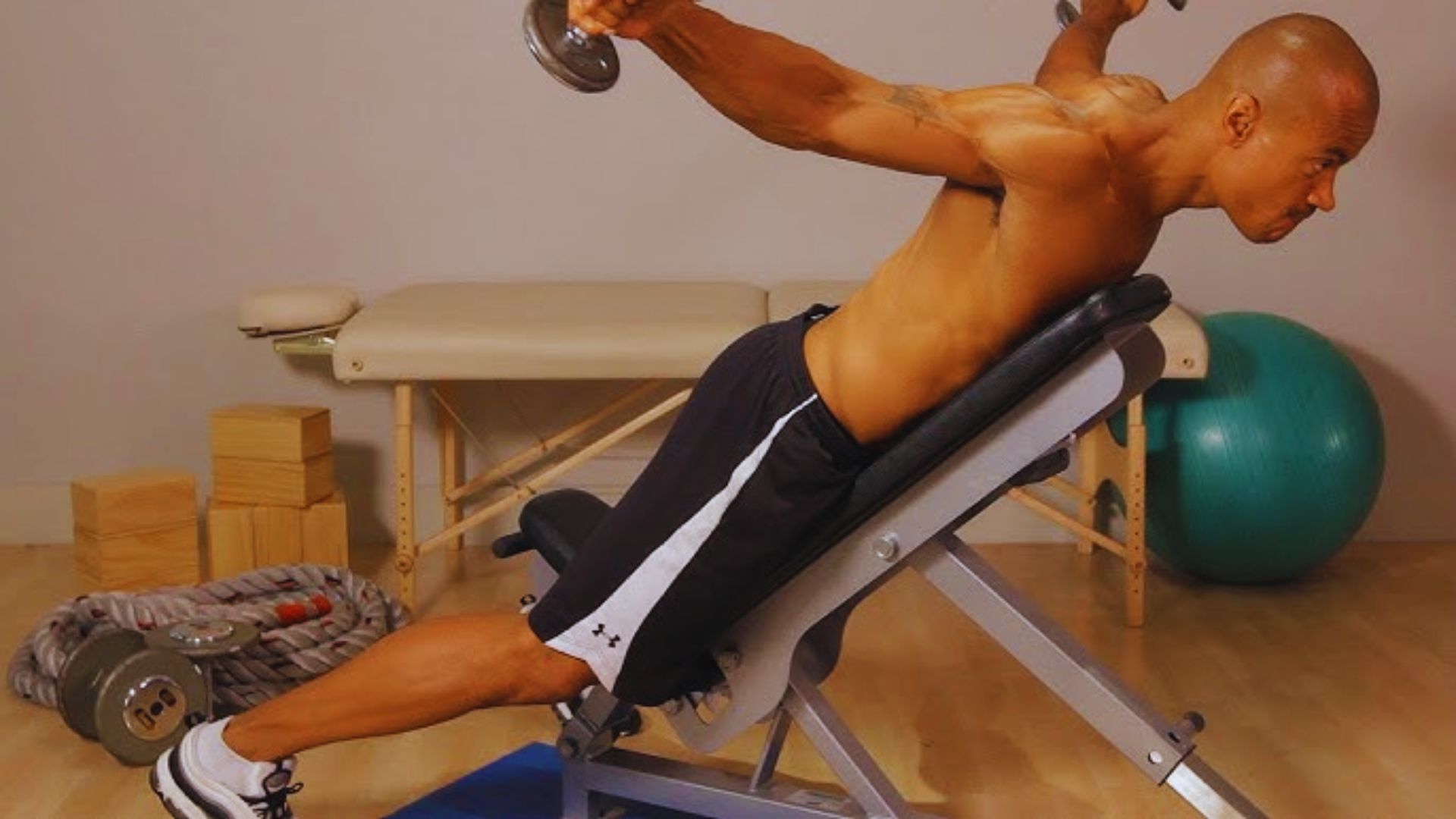
Set the bench to a low incline and lie face down. Let your arms hang toward the floor holding dumbbells, then raise them out to your sides in a controlled arc.
This move targets the rear deltoids and upper traps, which are often underdeveloped in people who focus mainly on pressing.
Training these muscles also helps correct rounded shoulder posture.
Tips for Safe and Effective Bench Workouts
Keep these five points in mind before and during every session.
- Warm up first. Spend 5 to 10 minutes on light cardio or mobility work before lifting.
- Use a spotter when going heavy. Especially for barbell bench press, a spotter can prevent injury.
- Keep your movements controlled. Slow the lowering phase down to build more muscle and reduce joint strain.
- Start with lighter weights. Master your form before increasing the load.
- Rest between sets. Give yourself 60 to 90 seconds of recovery so you can maintain quality reps throughout.
Conclusion
I’ll be honest, when I first started using a weight bench, I had no idea how much I could do with just one piece of equipment.
These weight bench exercises have been a consistent part of my routine ever since, and I genuinely feel the difference in my strength and posture.
Pick a few that match your goals and start there. You don’t need to do all 13 at once. Build up slowly, stay consistent, and you’ll see results.
Have a favourite bench move? Drop it in the comments, I’d love to hear what’s working for you.
Frequently Asked Questions
How many weight bench exercises should I do in one session?
Aim for 4 to 6 exercises per session depending on your fitness level. Focus on quality over quantity and make sure you’re hitting a balance of push, pull, and core movements.
Can beginners do weight bench exercises safely?
Yes. Start with lighter weights and bodyweight variations to get your form right. A few sessions with a trainer or coach can make a big difference in building safe habits early on.
How often should I train on a weight bench?
Two to three times a week is a solid starting point. Give your muscles at least 48 hours of rest between sessions that work the same muscle groups.
Do I need a full gym setup to use a weight bench effectively?
Not at all. A bench, a pair of dumbbells, and some free space is enough to get a full-body workout in. Many of the exercises on this list require very little extra equipment.
What’s the best weight bench exercise for core strength?
Reverse crunches and oblique sit-ups are two of the most effective core moves you can do on a bench. Both give you a greater range of motion than floor-based exercises and keep the abs under tension throughout.


