I used to waste hours at the gym training without a plan. Then I learned about upper body muscle groups, workout pairing, and everything changed.
In this guide, I will show you how to pair the right muscles together for better results in less time.
You will learn which muscles work well together, the best pairing methods, and sample workout splits for every level.
I have tested these strategies myself, and they work. Whether you are new or experienced, this guide will help you train smarter and avoid common mistakes.
Upper Body Muscle Groups Overview for Smart Training
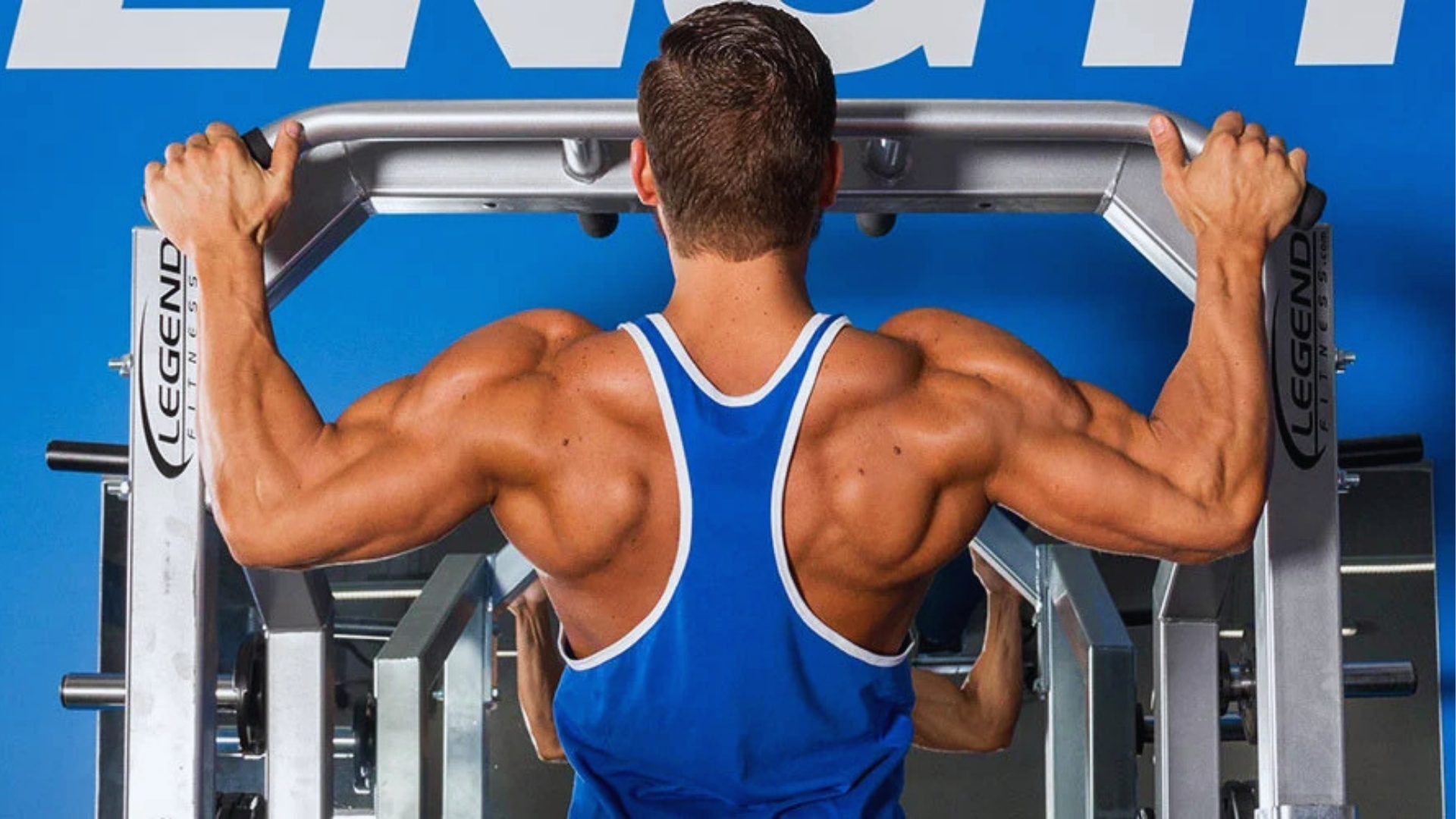
Your upper body is made up of push muscles (chest, shoulders, triceps) and pull muscles (back, biceps). Push muscles work together during pressing movements like bench press.
Pull muscles team up during rows and pull-ups. Your core, which includes your abs, obliques, and lower back, supports both.
When push muscles contract, pull muscles relax, and the other way around. This natural balance keeps your body stable and strong.
Training these groups based on how they function together helps you get more from every session, prevents imbalances, and builds real, lasting upper body strength over time.
Best Upper Body Muscle Group Pairing Methods
These proven pairing methods help you get the most from every workout session.
Push Day Pairing (Chest, Shoulders, Triceps)
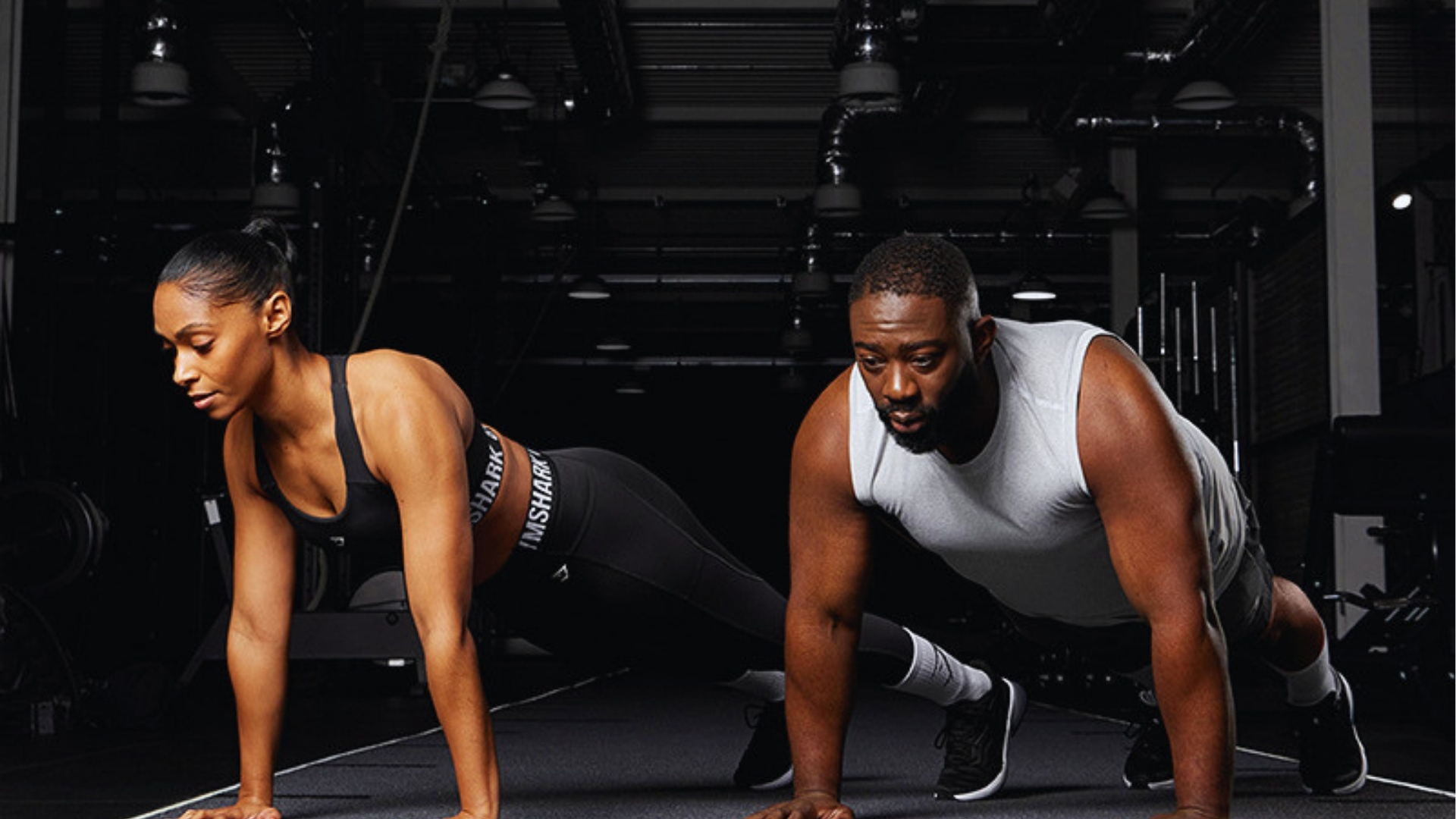
This is one of the most popular training methods. You group all push movements into one day. Start with your chest, move to shoulders, and finish with triceps.
Since triceps are already fatigued from chest work, they get extra work without added time.
Sample Push Day:
- Bench Press
- Overhead Press
- Lateral Raises
- Tricep Dips
- Skull Crushers
Pull Day Pairing (Back and Biceps)

Pull day pairs your back and biceps together. Your biceps assist during every back movement.
By the time you reach bicep curls, they are already partially worked. This gives them a deeper stimulus with less direct work needed.
Sample Pull Day:
- Pull-Ups
- Bent-Over Rows
- Lat Pulldowns
- Face Pulls
- Barbell Curls
Antagonistic Pairing (Chest + Back, Biceps + Triceps)

Antagonistic pairing means training opposite muscles together. Chest and back are opposites. Biceps and triceps are opposites.
When one contracts, the other stretches. This pairing style can improve performance and reduce rest time between sets.
Why it works: Resting one muscle while the other works keeps intensity high. You do more work in less time.
Upper Body + Core Pairing Strategies
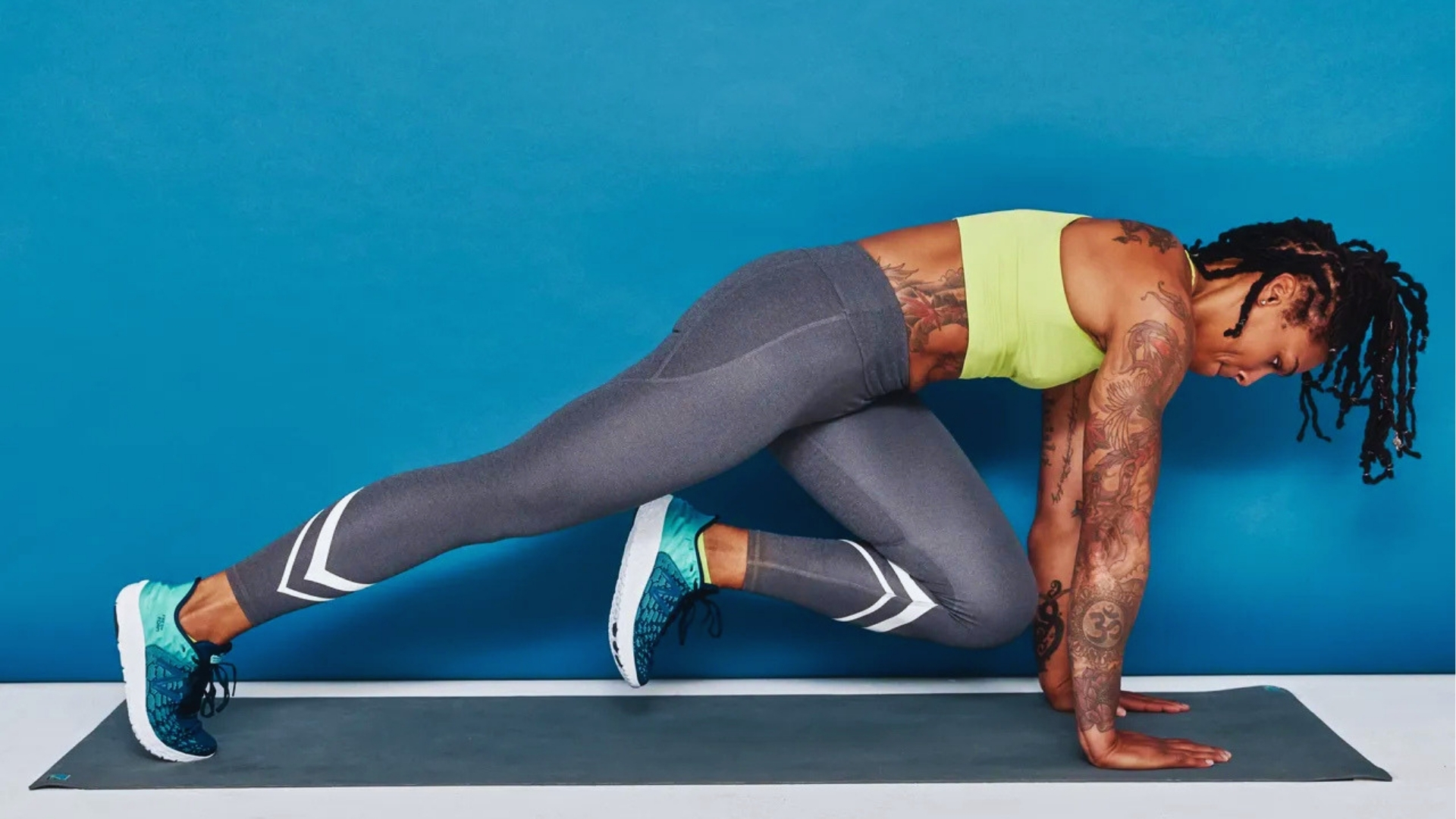
Adding core work to upper body sessions is time-smart. You can superset a pressing exercise with a plank or hollow hold.
This keeps your heart rate up and builds functional strength. Your core stays engaged and trained without a separate session.
Sample Upper Body Muscle Groups Workout Splits
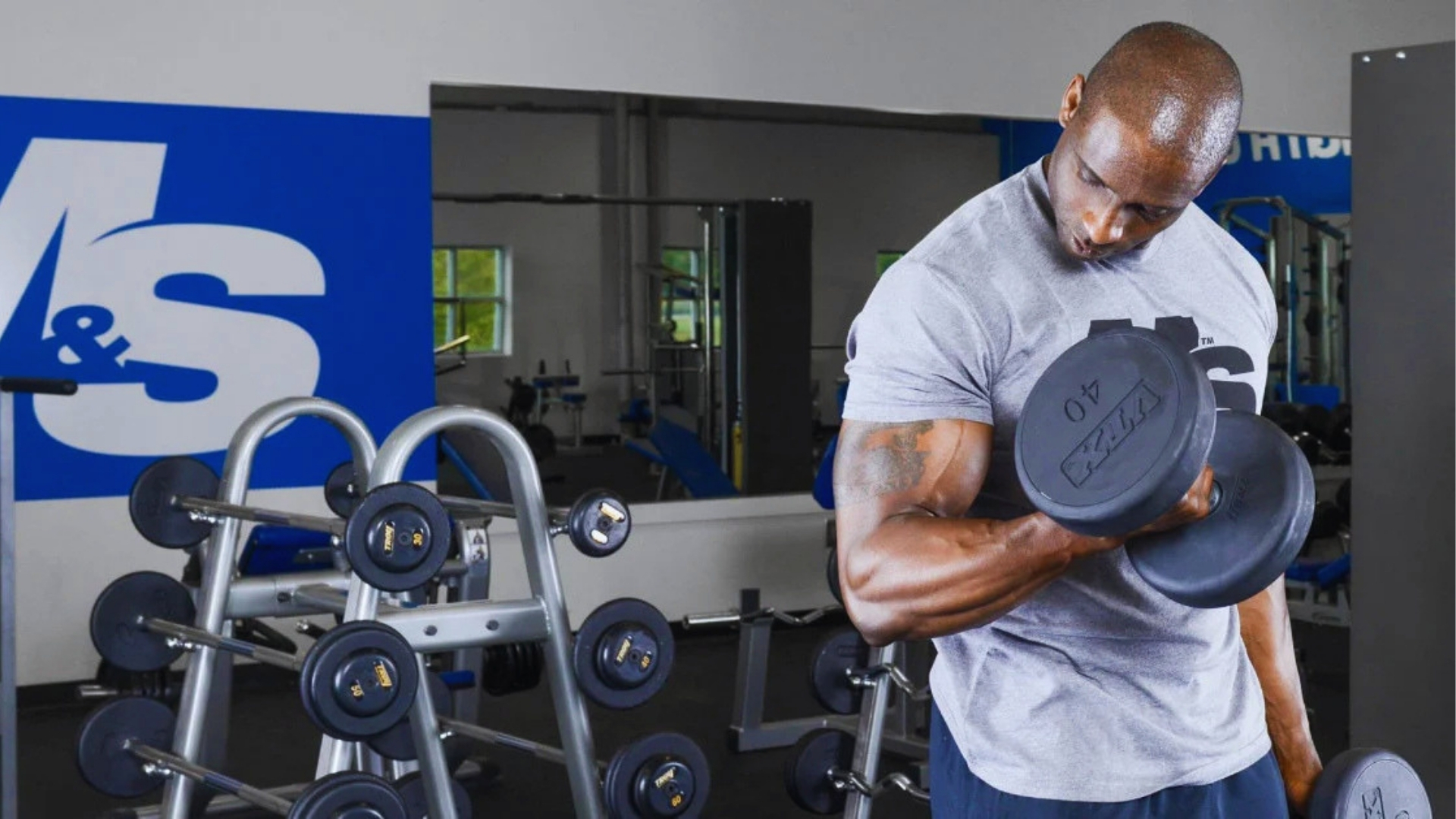
These sample splits show you how to apply muscle group pairing at every fitness level.
Beginner Pairing Workout Plan
3 Days Per Week:
- Day 1: Chest + Triceps
- Day 2: Back + Biceps
- Day 3: Shoulders + Core
Keep sets low (2-3 per exercise). Focus on form. Rest 60-90 seconds between sets. This builds a solid base before adding complexity.
Intermediate Training Split
4 Days Per Week:
- Day 1: Push (Chest, Shoulders, Triceps)
- Day 2: Pull (Back, Biceps)
- Day 3: Rest
- Day 4: Push
- Day 5: Pull
At this stage, add progressive overload each week. Increase weight or reps slightly every session.
Advanced Superset Pairing Routine
5 Days Per Week:
- Day 1: Chest + Back (Superset)
- Day 2: Shoulders + Core
- Day 3: Biceps + Triceps (Superset)
- Day 4: Full Upper Body Volume
- Day 5: Active Recovery or Core Focus
Supersets at this level increase training density. Rest periods are shorter. Volume is higher. Recovery must be prioritized.
How to Choose the Right Muscle Group Pairing

The right pairing depends on your goals, schedule, and current fitness level.
Based on Strength vs Muscle Growth Goals
For strength, keep volume lower and rest longer between sets. For muscle growth, use higher reps and shorter rest.
Push/pull splits work well for both goals. Antagonistic pairing is better for muscle growth due to higher total volume.
Based on Workout Frequency and Schedule
If you train 3 days a week, full upper/lower splits work best. If you train 4-5 days, push/pull splits are ideal.
Never train the same muscle group two days in a row. Give each group at least 48 hours to recover.
Adjusting Pairings for Recovery and Performance
If you feel sore or tired, reduce volume that day. Do not skip recovery. Add a deload week every 4-6 weeks.
During this week, reduce sets and weights by 40-50%. Your body grows during rest, not just during training.
Benefits of Pairing Upper Body Muscle Groups
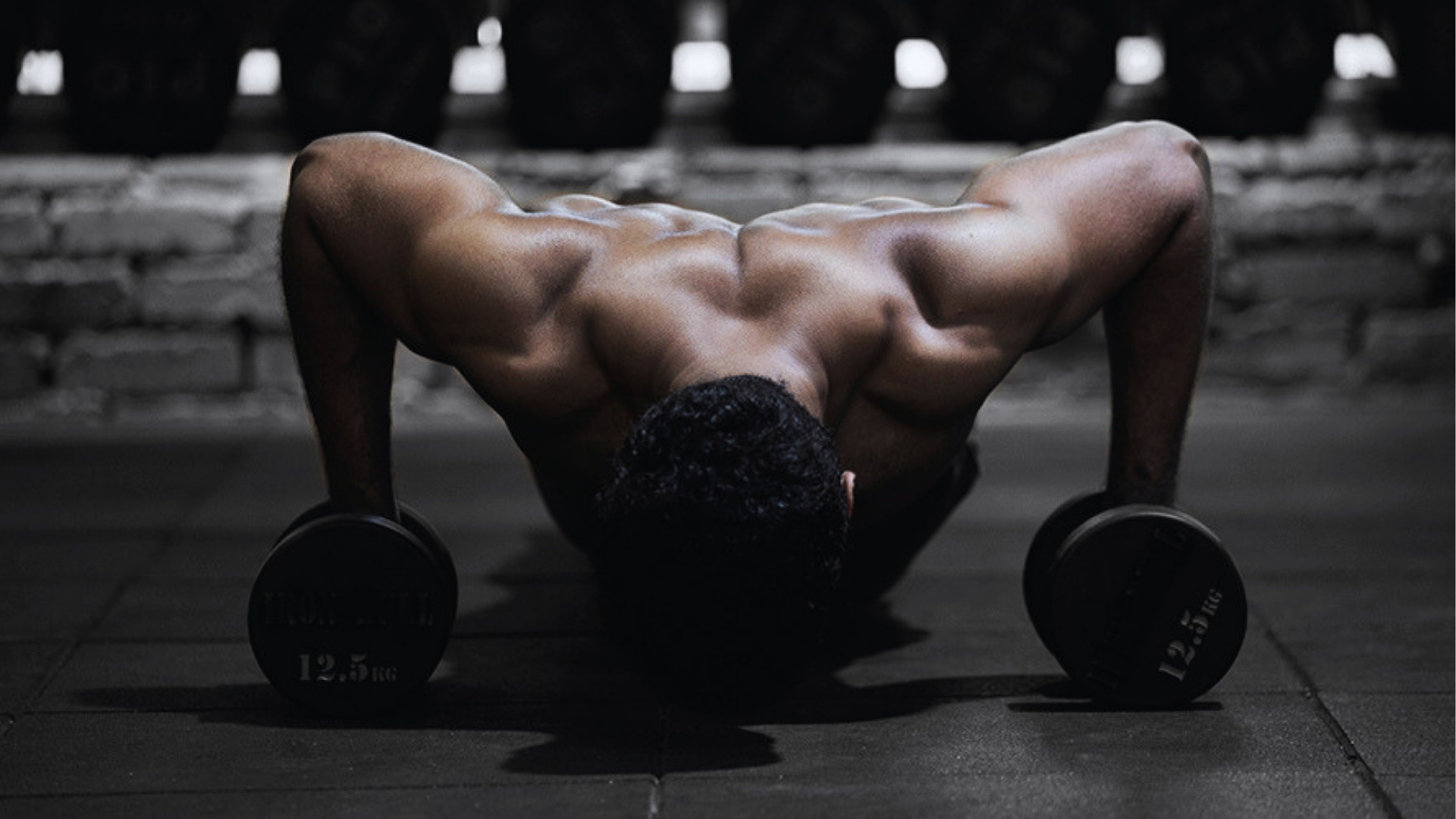
Pairing the right muscles saves time, boosts results, and keeps your body balanced and injury-free.
Improved Workout Efficiency and Time Saving
Training paired muscles in one session means fewer gym days. You hit more muscle groups per workout. This cuts total gym time without reducing results. For busy people, this is a major win.
Better Muscle Activation and Growth
When you train related muscles together, they are already warmed up. This leads to better activation and stronger contractions.
More activation means more muscle fiber recruitment. More fibers working means better growth over time.
Reduced Risk of Imbalances and Injuries
Ignoring some muscles while overtraining others creates imbalances. These imbalances lead to poor posture and injuries.
Pairing push and pull muscles keeps both sides of your body equally strong. This protects your joints and keeps your training consistent.
Tips to Maximize Upper Body Muscle Group Pairing Results
Small habits done consistently lead to the biggest long-term gains.
- Always learn the correct form before adding weight. Poor technique reduces results and leads to injuries over time.
- Record your sets using a workout log. Tracking what you lift helps you spot progress and make smarter changes.
- Add weight, reps, or sets gradually each week. Even small increases build serious strength and muscle over time.
- Keep your weekly sets between 10 and 20 per muscle group. Too much volume slows recovery and stalls progress.
- Sleep 7 to 9 hours each night and eat enough protein. Recovery is where real muscle growth actually happens.
- Review your training every 4 weeks and adjust what is not working. Changing rest time, volume, or exercises keeps progress moving forward.
Conclusion
Pairing upper body muscle groups the right way changed how I train, and it can do the same for you. Start simple, be consistent, and trust the process.
You do not need complicated splits to see results. Pick a pairing method that fits your schedule and stick with it. Small, steady efforts beat big inconsistent ones every time.
I hope this guide gives you a clear path forward. Try it out this week and see how it feels. Drop a comment below and let me know which pairing style you are going with!
Frequently Asked Questions
What muscles should I pair for upper body workouts?
Pair push muscles (chest, shoulders, triceps) together and pull muscles (back, biceps) together. This keeps related muscles working in the same session for better efficiency.
Can I train chest and back on the same day?
Yes, this is called antagonistic pairing and it works well. It allows one muscle to rest while the other works, keeping intensity high throughout your workout.
How many days a week should I train my upper body?
Two to four days per week is effective for most people. Make sure each muscle group gets at least 48 hours of rest before being trained again.
Is it okay to train biceps and triceps together?
Absolutely. Biceps and triceps are opposing muscles. Training them together keeps the workout balanced and saves time without sacrificing results.
How long should an upper body pairing workout take?
A focused session should take 45 to 60 minutes. If it takes longer, reduce rest time or trim extra sets that are not contributing to your goal.