

There are over 15 types of punching bags, and each one is built for a different training goal. Power. Speed. Accuracy. Defense. Picking the wrong one slows your progress fast.
I have trained with most of these different punching bags across gyms and home setups for years.
I made mistakes early on, bought the wrong bag, trained wrong, and had to start over. I am sharing what I learned so you do not waste time or money.
In this blog, I cover all the main boxing bag types, a full comparison table, a buyer’s guide with specific picks, and workout tips for each bag.
By the end, you will know exactly where to start.
Let’s get started.
What Are Punching Bags and Why Do They Matter?
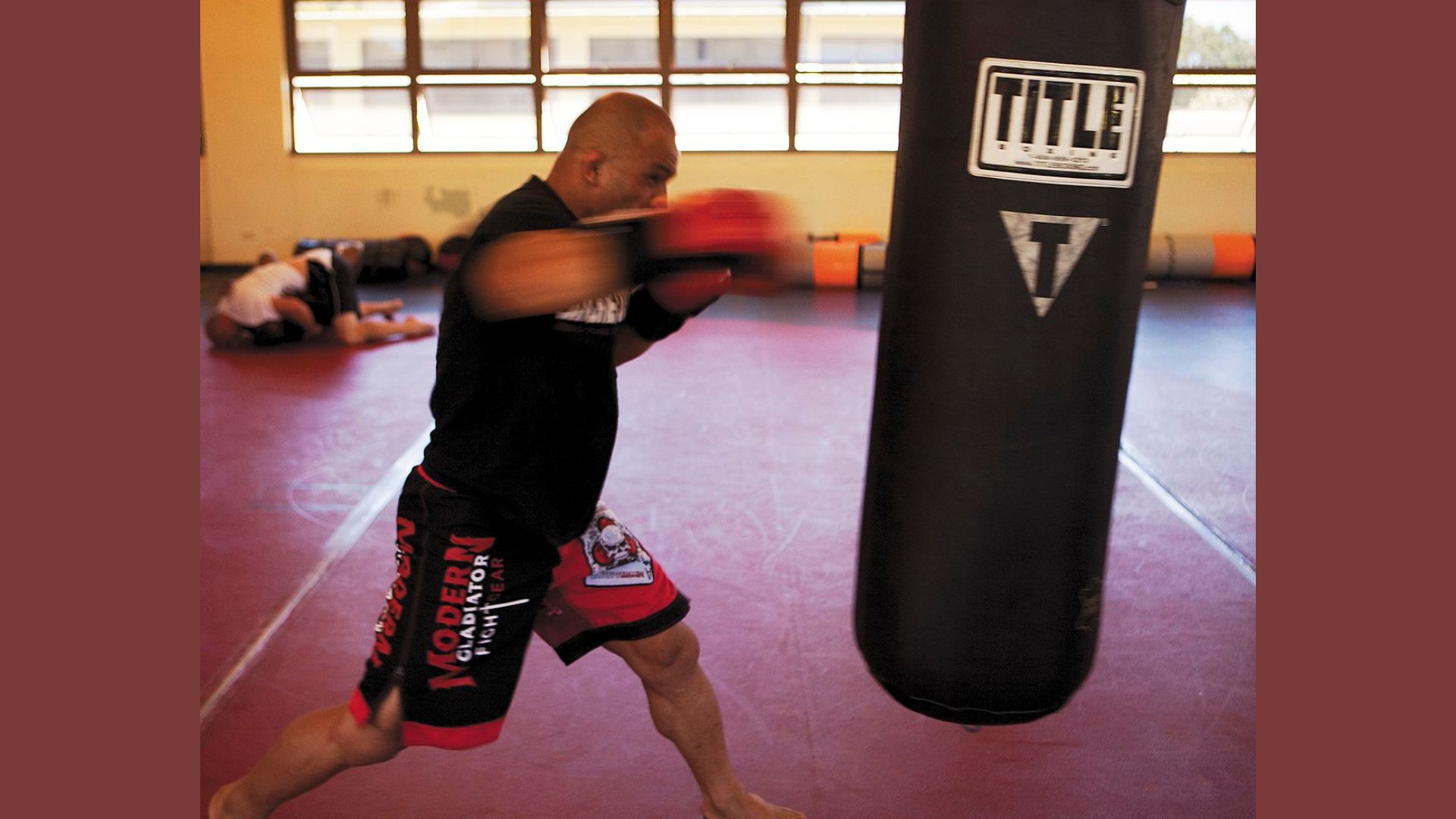
Punching bags are training tools used in boxing, kickboxing, MMA, and general fitness. They let you practice strikes, build power, and improve timing without needing a sparring partner.
Each of the different punching bags serves a specific purpose. One builds raw power. Another sharpens hand speed. One trains your head movement.
Knowing the difference helps you train smarter, not harder.
The right bag for your goal makes every session count. The wrong one builds bad habits faster than you think.
Quick Comparison: Boxing Bag Types at a Glance
Here is a full breakdown of the most common punching bag styles before we get into the details:
| Bag Type | Best For | Skill Level | Space Needed |
| Heavy Bag | Power, combinations | Beginner to Pro | Medium, ceiling mount |
| Freestanding Bag | All-round training, home use | Beginner to Intermediate | Small, no mount needed |
| Speed Bag | Hand speed, rhythm | Beginner to Pro | Small, wall mount |
| Double-End Bag | Accuracy, reflexes | Intermediate to Pro | Medium, floor and ceiling |
| Uppercut Bag | Inside fighting, body shots | Intermediate | Medium, ceiling mount |
| Aqua Bag | Joint-friendly power work | All levels | Medium, ceiling mount |
| Body Opponent Bag | Realistic targeting, self-defense | All levels | Medium, freestanding |
| Reflex Bag | Reaction time, timing | Beginner to Intermediate | Very small, freestanding |
| Maize Bag | Head movement, defense | Intermediate to Pro | Small, ceiling mount |
| Angle Heavy Bag | Hooks, uppercuts, variety | Intermediate to Pro | Medium, ceiling mount |
| Tear Drop Bag | Body shots, close range | Intermediate | Small, ceiling mount |
| Wall-Mounted Bag | Power, tight spaces | All levels | Very small, wall mount |
| Cobra Bag | Timing, tracking | Intermediate | Small, freestanding |
| Wrecking Ball Bag | Hooks, short combos | Intermediate | Small, ceiling mount |
| Floor-to-Ceiling Ball | Hand speed, timing | Intermediate to Pro | Very small, floor and ceiling |
15 Types of Punching Bags
These are the most common best punching bags for training used by beginners and pros alike.
1. Heavy Bag
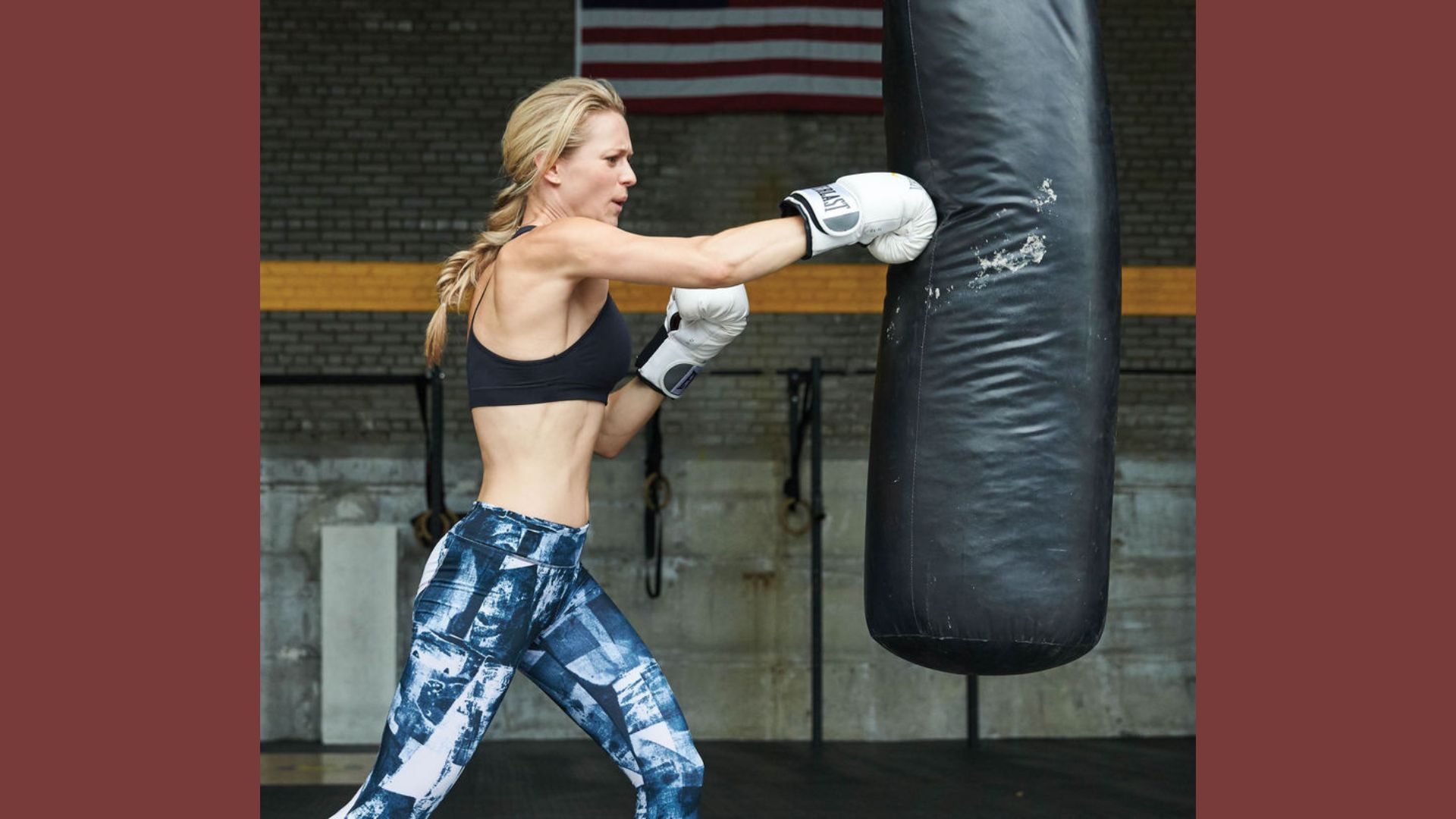
The heavy bag is the most popular of all boxing bag types. It hangs from the ceiling and is filled with sand, fabric, or water. It builds punching power and lets you throw long combinations.
In my first three months, I made the mistake of training on a bag that was too heavy for my weight. It slowed my punches and started building sloppy form. Once I switched to the right size, my speed and technique improved within weeks.
2. Freestanding Punching Bag
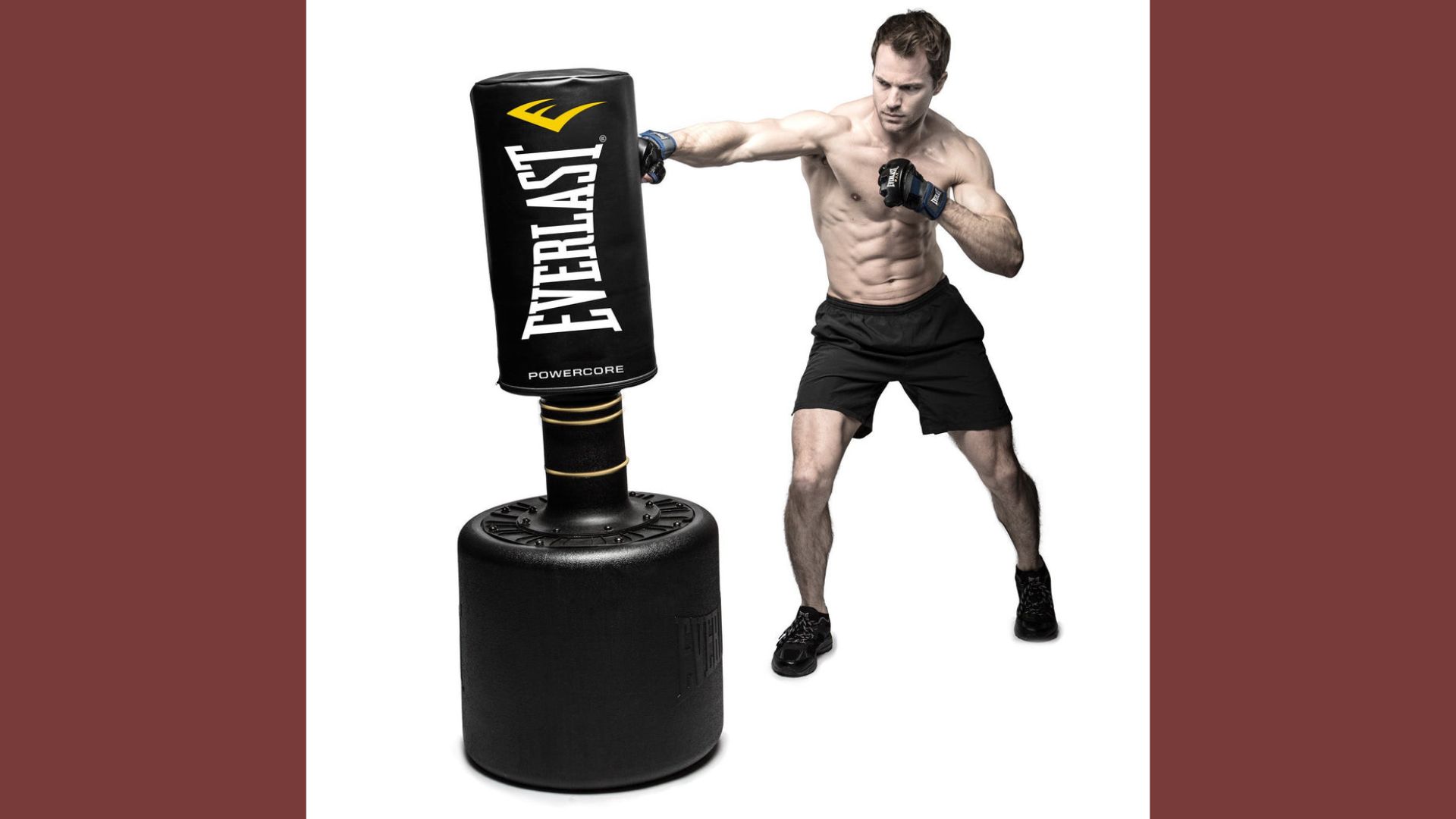
This bag sits on a weighted base. No ceiling needed. It works well in apartments, garages, and home gyms. It moves more than a hanging bag, which changes the feel slightly. A solid pick for anyone who cannot mount a bag.
3. Speed Bag
Small, fast, and challenging. The speed bag hangs at eye level and trains hand speed, rhythm, and coordination. It took me a full two weeks of daily practice before my timing felt natural. Stick with it. It pays off.
4. Double-End Bag
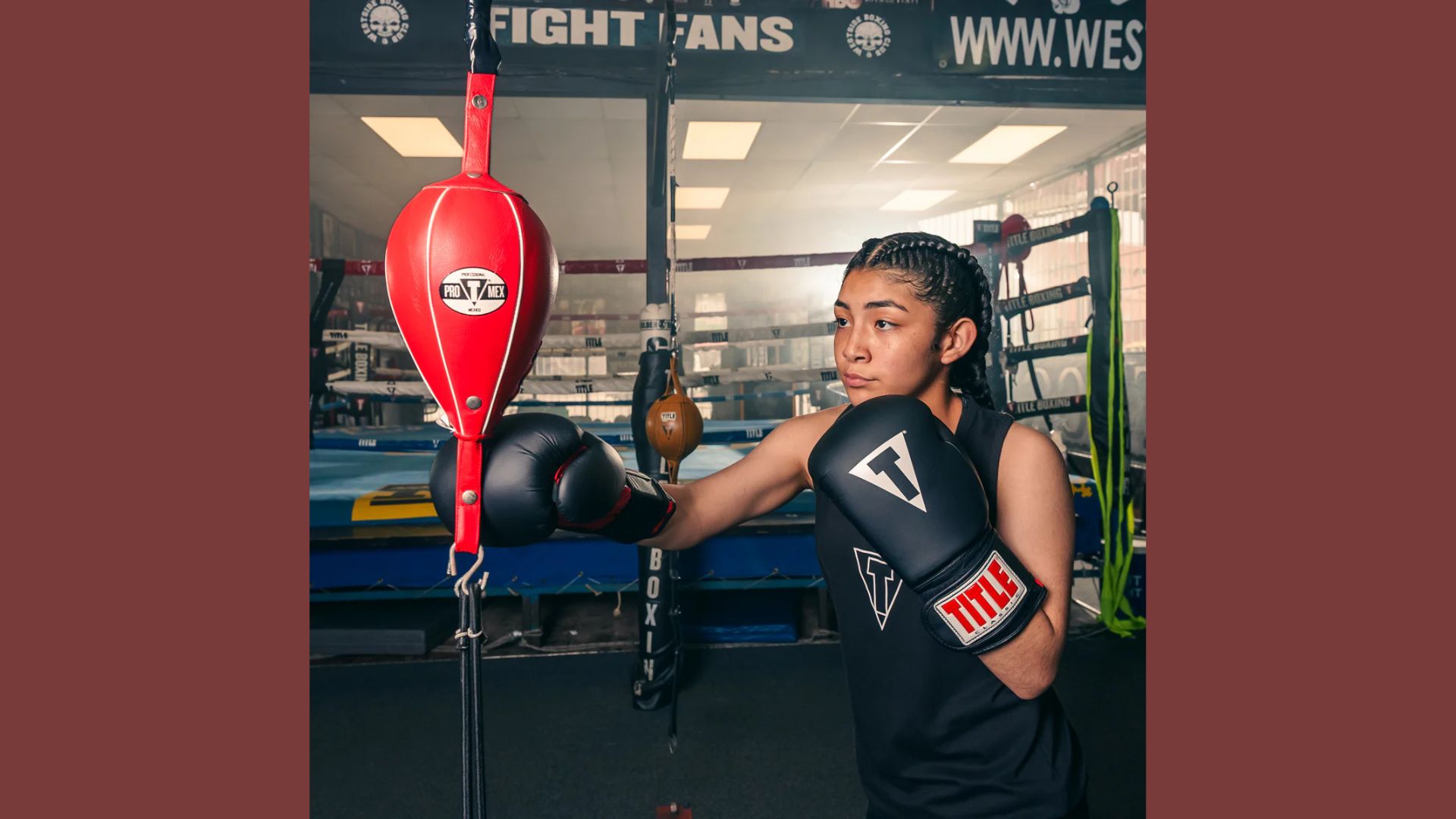
Attached by bungee cords at both ends, this bag snaps back after every hit. It trains accuracy and teaches you to move your head after punching. In my experience, beginners often skip this one too early and regret it later.
5. Uppercut Bag
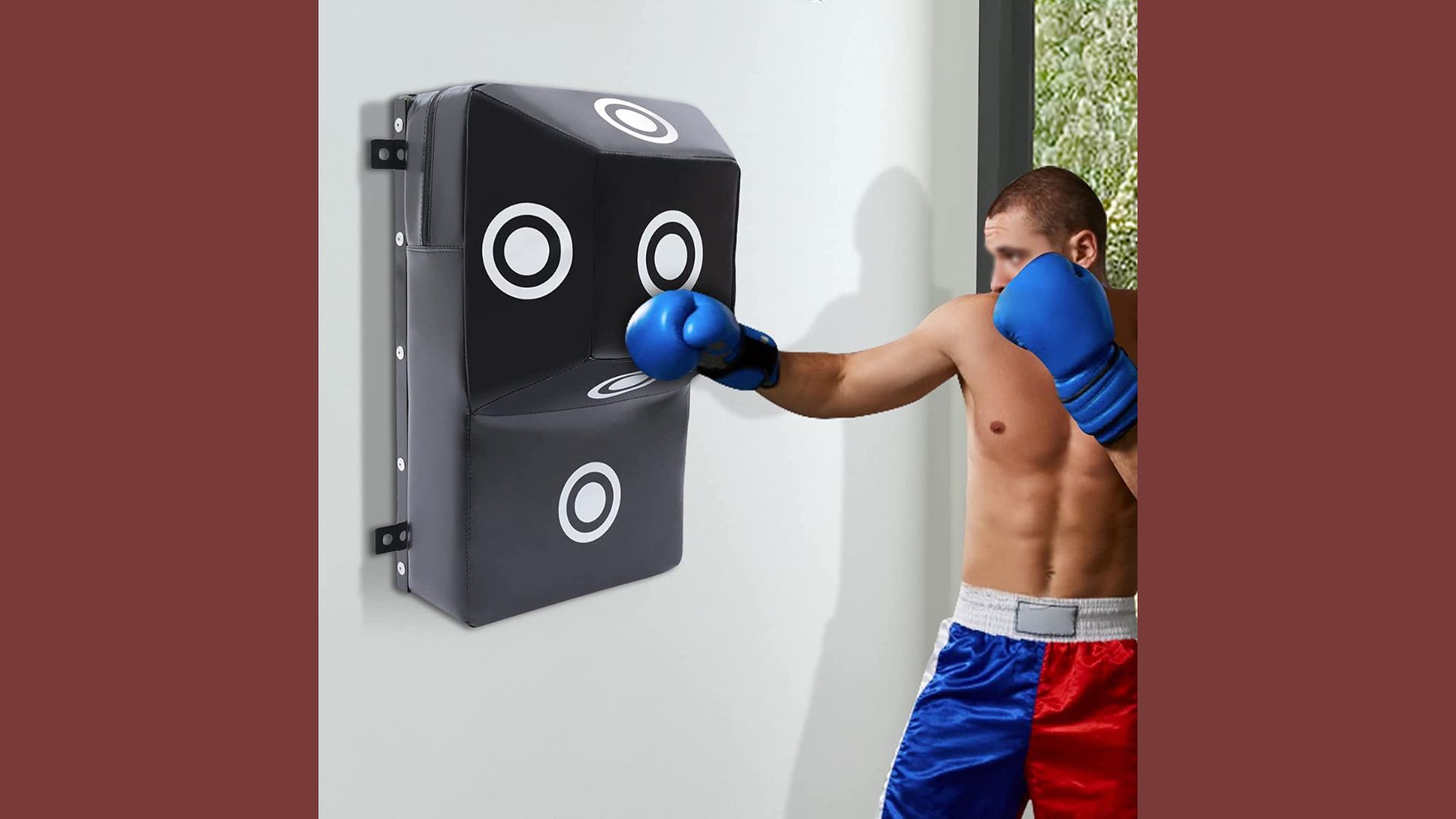
Angled forward so you can work uppercuts and short hooks. A go-to for fighters who like working on the inside. Great for body shot practice. If you fight in close range often, this one belongs in your rotation.
6. Aqua Bag (Water-Filled Bag)
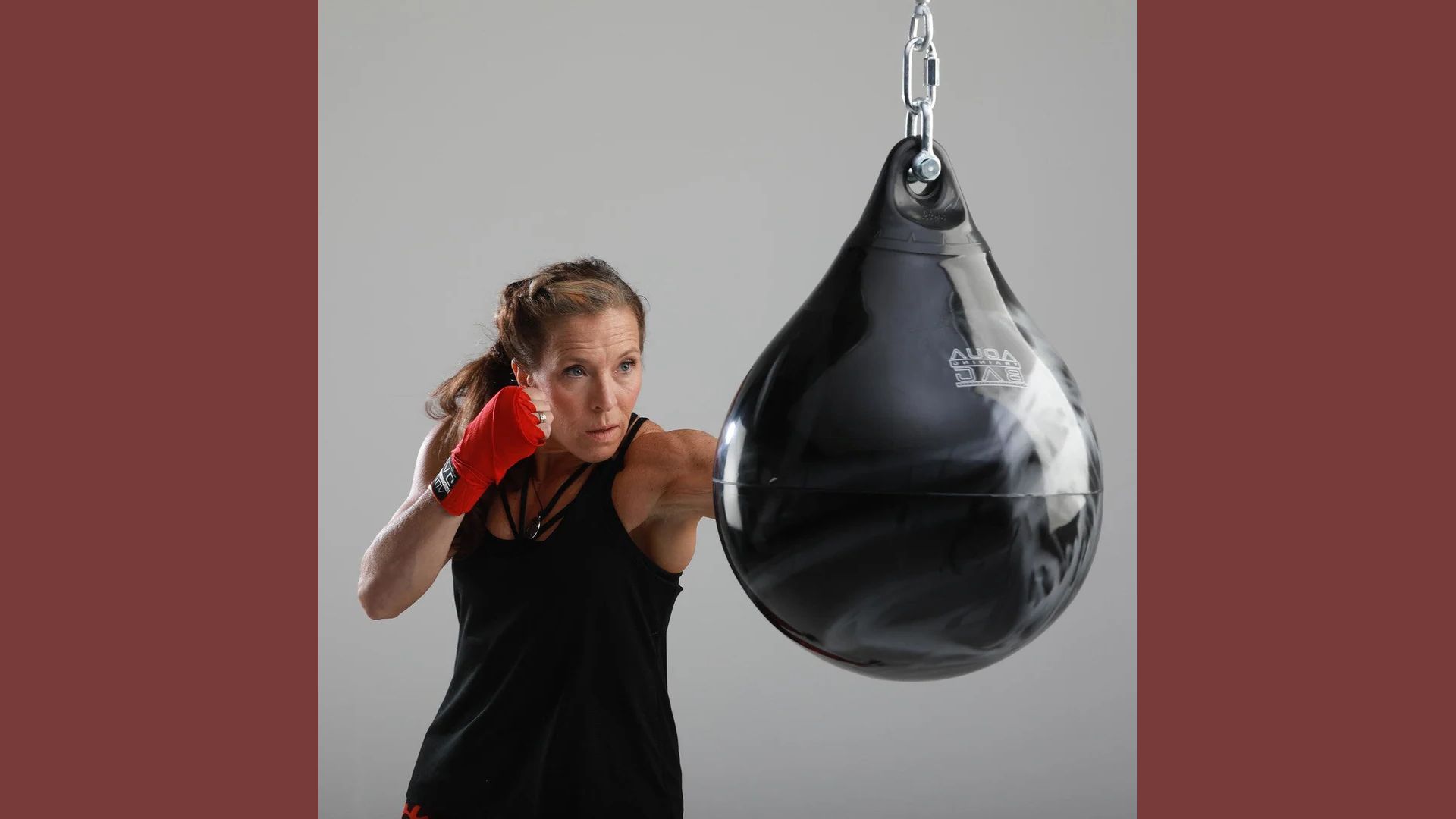
Filled with water instead of sand or foam. It absorbs impact better and is much easier on your hands and wrists. I started using one after dealing with recurring knuckle soreness, and the difference was noticeable within two weeks.
7. Body Opponent Bag (BOB)
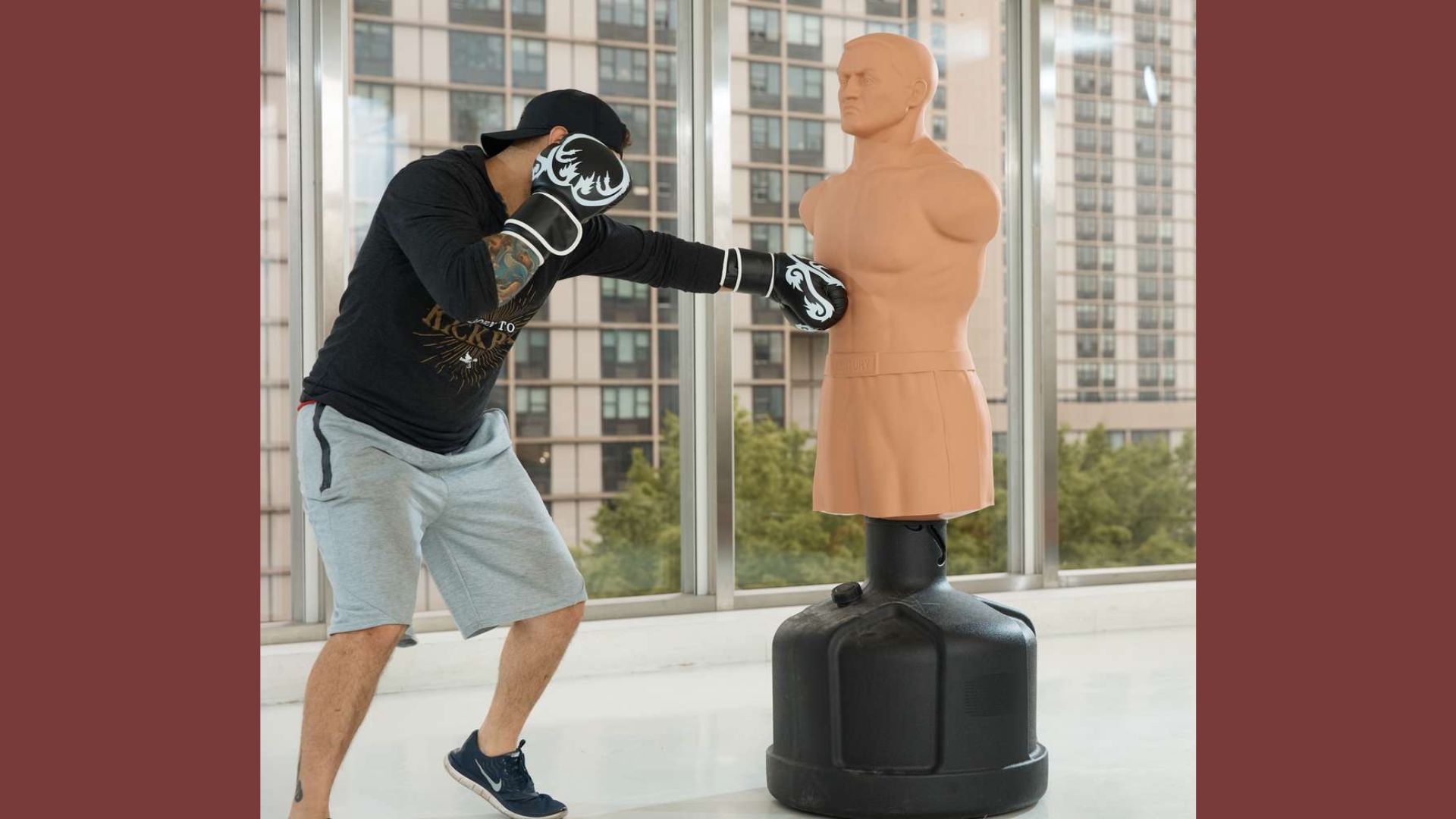
BOB is a life-sized torso on a stand. You can target the head, chin, ribs, and midsection. In my gym, beginners struggled most with landing accurate body shots until they started drilling on BOB regularly. It makes your striking feel more realistic fast.
8. Reflex Bag (Standing Speed Ball)
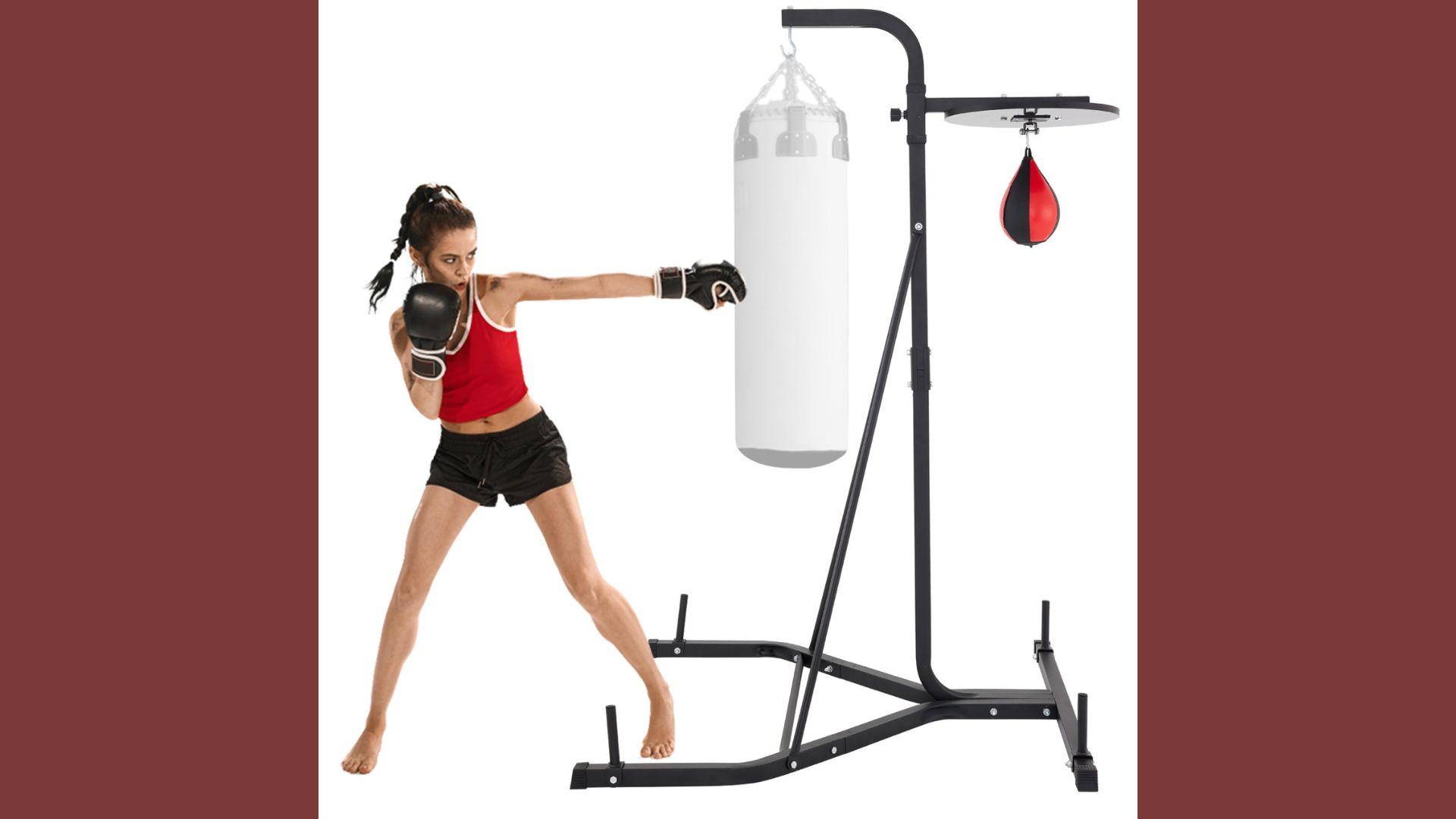
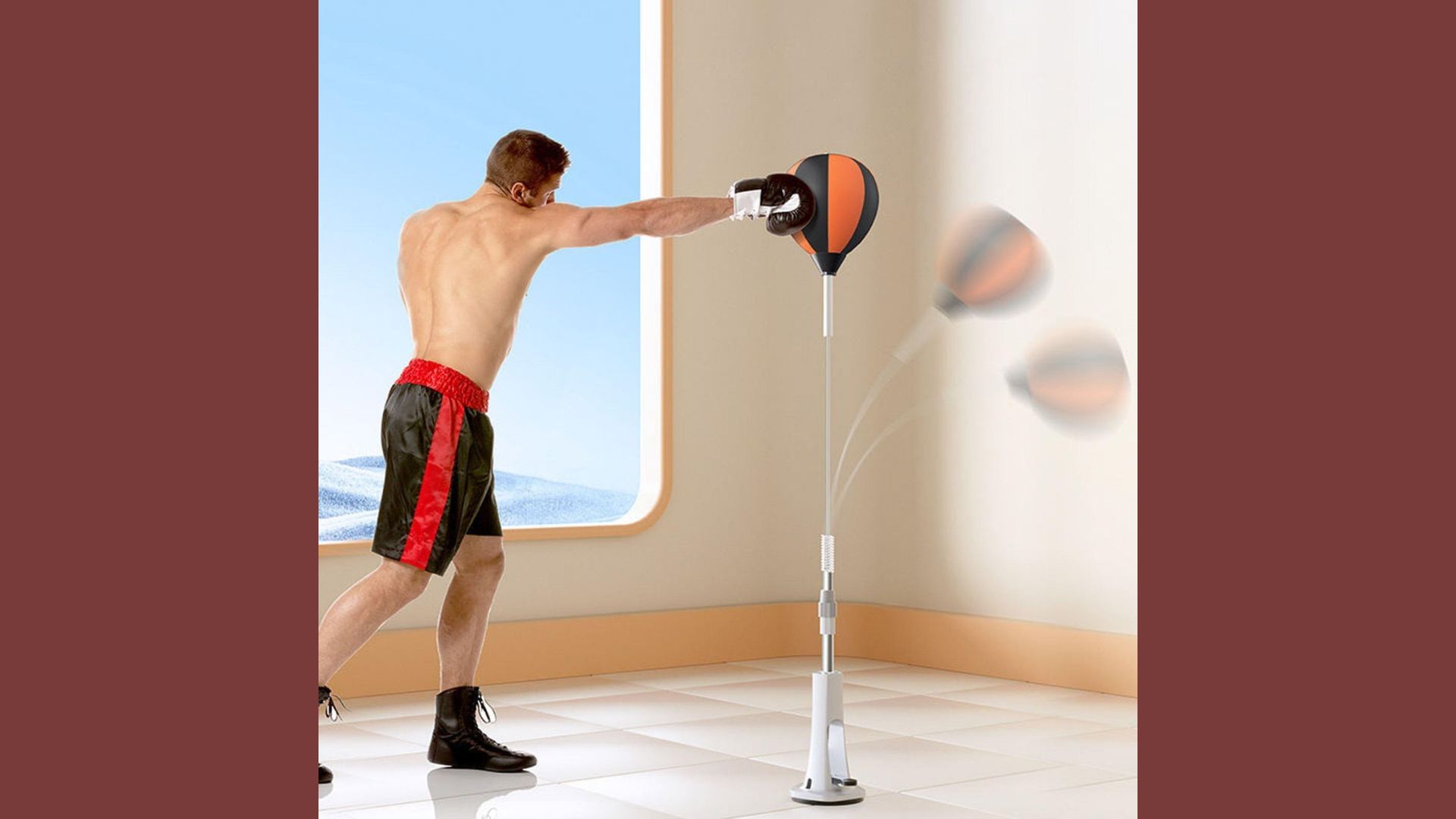
Spring-loaded pole, small bag on top. Hit it and it bounces back fast. It trains reaction time and keeps your eyes sharp. Takes up minimal space and works well as a warm-up tool before heavier bag work.
9. Maize Bag (Slip Bag)
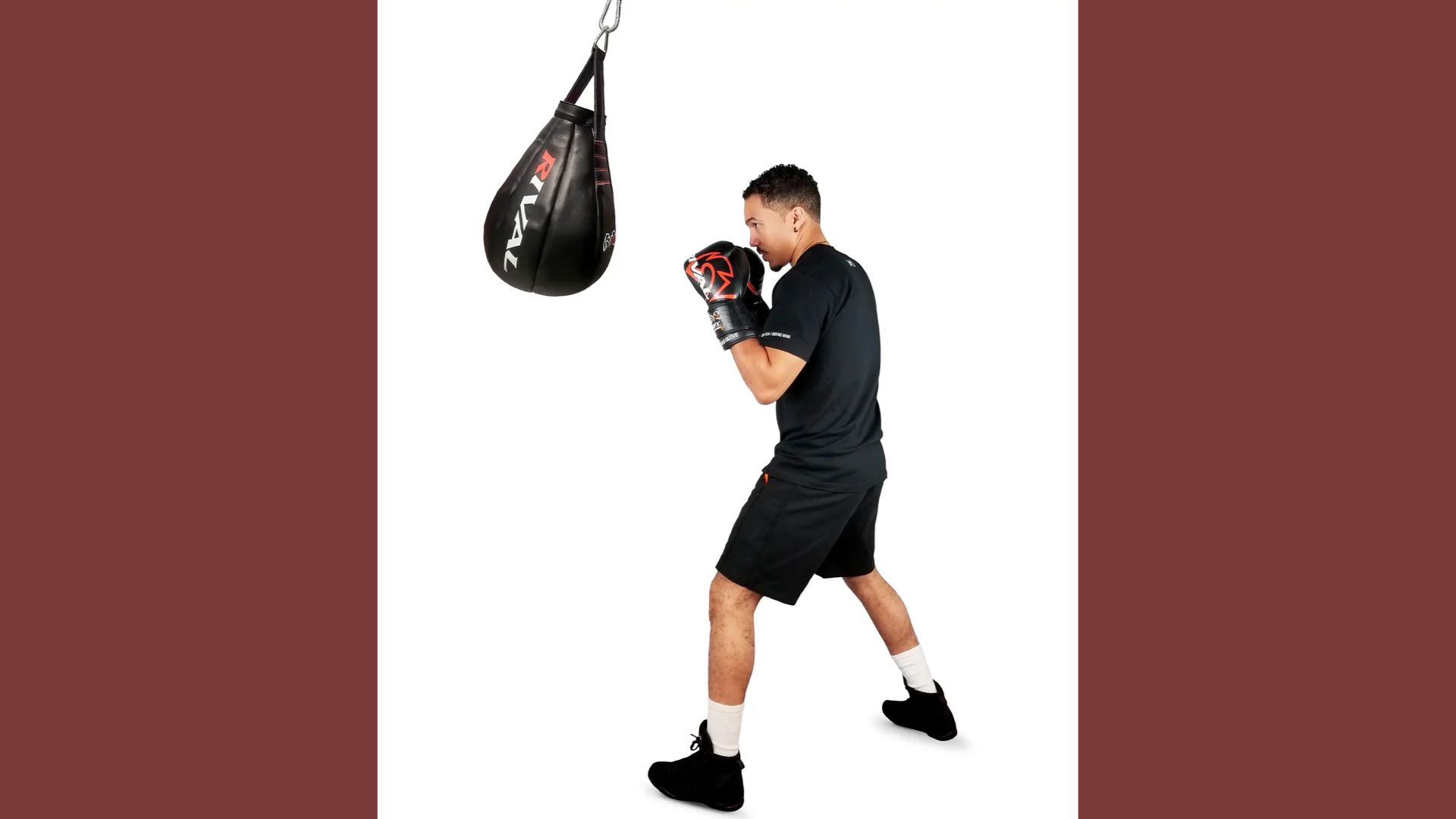
This one hangs at head level. You push it and slip around it. It is not for power hitting. It trains defensive head movement, which most fighters skip too soon and pay for later in sparring.
10. Angle Heavy Bag
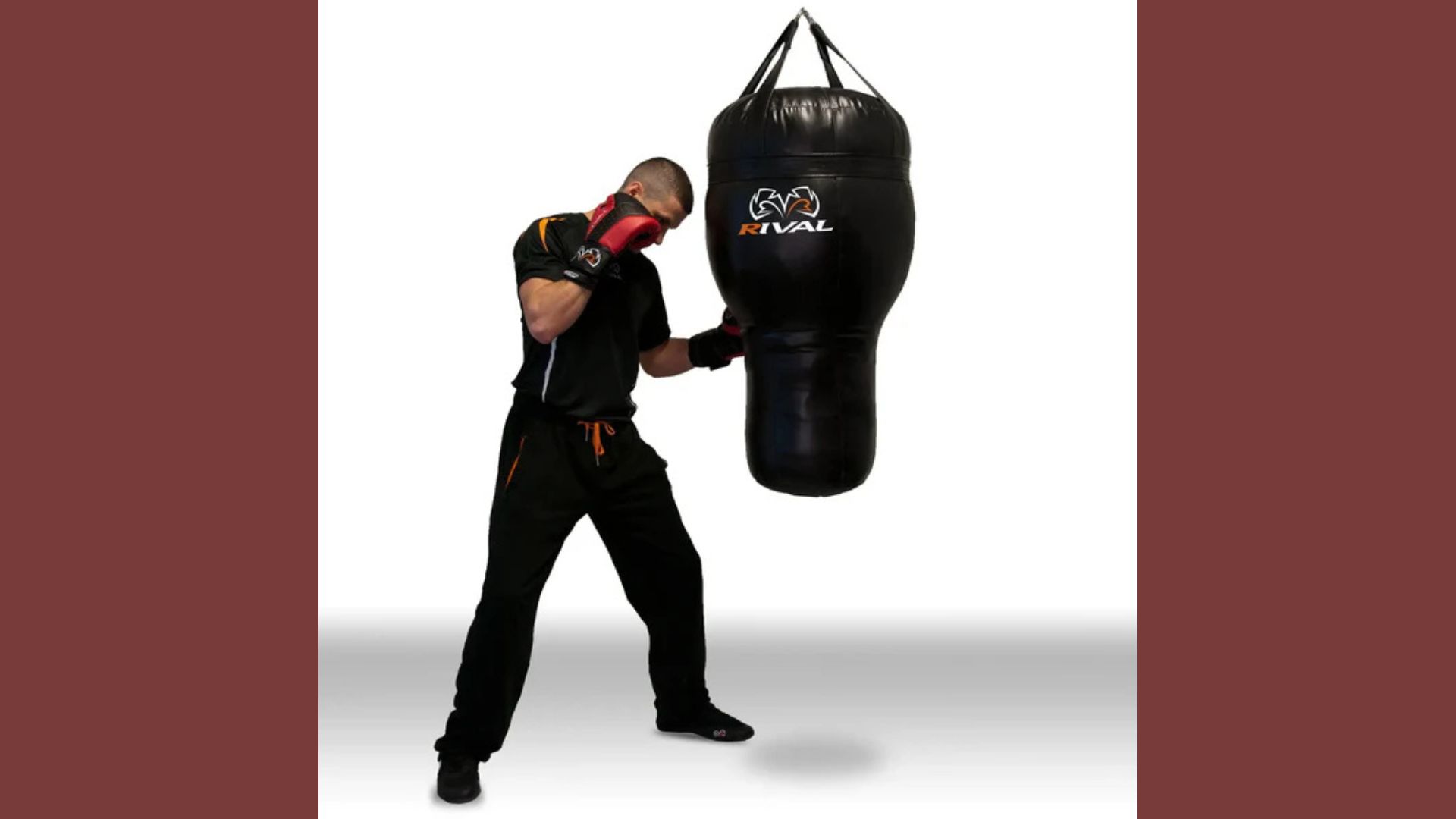
A longer, angled version of the standard heavy bag. The shape lets you throw hooks and uppercuts with a more natural body position. Better for fighters who want range in their bag work and feel limited by a straight bag.
11. Tear Drop Bag
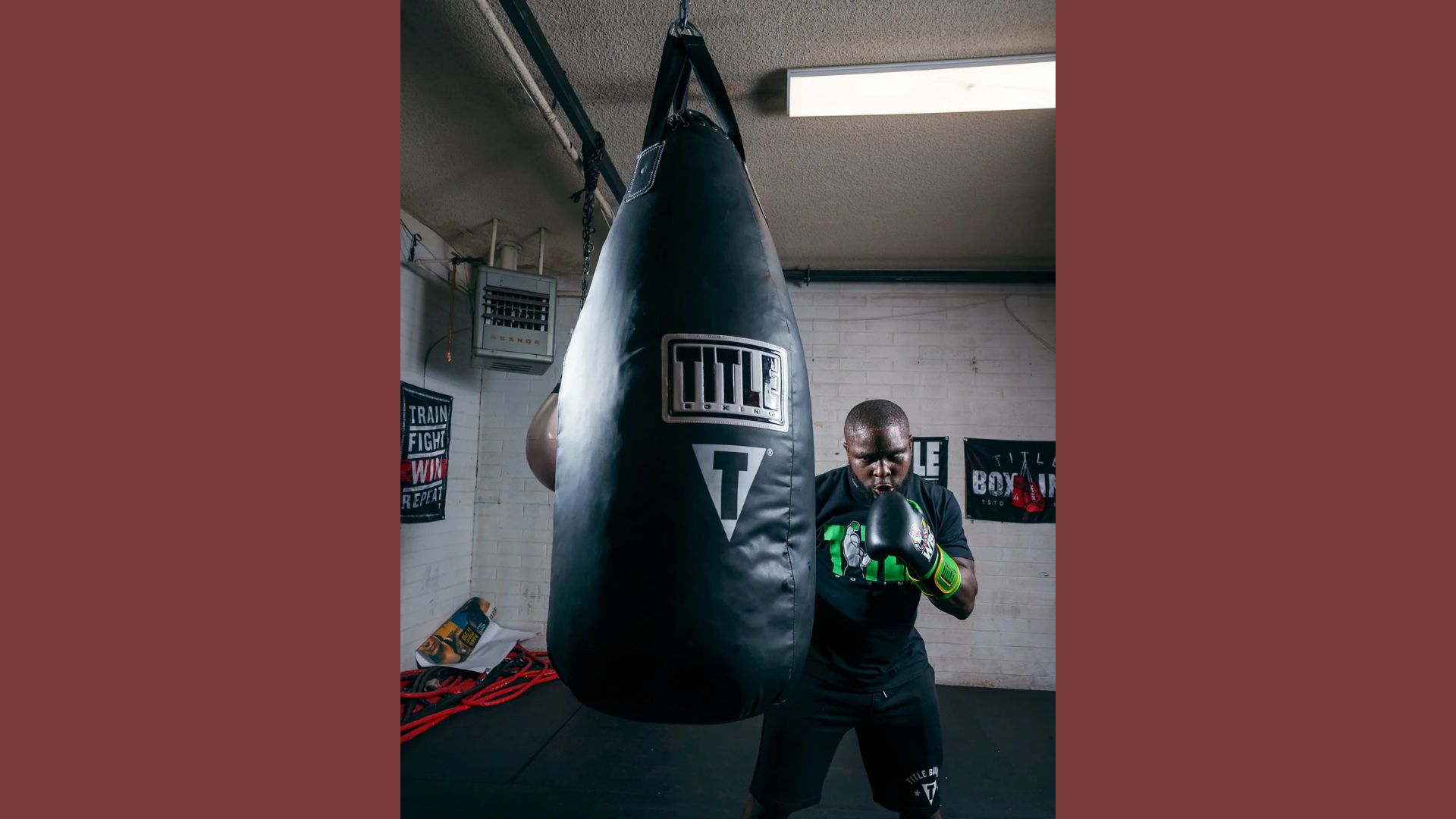
Smaller than a heavy bag, rounded at the bottom. It swings in different directions, which keeps you moving and adjusting your angles. Great for body shots, short hooks, and working your footwork at the same time.
12. Wall-Mounted Punching Bag
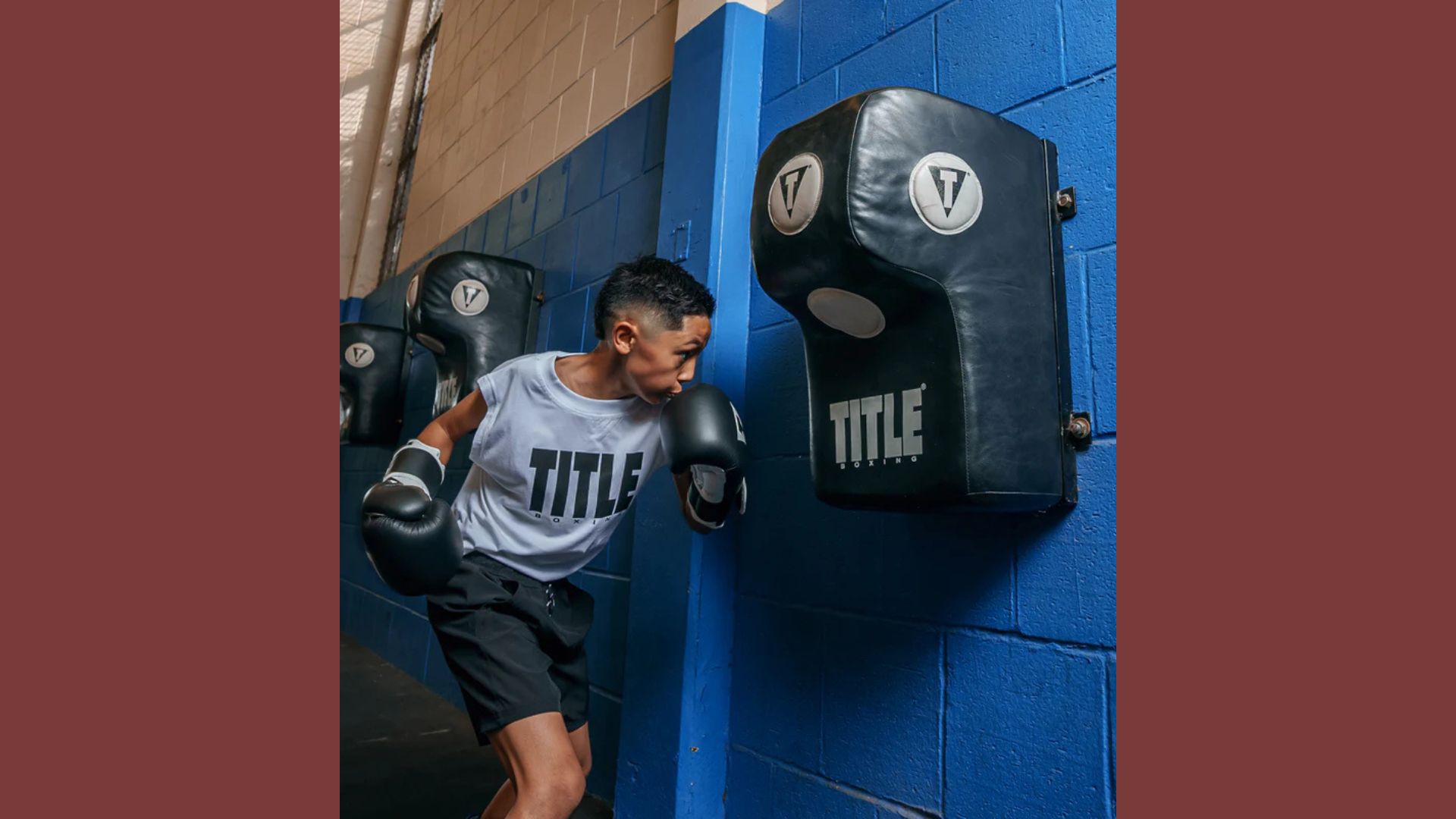
Bolts to the wall. Does not swing like a hanging bag. Gives solid resistance for power training. Works well in tight spaces and requires no ceiling clearance. Good for straight punching drills and raw power sets.
13. Cobra Bag
Sits on a flexible pole. Moves in fast, unpredictable directions after each hit. One of the more engaging different punching bags to train with once you get the rhythm. Good for tracking drills and staying sharp between heavier sessions.
14. Wrecking Ball Bag
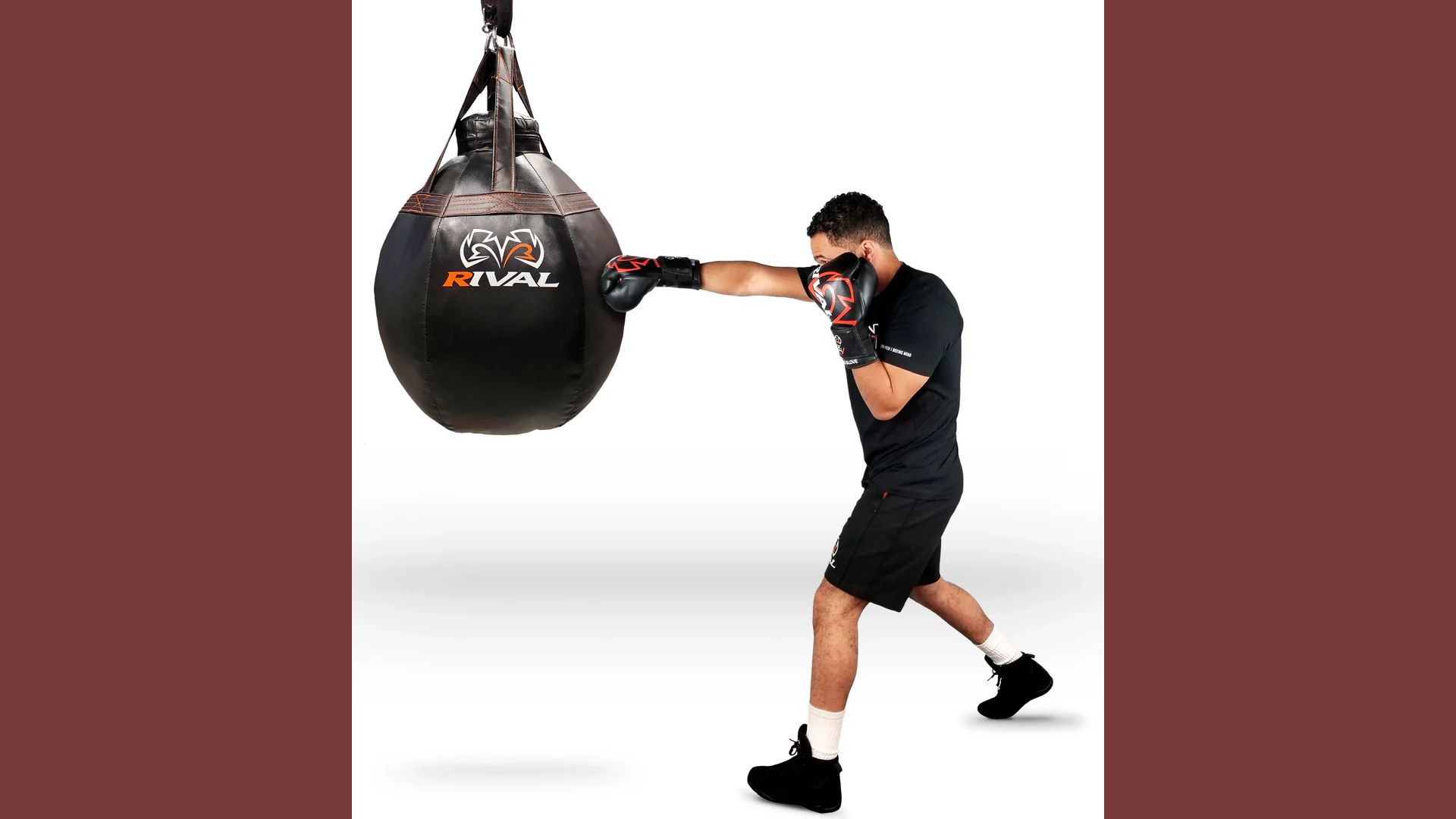
Round and compact. Hangs at shoulder or chest level. Sends the bag in different directions after each combo. Good for hooks and tight, close-range work. A solid addition once you have your basics covered.
15. Floor-to-Ceiling Ball
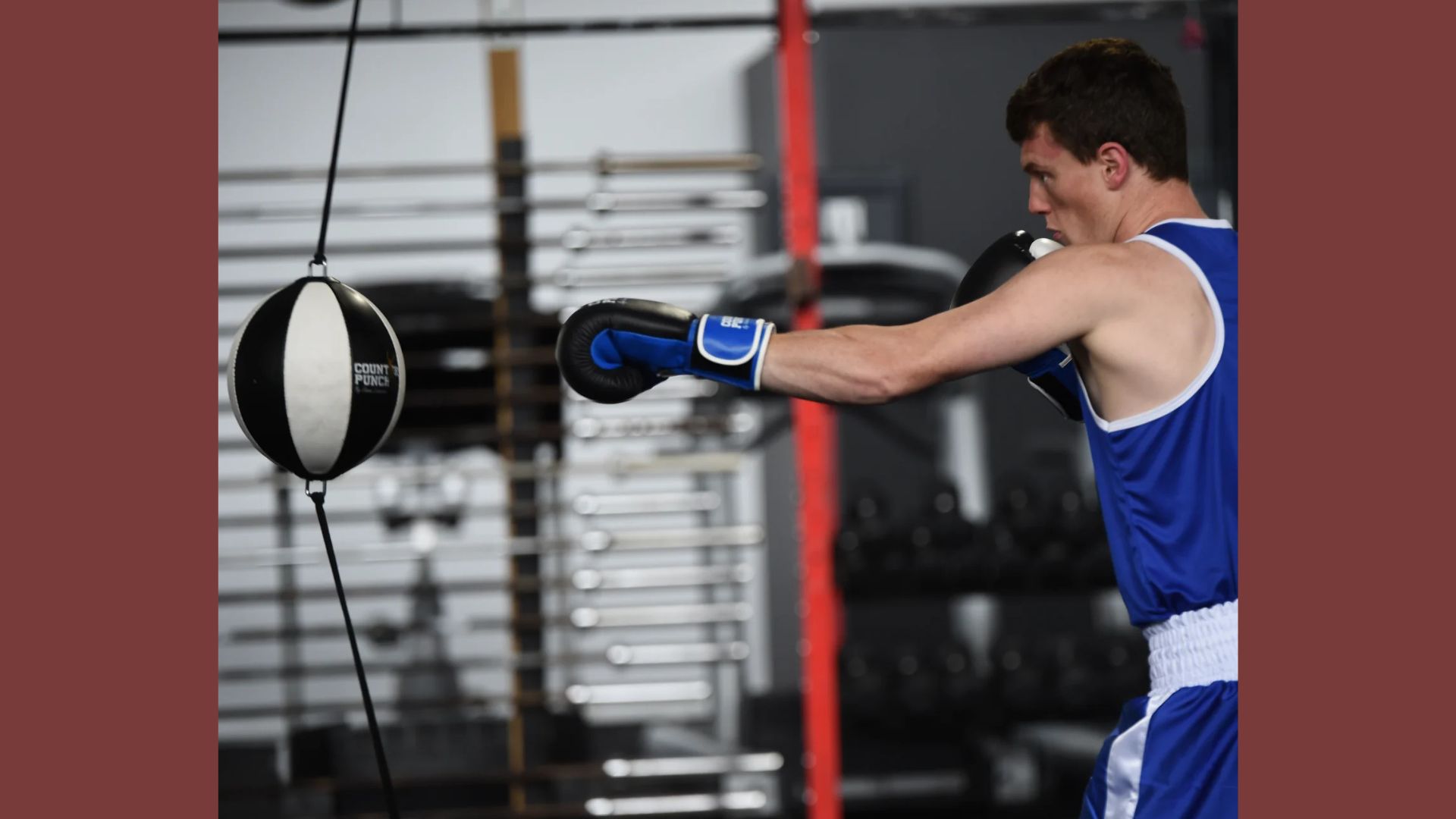
Elastic cords connect a small ball from floor to ceiling. It bounces back quickly. Builds hand speed and improves punch timing. It took me a few sessions to stop misjudging the return, but once it clicked, it became a go-to for warm-ups.
How to Choose the Right Types of Punching Bags for Your Goals
Start with your training goal.
Power work needs a heavy or wall-mounted bag. Speed and timing work needs a speed bag or double-end bag. Defense training needs a maize or reflex bag.
Think about your space next.
Ceiling bags need mounting hardware and overhead clearance. Freestanding and wall-mounted bags skip that step entirely.
Match the bag to your skill level too.
Beginners do well starting with a heavy bag or freestanding option. Advanced fighters can add specialty boxing bag types over time as their needs grow.
Punching Bag Size, Weight, and Material Guide
A good rule when buying any of the best punching bags for training: choose a bag that is roughly half your body weight.
A 160-pound person trains well on an 80-pound bag.
Leather bags last longer and feel better over time but cost more upfront. Vinyl is more affordable and easier to wipe clean. Canvas is the most basic and budget-friendly option for beginners.
Sand-filled bags are firm and give strong resistance. Fabric-filled bags are softer on impact. Water-filled bags are the easiest on your joints and hands.
Common Mistakes When Choosing a Punching Bag
Buying too heavy too soon. A bag that is too heavy slows your punches and builds poor technique. I learned this the hard way in my first month.
Skipping hand protection. Any bag will hurt your hands without wraps and gloves. Always gear up before hitting, no exceptions.
Not measuring your space. Some bags need high ceilings and wide clearance. Measure before buying to avoid returns.
Choosing based on looks alone. The best-looking bag in different punching bags options may not match what your actual training needs.
Best Punching Bag Workouts for Each Type
The right workout for each boxing bag type makes your sessions more focused and productive from day one.
Heavy bag: Three-minute rounds of power combinations. One minute of rest between rounds. Focus on form and proper rotation before chasing speed.
Speed bag: Sets of 30 to 60 seconds. Start slow, find your rhythm, then build from there. Do not rush the timing.
Double-end bag: Jab-cross combos followed by head movement. It trains offense and defense at the same time and keeps your sessions sharp.
Reflex bag: Quick hit-and-reset drills. Try to recover your guard before it bounces back at you.
BOB: Work in sequences targeting head, body, and ribs. Treat each session like a real opponent is in front of you. It makes a real difference in how your striking transfers.
Best Punching Bags to Buy: Specific Picks by Goal
Here is where to start based on your actual situation, not just a general list of different punching bags.
For beginners weighing 140 to 170 lbs: A 70 to 80 lb vinyl heavy bag is the right fit if you train three to four times per week. It gives enough resistance to build power without killing your hand speed. Brands like Everlast and Century are reliable at this price point. Skip this if you have joint issues. Go with an aqua bag instead.
For home gym users with limited space: The Century Wavemaster freestanding bag is a consistent top pick. No drilling needed. Easy to move. Holds up well with regular use. Not ideal if you want a traditional hanging feel, but it covers most training needs.
For fighters with hand or wrist soreness: The Aqua Training Bag is worth the higher price if you train four or more times per week. The water fill reduces impact stress significantly. Skip it if you are on a tight budget and train only once or twice a week.
For intermediate to advanced fighters wanting variety: A leather angle heavy bag from Ringside or Title Boxing is a strong long-term investment. It handles hooks and uppercuts better than a straight bag and holds up under daily use. Not the right first buy for a beginner, but worth it once your technique is solid.
Conclusion
There are more different types of punching bags than most people realize, and each one targets something specific.
Choosing the right one early makes a real difference in how fast you improve.
I spent time training on the wrong bag before I figured out what I actually needed. That cost me months of slower progress. I do not want that for you.
If you are still unsure, start with a heavy bag or freestanding option. Those two boxing bag types cover around 80 percent of training needs.
Once you build consistency, upgrading becomes much easier and more obvious.
Think about your goals, your space, and how often you plan to train. The right pick makes every session feel focused and worthwhile.
So, which of these punching bag styles are you thinking of adding to your training first?
Frequently Asked Questions
What are the most common boxing bag types for beginners?
The heavy bag and freestanding bag are the most beginner-friendly options. Both are easy to use, widely available, and work well for building basic power and technique from day one.
How are different punching bags used across training levels?
Beginners typically start with heavy or freestanding bags for power and form. Intermediate fighters add speed bags and double-end bags. Advanced fighters use specialty options like maize bags and cobra bags for defense and timing.
Can I use multiple punching bag styles in one workout session?
Yes. Many fighters rotate between a heavy bag for power and a speed or reflex bag for timing in the same session. Combining bag types gives you a more complete and well-rounded workout overall.
What is the difference between a reflex bag and a double-end bag?
A reflex bag sits on a spring pole and bounces straight in front of you. A double-end bag hangs from bungee cords and snaps back from multiple directions, making it harder to track and more useful for accuracy work.
How do I know what weight punching bag to buy based on my body weight?
Choose a bag that is roughly half your body weight. If you weigh 160 lbs, an 80 lb bag is a solid starting point. Going too heavy early slows your punches and builds poor technique over time.


