With so many options at the gym, it is easy to feel lost. This guide clears that up.
I have spent years testing different lifting styles, and I know what works and what wastes time.
Here, I will walk you through the 7 types of lifting, the right techniques, equipment, and how to pick the best approach for your goals.
In this blog, you will learn about the main types of lifting, key techniques and common mistakes, the equipment you need, how to choose based on your goals, and tips to get better results faster.
What Are the Different Types of Lifting in Gym?
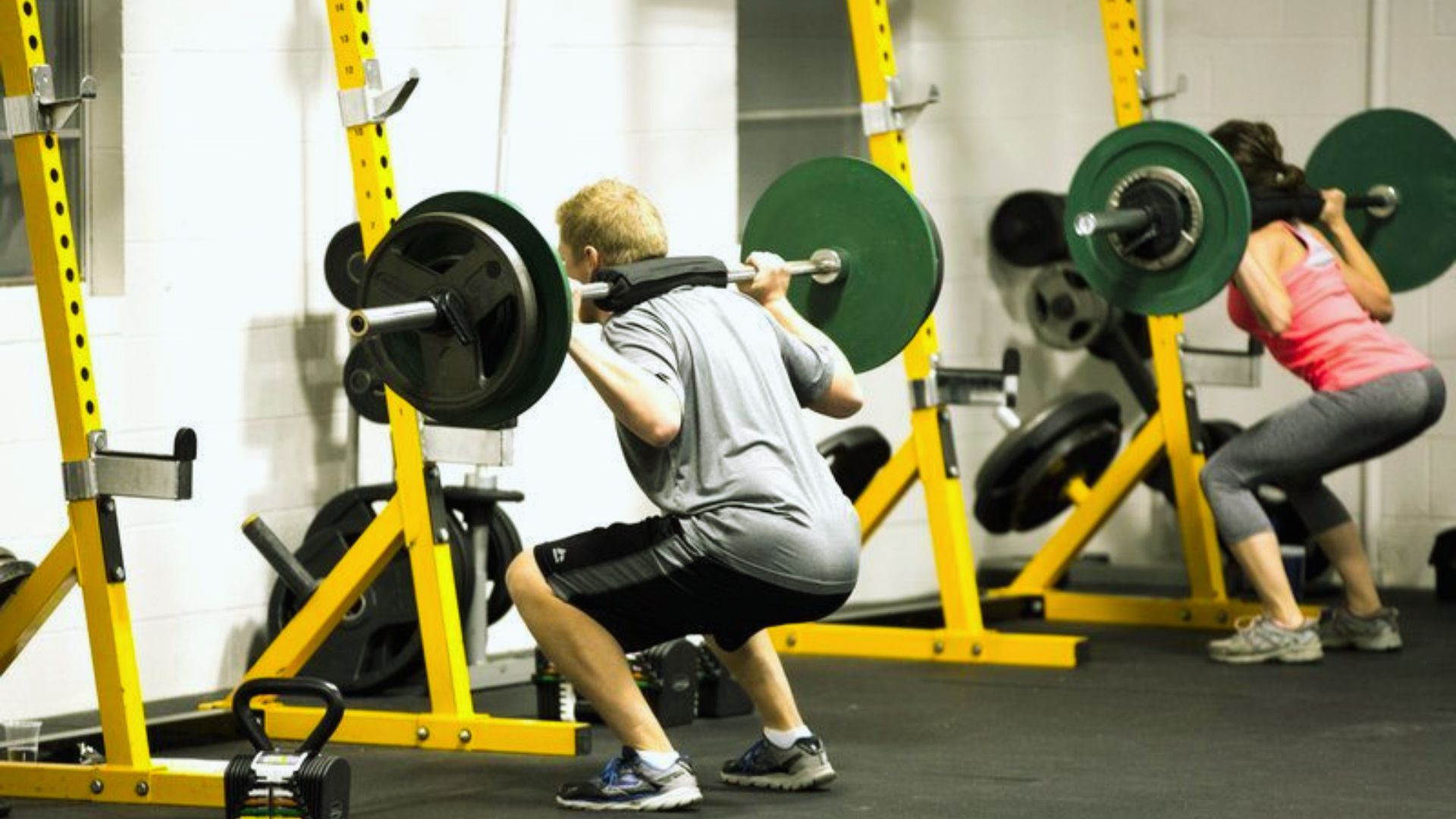
Lifting is not just about picking up heavy things. Every style serves a different purpose, and choosing the wrong one can slow your progress.
Here are the seven main types of lifting you will find in most gyms today.
Each one targets a specific goal, whether that is building muscle, gaining strength, burning fat, or improving stamina.
Knowing the difference helps you train with a clear plan instead of guessing. The right choice depends on where you are and where you want to go.
7 Types of Lifting for Better Results
Here is a breakdown of the seven main lifting styles and what each one does for your body.
1. Bodybuilding (Hypertrophy Training)
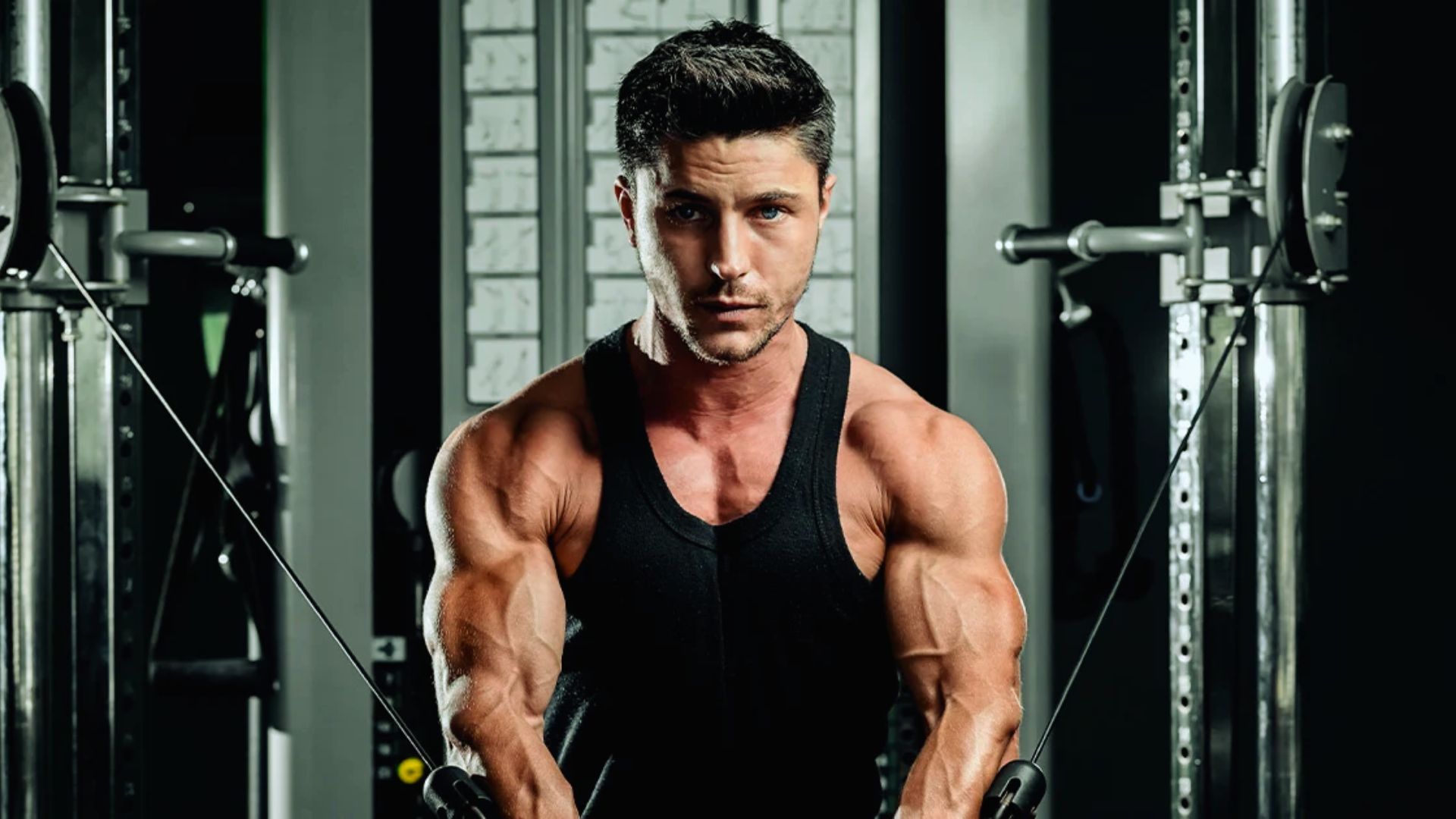
Bodybuilding focuses on building muscle size and improving how your body looks. You use moderate weights and do 8 to 12 reps per set.
This style mixes compound lifts like bench press with isolation moves like bicep curls. It works well if you want a more muscular, defined physique. Most gym-goers start here.
2. Strength Training (Powerlifting)

Powerlifting is about moving as much weight as possible. You lift heavy with low reps, usually 1 to 5 per set. The three main lifts are the squat, bench press, and deadlift.
This type builds raw strength fast. It is great if your goal is to get stronger, not just bigger.
3. Olympic Weightlifting
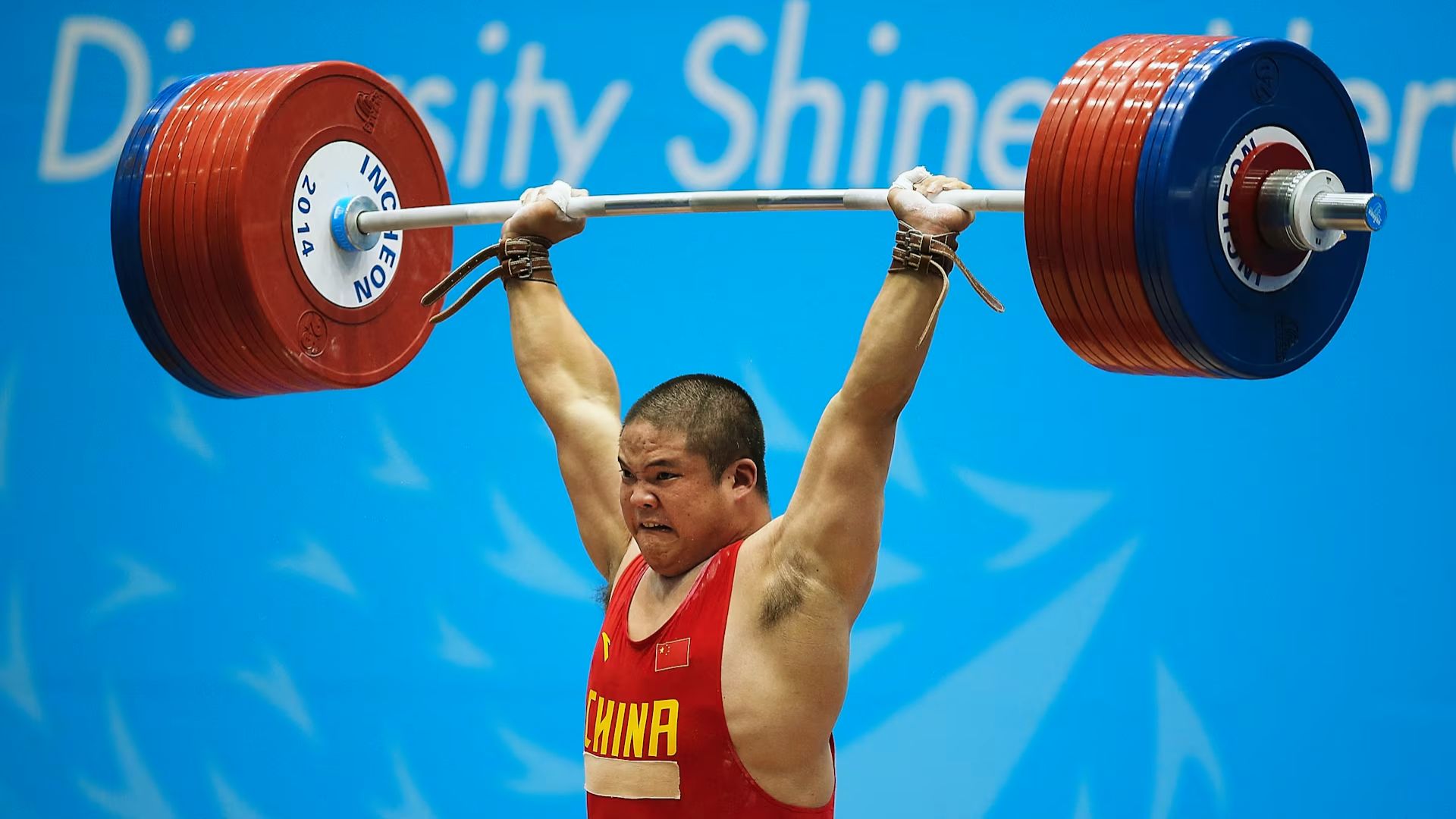
Olympic lifting uses two movements, the snatch and the clean and jerk. Both require speed, coordination, and good mobility.
This style builds explosive power and full-body strength. It takes time to learn, but the results are impressive for athletic performance.
4. Circuit Training with Weights
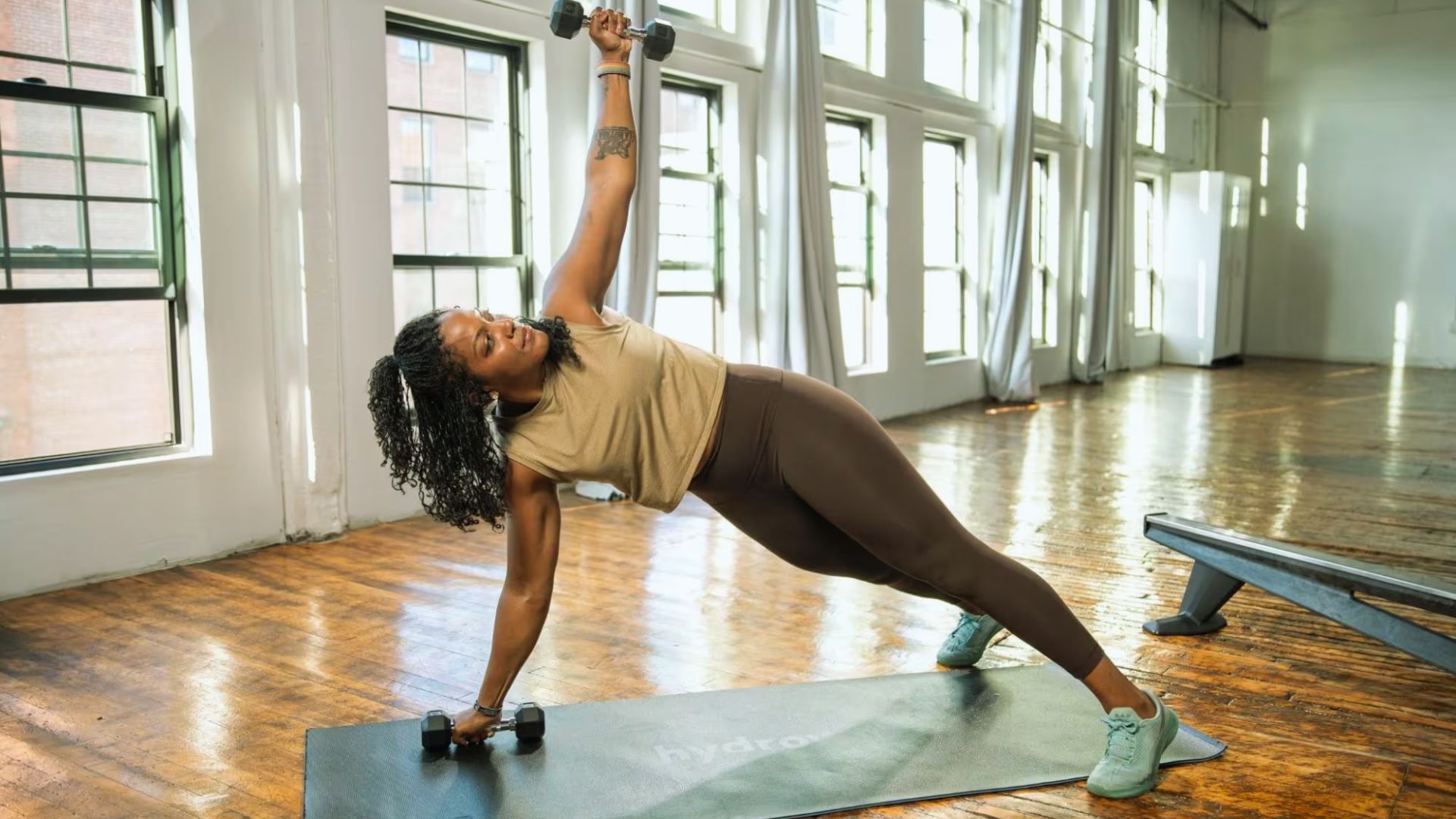
Circuit training combines resistance exercises done back to back with little rest. You use higher reps and lighter weights. It keeps your heart rate up while building muscle.
This is a solid pick for fat loss and overall conditioning. It is also time-efficient.
5. Functional Training (Cross-Training Style)
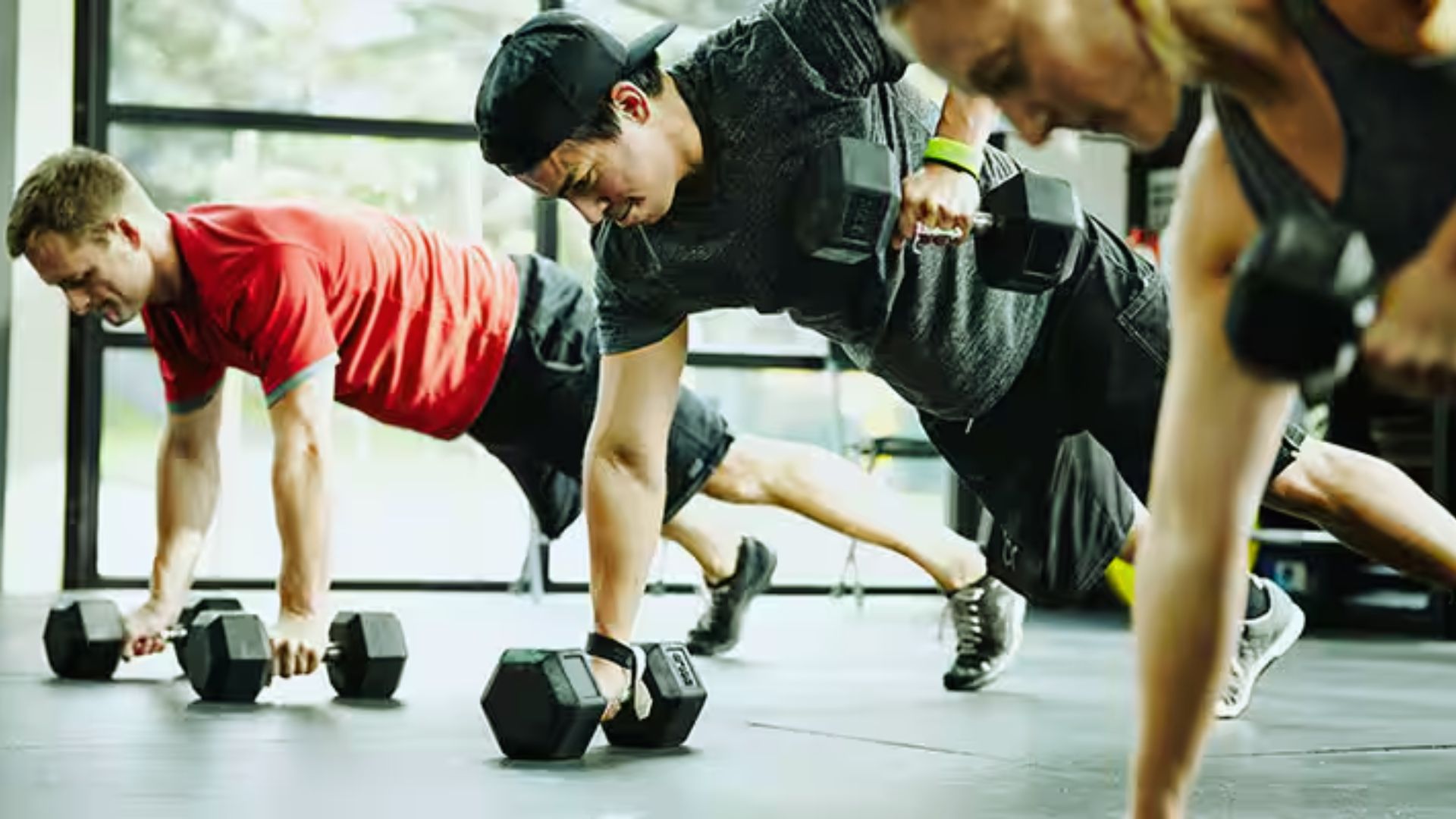
Functional training focuses on movements you use in real life, like pushing, pulling, squatting, and carrying. It mixes resistance work with cardio and improves balance, agility, and endurance.
This style is popular in CrossFit and sports training. It builds a body that works well, not just looks good.
6. Powerbuilding
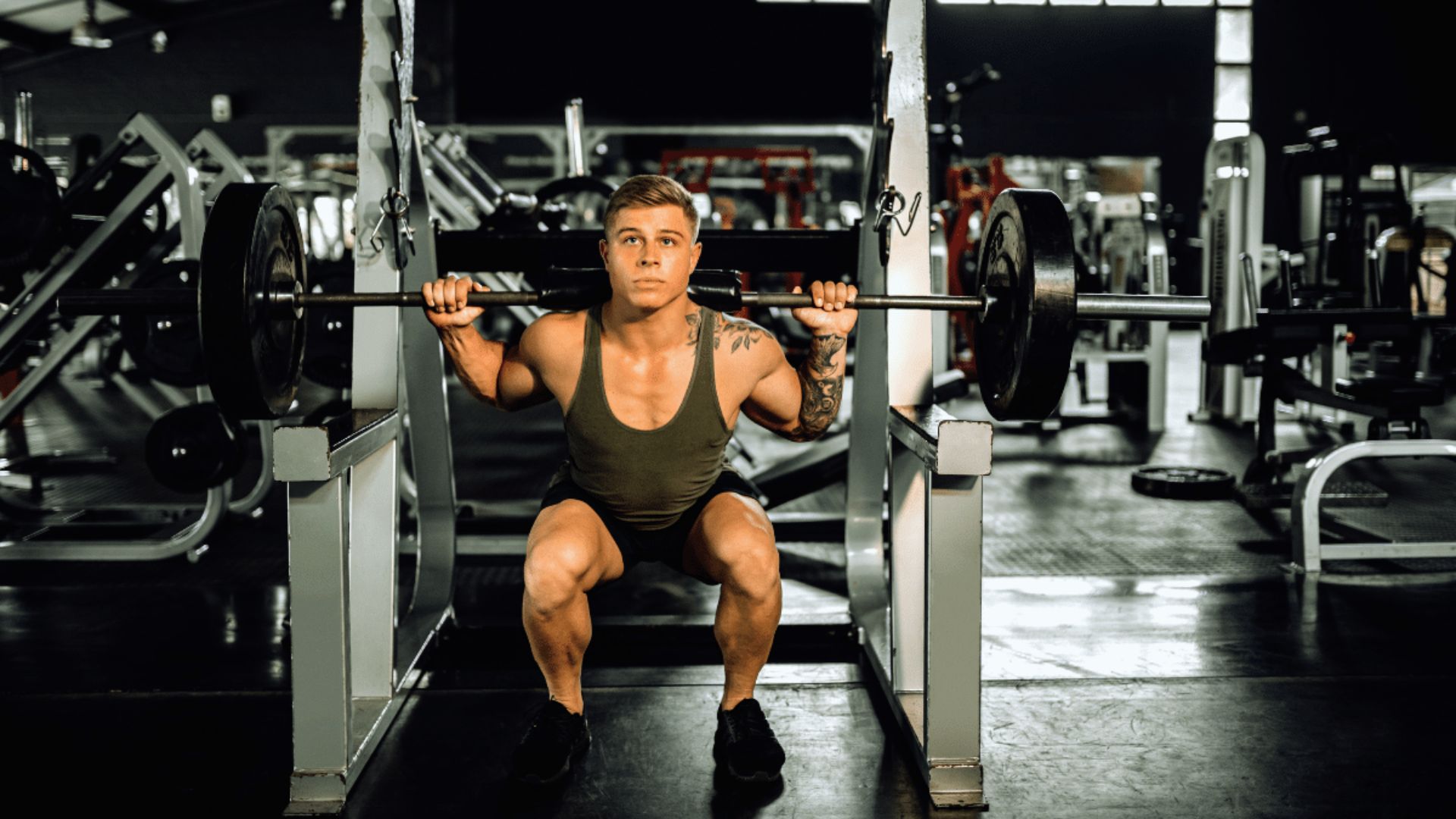
Powerbuilding blends strength training and bodybuilding into one approach. You train heavy like a powerlifter but also include hypertrophy work to build size.
It is a balanced method if you want both strength and muscle. Many intermediate lifters move into this style after mastering the basics.
7. High-Rep Endurance Lifting
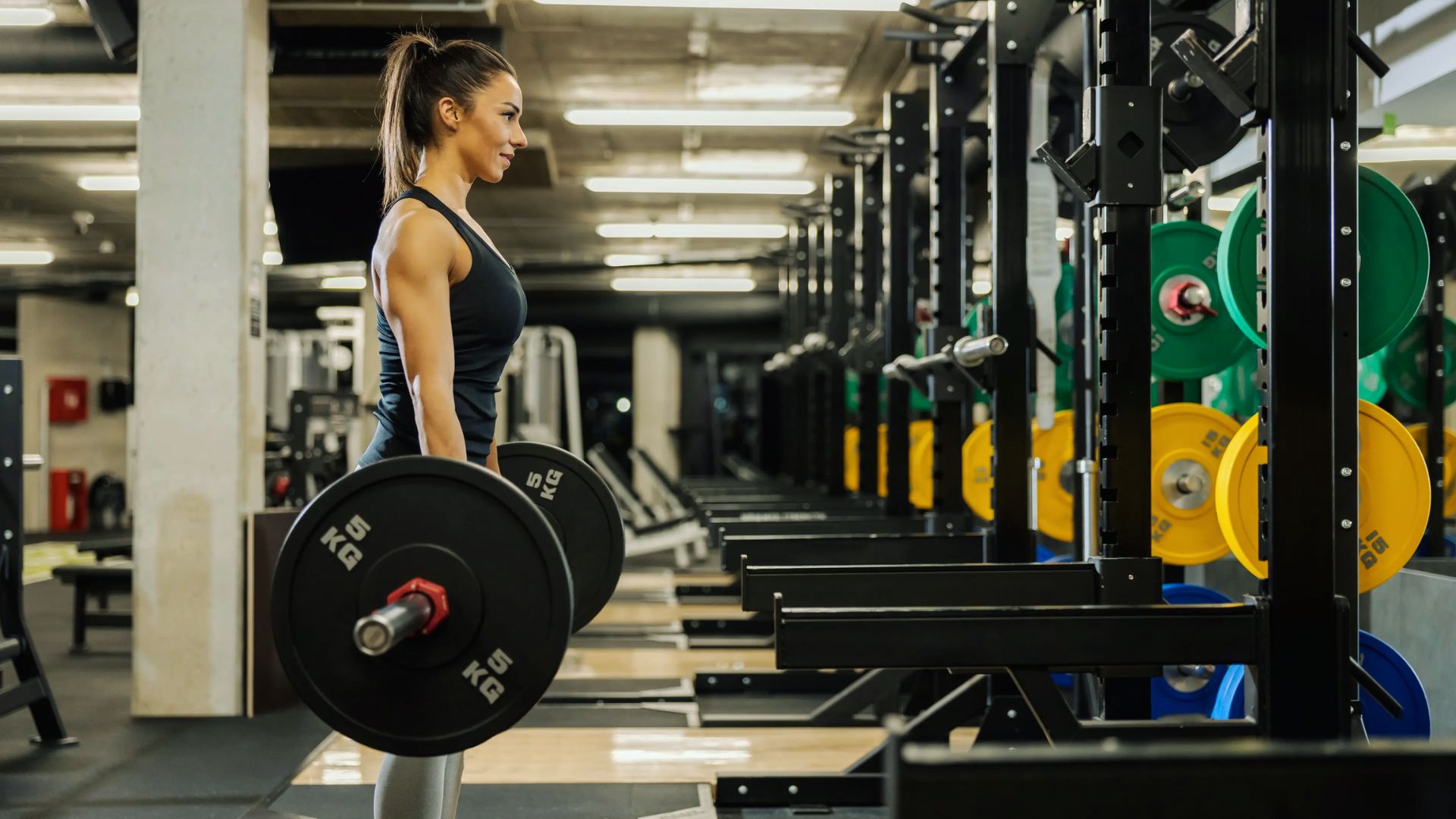
This style uses light weights with 15 or more reps and short rest periods. The focus is on muscular endurance, meaning your muscles can keep going longer before they tire out.
It is good for toning, improving stamina, and active recovery days.
Common Mistakes to Avoid
Even experienced lifters fall into bad habits.
Here are the most common ones:
- Lifting with poor form to use heavier weight Always master the movement first, then slowly increase the load.
- Skipping warm-ups Even 5 to 10 minutes of light movement can make a big difference in how your body performs.
- Going too heavy too soon Build up gradually and let your strength grow naturally over time.
- Not resting enough between sessions Muscles grow during rest, not during the workout. Give your body time to recover.
- Ignoring weak muscle groups, work on your weak spots just as seriously as your strong ones to avoid imbalances.
Types of Lifting Equipment You Should Know
The right tools make training safer and more effective.
Barbells

Barbells are long bars used for squats, deadlifts, bench press, and rows. They allow the most loading and are central to powerlifting and powerbuilding.
If you want to get seriously strong, barbells will be your best friend in the gym.
Dumbbells
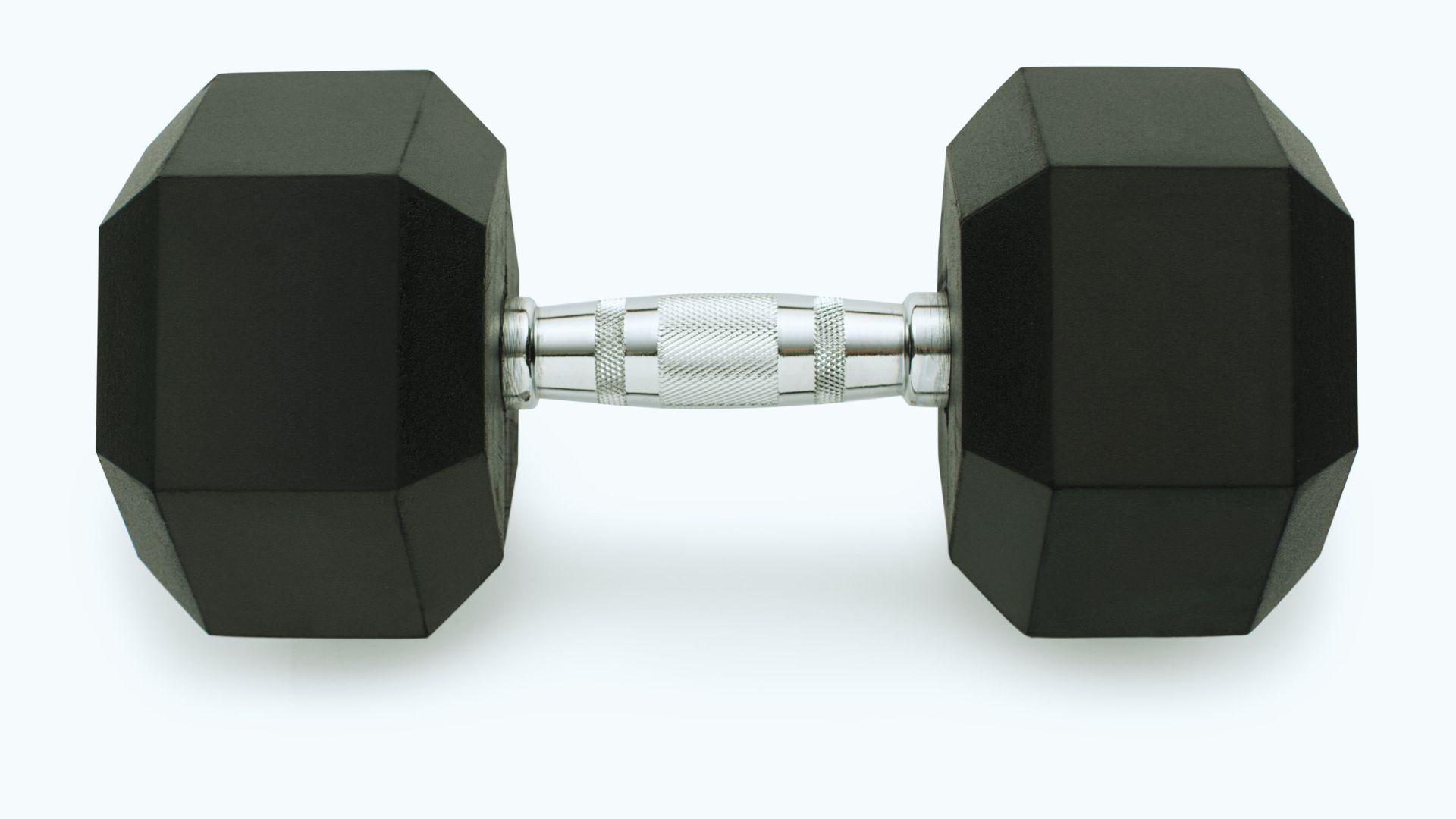
Dumbbells are versatile. You can do almost any exercise with them, and they are great for fixing muscle imbalances since each side works independently.
Beginners and advanced lifters both rely on them regularly.
Machines
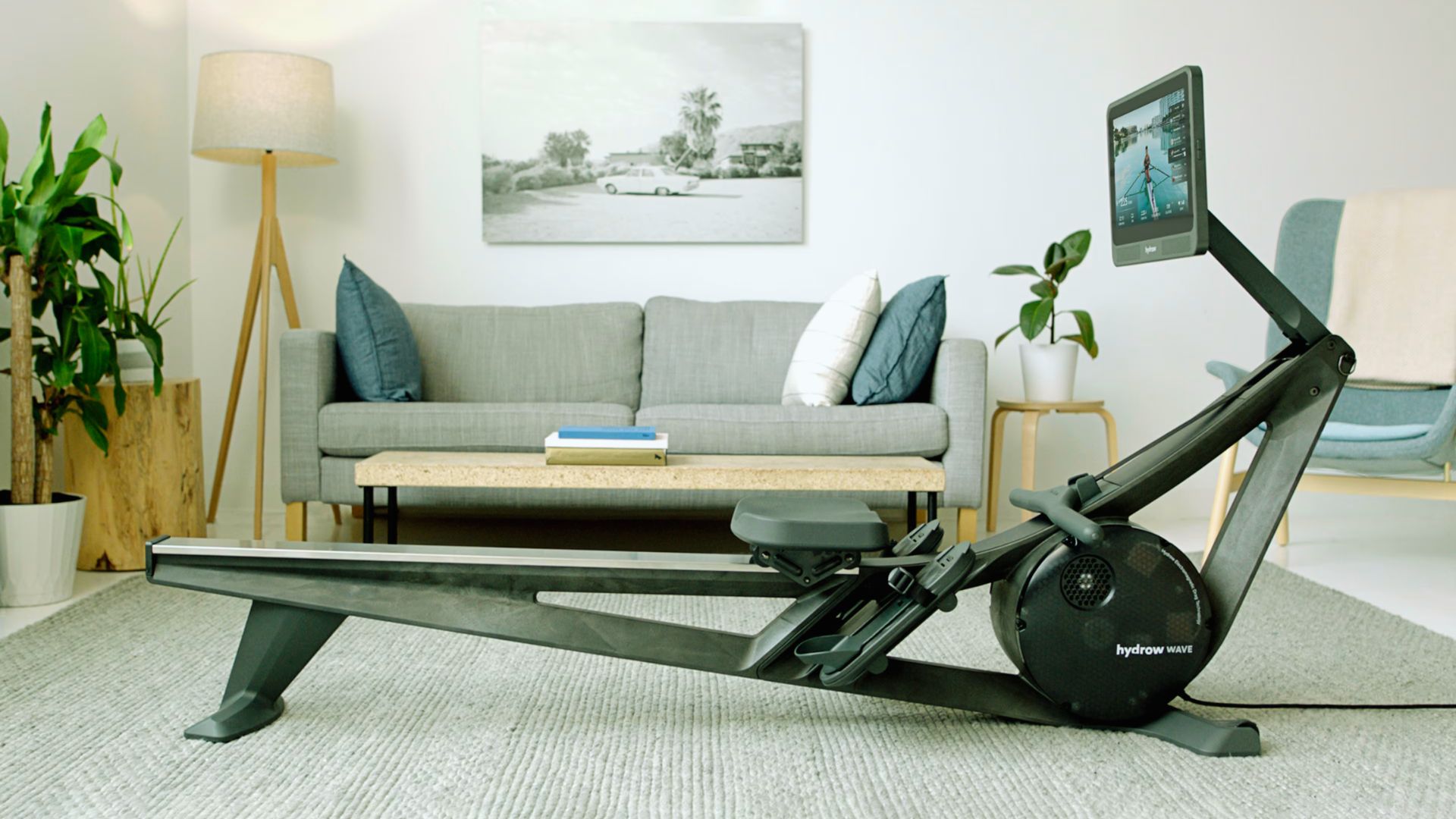
Machines guide your movement along a fixed path. They are safer for beginners and useful for isolating specific muscles without worrying too much about balance or coordination.
Lifting Belts
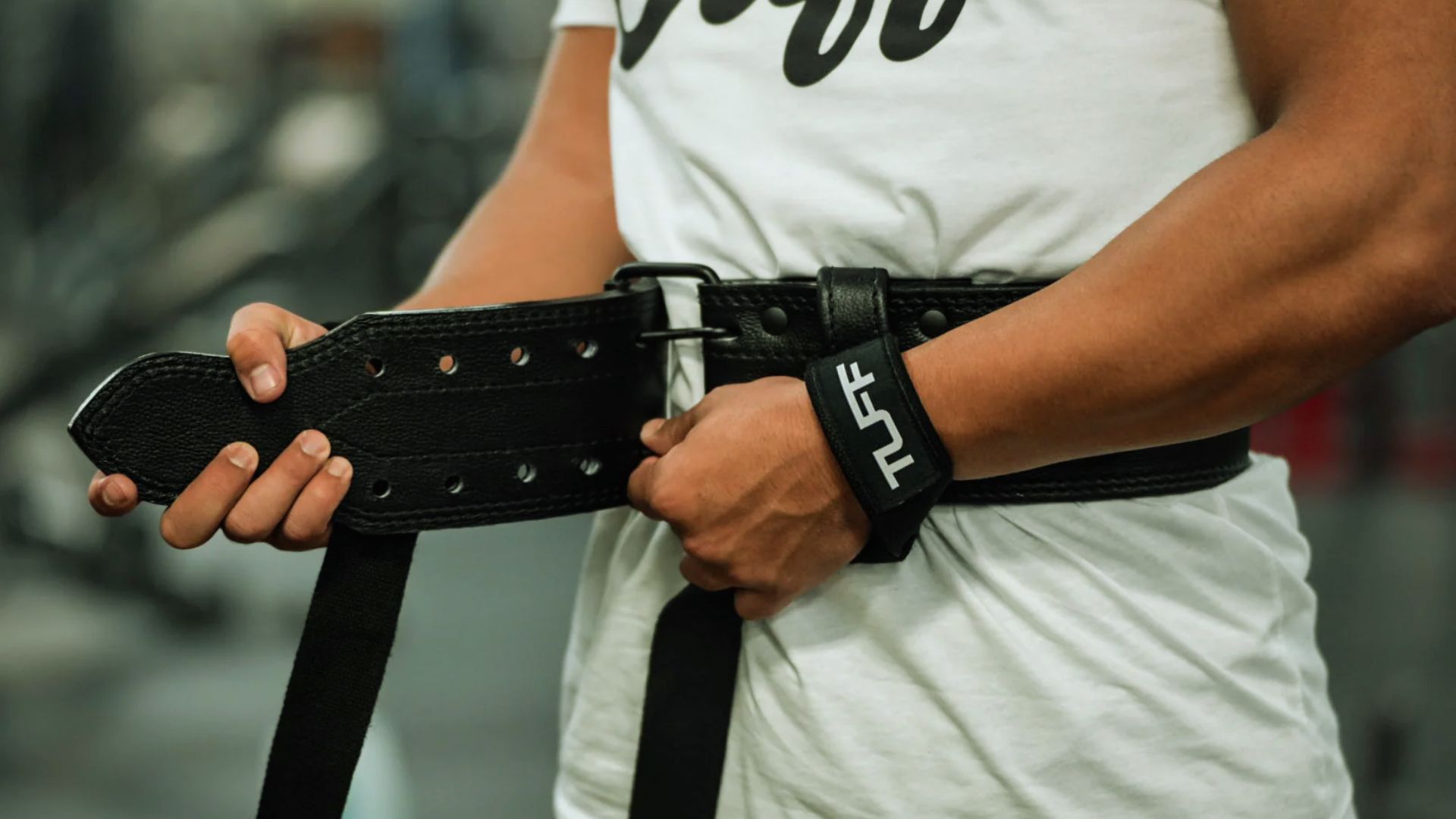
Lifting belts give your core extra support during heavy squats and deadlifts. They are not a crutch. They help you brace better under load and protect your lower back when the weight gets serious.
Straps
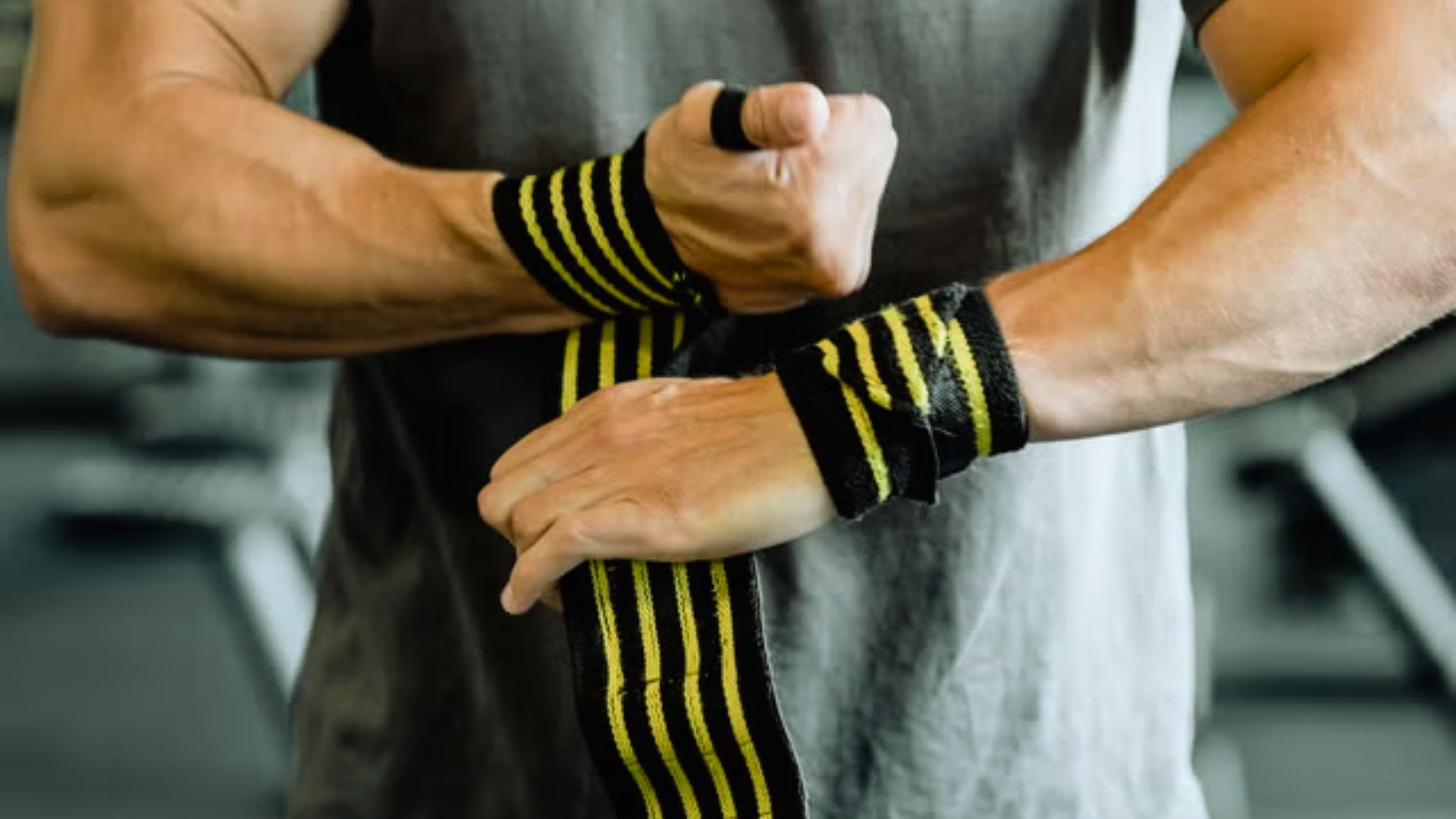
Straps wrap around your wrists and the bar. They take grip fatigue out of the equation during heavy pulling movements like rows and deadlifts, so your grip does not give out before your muscles do.
Clamps
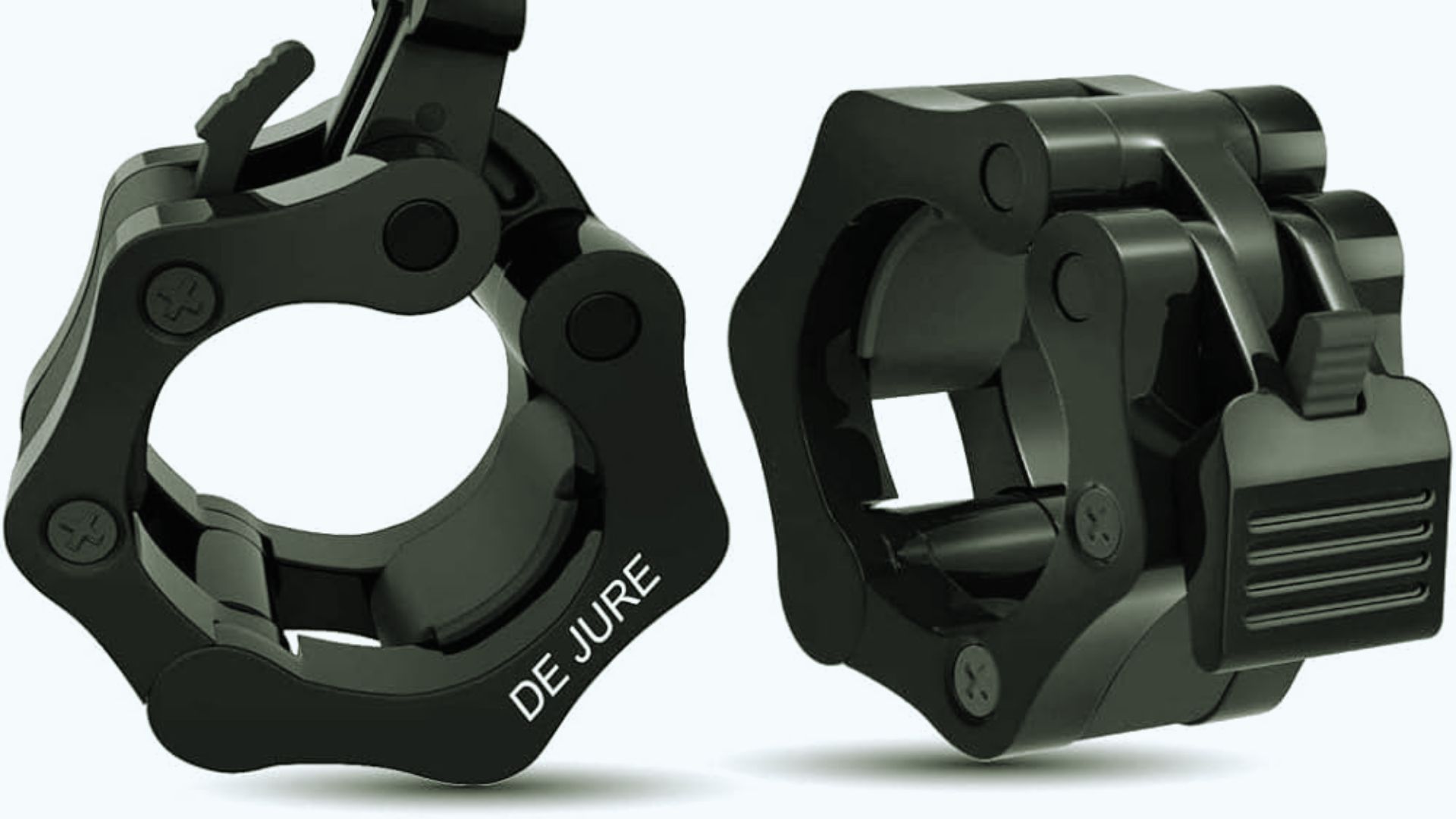
Clamps are collar clips that secure weight plates on a barbell. They keep plates from sliding during a set, which is a simple but important safety step that many beginners overlook.
How to Choose the Right Type of Lifting
Picking the right lifting style depends on two things: your goals and your experience level.
Based on Your Goals
If you want bigger muscles, go with bodybuilding. If you want to get as strong as possible, focus on powerlifting.
For fat loss, circuit training or functional training works well. If you want long-lasting stamina, high-rep endurance lifting is the way to go.
Based on Experience Level
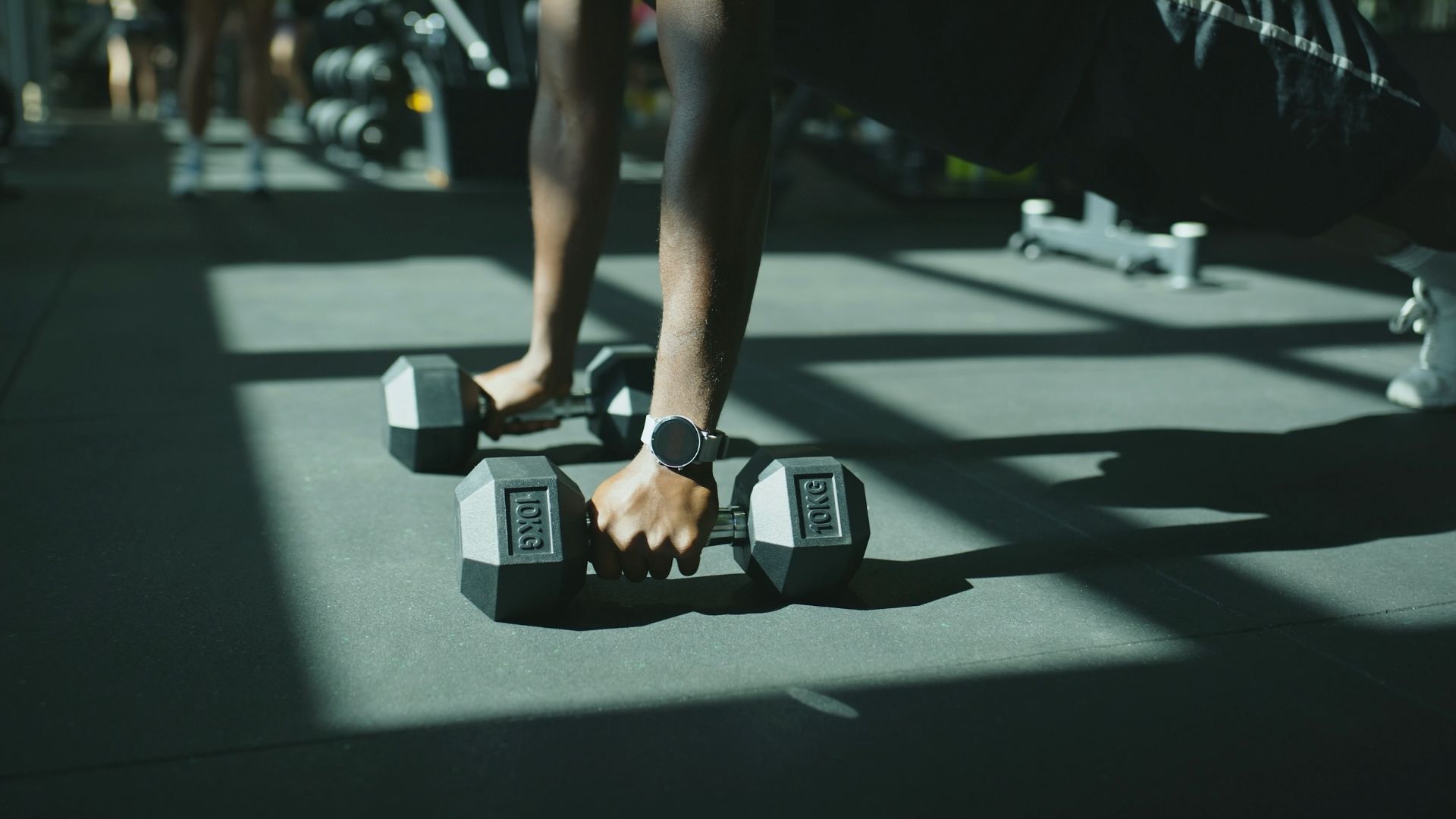
Beginners should start with the basics. Machines and dumbbells are a good entry point. Learn movement patterns before loading up.
Intermediate lifters can add barbells and start following structured programs. Advanced lifters can experiment with powerbuilding or Olympic lifting for new challenges.
Tips to Improve Your Lifting Results
Small habits done consistently always beat big efforts done randomly.
- Apply progressive overload by adding small amounts of weight or reps each week
- Show up consistently, even on days you do not feel motivated
- Prioritize sleep and recovery because muscles grow outside the gym
- Eat enough protein to support muscle repair and growth
- Mix different lifting styles over time to avoid plateaus and keep training fresh
Conclusion
I remember standing in the gym years ago, having no idea where to start. There were so many options and no clear direction.
Once I understood the different types of lifting and matched them to my goals, everything clicked.
You now have that same clarity. Pick a style that fits where you are today. Stay consistent and be patient with the process.
If this helped you, drop a comment below and share which lifting type you are going to try. And if you found this useful, share it with someone who needs a nudge to get started.
Frequently Asked Questions
What are the main types of lifting?
The seven main types are bodybuilding, powerlifting, Olympic lifting, circuit training, functional training, powerbuilding, and high-rep endurance lifting. Each targets a different goal.
Which type of lifting is best for beginners?
Bodybuilding and circuit training are great starting points. They use moderate weights and help you build good form without needing advanced technique.
Can I combine different types of lifting?
Yes. Many lifters mix styles like powerbuilding or functional training. Just make sure your recovery keeps up with the added work.
What equipment is needed for weight lifting?
Dumbbells, barbells, and machines cover the basics. Support gear like belts and straps become helpful as you lift heavier.
How often should I change lifting methods?
Every 8 to 12 weeks is a good rule. Changing too often slows progress, so give each method enough time to show results.