

Elliptical machines come in more varieties than most people realize. Standard, recumbent, lateral, and compact models all work differently.
I’ve spent years testing cardio equipment, and choosing the wrong type can waste your money and motivation.
This guide breaks down every elliptical type so you know exactly which one fits your space, budget, and fitness goals.
If you’re overwhelmed by options at the gym or shopping for your home, you’ll find clear answers here.
No confusing jargon. Just practical advice from someone who’s tried them all.
What Types of Ellipticals Are There?

Ellipticals differ in three main ways: design structure, drive system placement, and intended use. Some have moving handlebars for upper body work.
Others keep you seated for joint support. The drive system (front, center, or rear) changes how the machine feels when you stride.
Design structure impacts your workout. Fixed handlebars focus on the lower body only. Moving arms work your whole body. Recumbent models let you sit while exercising. Each design serves different fitness goals.
Drive system placement affects motion. Front-drive creates a climbing feel. Center-drive offers balanced, compact movement.
Rear-drive provides the smoothest, longest stride. Your height and comfort preferences matter here.
Key factors include: Stride length and motion pattern Handlebar design (fixed or moving) Flywheel position Weight capacity Footprint size Resistance type
Stride length matters for comfort. Taller users need longer strides to avoid choppy motion. Resistance types range from quiet magnetic systems to budget-friendly friction models.
Understanding these differences helps you avoid buyer’s remorse. Knowing what each type offers makes choosing much easier.
Different Types of Ellipticals Explained
Each elliptical type offers different benefits for your fitness goals and body needs.
Standard Elliptical Machines
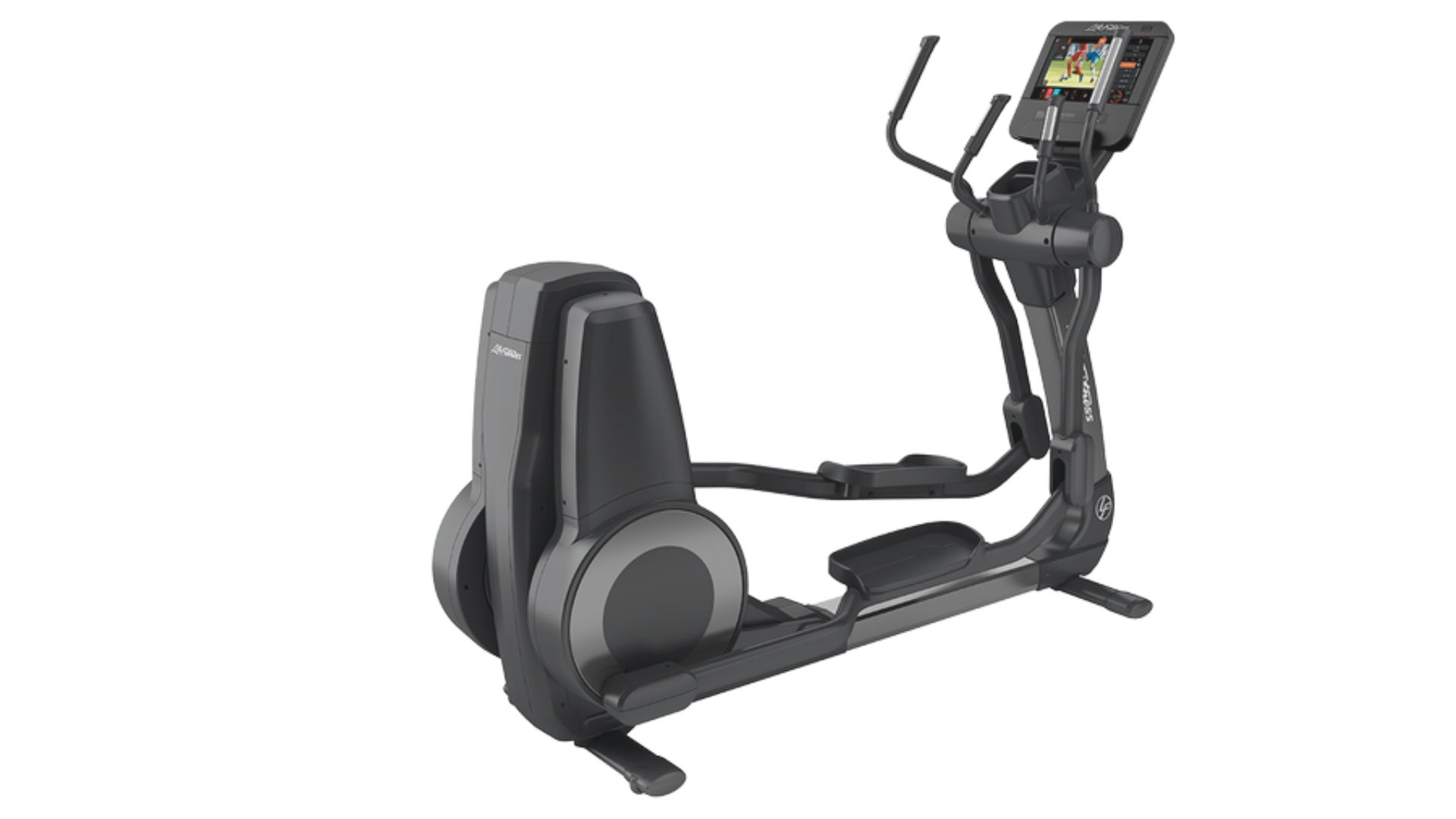
Basic fixed-handlebar design focuses on lower body cardio.
Standard ellipticals feature fixed handlebars and a basic forward-backward motion. Your feet move in an oval pattern while your hands grip stationary bars for balance.
Muscles worked: Quads, hamstrings, glutes, calves
Pros: Simple to use, affordable, widely available
Limitations: No upper body work, can feel repetitive
Elliptical Cross-Trainers

Moving handlebars engage your entire body for maximum calorie burn.
Cross-trainers add moving handlebars that push and pull as you stride. This works your chest, back, shoulders, and arms alongside your legs.
You burn more calories per session because you’re working more muscle groups. Heart rate stays higher compared to fixed-handlebar models.
Best for: General fitness, fat loss, people who get bored easily
Recumbent Ellipticals

Seated design with back support minimizes joint stress.
Recumbent models let you sit in a reclined seat while your legs move in an elliptical pattern. The seated position takes pressure off your knees, hips, and lower back.
Ideal for: Seniors, rehabilitation, people with arthritis or balance issues
Lateral Ellipticals

Side-to-side motion targets glutes and improves balance.
Lateral ellipticals move side to side instead of forward and backward. This mimics skating or lateral lunges.
Focus areas: Outer glutes, hip abductors, inner and outer thighs
Side-to-side movement strengthens muscles you use for balance and agility. Athletes and physical therapists love these for injury prevention. They’re harder to find but worth trying.
Elliptical Gliders

Lightweight, portable machines powered by your body weight.
Gliders skip the flywheel and motor entirely. Your body weight creates resistance as you step and glide. No electricity required.
Portability benefits: These fold up and weigh around 30-50 pounds. Perfect for apartments or people who travel frequently.
Types of Elliptical Machines by Drive System

Drive system placement changes stride feel, machine footprint, and body posture while exercising on front, center, or rear-drive models.
Front-Drive Ellipticals
Flywheel at the front creates a vertical, stair-climbing motion.
The flywheel sits at the front of the machine, near the console. This creates a more upright, slightly inclined stride that mimics climbing stairs.
Good for targeting quads and glutes with extra intensity. Front-drive models tend to be more compact and fit well in smaller home gyms.
Center-Drive Ellipticals
A flywheel between your feet offers the most balanced, natural stride.
Center-drive machines place the flywheel between your feet. This creates a centered design with the smallest footprint of all elliptical types.
Your body stays aligned vertically with less stress on hips and knees. Brands like Precor pioneered this design. They cost more but feel smoother. I prefer these for longer workouts.
Rear-Drive Ellipticals
Traditional flywheel placement at the back provides the longest, smoothest stride.
Traditional ellipticals put the flywheel at the back. This is the most common design you’ll see in gyms.
The ellipse shape is flatter and more extended. You stand straighter compared to front-drive models, which helps people with back issues. Most commercial gyms stock rear-drive models.
Types of Ellipticals at Planet Fitness

Planet Fitness locations typically stock cross-trainers, rear-drive, and center-drive ellipticals from brands like Precor and Life Fitness models.
Elliptical Machines Commonly Found at Planet Fitness
Cross-trainers: Moving handlebar models for full-body work. Usually 10-15 machines are available.
Rear-drive ellipticals: Traditional smooth-stride machines. Most common type on the floor.
Center-drive ellipticals: Newer compact models in updated locations.
Most Planet Fitness gyms have 20-30 total ellipticals. They’re rarely all in use, even during peak hours.
Which Planet Fitness Elliptical Is Best for Beginners?
Start with rear-drive ellipticals. They offer the most natural motion and easiest learning curve. The stride feels smooth right away.
Avoid lateral machines at first. The side-to-side motion takes practice and balance.
Try cross-trainers after a few sessions. Once you’re comfortable with the leg motion, add the arm movement.
I always direct new gym members to the rear-drive models first. You’ll build confidence faster.
How to Choose the Right Elliptical for Your Needs
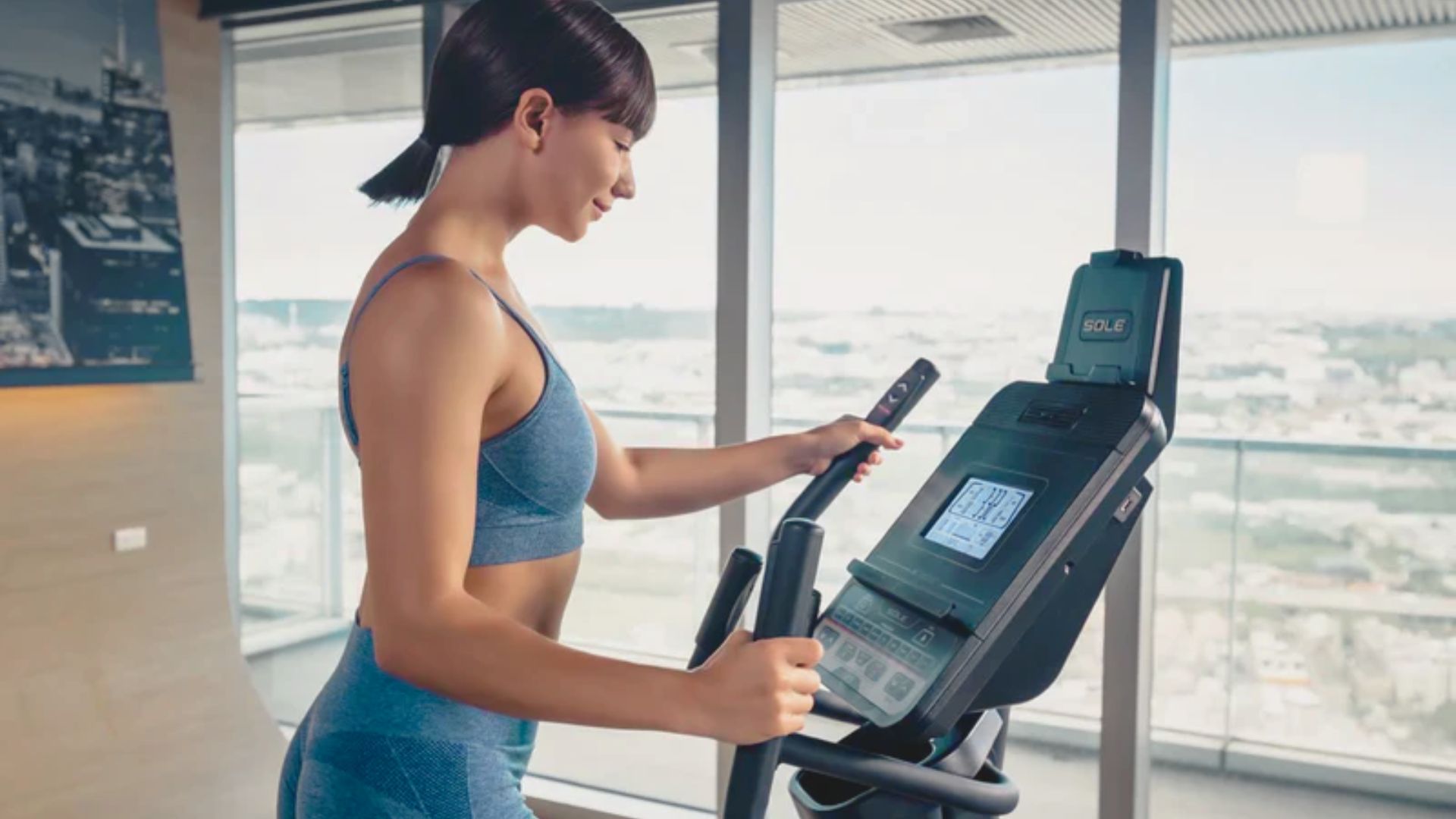
Match elliptical type to your fitness goals, available space, budget, and comfort needs for better workout consistency and results.
Choose Based on Fitness Goals
Your workout objectives determine which elliptical type delivers the best results.
Weight loss: Cross-trainers burn the most calories. Aim for 30-45 minute sessions at moderate intensity.
Cardio endurance: Standard or rear-drive machines let you maintain steady pace for longer periods.
Rehabilitation and joint safety: Recumbent ellipticals provide the lowest impact. Center-drive models also reduce joint stress.
Choose Based on Space and Budget
Measure twice, buy once to avoid costly mistakes.
Home vs commercial use: Commercial machines cost $2,000-$8,000. Home models run $300-$2,000.
Compact vs full-size machines: Full-size models need 6-8 feet of floor space. Compact versions fit in 4-5 feet.
Measure your space before shopping. I learned this the hard way when a machine didn’t fit through my basement door.
Choose Based on Comfort and Ergonomics
The right fit prevents injury and keeps you coming back for more workouts.
Stride length: Taller people (over 6 feet) need 20-22 inch stride lengths. Shorter users do fine with 18-20 inches.
Pedal spacing: Narrow Q-angle (distance between pedals) reduces hip strain. Look for 2-6 inch spacing.
Handlebar design: Test both moving and fixed handlebars. Some people feel awkward with the arm motion.
Always test an elliptical before buying. What feels smooth to me might feel clunky to you.
Conclusion
You now know the differences between every elliptical type. Match the machine to your goals. Need joint support? Go recumbent. Want full-body work?
Choose a cross-trainer. Limited space? Try compact or center-drive models. I’ve made the mistake of buying the wrong equipment before.
Taking time to research saves money and frustration. Test machines at a gym before committing to a purchase.
Your body will tell you which type feels right. Start with 15-minute sessions and build up gradually. Drop a comment below about which elliptical type you’re considering!
Frequently Asked Questions
What Are the Different Types of Ellipticals?
The main types include standard, cross-trainer, recumbent, lateral, and glider models. They differ by handlebar design, motion pattern, and drive system placement (front, center, or rear flywheel).
Which Type of Elliptical Is Best for Weight Loss?
Cross-trainers with moving handlebars burn the most calories because they engage both upper and lower body muscles. Combine 30-45 minute sessions with a calorie deficit for best results.
Are Recumbent Ellipticals Effective?
Yes, recumbent ellipticals provide effective low-impact cardio while supporting your back and joints. They’re particularly helpful for rehabilitation, seniors, or anyone with mobility limitations who needs seated exercise options.
Which Elliptical Is Best for Beginners?
Rear-drive ellipticals offer the smoothest, most natural motion for beginners. Start with fixed handlebars to master the leg movement before trying cross-trainers with moving arms.
How Much Space Do I Need for an Elliptical?
Full-size ellipticals need 6-8 feet of length and 3 feet of width. Compact or center-drive models fit in 4-5 feet of space. Always add 2 feet of clearance around the machine for safety.


