

If you have ever felt slow off the ground or weak in your lifts, triple extensions might be the missing piece. I have worked with runners and lifters who made big gains just by fixing this one movement pattern.
In this article, I will show you what triple extensions are, why they matter for both runners and lifters, and how to get better at them. You will also find simple drills and tips you can use right away.
This is practical, honest information backed by real training experience. No fluff, just what works.
What Are Triple Extensions?

A triple extension happens when the hip, knee, and ankle all straighten at the same time. This creates a powerful push through the ground and is one of the most important movements in athletic performance.
Three joints work together to make it happen. The hip drives the body forward, the knee adds force, and the ankle pushes down through plantar flexion, which is like pressing the toes down into the ground.
You see this pattern in running, jumping, sprinting, and Olympic lifts like the snatch and clean.
Why Triple Extensions Matter for Runners?
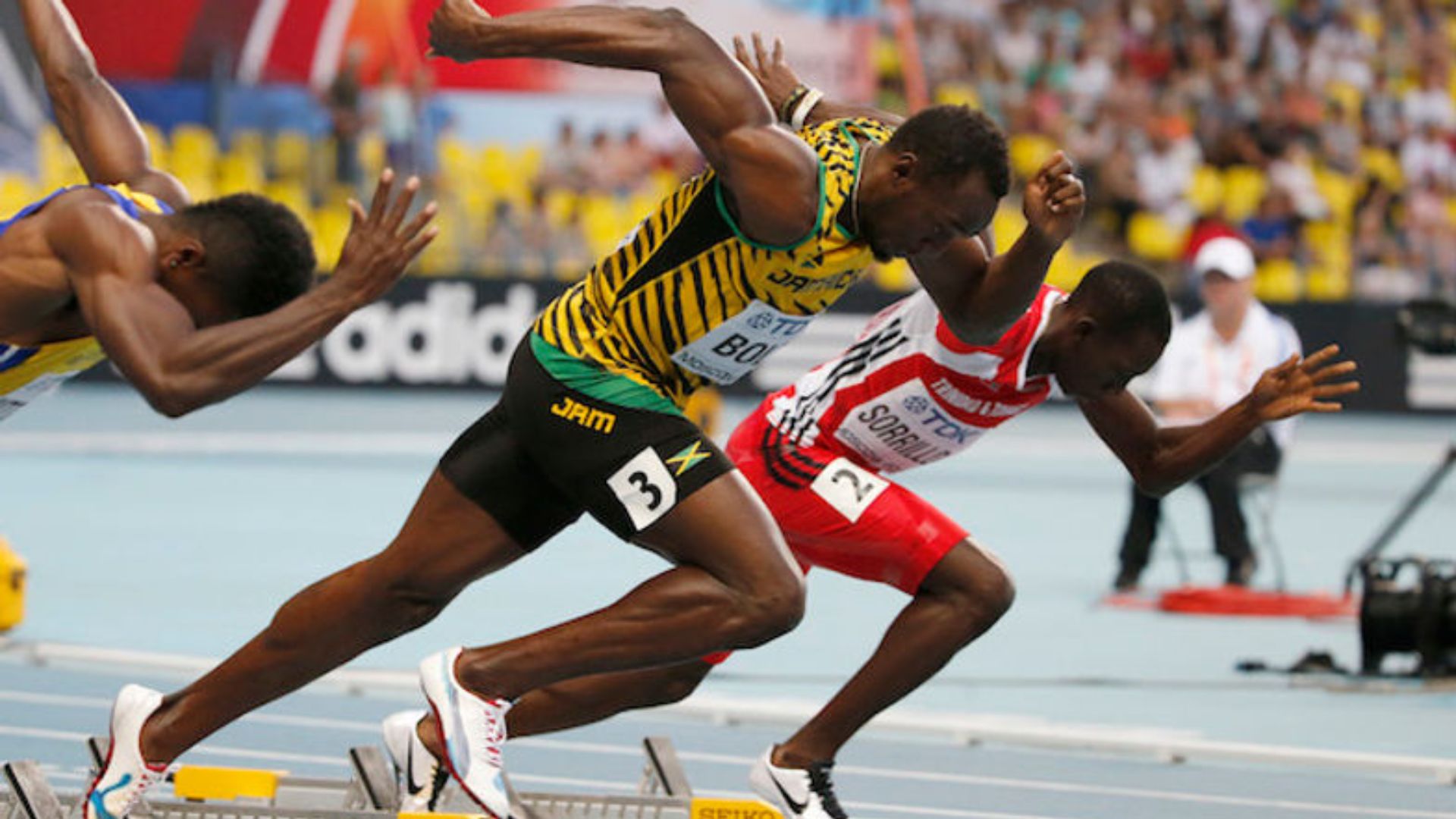
Every running stride has two parts. First, your leg absorbs the impact of landing. Then it pushes off to move you forward. During that push-off, your hip, knee, and ankle all extend at once, like a spring releasing stored energy. That is where triple extensions do their work.
A strong, full triple extension means more power with each stride and less energy wasted per step. Runners who train this often feel lighter and faster on their feet.
It also spreads the load across three joints instead of one, which takes pressure off the hamstrings, knees, and Achilles tendon and lowers the risk of injury over time.
Why Triple Extensions Matter for Lifters?

In weightlifting, triple extensions are what drive the bar upward. Without them, lifts fall apart.
Role in Olympic Lifting
In the snatch and clean, the goal is to get the bar as high as possible. A full triple extension creates the upward force needed to do that. It also helps with timing, so you can get under the bar at the right moment.
Power Transfer from Lower Body to Barbell
The power starts at the ground and moves up through the legs, hips, and core before reaching the bar. This is called core-to-extremity sequencing. The better your triple extension, the more force goes into the bar in a straight, vertical line.
Common Errors in Lifting
Many lifters pull with their arms too early before the hips fully extend. This cuts the power short. Others stop at the hips before the ankles fully push through. A forward bar path is another sign that the triple extension is incomplete. All of these errors reduce how much weight you can lift safely.
Biomechanics Behind Triple Extensions

The body works like a spring during triple extensions. Knowing how it works helps you train it better.
The “Spring” Mechanism
When your joints bend during landing or the start of a lift, they store energy. When all three joints extend at once, that energy gets released in one powerful burst. This is why the timing of the extension matters so much.
Muscle Groups Involved
Several large muscle groups work together during triple extensions. The glutes drive hip extension. The hamstrings support the hip and knee. The quadriceps straighten the knee.
The calves push the ankle into plantar flexion. All four groups must fire in the right order for the movement to work well.
Importance of Synchronization
If one joint extends before the others, power leaks out of the movement. When all three joints extend at the same time, you get the most force possible.
Training synchronization takes practice, but it pays off in both running and lifting.
Common Limitations That Affect Triple Extensions

Some physical limitations can hold back a full triple extension. Identifying them is the first step to fixing them.
Tight Hip Flexors
When the hip flexors are tight, the hip cannot fully extend. This cuts the movement short and reduces power. Many people who sit for long periods deal with this issue.
Weak or Inactive Glutes
The glutes are the main engine of hip extension. When they are weak or not firing well, the push-off loses force. This is one of the most common problems in both runners and lifters.
Limited Ankle Mobility or Calf Strength
If the ankle cannot move through its full range, the push-off phase is incomplete. Weak calves also reduce how much force you can put into the ground. Both issues affect speed and lifting performance.
How to Improve Triple Extensions?
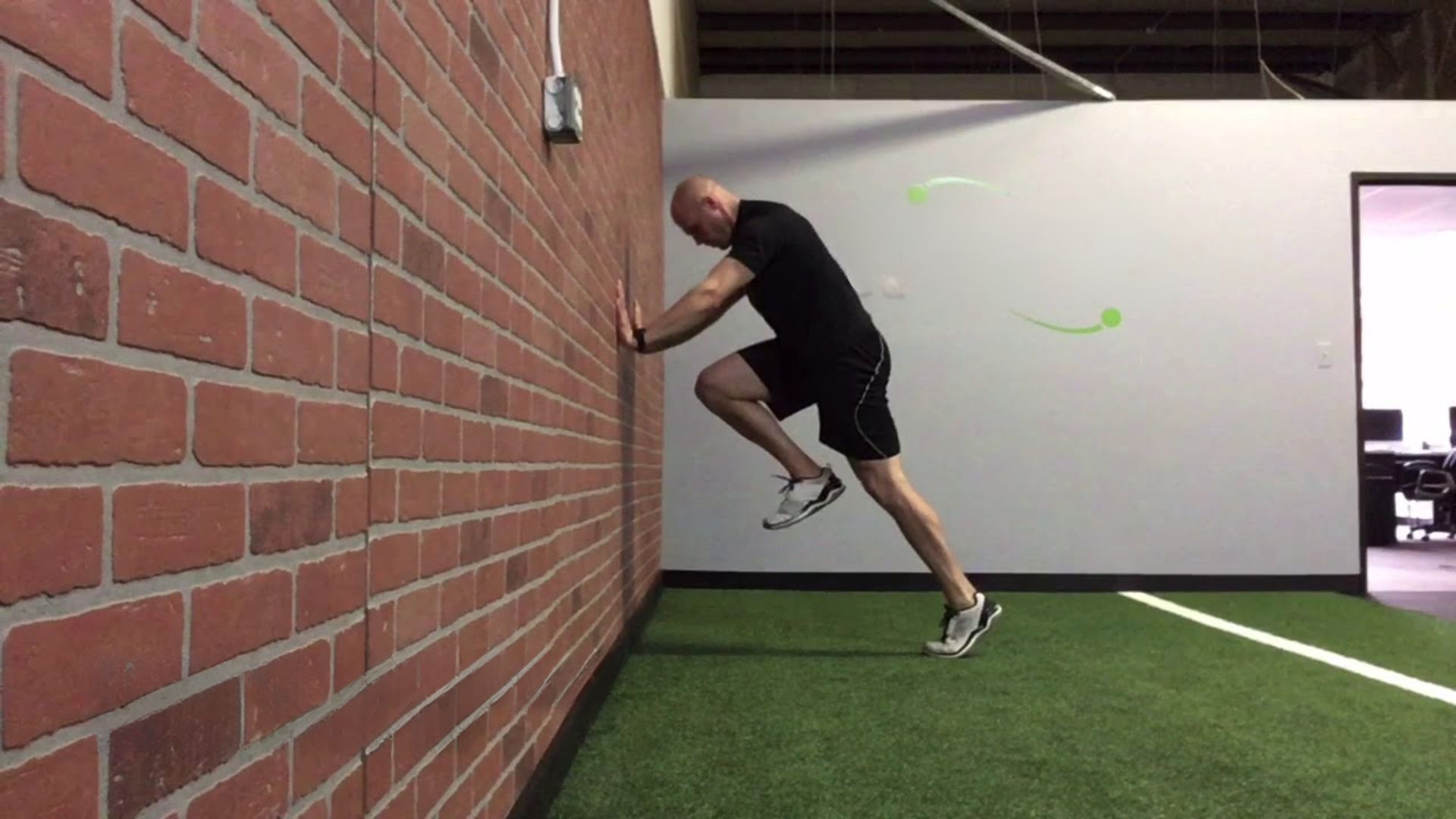
Building better triple extensions comes down to three things: mobility, strength, and power drills.
Start with hip flexor stretches and ankle mobility drills like ankle circles and wall stretches. Do these daily to free up the range of motion you need for a full extension.
For strength, focus on single-leg glute exercises like Bulgarian split squats or single-leg hip thrusts. Add hamstring curls, Romanian deadlifts, and weighted calf raises to build push-off power from the ground up.
Once the strength is there, practice bounding, box jumps, high skips, and Olympic lift variations to train all three joints to fire together. Start slow, get the form right, then build up the intensity over time.
Practical Tips to Improve Triple Extensions
Small changes in how you train can make a big difference in how well your triple extension performs.
- Push straight up during drills and lifts, not forward. This keeps the force moving in the right direction and gets more out of each rep.
- Train one leg at a time to match the demands of running. Single-leg work builds balanced strength and catches weaknesses on each side.
- Activate your glutes before every workout with glute bridges or clamshells. Warm glutes fire better and drive more power through the hip.
- Build calf strength to handle the high forces that come from the ground during sprinting or lifting. Weak calves cut the push-off short every single time.
- Keep up with daily mobility work so your range of motion stays intact over time. Tight hips and stiff ankles are the fastest way to lose a full extension.
Conclusion
Triple extensions are one of the most powerful movement patterns in both running and lifting. Once you understand how the hip, knee, and ankle work together, everything starts to make more sense.
I remember the first time I felt a clean triple extension in a lift. The bar moved faster than it ever had. That one moment showed me how much this pattern matters.
If you focus on mobility, build your strength, and practice the right drills, you will feel the difference too. Drop a comment below and share your biggest challenge with this movement.
Frequently Asked Questions
What exactly is a triple extension in simple terms?
A triple extension is when your hip, knee, and ankle all straighten at the same time. This happens during explosive movements like running, jumping, and weightlifting.
Can beginners work on triple extensions?
Yes, beginners can start with mobility and basic strength exercises to build the foundation. Simple drills like calf raises, glute bridges, and box jumps are good starting points.
How long does it take to improve triple extensions?
With consistent training, most people notice improvements in four to eight weeks. Mobility and strength work done regularly speeds up the process.
Do triple extensions only matter for Olympic lifters?
No, they matter for anyone who runs, jumps, or plays sports. Runners especially rely on this pattern with every single stride they take.
What is the most common mistake people make with triple extensions?
The most common mistake is not fully extending the hips before moving to the next phase. Weak glutes and tight hip flexors are usually the reason this happens.


