

Dealing with a torn oblique is frustrating, especially when you don’t know what to expect.
I’ve been through painful muscle injuries myself, and the hardest part is not knowing how long it lasts or what you’re even supposed to do.
It messes with your workouts, your daily routine, and honestly your mood too.
This blog breaks down everything you need to know including what a torn oblique is, how long recovery takes, what to avoid, and how to manage it step by step.
Let’s get you on the right track.
What Is a Torn Oblique?
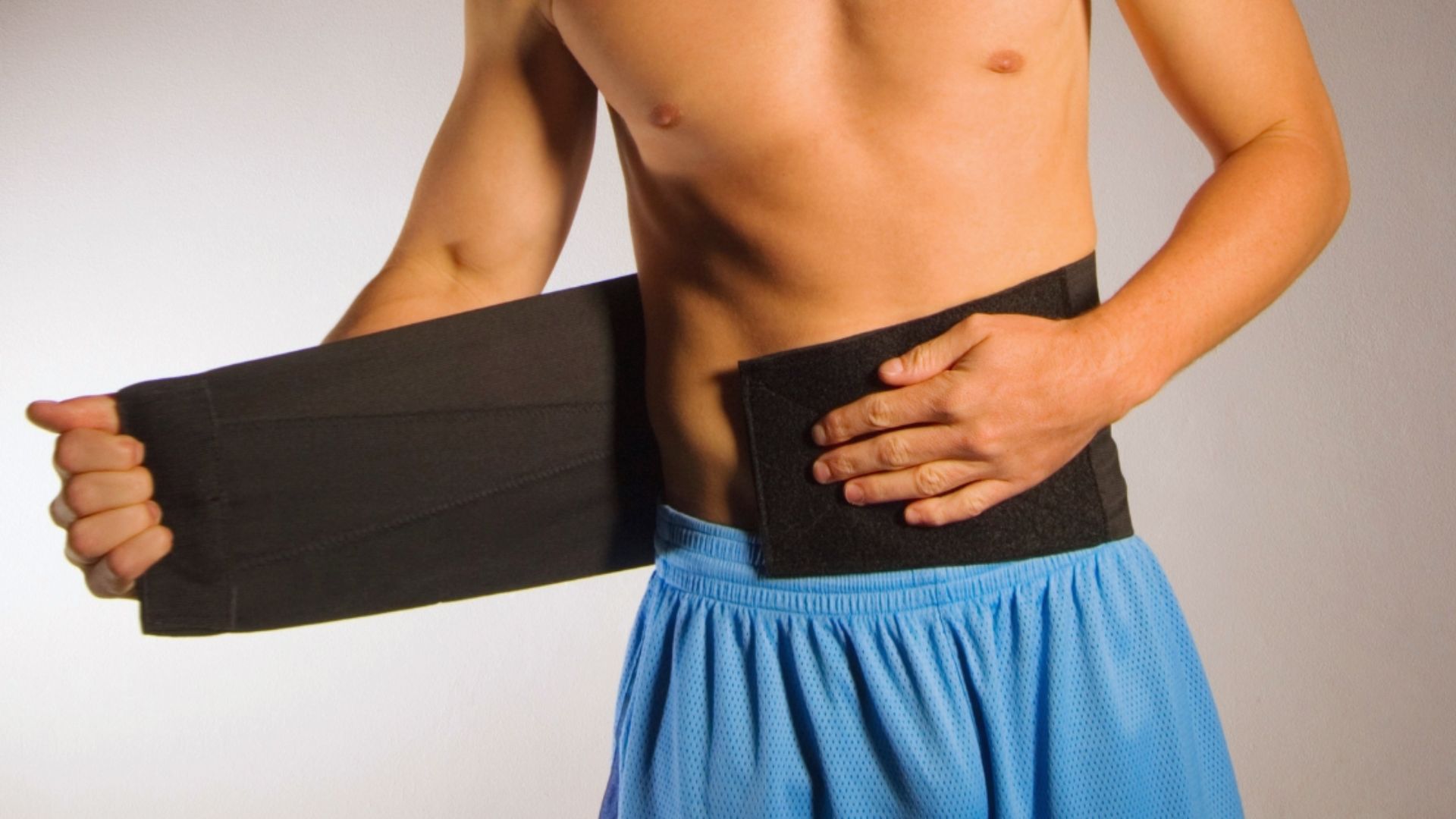
Your oblique muscles run along the sides of your abdomen. They help you twist, bend, and rotate your torso.
A torn oblique happens when these muscle fibers get overstretched or torn from sudden movement, heavy lifting, or intense sport activity.
The tear can be partial or complete. It directly affects how well you move, breathe deeply, or even sit up.
Daily tasks like turning in bed or reaching for something can become painful. Understanding what’s going on inside helps you take the right steps toward healing.
Torn Oblique Symptoms
Knowing the symptoms early can help you get the right care before things get worse.
- Side abdominal pain that feels sharp or deep on one side of your torso
- Pain with twisting or bending that gets worse when you rotate your upper body
- Pain during physical activity like running, lifting, or even coughing hard
- Muscle tightness or spasm along the side of your abdomen that won’t ease up
- Swelling or bruising near the injury site within the first 24 to 48 hours
If you’re seeing more than one of these signs, it’s time to stop and get it checked out.
Torn Oblique Recovery Time

Recovery time depends on how bad the tear is, but most people heal fully with the right approach.
Mild vs. Severe Tear Timeline
A mild oblique strain usually heals in two to four weeks. A moderate tear can take six to eight weeks.
A severe or complete tear may need three to six months.Surgical cases take even longer.
The difference comes down to how many fibers were damaged and how well you rest in the first few days. Starting recovery too soon makes it worse.
Average Healing Time
Most people with a partial tear recover in four to six weeks. Full tears take longer, sometimes up to three to six months.
I always tell people not to rush this. Healing on paper and feeling ready to move are two different things.
Your body gives clear signals when it’s ready. Pain during normal movement means you’re not there yet.
Factors That Affect Recovery
Several things slow or speed up how fast you heal. Age plays a role. Older muscles take more time.
Your activity level before the injury matters too. So does how quickly you started treatment. Nutrition, sleep, and stress levels all affect tissue repair.
Returning to activity too early is the number one reason people re-injure themselves. Give your body the time it actually needs.
How a Torn Oblique Affects Physical Activity

A torn oblique changes what your body can safely do, and knowing the limits protects you from making it worse.
Activities to Avoid
Stay away from heavy lifting, twisting movements, and core-intensive workouts. Avoid sports like golf, tennis, baseball, or anything that involves rotation.
Sit-ups, crunches, and planks are off-limits too. Even carrying grocery bags can strain the injury. During the first two weeks especially, less is more.
Doing too much too soon is the fastest way to turn a six-week recovery into a three-month one.
Safe Activities During Recovery
Walking at a gentle pace is usually fine after the first few days. Light stretching that doesn’t involve rotation can help.
Swimming may be okay later in recovery if cleared by a doctor. The goal during this phase is to stay mobile without stressing the tear.
Listen to your body closely. Any sharp or pulling pain during an activity means stop immediately and rest.
When to Return to Exercise
You can start returning to light exercise once you’re pain-free during normal daily movement. This usually happens around weeks four to six for mild tears.
Start slow. Test low-impact movements first before adding resistance or rotation. A physical therapist can guide your return safely.
Don’t base your timeline on how you feel one good morning. Consistent pain-free movement over several days is the real green light.
Management Strategies for Torn Oblique Recovery

Managing your recovery well from day one makes a real difference in how fast and fully you heal.
Rest and Activity Modification
Rest doesn’t mean lying in bed all day. It means stopping the activities that caused or worsen the pain. Modify how you sit, stand, and sleep.
Use a pillow to support your side when resting. Ice the area for 15 to 20 minutes a few times a day in the first 48 hours.
After that, gentle heat can ease stiffness. The goal is to protect the tissue while it repairs itself.
Gradual Return to Movement
Once the sharp pain fades, gentle movement helps prevent stiffness and speeds recovery. Start with short walks.
Add light stretching over time. Slowly reintroduce daily tasks. Don’t go back to your full routine all at once.
A gradual approach builds confidence and keeps re-injury risk low. Think of it as a step-by-step process. Small wins each week add up to a full recovery faster than rushing.
Physical Therapy and Rehabilitation
A physical therapist gives you a structured plan that fits your exact injury. They help rebuild strength in your core without putting too much load on the healing tissue.
Therapy usually includes breathing exercises, gentle activation drills, and progressive strengthening.
It’s one of the best investments you can make in your recovery. Skipping this step often leads to weakness and a higher chance of getting hurt again.
When to Return to Sports or Exercise
Here’s what to look for before going back to full activity:
- Zero pain during daily movement like walking, bending, and breathing deeply
- Full range of motion with no pulling or sharp sensation when you twist or reach
- Core strength restored so light exercises feel stable and controlled
- Medical or therapist clearance confirming your tissue has healed enough
- Gradual sport-specific testing starting with low-intensity versions before going full speed
Getting all five of these boxes checked means your body is actually ready, not just feeling okay on a good day.
Conclusion
A torn oblique slows you down, but it doesn’t stop you. The key is giving your body the time it actually needs.
Don’t rush. Don’t skip steps.
I’ve been through painful recoveries myself. Patience always wins.
Leave a comment below with your questions or progress. Share this post with a friend dealing with the same thing.
More helpful content is waiting for you right here on the blog.
Frequently Asked Questions
How long does a torn oblique take to heal?
Mild tears heal in two to four weeks. Severe tears can take three to six months.
Can I still walk with a torn oblique?
Yes, light walking is safe as long as it doesn’t cause pain.
What does a torn oblique feel like?
A sharp, stabbing pain on the side of your abdomen that gets worse when you twist or bend.
Do I need surgery for a torn oblique?
Rarely. Most tears heal with rest, physical therapy, and a slow return to activity.
When should I see a doctor for oblique pain?
See a doctor if the pain is severe, doesn’t improve in a few days, or comes with swelling or bruising.


