

I know how frustrating it is to feel that sharp ache at the top of your knee mid-squat. It stops your workout cold. I have been there, and I want to help you fix it.
In this article, I will cover the main causes of top knee pain when squatting, why squats put pressure on that area, warning signs to watch for, and practical ways to fix and prevent the pain.
I have researched this thoroughly so you don’t have to guess anymore. Let’s get into it.
Understanding Top of Knee Pain During Squats
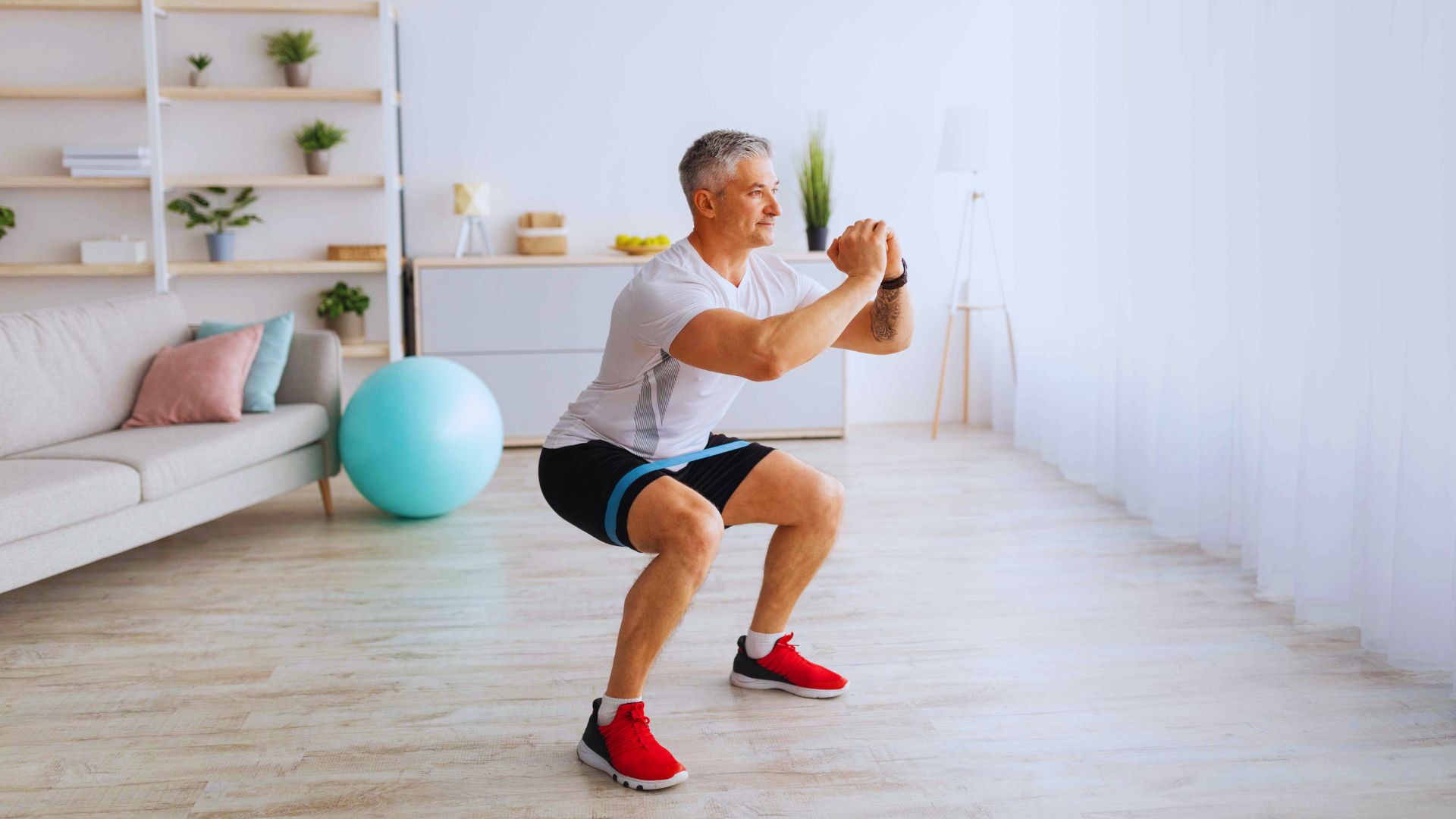
The top of the knee, the area just above the kneecap, holds important tendons and soft tissue. When you squat, this area takes a lot of load.
Pain here is often a sign that something is being overworked or not moving correctly.
The quadriceps tendon runs right through this spot. Every time you bend and straighten your knee, that tendon is working hard. Add weight to the movement and the stress increases fast.
It is not always serious, but it should not be ignored. Understanding what is happening is the first step to fixing it.
Why Squats Put Pressure on the Top of Your Knee
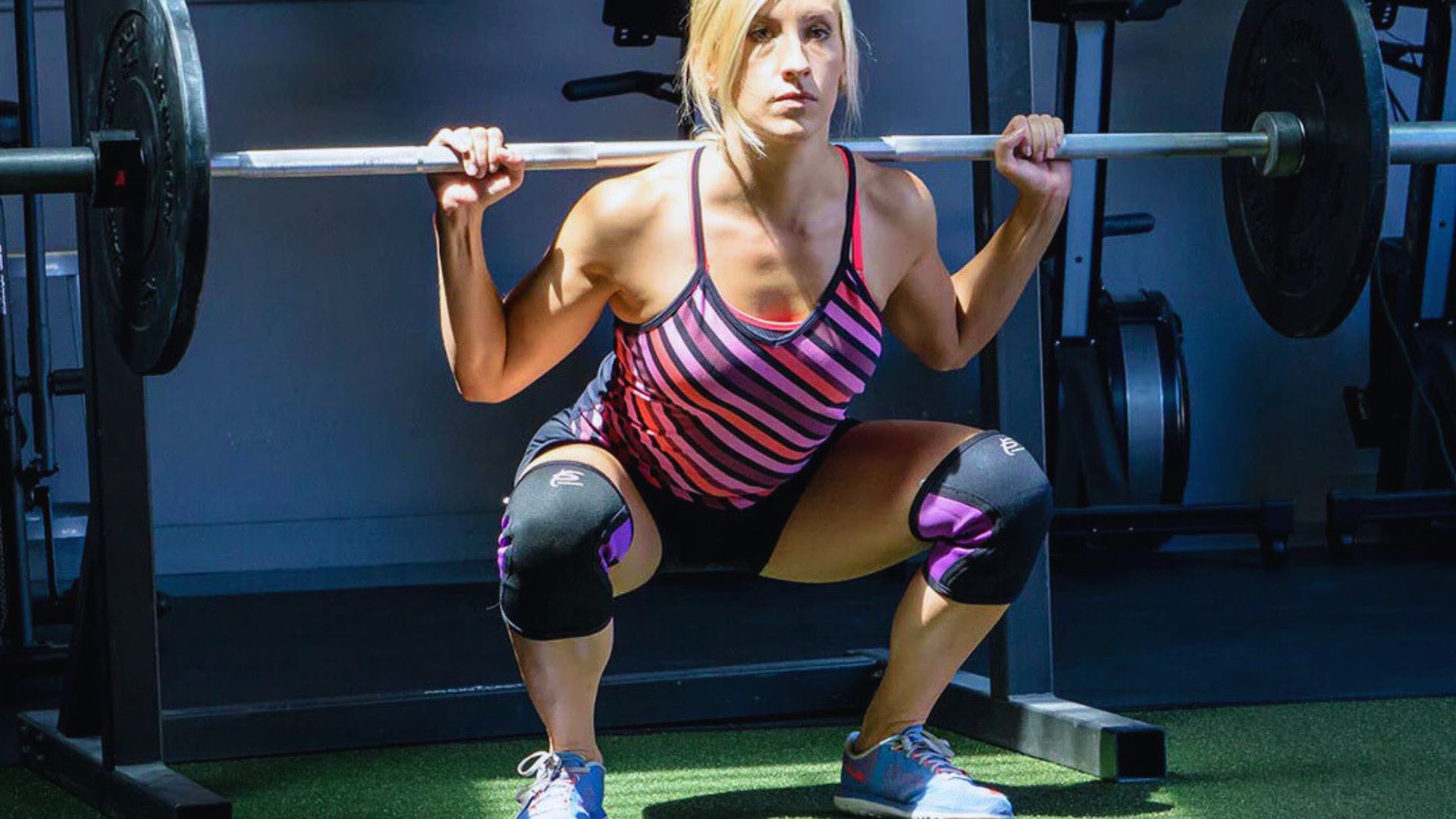
Squats are a demanding movement that loads the knee in specific ways.
Role of the Quadriceps in Knee Movement
Your quads are the main engine during squats. They control how you lower down and push back up.
All that force passes through the quadriceps tendon at the top of the knee. The more load, the more stress on that tendon.
Increased Load During Deep Squats
Going deeper in a squat increases the bend in your knee. This raises the tension on the quad tendon.
If your mobility is limited or your form breaks down, the stress becomes uneven. That is when pain starts.
Impact of Poor Mobility (Hips and Ankles)
Limited hip or ankle mobility forces your knees to compensate. When your ankles can’t flex properly, your knees cave in or shoot forward.
This puts extra strain on the top of the knee with every rep.
Common Causes of Top of Knee Pain When Squatting
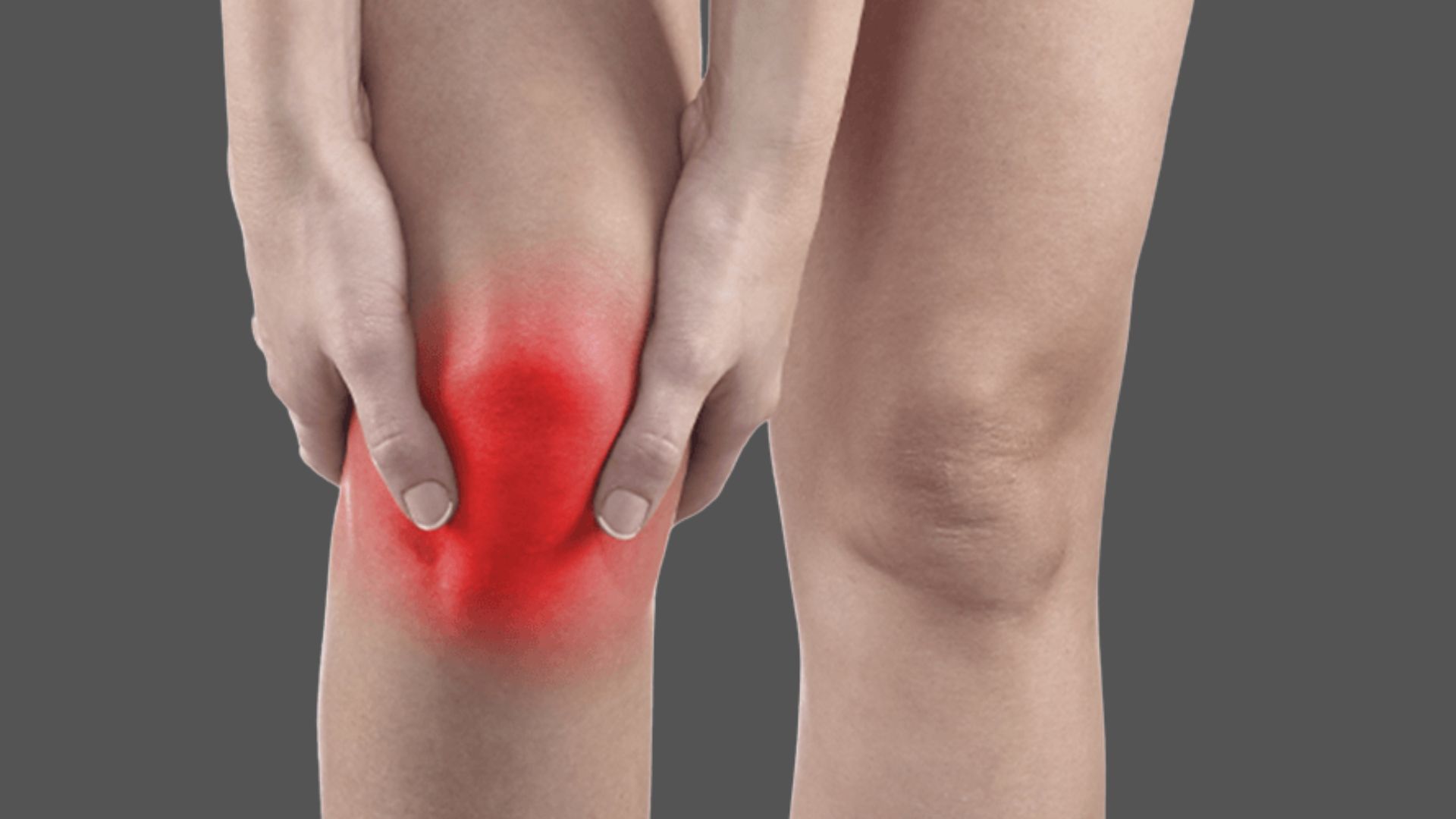
Several factors can trigger pain above the kneecap during squats.
Quadriceps Tendinitis (Pain Above Kneecap)
This is one of the most common causes. The quadriceps tendon connects the quad muscles to the top of the kneecap.
When this tendon gets irritated from overuse, it becomes inflamed. Squatting puts direct stress on it. You will feel a dull or sharp pain right above the kneecap.
Tight Quads and Hip Flexors
Tight quad muscles pull on the kneecap constantly. This creates tension at the top of the knee.
If your hip flexors are also tight, your squat form suffers. The knee then compensates, and pain follows.
Weak Glutes and Muscle Imbalances
When your glutes are weak, your quads take over. This puts too much pressure on the front of the knee. Muscle imbalances are a very common and overlooked cause of knee pain in squats.
Patellar Tracking Issues
The kneecap should glide smoothly in a groove as you bend and straighten your leg. If it shifts slightly due to muscle tightness or weakness, the surrounding tissue gets stressed.
This can cause pain at the top or around the kneecap.
Early Inflammation or Joint Stress
Sometimes the pain is a sign of early-stage inflammation. This can happen from training too hard, too fast. Your body is telling you to slow down and recover.
Signs Your Knee Pain May Be More Serious
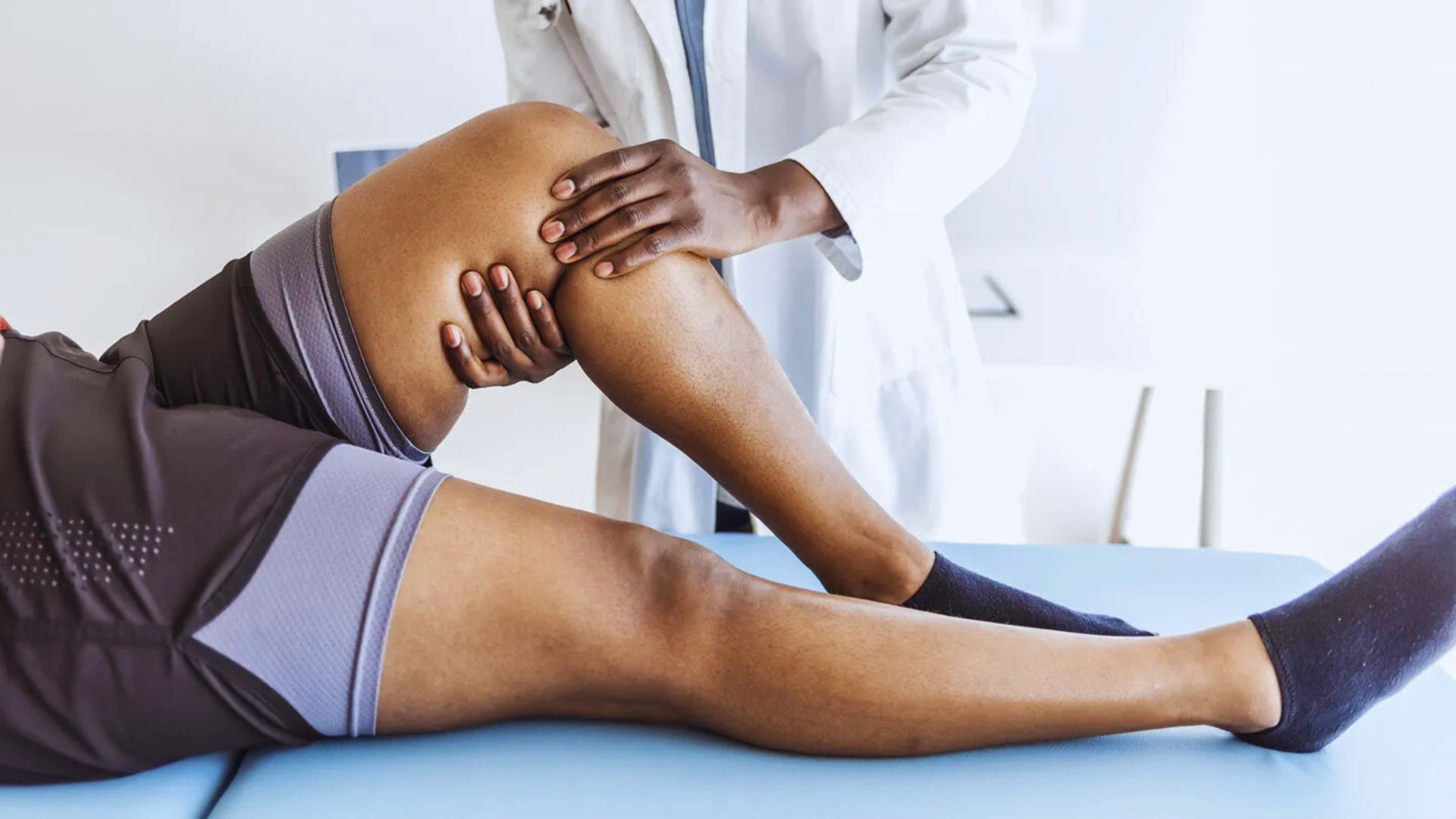
Not all knee pain is mild. Knowing the difference can protect you long term.
Sharp Pain vs Dull Ache
A dull ache that comes after exercise is usually manageable. A sharp, sudden pain during movement is a red flag.
If the pain is intense or stops you mid-rep, see a professional before continuing.
Swelling or Stiffness
Visible swelling around the kneecap or stiffness that doesn’t go away after warming up needs attention. This could point to tendon damage or joint irritation that requires medical assessment.
Pain During Daily Movements
If your knee hurts going up stairs, sitting down, or walking, it has moved beyond just a training issue. Pain in daily life means the tissue is stressed enough to affect your normal function.
How to Fix Top of Knee Pain When Squatting

Fixing this pain takes a mix of strength work, better movement, and smarter training.
Strengthening Supporting Muscles
Build up your glutes, hamstrings, and VMO (the inner quad muscle). These muscles take pressure off the knee tendon.
Simple exercises like glute bridges, step-ups, and terminal knee extensions help a lot.
Improving Flexibility and Mobility
Stretch your quads and hip flexors daily. Tight muscles are often the root cause. A few minutes of targeted stretching before and after training makes a real difference over time.
Correcting Squat Form
Check that your knees track over your toes. Avoid letting them cave inward. Keep your chest up and your weight balanced through your whole foot.
Small form corrections can relieve a lot of tendon stress.
Modifying Activity Without Stopping Movement
You do not need to stop training. Reduce squat depth temporarily. Switch to box squats or goblet squats, which are easier on the tendon.
Keep moving, but reduce the load until the pain settles.
Best Exercises and Stretches for Pain Relief
These movements target the exact muscles and tissues involved in knee pain.
Knee Strengthening Exercises
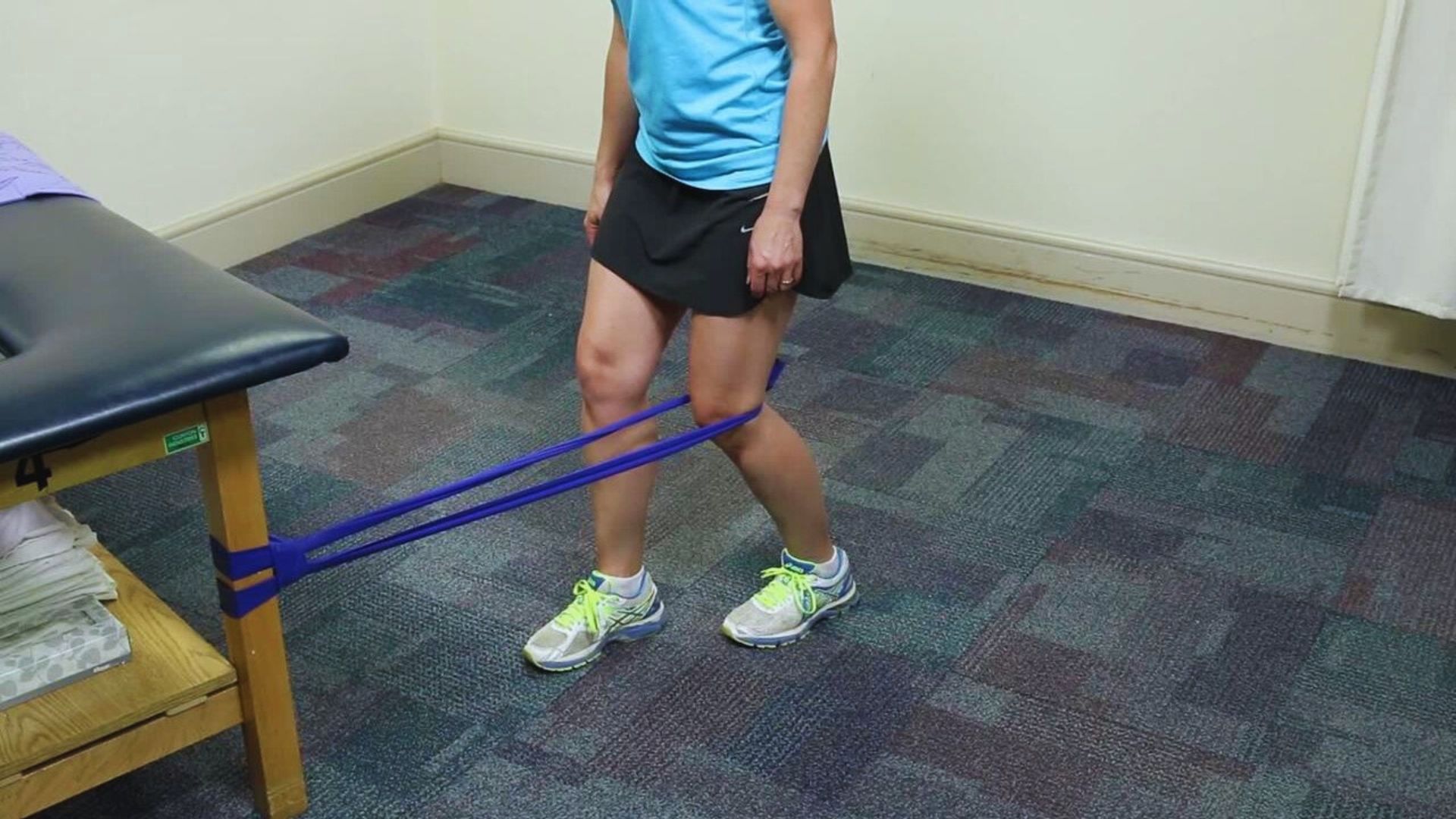
- Terminal knee extensions with a resistance band
- Wall sits at a shallow angle
- Step-ups with a controlled lowering phase
Glute and Hip Activation
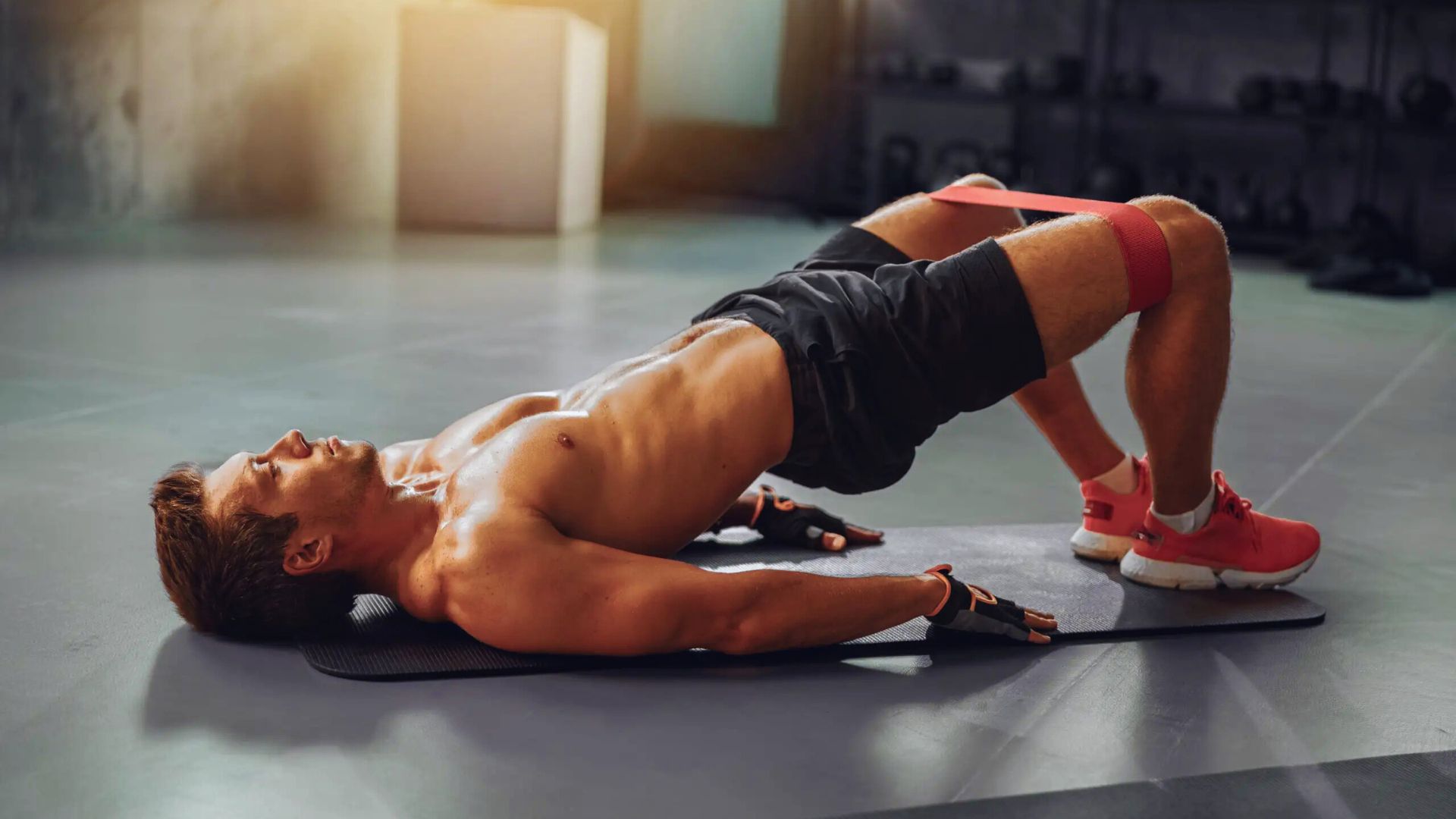
- Glute bridges
- Clamshells with a band
- Single-leg deadlifts at a light load
Quad and Hip Flexor Stretches
- Standing quad stretch held for 30 to 45 seconds
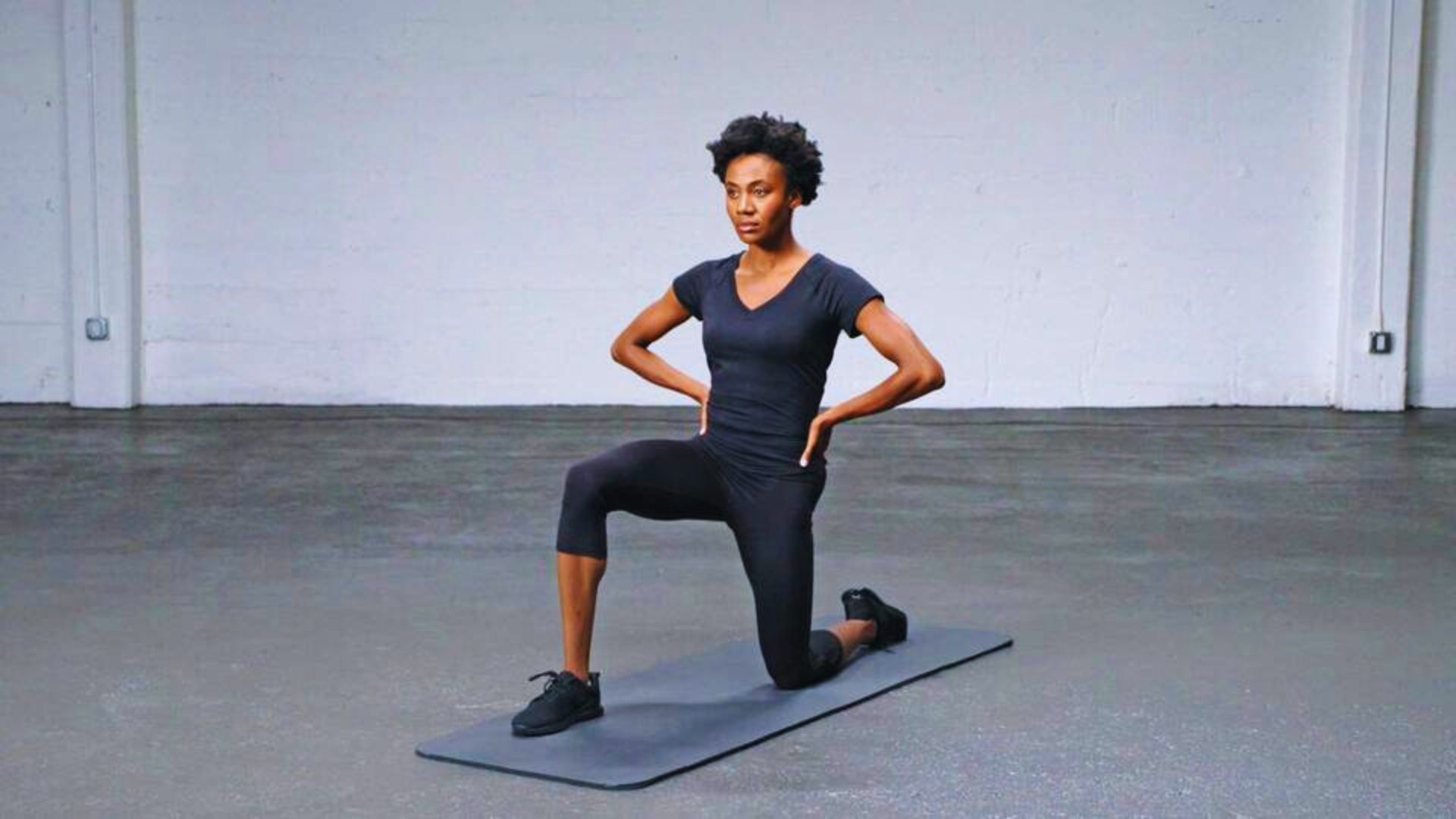
- Kneeling hip flexor stretch with a posterior tilt
- Couch stretch for deep hip flexor release
Tips to Prevent Top of Knee Pain When Squatting
Prevention is simpler than recovery. These habits keep your knees healthy long term.
- Spend 5 to 10 minutes warming up before squats with glute activation, hip stretches, and light leg swings to get blood flowing to the knees
- Record yourself squatting from the side and front to catch knee cave, heels rising, or too much forward lean before it becomes a bigger problem
- Make sure your knees track over your toes and your chest stays up throughout the entire squat movement
- Do not focus only on lifting heavier. Stretch your quads, hip flexors, and calves regularly and add mobility work at least 3 times a week
- Add weight or volume gradually and follow the 10% increase per week rule to give your tendons time to adapt
- Track your weekly training load so you can spot sudden spikes before they lead to pain or injury
Conclusion
I hope this helped you make sense of what is going on with your knee. Top knee pain when squatting is really common, and the good news is it is very fixable with the right steps.
I went through a similar phase when I was training consistently, and a few form corrections plus some focused glute work made all the difference for me.
Start small, stay consistent, and never push through sharp pain. Your knees will respond if you give them the right attention.
If this post helped you, drop a comment below or share it with someone who needs it.
Frequently Asked Questions
Is it okay to squat with top of knee pain?
Mild discomfort is manageable if you reduce depth and load. If the pain is sharp or worsens during the movement, stop and rest before continuing.
How long does quadriceps tendinitis take to heal?
Mild cases can improve in 2 to 4 weeks with rest and targeted exercises. More severe cases may take several months, especially without proper care.
Can tight quads cause pain above the kneecap?
Yes. Tight quadriceps pull on the tendon above the kneecap, increasing stress at that point. Regular stretching can reduce this tension significantly.
Should I see a doctor for knee pain when squatting?
If the pain is sharp, involves swelling, or does not improve in 2 to 3 weeks, it is a good idea to get a professional evaluation to rule out tendon damage.
What squat modification is best for knee pain?
Box squats and goblet squats are easier on the knee tendon. They limit depth naturally and help you maintain better form while you recover.


