
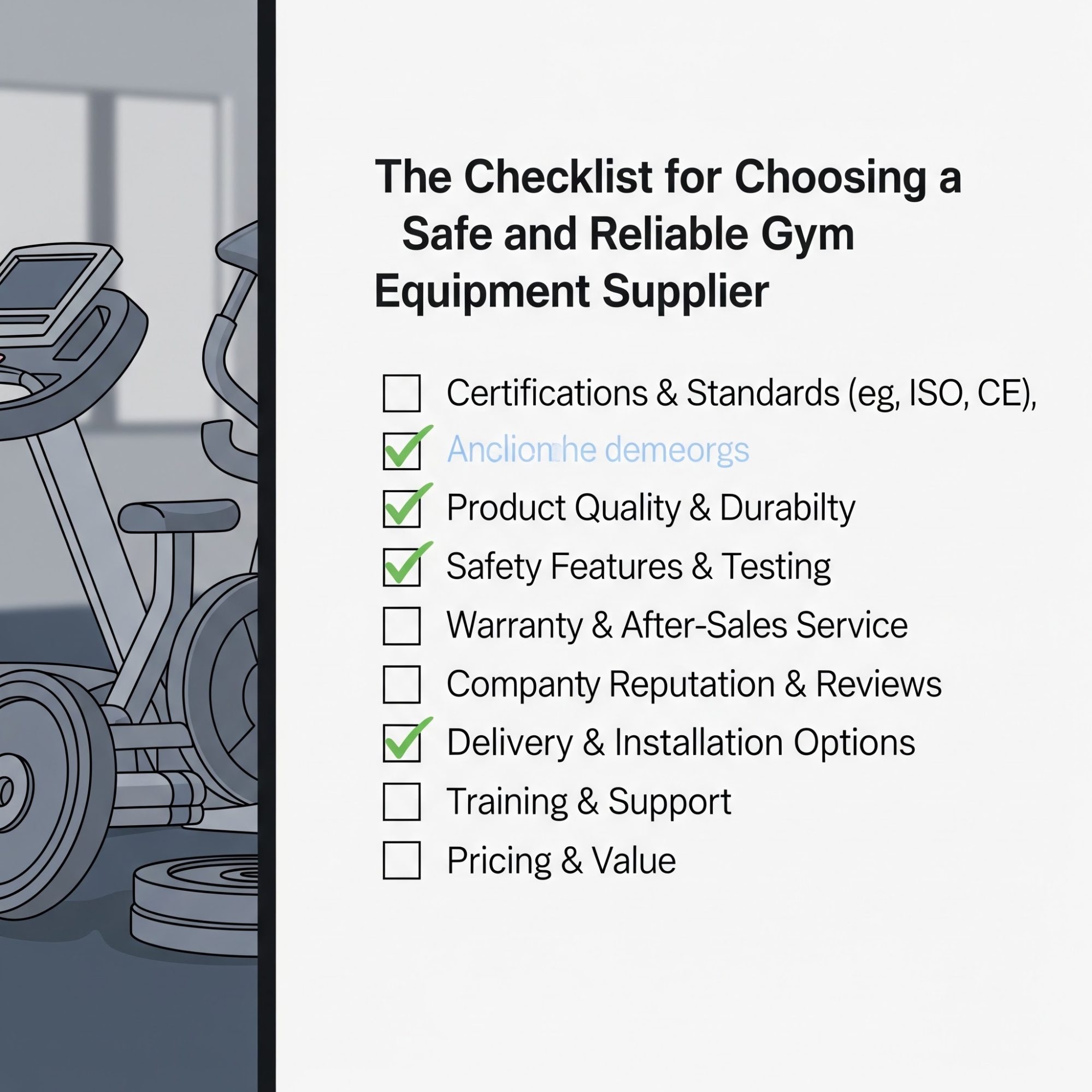
Shopping for gym equipment online? Use this checklist to confidently choose stores that prioritize product safety, proper certifications, and fair pricing. Taking a few moments to check these details helps you avoid unsafe products and makes sure you invest in gear you can trust.
Finding the right gym equipment isn’t just about picking out dumbbells or treadmills—it starts with choosing a trustworthy online store. With so many options, it’s easy to get impressed by a flashy website. But true confidence comes from knowing the store you choose is dedicated to product safety, great customer service, and your long-term satisfaction.
Build Trust with a Professional Storefront
A great customer experience starts with a well-built website. That’s why smart retailers create their sites with a top-rated online store builder, giving you a reliable and secure place to shop. Still, it’s up to you to check that their products and policies meet high standards. This checklist will guide you on what to look for, so you can shop with confidence and invest in equipment that supports your fitness goals.
Why Your Supplier Choice Is Actually a Brand Decision
Choosing a reliable gym equipment store is one of the most important steps you can take as a consumer. The store’s supplier decisions directly affect the safety of the products you bring into your home, the consistency of delivery, and your overall satisfaction as a buyer. When you shop with businesses that use a trusted online store builder, you can count on a secure, well-designed shopping experience, but that’s only part of the story. A reputable store backs up a great website with strict standards for supplier quality, so you receive equipment that’s durable, safe, and built to last. Taking a moment to check for these qualities ensures you’re not just buying a product, you’re investing in gear you can trust, all the way from checkout to first workout.
Think about it from the buyer’s perspective. They are lifting heavy weights and pushing their physical limits. If a piece of equipment fails, the results can be dangerous. A single batch of substandard weight benches or flimsy resistance bands can quickly translate into injury liability, bad reviews, and expensive returns. Taking the time to properly vet your suppliers before placing your very first order protects your reputation. It is a strategic move that ensures you build a brand known for reliability and care.
Safety Certifications and Compliance Documents to Request Upfront
When shopping for gym equipment online, safety is absolutely essential. Before buying from any store, check that they display key safety certifications and compliance documents for their products. Look for clear mentions of CE marking (for products sold in Europe), ASTM or CPSC compliance (for equipment sold in the US), and ISO 9001 certification, which confirms a supplier’s commitment to high-quality manufacturing. These certifications prove that the equipment has passed important safety and quality checks, giving you confidence that each item is built to protect your wellbeing and last through regular use. If a website doesn’t mention these documents or is vague about product testing, consider it a warning sign and keep searching for a more transparent, reliable store.
Always request detailed product testing documentation and proof of liability insurance. Legitimate suppliers will happily send you these documents in clear PDF formats. If a manufacturer acts evasive, delays sending the paperwork, or sends blurry, unreadable files, take it as a warning sign. A trustworthy partner wants you to feel completely secure in what you are buying.
The Questions Every Serious Buyer Should Ask Before Committing
Before you add anything to your cart, take a few extra moments to vet the store with a few direct questions. Start by checking: Does the store clearly explain where its gym equipment comes from? Do they display or provide safety certifications and product testing results for each item? Ask about their returns and warranty policies, are they easy to find, and are they fair for buyers? Inquire how they handle any defective or damaged goods, and look for details on their packaging methods to ensure heavy equipment arrives safely. Finally, check whether they offer responsive customer service, read reviews or even reach out with a question to gauge how quickly and clearly they answer. These steps reveal how seriously the store takes your safety and satisfaction.
Next, ask about standard lead times and stock availability. How long does it take from the moment you pay until the goods leave their warehouse? Find out exactly how they handle defective or damaged goods. Ask about their packaging standards for heavy equipment, because dumbbells and kettlebells need serious protection during transit. Finally, always ask if you can purchase a small batch of samples before committing to a massive bulk order. How a supplier communicates during this vetting process gives you a highly accurate preview of how they will behave when minor hiccups arise later on.
A Clear-Eyed Framework for Comparing Supplier Pricing
Comparing prices between gym equipment stores isn’t always as simple as looking at the bare product price. Always check the total cost of ownership: this means adding up the advertised price, shipping costs (which can be high for heavy fitness gear), any import duties or taxes, plus extra fees like delivery to your door or optional assembly. Some stores may show very low upfront prices but make up the difference with expensive shipping or hidden handling charges. Before you buy, add everything up so you can compare your real, all-in cost between stores. This helps you avoid unpleasant surprises and makes sure you’re truly getting the best deal for high-quality, safe equipment.
To compare your options fairly, use a simple landed-cost calculation. Take the raw unit price, add the shipping costs, add the import duties, and add the packaging fees. This total number is your true cost per item. By using this formula, you can compare different suppliers on honest, equal terms rather than getting distracted by flashy headline figures. This clear-eyed approach ensures your profit margins stay exactly where you want them.
Red Flags That Mean It Is Time to Walk Away
Watch for clear red flags that signal a gym equipment store might not be safe or reliable. If you can’t find a verifiable business address, company history, or contact information on the website, that’s a major warning sign. Stores that only accept unusual payment methods, like wire transfers or prepaid cards, are usually best avoided. Be cautious if product details are vague, there’s no mention of safety certifications, or customer support is difficult to reach. A lack of honest reviews, lots of negative feedback mentioning late deliveries or equipment breaking down, or no transparent return policy are all signs to walk away. The best stores are open about who they are, respond clearly to questions, and make buyer protections obvious from start to finish.
You should also steer clear if they refuse to send product samples for your personal inspection. Evasive or wildly inconsistent communication is another sign that things will go poorly. Take a moment to look for third-party reviews. If you see multiple buyers flagging quality inconsistency or fulfillment problems, listen to them. Frame these red flags not as reasons for paranoia, but as highly practical filters that protect your business and keep your customers safe.
Now You Know What to Look For. Here’s What to Do
Now you have a straightforward checklist to help you spot the safest and most reliable gym equipment stores online. Start by checking that stores display genuine certifications and compliance documents. Ask the right questions about product origins, returns, and customer support responsiveness. Compare full costs, including shipping and any added fees, rather than just the sticker price. Always watch out for major red flags, like vague details or lack of contact info. Trust your instincts, stick to these guidelines, and you’ll find retailers who care about your safety, satisfaction, and long-term fitness goals.
Approach your next supplier conversation with this framework firmly in hand. Finding the right supplier relationship is one of the most durable competitive advantages your gym equipment business can build. A great manufacturer compounds your success over time in ways that marketing spend alone never can. Take your time, ask the right questions, and get ready to launch a brand your customers will love.
Frequently Asked Questions
How can I tell if a gym equipment store is trustworthy?
Look for clear business information, easy-to-find contact details, and genuine customer reviews. Trustworthy stores display safety certifications, are transparent about shipping and returns, and respond quickly to questions—these are all good signs you’re dealing with a reliable business.
What certifications should I check for before buying gym equipment online?
Make sure the store displays official safety certifications for their products, like CE marking (Europe), ASTM or CPSC compliance (US), or ISO 9001 for quality management. These prove the equipment has passed important safety checks and is manufactured with your wellbeing in mind.
What are red flags that mean I should avoid a certain store?
Avoid stores that hide their company address, refuse to answer questions, accept only unusual payment methods, or lack honest customer reviews. Vague product descriptions, no safety certifications listed, and a confusing return policy are all strong warning signs.
How do I know if their customer service is actually helpful?
Test it out—send the store a simple question about a product or shipping and see how quickly and clearly they reply. Stores that respond promptly and provide straightforward answers are more likely to take care of you if issues come up after your purchase.
Is it safe to buy heavy equipment online, like treadmills or weights?
It’s safe as long as you buy from reputable stores that package gear properly and provide tracking for your delivery. Read reviews to check if customers are happy with how their orders arrived, and always confirm that the store’s return and warranty policies cover shipping problems or damaged items.
Yes, securing your own product liability insurance is a very smart move. Even if your supplier has insurance, having your own policy adds an essential layer of protection for your retail business in case a customer experiences an injury while using the equipment.
How do I verify a supplier’s certifications are real?
You can verify certifications by contacting the issuing body or testing laboratory directly with the certificate number. Legitimate testing companies maintain public databases or will confirm via email whether a specific manufacturer holds a valid, current certificate.
What is a reasonable minimum order quantity for a new business?
Reasonable MOQs vary by product type. For small accessories like yoga mats, expect MOQs around 100 to 500 units. For large, heavy machinery like treadmills or squat racks, a good supplier might allow you to order anywhere from 5 to 20 units to start.
Should I hire a third-party inspection company?
Hiring a third-party inspection service is highly recommended before you pay the final balance on a large international order. For a few hundred dollars, an independent inspector will visit the factory, check your goods for defects, and ensure everything meets your standards before shipping.
Can I negotiate terms with overseas gym equipment suppliers?
You can absolutely negotiate terms, especially as your order volume grows over time. While new buyers might have to pay 30% upfront and 70% before shipping, building a solid track record can help you secure better pricing and more flexible payment terms in the future.


