

Struggling with lower back pain or that awkward lean when you stand? You might have a sway back posture.
This complete guide shows you exactly what sway back posture is, why it happens, and how to fix it.
You’ll learn proven exercises, daily habits, and treatment options that actually work. I’ve helped dozens of people correct their posture, and I’m sharing what works based on real results.
You’ll get clear steps to stand stronger and feel better. This isn’t just theory. It’s practical advice you can start using today. Let’s fix your posture together.
What Is Sway Back Posture?
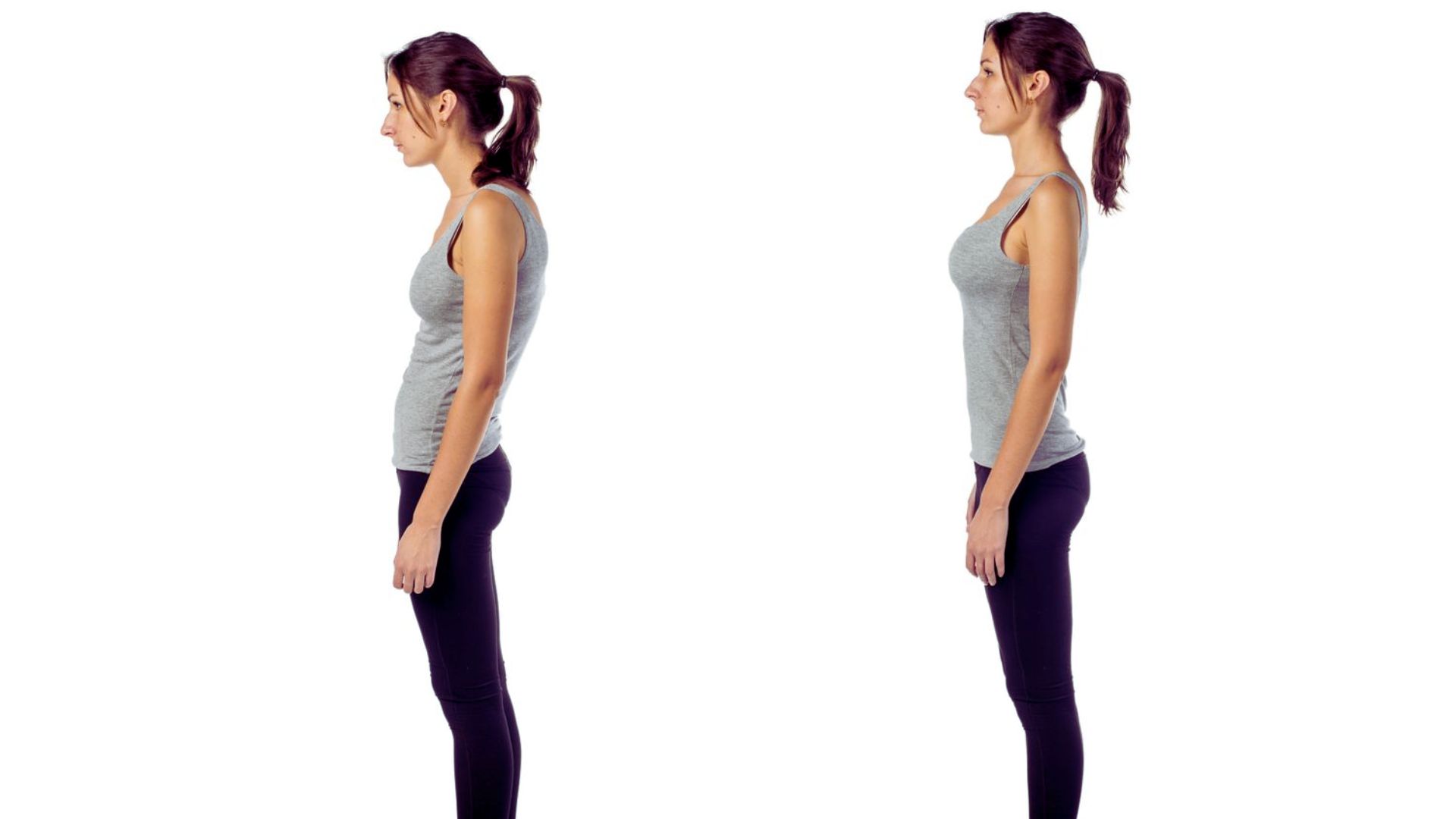
A postural alignment where your hips push forward and your upper back leans backward.
Sway back posture happens when your hips move forward past your feet while your upper body tilts backward. This creates an S-shaped curve when viewed from the side.
Most people don’t notice it at first. You might just feel off-balance or tired when standing. Over time, this strains your muscles and joints. The good news? You can fix it with the right exercises and habits.
Your pelvis tilts backward (posterior pelvic tilt) in sway back posture. This flattens your lower back curve. In normal posture, your lower back has a gentle inward curve. With sway back, that curve disappears.
Doctors also call this pelvic translation posture or Type 4 postural syndrome. Your hips jut forward. Your upper back rounds. Your neck extends forward. Your knees often lock.
In ideal alignment, your ear, shoulder, hip, knee, and ankle line up vertically. With sway back, everything shifts out of position.
Look at yourself in a mirror from the side to see your alignment. Stand naturally without correcting your posture. Take a photo for a clearer view.
Sway Back Posture Causes
Modern lifestyle habits create muscle imbalances that pull your body into poor alignment.
Prolonged Sitting and Poor Posture Habits

Hours of slouching train your body to stay misaligned.
Sitting for hours every day trains your body into sway back posture. When you slouch, your pelvis tips backward. Your upper back rounds. Your head pokes forward.
Do this for years and your body adapts. Muscles shorten. Joints stiffen. Your nervous system learns this as “normal.”
Many people stand in sway back too. They let their hips drift forward and their upper body lean back. Repetition creates habit. Breaking this cycle requires awareness and consistent correction.
Muscle Imbalances and Faulty Movement Patterns
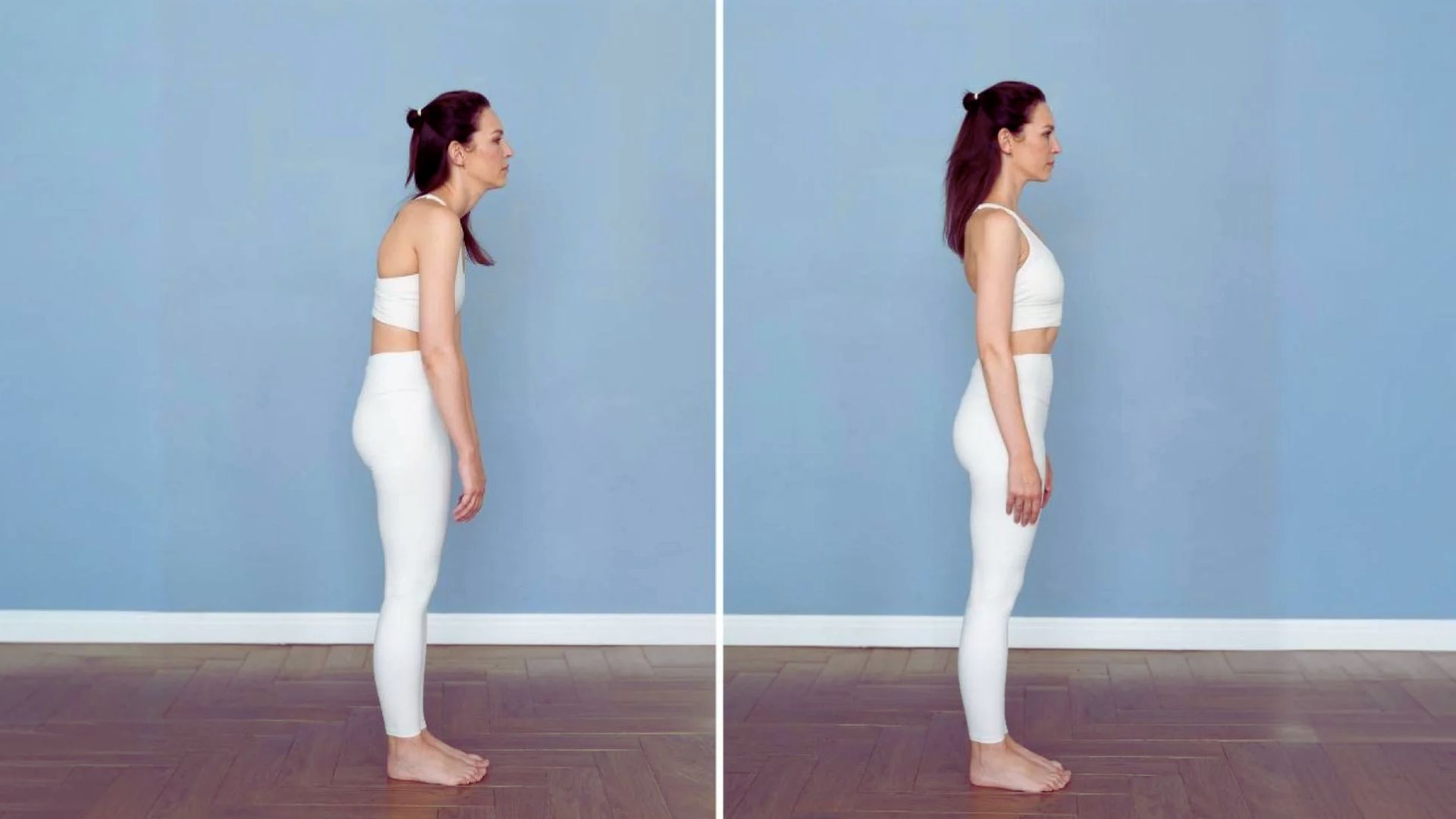
Weak and tight muscles create a cycle of poor movement.
Certain muscles become tight. Others become weak. This imbalance pulls your skeleton into misalignment.
If weak muscles can’t do their job, other muscles compensate. Over time, these compensations become your default way of moving.
These faulty patterns reinforce the posture. The posture reinforces the patterns. You need both stretching and strengthening, plus movement retraining.
Weak Core and Glute Muscles
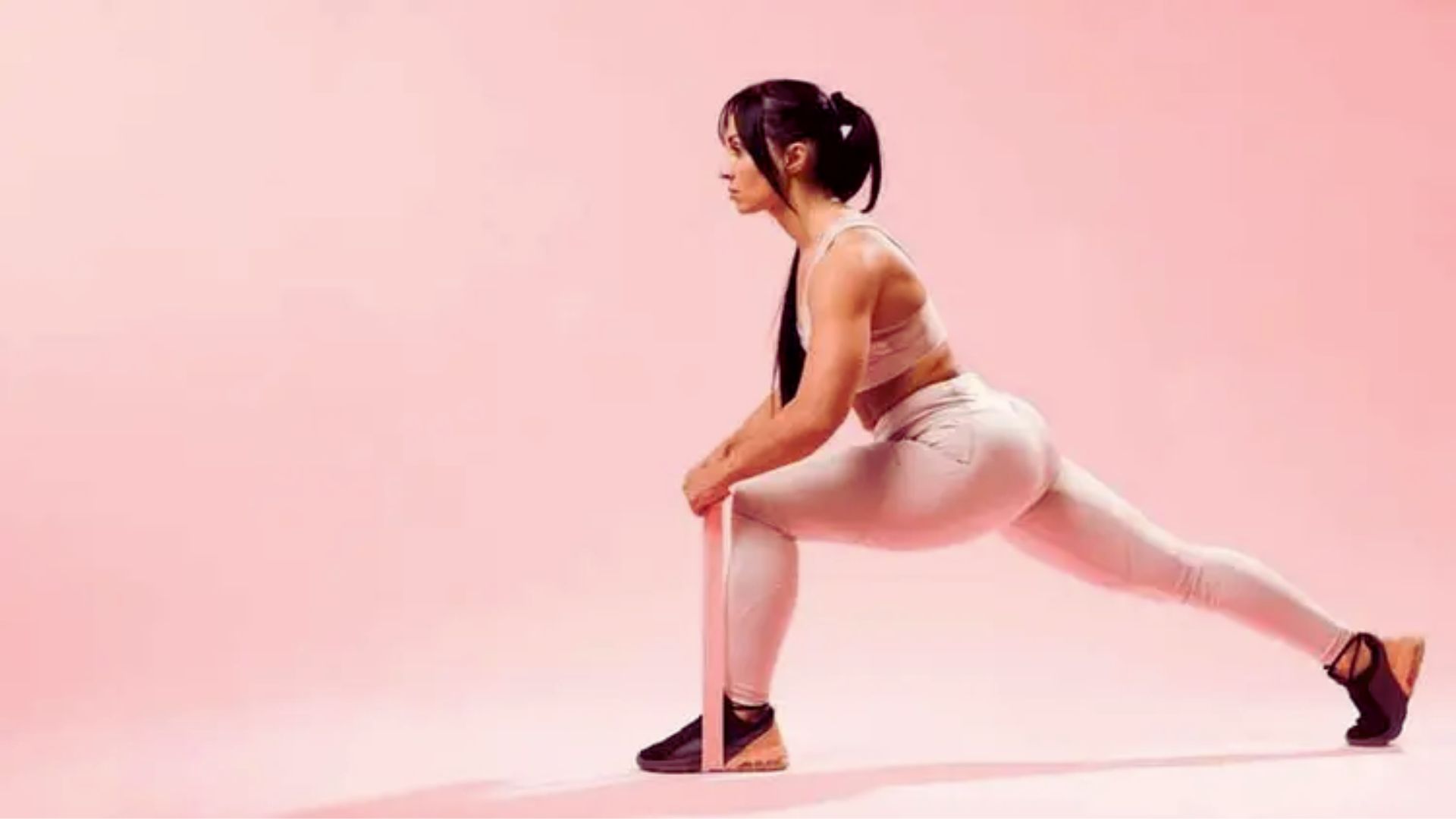
Without strong stabilizers, your body collapses into poor positions.
Your core stabilizes your spine and pelvis. When weak, your skeleton loses support. The glutes should hold your pelvis in proper alignment.
Sitting all day turns off your glutes. Weak lower abs can’t control pelvic tilt. Strong core and glute muscles are the foundation of good posture.
Tight Hamstrings and Hip Flexors
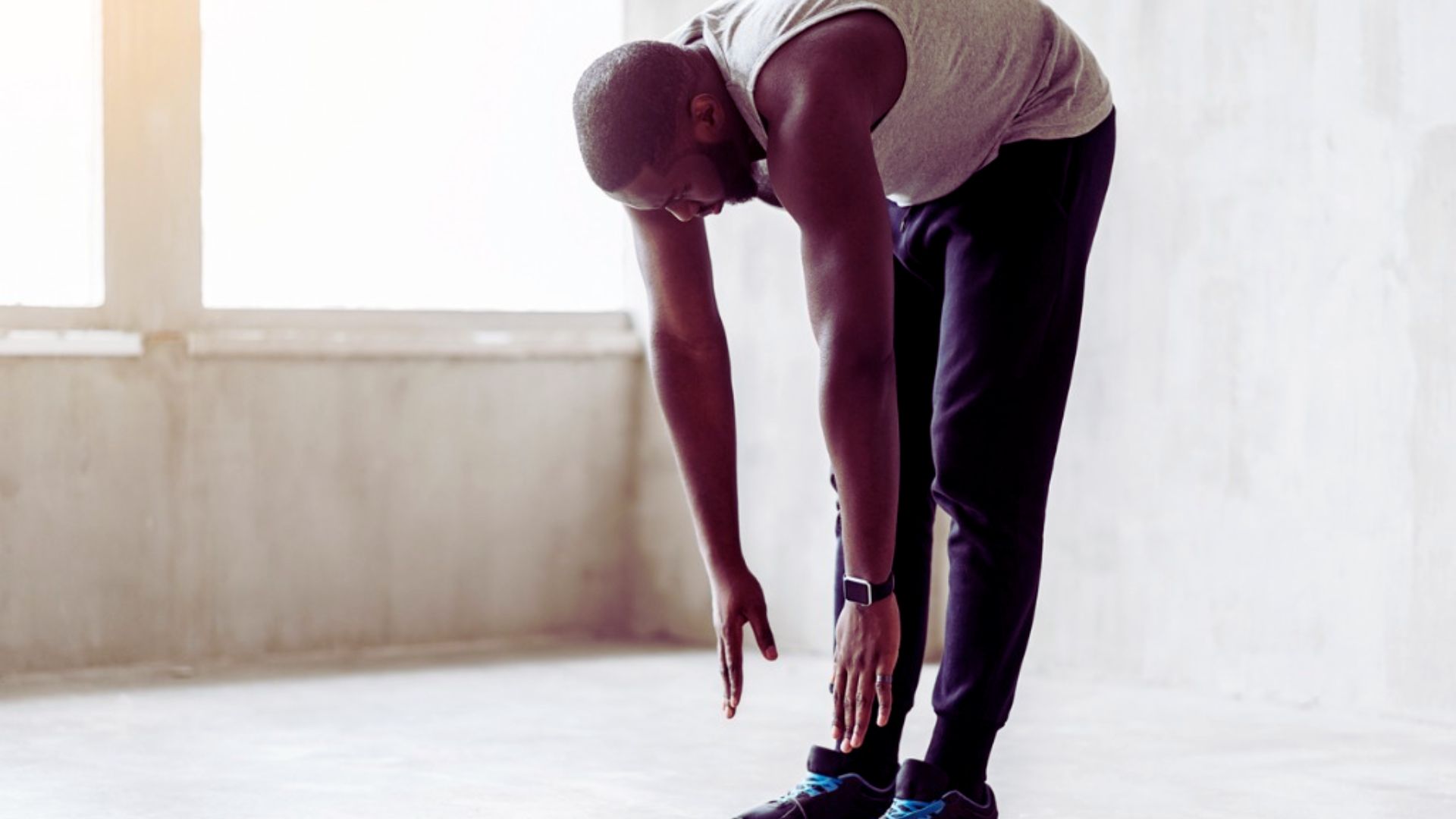
Tight muscles pull your pelvis out of proper position.
Tight hamstrings pull your pelvis backward into posterior tilt. In swaying back, hip flexors are often weak and lengthened.
When your hips shift forward, these muscles get pulled into a lengthened position. They become weak and can’t pull the pelvis back.
Each person’s pattern is slightly different. A professional assessment helps identify your specific tightness.
Structural, Genetic, and Lifestyle Factors

Your genetics, job, and past injuries all influence your posture.
Some people have a genetic tendency toward certain postures. Bone structure, muscle tone, and joint flexibility all play a role.
Tall people sometimes slouch to appear shorter. Previous injuries cause compensations. Your job matters too. Drivers develop different postures than construction workers.
Age also affects posture. Understanding your specific causes helps you address them effectively.
How to Fix Sway Back Posture
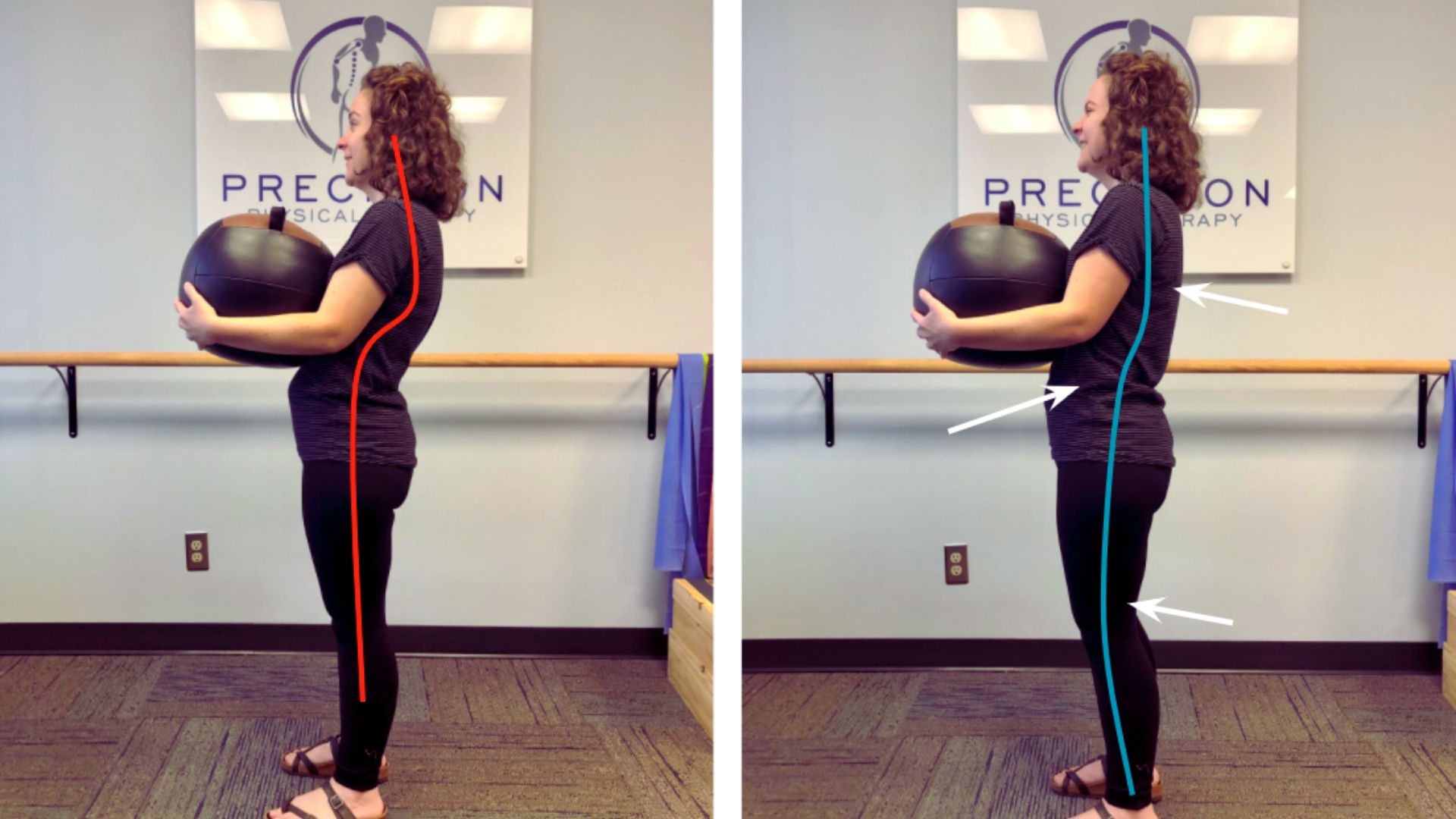
Correcting sway back requires consistent effort but delivers real, lasting results.
Yes, sway back posture is correctable for most people. Your body adapted into this position and can adapt back.
The process requires three steps: Release tight muscles through stretching. Strengthen weak muscles. Retrain your nervous system to make correct posture automatic.
Most people notice changes within 4 to 8 weeks. Significant visible changes take 3 to 6 months. Complete correction might take 6 to 12 months or longer.
Consistency matters more than intensity. Ten minutes daily beats one hour weekly. Short, frequent sessions work better.
Habits that worsen posture: Slouching in chairs with hips forward. Standing with locked knees. Looking down at your phone for extended periods.
Habits that improve posture: Sitting with hips back in the chair. Taking breaks every 30 minutes. Engaging your core and glutes when standing. Holding your phone at eye level.
You can’t exercise your way out of poor daily habits. Good habits make your exercises work better.
Tips to Correct and Prevent Sway Back Posture
Sustainable posture improvement requires integrating corrections into daily life.
- Maintain a neutral spine – Keep your hips back in the chair when sitting. When standing, keep your pelvis neutral with your ribcage stacked over it. Check and correct your position hourly.
- Take movement breaks – Set a timer for every 30-60 minutes. Stand up, walk around for 2-3 minutes, and do a few stretches. Movement prevents muscles from locking into poor positions.
- Strengthen your core and glutes – Exercise 5-6 days per week for 10-15 minutes. Focus on quality over quantity. Consistency creates results over time.
- Avoid slouching and locked knees – Don’t slouch with hips forward. Don’t lock your knees when standing. Keep a slight bend and distribute weight evenly on both feet.
- Use ergonomic support – Position your monitor at eye level. Keep feet flat with knees at 90 degrees. Choose supportive furniture over soft pieces that let you sink and slouch.
Conclusion
Fixing sway back posture takes effort, but you can do this. I’ve seen people reverse years of poor alignment with the right exercises and daily awareness.
Start with one or two exercises today. Add more as you build strength. Your body will thank you with less pain and more energy.
The changes might feel awkward at first, but stick with it. Good posture becomes natural with practice. What’s one habit you’ll change this week? Drop a comment and let me know.
And if this helped you, share it with someone dealing with back pain. Together, we can all stand stronger.
Frequently Asked Questions
What Is Sway Back Posture Caused By?
Sway back posture is caused by muscle imbalances, prolonged sitting, and poor daily habits. Weak glutes and tight hamstrings pull your pelvis into incorrect alignment over time.
How to Correct Sway Back Posture Permanently?
Correct sway back through consistent strengthening and stretching exercises combined with daily postural awareness. Permanent correction takes 6-12 months of dedicated practice and habit changes.
Are Sway Back Posture Exercises Effective?
Yes, targeted exercises are highly effective when done consistently. Most people see improvement within 4-8 weeks, with significant changes in 3-6 months.
Is Sway Back Posture the Same as Anterior Pelvic Tilt?
No, they are opposite conditions. Sway back involves posterior pelvic tilt with a flattened lower back, while anterior pelvic tilt shows excessive lower back arching.
Can Sitting Too Much Cause Sway Back Posture?
Yes, prolonged sitting is a major contributor. Slouching for hours daily trains your pelvis into posterior tilt, which becomes your default alignment even when standing.


