

I've spent years training my back, and the supinated lat pulldown is one move I keep coming back to. It's simple, effective, and hits the lats in a way most exercises don't.
In this article, I'll walk you through what this exercise is, how to do it with proper form, the muscles it works, common mistakes to fix, and tips to get more out of every rep.
With the right grip and technique, this pull can seriously improve your back width. I've seen it work for beginners and experienced lifters alike.
Trust the process, stay consistent, and let's get into it.
What Is the Supinated Lat Pulldown?
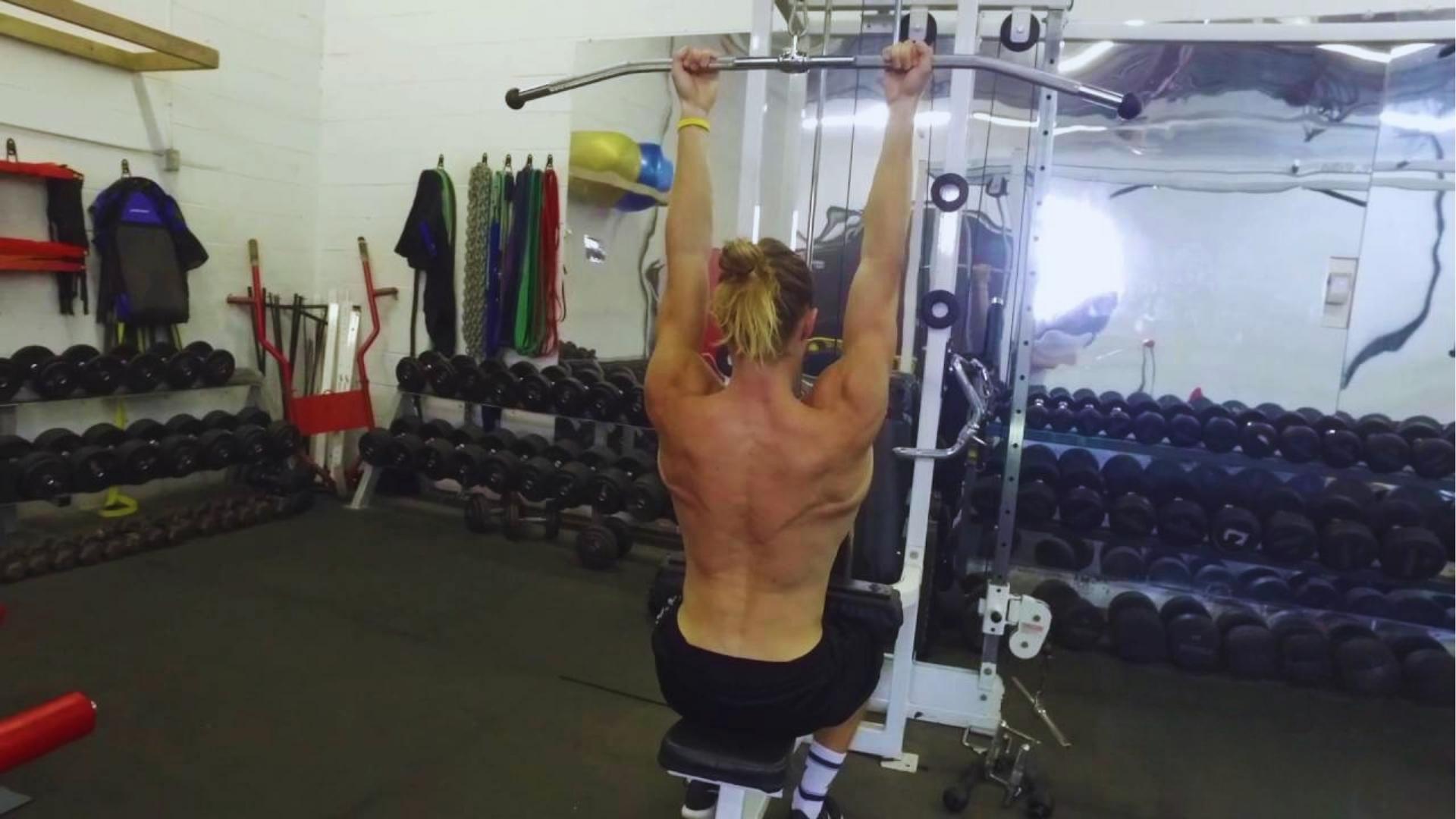
A grip switch that changes everything about how your lats work. The supinated lat pulldown is a cable machine exercise where you pull a bar down using an underhand (palms-facing-you) grip.
This small grip change shifts how your muscles fire and how deeply your lats contract.
Most people default to an overhand grip. But flipping your palms upward allows your elbows to travel closer to your sides. That path directly targets the latissimus dorsi, especially the lower portion.
It's the same pulling motion, but the angle makes a real difference in what you feel and where you feel it.
Grip Mechanics and Muscle Activation
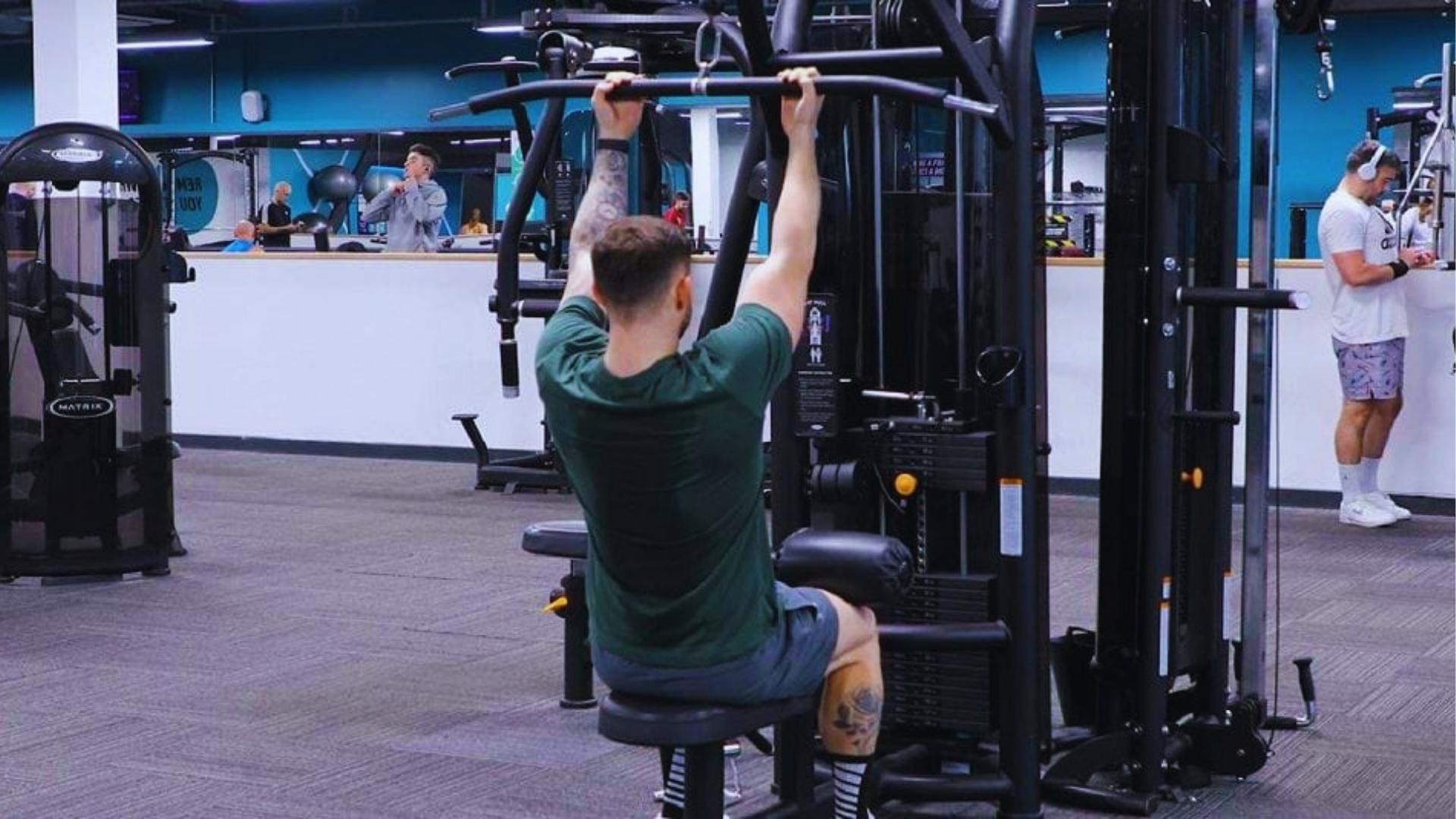
How your hand position controls which muscles do the work.
How the Underhand Grip Changes Your Pull
The underhand grip does more than feel different. It changes the entire pulling pattern. When your palms face up, your elbows naturally stay closer to your torso.
This keeps the lats in a stronger pulling position from start to finish.
Lower Lat Tension and Bicep Involvement
With palms facing up, your lower lats get more direct tension compared to the overhand version. Your biceps also get more involved in each rep.
That's not a bad thing. It simply means more total muscle engagement every time you pull.
Range of Motion and Contraction
With a supinated grip, many lifters can pull the bar lower than usual. This allows you to hold the contraction longer at the bottom.
That extra squeeze is where a lot of real back growth happens. Don't rush through it.
How to Do Supinated Lat Pulldown (Step-by-Step Form Guide)
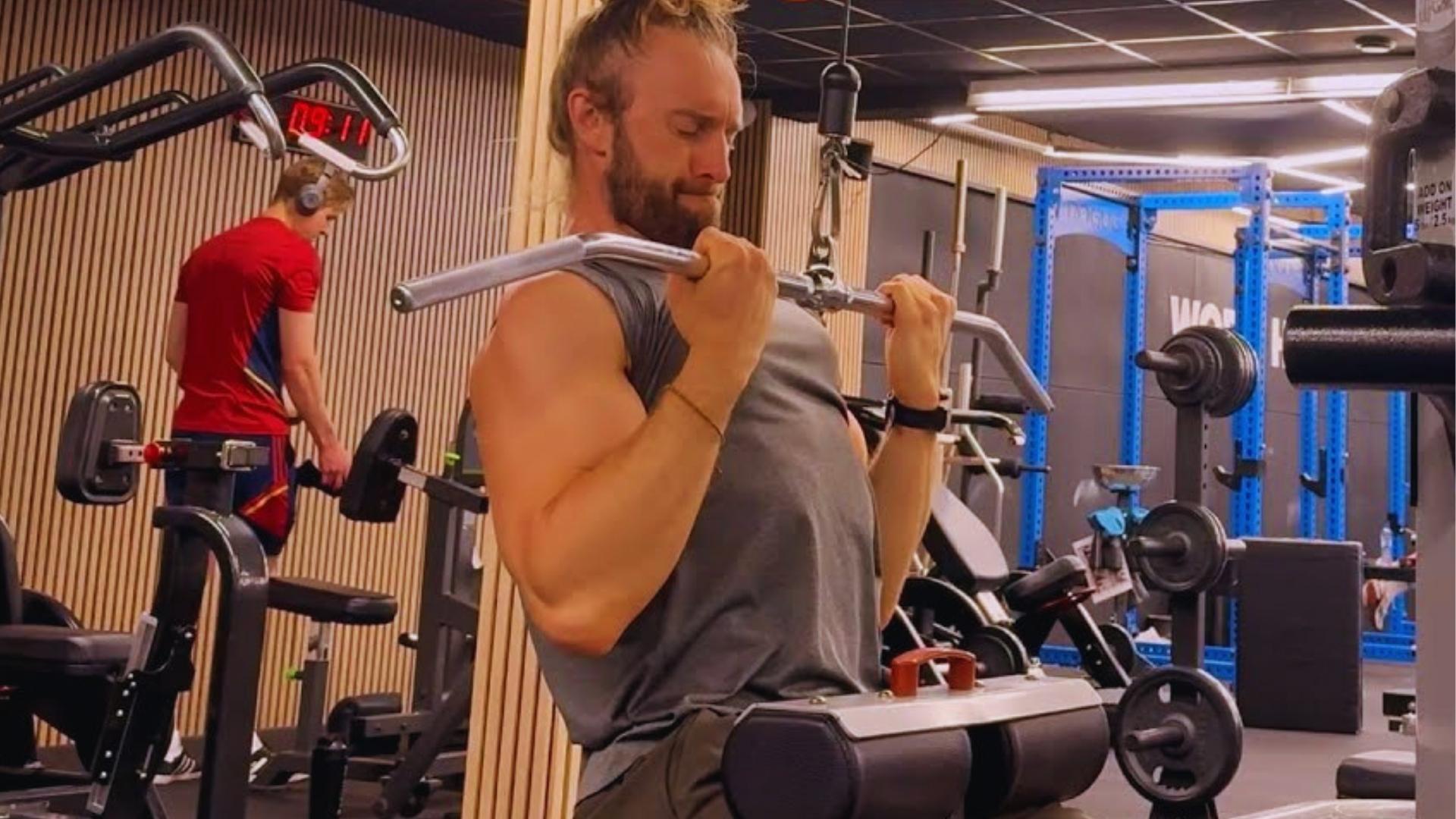
How to Do Supinated Lat Pulldown
Follow these steps to get the most out of every single rep.
Setup and Grip
Attach a straight bar or EZ bar to the top pulley of the cable machine. Sit down and lock your thighs firmly under the pad.
Grab the bar with your palms facing you, hands about shoulder-width apart. This underhand grip is what makes the whole movement work.
Start Position and Full Extension
Before you pull, let your arms fully extend upward toward the bar. Feel the stretch in your lats at the top.
Don't rush into the pull from a bent arm position. That starting stretch is what loads the muscle properly before each rep.
Pull and Squeeze
Drive your elbows down and back toward your hips. Pull the bar toward your upper chest while keeping your elbows close to your sides.
Once the bar reaches your chest, hold for one second. Feel your lats tighten fully at that lowest point before moving again.
Controlled Return and Repeat
Let the bar rise back up in a slow and controlled way. Don't let the weight stack drop or crash at the top.
Return to full arm extension before starting the next rep. That full stretch at the top keeps constant tension on the lats throughout your set.
Muscles Worked in Supinated Lat Pulldown

Know exactly what this exercise is training before you load the bar.
Primary Muscle
The main muscle doing the work here is the latissimus dorsi. This is the wide back muscle that gives your back its V-shape.
The supinated grip puts special emphasis on the lower lats. That's the part most people struggle to feel and develop.
Secondary Muscles
Your biceps brachii, forearms, and rear deltoids all assist during every rep. The biceps help drive the pulling motion. Your forearms work to maintain grip.
Rear delts assist at the bottom of the pull when your elbows move back.
Stabilizer Muscles
Your trapezius, rhomboids, and core keep everything working together. Traps and rhomboids control your shoulder blade movement throughout the rep.
A tight core stops your torso from swinging forward or back. These muscles don't pull the weight but they make every rep cleaner and safer.
Benefits of Supinated Lat Pulldown
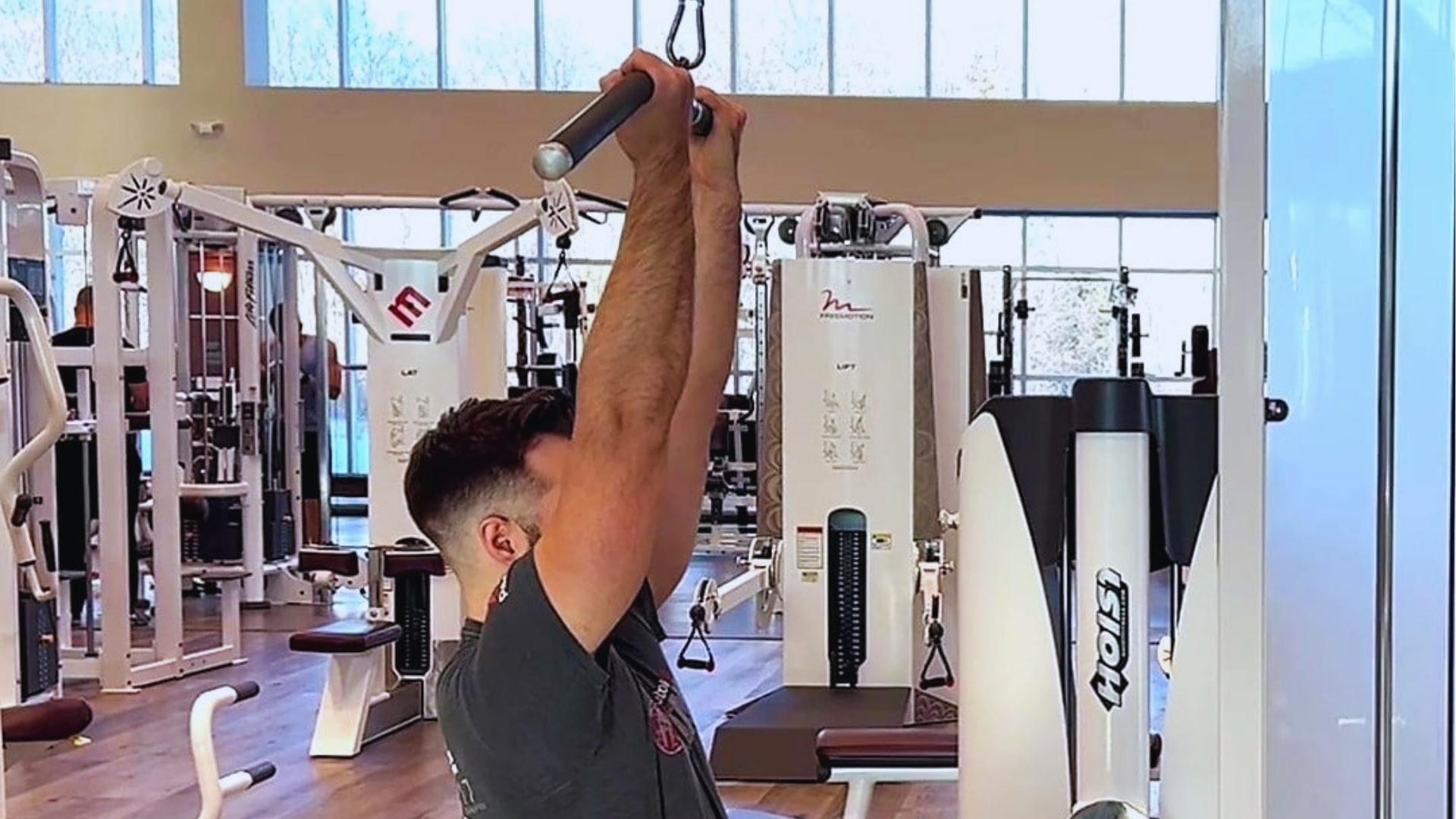
Real reasons to add this movement to your back training routine.
Builds Width and Better Contraction
Regular training adds thickness and width to the lats over time. The underhand grip makes it easier to feel and squeeze the lats each rep. This builds a stronger mind-muscle connection faster.
Stronger Pull and Better Posture
Stronger lats carry over to pull-ups, rows, and deadlifts. They also pull your shoulders back and keep your spine upright. You get better posture inside and outside the gym.
Arms Get Stronger Too
Your biceps and forearms work as secondary muscles on every rep. You build useful arm strength without any extra exercises. It makes this a very efficient upper body pulling movement.
Common Mistakes to Avoid
These errors limit your results and can lead to injury over time.
Leaning Back Too Much
A slight lean is fine but going past 30 degrees turns the movement into a row. Swinging your body to pull the bar down removes tension from the lats.
Stay upright and keep the movement slow and controlled.
Using Biceps Over Lats
Many lifters pull with their hands instead of driving their elbows. This shifts all the work to the biceps and takes the lats out of the movement.
Focus on pushing your elbows down toward your hips on every rep.
Skipping Full Range
Not extending fully at the top means less stretch on the lats. Your scapula also needs to depress as you pull. If your shoulders stay raised and your arms stay bent, the lats never fully activate.
Tips for Better Execution
Small adjustments that lead to noticeably better results.
- Use a controlled tempo Try a 2-second pull, 1-second hold, 3-second return. Slow reps build more lat tension.
- Drive your elbows, not your hands. Think "elbows to hips," not "pull the bar down." This mental cue shifts focus to the lats.
- Keep your core tight. A braced core stops you from leaning back too much. It also protects your lower back.
- Don't go too heavy too soon. Moderate weight with full range beats heavy weight with poor form. Every time.
- Use a full range of motion Arms fully extended at the top, bar pulled to upper chest at the bottom. Don't skip either end.
Conclusion
The supinated lat pulldown has been one of my go-to back exercises for a long time. Once I fixed my grip and slowed down my reps, I started actually feeling my lats work. That made all the difference.
If you've struggled to feel your back working during pulldowns, try switching to an underhand grip. Start light and focus on the squeeze.
Give it a few weeks. Your back will thank you. Found this helpful? Drop a comment below or share it with someone who trains.
Frequently Asked Questions
Is the supinated lat pulldown better than the overhand version?
It depends on your goal. The supinated grip targets the lower lats more and improves contraction. The overhand grip spreads the load more broadly across the upper back.
How wide should my grip be for the supinated lat pulldown?
Shoulder-width is the most common and effective grip. A narrower grip increases bicep involvement, while a wider underhand grip can strain the wrists.
How many sets and reps should I do?
Three to four sets of 8 to 12 reps works well for most people. Focus on control over the number of reps you complete.
Can beginners do this exercise?
Yes. It's a beginner-friendly movement as long as you start with light weight and focus on feeling the lats pull, not just moving the bar.
Should I use a straight bar or a V-bar?
A straight bar works best for the supinated grip. It allows a natural wrist position and keeps your elbows tracking properly throughout the movement.