The suitcase deadlift is one of the most overlooked lifts in the gym. But it works muscles most people ignore.
In this guide, I'll cover what it is, how to do it right, and why it matters for your body. You'll also get form tips, common mistakes, variations, and workout programming ideas.
I've trained with this move for years and seen real results, so I know what works. Whether you're just starting out or looking to fix weak spots, this guide has you covered.
By the end, you'll have everything you need to add it safely and smartly to your routine.
What Is a Suitcase Deadlift?
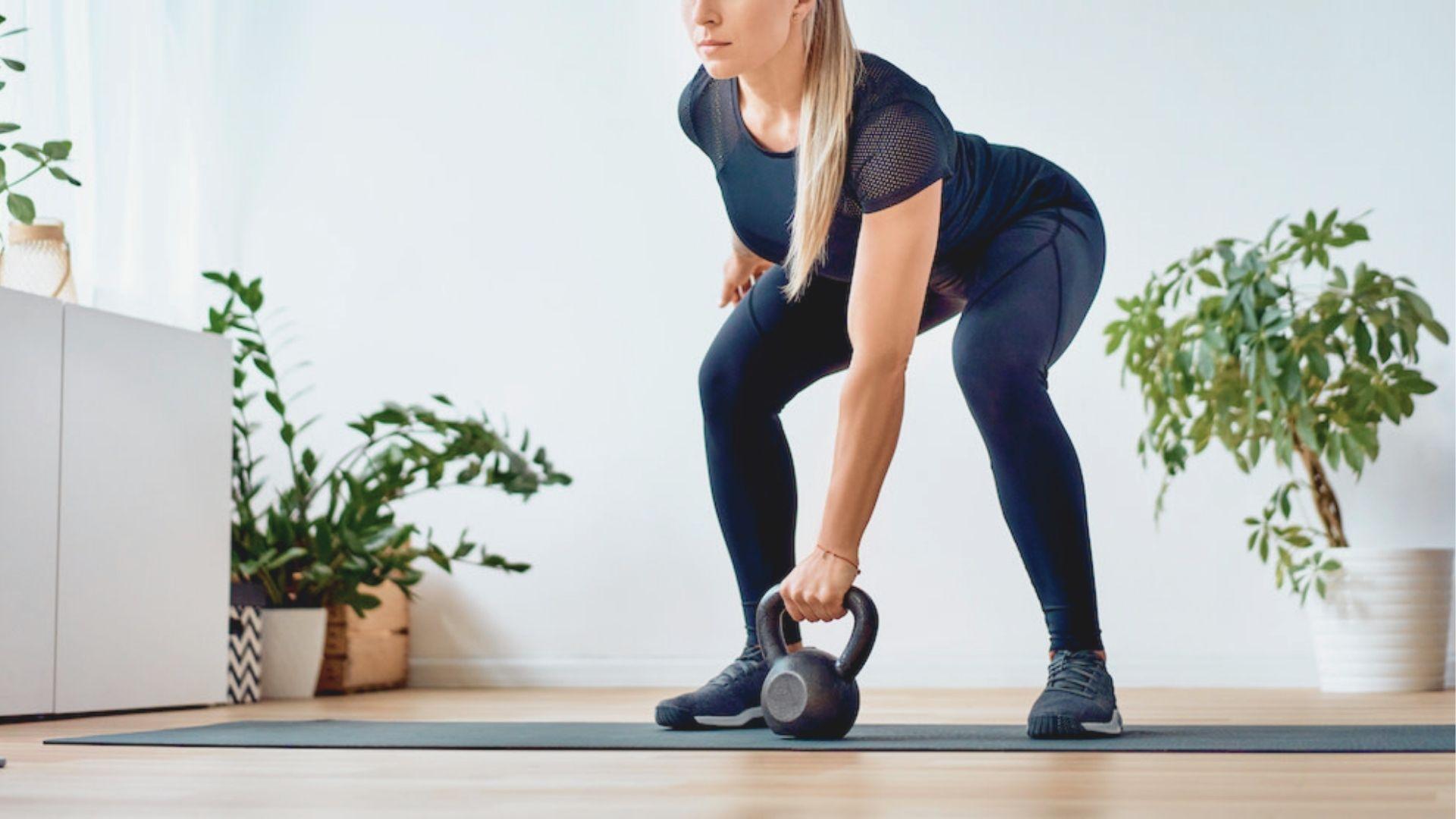
The suitcase deadlift is a single-sided lift where you hold a weight on one side and pull it off the floor. It mimics picking up a heavy bag. Simple in appearance, but tough on your core.
Unlike a traditional deadlift, the load sits on one side only. Your core, obliques, and stabilizers have to work hard to stop you from tipping over. A regular deadlift builds overall strength. This one builds anti-rotation control and core stability.
Most lifters add it to improve core strength, fix left-right imbalances, and carry over to real-world pulling tasks. Coaches use it when one side is clearly weaker than the other.
It works for beginners learning the hip hinge, intermediate lifters fixing weak spots, and advanced athletes building grip and stability. It also helps desk workers with posture issues and athletes in sports like golf, tennis, or combat training.
Benefits of the Suitcase Deadlift
This lift offers more than just strength. It targets stability, posture, and balance all at once.
Builds Core Stability and Anti-Rotation Strength
The core has to resist tipping toward the weighted side. That resistance is the workout. Over time, this builds deep core control that crunches simply cannot give you.
Strengthens the Obliques
Your obliques run along the sides of your core. They fire hard during the suitcase deadlift to keep your torso straight. This builds real, functional oblique strength.
Improves Grip and Forearm Strength
Holding a heavy weight in one hand is tough. Your grip and forearm muscles work overtime to hold on. Over weeks, this adds serious grip strength.
Improves Balance and Coordination
The offset load makes balance harder. Your body learns to coordinate multiple muscle groups at once. This improves overall movement quality.
Supports Better Posture
This lift reinforces a neutral spine under load. When done right, it trains your body to hold better posture during daily activities too.
Helps Correct Muscle Imbalances
Most people have one side stronger than the other. Training one side at a time forces the weaker side to do its fair share. Over time, this evens things out.
Muscles Worked During the Suitcase Deadlift
Multiple muscle groups fire during this lift, making it one of the most complete exercises you can do.
Core and Obliques

These are the main muscles doing the stabilizing work. They resist lateral bending throughout the entire lift.
Glutes
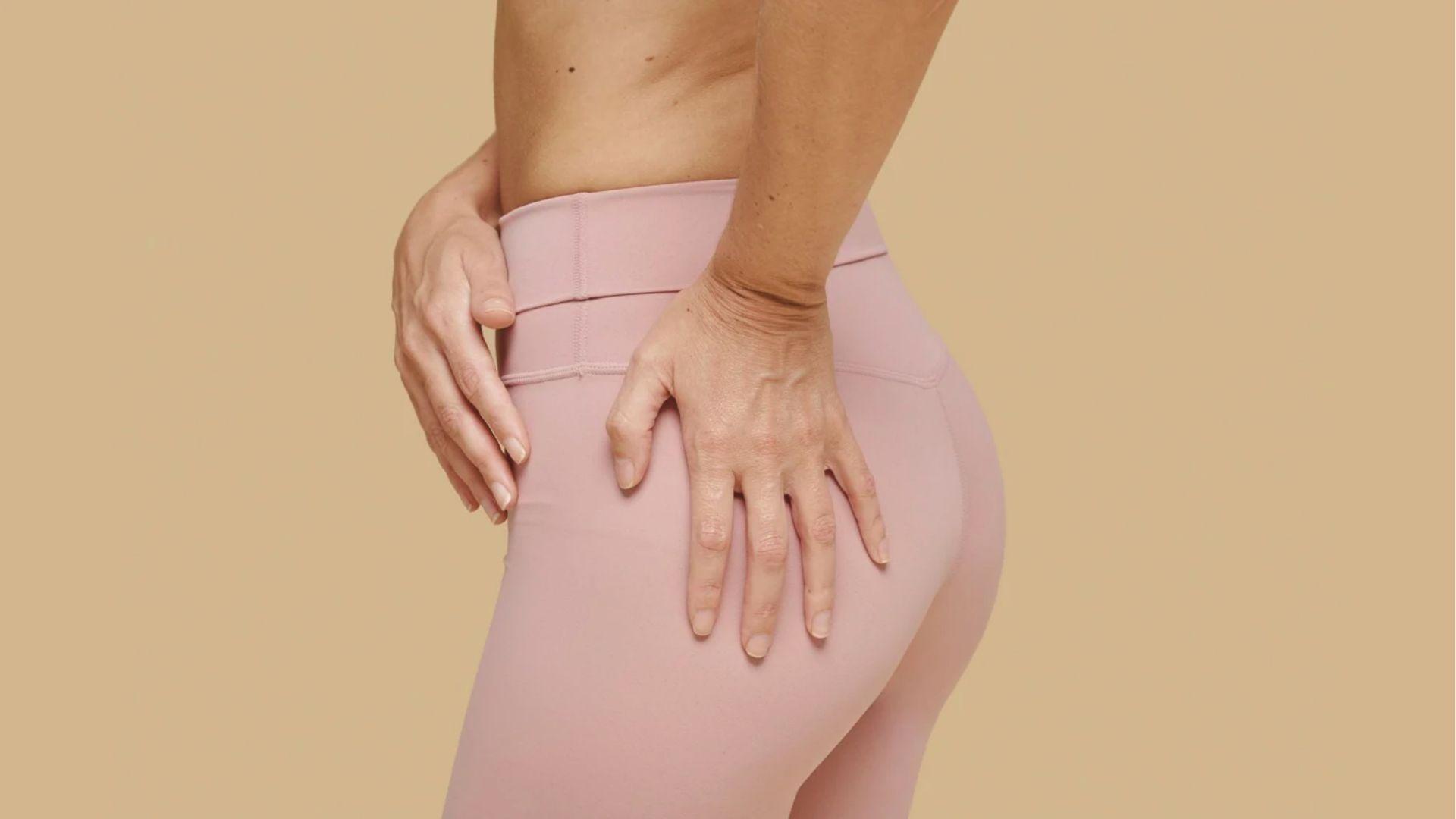
Your glutes drive the hip extension at the top of the movement. They power the lift just like in a regular deadlift.
Hamstrings
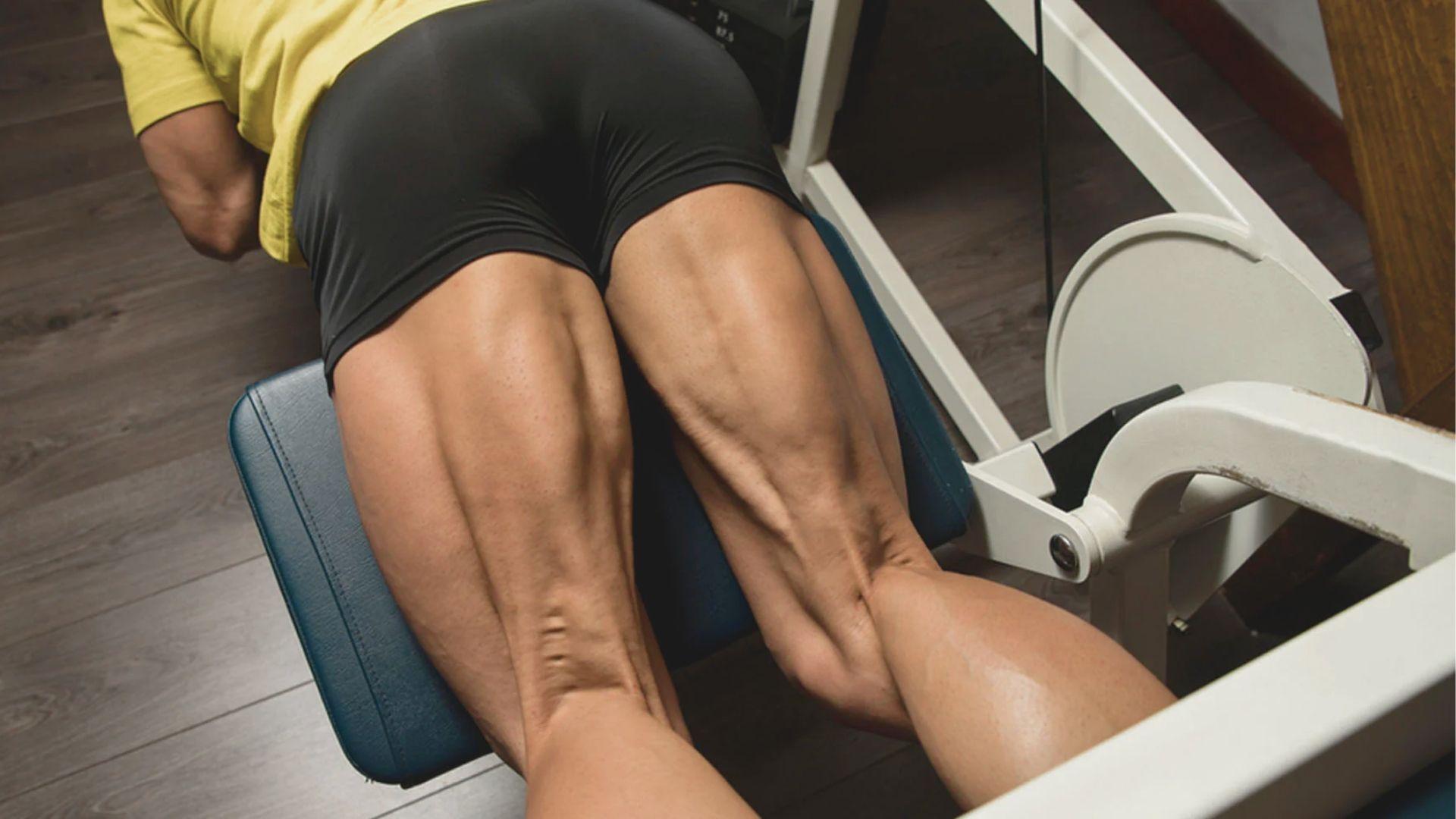
As you hinge at the hips and lower toward the floor, the hamstrings stretch and then contract to help you stand up.
Quadriceps
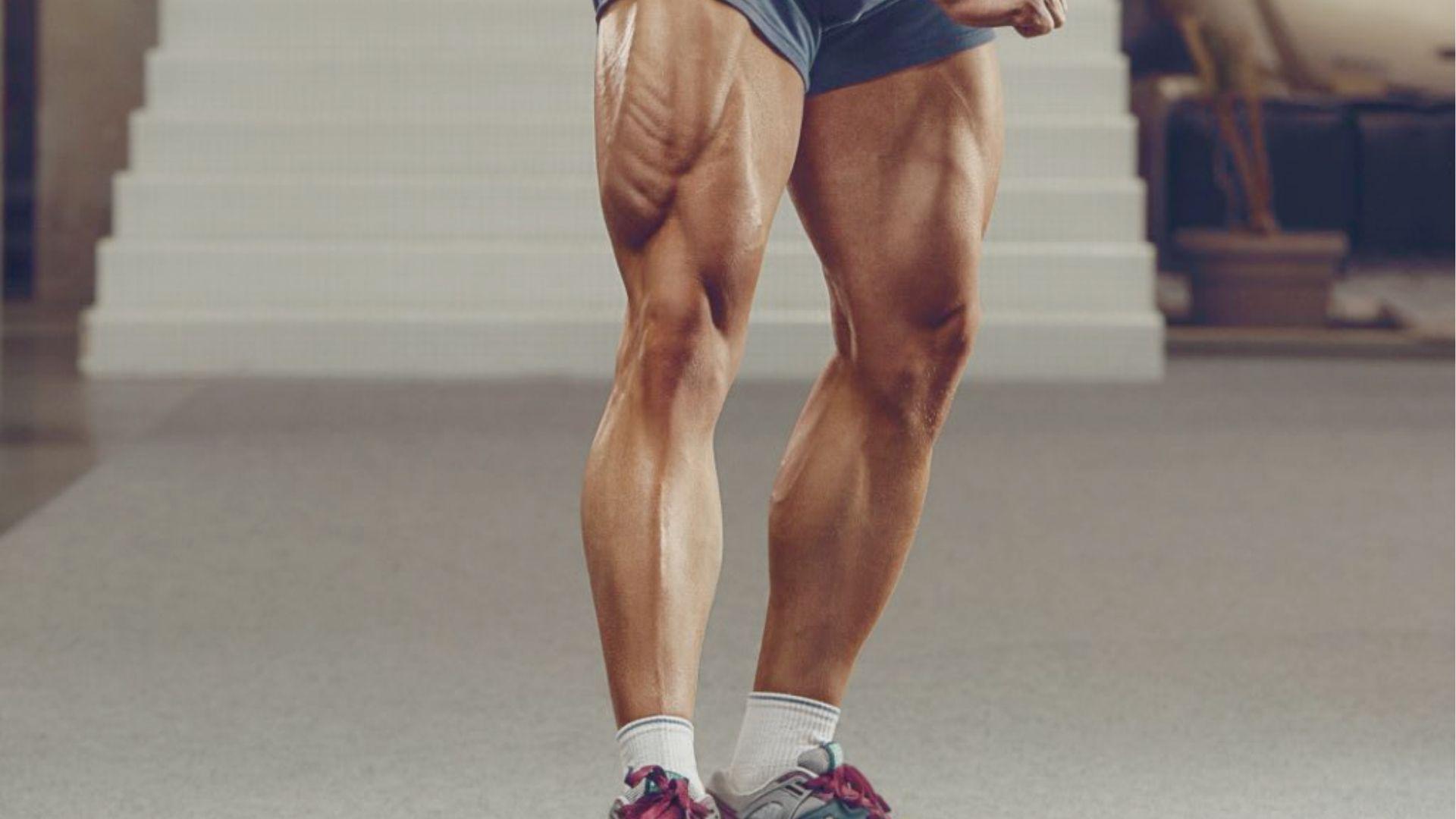
Your quads work to extend the knee as you rise from the bottom. They play a supporting role in the lift.
Lower Back and Spinal Erectors
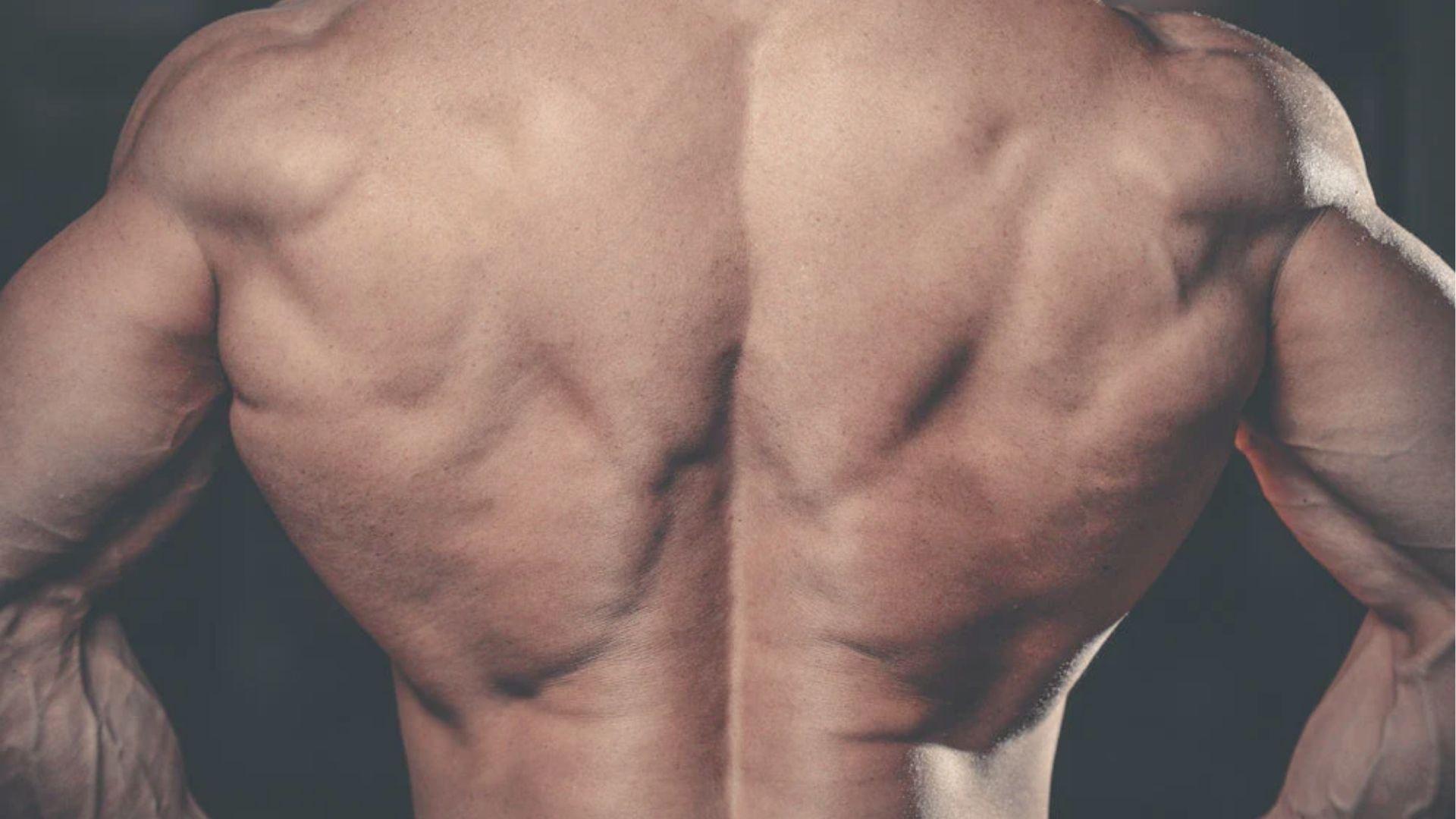
These muscles keep your spine neutral from start to finish. They are under constant tension throughout the movement.
Lats and Upper Back
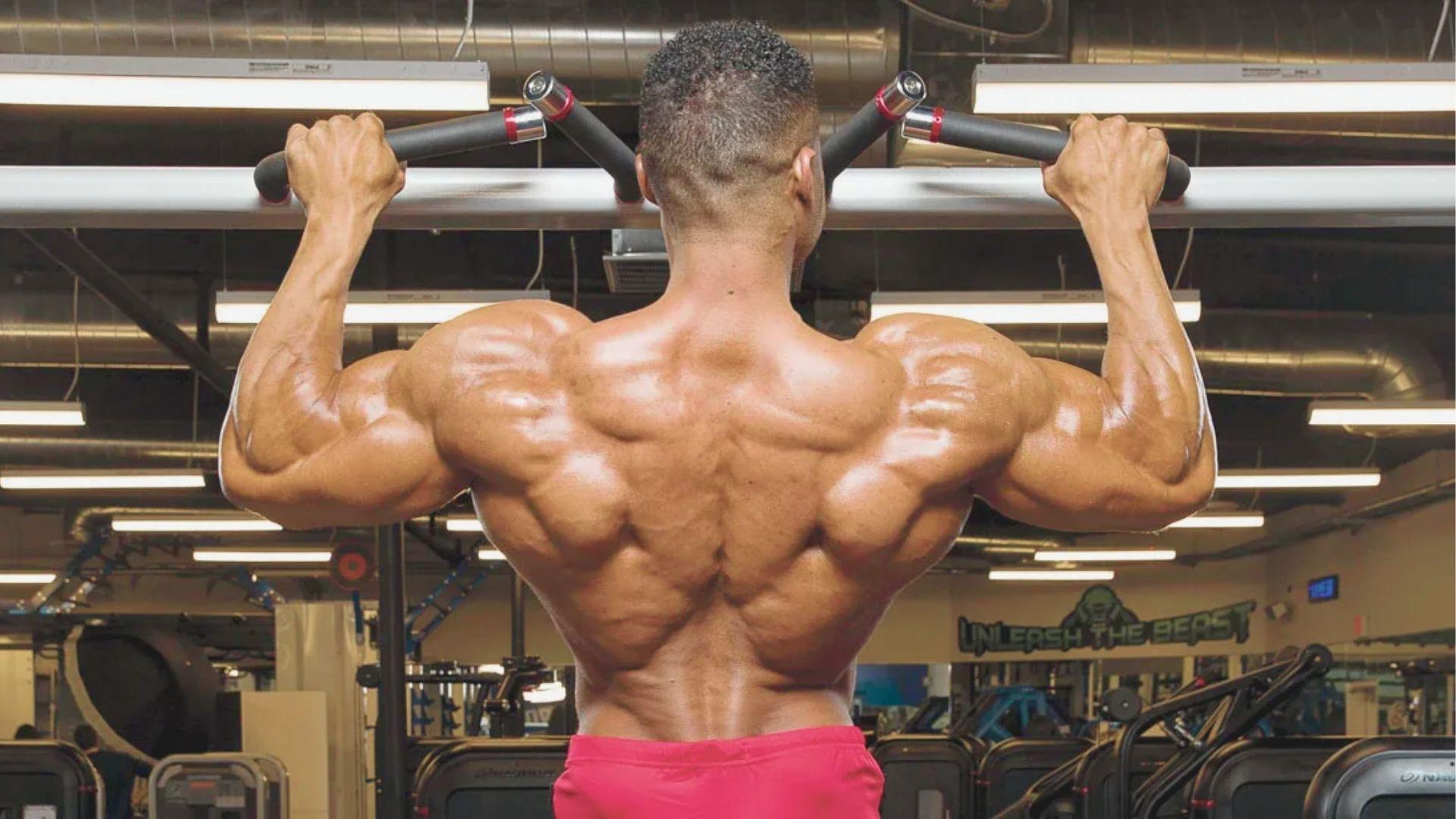
Your lats help keep the weight close to your body. The upper back stays engaged to prevent rounding.
Forearms and Grip Muscles
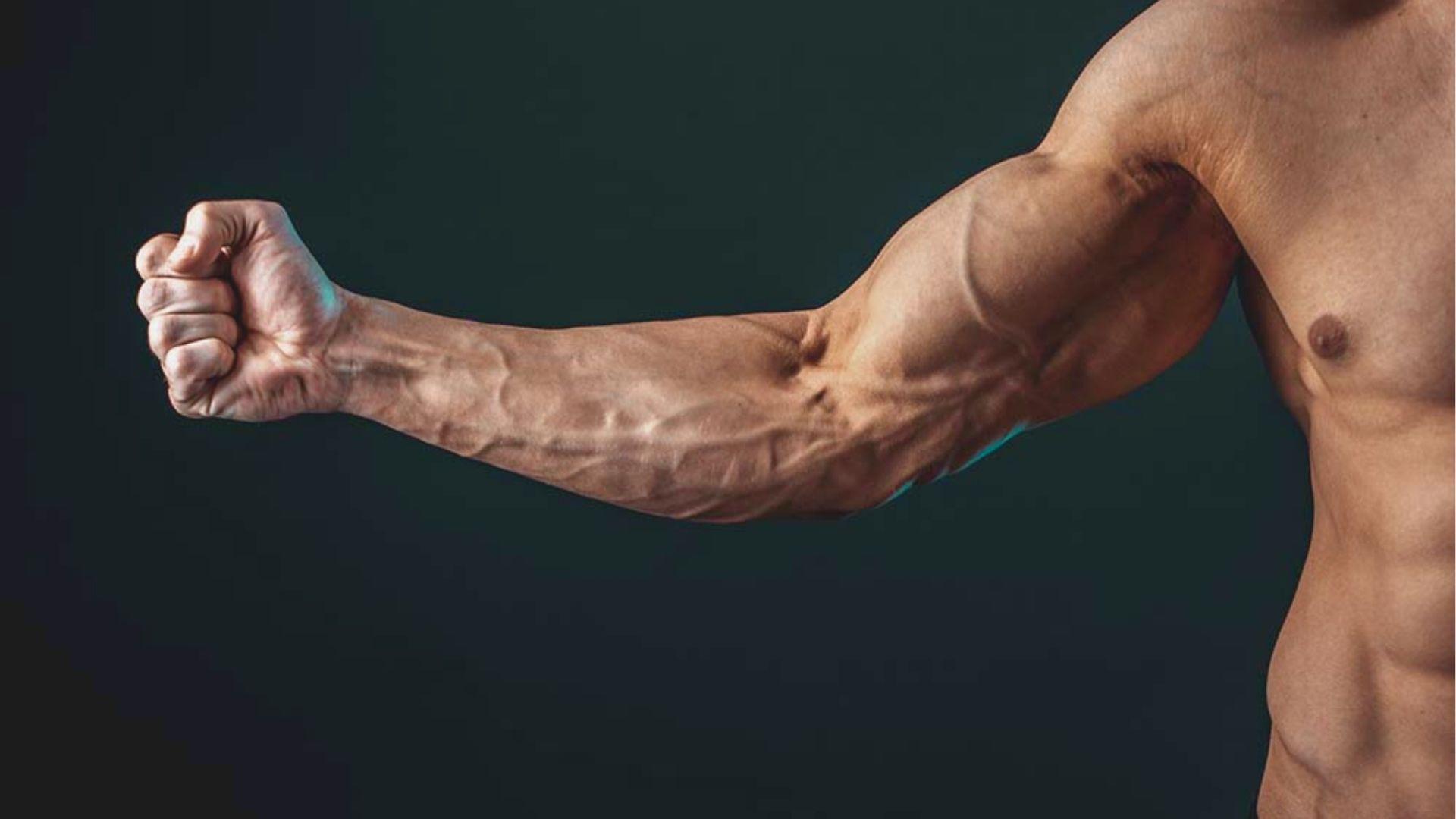
Holding the weight with one hand demands a strong grip. The forearm flexors and extensors both work hard here.
How to Do the Suitcase Deadlift Correctly

How to Do the Suitcase Deadlift
Follow each step carefully for safe and effective reps every time.
Step 1: Set Up Your Stance
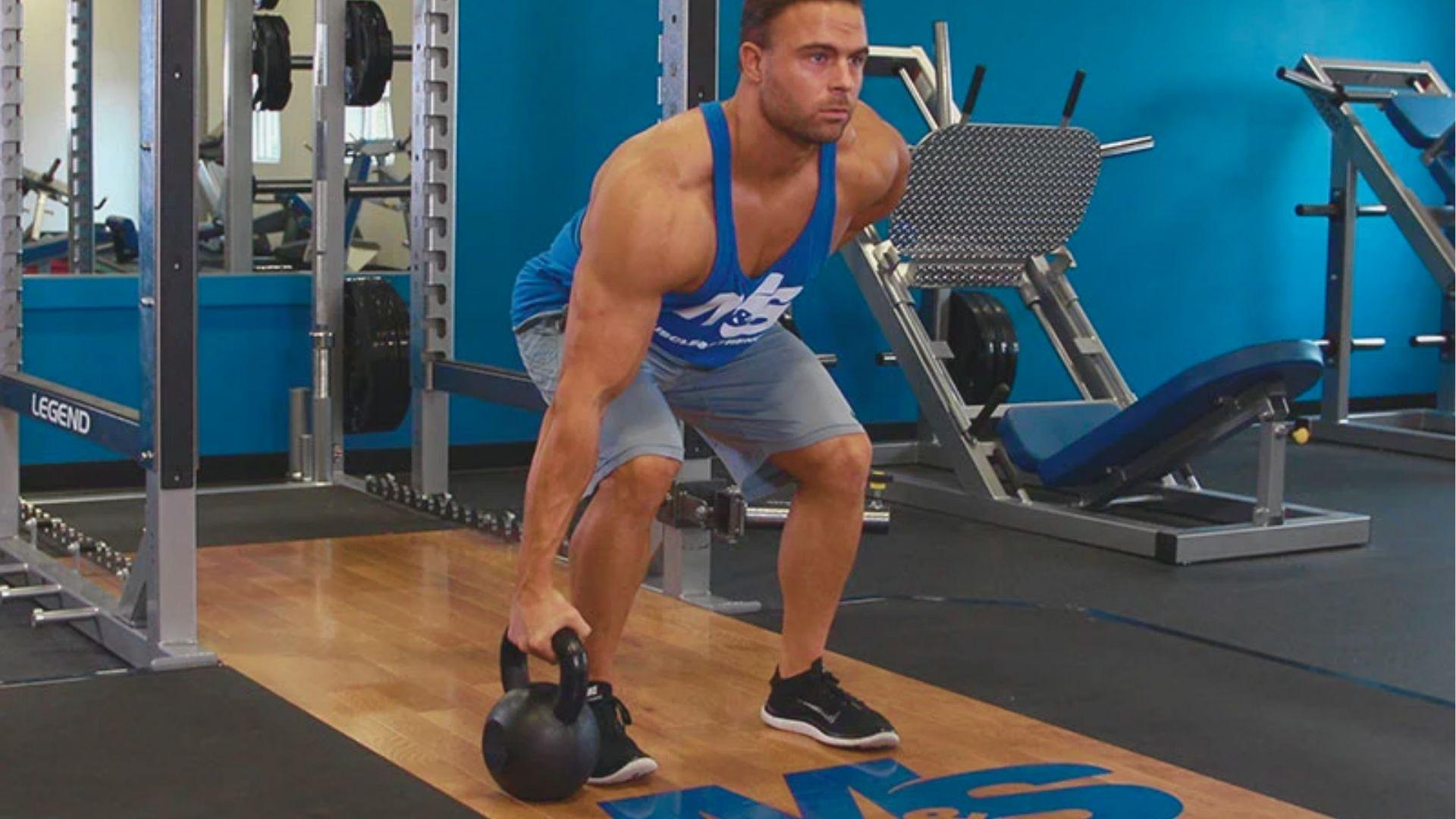
Stand with your feet about hip-width apart. Place the weight on the floor beside one foot. Point your toes forward or slightly out. This is your starting base.
Step 2: Position the Weight Properly
The weight should be right next to your leg. Not in front and not too far to the side. Close placement means less stress on your spine.
Step 3: Brace Your Core
Take a deep breath before you pull. Brace your core as if you're about to get punched. This protects your lower back and keeps you stable.
Step 4: Lift With Proper Form
Push through your feet. Drive your hips forward. Keep your chest up and your back flat. Resist the pull to lean toward the weight.
Step 5: Lock Out at the Top
At the top, stand fully upright. Squeeze your glutes. Keep your shoulders level and your core tight. Do not let one shoulder drop.
Step 6: Lower the Weight Safely
Reverse the movement. Hinge at the hips, bend the knees, and lower the weight with control. Do not let it crash to the floor.
Proper Suitcase Deadlift Form Tips
Small form details make a big difference in safety and results. Here is what to keep in mind for every single rep.
- Keep your back in a natural arch from top to bottom. Rounding at any point puts your discs under stress and kills the effectiveness of the lift.
- Your whole body should stay upright against the pull of the weight. If you tip toward the weighted side, drop the load and reset your position.
- Let the weight slide right along your leg as you lift and lower. Moving it even slightly away from your body adds unwanted stress to your lower back.
- Brace hard before you lift and do not let go until the weight hits the floor. Losing core tension mid-rep is one of the fastest ways to get hurt.
- Take at least two seconds on the way down instead of dropping fast. Slowing down the lowering phase builds more strength and keeps your form honest.
Best Equipment for the Suitcase Deadlift
A dumbbell is the best starting point. It is easy to grip and control, making it ideal for beginners learning the movement. Once you have the basics down, a kettlebell adds a bit more challenge due to its different center of gravity.
For advanced lifters, a barbell gripped at one end creates a long lever that demands much more balance and control.
As for weight, beginners should start with 10 to 20 pounds. Intermediate lifters can work between 30 and 50 pounds. Advanced lifters can go heavier, but clean form always comes first.
Common Suitcase Deadlift Mistakes
These errors happen often and are easy to fix once you know what to look for. Catching them early keeps your training safe and productive.
- If your shoulders rotate toward the weight during the lift, your spine takes on extra stress. Keep both shoulders level and square from start to finish.
- A rounded lower back under load is one of the most common and most dangerous mistakes here. Always use a weight that lets you maintain a flat, strong back position.
- This lift feels simple but it is not as easy as it looks. Starting too heavy too fast leads to sloppy reps and puts you at real risk of injury.
- When the weight swings out away from your leg, the stress on your lower back goes up fast. Keep it tight to your body the entire way up and down.
- Quick, careless reps create bad movement habits that are hard to break later. Slow down every rep, especially the lowering phase, and let your muscles do the actual work.
Suitcase Deadlift Variations
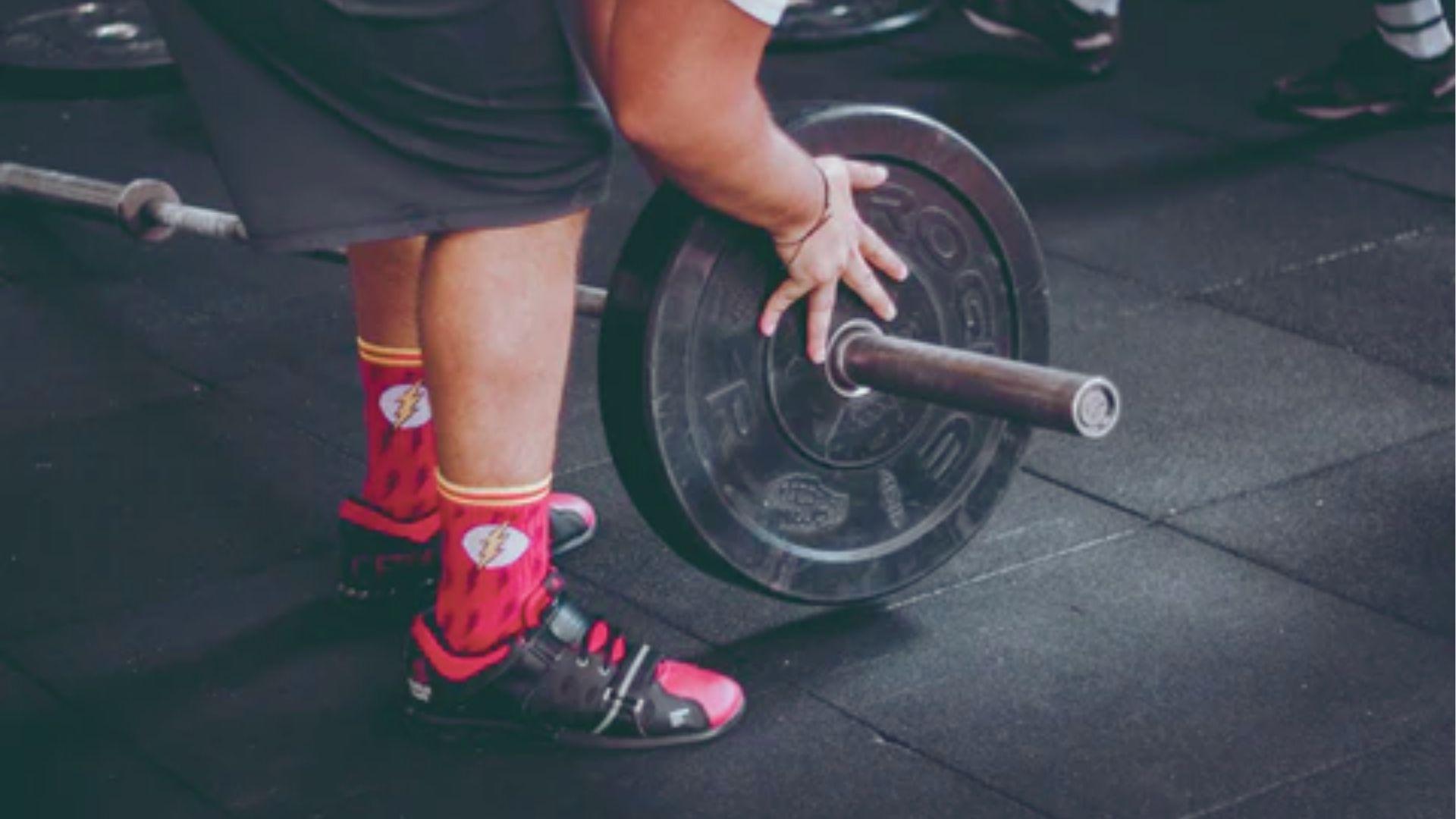
Once you master the basics, these variations keep the training fresh and more challenging.
Double Suitcase Deadlift
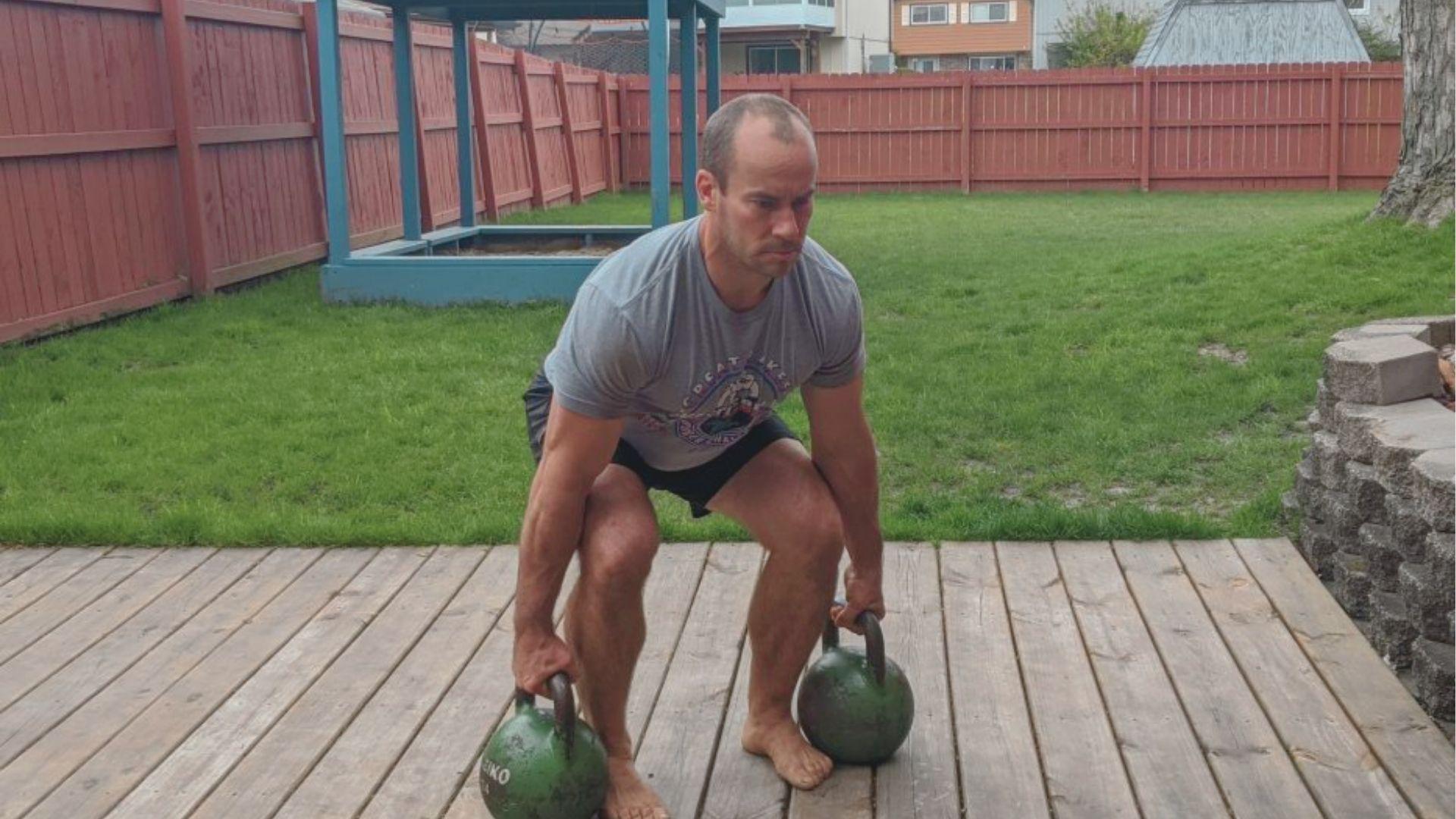
You hold a weight in each hand. This removes the anti-lateral challenge but adds total load. It works well as a loaded carry variation too.
Deficit Suitcase Deadlift
You stand on a small platform to increase the range of motion. This makes the hamstrings work harder and adds a greater challenge at the bottom.
Asymmetrical Suitcase Deadlift
You hold different weights in each hand. One side gets more load than the other. This is a creative way to keep the core guessing.
Single-Leg Suitcase Deadlift
You balance on one leg while performing the lift. This is very demanding on balance and hip stability. It is best for advanced lifters.
Trap Bar Suitcase Deadlift Alternative
Using a trap bar centers the load better and reduces spinal stress. It is a good option for people building toward single-sided work.
Suitcase Deadlift vs Other Deadlift Variations
Knowing how this lift compares helps you choose the right tool for your goals.
| Feature | Suitcase Deadlift | Conventional Deadlift | Romanian Deadlift | Trap Bar Deadlift |
| Load Position | One side only | Centered, both hands | Centered, both hands | Centered, both hands |
| Core Demand | Very high | Moderate | Moderate | Low to moderate |
| Anti-Rotation Work | Yes, high demand | No | No | No |
| Hamstring Focus | Moderate | High | Very high | Moderate |
| Glute Activation | High | High | High | High |
| Spine Stress | Moderate | Moderate to high | Moderate | Low |
| Balance Challenge | High | Low | Low | Low |
| Best For | Core stability and fixing imbalances | Overall posterior chain strength | Hamstring strength and hip hinge | Beginners and heavy loading |
| Beginner Friendly | Moderate | Moderate | Moderate | Yes |
| Fixes Imbalances | Yes | No | No | No |
| Grip Demand | Single hand, very high | Double hand, moderate | Double hand, moderate | Double hand, moderate |
Which Deadlift Variation Is Best for Core Strength?
For core strength specifically, the suitcase deadlift wins. No other deadlift variation demands as much lateral core control under load. If your goal is a stronger, more stable core, make this a regular part of your training.
How to Program the Suitcase Deadlift

Use the right sets, reps, and placement in your workout to get the most from this lift.
Best Sets and Reps for Strength
Use heavier weight with lower reps. Try 4 sets of 4 to 6 reps per side. Rest 2 to 3 minutes between sets.
Best Sets and Reps for Muscle Growth
Use moderate weight with medium reps. Try 3 to 4 sets of 8 to 12 reps per side. Rest 60 to 90 seconds between sets.
Best Sets and Reps for Endurance
Use lighter weight with higher reps. Try 3 sets of 15 to 20 reps per side. Keep rest short, around 30 to 45 seconds.
Where to Place It in Your Workout
Use it early in your session when your core is fresh. It works well after a main compound lift like a squat or press. You can also use it as a warm-up for heavier deadlift work.
Beginner Tips for Safer Training
Starting right saves you from bad habits and keeps your progress steady and safe.
- Start with light weights. Do not rush to load heavy. A 15 or 20-pound dumbbell is enough to feel the movement and build confidence early on.
- Focus on technique before adding weight. Spend your first two weeks learning the pattern. Record yourself from the front and side to catch any lean or torso rotation.
- Warm up properly before every session. Do hip circles, leg swings, and light Romanian deadlifts before you begin. A warm body moves better and lowers injury risk.
- Wear flat shoes for better stability. Thick-soled shoes create instability during deadlifts. Flat shoes or barefoot training keeps you grounded and improves your balance throughout the lift.
- Train one side at a time with full focus. Do not rush through reps just to finish the set. Each side deserves equal attention so you build strength evenly and avoid compensating with the stronger side.
Who Should Avoid the Suitcase Deadlift?
If you have an active lower back injury, skip this lift for now. The offset load can make pain worse before your back is ready. See a physiotherapist before adding it back in.
If full range of motion feels too hard, start with a partial lift from a raised surface. Reduce depth until your strength and mobility catch up.
Watch for these signs during your set. Torso tipping to one side means the weight is too heavy. Lower back rounding at the bottom means you need to stop and reset.
Shoulders rotating means your core has switched off. Any of these signs mean it is time to lower the weight and clean up your form before continuing.
Conclusion
The suitcase deadlift changed how I think about core training. I used to skip it because it looked too simple. Once I tried it with proper form, I felt muscles working that I never noticed before.
If you've been ignoring this lift, give it a real shot this week. Start light, focus on staying upright, and build from there. Your core and grip will thank you.
Drop a comment below and tell me how it went. I'd love to hear about your experience with it.
Frequently Asked Questions
Is the suitcase deadlift good for beginners?
Yes, it works well for beginners when using light weight. Focus on form first and add weight only after you feel stable and controlled during each rep.
How heavy should I go on the suitcase deadlift?
Start with a weight that lets you stay upright with zero torso lean. Most beginners do well between 15 and 25 pounds before building up slowly over time.
Can I do the suitcase deadlift every day?
It is best to train it two to three times per week with rest days in between. Your core and lower back need time to recover and grow stronger between sessions.
Does the suitcase deadlift replace regular deadlifts?
No, it does not replace conventional deadlifts. It complements them. Use both in your training plan for a well-rounded approach to strength and stability.
What muscles does the suitcase deadlift work the most?
The core and obliques take the most work. The glutes, hamstrings, lower back, and grip muscles are also heavily involved throughout every rep of the movement.