

I have tested both planks more times than I can count, and picking the wrong one honestly slowed my progress for months.
This article breaks down straight arm plank vs forearm plank benefits so you can train smarter.
You will learn the muscles of each target, which fits your goals, and how to avoid common mistakes.
I have spent years coaching and training, and this comparison is based on real results.
We will cover proper form, key muscle differences, beginner vs advanced choices, common errors, and progressions to keep you moving forward.
What is a Straight Arm Plank? (High Plank Explained)
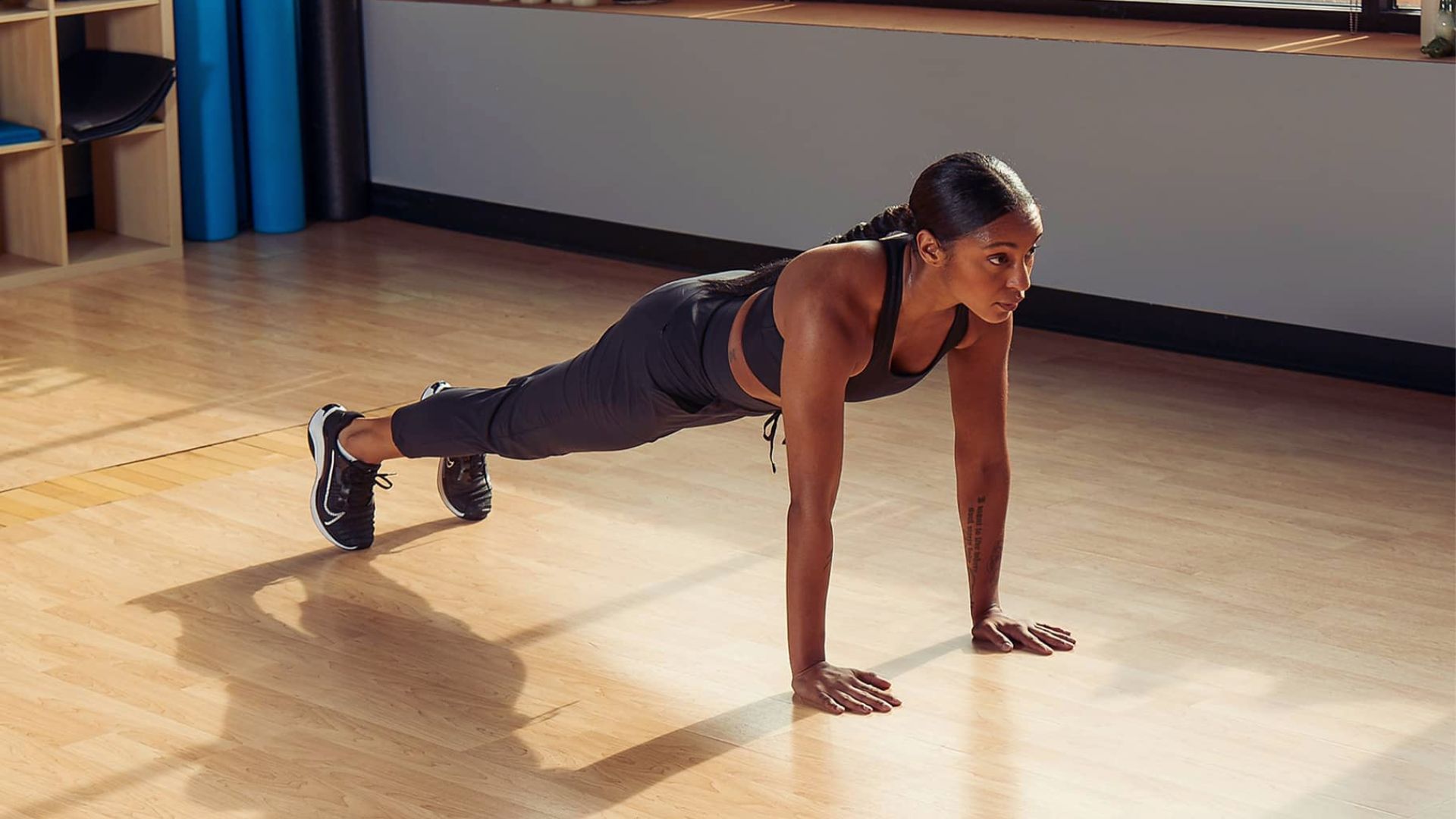
The straight arm plank is a full-body hold that builds strength from head to toe.
Start in a push-up position with hands directly under your shoulders, arms fully extended, and your body forming a straight line from head to heels.
Squeeze your glutes and pull your belly button in. It works your core, shoulders, chest, triceps, glutes, and quads all at once.
Unlike a push-up, there is no movement here. The goal is pure stability under tension, and that changes how every muscle responds.
Straight Arm Plank Benefits for Core Strength and Upper Body
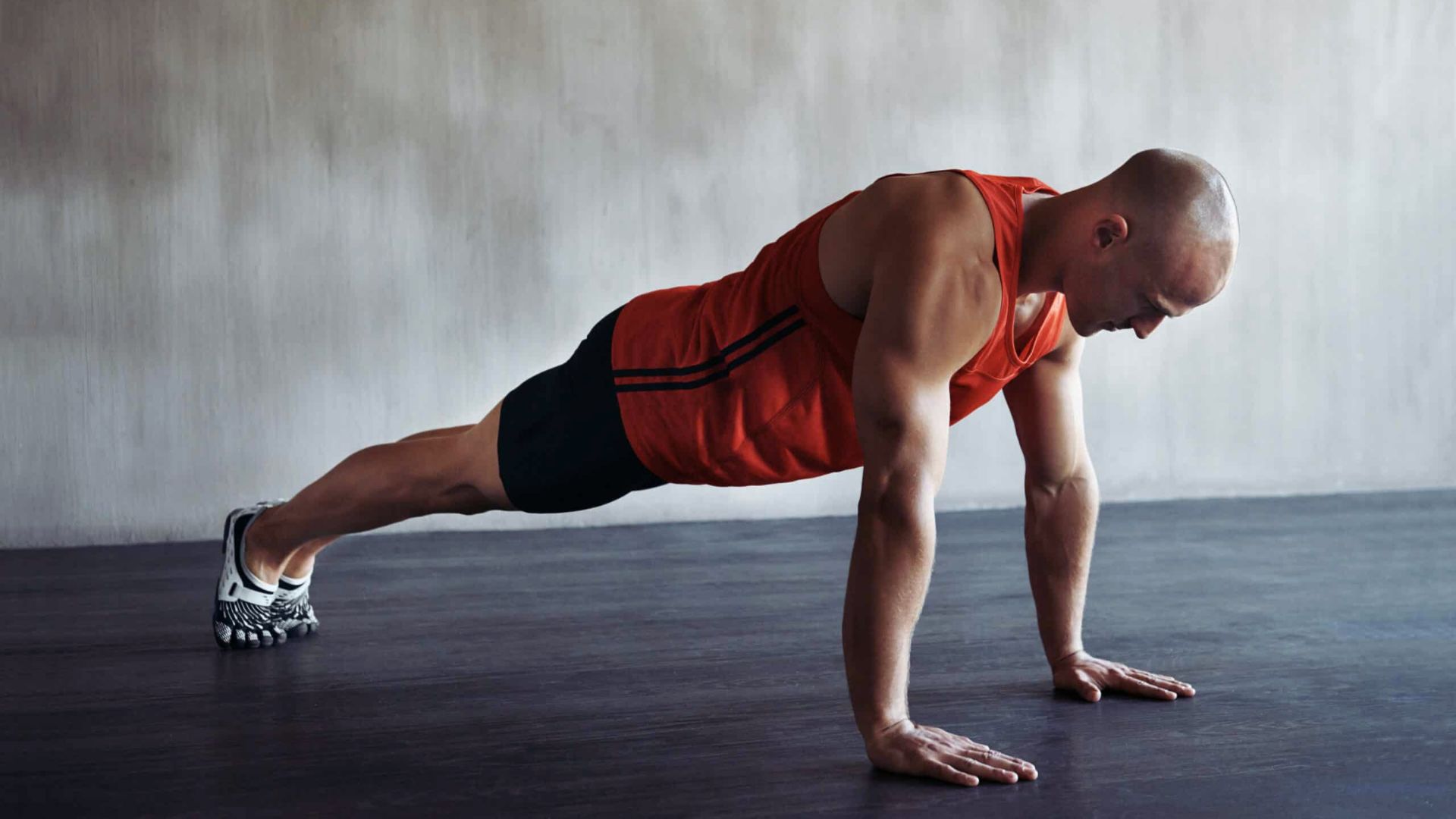
This variation does more than just tone your abs. It conditions your entire upper body while building serious core control.
Builds Core Stability and Anti-Extension Strength
The straight arm plank teaches your core to resist extension. That means your spine stays neutral under load.
This kind of strength carries over to deadlifts, presses, and daily movement patterns.
Strengthens Shoulders, Chest, and Triceps
Because your arms are extended, your shoulders work hard to stay stable. Your chest and triceps stay under constant tension too.
Over time, this builds functional upper body strength that supports other exercises.
Improves Posture and Spinal Alignment
Holding a straight arm plank with good form trains your body to maintain a neutral spine. Do this consistently and you will notice better posture during sitting, standing, and lifting.
Improves Push-Up and Calisthenics Performance
If you want to get better at push-ups, dips, or handstands, the straight arm plank is your friend. It builds the shoulder and core stability those movements depend on.
What is a Forearm Plank? (Low Plank Explained)
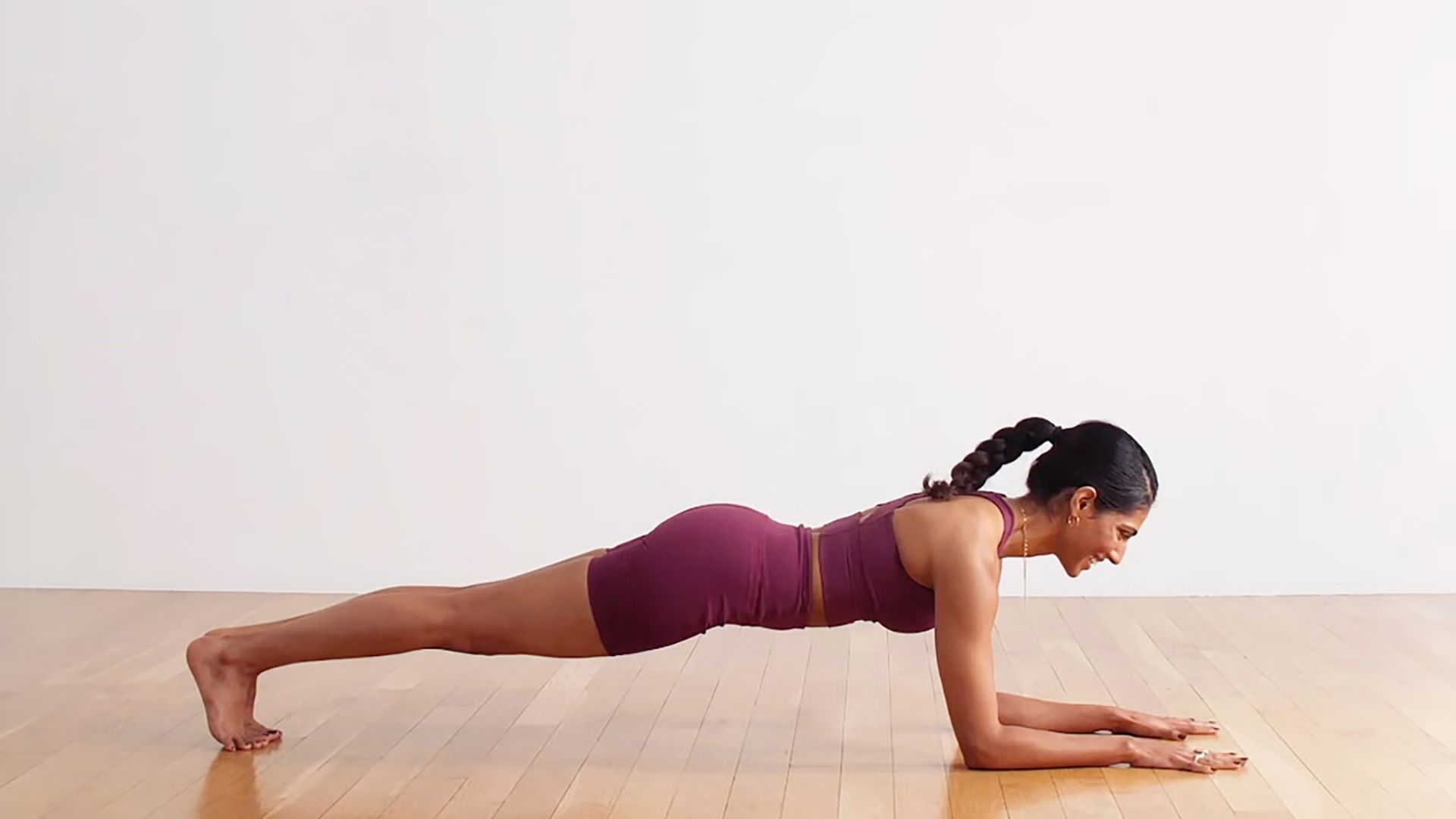
The forearm plank shifts the focus to your core by removing much of the upper body demand.
Place your forearms flat on the ground with elbows directly under your shoulders, body forming a straight line, and lower back staying flat.
Press your forearms into the floor, squeeze your glutes, and brace hard. It targets your deep core muscles, lower back, glutes, and shoulders.
Because your arms are supported, the challenge moves straight to your abs, making this the better pick for pure core isolation and endurance.
Forearm Plank Benefits for Core Strength and Endurance
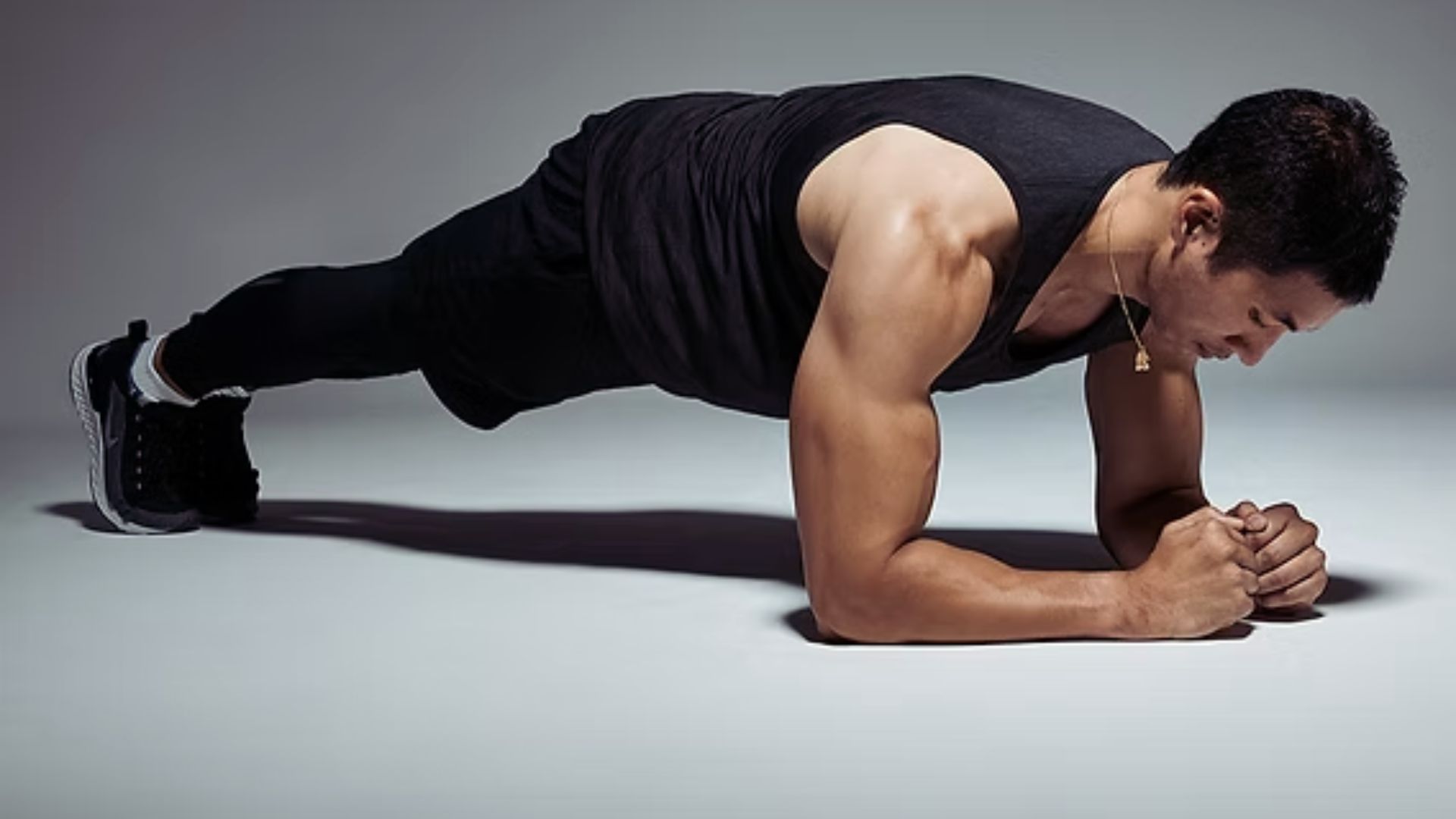
The forearm plank does more than just work your abs. It builds deep core stability that carries over into every movement you make.
Builds Deep Core Muscle Strength
The forearm plank targets the transverse abdominis, which is your deepest core muscle. This muscle acts like a natural belt around your spine.
Training it builds real functional strength, not just surface-level abs.
Improves Core Endurance and Stamina
Holding a forearm plank for time trains your core to stay active under prolonged tension.
That endurance shows up in runs, lifts, and everyday activities where your core needs to stay engaged for longer periods.
Reduces Lower Back Stress and Pain
A strong core supports your spine. The forearm plank strengthens the muscles around your lumbar region, which helps reduce lower back pain over time.
Many physical therapists recommend it as a safe and effective rehab exercise.
Builds Hip and Glute Stability
Your glutes and hips work hard to keep your body aligned during a forearm plank.
That added stability improves your performance in squats, deadlifts, and any movement that requires a solid base from the ground up.
Forearm Plank vs Straight Arm Plank: Key Differences
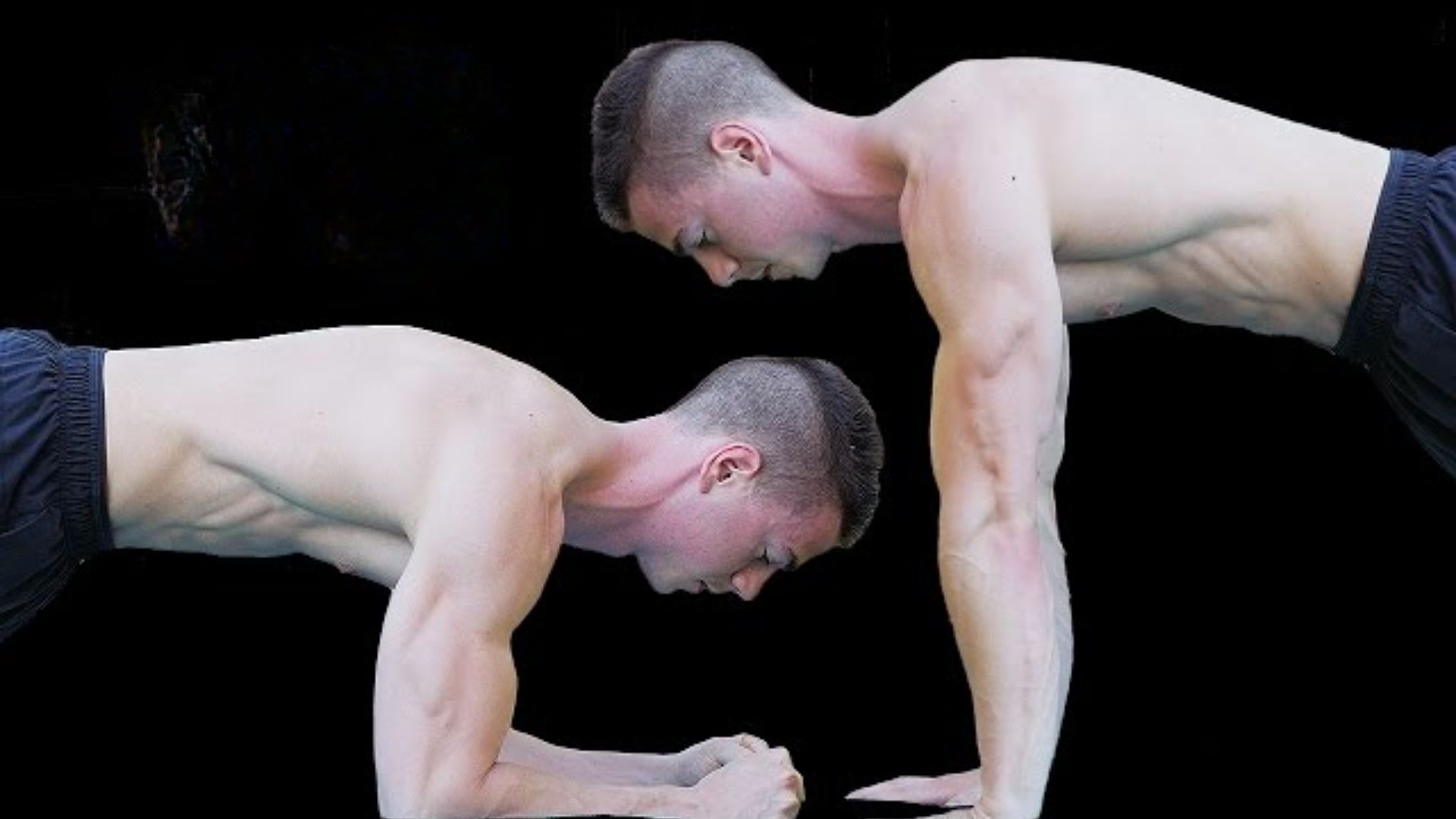
Both planks train the core, but they feel and function very differently across several key areas.
| Category | Straight Arm Plank | Forearm Plank |
|---|---|---|
|
Core activation |
Moderate. The core works alongside the upper body. |
High. Greater EMG activation in abs. |
|
Upper body demand |
High. Shoulders, chest, and triceps all engaged. |
Low. Arms are supported on the ground. |
|
Balance requirement |
Higher. Narrower base with extended arms. |
Lower. Forearms give a wider, stable base. |
|
Shoulder fatigue |
Faster. Arms fully extended under load. |
Slower. Elbows reduce shoulder strain. |
|
Core endurance |
Moderate. Focus is shared with the upper body. |
High. Abs stay under longer tension. |
|
Best for beginners |
Moderate. Needs wrist and shoulder stability. |
Yes. Easier to hold with clean form. |
|
Primary focus |
Full body conditioning |
Pure core isolation |
|
Difficulty level |
Moderate to hard (shoulder-heavy) |
Moderate to hard (core-heavy) |
Common Mistakes in Straight Arm Plank and Forearm Plank
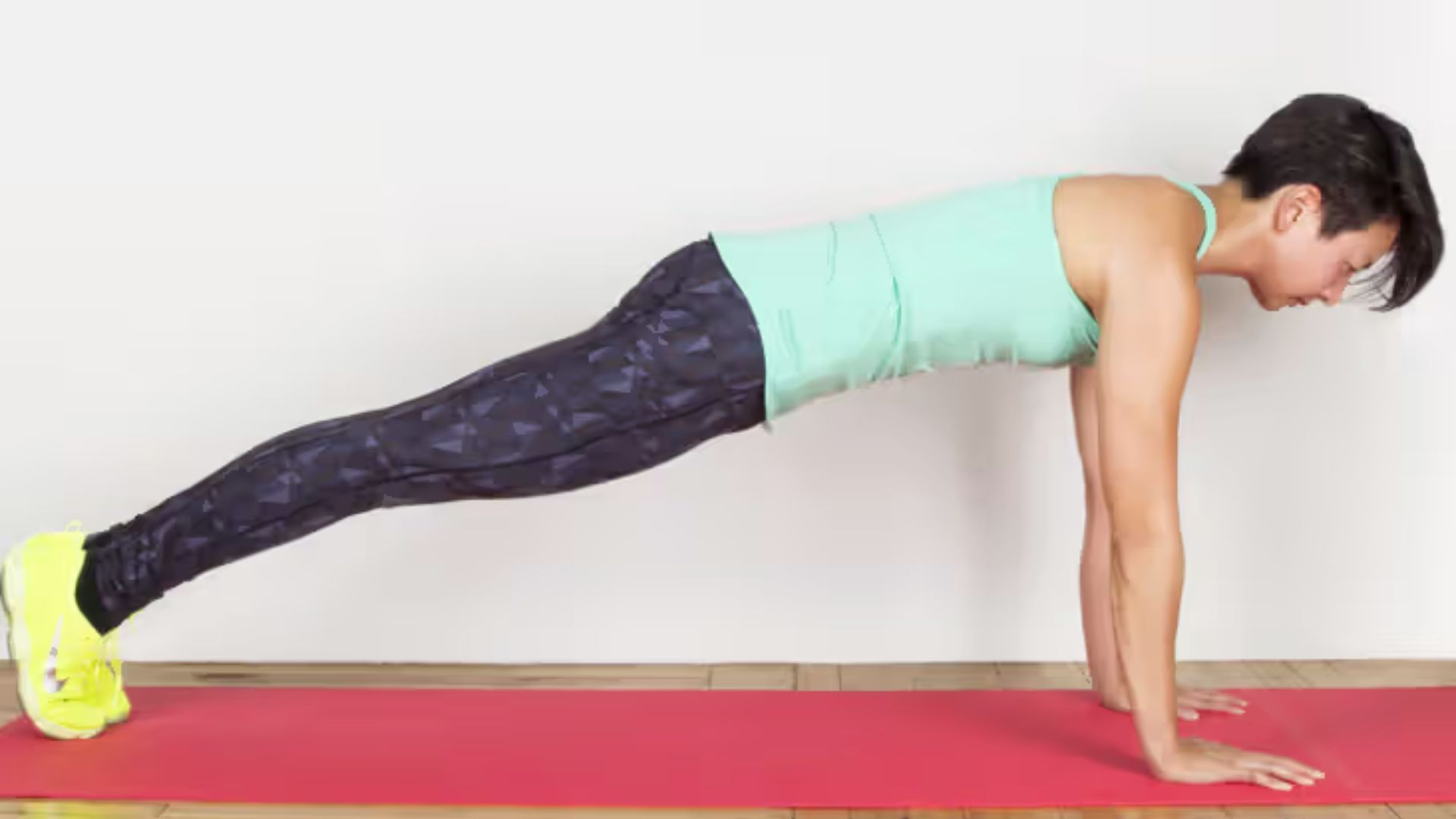
Bad form kills results and increases injury risk. Here are the most common errors to avoid.
Hip Sagging and Loss of Core Engagement
This is the most common mistake. When your hips drop, your lower back takes the strain. Keep your glutes squeezed and core braced at all times.
Incorrect Shoulder and Arm Positioning
In the straight arm plank, hands should be under the shoulders, not in front. In the forearm plank, elbows should line up under the shoulders.
Misaligned joints lead to unnecessary stress on your wrists and rotator cuffs.
Holding Breath and Poor Bracing Technique
Holding your breath spikes your blood pressure and reduces stability. Breathe steadily. Inhale through the nose, exhale through the mouth.
Brace your core like you are about to take a punch.
Losing Neutral Spine Alignment
Your spine should stay in a neutral position throughout the hold. Avoid rounding your upper back or arching your lower back.
A flat, aligned spine means your muscles are doing the work correctly.
Quick Plank Tips to Get Better Results Fast
Small tweaks in your plank form can make a big difference in strength and results.
- Pick the right plank for your goal. Forearm plank for core strength, straight arm plank for full body conditioning.
- Keep your hips level. Sagging or raised hips means your core is not working. Fix it before adding more time.
- Breathe steady throughout. Inhale through your nose, exhale through your mouth. Do not hold your breath mid-hold.
- Start short and build up. Begin with 20 to 30 second holds and add time only when your form stays clean.
- Use both planks each week. Rotating between the two builds stronger abs, better posture, and more balanced upper body strength.
Conclusion
The straight arm plank builds upper body and core strength together, supporting push-up performance, posture, and functional stability.
Neither plank is better overall as each serves a different purpose. The forearm plank wins for core isolation while the straight arm plank wins for full-body conditioning.
The best approach is to use both in your training week. Alternate between them or add both to the same session.
Together, they cover every angle of core and upper body strength you need.
Frequently Asked Questions
Is the straight arm plank harder than the forearm plank?
It depends on your weak point. The straight arm plank is harder on the shoulders. The forearm plank is harder on the core endurance side.
How long should I hold a plank as a beginner?
Start with 20 to 30 seconds. Focus on clean form first. Gradually add time as your strength improves over weeks.
Can I do both planks in the same workout?
Yes. Many trainers recommend it. Do a straight arm plank for upper body activation, then a forearm plank to finish with core fatigue.
Which plank is better for lower back pain?
The forearm plank with proper form is generally safer for those with lower back issues. Always consult a professional if you have existing pain.
How often should I train planks each week?
Three to four times per week is enough for most people. Pair planks with other core exercises for balanced development.


