
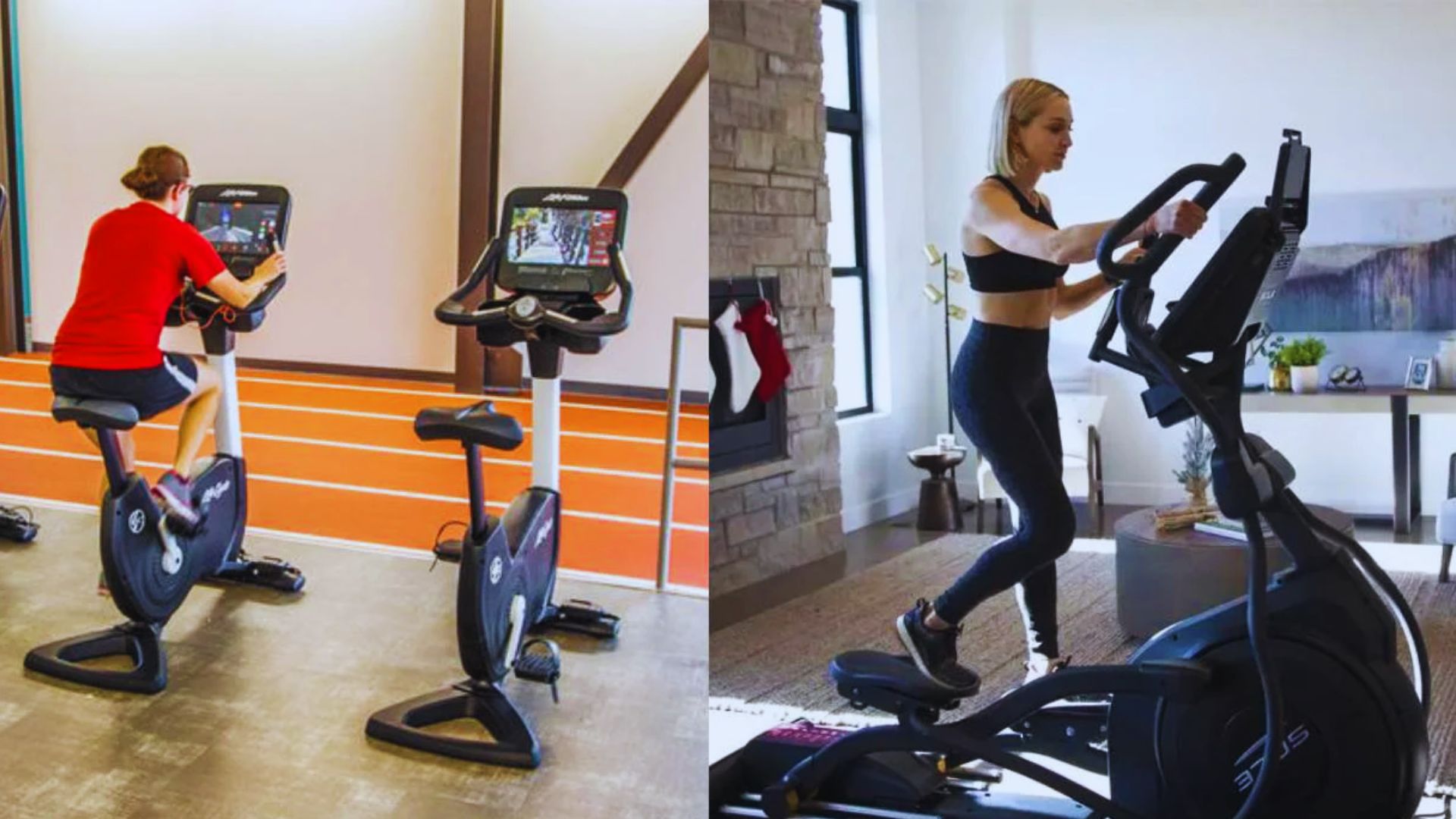
Choosing between a stationary bike vs elliptical can be confusing when you want to protect your knees. I’ve helped hundreds of people find the right cardio machine for their needs, and I know how important this decision is.
This article breaks down the key differences between these two machines, including their impact on your knees, muscle activation, comfort levels, and overall benefits.
You’ll learn which option works best for mild knee discomfort, chronic knee issues, full-body training, and limited mobility.
I’ll cover everything from joint loading patterns to price ranges so you can make an informed choice. With years of fitness equipment testing, I’ll give you straight answers.
Stationary Bike vs Elliptical : Quick Overview
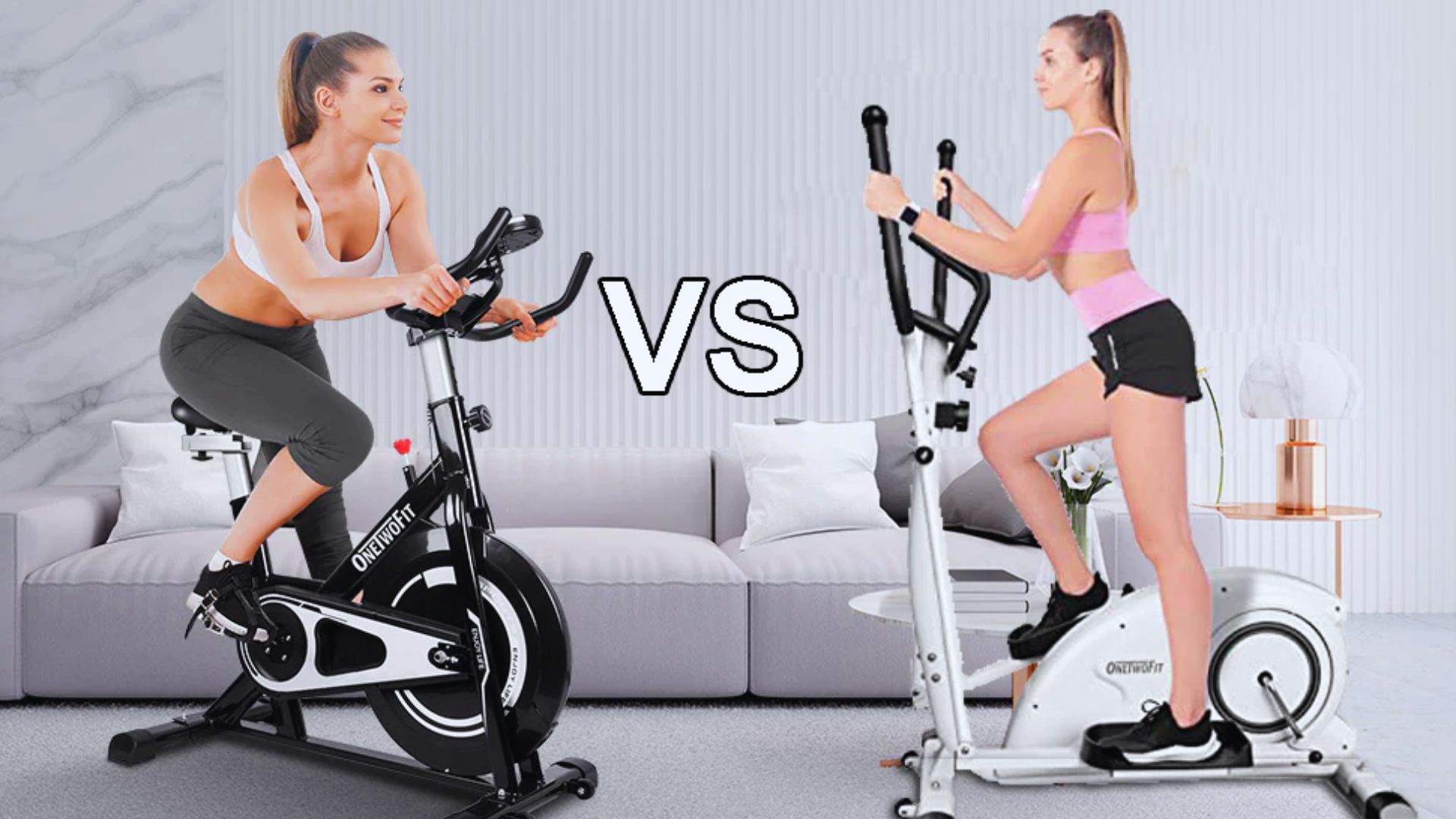
Both machines offer low-impact cardio that’s gentle on your joints compared to running or jumping. Your feet stay in contact with the pedals throughout the motion. There’s no pounding or harsh impact.
The stationary bike keeps you seated while you pedal. This removes most of your body weight from your knees. You can adjust the seat for proper leg extension.
The elliptical uses a standing, gliding motion. It spreads impact across your entire body. The natural arc motion mimics walking without the stress.
Both machines let you control resistance and speed. You can start with low resistance and gradually increase intensity. This controlled progression helps strengthen muscles around your knees safely.
What Is a Stationary Bike?

A stationary bike is a fitness machine that mimics outdoor cycling while staying in one place. You sit on a seat and pedal with your legs to get cardio exercise.
There are two main types: upright bikes that look like regular bicycles, and recumbent bikes with a reclined seat and back support.
The bike uses a resistance system that makes pedaling harder or easier. Stationary bikes are popular for home gyms and rehabilitation because they’re gentle on your joints. The seated position removes stress from your knees and back.
Pros of a Stationary Bike
Bikes offer several advantages for people concerned about knee health and comfort.
Very Low Knee Stress During Pedaling
The circular pedaling motion creates minimal stress on your knee joints. Your weight sits on the seat, not on your knees.
The smooth rotation doesn’t jar or twist your knees. This makes bikes ideal for people recovering from knee injuries or managing arthritis.
Recumbent Options with Back and Joint Support
Recumbent bikes have a chair-like seat with back support. You sit in a reclined position with your legs extended forward. This design reduces pressure on your lower back while protecting your knees. It’s perfect for people with back pain or limited mobility.
Adjustable Seat Position for Proper Leg Alignment
You can move the seat forward or backward to get the right leg extension. Proper positioning prevents knee strain by ensuring your leg doesn’t overextend or bend too sharply.
Good alignment makes every pedal stroke comfortable and safe.
Smooth Resistance Control for Gentle Progression
Most bikes let you adjust resistance easily during your workout. You can start light and increase gradually. The resistance feels smooth and predictable.
This helps you build strength around your knees without overdoing it.
Cons of a Stationary Bike
Bikes have some limitations you should consider before buying.
Limited Upper-Body Muscle Involvement
Your arms and shoulders barely work during cycling. Most bikes don’t have moving handles. Even models with handles don’t provide significant upper-body training.
You’re mainly working your legs.
Less Total Muscle Activation Compared to Ellipticals
Since bikes focus on your lower body, you activate fewer muscle groups overall. This means lower calorie burn per minute compared to full-body machines.
Your core gets minimal engagement.
Prolonged Sitting May Reduce Posture Variety
Sitting for long periods can feel uncomfortable for some people. It doesn’t provide the posture variation that standing workouts offer.
This might bother you if you already sit a lot during the day.
What Is an Elliptical?
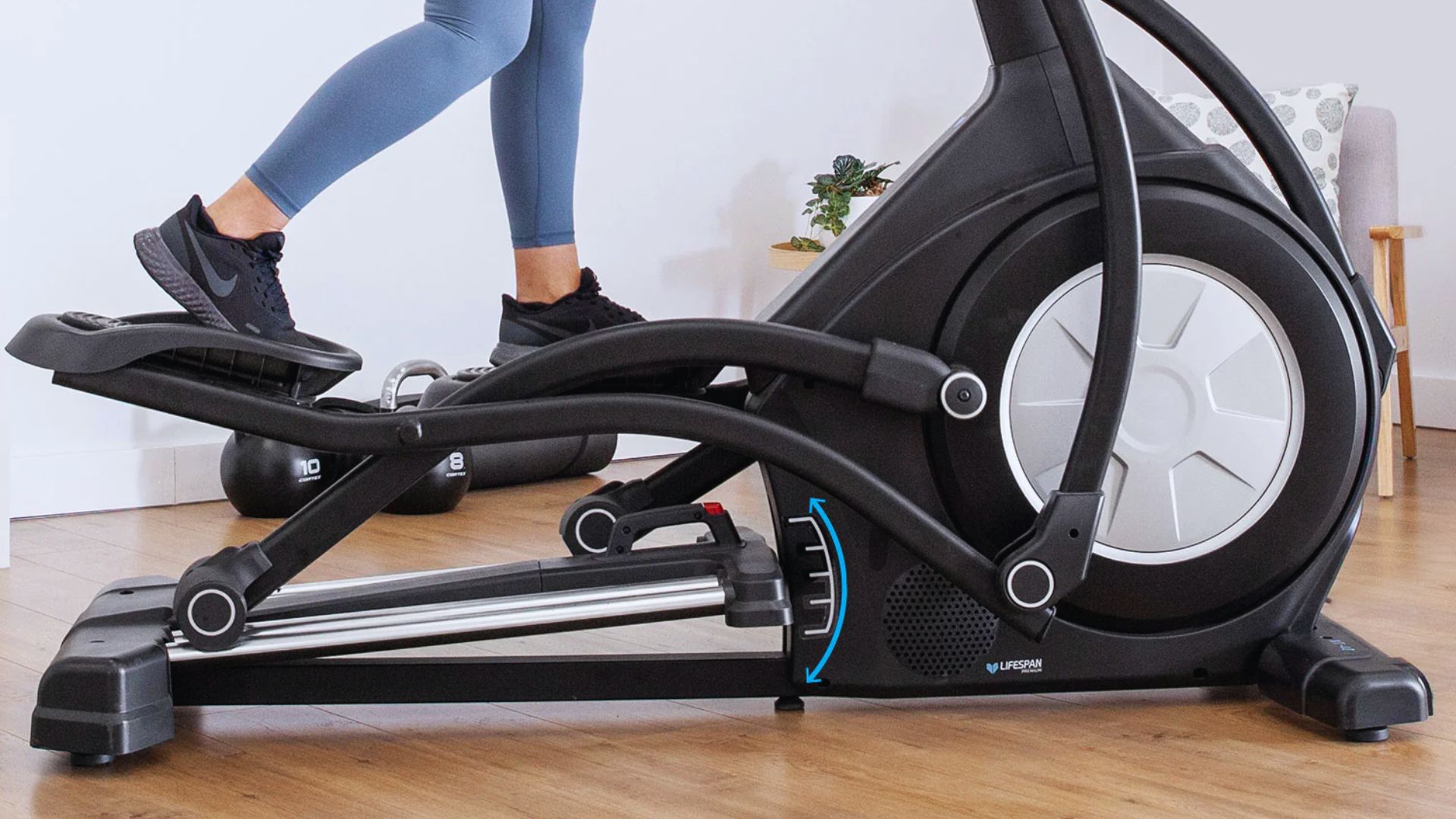
An elliptical is a standing cardio machine with two foot pedals and moving handles. Your feet trace an oval (elliptical) path as you move. This gliding motion works both your upper and lower body at the same time.
The machine has handles that push and pull as you step. You can hold stationary grips if you only want to work your legs.
Ellipticals use adjustable resistance to make the motion harder or easier. The machine provides a complete workout without the pounding impact of running or jumping.
Pros of an Elliptical
Ellipticals provide benefits that bikes can’t match, especially for total-body fitness.
Full-Body Workout Using Arms and Legs
The moving handles let your arms push and pull while your legs glide. Your core stabilizes your body throughout the motion. You get a complete cardio workout that builds strength across your entire body.
Natural Gliding Motion That Reduces Joint Impact
The elliptical path creates a smooth, flowing movement that feels like walking or running without the pounding. Your feet never leave the pedals.
The motion distributes forces evenly across your joints. This protects your knees while giving you an effective workout.
Adjustable Stride and Resistance for Controlled Training
You can change the stride length on many models to match your natural gait. Resistance adjusts independently.
This customization helps you find a comfortable setting that doesn’t aggravate your knees. You can progress at your own speed.
Better Calorie-Burn Potential Due to Total-Body Movement
Engaging more muscle groups means you burn more calories per session. The combination of upper and lower body work increases your metabolic demand.
This makes ellipticals efficient for weight management.
Cons of an Elliptical
Ellipticals aren’t perfect for everyone. Consider these drawbacks.
Higher Balance and Coordination Demands
Standing on moving platforms requires steady balance. You need to coordinate your arm and leg movements simultaneously.
This can feel awkward at first. People with balance problems might struggle.
Weight-Bearing Position May Not Suit All Knee Conditions
Some knee conditions feel worse with weight-bearing exercise. If your knees hurt when standing, the elliptical might not work for you.
The standing position puts more load on your joints than a seated bike.
Larger Equipment Footprint
Ellipticals take up more floor space than most bikes. They’re longer and often wider. This can be a problem if you have limited room in your home. They’re also harder to move.
Stationary Bike vs Elliptical : Key Differences
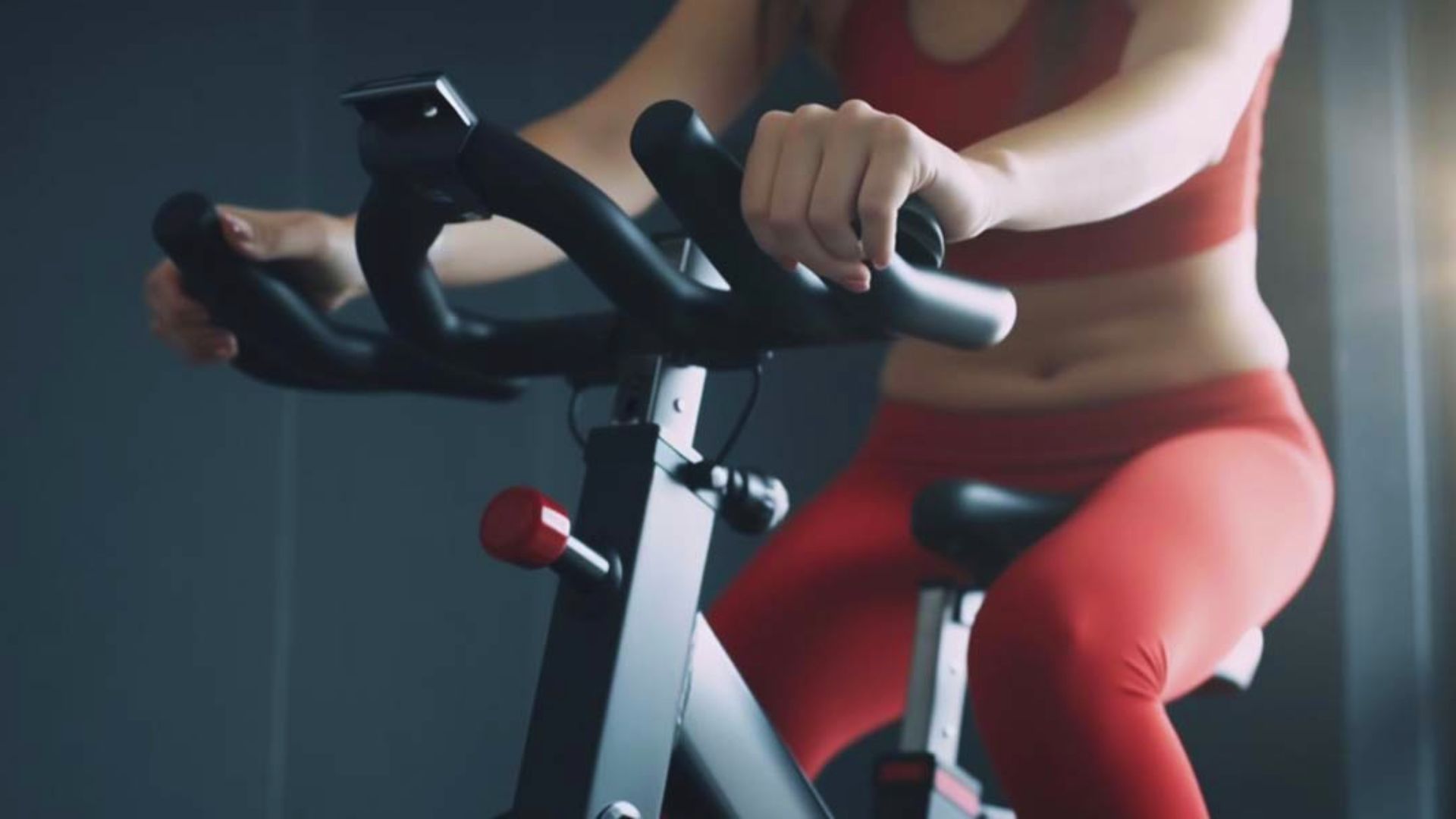
The main difference is how your body interacts with each machine. Understanding these distinctions helps you pick the right fit.
Here’s a side-by-side look at how these machines compare across important factors.
| Factor | Stationary Bike | Elliptical |
|---|---|---|
|
Knee Impact |
Minimal; seat supports body weight |
Moderate; knees bear full body weight |
|
Muscle Activation |
Lower body only |
Full body workout |
|
Stability |
Excellent; seated position |
Requires balance while standing |
|
Price Range |
$200-$3,000 |
$300-$5,000+ |
|
Best For |
Knee protection and limited mobility |
Full-body conditioning and calorie burn |
Seated Workout vs Weight-Bearing Workout
The stationary bike provides a seated workout where your weight rests on the seat. Your knees don’t support your body.
The elliptical requires you to stand upright while moving. Your legs bear your full body weight during the workout. This fundamental difference affects joint loading.
Lower-Body Focus vs Full-Body Involvement
Bikes primarily work your legs and glutes. Your arms stay relatively still unless you’re on a model with moving handles.
Ellipticals engage your arms, shoulders, core, legs, and glutes simultaneously. The arm handles move back and forth as you glide. This creates a total-body cardio session.
Balance and Stability Requirements
Bikes offer excellent stability since you’re sitting down. You don’t need good balance to use one safely.
Ellipticals require moderate balance and coordination because you’re standing on moving platforms. People with balance issues may find bikes easier to use.
Stationary Bike vs Elliptical : Which Is Better for Different Needs?

For mild knee discomfort, either machine works well. Start with low resistance and see which feels more comfortable. The bike is gentler because you’re seated, while the elliptical provides more complete exercise.
For chronic or sensitive knees, a recumbent bike is usually better. It removes weight from your knees completely and provides back support for consistent exercise without aggravation.
For full-body conditioning, the elliptical wins clearly. It works your entire body in one workout and burns more calories than seated cycling.
For limited balance or back support needs, a recumbent bike is the clear winner. You sit safely with spine support and don’t need good balance.
Conclusion
I’ve used both machines for years, and here’s what I know: the stationary bike vs elliptical decision comes down to your knees. If your knees need serious protection, go with a recumbent bike.
If they’re healthy enough for weight-bearing work, the elliptical gives you more. I started with a bike after knee surgery and moved to an elliptical once I healed.
Try what feels right for your body today. Drop a comment below and tell me which machine you’re leaning toward. I’d love to hear about your experience.
Frequently Asked Questions
Which burns more calories, stationary bike or elliptical?
The elliptical typically burns more calories because it works your entire body. The bike focuses mainly on your legs, so it burns fewer calories.
Can I use an elliptical with bad knees?
You can use an elliptical if the weight-bearing position doesn’t cause pain. Start with low resistance and switch to a recumbent bike if you feel discomfort.
Is a recumbent bike better than an elliptical for knee pain?
A recumbent bike is usually better for knee pain because it removes all body weight from your knees. The elliptical requires your knees to bear weight while moving.
How long should I exercise on a bike or elliptical?
Start with 10 to 15 minutes and gradually increase to 30 to 45 minutes. Stop if your knees hurt and remember that consistency matters more than duration.
Which machine is easier for beginners?
A stationary bike is easier for beginners because the motion is simple and you don’t need balance. The elliptical takes more practice to coordinate arm and leg movements.


