If you want bigger biceps, spider curls might be the missing piece in your arm workout.
I started adding them to my routine a few months ago, and the difference in my bicep peak was noticeable within weeks. That's when I knew this exercise deserved a closer look.
In this blog, I'll cover what spider curls are, which muscles they work, how to do them correctly, and the key benefits and common mistakes to avoid.
I've trained consistently for years and tested many curl variations, so this guide is based on real experience and solid exercise science.
You'll leave knowing exactly how to do spider curls the right way.
What Are Spider Curls?
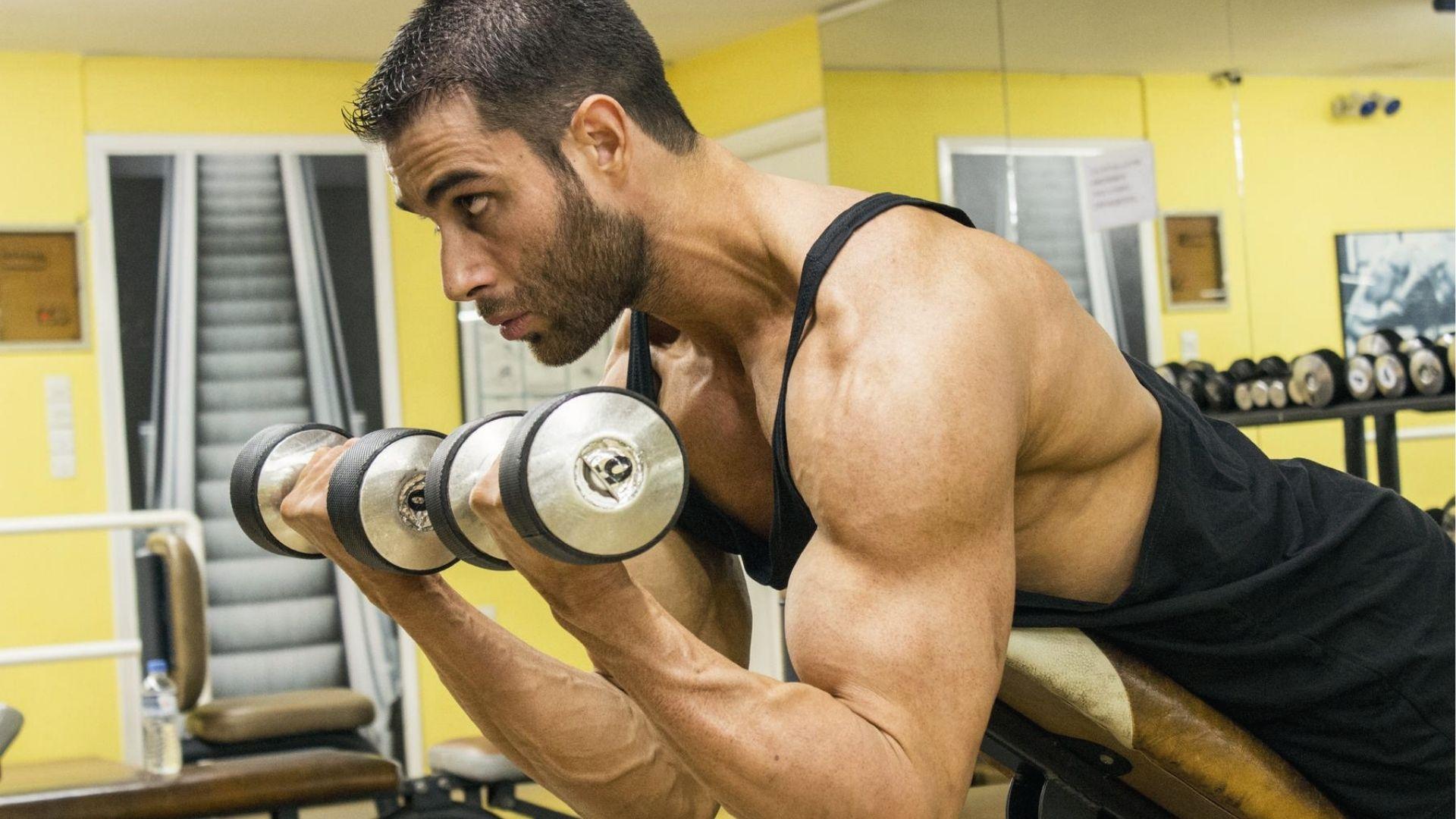
Spider curls are a chest-supported bicep curl variation where you lie face-down on an incline bench and let your arms hang freely.
You curl the weight up toward your shoulders, and because your body is fully supported, there is no room to swing or cheat.
Your biceps do all the work. This position targets the biceps brachii directly, while also hitting the brachialis for added arm width.
Your forearms and grip muscles engage to control the weight throughout.
Spider curls are popular among lifters who have hit a plateau with regular curls, because they force the biceps to work harder with zero help from momentum or other muscles.
Everything You Need to Know About Spider Curls
The basics of spider curls, how they differ from regular curls, and why they belong in your routine.
How Spider Curls Target the Biceps
The incline position changes the angle of the curl. Your arms hang forward and down from your shoulders.
This creates a longer stretch at the bottom of the movement. A longer stretch means more muscle fiber activation during the curl.
The biceps stay under tension for a longer period compared to standing curls. This increased time under tension drives muscle growth.
Why Spider Curls Are Different from Regular Curls
Regular curls let you use momentum. You can swing your elbows and use your back to move the weight. Spider curls remove that option completely.
With spider curls, your chest is pressed against the bench. Your elbows stay fixed. There is no room to cheat. Every rep is clean and focused.
Benefits of Adding Spider Curls to Your Workout Routine
Spider curls help you build a bigger bicep peak. They improve muscle control and mind-muscle connection.
They also reduce the chance of injury caused by sloppy form. Adding them to your routine fills gaps that other curl variations miss.
How to Do Spider Curls Properly
Learn the right form, best bench angle, and step-by-step execution to get the most from every rep.
Correct Spider Curls Form
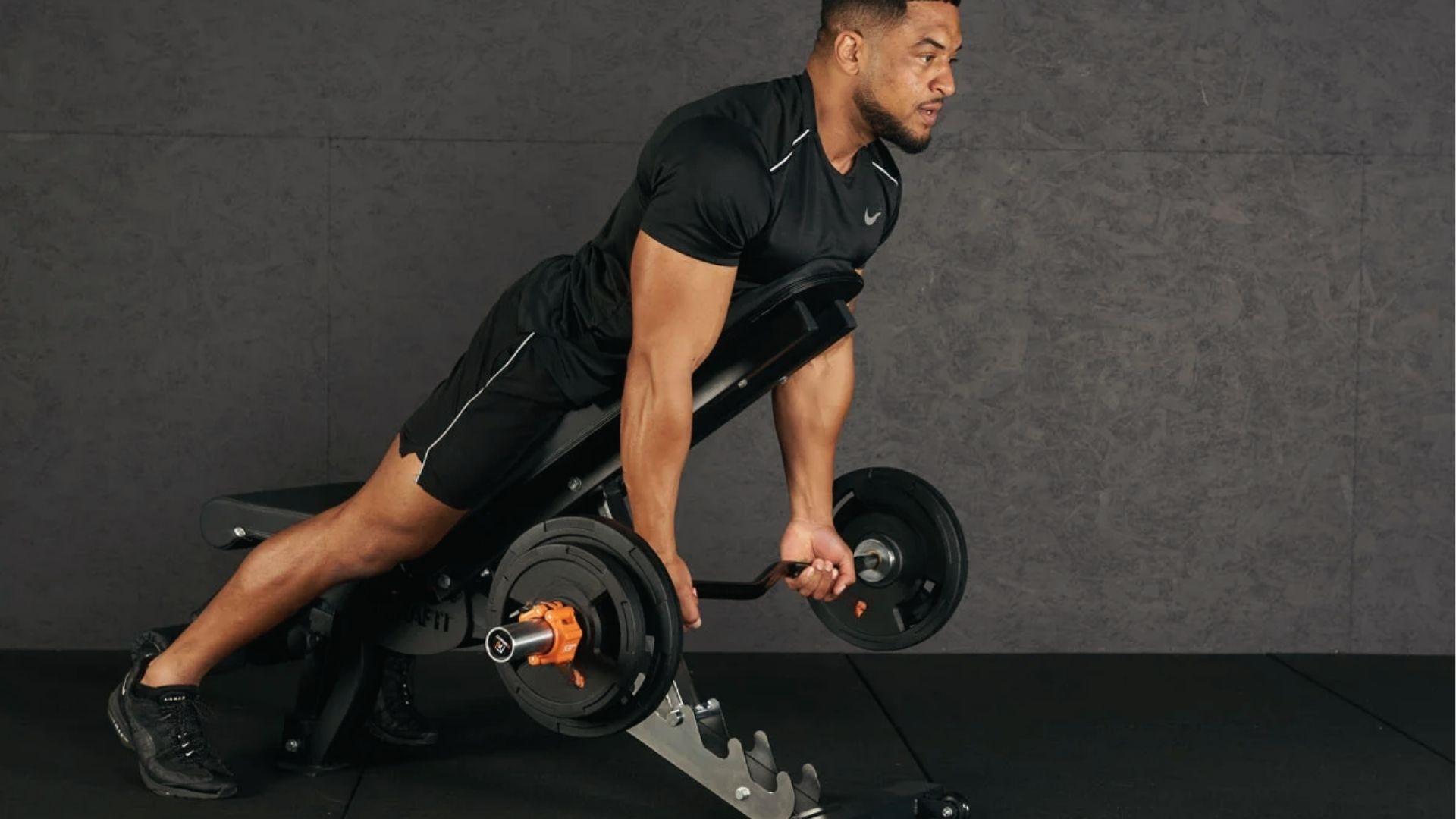
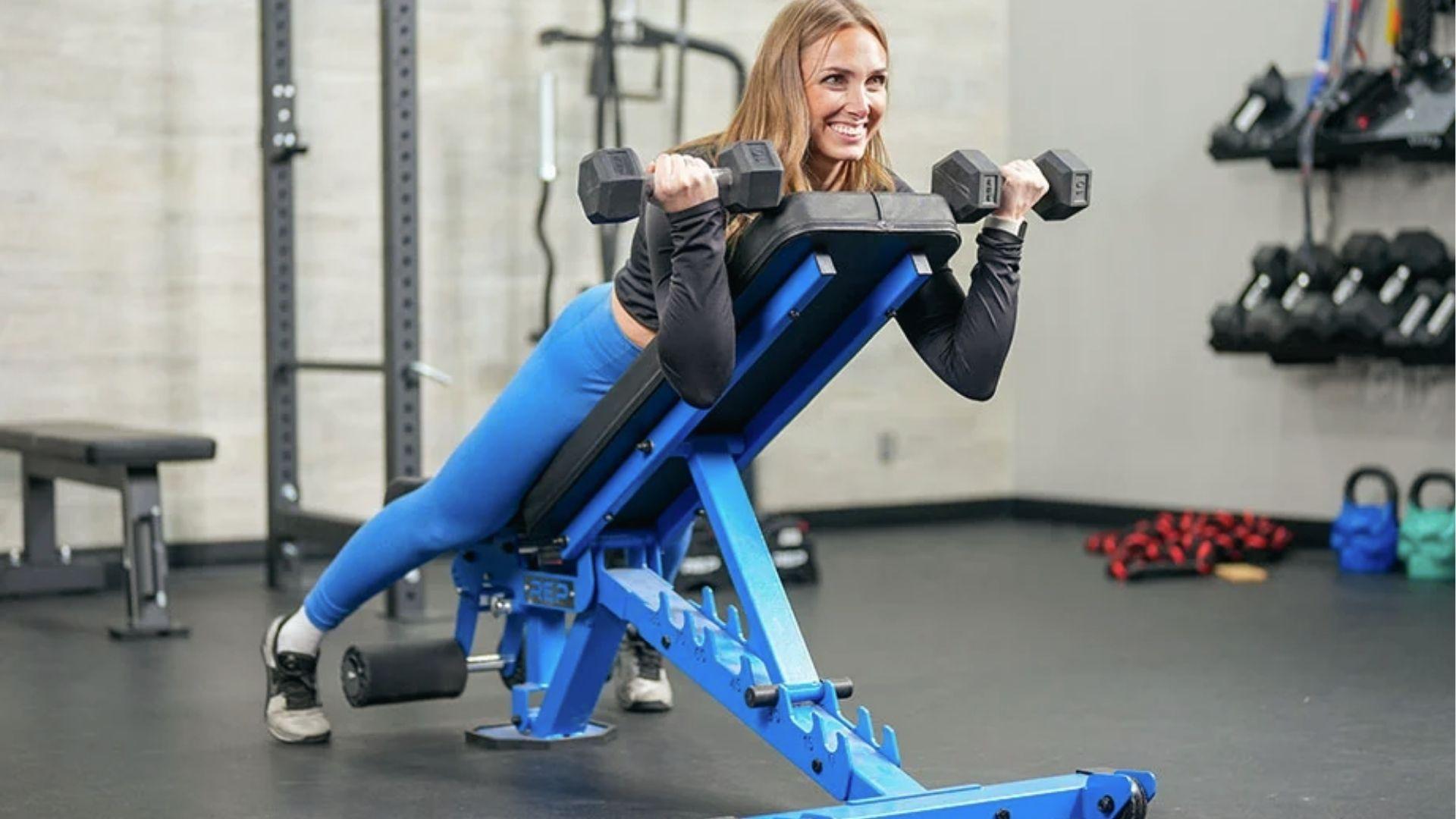
Set the incline bench to about 45 to 60 degrees. Lie face down with your chest on the pad. Let your arms hang straight down in front of you. Hold a dumbbell or barbell with an underhand grip.
Keep your elbows still. Curl the weight up toward your chin. Squeeze your biceps at the top. Lower the weight slowly and with control.
Best Bench Angle for Spider Curls
A 45-degree angle works well for most people. It gives a good stretch at the bottom and allows full contraction at the top.
A steeper angle of 60 degrees adds more stretch but may feel uncomfortable for some lifters.
Start at 45 degrees. Adjust from there based on how your biceps feel during the movement.
Proper Execution
Set your bench at 45 degrees. Lie face down with your chest fully supported. Hold your weights with palms facing up.
Let your arms hang straight toward the floor. Curl the weight upward without moving your elbows.
Squeeze hard at the top for one second. Lower the weight slowly back to the starting position. Repeat for your chosen number of reps.
Muscles Worked During Spider Curls
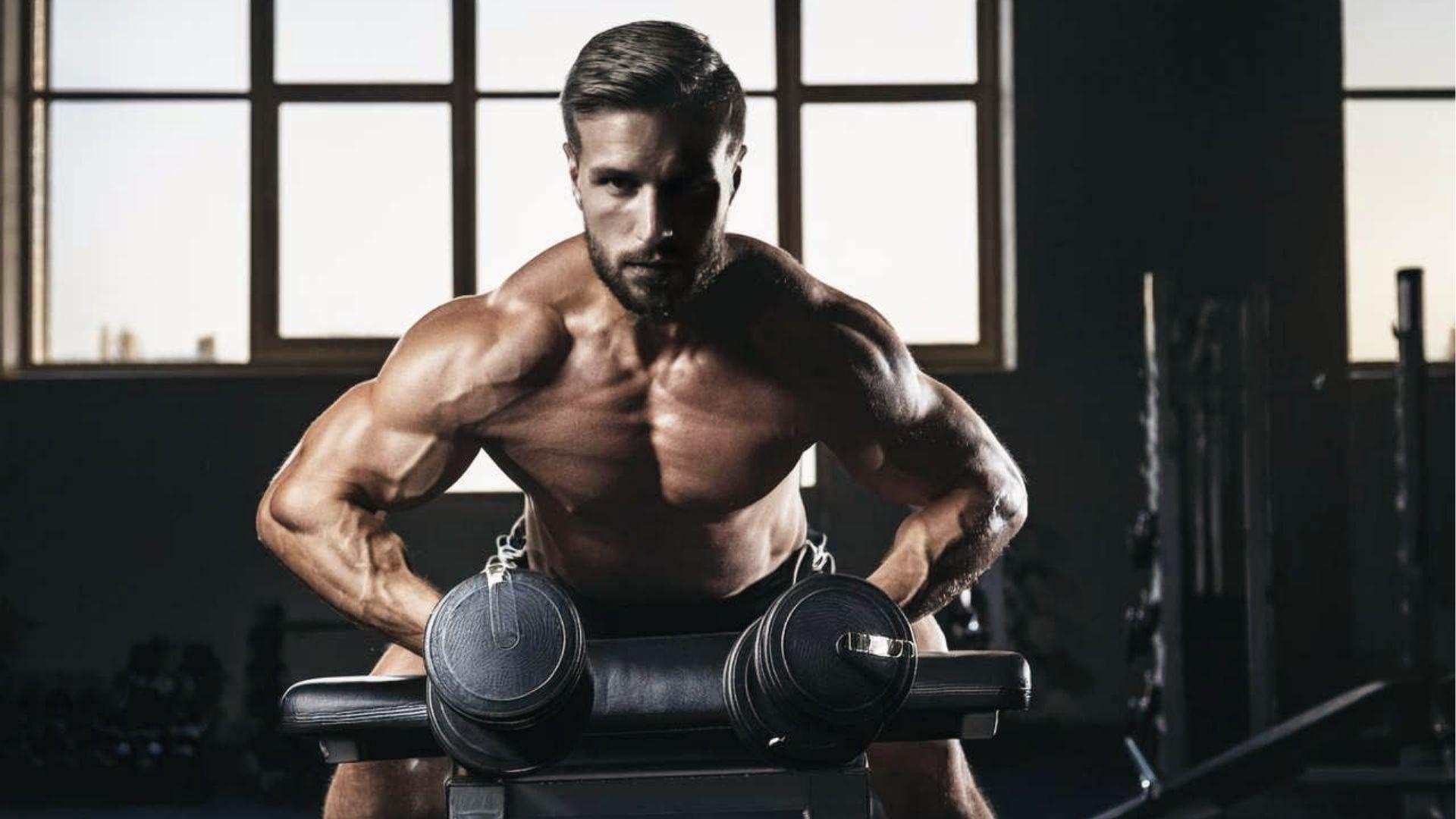
Spider curls hit the biceps hard while also working supporting muscles in the arms and forearms.
Short Head of the Biceps
The short head of the biceps sits on the inner part of the upper arm. Spider curls hit the short head well because of the forward arm position.
Training the short head adds thickness and fullness to the bicep.
Long Head of the Biceps
The long head runs along the outer part of the upper arm. It forms the bicep peak that is visible from the front.
Spider curls stretch the long head at the bottom of the movement, which helps build that peak over time.
Brachialis Muscle Activation
The brachialis lies underneath the biceps. It helps flex the elbow and pushes the biceps upward when developed.
Spider curls activate the brachialis because of the constant tension throughout the movement. A stronger brachialis means bigger-looking arms overall.
Forearm and Grip Engagement
Your forearms and grip work throughout every spider curl rep. They stabilize the wrist and control the weight.
Over time, this secondary work helps improve grip strength and forearm endurance.
Key Benefits of Spider Curls
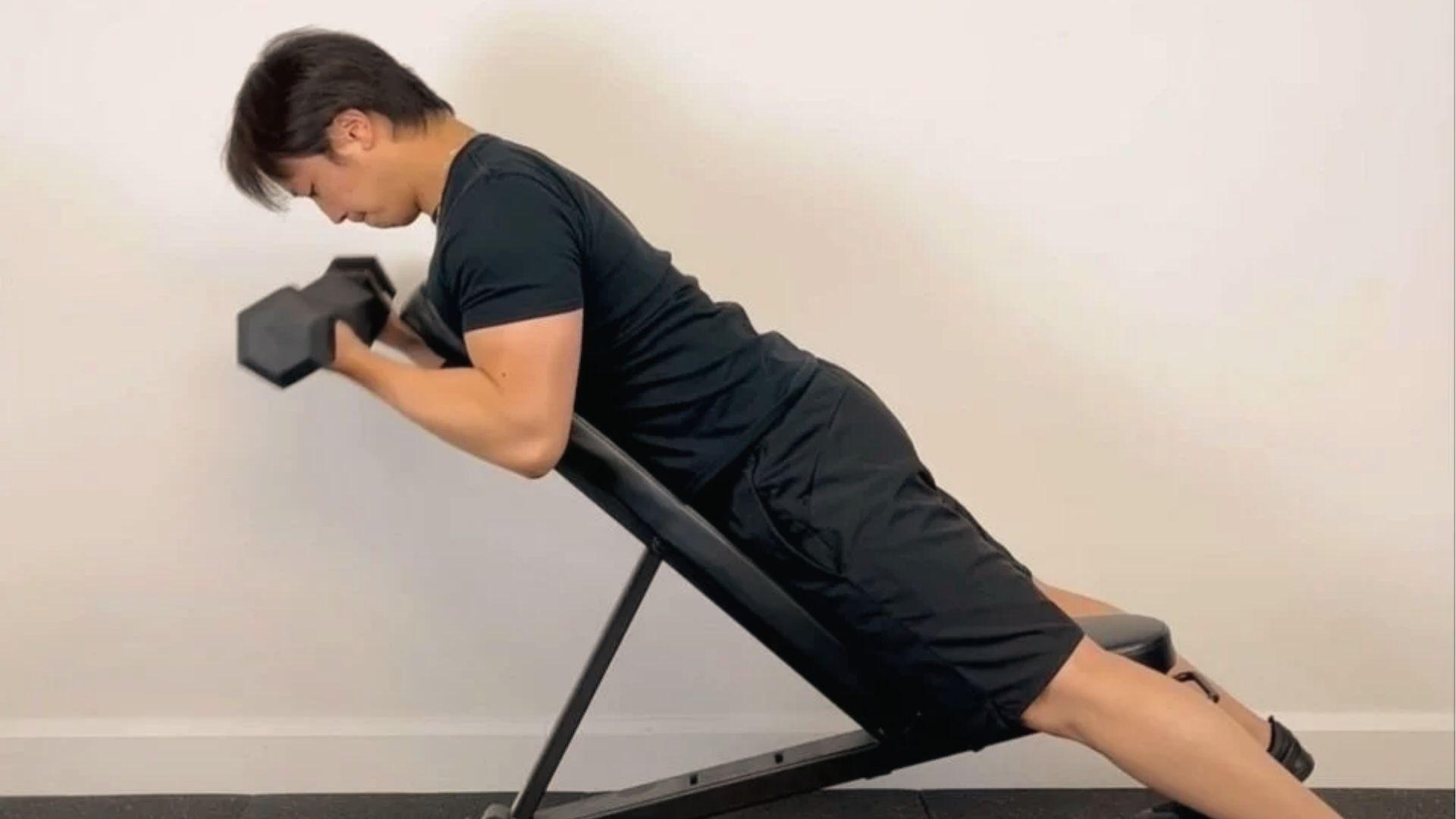
Spider curls offer several advantages that make them one of the most effective bicep-building exercises available.
Better Biceps Isolation
Spider curls limit involvement from other muscle groups. The bench supports your chest and locks your elbows in place.
This forces the biceps to do the full job on every rep. Better isolation leads to more focused muscle growth.
Increased Time Under Tension
The stretched position at the bottom keeps the muscle working longer. Each rep creates more mechanical tension than a standing curl.
More time under tension signals the muscle to grow and adapt.
Stronger Peak Contraction
At the top of a spider curl, the bicep is fully shortened. Squeezing at this point creates a strong peak contraction.
This trains the muscle through its full range of motion, which is important for complete development.
Reduced Momentum and Cheating
Spider curls are one of the few curl variations where cheating is nearly impossible. Your body is locked against the bench.
You cannot swing, bounce, or use your lower back. Every rep counts.
Improved Mind-Muscle Connection
Because the movement is so controlled, you feel the bicep working on every rep. This helps you build a stronger mind-muscle connection.
A better connection means you recruit more muscle fibers during training.
Tips to Get Better Results from Spider Curls
Small adjustments in how you train can make a big difference in how fast your biceps grow with spider curls.
- Lift slowly with a two-second up and three-second down pace to keep tension on the biceps longer.
- Use a full range of motion start with arms fully extended and curl all the way up for maximum muscle growth.
- Start with a lighter weight and only increase it when your form stays solid throughout every rep.
- Pause and squeeze at the top of each rep so your biceps do the real work, not momentum.
- Pair spider curls with hammer curls, incline curls, or regular curls to hit all parts of the biceps.
Conclusion
Spider curls changed how I train biceps. Once I tried them, I stopped relying on heavy standing curls alone.
The control and burn you feel with spider curls is hard to match. If you want real bicep growth, give spider curls a proper shot.
Focus on form, control the weight, and squeeze at the top. Start this week, stay consistent, and you will see the difference.
Drop a comment below and tell me how spider curls work for you. I would love to hear your progress.
Frequently Asked Questions
Are spider curls good for building bicep peaks?
Yes. Spider curls stretch and contract the long head of the biceps, which is the muscle responsible for the peak. Regular training builds noticeable peaks over time.
How many sets and reps should I do for spider curls?
Three to four sets of eight to twelve reps work well for muscle growth. Focus on controlled reps rather than hitting a specific number too fast.
Can beginners do spider curls?
Yes, beginners can do spider curls with light dumbbells. The movement teaches good form habits early and helps build a strong mind-muscle connection from the start.
Should I do spider curls at the start or end of my workout?
Spider curls work best in the middle or toward the end of a bicep session. Start with heavier compound lifts, then use spider curls for focused isolation work.
What weight should I use for spider curls?
Start with a weight that lets you complete all reps with full control. Most lifters use less weight on spider curls than regular curls because the movement is much stricter.