

If you’ve ever switched from a Smith machine to a free-weight bench press, you know that feeling.
The weight feels completely different, even when the plates look the same.
This article breaks down exactly why that happens. I’ve been lifting for years, and this question still confuses a lot of people at the gym.
Here you’ll find out how each machine works, why the weight feels different, and how to track your progress accurately.
You’ll leave with clear answers and a smarter training plan.
Why Understanding the Weight Difference Matters
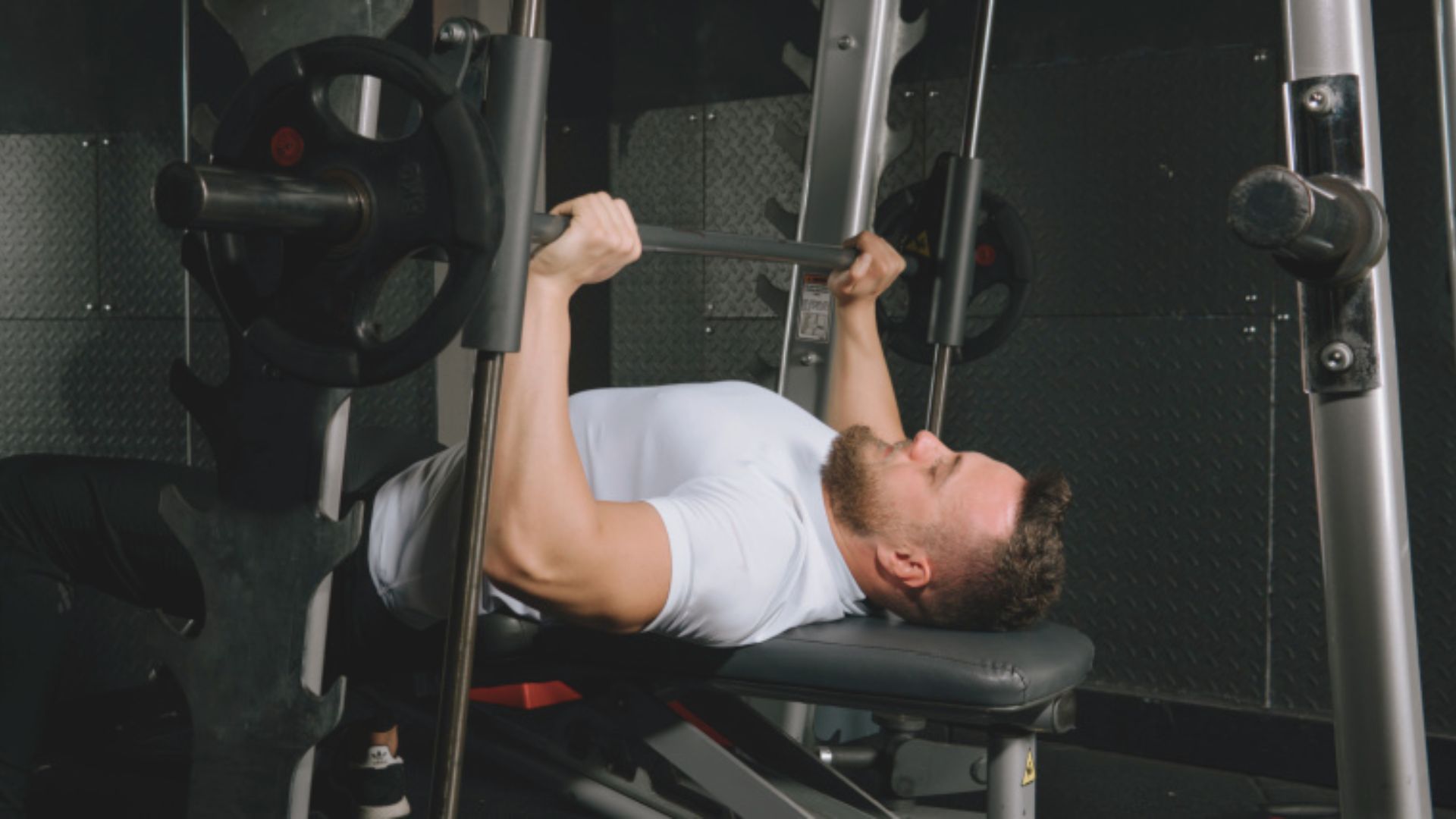
Most lifters focus on the number on the bar, but that number doesn’t always tell the full story.
The Smith machine and the free-weight bench press feel different because they are different. The muscles working, the balance needed, and even the bar weight itself are not the same.
This matters because you can’t directly compare your Smith machine numbers to your bench press numbers, beginners may overestimate their strength when switching to free weights, and advanced lifters may underuse the Smith machine when it could actually help.
Understanding this difference helps you plan your workouts with more accuracy, no matter where you are in your training.
What Is a Smith Machine Bench Press?
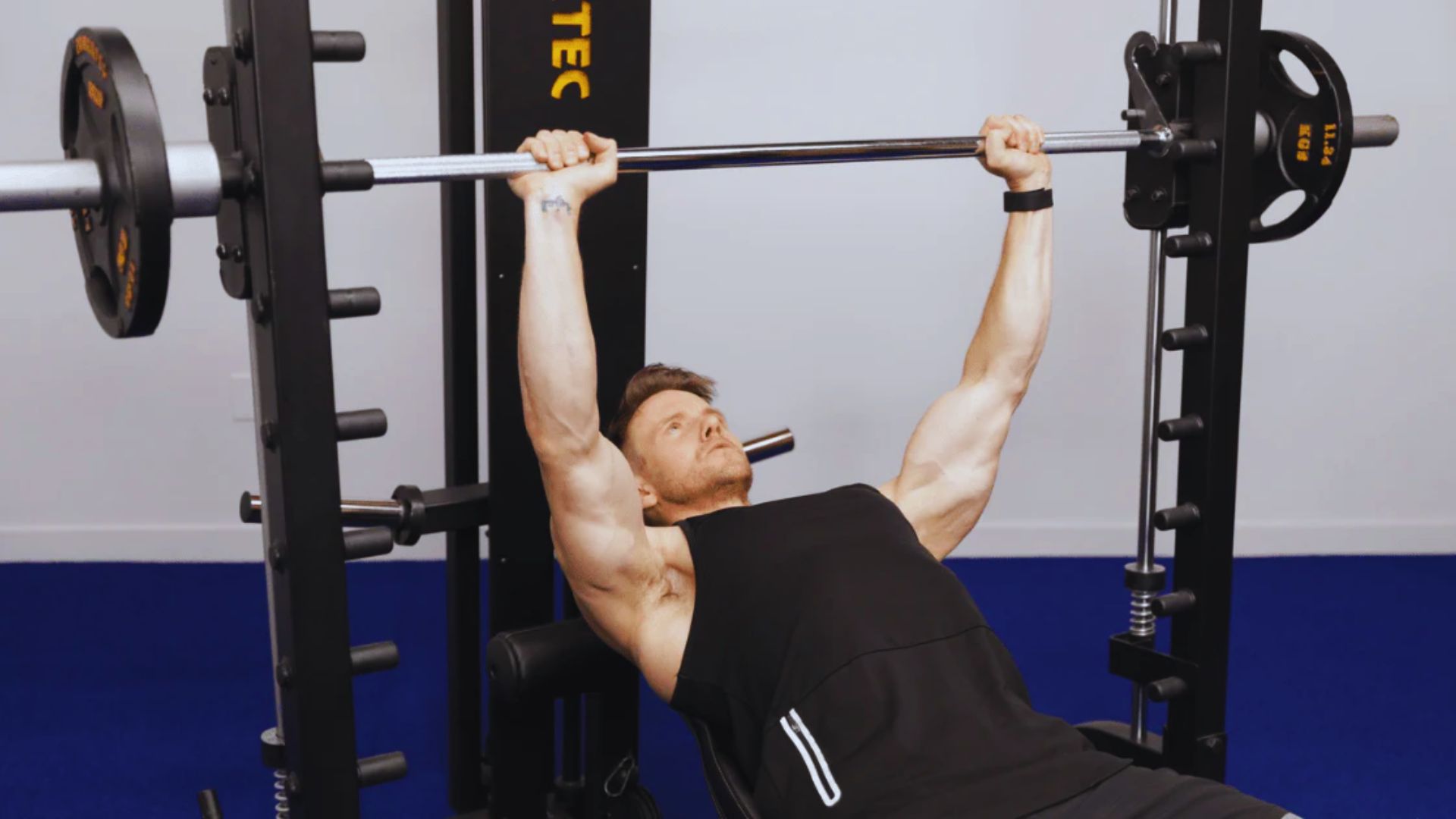
The bar on a Smith machine moves only in one direction. It goes straight up and straight down, so you don’t have to worry about the bar tipping left or right.
This fixed path does a lot of the balancing work for you.
You set up a bench inside the machine, lie back, and press. The movement feels controlled because the machine is handling part of the job.
This setup works well for people who are new to lifting, don’t have a spotter nearby, or are coming back from an injury.
The Smith machine gives you a safe environment to push heavier weight without as much risk of dropping the bar.
Advantages of the Smith Machine
The Smith machine offers real benefits, especially for safety and muscle isolation.
- You can press heavier weight without a spotter because the bar locks into place with a simple wrist flick.
- The fixed path lets you focus on specific muscles like your chest and triceps without worrying about balance.
- It is great for drop sets since you don’t need to rerack heavy weight between sets.
- A solid option for beginners who are still learning the basic pressing movement.
- Useful for training around injuries since the controlled path reduces stress on joints.
Limitations of the Smith Machine
The Smith machine has real drawbacks that affect muscle development over time.
- Your smaller stabilizing muscles don’t have to work hard, which can create a gap in overall strength over time.
- You may get stronger on the machine but still struggle on a free-weight bench because balance is never trained.
- The fixed bar path may not match your natural pressing angle, which can feel uncomfortable.
- Relying on it too much can lead to muscle imbalances that show up later in your training.
- The strength you build doesn’t always carry over well to real-world activities or athletic performance.
What Is a Traditional Bench Press?
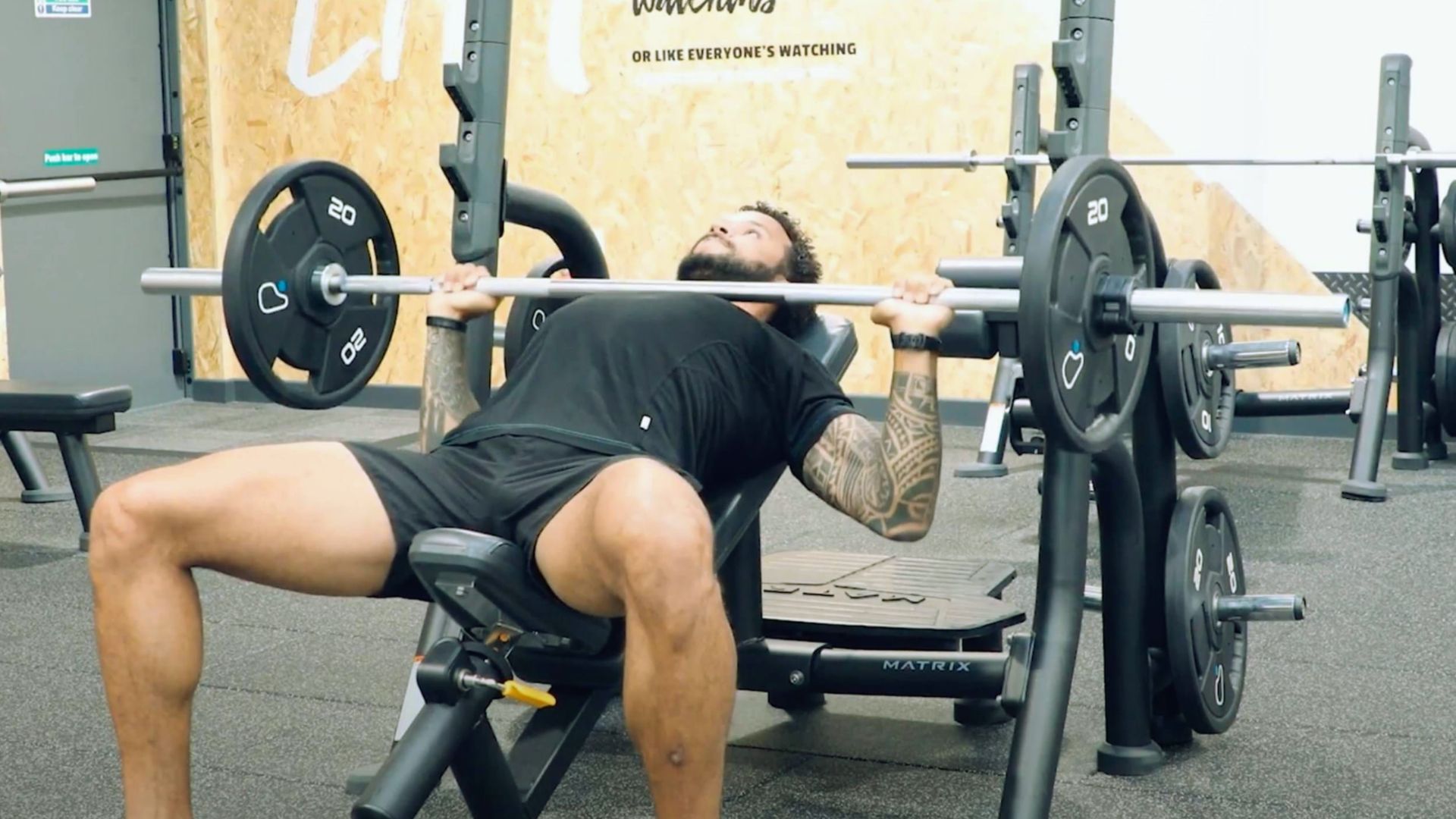
When you lift a barbell off a rack and press it, your entire body gets involved.
Your hands, wrists, forearms, shoulders, and core all work together to keep the bar stable and moving in the right direction.
This is harder than it sounds because the bar can drift forward, backward, or sideways if your form breaks down.
That extra challenge is actually a good thing since it forces more muscles to work at once, which leads to better overall strength.
The free-weight bench press is the standard test of upper body strength for a reason. It reflects how your muscles work together, not just how strong one part of your body is.
Advantages of the Traditional Bench Press
Free-weight bench press builds full-body strength and engages more muscles with every rep.
- Your stabilizer muscles fire up automatically with every rep, building strength that the Smith machine can’t match.
- You get a full range of motion that follows your body’s natural pressing path.
- Strength gained here carries over well to sports, daily activities, and athletic performance.
- Shoulder stabilizers get stronger over time, which helps with long-term joint health.
- It is the most accurate way to measure real upper body pressing strength.
Limitations of the Traditional Bench Press
Free-weight bench pressing comes with a higher risk factor and a steeper learning curve.
- Without a spotter, a failed rep can be dangerous and dropping the bar is a real risk.
- Beginners often struggle with hand placement, back position, and bar path all at once.
- There is a higher chance of injury if your form breaks down under heavy weight.
- It is harder to isolate specific muscles compared to the controlled environment of a Smith machine.
- It requires more equipment, more space, and more setup time before you can start lifting.
Smith Machine vs Bench Press: Weight Differences
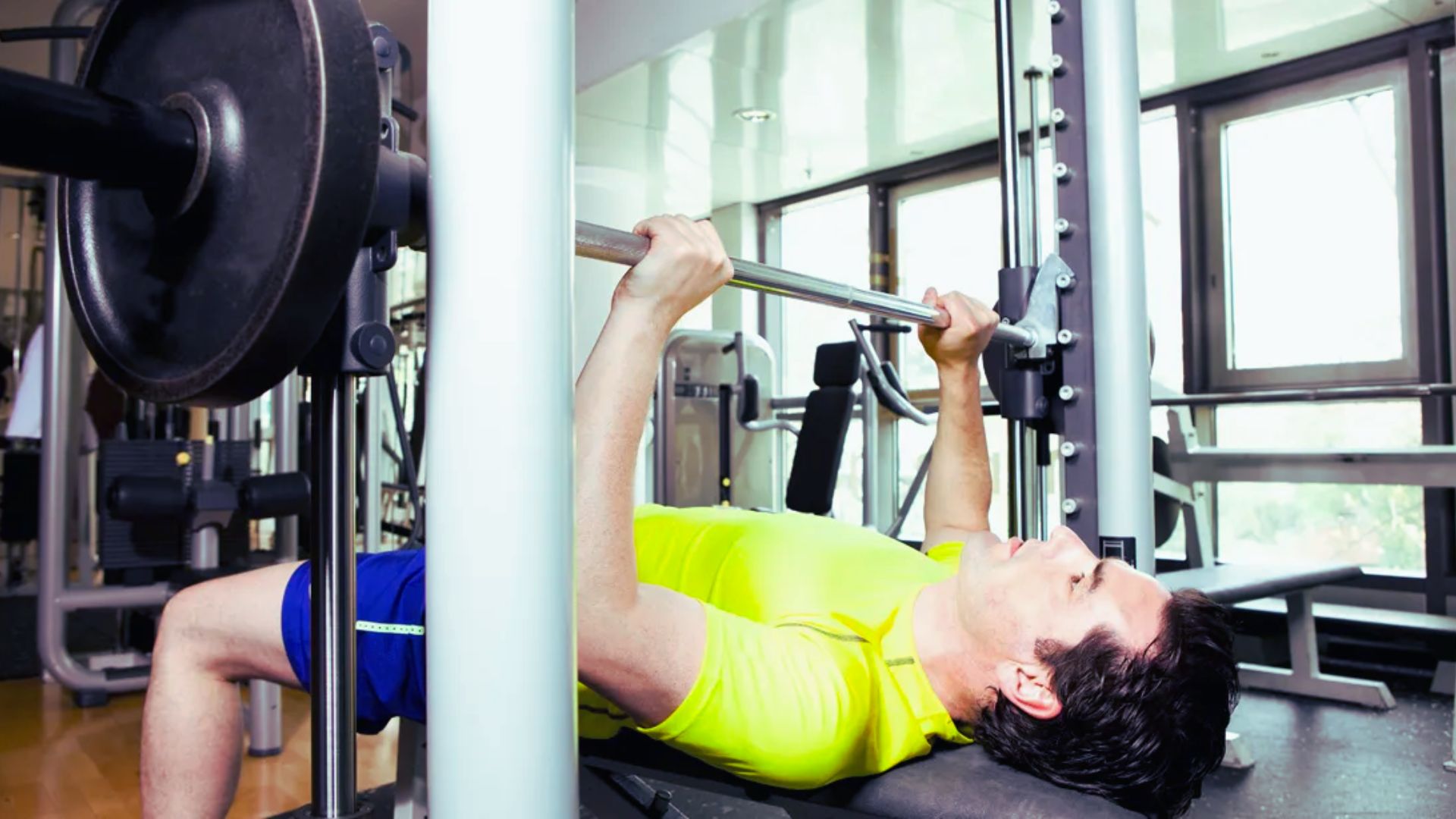
Here’s something most people don’t realize. The Smith machine bar is lighter than a standard Olympic barbell.
A standard Olympic barbell weighs 45 lbs (20.4 kg). A Smith machine bar typically weighs between 15 and 25 lbs (7 to 11 kg), depending on the brand and counterbalance system.
That’s already a 20 to 30 lb difference before you even add plates.
On top of that, the fixed path of the Smith machine removes the need for balance. This makes the lift feel easier, even at the same plate load.
So if you’re pressing 225 lbs on the Smith machine, you might only be able to handle 185 to 205 lbs on a free-weight bench. That gap is real and it’s normal.
How Stabilization Affects Perceived Weight
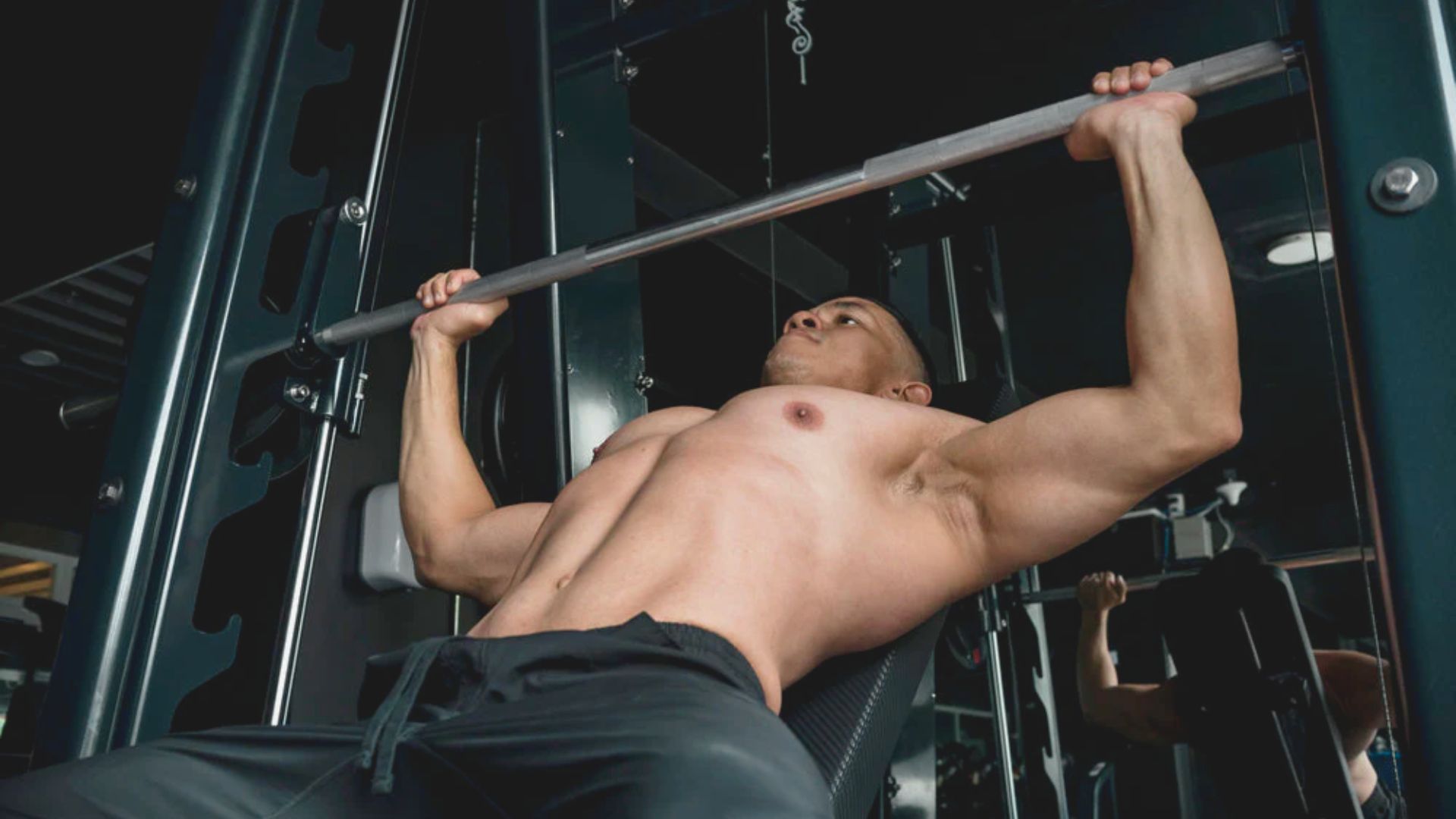
On a Smith machine, the machine does the balancing, but on a free-weight bench, you do it. That balancing act uses real energy and real muscle, and it’s not just a mental thing.
Studies and real-world experience both show that the same plate load feels heavier on a free barbell.
For example, you might press 225 lbs on the Smith machine with solid control, but when you try that same weight on a free-weight bench it feels significantly harder.
That’s not a weakness. That’s your stabilizers working overtime.
This is why switching from a Smith machine to free weights takes time. Your stabilizing muscles need to catch up to your pressing strength.
Typical Weight Discrepancy

Most lifters can expect to lift about 10 to 15 lbs less on a free-weight bench than on the Smith machine.
This is a general estimate. The actual gap depends on your experience, your body mechanics, and how long you’ve trained each movement.
Beginners may notice a bigger gap because their stabilizer muscles are less developed. Advanced lifters who train both movements regularly may see a smaller difference.
The takeaway: don’t feel discouraged if your free-weight numbers are lower. It doesn’t mean you’re weaker overall. It means you’re using more of your body.
Choosing Between Smith Machine and Bench Press
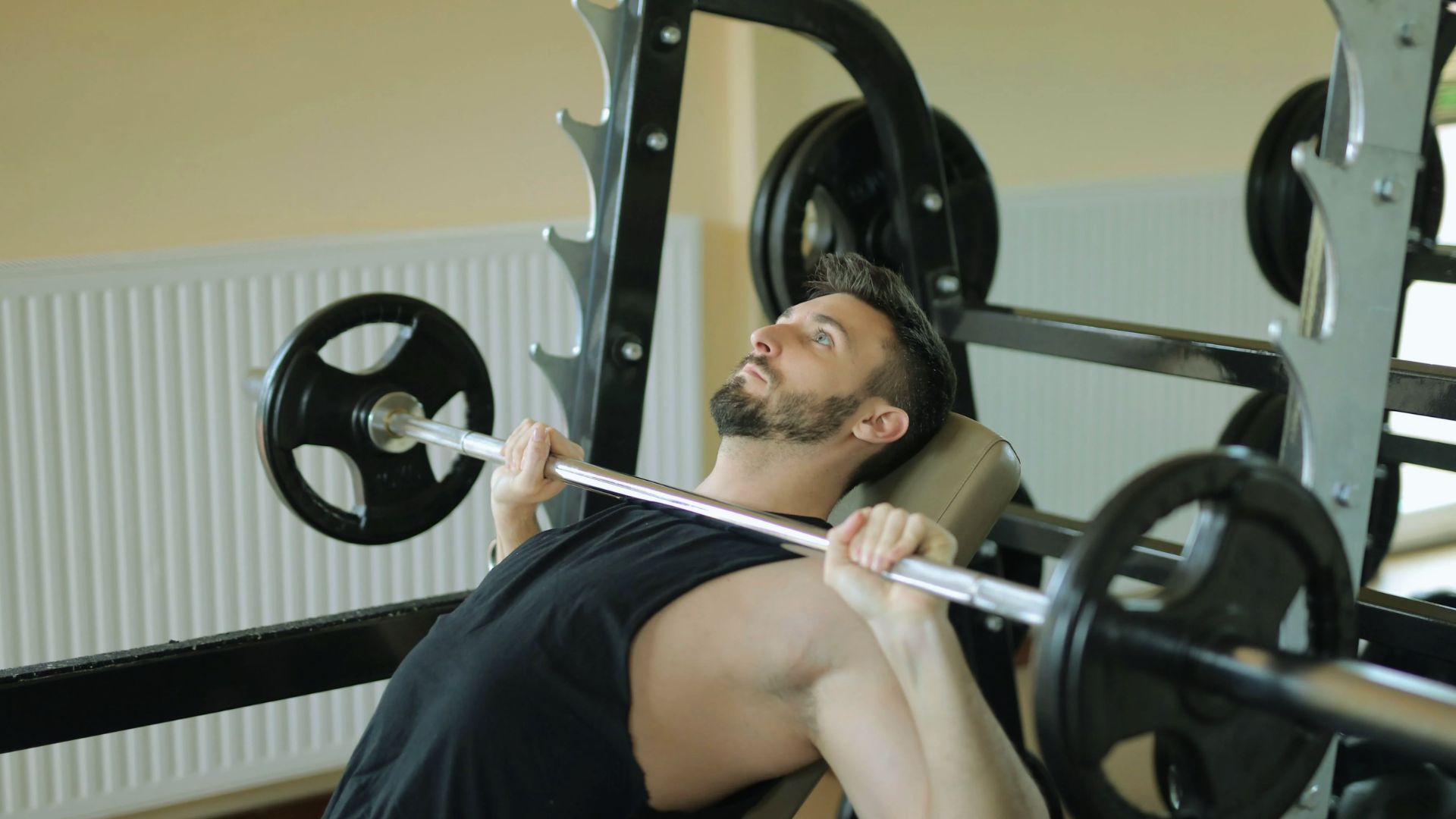
Both tools have a place in your training. The key is knowing when to use each one.
Use the Smith Machine When
The Smith machine works best when safety, control, or recovery is the priority.
- You’re a beginner still learning the basic pressing movement
- You’re training without a spotter and need a safe setup
- You’re recovering from a shoulder or chest injury
- You want to isolate specific muscles with less distraction
Use the Free-Weight Bench Press When
Free weights are the better choice when building real, functional strength is the goal.
- You want to build functional, full-body strength
- You’re an intermediate or advanced lifter ready for more challenge
- You have access to a spotter for safety
- You want to prepare for powerlifting or athletic performance
The best approach is to use both. Start a session with free-weight bench press when you’re fresh, then finish with Smith machine work for isolation. This gives you the benefits of both without the drawbacks of relying on just one.
Tips for Accurate Weight Tracking
Small tracking habits make a big difference in your long-term progress.
- Always count the bar weight, not just the plates. A Smith machine bar and an Olympic barbell are not the same weight.
- Add weight in small steps over time. Progressive overload works on both machines, so don’t rush the numbers.
- Good form beats heavy weight every time. A clean rep builds more strength and keeps your joints safe.
- Keep a training log after every session. Write down the bar, plates, sets, and reps so you can see real progress.
- Don’t compare Smith machine numbers to free-weight numbers directly. They measure two different things.
Conclusion
At the end of the day, both the Smith machine and the free-weight bench press have real value.
Neither one is better for everyone. It depends on your goals, your experience, and where you are in your training right now.
I personally started on the Smith machine and later moved to free weights. That shift was humbling but worth it.
Start where you are. Train consistently. Keep your form clean.
If this helped you, drop a comment below and let me know which one you prefer. Share this post with a gym buddy who’s been wondering the same thing!
Frequently Asked Questions
Is the Smith machine easier than the free-weight bench press?
Yes. The fixed bar path removes the need for balance, so your stabilizing muscles work less and the weight feels lighter.
How much should I subtract from my Smith machine weight to estimate my bench press?
Subtract around 10 to 15 lbs as a starting point. Your actual number may vary based on experience and strength level.
Can I build a strong chest using only the Smith machine?
You can build chest size with it, but adding free-weight pressing will give you better overall strength and balance.
Why does the bar weight differ between a Smith machine and a standard barbell?
Smith machine bars run on a guided track and often have a counterbalance. A standard Olympic barbell has a fixed weight of 45 lbs with no assist.
Should beginners start with the Smith machine or the free-weight bench press?
The Smith machine is a solid starting point. It teaches the pressing movement safely before moving on to free weights.