

If your knees feel weak, stiff, or painful after workouts, slant board exercises can help.
I have been using a slant board for over two years. It fixed my knee discomfort faster than anything else I tried. So I know this works.
In this guide, you will find beginner-friendly slant board exercises that strengthen your knees, quads, calves, and glutes.
I will also cover exercises for specific goals like knee pain relief, plantar fasciitis, and better mobility.
You will get a clear workout plan, expert tips, and answers to common questions.
No complicated moves. No guesswork. Just simple steps that actually work.
How to Get Started with Slant Board Exercises
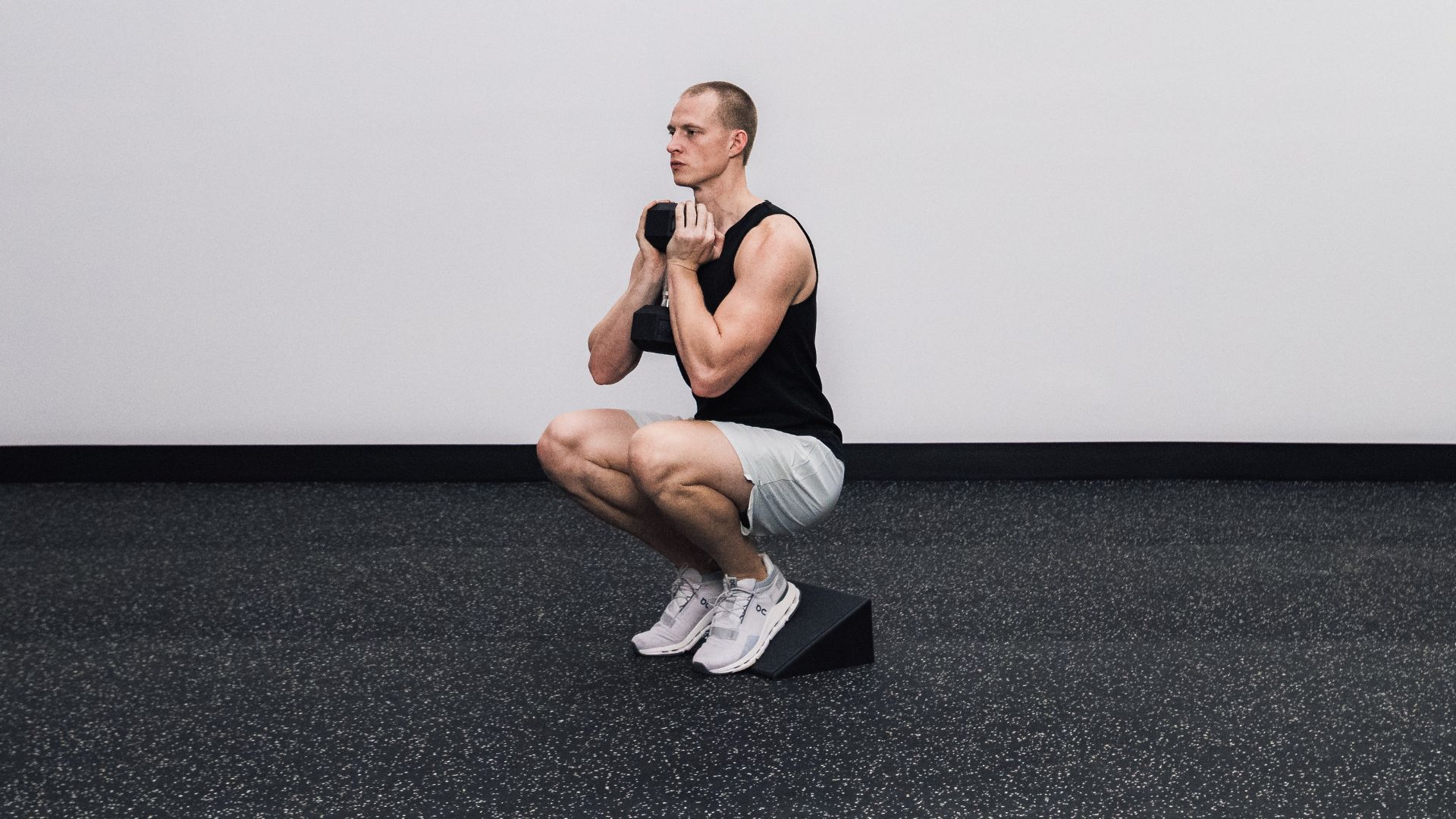
The right start makes all the difference when adding slant board training to your routine.
You do not need a fancy gym or expensive equipment. All you need is a slant board and a small space at home.
Start with two or three exercises from this guide and do them two to three times a week. Keep your movements slow and controlled from day one.
Your body will adapt faster than you think. Within a few weeks, you will notice stronger knees, better balance, and less discomfort during everyday movement. That is a solid return for a simple investment of time.
7 Best Slant Board Exercises for Beginners
These 7 exercises give your knees and lower body a strong, safe place to start.
1. Heel Uplifted Step Down (Knee Control and Stability)
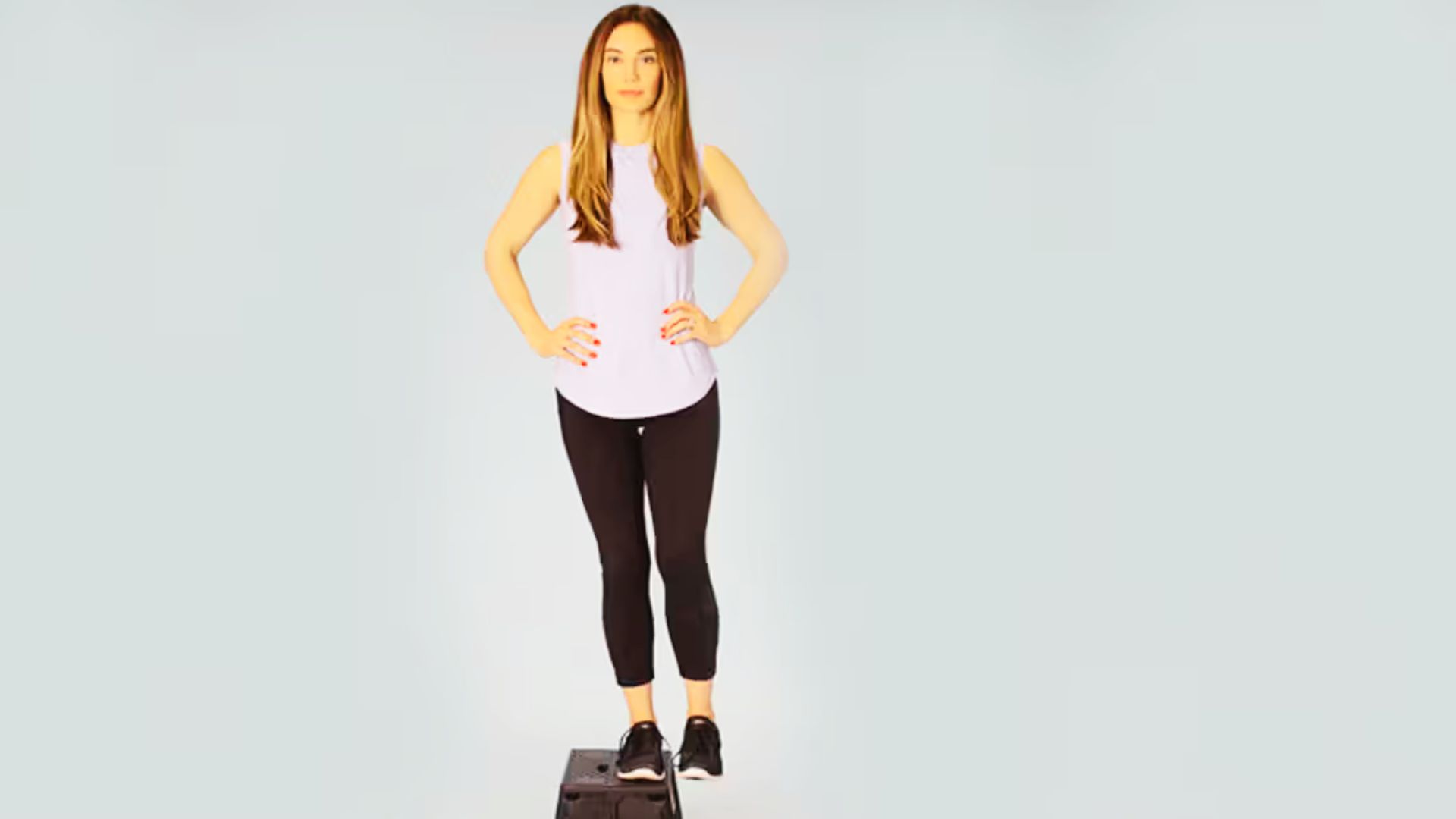
Stand on the slant board with heels uplifted and feet hip-width apart. Slowly lower one leg toward the ground while keeping the standing knee stable.
Do 3 sets of 8 to 10 reps per leg and focus on control, not speed.
2. Toes Uplifted Calf Raise (Ankle Strength and Mobility)
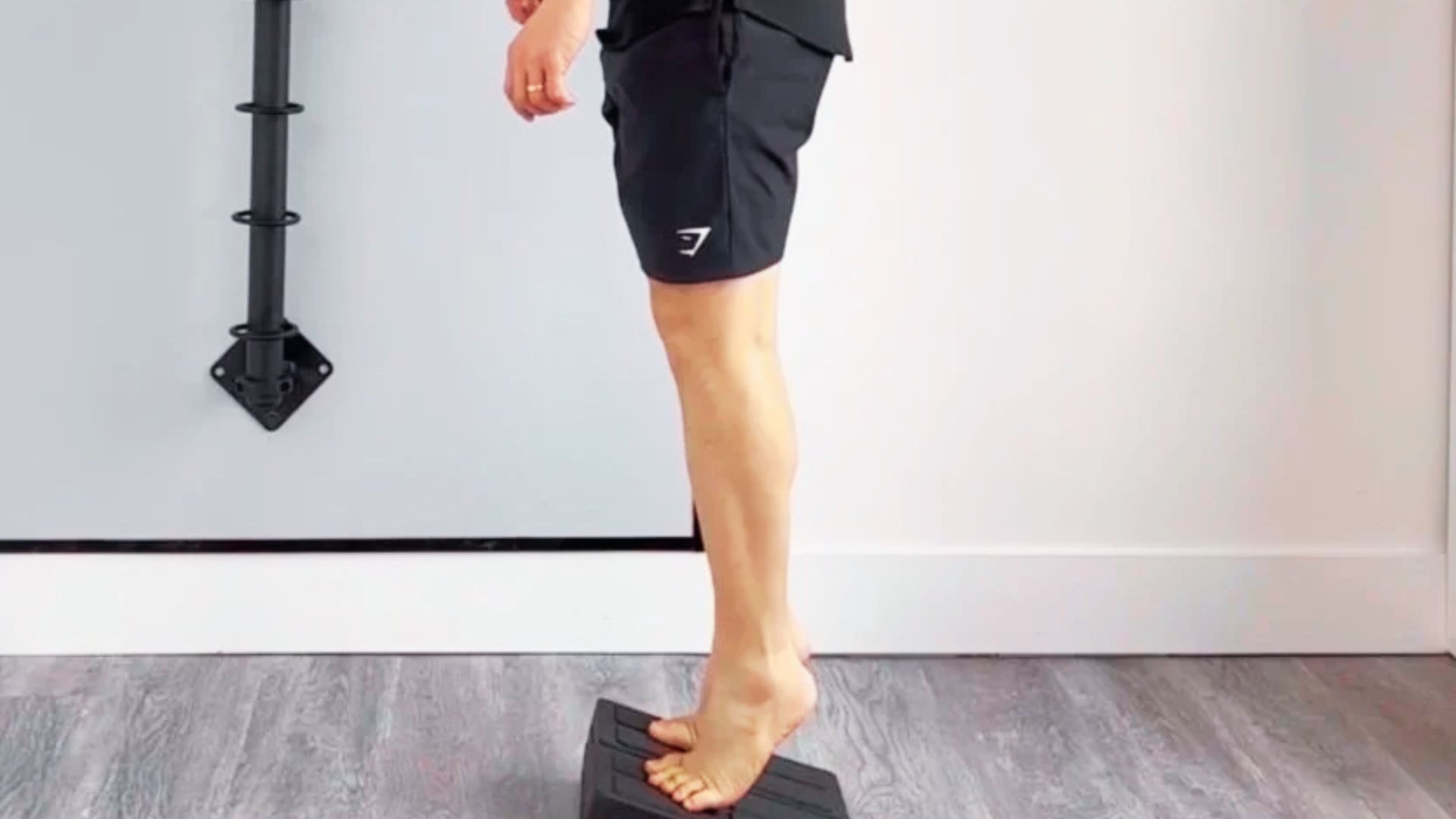
Place your toes on the uplifted part of the board and keep your heels on the ground. Rise up slowly onto your toes, hold for a second, then lower back down with control.
Do 3 sets of 12 to 15 reps with your core tight throughout.
3. Split Squat Hold on Slant Board (Knee Strength and Endurance)
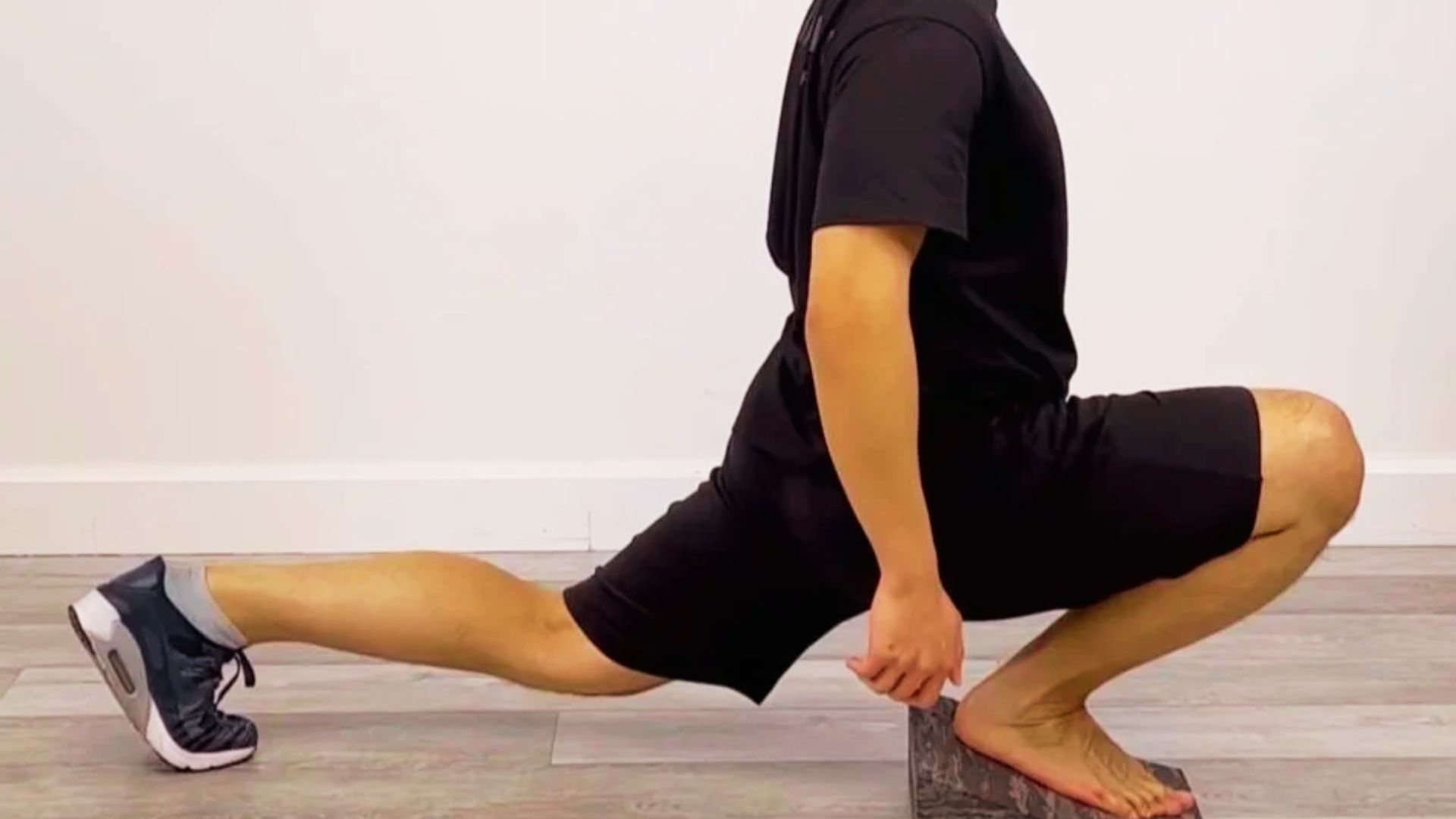
Place your front foot on the slant board and step the other foot back into a lunge position. Lower your back knee toward the floor and hold for 3 to 5 seconds before pressing back up.
Complete 3 sets of 6 to 8 reps per side with your chest tall.
4. Heel Uplifted 1.5 Rep Squat (Quad Activation and Muscle Growth)
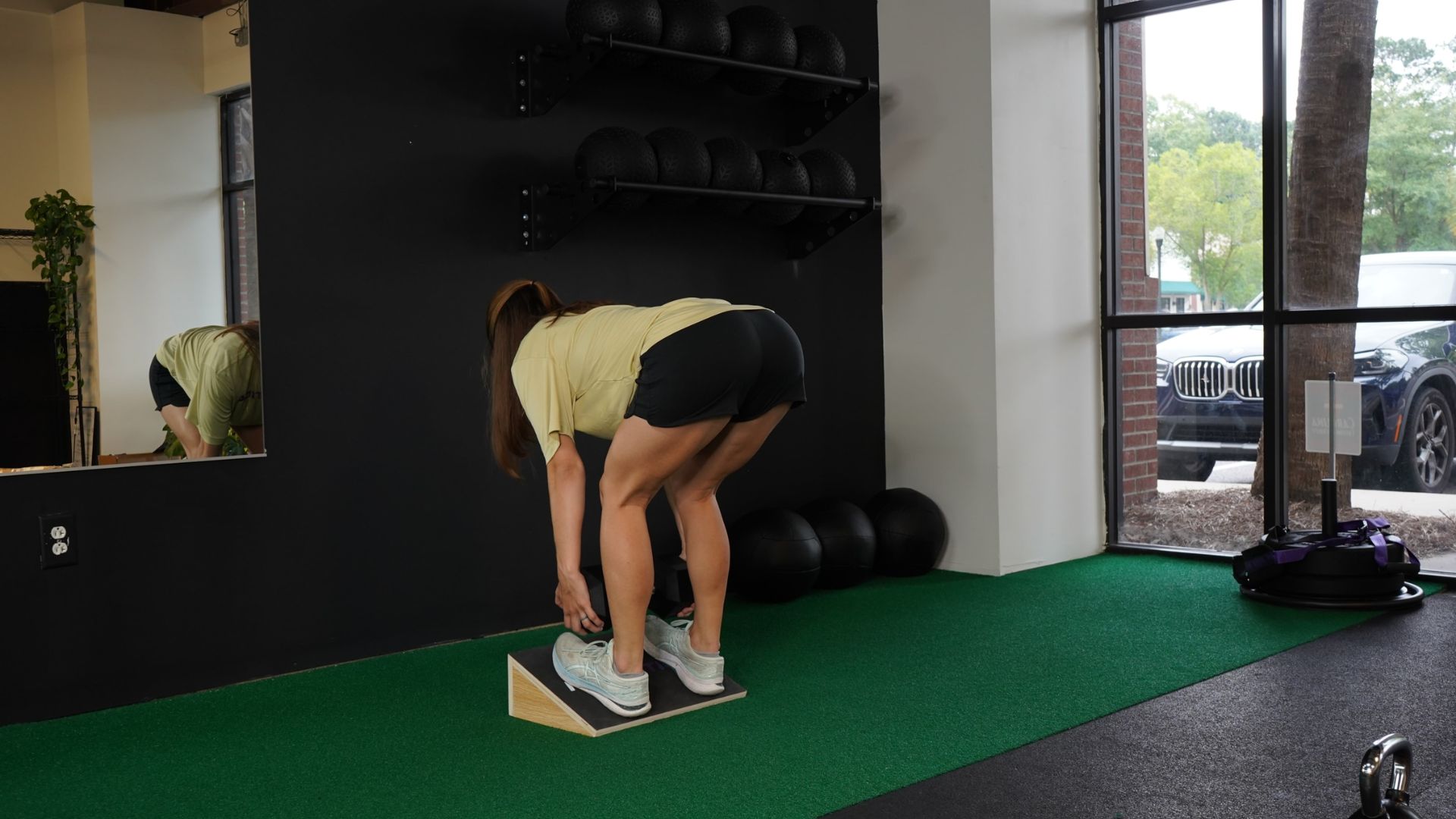
Stand on the slant board with feet shoulder-width apart and heels uplifted. Squat all the way down, rise halfway up, go back down, then stand fully. That is one rep.
Do 3 sets of 6 to 8 reps slowly.
5. Single Leg Glute Bridge (Glutes and Hamstrings Strength)
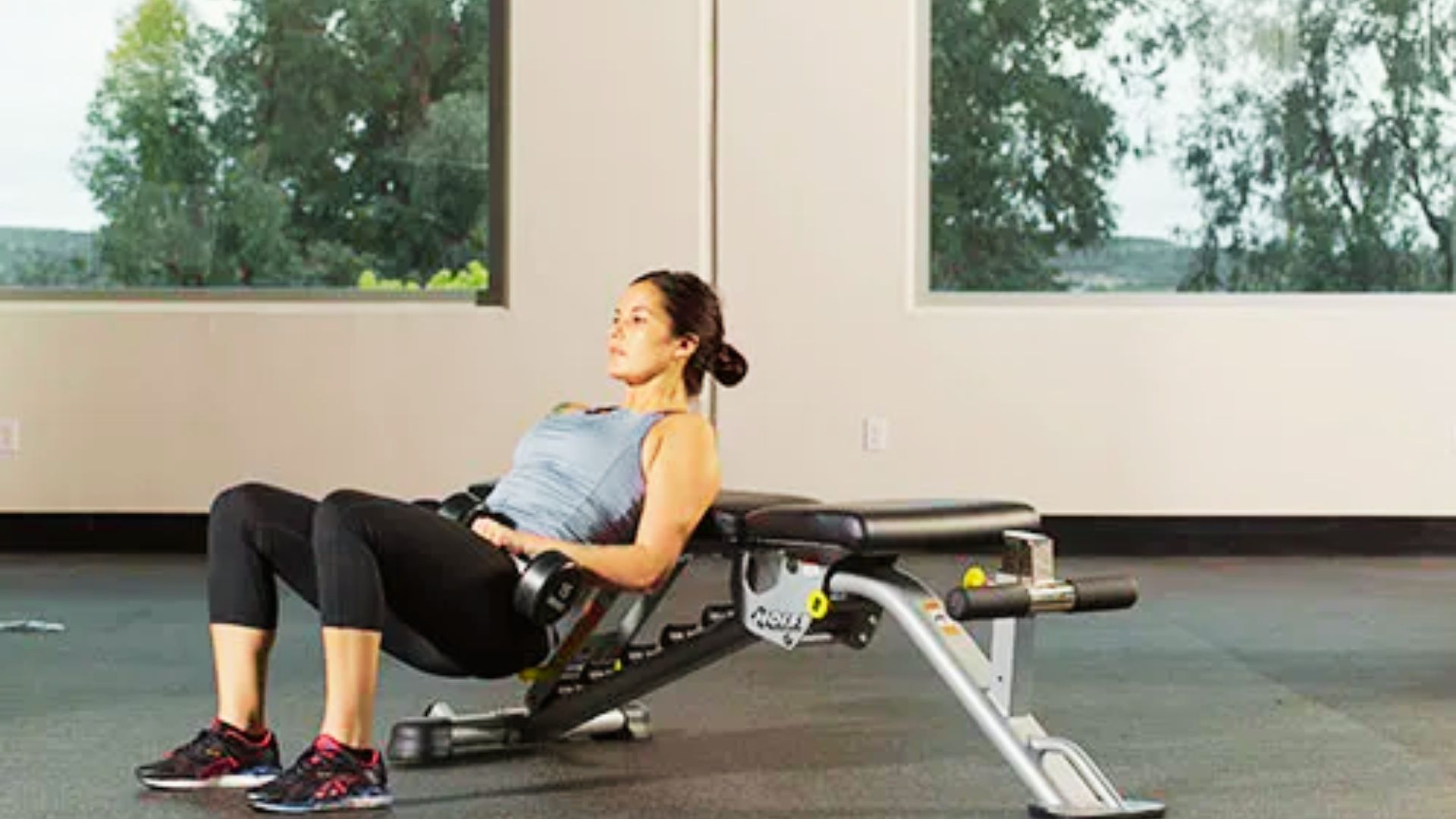
Lie on your back with one heel resting on the slant board and the other leg lifted straight. Press through the heel and raise your hips as high as possible, then lower slowly.
Do 3 sets of 10 to 12 reps and squeeze your glute hard at the top.
6. Lateral Lunge on Slant Board (Balance And Hip Strength)

Stand with one foot on the slant board and step the other foot out to the side. Bend the side knee and keep the board leg straight, then push back to start.
Do 3 sets of 8 to 10 reps per side with toes forward and chest up.
7. Calf Stretch on Slant Board (Flexibility and Recovery)
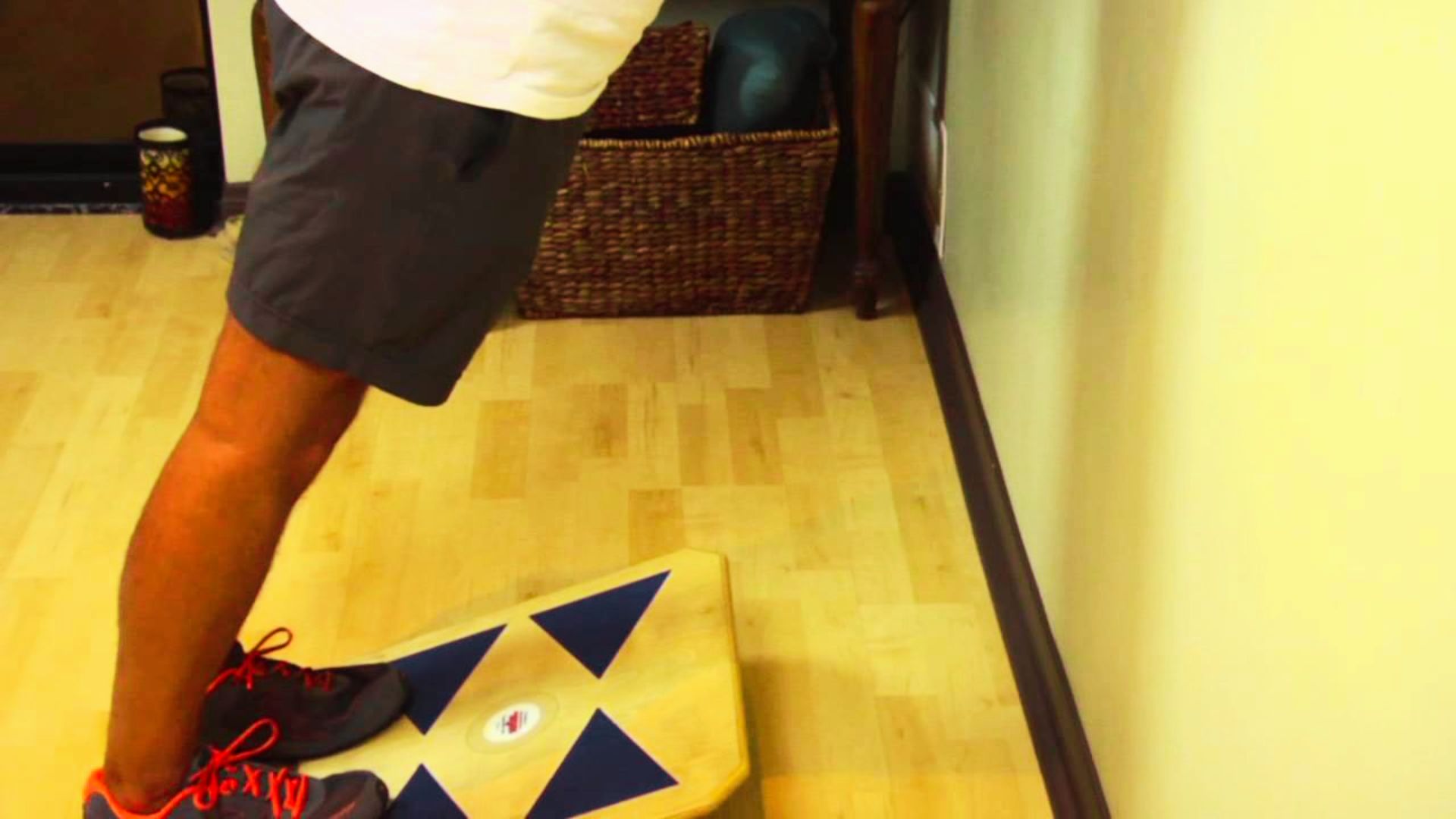
Stand on the slant board with both feet forward and let your heels drop toward the ground. Hold the stretch for 30 to 60 seconds and feel the pull in your calves and Achilles.
Repeat 2 to 3 times after every workout.
Benefits of Slant Board Exercises for Full Lower Body Strength
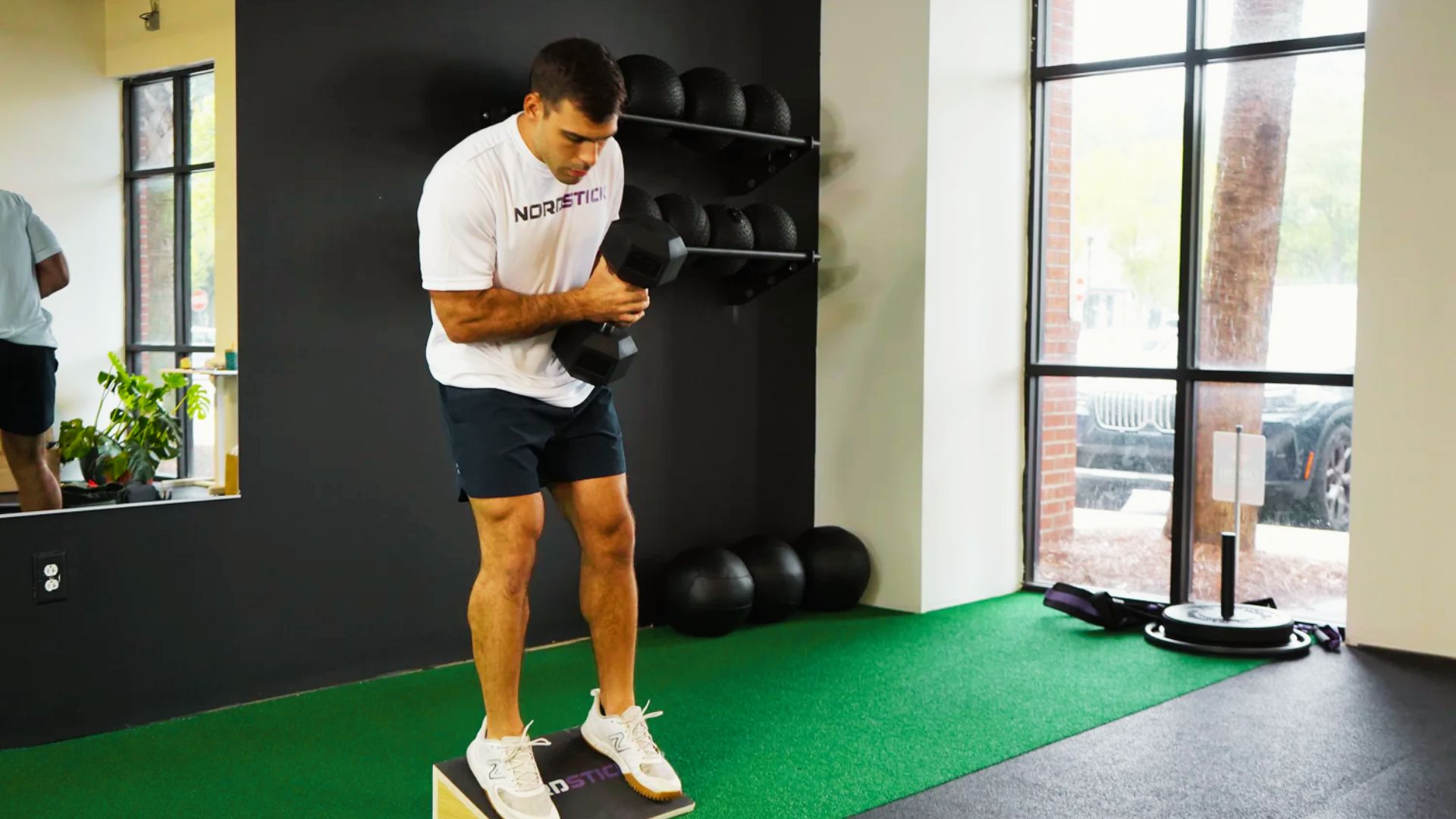
A slant board does more for your body than most people expect from one simple piece of equipment.
Improved Knee Stability and Joint Control
Slant board exercises move your knee through a full range of motion in a controlled way. This builds the small stabilizing muscles around the joint over time.
Better stability means fewer injuries and less daily discomfort.
Better Ankle Mobility and Flexibility
Many people have stiff ankles without knowing it. A slant board stretches the calf and Achilles while you train, improving how your ankle moves.
Better ankle mobility also takes extra stress off your knees.
Stronger Quads, Glutes, and Hamstrings Activation
uplifted heels on a slant board make your quads do more work on every rep. Hip-focused moves bring the glutes and hamstrings into the session too.
This makes slant board training more complete than most flat-ground leg routines.
Reduced Knee Pain and Injury Prevention
Weak quads and tight calves are two of the main causes of knee pain. Slant board exercises target both problems at the same time.
Many people with runner's knee or patellar tendinitis have seen real improvement with this training.
Slant Board Exercises vs Traditional Leg Training

The angle makes all the difference between joint stress and joint strength.
Why Slant Board Exercises Are More Joint-Friendly
Traditional squats and lunges can compress the knees when form breaks down. The angled surface of a slant board spreads the load more evenly across the joint.
This makes it a safer option for people with joint issues or those recovering from injury.
Better Muscle Activation Compared to Flat Ground Training
Heel elevation during squats has been shown to increase quad activation significantly. On a slant board, you get this benefit on every single rep without extra effort.
This means more muscle work with less weight, which is easier on your joints long term.
Tips for Better Results with Slant Board Exercises
Small habits make the biggest difference when it comes to long-term slant board progress.
- Move through each rep slowly and with full control. Speed is not the goal here.
- Start with bodyweight only and add resistance once your form feels solid.
- Train 2 to 4 times per week and give your muscles time to recover between sessions.
- End every session with the calf stretch to keep your ankles and knees feeling good.
- Stay consistent. Showing up regularly matters more than going harder every time.
Conclusion
Slant board exercises changed how I train and how my knees feel. I used to deal with soreness after every leg day. A few weeks of consistent slant board work and that soreness was mostly gone.
Start with two or three exercises from this guide. Do them three times a week and give it a month. You will feel the difference.
Your knees deserve better care and this is a great place to start.
If this helped you, drop a comment below and share which exercise you are trying first. Share this post with someone who needs it too.
Frequently Asked Questions
Are slant board exercises good for knee pain?
Yes, slant board exercises are very effective for knee pain. They strengthen the quads and stabilizers that protect the knee joint and help reduce stress on it during movement.
How often should beginners do slant board exercises?
Beginners should start with 2 to 3 sessions per week. This gives the muscles enough time to recover while building strength steadily over time.
Can I do slant board exercises at home?
Yes, most slant board exercises only need a slant board and your bodyweight. No gym is required, and the board is compact enough to use in any room at home.
What is the best slant board exercises routine?
A solid beginner routine includes the heel uplifted squat, calf raise, and glute bridge. Do 3 sets of each, 2 to 3 times per week, and add more exercises as you get stronger.
Do slant board exercises improve mobility and flexibility?
Yes, especially ankle mobility and calf flexibility. The slant board places your ankle in a stretched position during most exercises, which adds passive flexibility work to every session.