You show up to the gym four times a week. You follow your program. You push through the last reps when your muscles burn. But your progress stalls. Your energy dips halfway through sessions. Recovery takes longer than it should.
The problem isn’t your training. It’s what happens between sessions. Nutrition timing and daily habits determine whether your work in the gym translates into results. Most people treat nutrition as an afterthought, then wonder why their lifts plateau and energy crashes.
Here’s what actually moves the needle.
Hydration: The Foundation of Peak Performance

Dehydration kills performance before you feel thirsty. Losing just 2% of body weight in water can drop strength by 10% and endurance by up to 20%. Most people walk into the gym already dehydrated.
Drink 16-20 ounces of water two to three hours before training. Follow with another 8-10 ounces 15-20 minutes before you start. If your urine is darker than light yellow, you’re starting behind. Clear means you’re overhydrated – aim for pale yellow.
For sessions under 60 minutes, water is enough. Beyond that, especially during high-intensity training, add electrolytes. Sodium helps maintain fluid balance and muscle contractions. Sip 7-10 ounces every 10-20 minutes. Waiting until you’re thirsty means you’re already behind.
Strategic Pre-Workout Nutrition Timing
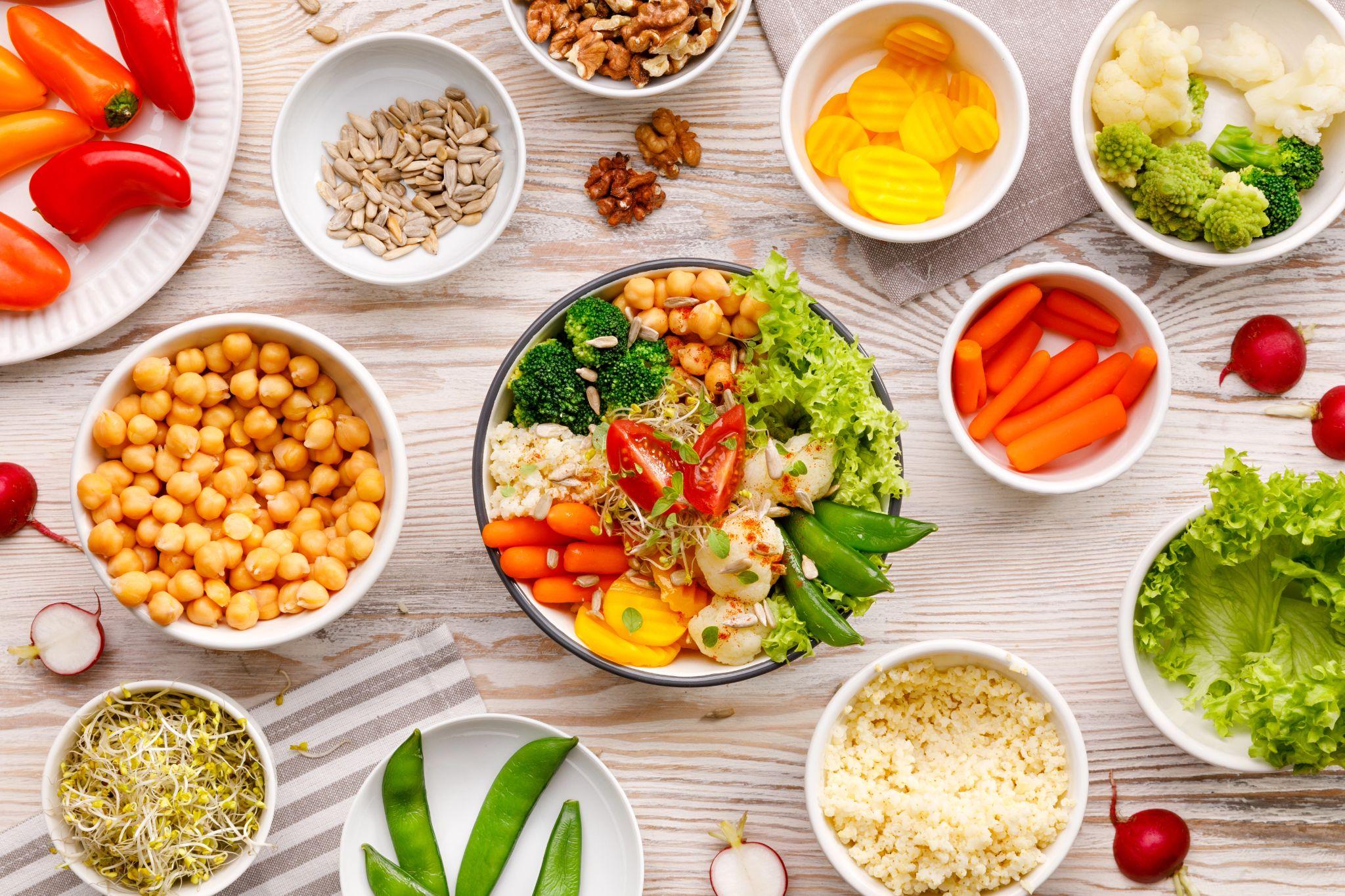
What you eat before training determines whether you push hard or fade halfway through. A full meal 90 minutes to two hours before training gives steady energy without discomfort. Combine complex carbs with moderate protein: rice with chicken, oatmeal with eggs, or a sweet potato with lean beef. Carbs fuel glycogen. Protein provides amino acids. Keep fat minimal – it slows digestion.
Early sessions or tight schedules need lighter options. A banana with a tablespoon of almond butter 30-45 minutes before training works well. If you train fasted, expect reduced performance. Glycogen is lower, and high-intensity work suffers.
Muscle protein synthesis stays elevated for up to 48 hours, but the first 30-60 minutes are especially effective. Your muscles are primed to absorb nutrients.
Protein Requirements After Training
Consume 20-40 grams of fast-digesting protein after training. Whey protein digests quickly and provides leucine to trigger muscle protein synthesis. Greek yogurt or cottage cheese also work, though slower to digest.
Pair protein with carbohydrates to replenish glycogen: whey with a banana and honey, or chicken with rice and berries. Carbs help shuttle nutrients into muscle cells.
Research shows combining protein and carbohydrates improves recovery more than protein alone. A 2017 study in the Journal of the International Society of Sports Nutrition found post-exercise carbs support glycogen resynthesis and performance.
Tracking Without Obsessing
You don’t need to track everything. Awareness is enough for most people. Use the hand-portion method:
- protein (palm)
- vegetables (fist)
- carbs (cupped hand)
- fats (thumb)
Adjust based on energy and recovery. Keep protein consistent – around 0.7 to 1 gram per pound of body weight. Adjust carbs based on training. Let fats fill the rest. When progress stalls, look at your habits first.
Start With One Change
Don’t overhaul everything at once. Pick one habit and stick to it for two weeks. Consistency compounds. Small improvements in hydration, meal timing, and sleep add up over time. If you’re not seeing results, don’t train harder – improve the habits that support your training.