I have been lifting for years, and the shoulder press muscles work to cover far more than just your shoulders.
Most people focus only on the deltoids, but this movement pulls in your triceps, chest, core, and stabilizer muscles too.
In this guide, I break down every single muscle involved, explain why each one matters, and show you how different variations change muscle activation.
You will also get practical tips to improve your form and get better results faster. I have tested these methods myself, so everything here is based on real experience.
By the end, you will know exactly what fires during every rep and how to train smarter.
Understanding Shoulder Press Muscles Worked

The shoulder press does not just work one muscle. It pulls in a whole group working together at the same time.
Primary muscles like the deltoids push the weight up, while supporting muscles assist, stabilize, and protect your joints throughout the movement.
Both matter equally for a strong, injury-free press. When you press overhead, your arms, shoulders, chest, and even your core all kick in together.
The movement looks simple on the surface but is actually complex underneath. That is exactly what makes it one of the most effective upper body exercises you can add to your routine.
Primary Muscles Worked in Shoulder Press
These three deltoid heads drive the press and shape your shoulders over time.
Anterior Deltoid for Lifting Strength

The front of your shoulder, called the anterior deltoid, does most of the pushing work during the press. Every time you drive the bar or dumbbells upward, this muscle leads the movement from start to finish.
Think of it as the main engine behind the lift.
Lateral Deltoid for Shoulder Width and Stability

The side deltoid activates as you push up and helps keep your arms moving in the right path. Training this muscle consistently gives your shoulders a broader and stronger appearance.
It also plays a key role in keeping the press stable throughout each rep.
Posterior Deltoid for Balance and Control

The rear deltoid sits at the back of your shoulder and keeps the entire lift balanced. Without it, your shoulder joint would lose stability and become vulnerable to injury.
It works quietly in the background but is just as important as the other two heads.
Supporting Muscles Engaged During Shoulder Press
These muscles assist the lift and protect your joints with every rep.
Triceps Brachii for Pressing and Elbow Extension

Your triceps, located at the back of your upper arms, extend your elbows during the press. As you push the weight to the top, your triceps finish the movement. They do more work than most people realize.
Upper Chest (Pectoralis Major) for Initial Push Power

The upper part of your chest helps at the start of the press. It gives that first burst of power when you begin pushing the weight up. It is not the star of the show, but it plays a real supporting role.
Serratus Anterior for Scapular Stability and Control

This muscle runs along the side of your ribcage. It anchors your shoulder blades and keeps them from winging out. Without proper serratus activation, your shoulder press form breaks down fast.
Core and Stability Muscles Activated

Your core works hard to protect your spine and keep your posture solid throughout the press.
Abdominals for Posture and Spinal Support
Your abs brace your spine every time you press overhead. They keep your lower back from arching too much. A strong core means a safer, more controlled shoulder press.
Lower Back Muscles (Erector Spinae) for Stability During Lift
The muscles along your spine, called the erector spinae, hold your torso upright during the lift. If your lower back is weak, you may lean back too far.
That increases injury risk and reduces the effectiveness of the press.
Shoulder Press Variations and Muscle Activation
Each variation hits the shoulders differently, so picking the right one matters.
Dumbbell Shoulder Press for Balanced Development

Dumbbells let each arm work on its own, which helps fix any strength imbalances between sides. This variation also activates more stabilizer muscles compared to a barbell.
Over time, it builds more balanced and even shoulder development.
Machine Shoulder Press for Controlled Movement
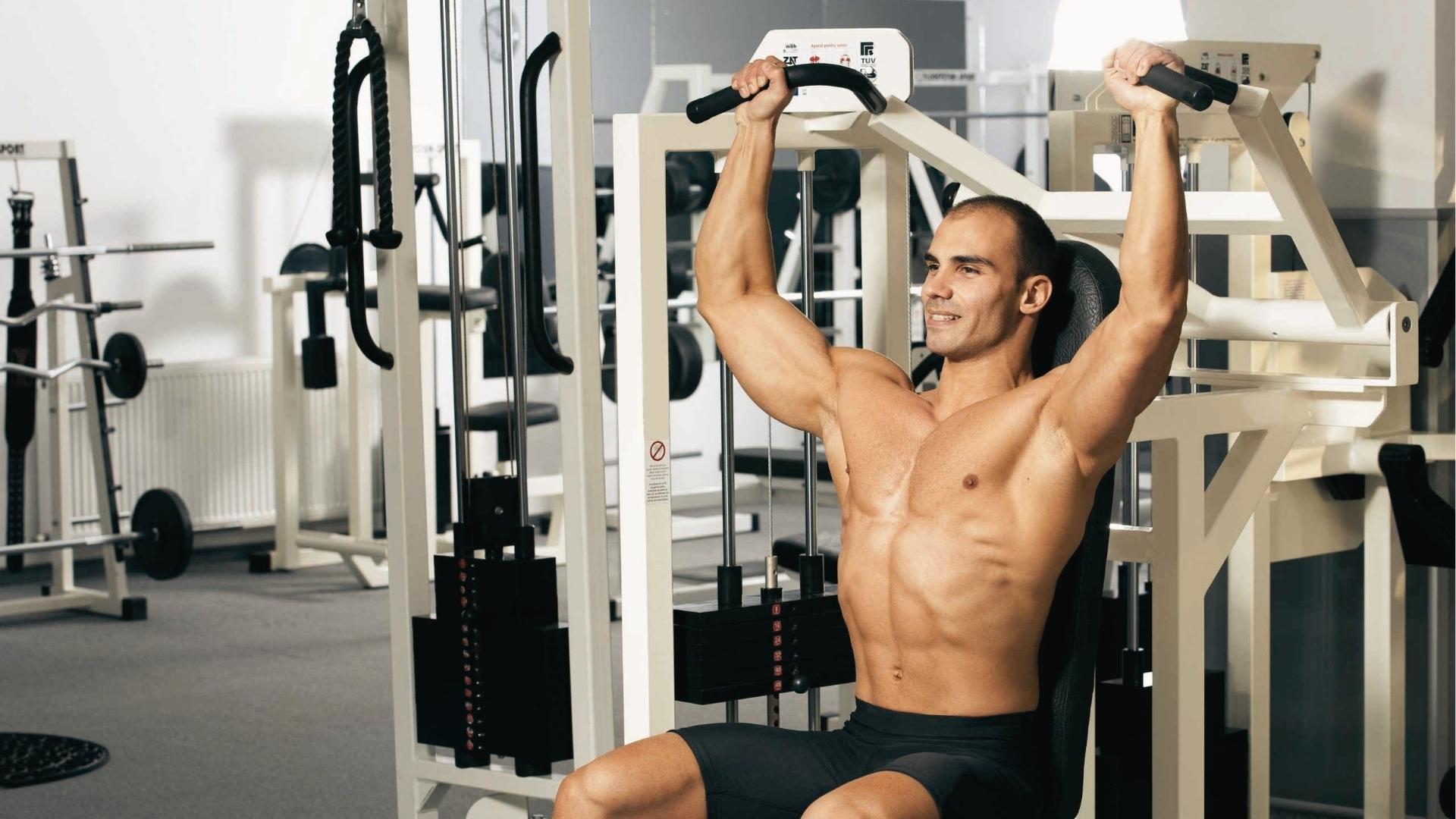
The machine keeps your movement on a fixed path, making it easier to focus on the muscles working. It is a great option for beginners or anyone coming back from an injury.
You get solid muscle activation without worrying about balance or coordination.
Arnold Press for Full Shoulder Engagement

The Arnold press includes a rotation that most standard presses skip. This rotation engages all three heads of the deltoid through a fuller range of motion.
It is one of the most complete shoulder movements you can include in your training.
Benefits of Shoulder Press for Full-Body Fitness
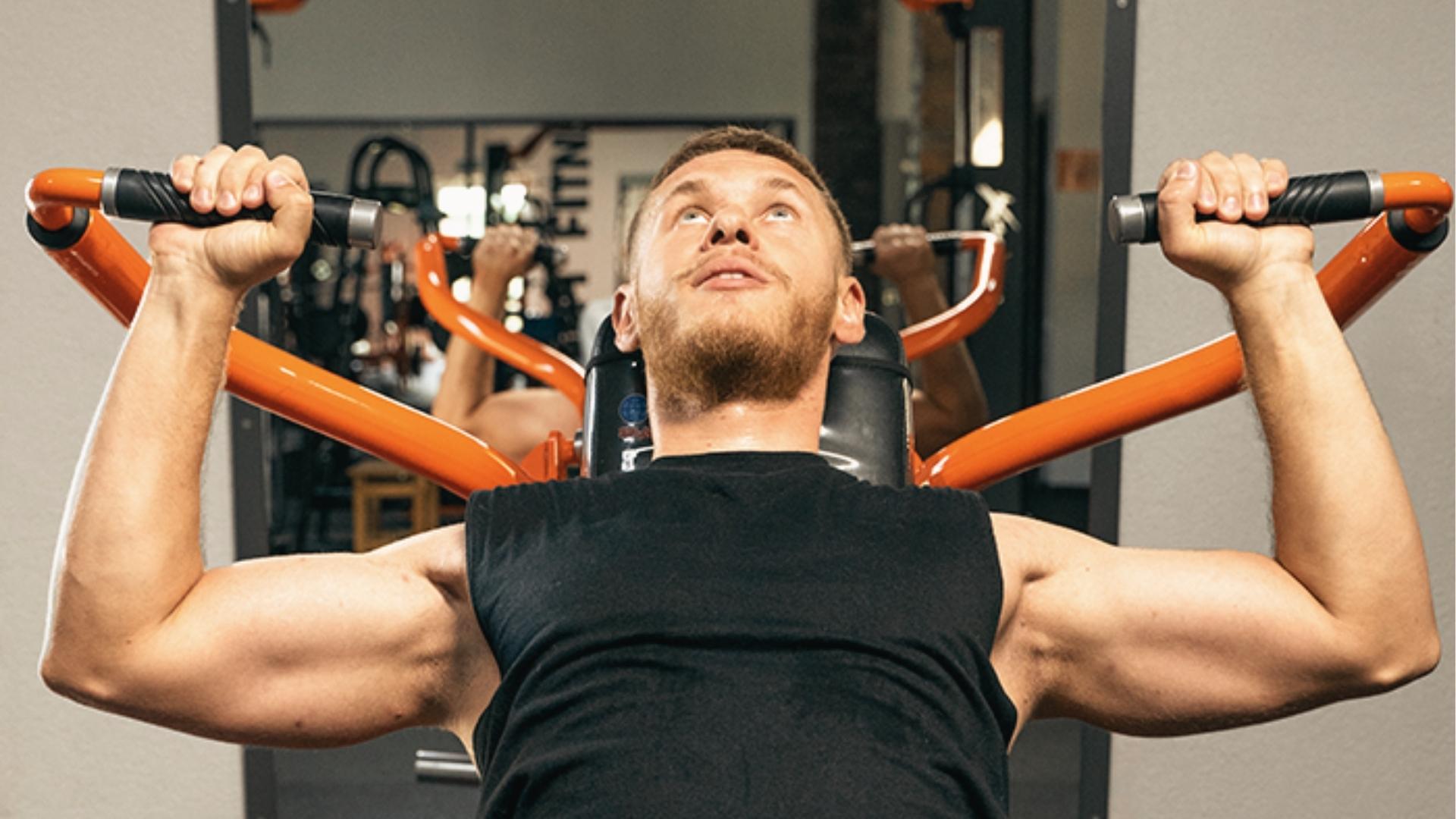
Regular shoulder pressing builds more than strong shoulders. It improves your whole upper body.
Improved Shoulder Strength and Muscle Growth
Pressing overhead on a regular basis builds both size and strength in your deltoids. Your shoulders become more powerful and defined the more consistent you are.
Progressive overload, meaning gradually increasing the weight over time, is what drives that growth forward.
Better Upper Body Stability and Posture
Strong shoulders do more than look good. They support better posture throughout your day, reduce slouching, and help your neck and upper back stay properly aligned.
These benefits show up in everyday life, not just inside the gym.
Functional Strength for Daily Life Movements
The shoulder press trains the same muscles you use when lifting groceries, reaching overhead, or pushing something heavy.
Building strength in this movement makes those everyday tasks feel much easier. It also lowers your risk of injury during normal daily activities.
Tips to Maximize Shoulder Press Results
Small adjustments in form and strategy can make a big difference in your results.
- Never rush your reps. Lower the weight slowly and press with full control to protect your joints and get more out of every rep.
- Sloppy form is the fastest way to get injured. Keep your movement clean and intentional every single set.
- Start lighter than you think you need to. Your shoulder joint is more sensitive to overload than most people realize.
- Build your weight up gradually over time. This leads to better muscle activation and far fewer setbacks along the way.
- Before every rep, take a breath and brace your core. Keep it tight until the rep is fully complete.
- A stable core protects your spine and keeps your entire press solid and controlled from the very first rep to the last.
Conclusion
Now you know exactly which muscles the shoulder press targets and why each one matters.
Shoulder press muscles worked include your deltoids, triceps, chest, serratus, and core, all firing together every single rep.
I started seeing real progress only after I understood what was actually working during my sets. That one shift changed everything for me.
Stay consistent, prioritize form over heavy weight, and results will come.
If this guide helped you, drop a comment and share your thoughts. Pass it along to someone chasing stronger shoulders too.
Frequently Asked Questions
What are the main shoulder press muscles worked?
The main muscles are the three deltoid heads front, side, and rear. Your triceps and upper chest also assist with every rep.
Does shoulder press work the triceps?
Yes, the triceps extend your elbows during the press. They are actively engaged throughout the full range of motion, especially near the top.
Is the shoulder press good for the core?
Absolutely. Your abs and lower back muscles stabilize your spine during overhead pressing. A strong core is what keeps your form from breaking down.
Which shoulder press variation is best for beginners?
The machine shoulder press is ideal for beginners. It controls the movement path and lets you focus on muscle activation without worrying about balance or coordination.
How often should I do shoulder presses each week?
Two times per week works well for most people. This gives your shoulders enough stimulus to grow while allowing proper recovery between sessions.