If your lower back feels stiff after sitting all day or your core lacks strength during workouts, roman chair exercises can make a noticeable difference.
After using a roman chair consistently for over two years, I’ve seen major improvements in posture, lower back stability, and overall core strength.
This guide covers the best roman chair exercises for strengthening your core and back, along with beginner-friendly tips, key benefits, and recovery advice.
Whether your goal is better fitness, injury prevention, or improved posture, these practical exercises can help you train safely and effectively. Everything shared here is simple, realistic, and focused on results that actually matter.
What Are Roman Chair Exercises?

Roman chair exercises are movements performed on a padded fitness machine that supports your hips and legs while your upper body moves freely.
The machine holds your lower body in place using cushioned supports and foot rollers, allowing your spine and hips to move through a controlled range of motion.
This setup forces your core, lower back, glutes, and hamstrings to do the work. The roman chair is used for both strength training and rehabilitation.
It targets muscles that most gym equipment misses, making it a practical and effective addition to any workout routine.
7 Best Roman Chair Exercises for Core and Back Strength
These seven moves cover everything from lower back strength to glute endurance and core control.
1. Roman Chair Back Extensions

Position yourself with your hips on the pad and feet locked in. Lower your upper body slowly toward the floor, then raise it back up until your body forms a straight line.
This directly strengthens the erector spinae, which supports your spine during daily movement and lifting.
2. Roman Chair Sit-Ups

Sit on the machine with your legs secured and your back free to move. Lower your upper body past a flat position, then come back up using your abs.
Keep the movement controlled on the way down to protect your lower back and get the most out of each rep.
3. Roman Chair Twists

Get into the sit-up position and hold a weight plate or medicine ball in front of you. Lower slightly and twist your torso from side to side in a slow, deliberate motion.
This hits the obliques and deep core muscles that support your spine during rotational movement.
4. Hyperextension Roman Chair Exercises

Lower your upper body below parallel, then raise it back up while squeezing your glutes at the top. This extra range challenges the glutes and hamstrings more than a standard extension.
Avoid using momentum or jerking the movement to keep your lower back safe.
5. Roman Chair Glute Holds
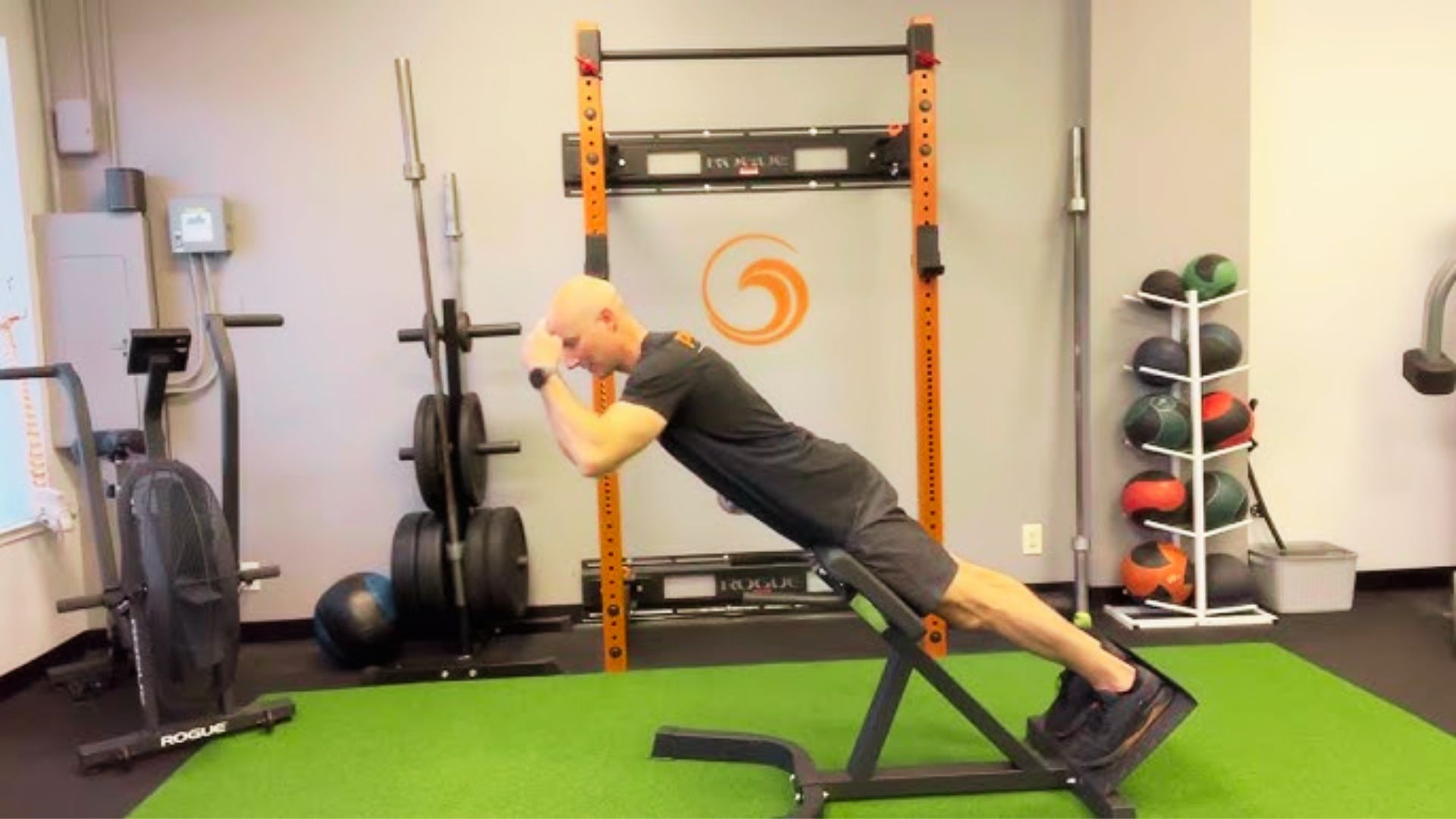
Set up in the back extension position and raise your body to a straight line. Hold for 20 to 45 seconds while actively squeezing your glutes throughout.
This isometric hold builds glute endurance and improves pelvic stability, which directly reduces lower back pain risk.
6. Side Crunches on a Roman Chair
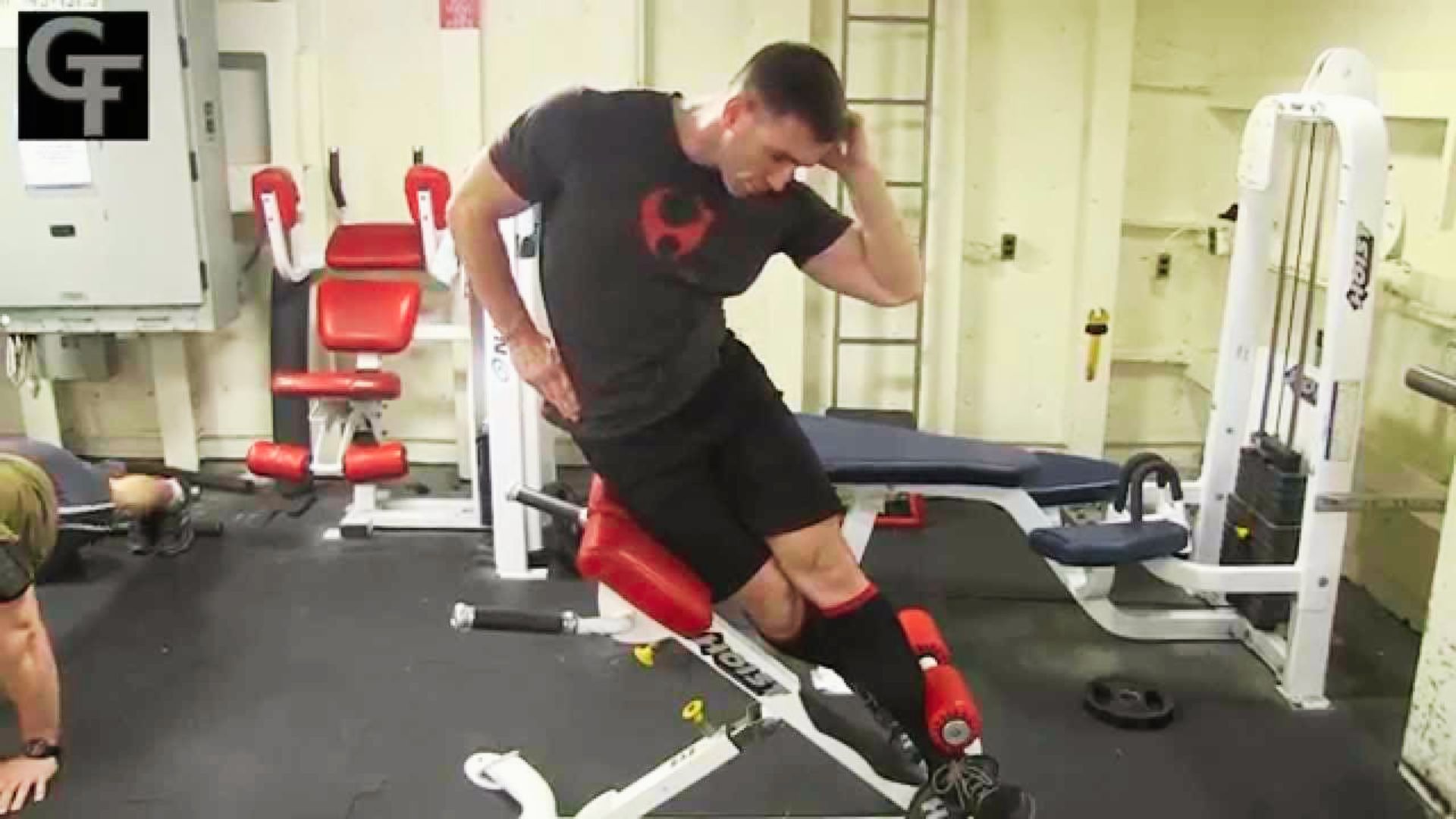
Position your body sideways on the roman chair with one hip on the pad and feet locked in. Lower your torso sideways, then pull back up using your side abs.
Do equal reps on both sides to keep your core balanced and avoid muscular imbalances.
7. 45 Degree Roman Chair Exercises

The 45 degree roman chair sits at a lower angle than a standard bench, making it easier on the lower back. It is ideal for beginners or anyone returning from injury.
Build your strength here for a few weeks before moving to a full hyperextension bench.
Benefits of Roman Chair Exercises

Roman chair exercises offer more than just back strength. They build a stronger, more stable body from the inside out.
Improve Core Stability and Balance
Roman chair exercises train the deep core muscles that most gym machines ignore. These muscles wrap around your spine and keep you stable during lifting, bending, and carrying.
Regular use improves body control and reduces instability during compound lifts.
Strengthen the Lower Back and Spine
Roman chair exercises directly target the erector spinae and surrounding support muscles. Strengthening these takes pressure off the spinal discs and lowers the chance of strain.
A stronger lower back lets you lift more, sit longer, and move better every day.
Build Stronger Glutes, Abs, and Obliques
The roman chair works glutes, abs, and obliques in one efficient machine. Glutes respond to extensions, abs get challenged during sit-ups, and obliques activate during side crunches and twists.
Training all three together saves time and builds balanced strength.
Support Posture and Injury Prevention
As your back, core, and hip muscles get stronger, they pull your body into better alignment naturally. Your shoulders sit back, your spine stays upright, and your hips stay level.
This lowers the risk of disc herniation, muscle pulls, and postural imbalances over time.
Help With Rehabilitation and Recovery
The roman chair lets you rebuild strength in a controlled environment without putting your spine at risk.
You can adjust range of motion and train with no added weight while reactivating weak muscles. Always check with a doctor before starting if you are recovering from injury.
Roman Chair Exercises for Lower Back Pain and Rehabilitation

The roman chair is one of the most helpful tools for people dealing with lower back pain or recovering from spinal injuries.
How Roman Chair Exercises Support Spinal Health
Roman chair exercises strengthen the erector spinae, multifidus, and glutes, all of which directly support the spine.
Consistent training helps decompress the lower spine and improve blood flow around the vertebrae. Most people notice less stiffness and fewer flare-ups within weeks.
Best Exercises for Lower Back Strength
Back extensions are the best starting point for lower back rehabilitation because they are low impact and easy to control.
Glute holds are also valuable since weak glutes are a common cause of lower back pain. Build endurance first and increase difficulty only when your form feels solid.
Roman Chair Exercises for Abs, Glutes, and Obliques
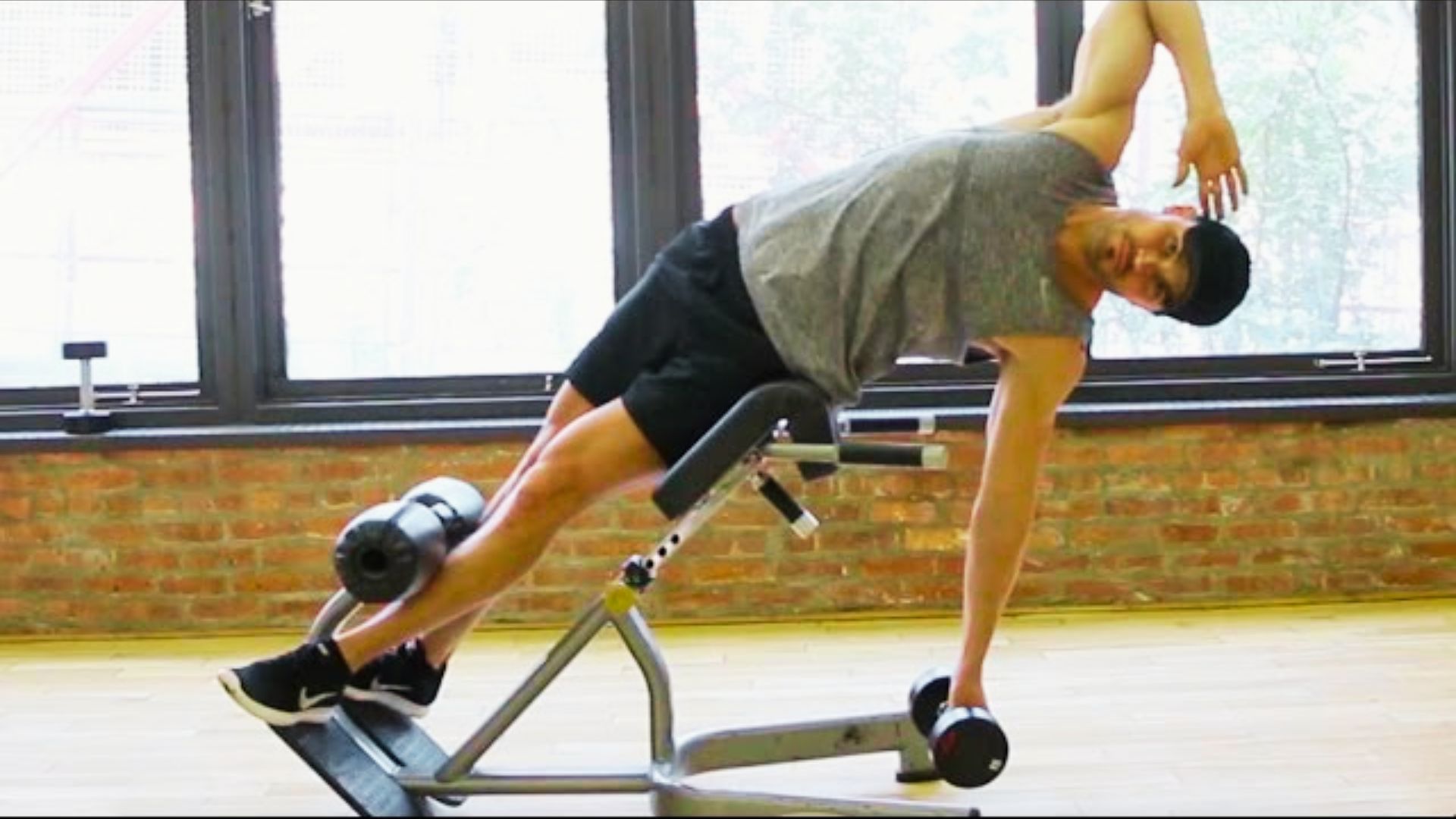
The roman chair is not just for the back. It targets abs, glutes, and obliques with precision when used correctly.
Best Roman Chair Exercises for Abs
Roman chair sit-ups allow you to go below parallel, fully stretching and contracting the rectus abdominis with every rep.
Roman chair twists add a rotational challenge that hits the abs from a different angle. Keep movements slow and aim for three sets of 12 to 15 reps.
How to Activate the Glutes Properly
The key to glute activation on the roman chair is squeezing at the top of every rep, not just going through the motion.
Train the glutes through back extensions, hyperextensions, and glute holds. Try a few bodyweight glute bridges before your session to wake up the muscles first.
Tips to Get Better Results From Roman Chair Exercises
Small adjustments in how you train make a big difference in how fast you progress.
- Lower your body slowly on every rep and avoid using momentum at any point during the movement
- Keep your core tight throughout each exercise, not just at the hardest part of the rep
- Start with bodyweight only, master your form first, then add resistance gradually over time
- Pair roman chair workouts with planks or dead bugs to build a more complete and balanced core
- Rest at least 48 hours between sessions targeting the same muscle groups to allow proper recovery
Conclusion
Roman chair exercises have genuinely changed how my back feels day to day. Less morning stiffness, better posture at my desk, and a stronger core during workouts.
These are not dramatic changes, but they are real and lasting ones. If you have been ignoring your lower back and core, this is a simple and practical place to start.
Pick two or three exercises from this list and stay consistent for four weeks. You will feel the difference. Drop a comment below and let me know which roman chair exercise you are trying first.
Frequently Asked Questions
Are Roman chair exercises good for lower back pain?
Yes, roman chair exercises strengthen the muscles that support the spine and help reduce lower back pain over time. Start with bodyweight movements and avoid anything that causes sharp pain.
Which Roman chair exercises are best for abs?
Roman chair sit-ups and twists are the most effective because they allow a greater range of motion than floor exercises. Keep movements slow and controlled for best results.
Can beginners safely use a Roman chair?
Yes, beginners can start safely on a 45 degree bench with no added weight. Focus on form and build endurance before increasing difficulty.
Do Roman chair exercises improve posture?
Roman chair exercises strengthen the lower back, glutes, and core, which are key muscles for good posture. Over time, these muscles help your body hold a more upright position naturally.
How often should you do roman chair exercises?
Two to three sessions per week is enough for most people to see real progress. Rest at least 48 hours between sessions to allow proper muscle recovery.