

I wasted six months on the wrong bike before I figured this out.
The recumbent vs upright bike choice seems simple until you’re three weeks in wondering why your workouts feel off. Your friend loses 15 pounds while you’re stuck.
Here’s the truth nobody tells you. The bike you pick changes which recumbent vs upright bike muscles you build. It affects how long you’ll actually stick with cardio.
I tested both for months to find what really works. What I learned shocked me.
Let me show you exactly how to match the right bike to your body and goals. No more guessing.
Understanding the Basics of Recumbent vs Upright Bike
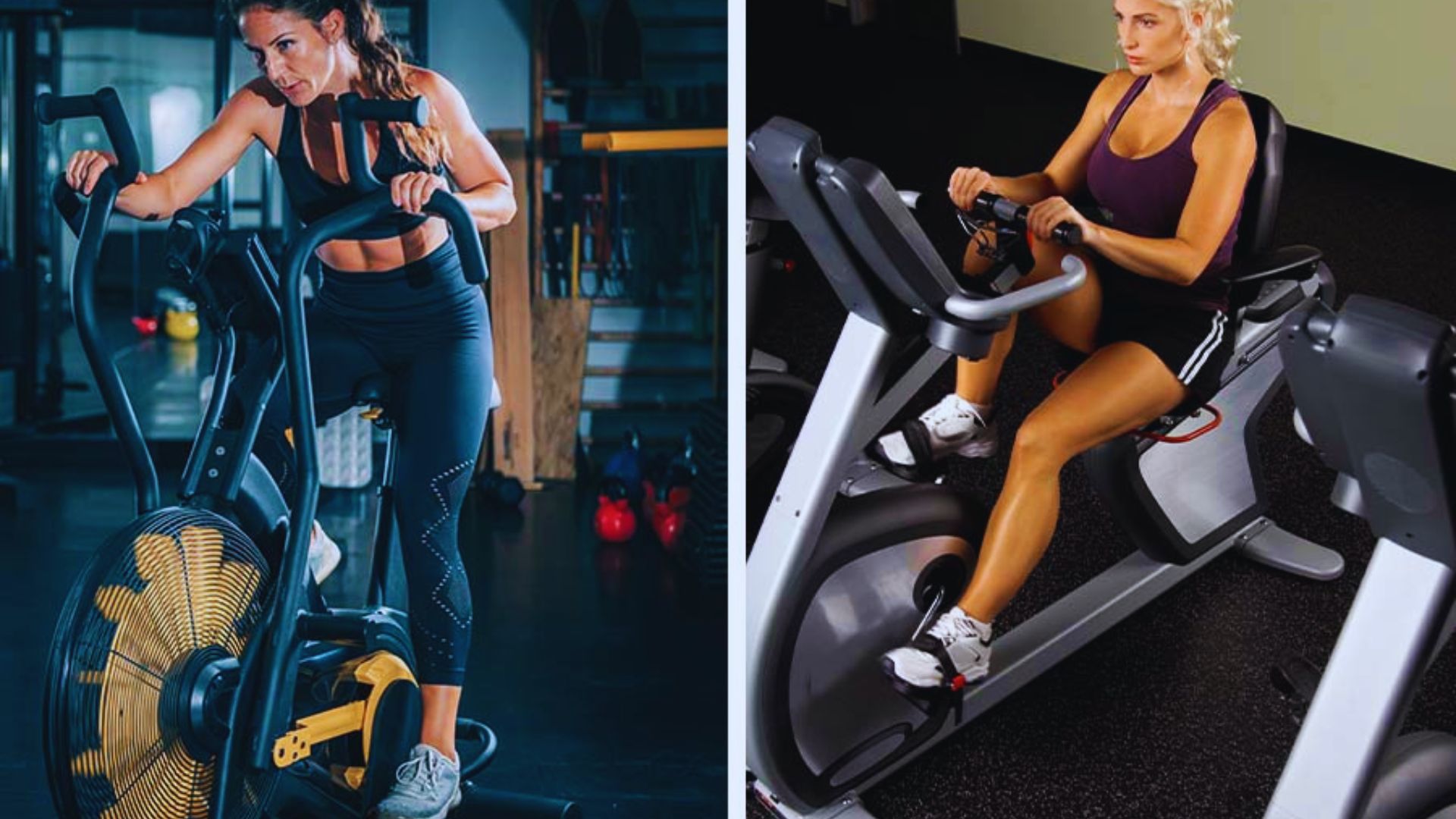
Indoor exercise bikes come in two main types. They look different, feel different, and work your body in separate ways.
I know this comparison matters if you’re building a home gym or choosing equipment at the fitness center. The wrong pick can kill your motivation fast.
Here’s the quick snapshot. Recumbent bikes let you lean back with support. Upright bikes keep you sitting like a regular bicycle.
The recumbent vs upright bike benefits depend on what you need. Comfort or intensity. Support or challenge.
What Is a Recumbent Bike?
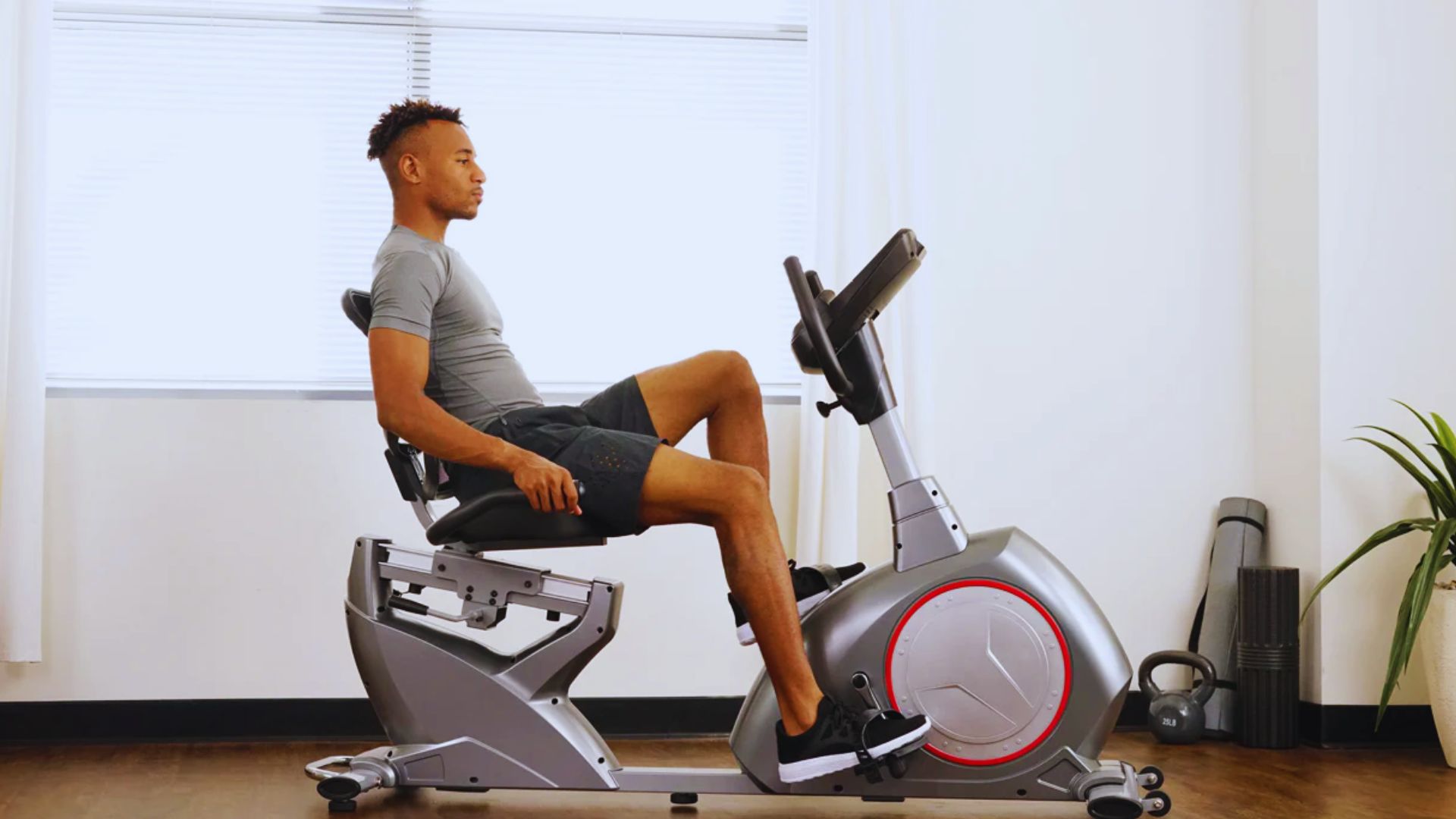
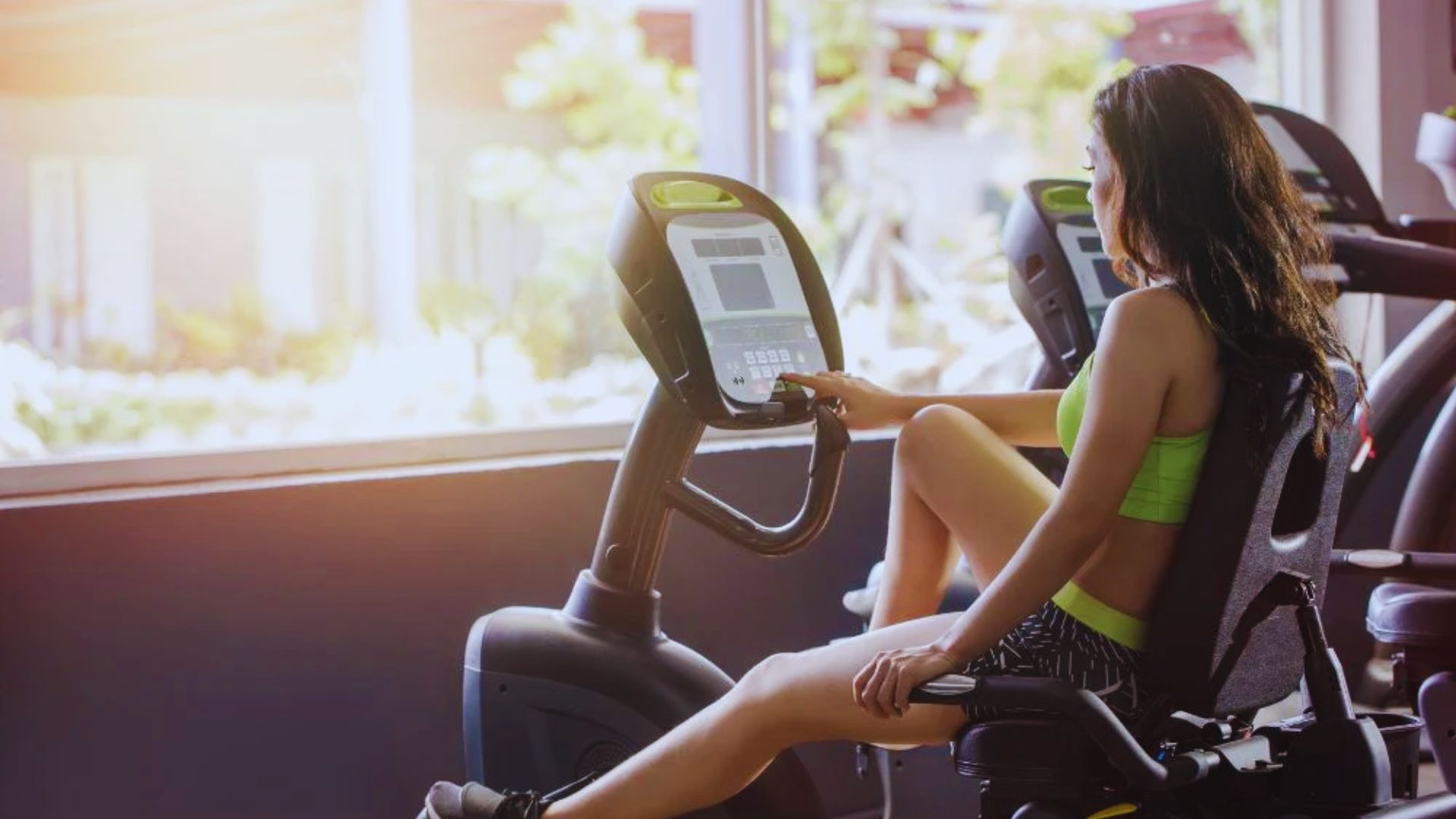
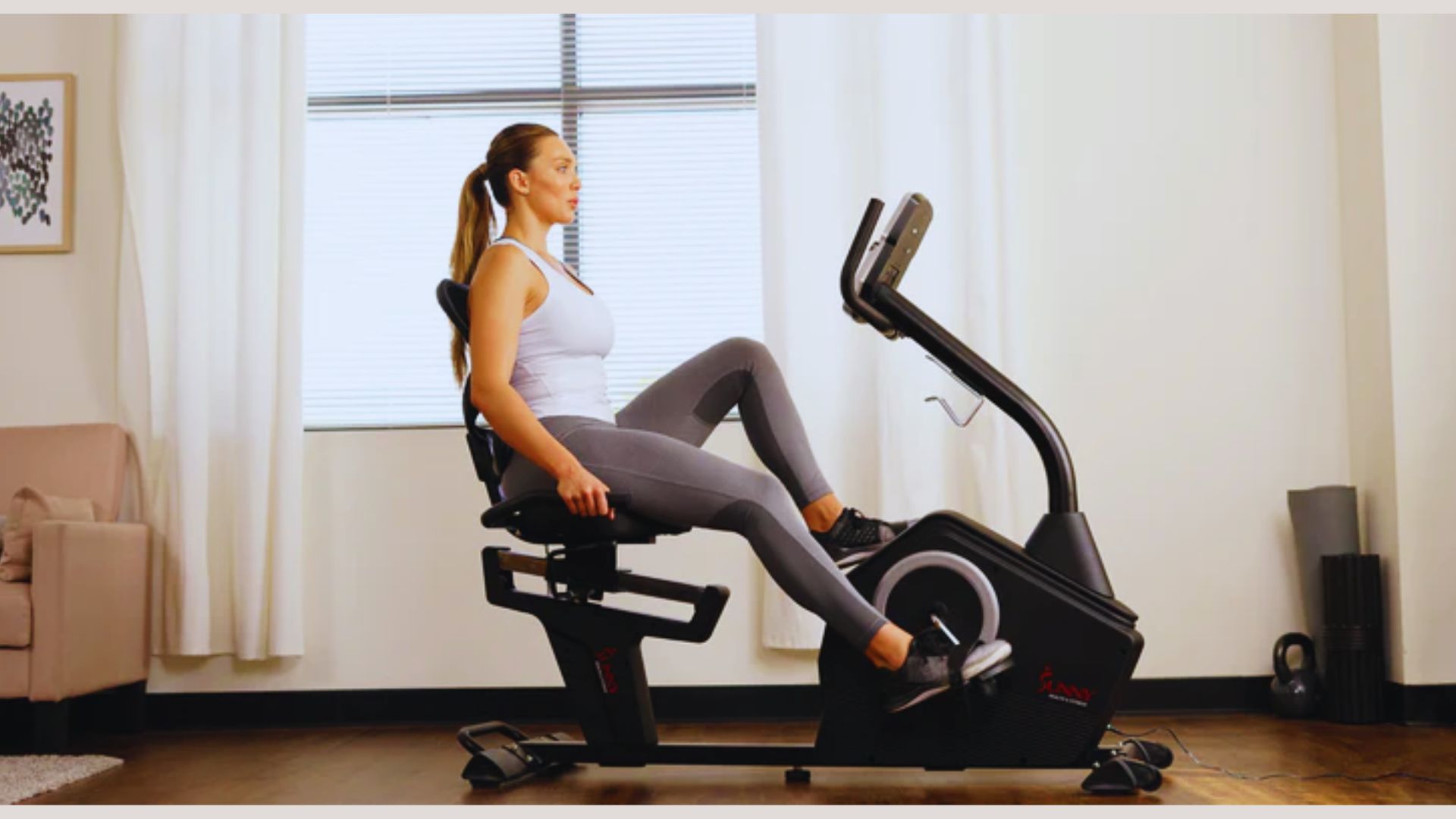
A recumbent bike has a bucket seat with a backrest. You sit in a reclined position with your legs out in front.
I love how this design supports your lower back completely. Your weight spreads across a larger seat area.
Most beginners pick this bike first. Seniors use them regularly. Physical therapy centers stock them for rehab work.
The reclined position takes pressure off your joints. Your knees and hips thank you after long sessions.
When we talk about recumbent vs upright bike muscles, recumbent bikes focus more on your hamstrings and glutes. Your core doesn’t work as hard since the backrest supports you.
Is a Recumbent Bike Right for Your Personal Fitness Goals?
This bike works great for low-impact cardio. I can ride for 45 minutes without my back screaming at me.
You’ll love it if you’re just starting your weight loss path. Recovery training becomes easier too.
Got back pain or knee problems? A recumbent bike might be your best friend. The support changes everything.
What Is an Upright Bike?
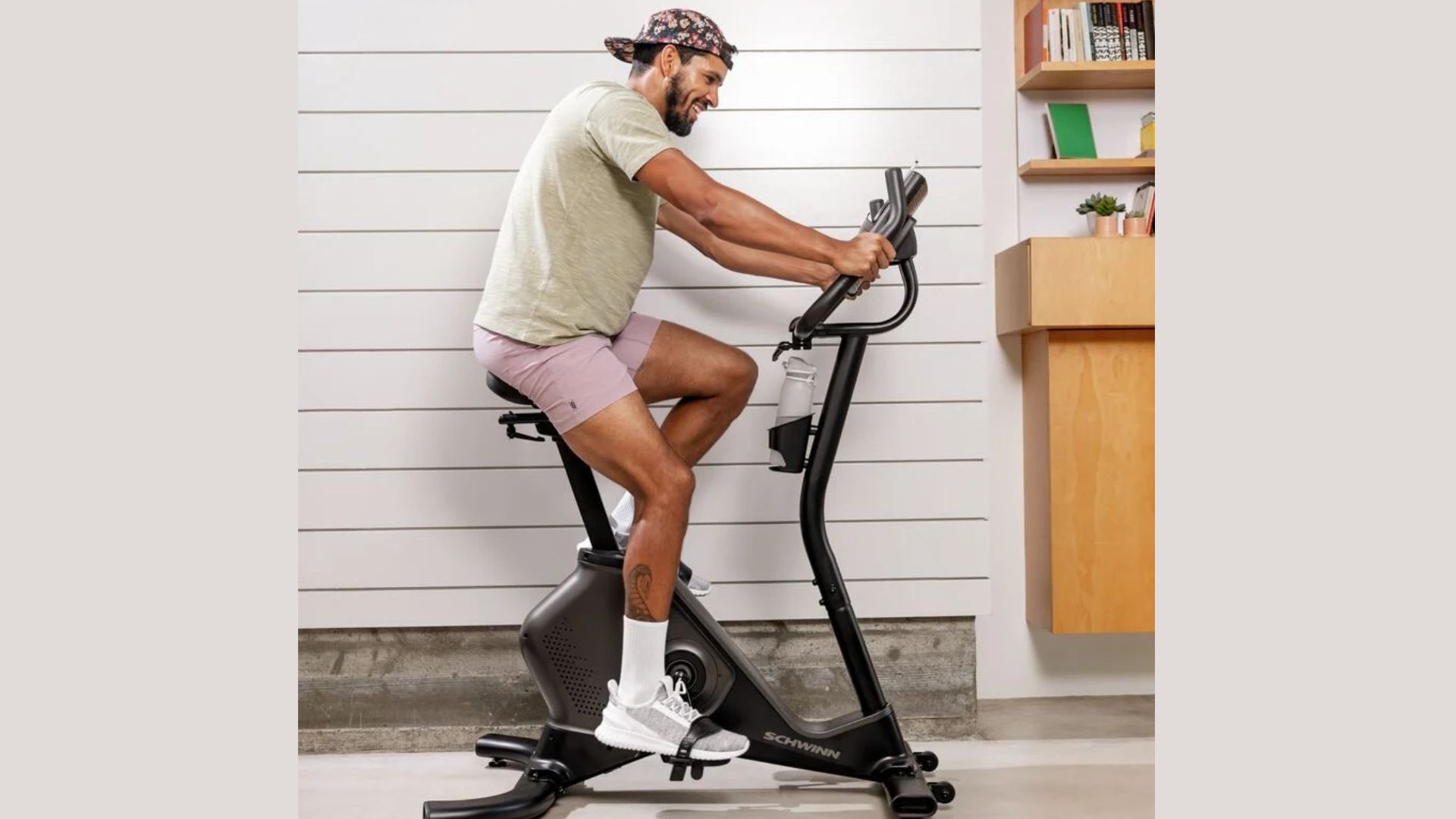
An upright bike looks like a regular bicycle. You sit on a smaller seat with handlebars in front.
This position keeps your body upright. Your core stays engaged the whole time.
I notice way more intensity on an upright bike. My heart rate climbs faster.
Spin classes use these bikes exclusively. HIIT workouts feel incredible on them. The traditional cycling posture lets you push harder.
The recumbent vs upright bike benefits become clear here. Upright bikes burn more calories per minute. But they’re tougher on your joints.
Is an Upright Bike Better for Your Personal Fitness Goals?
Pick an upright bike if you want high-intensity training. The calorie burn beats most cardio machines.
I use mine for endurance building. Twenty minutes feels like a real workout.
Athletes and experienced gym-goers prefer this style. It challenges you more.
Recumbent vs Upright Bike: Key Differences Compared
Let me show you the main differences side by side. I made this table after testing both bikes for months.
| Feature | Recumbent Bike | Upright Bike |
|---|---|---|
|
Body position |
Reclined with back support |
Upright like regular cycling |
|
Muscle engagement |
Hamstrings and glutes focused |
Full leg plus core activation |
|
Calorie burn |
400-500 per hour (moderate) |
500-700 per hour (vigorous) |
|
Comfort level |
High – padded seat and backrest |
Medium – smaller seat |
|
Joint impact |
Very low |
Low to moderate |
|
Space requirements |
Larger footprint |
More compact |
|
Learning curve |
Easy – hop on and go |
Quick – familiar to most |
|
Best for |
Beginners, seniors, rehab |
HIIT, endurance, weight loss |
Recumbent vs Upright Bike Muscles: Which Bike Works What?
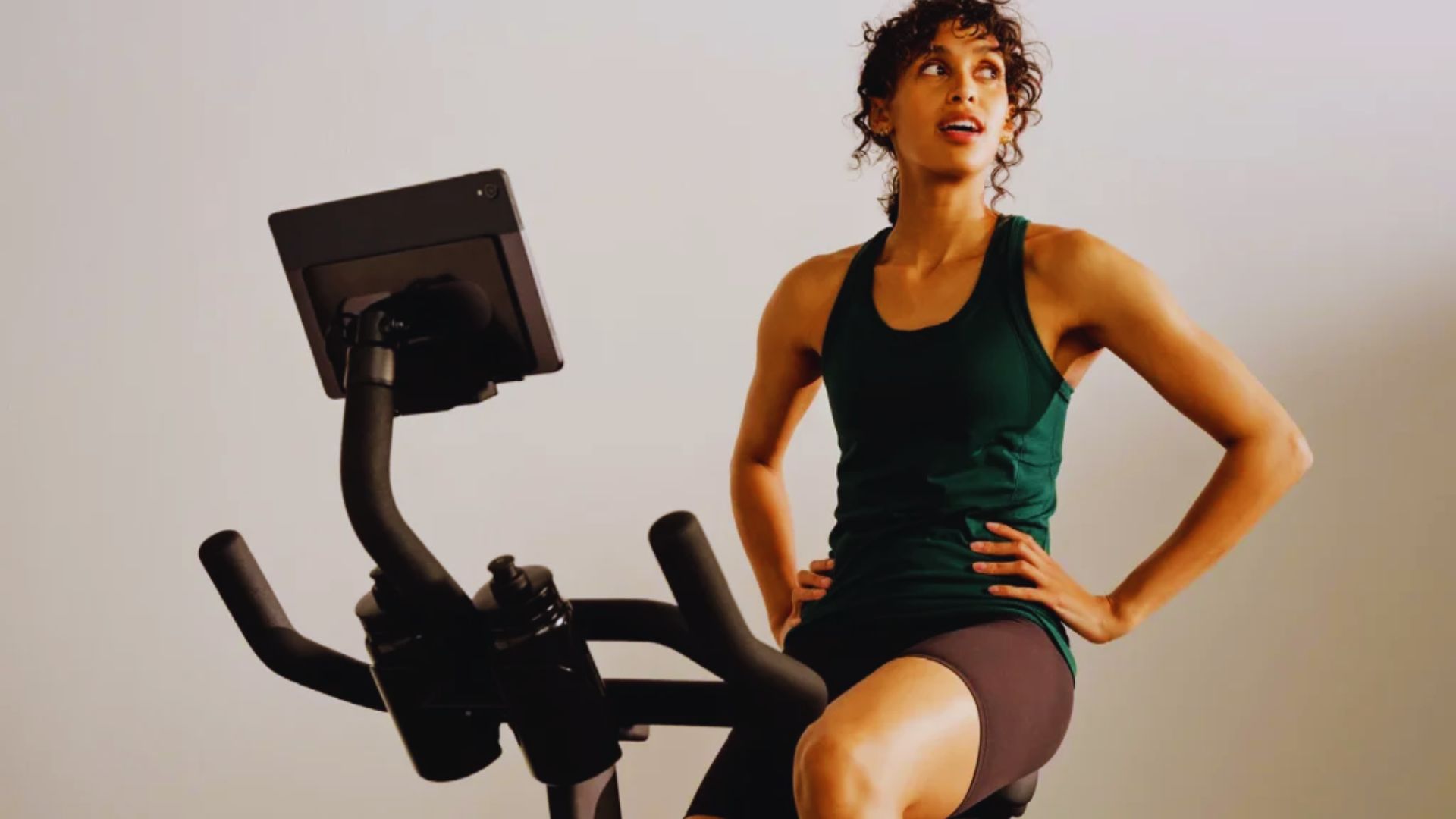
Recumbent bikes target your hamstrings, glutes, and calves primarily. The reclined angle changes how your legs push.
Upright bikes work your quads, hamstrings, glutes, and calves more evenly. Your core muscles fire constantly to keep you stable.
I feel the core difference most. My abs burn after 20 minutes on an upright bike. That never happens on a recumbent.
This muscle activation affects your results. More muscles working means more calories burned and better overall conditioning.
Recumbent vs Upright Bike Benefits for Different Users
Different people need different bikes. I’ve watched hundreds of gym members make this choice.
Beginners do better starting with recumbent bikes. The comfort keeps you coming back. You build cardio fitness without feeling destroyed.
Here’s who benefits from each type:
- Seniors: Recumbent bikes offer stability and back support
- Weight loss seekers: Upright bikes burn more calories faster
- Athletes: Upright bikes provide the intensity you need
- People with injuries: Recumbent bikes reduce joint stress
- HIIT fans: Upright bikes handle interval training better
You’ll find tons of real feedback if you check recumbent vs upright bike reddit discussions. People share honest experiences about which bike actually helped them stick to their goals.
Choose based on what keeps you motivated. The best bike is the one you’ll actually use.
How to Choose Between Recumbent and Upright Bike
Start with your fitness goals. Write them down. Be honest about your current fitness level.
Want to lose weight fast? Upright bikes win for calorie burning. Need joint-friendly cardio? Go recumbent.
The comfort versus intensity trade-off matters. I can ride a recumbent bike for an hour while reading. Upright bikes demand full attention after 30 minutes.
Think about your space too. Recumbent bikes take up more floor area. Your budget plays a role since quality recumbent bikes often cost more.
Try both bikes before buying if possible. Five minutes tells you everything. Your body knows what feels right.
Conclusion
Here’s what I want you to do next. Test both bikes this week at your gym or a local store. Your body will tell you everything in 10 minutes. Trust that feeling.
I started on a recumbent bike years ago. Now I crush HIIT on an upright. Your path isn’t fixed.
Take action: Sit on both bikes today. Pedal for 5 minutes each. Pick one.
Then drop a comment telling me which bike you chose and why. I reply to everyone and genuinely want to hear your experience.
Let’s get you moving.
Frequently Asked Questions
Is a recumbent or upright bike better for weight loss?
Upright bikes burn more calories per session, making them slightly better for faster weight loss. However, recumbent bikes work great if you can exercise longer comfortably.
Which bike burns more calories: recumbent vs upright bike?
Upright bikes typically burn 500-700 calories per hour at vigorous intensity. Recumbent bikes burn 400-500 calories per hour at moderate intensity.
Are recumbent bikes easier on the knees?
Yes, recumbent bikes put less stress on your knees because of the reclined position and back support. They’re recommended for people with knee problems or arthritis.
Can beginners use an upright bike safely?
Absolutely, beginners can safely use upright bikes by starting at lower resistance and shorter durations. Just focus on proper form and gradually increase intensity.
Which bike is better for long workouts?
Recumbent bikes are better for extended sessions because the back support and comfortable seat reduce fatigue. Most people can ride them 30-60 minutes comfortably.


