My back was flat for months. I was showing up, pulling hard, staying consistent. But nothing was changing. It was frustrating.
Turns out I was doing the same pull up variation on repeat without even realising it. One grip. One angle. Same muscles. No real progress.
The fix was simpler than I expected. Just switching things up made a noticeable difference within weeks.
This blog covers 23 pull up variations with hand positions, muscles worked, grip selection tips, and common mistakes most people never catch.
I've put everything I learned the hard way into one place. So you don't have to waste months figuring it out like I did.
Let's get straight into it.
Why Pull Up Variations Matter
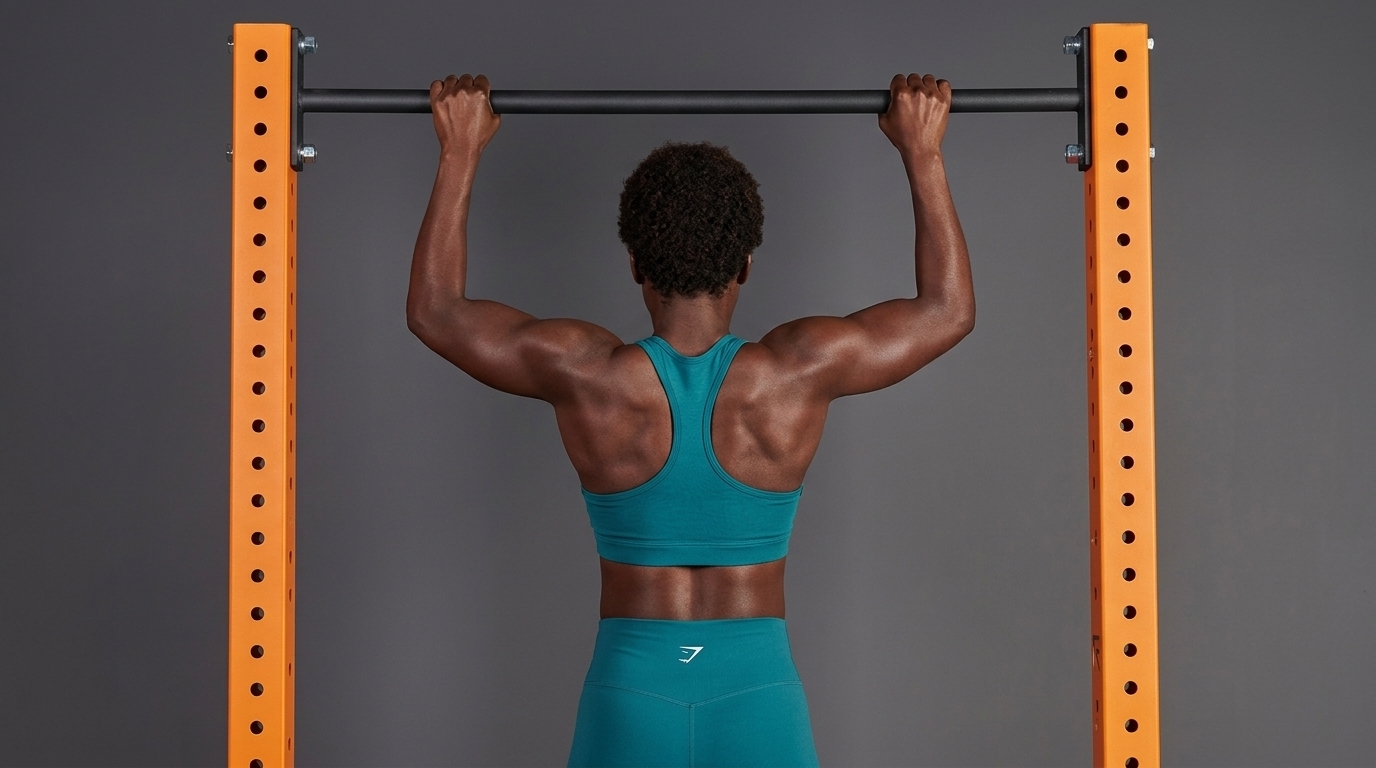
Sticking to one pull-up style every session is one of the biggest reasons people stop seeing results.
Different grip positions, hand spacing, and movement patterns change which muscles do the most work. Some variations hit the lats harder. Others bring in more biceps, rear delts, or core.
Switching things up also reduces the risk of overuse injuries from repeating the same motion constantly. It keeps your training fresh and your muscles working harder.
If you want a stronger, wider back and better overall upper body strength, learning more than one pull-up variation is the smartest move you can make.
23 Pull Up Variations and the Muscles They Target
Here are 23 pull-up variations, broken down by hand position and muscles worked.
1. Standard Pull-Up (Overhand Grip)
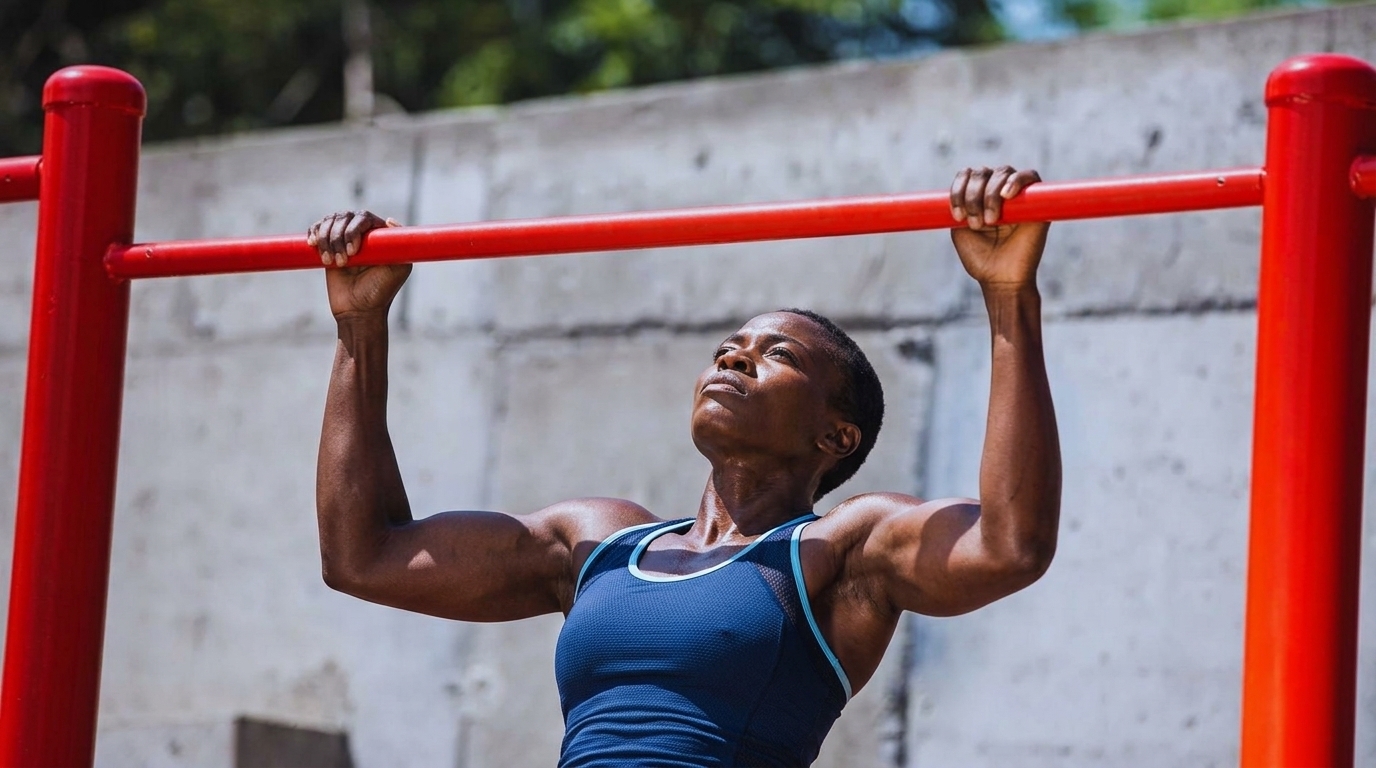
Hand position: Hands slightly wider than shoulder-width, palms facing away.
Primary muscles worked:Lats, upper back, rear delts, core.
This is the starting point for most people. The overhand grip puts the lats in the best position to do the bulk of the work. It's not flashy, but it delivers consistent results.
I still include this in almost every back session because nothing builds lat width quite like a clean standard pull-up done with full range.
2. Chin-Up (Underhand Grip)
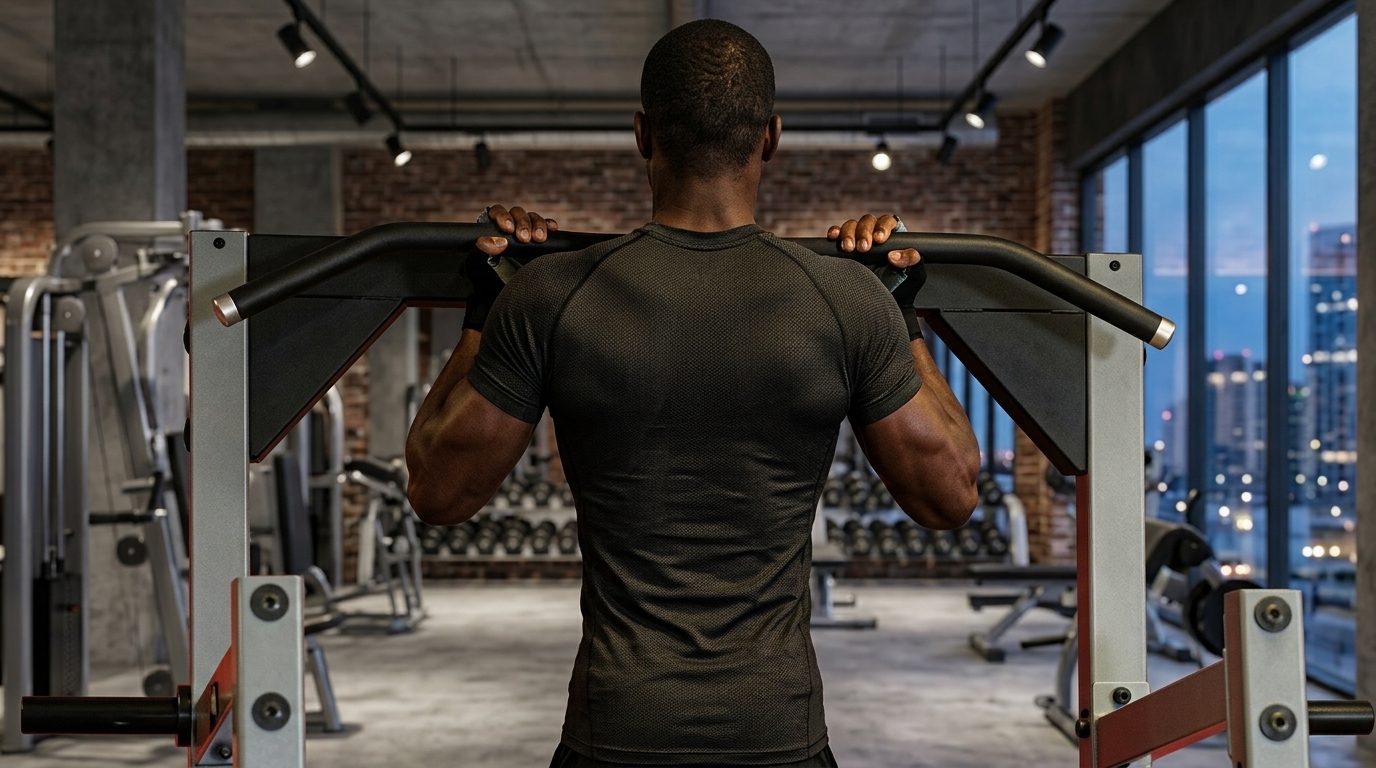
Hand position:Hands shoulder-width apart, palms facing toward you.
Primary muscles worked: Biceps, lats, lower portion of the pecs.
The underhand grip makes this variation feel more natural for a lot of people. It's slightly easier than the standard pull-up because the biceps can contribute more.
If you're just starting out or want to add arm work into your pull-up training, chin-ups are a solid choice.
3. Wide-Grip Pull-Up
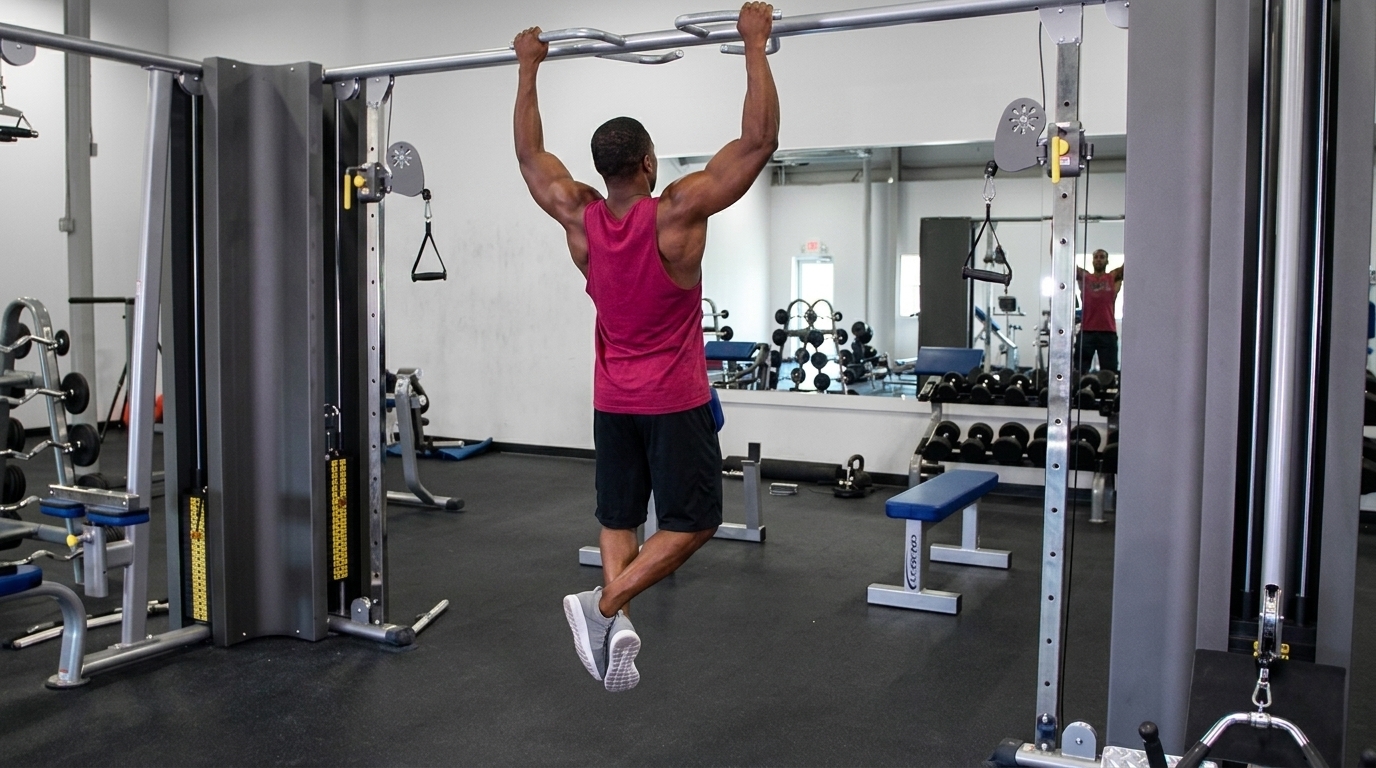
Hand position:Hands placed well outside shoulder-width, palms facing away.
Primary muscles worked:Outer lats, teres major, rear delts.
Going wider reduces the range of motion but shifts more load onto the outer lats. This is the variation you want if back width is your main goal.
Keep your chest up and avoid shrugging at the top. I noticed a real difference in my back width after adding these regularly.
4. Close-Grip Pull-Up
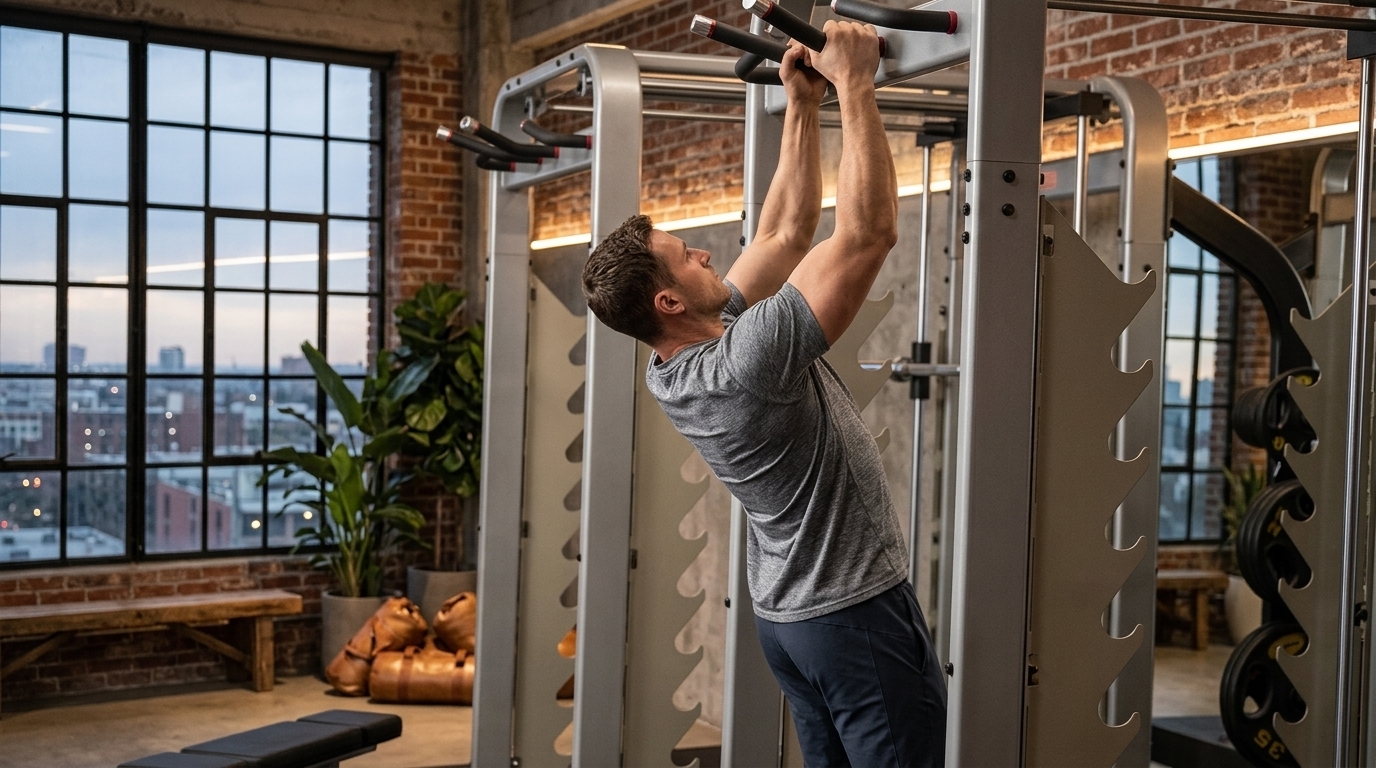
Hand position: Hands a few inches apart, palms facing away.
Primary muscles worked:Lower lats, biceps, inner back muscles.
Bringing your hands close together changes the angle enough to hit the lower portion of the lats more directly.
It also puts more demand on the biceps compared to the wide grip. This variation is great for building thickness through the middle of the back.
5. Neutral-Grip Pull-Up
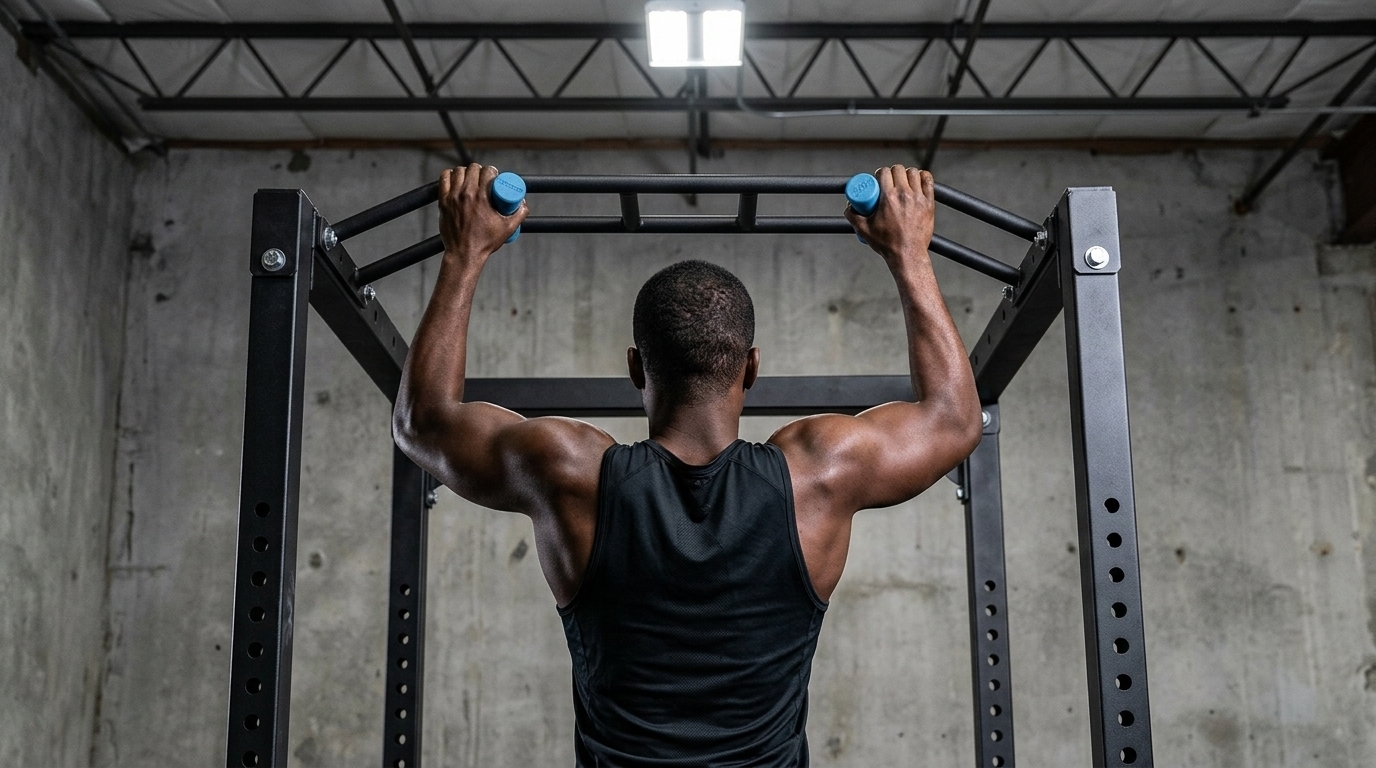
Hand position:Palms facing each other, using parallel handles.
Primary muscles worked: Lats, brachialis, biceps, upper back.
The neutral grip is the most joint-friendly option on this list. The parallel hand position reduces stress on the elbows and shoulders.
Making it a go-to for anyone dealing with minor joint issues. It also hits the brachialis hard, which adds thickness to the upper arm.
6. Mixed-Grip Pull-Up
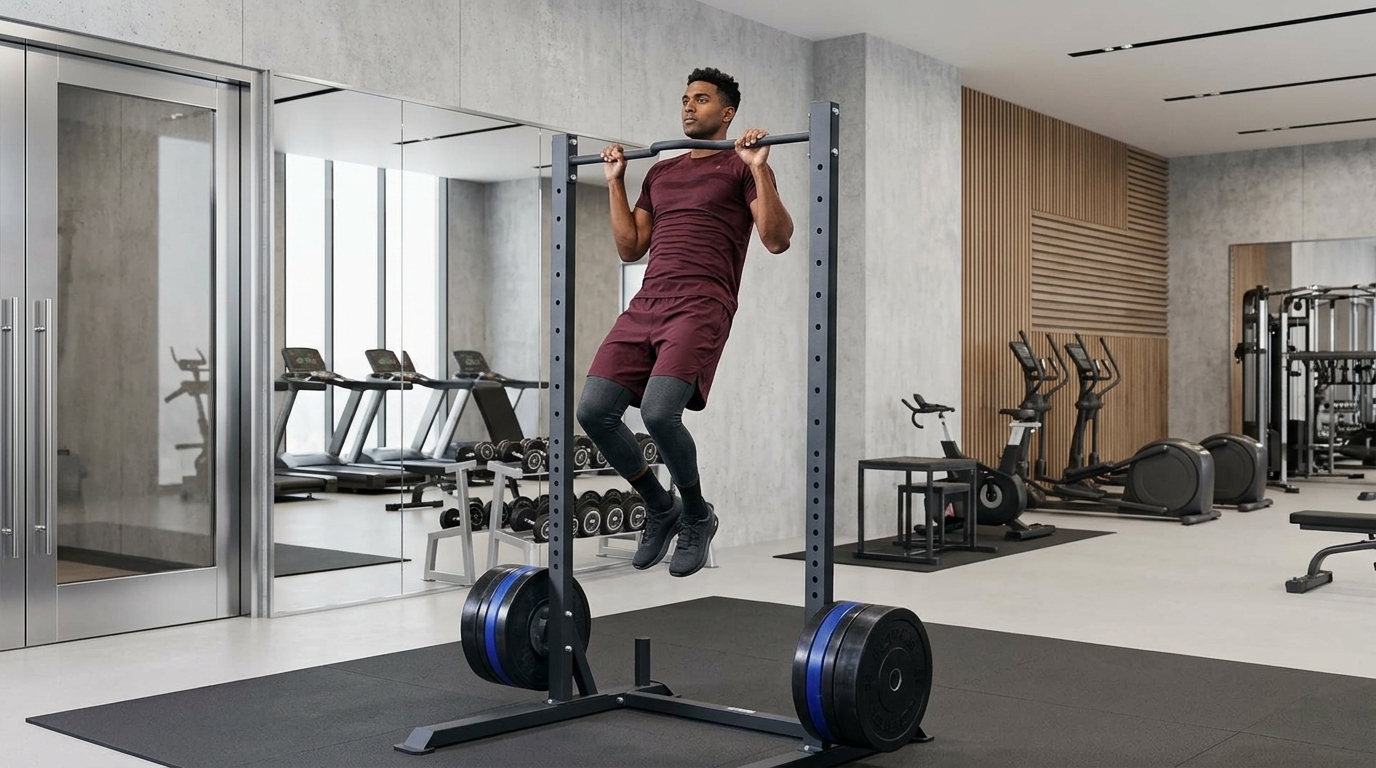
Hand position: One hand overhand, one hand underhand.
Primary muscles worked: Lats, biceps, forearms, core.
Using one hand each way creates an imbalance that forces your core and stabilizers to work harder.
It's also great for grip strength. Switch which hand faces which direction each set so you're developing both sides evenly.
7. Commando Pull-Up
Hand position: Both hands on a single bar, one in front of the other, palms facing each other.
Primary muscles worked: Lats, obliques, biceps, forearms.
In this variation, you pull up to one side of the bar, then the other on the next rep. The side-to-side movement brings the obliques and rotational muscles into play.
It's a good option when you want to add core work without leaving the bar.
8. Angled-Grip Pull-Up
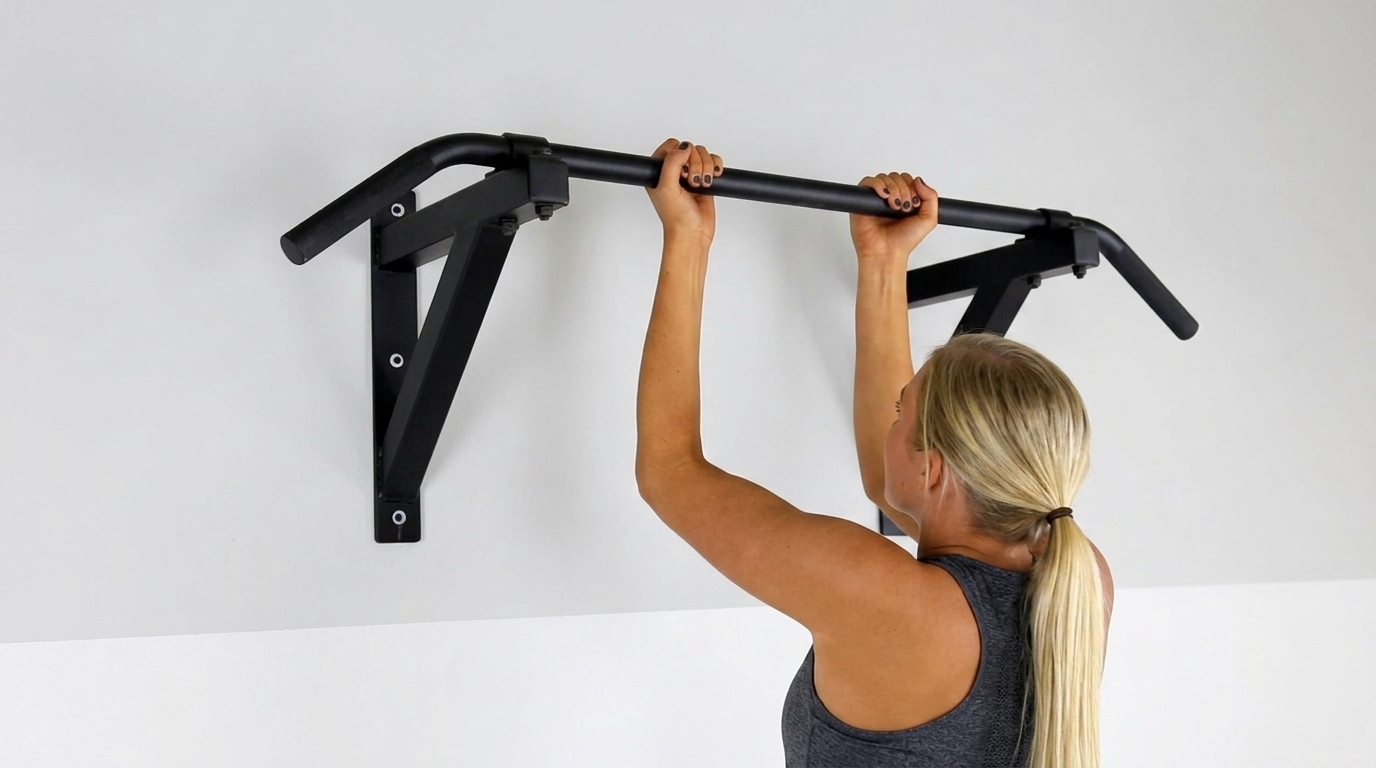
Hand position:Hands gripping at a slight angle, between overhand and neutral.
Primary muscles worked:Lats, upper back, biceps.
Not every gym has angled handles, but if yours does, this variation is worth trying. The angled position reduces wrist strain while still giving you strong lat activation.
It's a simple change that can make pull-ups feel much more comfortable.
9. Archer Pull-Up
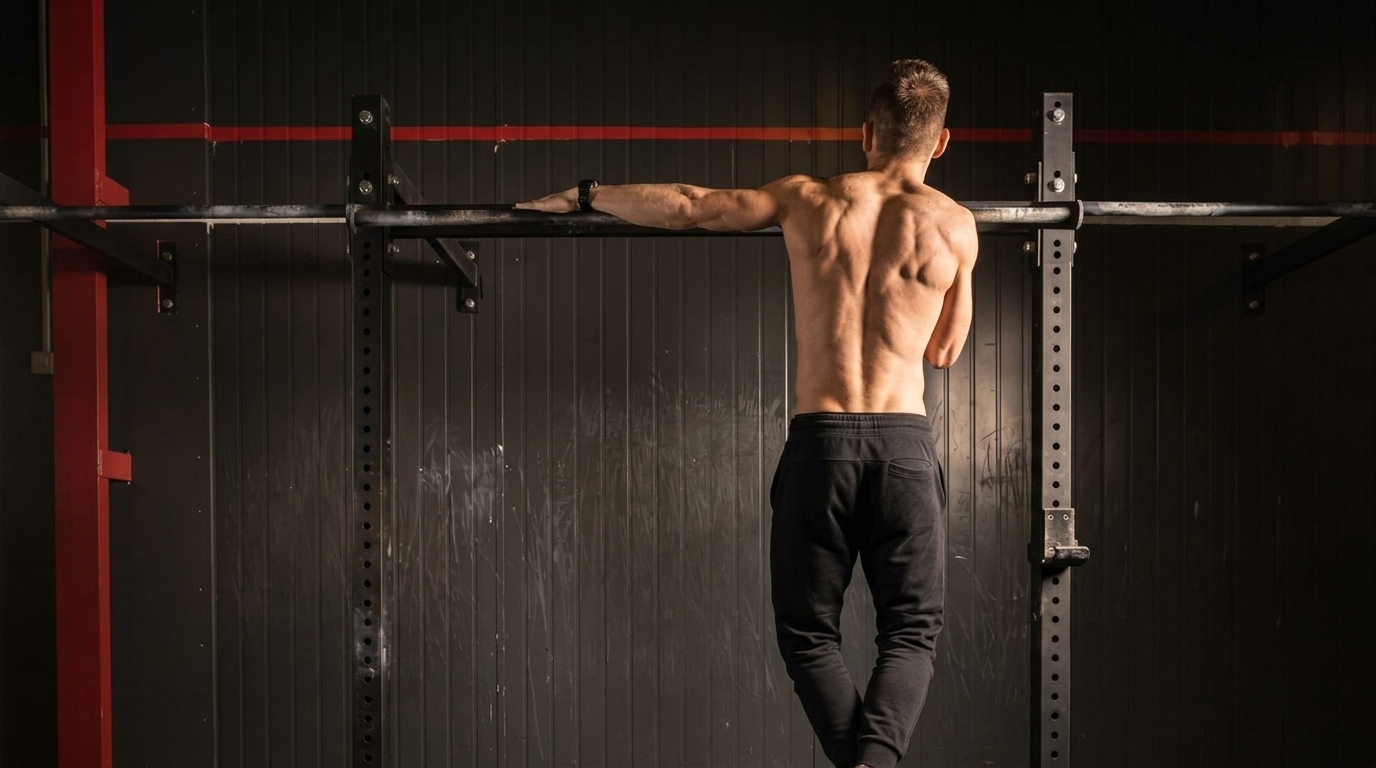
Hand position:Wide grip with one arm pulling while the other stays extended.
Primary muscles worked: Lats, biceps, rear delts, core.
One arm does most of the pulling while the other stays straight and acts as a guide. This is a significant step up in difficulty.
It trains each side more independently, which helps fix strength imbalances and builds the foundation for the one-arm pull-up.
10. Typewriter Pull-Up
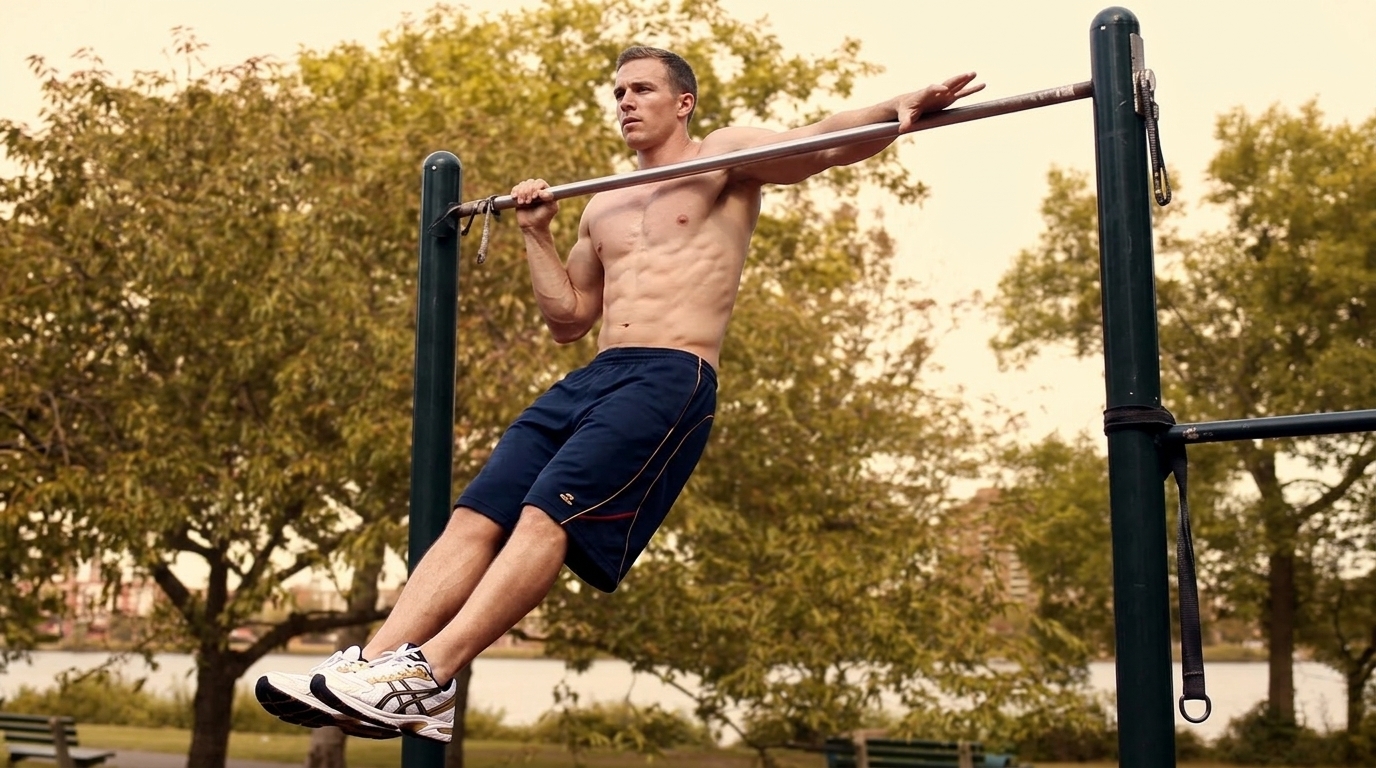
Hand position: Wide overhand grip.
Primary muscles worked:Lats, biceps, rear delts, obliques.
You pull up to center, shift your body to one side, slide across to the other, then lower down.
The horizontal movement adds a new challenge and keeps the muscles working longer per rep. This one takes practice to do smoothly but it's very effective.
11. Sternum Pull-Up
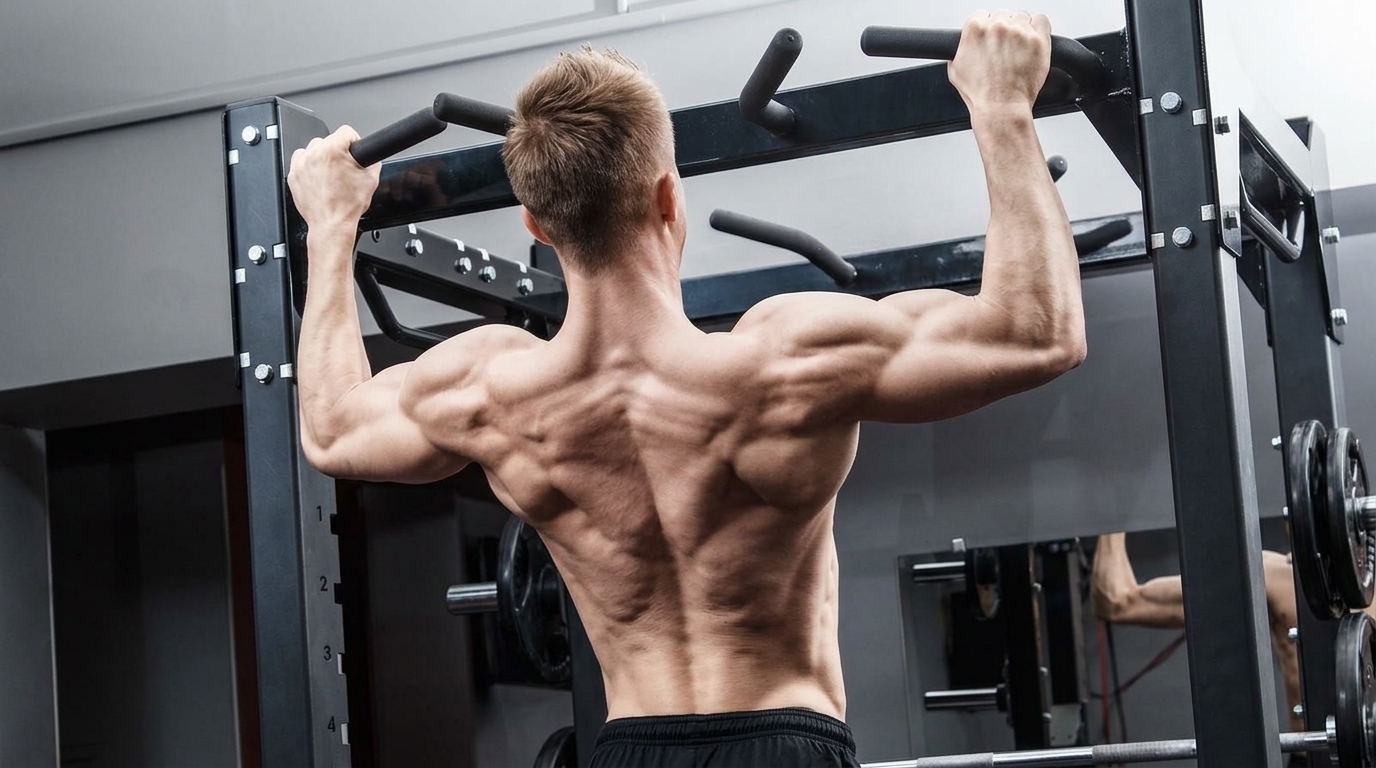
Hand position:Shoulder-width overhand grip.
Primary muscles worked:Lower lats, rhomboids, rear delts, upper back.
Instead of stopping when your chin clears the bar, you keep going until your sternum touches it.
This extra range of motion activates the lower lats and upper back muscles that standard pull-ups often miss. It's a harder move but worth adding once you've built a solid base.
12. Scapular Pull-Up
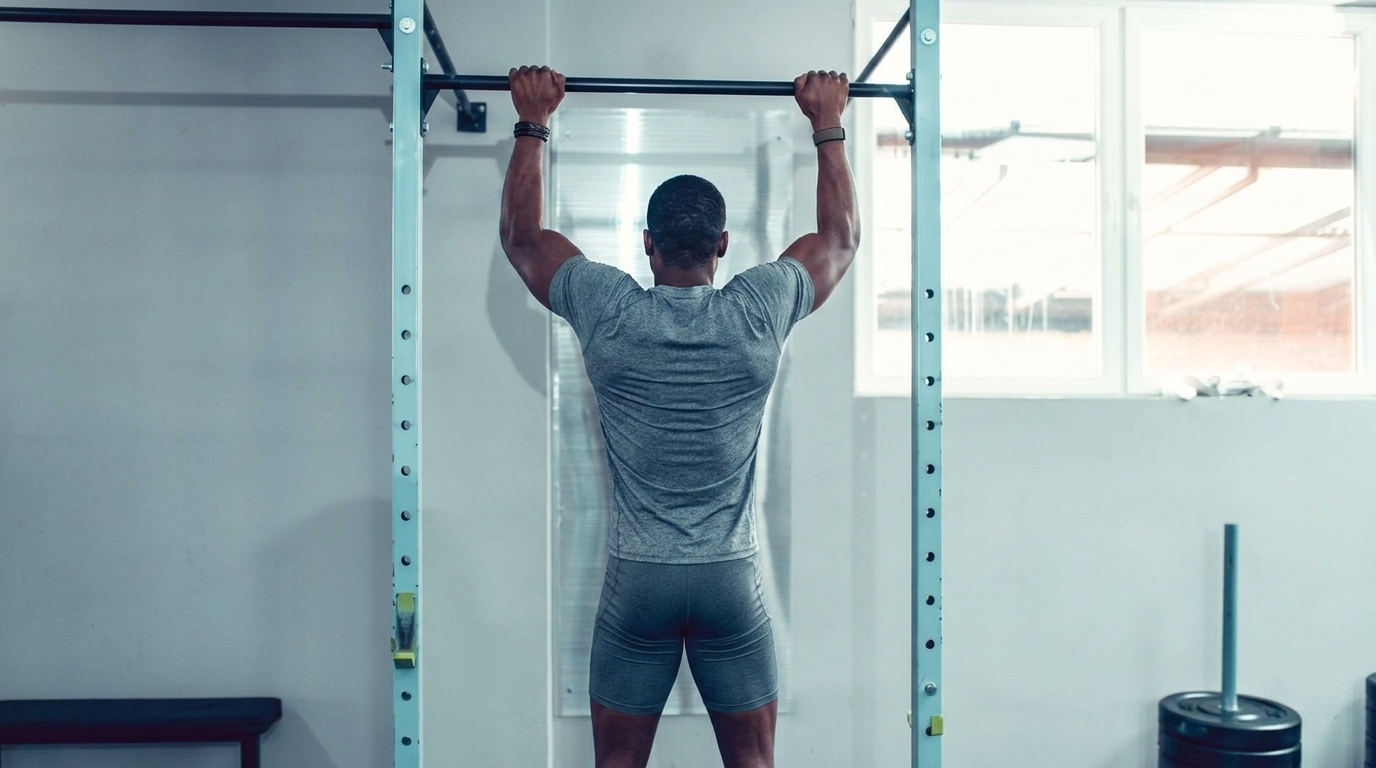
Hand position: Any grip, arms fully extended at the bottom.
Primary muscles worked:Serratus anterior, lower traps, rhomboids.
You don't bend your elbows at all in this one. You just depress and retract your shoulder blades while hanging.
It looks like a tiny movement, but it builds the foundation for every other pull-up variation. I wish I had started with these earlier. They fixed a lot of shoulder issues for me.
13. Isometric Pull-Up Hold
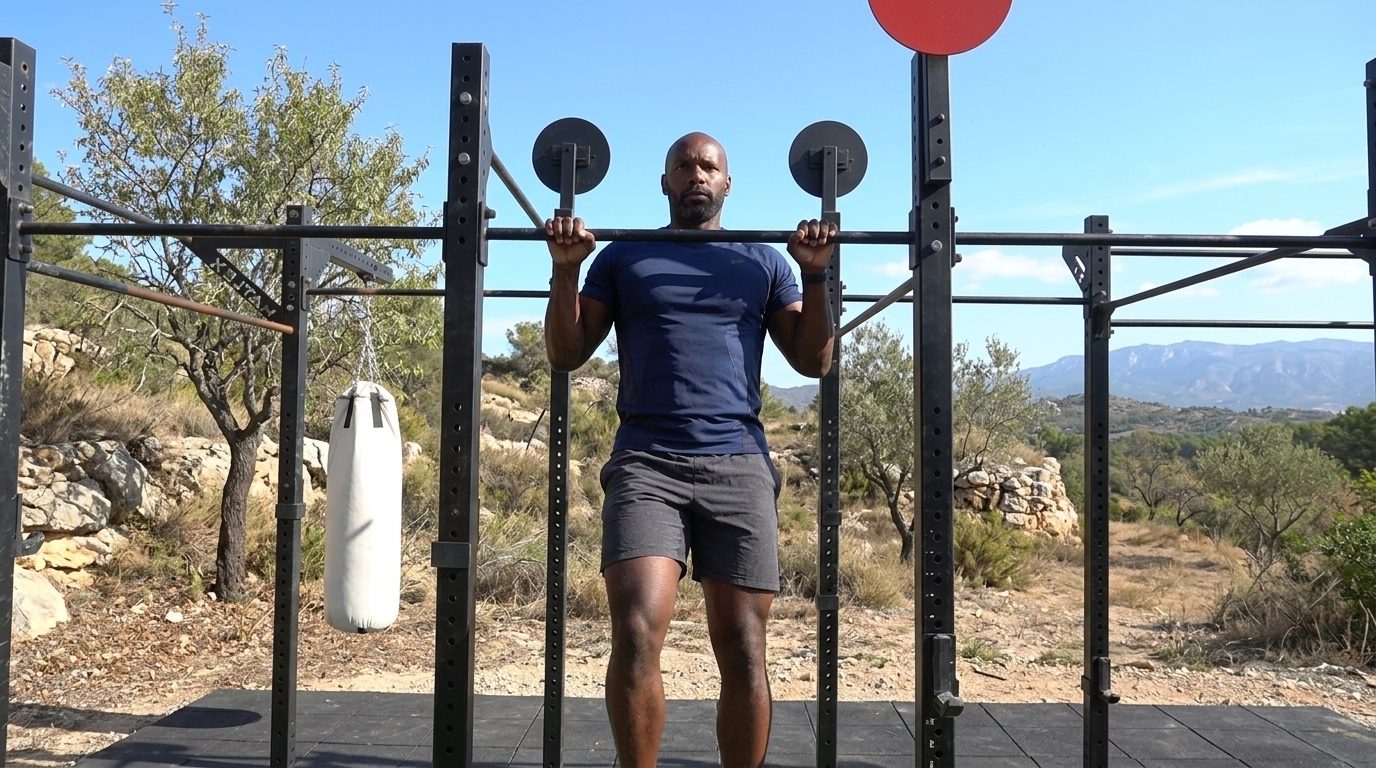
Hand position:Any grip, chin above the bar.
Primary muscles worked:Lats, biceps, forearms, core.
Hold yourself at the top position for as long as you can. This builds the kind of strength that helps you push through sticking points in your regular pull-ups.
Holds at different heights, like the halfway point, are also useful for identifying and fixing weak spots.
14. L-Sit Pull-Up
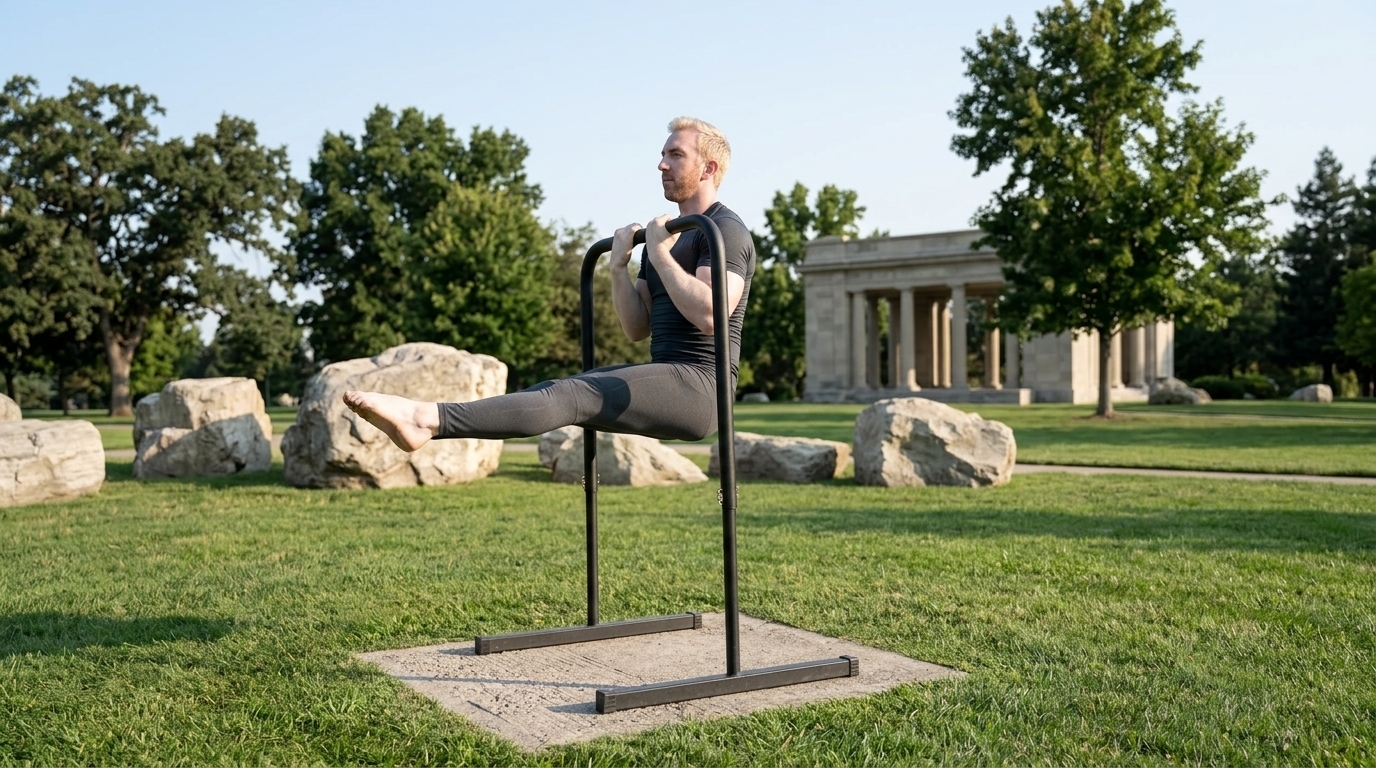
Hand position:Shoulder-width overhand or neutral grip.
Primary muscles worked:Lats, core, hip flexors, triceps.
Keep your legs extended straight out in front of you throughout the entire movement. This puts a constant demand on the core and hip flexors while your upper body does the pulling.
It's a full-body challenge that looks simple but takes real core strength to hold.
15. Towel Pull-Up
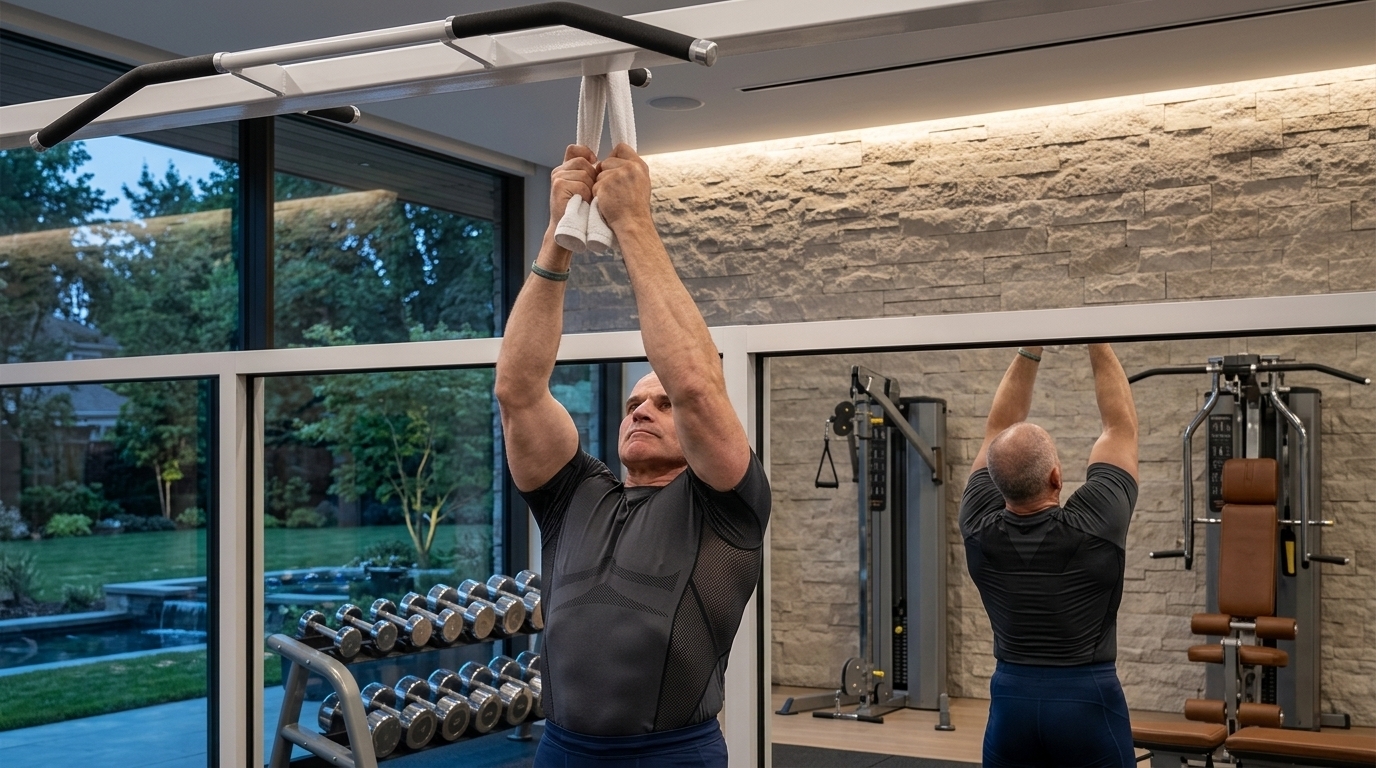
Hand position:Hands gripping folded towels draped over the bar.
Primary muscles worked: Lats, forearms, grip muscles, biceps.
Gripping soft, unstable towels instead of a hard bar makes your forearms and hands work much harder.
This is one of the best grip-building variations available with no extra equipment. Your back still does the pulling but your grip will be the limiting factor at first.
16. Fingertip Pull-Up
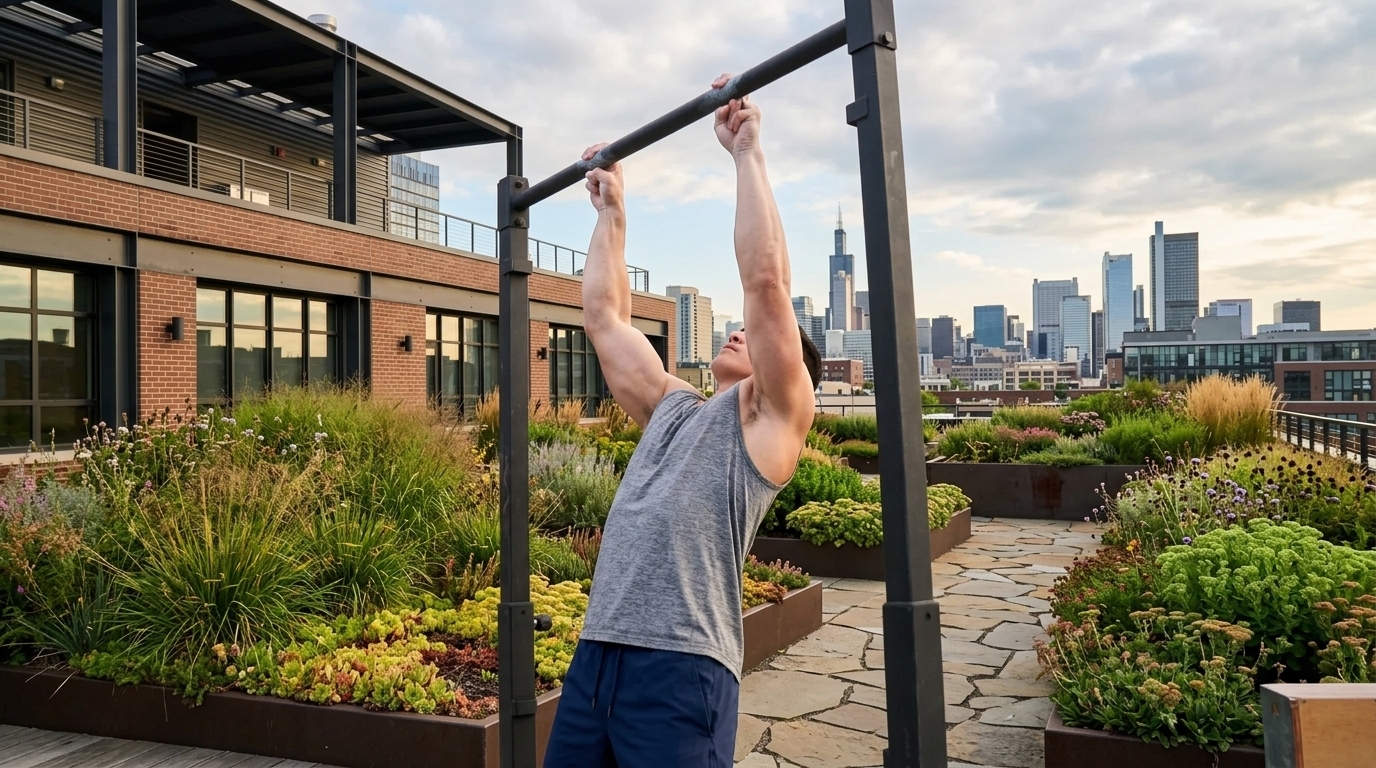
Hand position:Only the fingertips on the bar, not the full palm.
Primary muscles worked:Finger flexors, forearms, lats.
This is an advanced option. Only the tips of your fingers contact the bar, which forces the finger and forearm muscles to work at maximum effort.
It's not for everyone, but if grip and finger strength matter to you, this is one of the hardest and most effective ways to build it.
17. Clap Pull-Up
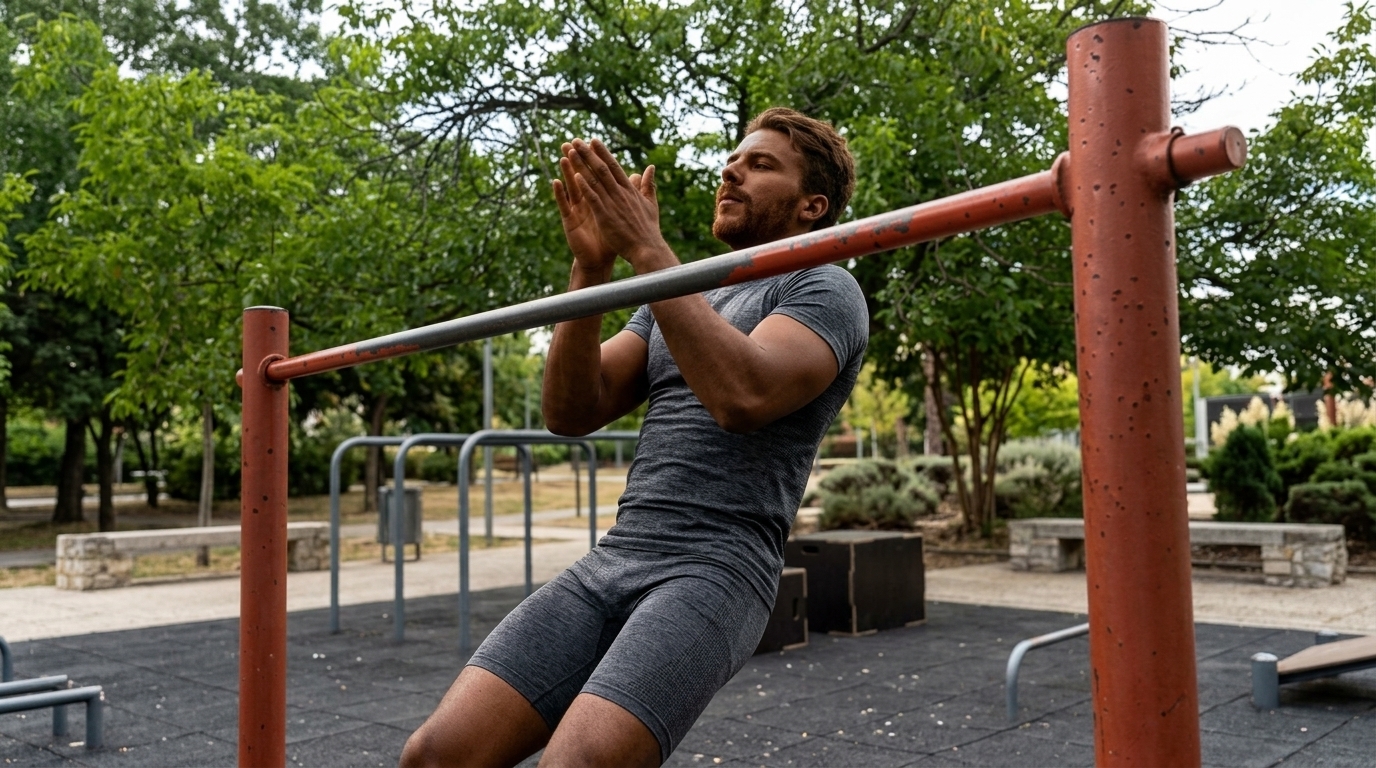
Hand position:Shoulder-width overhand grip.
Primary muscles worked: Lats, biceps, fast-twitch muscle fibers.
Pull yourself up with enough force to release the bar at the top, clap, and catch the bar again. This is a plyometric movement that trains explosive strength.
It requires a solid pull-up base before attempting. Safety matters here. Make sure your grip is secure on the catch.
18. Weighted Pull-Up
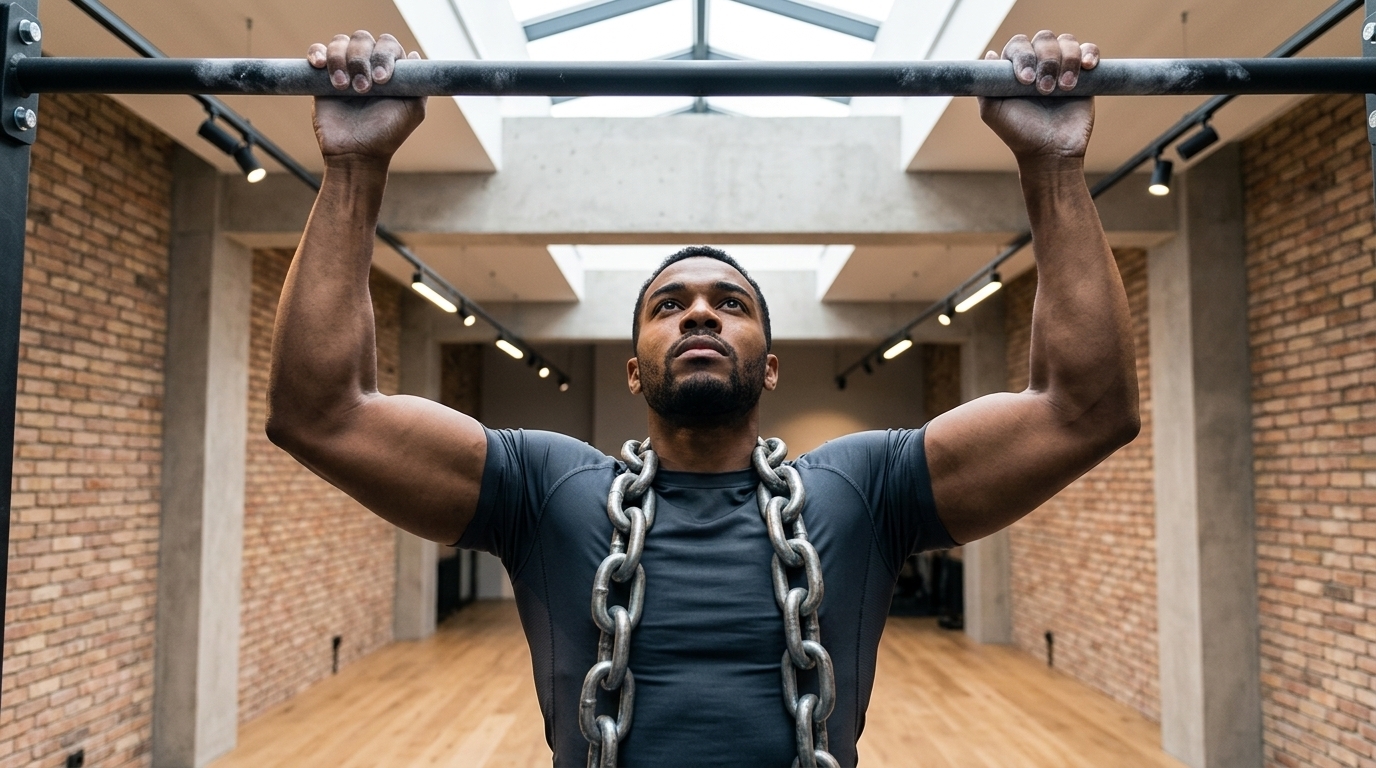
Hand position:Any grip, with added weight via belt, vest, or dumbbell.
Primary muscles worked:Lats, biceps, upper back, core.
Once bodyweight pull-ups feel easy, adding load is the most direct way to keep progressing.
Use a dip belt, weighted vest, or hold a dumbbell between your feet. Keep your form clean. Adding weight to sloppy reps just reinforces bad habits.
19. Negative Pull-Up
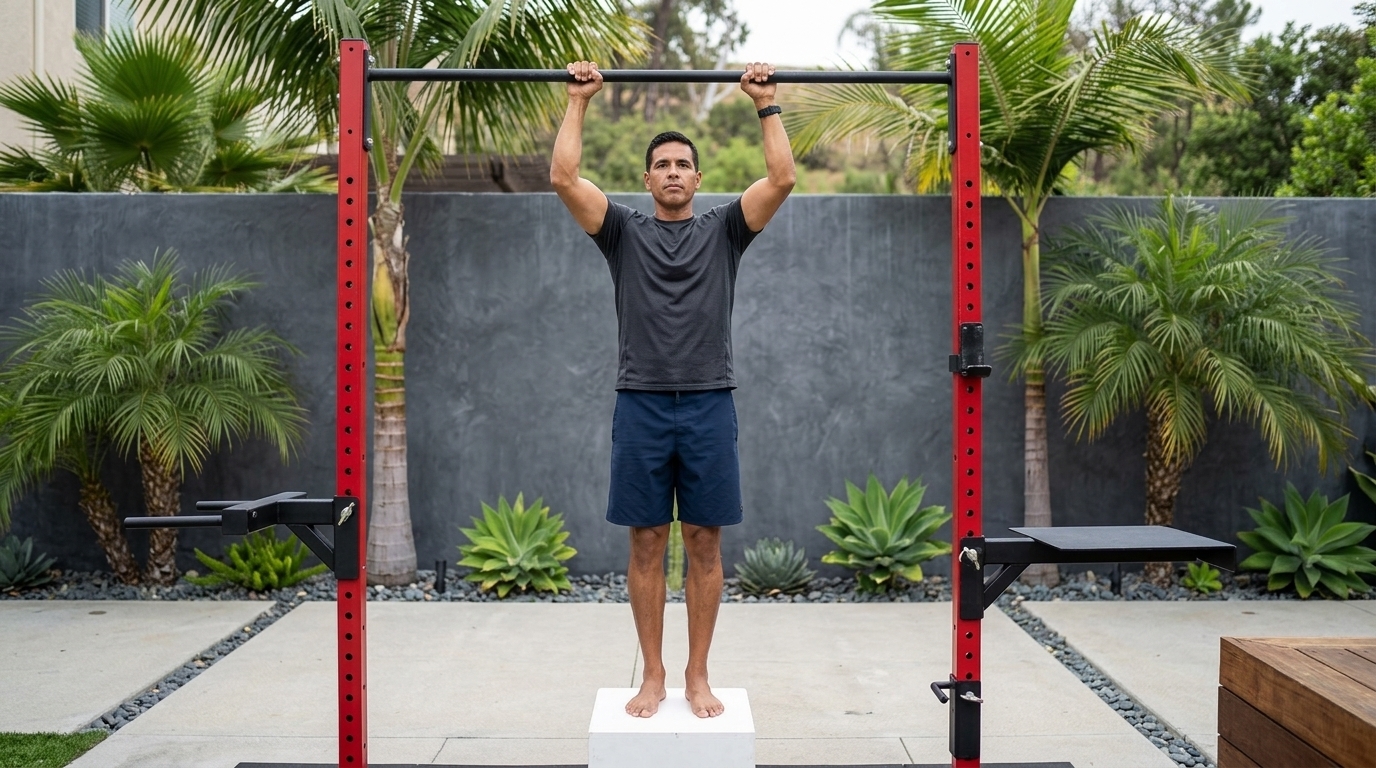
Hand position:Any grip.
Primary muscles worked: Lats, biceps, rear delts.
Jump or step to the top position and lower yourself down as slowly as possible. The lowering phase of a pull-up is where a lot of strength is built.
Negatives are one of the most effective tools for people who can't yet do a full pull-up from a dead hang.
20. Jumping Pull-Up
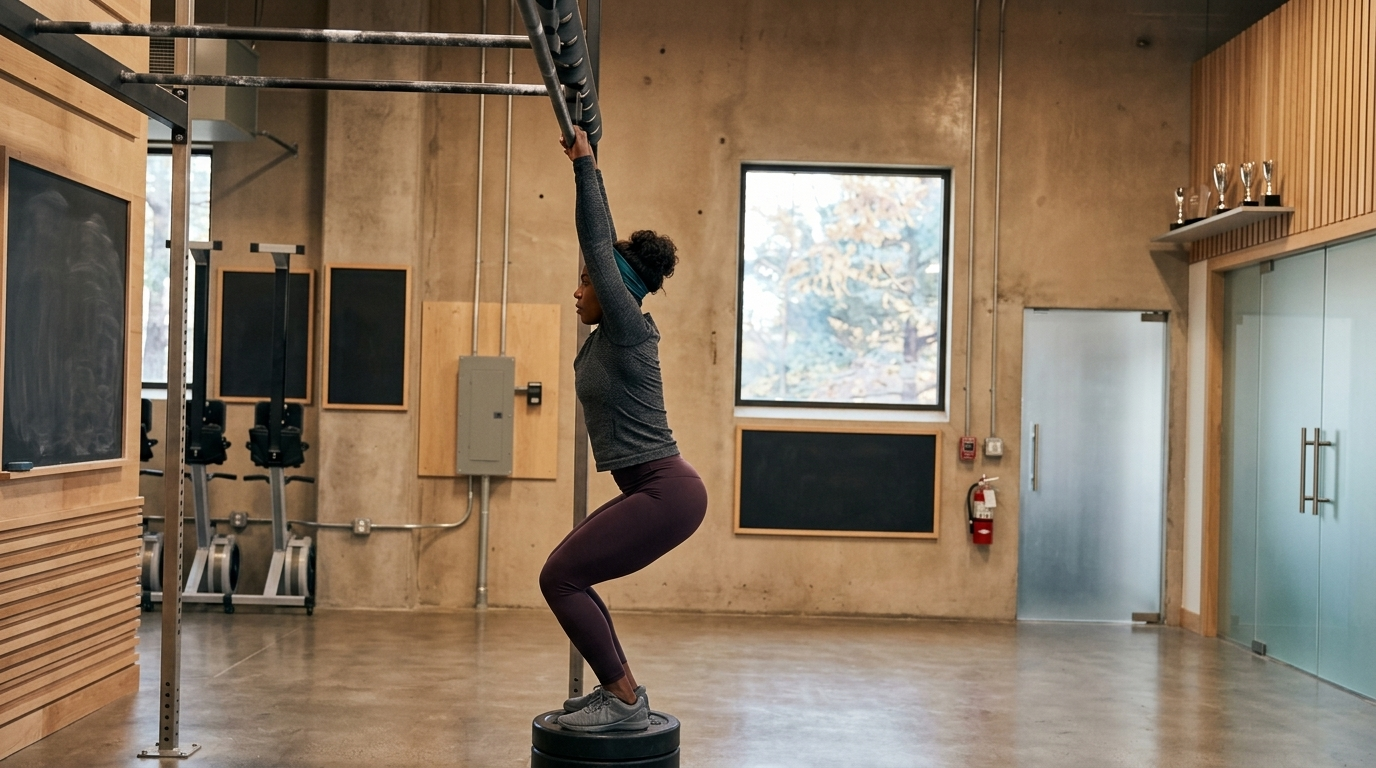
Hand position: Overhand or neutral grip.
Primary muscles worked:Lats, biceps, legs (for the jump).
Use your legs to jump and give yourself momentum at the start. This makes the movement more manageable for beginners or for high-rep sets in conditioning circuits.
It's not a replacement for strict pull-ups but it's a good stepping stone and a solid cardio option.
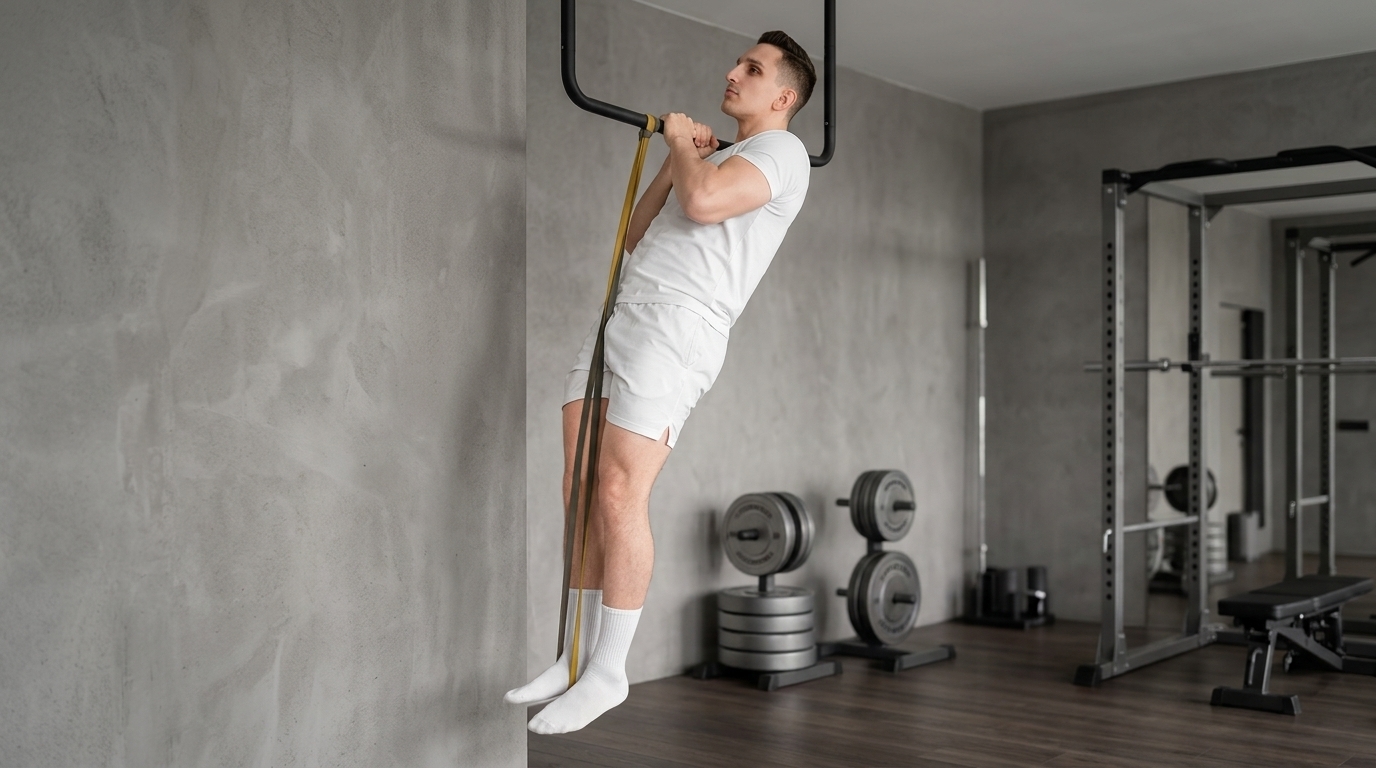
21. Band-Assisted Pull-Up
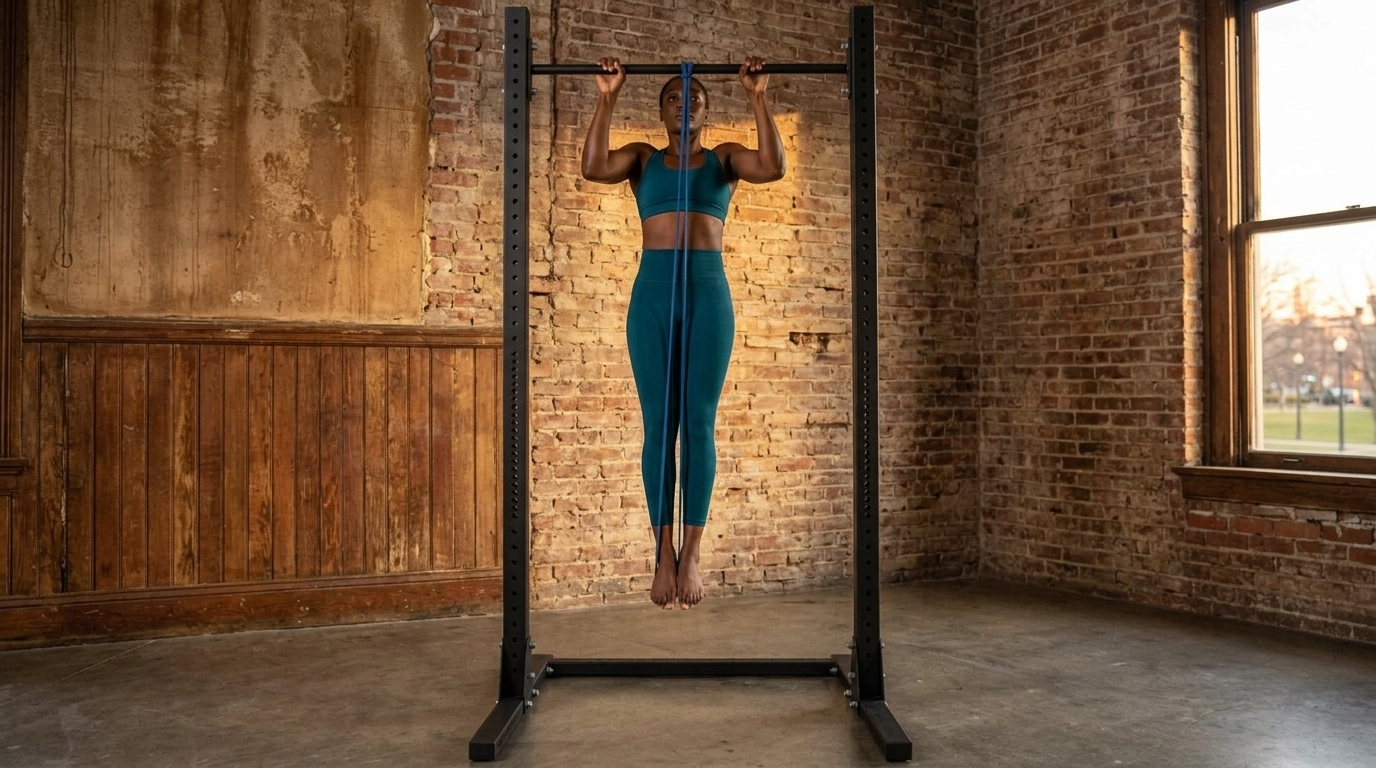
Hand position:Any grip, with a resistance band looped around the bar and under your feet or knees.
Primary muscles worked:Lats, biceps, upper back.
The band takes some of your bodyweight off, making the pull-up more accessible. As you get stronger, move to a lighter band.
This is a cleaner option than jumping pull-ups for building the actual pull-up movement pattern, because it keeps you in a controlled range throughout.
22. One-Arm Pull-Up
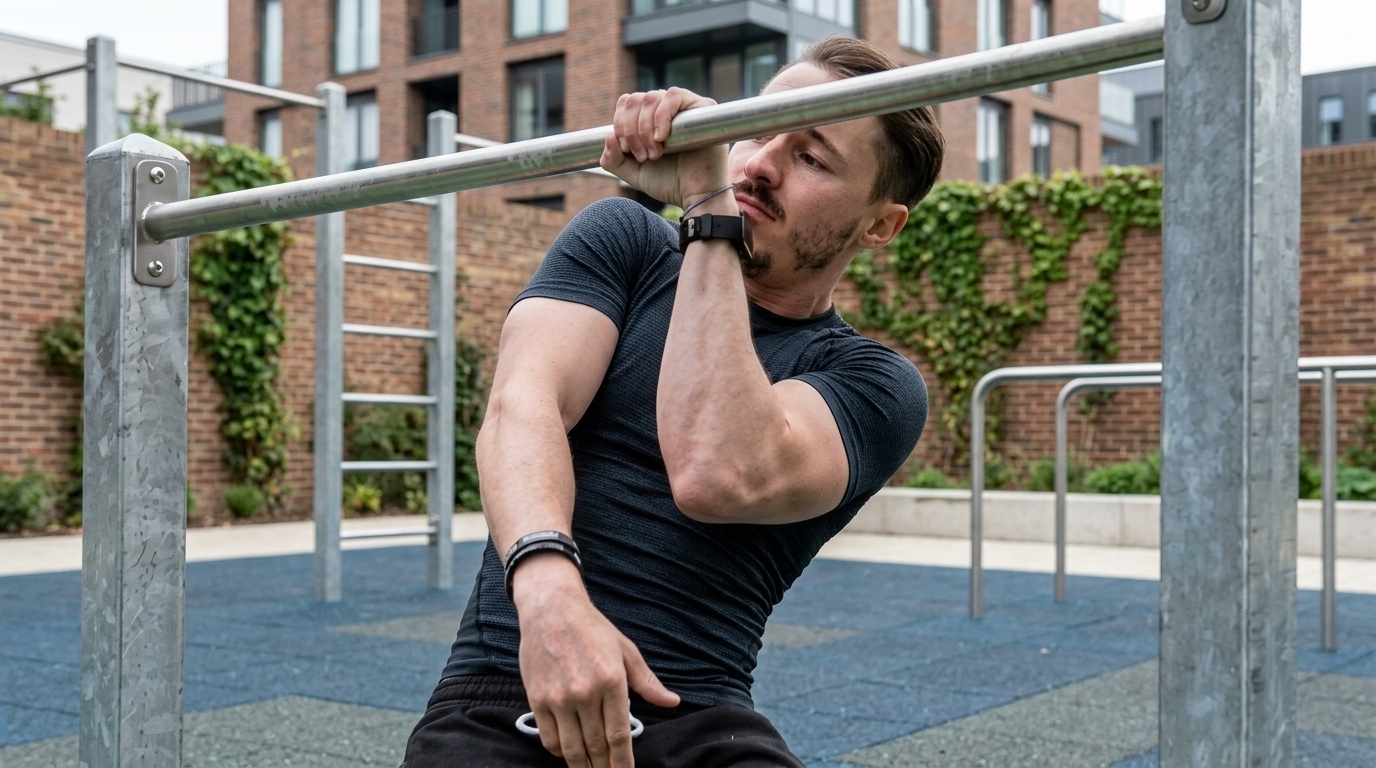
Hand position: One hand on the bar in an overhand grip, other arm free or gripping your wrist.
Primary muscles worked: Lats, biceps, core, forearm of the working arm.
This is one of the hardest bodyweight movements you can do. Your entire bodyweight is supported by one arm.
Most people need months or years of consistent pulling work before this becomes possible. Archer pull-ups and one-arm hangs are good ways to build toward it.
23. Muscle-Up
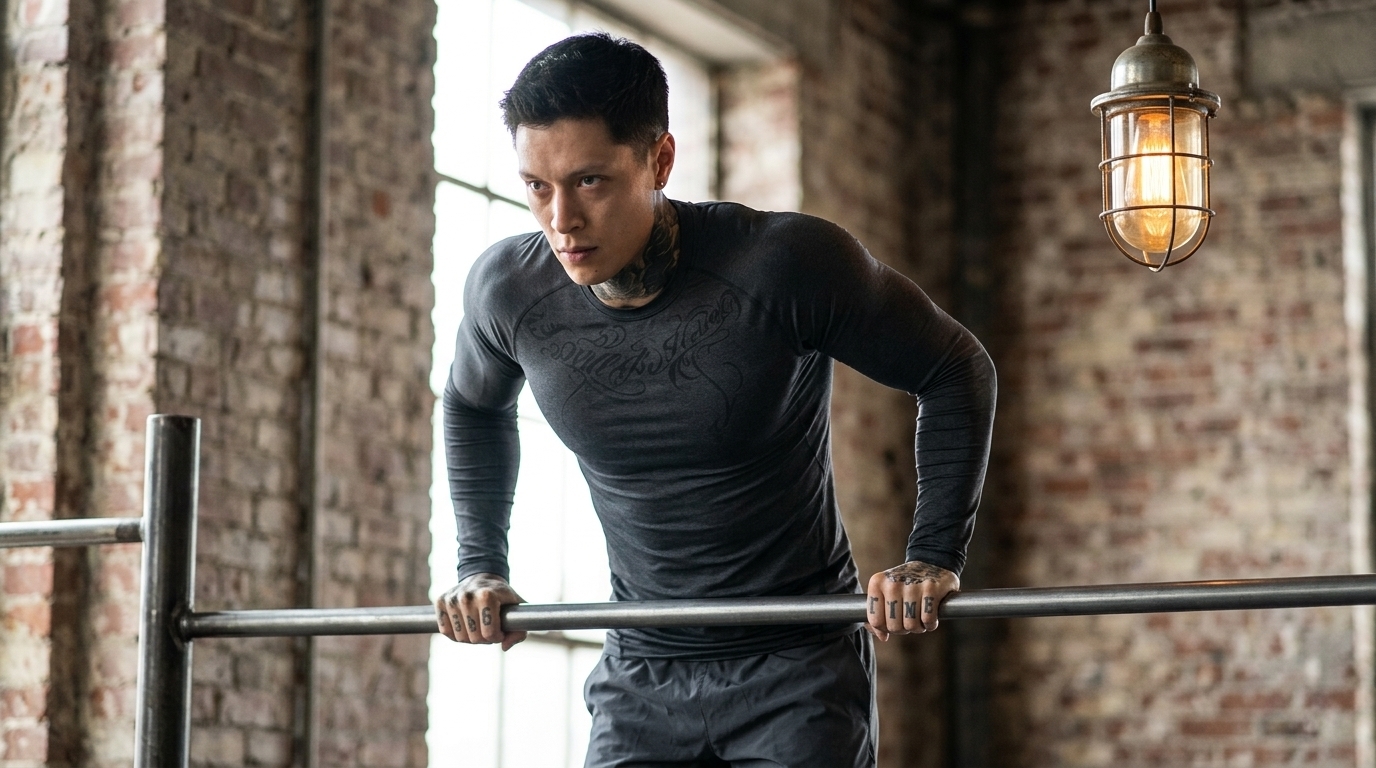
Hand position:Slightly wider than shoulder-width, false grip or standard overhand.
Primary muscles worked:Lats, biceps, triceps, chest, shoulders.
A muscle-up starts like a pull-up and finishes like a dip above the bar. It requires both pulling and pushing strength, plus the coordination to transition between the two.
It's a goal worth working toward if you want a true test of upper body strength and body control.
How to Choose the Right Pull Up Grip
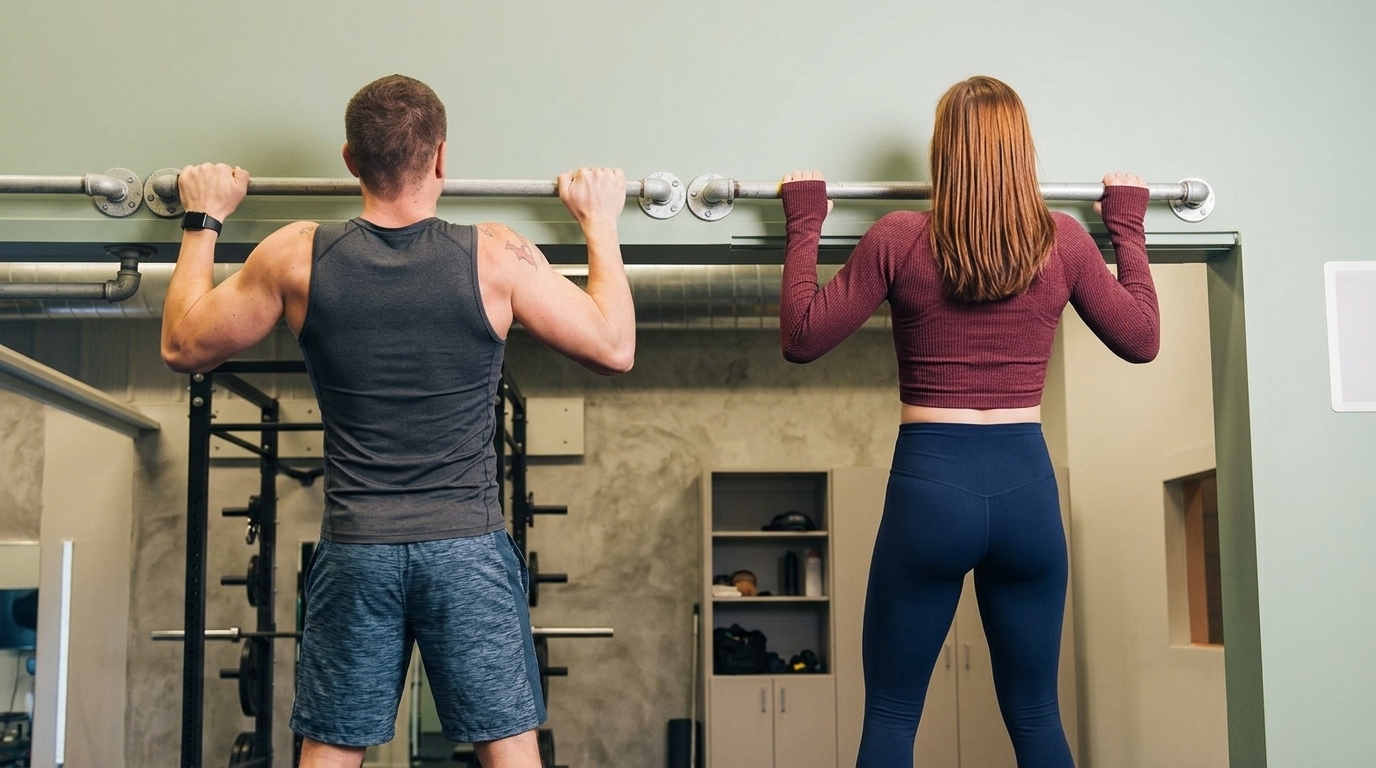
The right grip depends on what you're trying to build. If back width is your goal, go wider.
If you want more bicep involvement or find pull-ups hard on your elbows, use an underhand or neutral grip.
Beginners usually do better starting with chin-ups or neutral grip because they feel more natural and allow more muscles to help.
Once you're comfortable with the basics, adding different variations keeps your progress moving and reduces the chance of overuse issues.
Think about your weak points and choose grips that address them directly.
Common Pull-Up Grip Mistakes to Avoid
Small errors in how you grip and move can limit your results and increase injury risk.
- Using momentum means your muscles are barely working.
- A grip that's too wide strains your shoulders fast.
- Short reps mean weak results over time.
- Skipping scapular engagement puts your shoulders at risk.
- Same variation every session leads to a plateau.
Conclusion
I spent way too long doing the same standard pull-up and wondering why my back stopped growing.
Once I started rotating through different pull up variations, everything changed. More muscle, better control, and no more shoulder aches.
You don't need to do all 23. Pick two or three that match where you are right now. Build from there.
Did this help? Drop a comment and tell me which variation you're trying first. And share this with someone who needs it.
Frequently Asked Questions
What is the best pull-up variation for beginners?
Band-assisted pull-ups and negative pull-ups are the best starting points for building your first full pull-up.
Which pull-up variation builds the widest back?
Wide-grip pull-ups are the most effective for targeting the outer lats and building back width.
Are chin-ups easier than pull-ups?
Yes, chin-ups are generally easier because the underhand grip allows the biceps to contribute more to the movement.
How many pull-up variations should I include in one workout?
Two to three variations per session is enough for most people to get strong results without overdoing it.
Can pull-up variations replace rows in a back workout?
They can cover a lot of the same muscles, but adding rows helps target the mid-back and rear delts more directly.